Is It Legal To Trim A Neighbor’s Shrub On Your Property In Texas
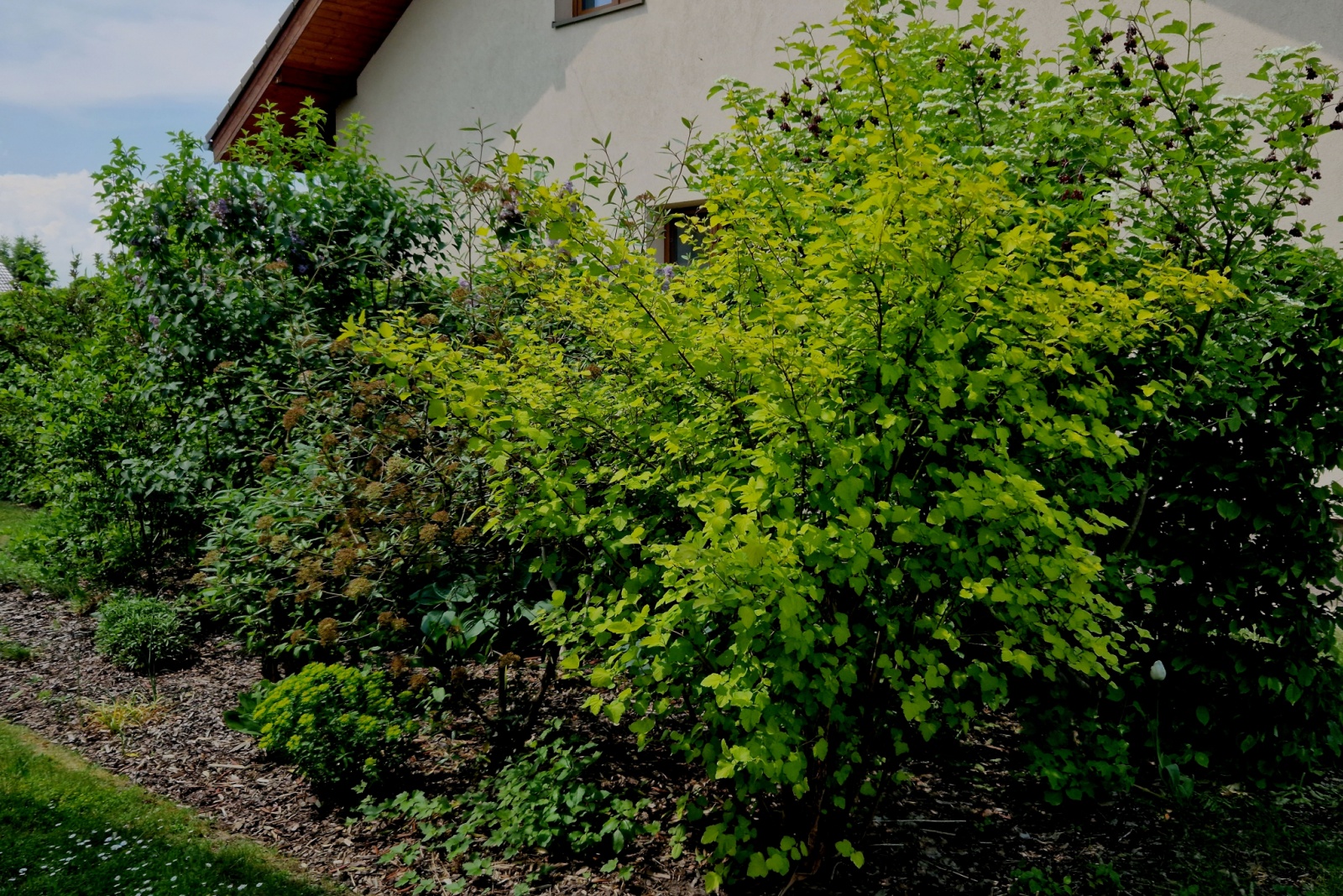
When a neighbor’s shrub starts creeping onto your property in Texas, it’s tempting to just grab your shears and start trimming.
After all, it is on your land, right?
Not so fast.
Property lines, local ordinances, and neighborhood agreements can make plant disputes more complicated than they seem—and what feels like common-sense pruning could actually land you in hot water.
Before you clip that overhanging branch, it’s important to understand the legal and practical rules that govern shared greenery.
From Texas property law to good-neighbor etiquette, knowing what’s allowed (and what’s not) can keep disputes peaceful and your landscaping intact.
In this article, we’ll explore whether it’s legal to trim a neighbor’s shrub when it extends over your yard, and how to handle the situation the smart, respectful way.
What Texas Property Law Says About Overhanging Shrubs
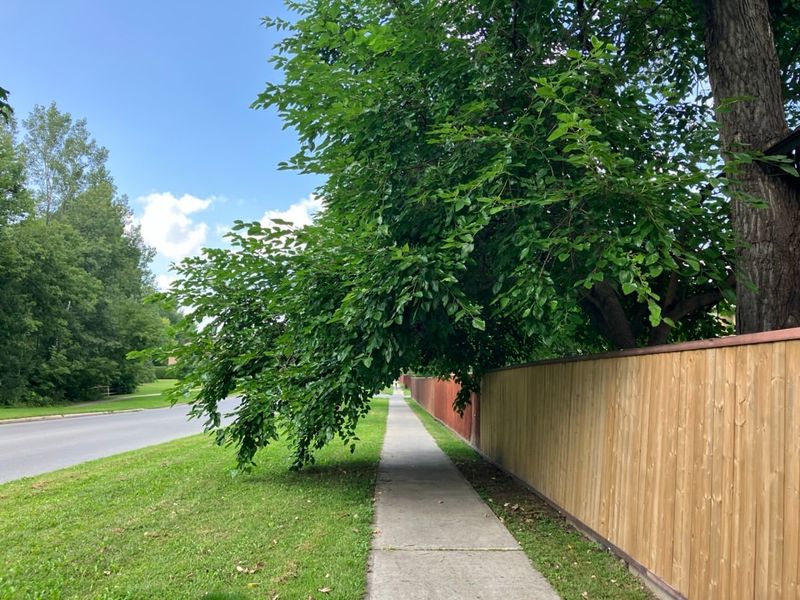
Texas follows what legal experts call the common law rule when it comes to vegetation that crosses property lines from one yard to another.
Under this rule, property owners have the legal right to trim branches, roots, and shrubs that extend onto their side of the boundary.
You are not required to ask your neighbor for permission before cutting back the portions that are physically on your property at all.
However, you must be careful to only trim what is actually on your side and not reach over into their yard to cut.
Crossing the property line to prune their plants could be considered trespassing or even property damage under state law in Texas today.
Many Texans are unaware of this rule and assume they need written consent before touching any part of a neighbor’s plant material.
Knowing your rights helps you maintain your property without unnecessary conflict or confusion about what is legally allowed under Texas statutes here.
Where Property Lines And Pruning Rights Begin And End
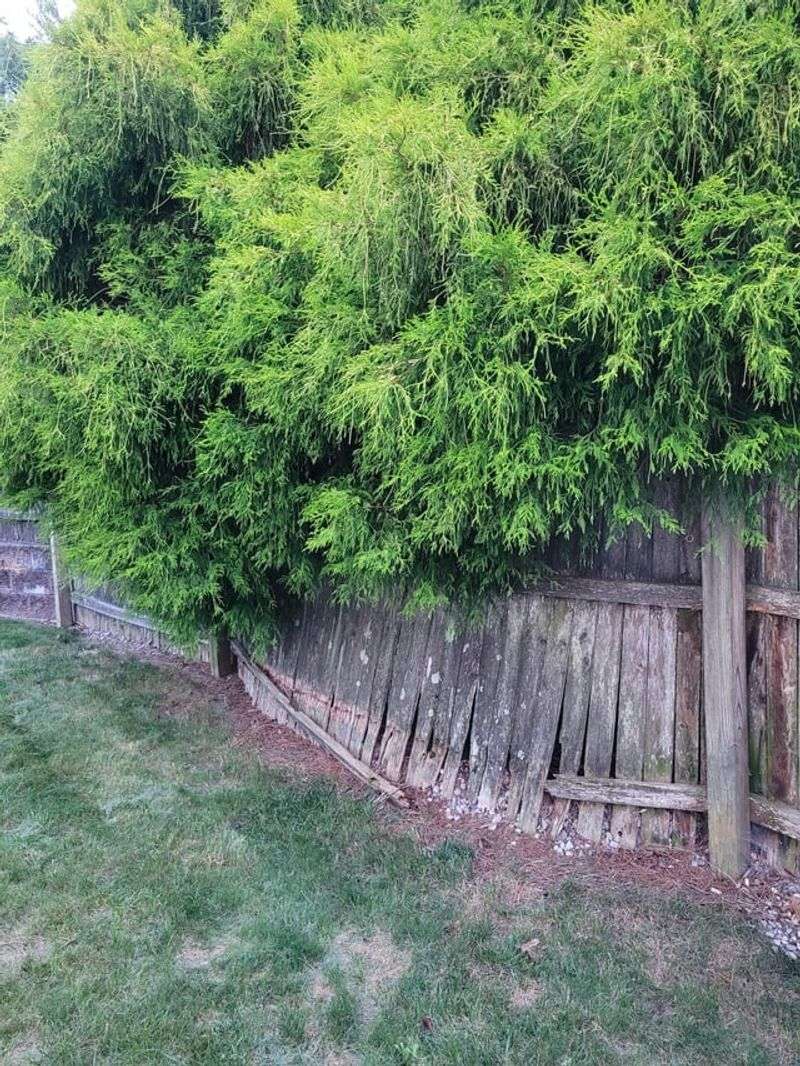
Establishing the exact location of your property line is the first step before you start trimming any vegetation that seems to encroach.
Many homeowners assume their fence marks the official boundary, but fences are often installed several inches or even feet off the true line.
Hiring a licensed surveyor can provide you with an accurate map and physical markers that show precisely where your property ends completely.
Once you know the boundary, you can confidently trim any shrub parts that cross onto your side without worrying about legal repercussions here.
Pruning rights only extend to the portions of the plant that are physically on your land, not the entire shrub or tree.
Reaching across the boundary to cut branches on their side is not protected by Texas law and could result in liability for damages.
Keeping detailed records of your property survey and any trimming you do can protect you if a dispute arises later on down the road.
When Trimming A Neighbor’s Shrub Can Lead To Legal Trouble
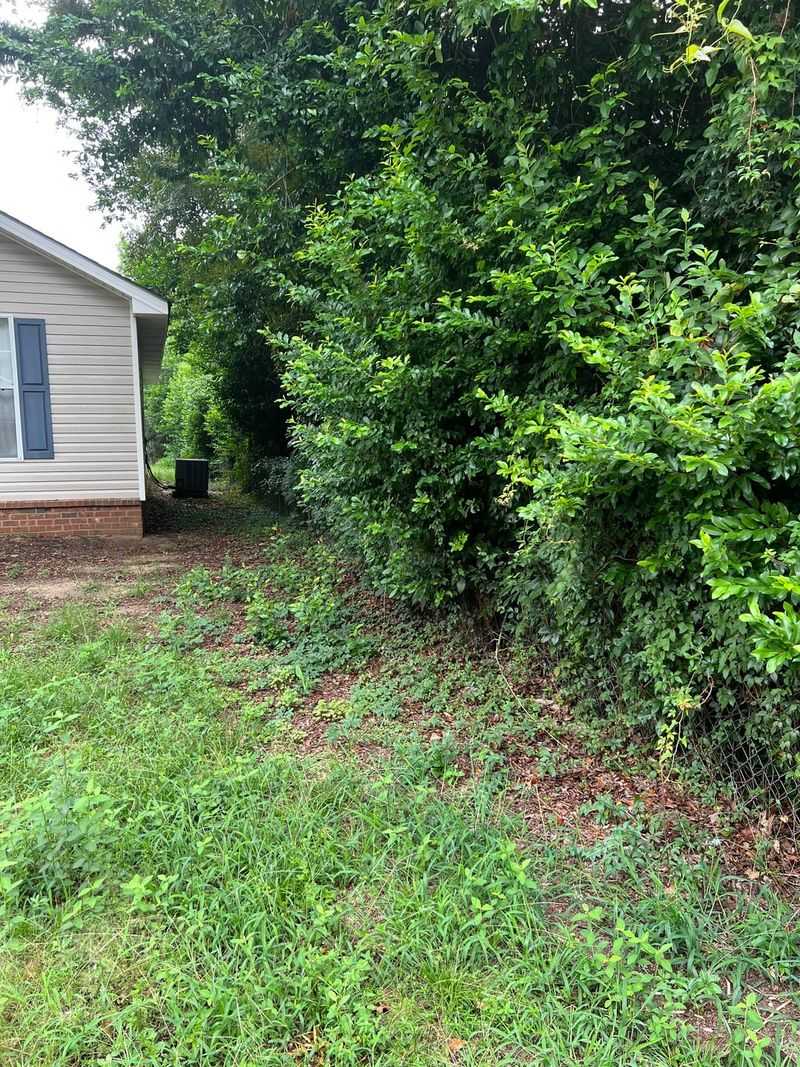
Legal trouble can arise when you trim more than just the parts of the shrub that are on your side of the line.
If you cut branches or roots that are still on your neighbor’s property, they could sue you for trespassing or property damage in court.
Aggressive pruning that harms the overall health of the plant may also lead to claims for compensation or replacement costs under Texas law.
Some homeowners have faced lawsuits after cutting down an entire shrub thinking it was on their land when it was actually not theirs.
Even if the plant is mostly on your property, damaging the main trunk or root system on their side can create serious liability.
Neighbors who feel disrespected or blindsided by sudden trimming may escalate the situation to small claims court or file formal complaints with authorities.
Avoiding these issues means being precise, respectful, and aware of the exact boundaries before you start cutting anything at all today.
What You Are Allowed To Cut And What You Are Not
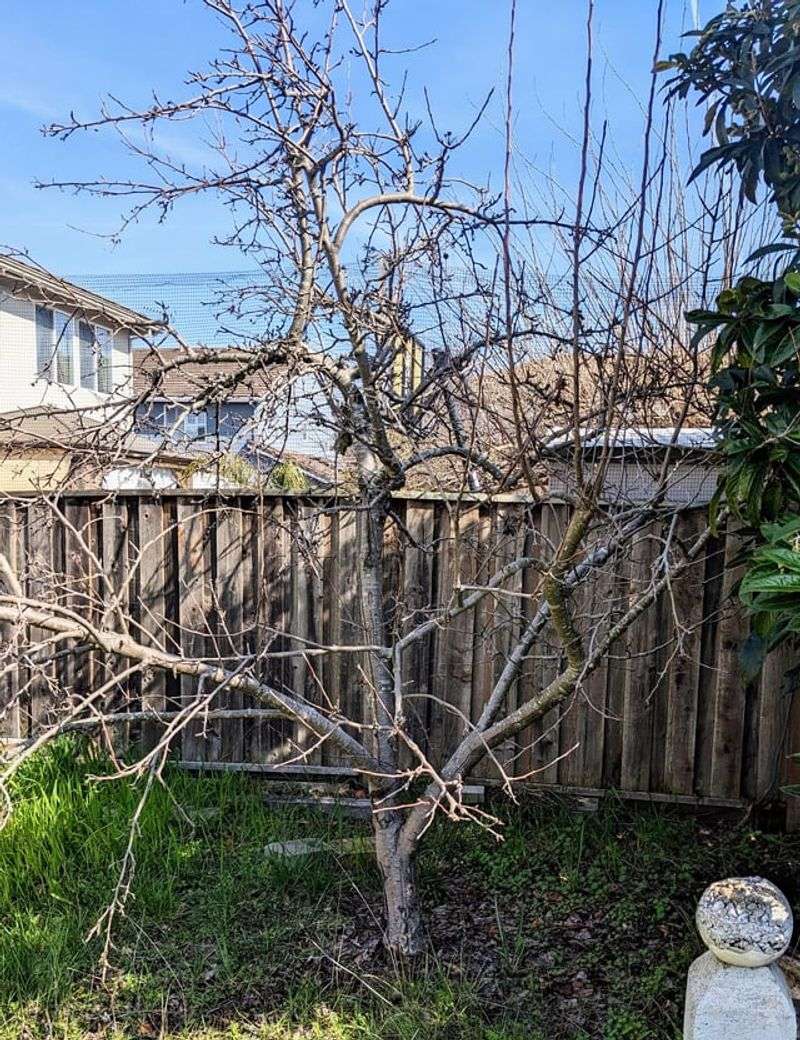
You are legally allowed to cut any branches, leaves, or roots from a neighbor’s shrub that physically extend onto your property in Texas.
This right applies to all types of vegetation, including trees, bushes, hedges, and flowering plants that cross the boundary line between properties.
However, you cannot cut any part of the plant that remains on your neighbor’s side, even if it blocks your view or sunlight.
Trimming must be done carefully to avoid causing permanent harm to the plant, as excessive cutting could result in legal claims for damages.
You also cannot enter your neighbor’s yard to perform the trimming, as that would be considered trespassing under Texas property law today.
If roots are causing damage to your foundation or plumbing, you may have additional rights to remove them, but consulting a lawyer is wise.
Understanding these limits helps you exercise your rights without overstepping and creating unnecessary tension or legal exposure with neighbors living next door here.
How To Handle Shrub Disputes Without Escalating Conflict
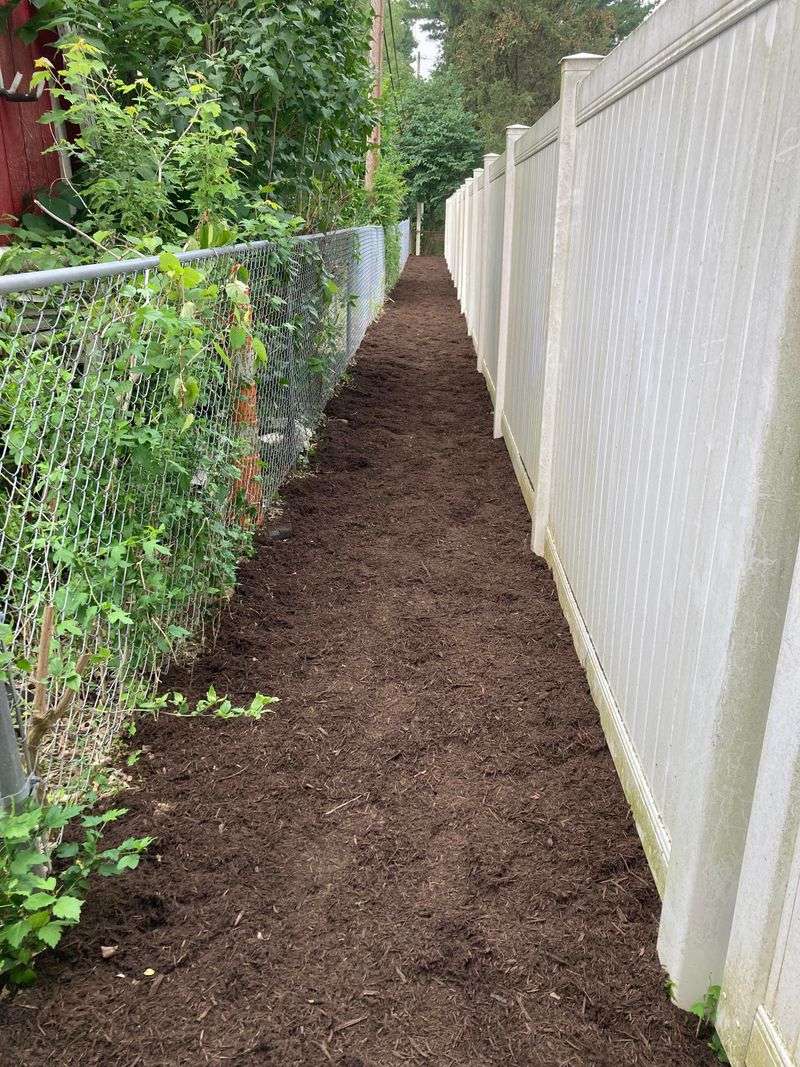
Communication is often the best way to resolve disputes over overhanging shrubs before they turn into legal battles or neighborhood feuds here.
Start by having a friendly conversation with your neighbor, explaining how their shrub is affecting your property and asking if they can trim it.
Many people are willing to cooperate once they understand the issue, especially if you approach them with respect and a calm, reasonable tone.
If talking does not work, consider sending a polite written notice that documents your request and gives them a chance to respond appropriately.
Mediation services are available in many Texas communities and can help both parties reach an agreement without going to court at all.
Avoid taking aggressive action like cutting the shrub down completely or posting angry notes, as this will only make the situation worse overall.
Keeping a record of all communications and actions can protect you if the dispute escalates and you need to show you acted reasonably.
Situations Where Permission Is Still A Good Idea
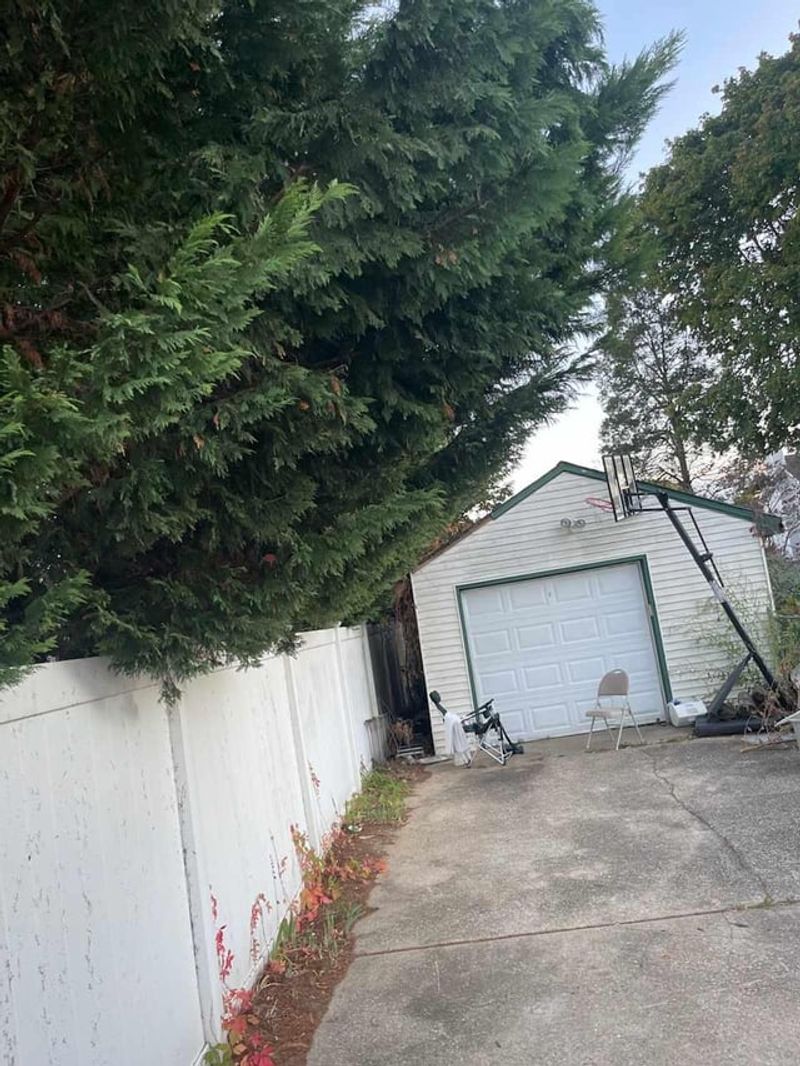
Even though Texas law allows you to trim overhanging shrubs without permission, asking first can help maintain good relationships with your neighbors.
If the shrub is a prized ornamental plant or has sentimental value, your neighbor may appreciate being consulted before you start cutting.
Some homeowners prefer to handle the trimming themselves to ensure it is done correctly and does not harm the plant’s overall appearance.
Asking permission also gives you a chance to coordinate the work and avoid misunderstandings about what will be trimmed and when.
In situations where the shrub is very large or the trimming could affect shared fencing, getting input from your neighbor is especially helpful.
If you plan to hire a professional landscaper to do the work, letting your neighbor know in advance can prevent surprises and complaints.
Taking this extra step shows respect and consideration, which can go a long way in preserving peace and avoiding future conflicts over property issues.
Potential Liability If A Neighbor’s Shrub Is Damaged
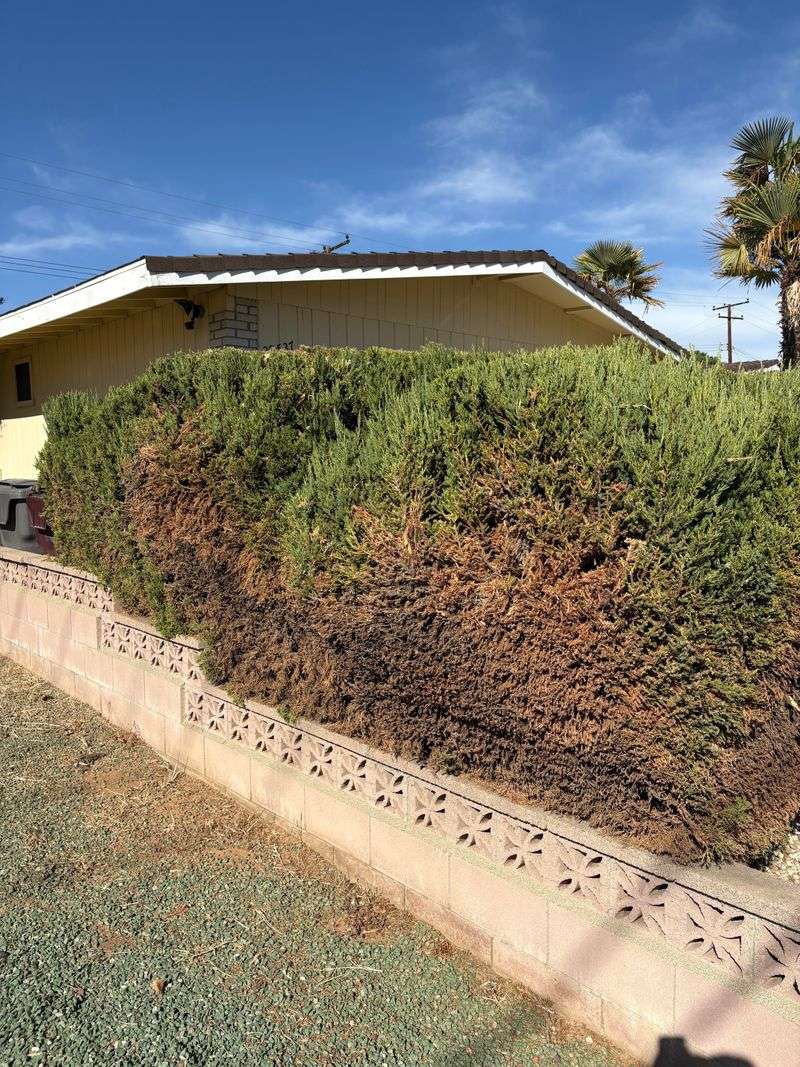
If your trimming causes significant harm to a neighbor’s shrub, you could be held liable for the cost of repair or replacement.
Texas courts have ruled that property owners must exercise reasonable care when trimming vegetation, even when they have the legal right to do so.
Cutting too aggressively or using improper techniques that result in the plant’s decline can lead to claims for damages in small claims court.
Your neighbor may argue that the shrub had monetary or aesthetic value and that your actions caused a measurable loss to their property.
If the plant was rare, expensive, or part of a landscaped design, the potential liability could be higher than you might expect initially.
Documenting the condition of the shrub before and after trimming can help protect you if a dispute arises over the extent of damage.
Consulting with a professional arborist or landscaper before you trim can reduce the risk of causing harm and facing legal consequences later on.
Best Practices For Texas Homeowners Before You Prune
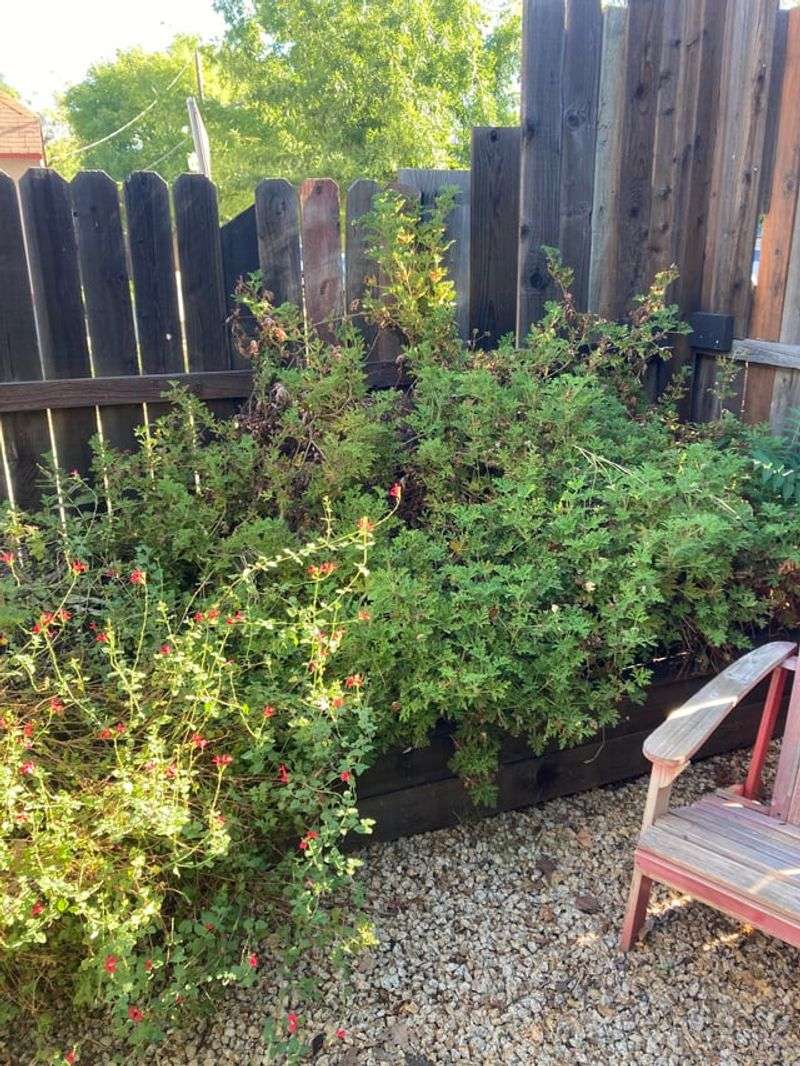
Before you start trimming any overhanging shrubs, take the time to verify your property line with a professional survey or existing property documents.
This step ensures you are only cutting vegetation that is truly on your side and helps you avoid accidental trespassing or property damage.
Talk to your neighbor about your plans, even if you are not legally required to, as this can prevent misunderstandings and foster goodwill.
Use proper pruning techniques and tools to minimize harm to the plant, or hire a licensed landscaper who understands Texas vegetation and climate.
Take photos of the shrub before and after trimming to document the work and show that you acted reasonably if a dispute arises.
Keep records of all communications with your neighbor, including dates, times, and the content of conversations or written notices you send them.
Following these best practices helps you exercise your legal rights while maintaining positive relationships and protecting yourself from potential liability and conflict here.