Is 30 Minutes Of Sprinkler Time Too Long? Irrigation Pros Share Their Rules Of Thumb For Watering In Utah
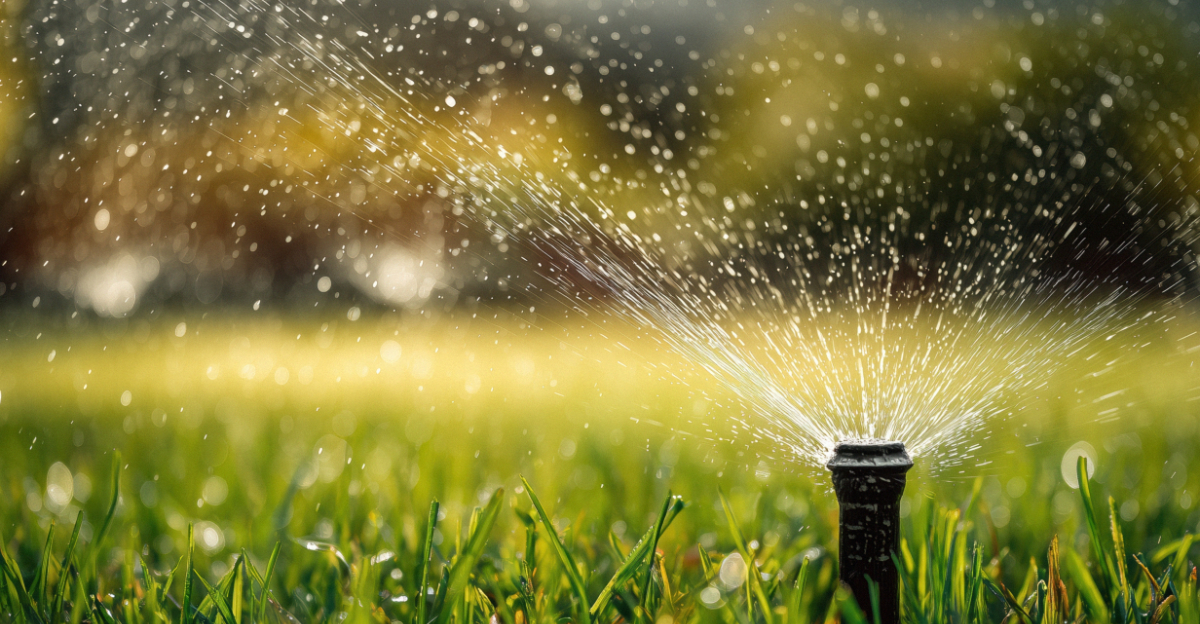
Your sprinkler timer says 30 minutes and you trust it completely. Meanwhile your lawn might be sitting in a puddle it never asked for, or gasping for water it never got.
Utah throws a strange mix of conditions at homeowners: bone-dry air, clay-packed soil, and summer sun that turns grass into a science experiment overnight.
Irrigation techs across the state notice the same pattern year after year. Homeowners set a number once, walk away, and never touch it again, even as the season shifts underneath their feet.
Here’s the part most people miss: watering time isn’t really about minutes at all. It’s about soil type, sun exposure, slope, and how your specific system delivers water, and once you understand those pieces, guessing disappears completely.
Thirty Minutes Can Be Too Long Depending On Your Soil
Clay soil is sneaky. It looks thirsty on top but stays soaked underneath for hours after your sprinklers shut off.
Most Utah yards sit on heavy clay, and that changes everything about how long you should water. Clay absorbs moisture slowly, so water piles up on the surface before it ever soaks in deep.
Running sprinklers for 30 minutes on clay soil almost always leads to runoff. You end up watering the sidewalk more than the roots.
Sandy soil works the opposite way. It drinks water fast and drains quickly, so shorter, more frequent cycles work better than one long soak.
Irrigation pros often recommend a technique called cycle and soak. You run your system for 8 to 10 minutes, pause for 30 minutes, then run it again.
This approach gives the soil time to absorb each round before the next one hits. It cuts waste and gets water exactly where roots need it.
A simple test tells you a lot about your yard. Push a screwdriver into the ground after watering. If it slides in six inches easily, moisture reached the right depth.
If it stops at two inches, your soil is still too dry despite a long run time. Knowing your soil type is the first step to watering smarter, not longer.
Sprinkler Type Changes The Ideal Watering Time
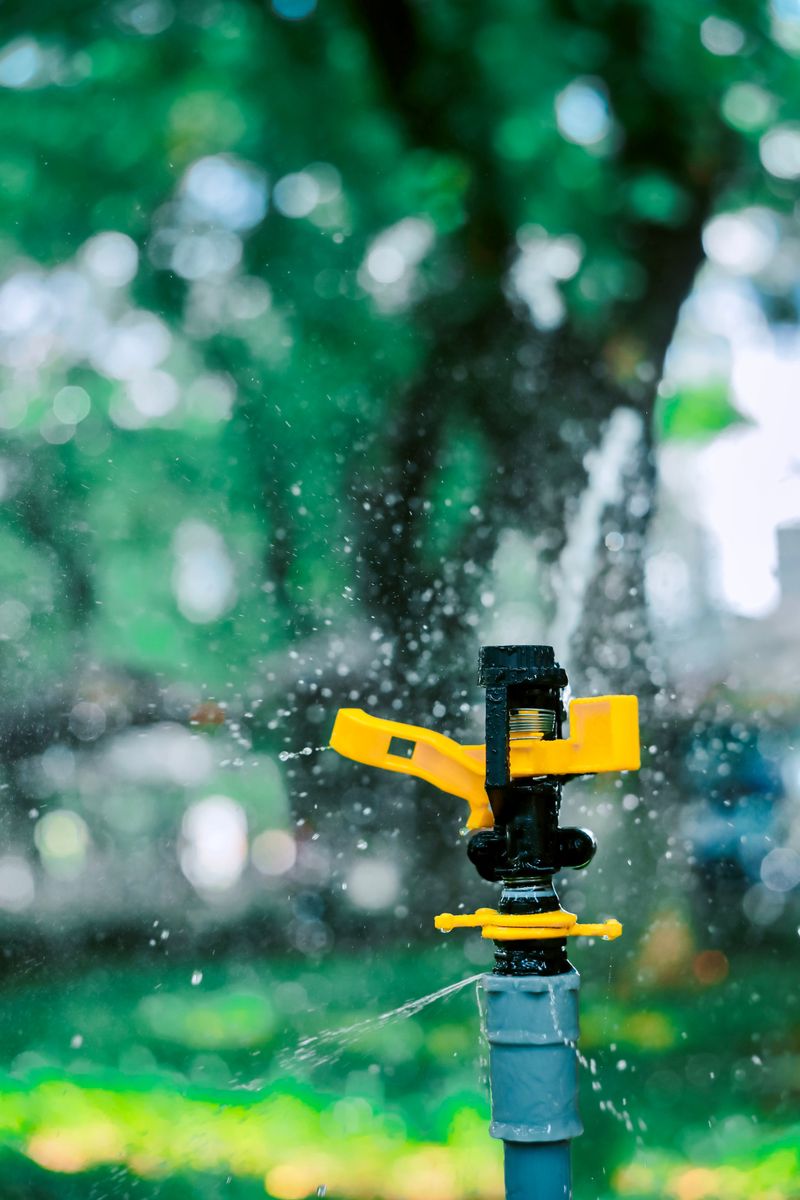
Not all sprinkler heads are created equal. The type you have in your yard determines almost everything about how long each zone should run.
Fixed spray heads dump water fast, usually around 1.5 inches per hour. Rotor heads spin slowly and apply water at roughly 0.5 to 1 inch per hour.
Running a spray zone for 30 minutes can easily apply too much water in one shot. Rotor zones often need longer run times just to hit the same output.
Mixing head types on the same zone is one of the most common mistakes pros see. One side of your lawn gets flooded while the other barely gets damp.
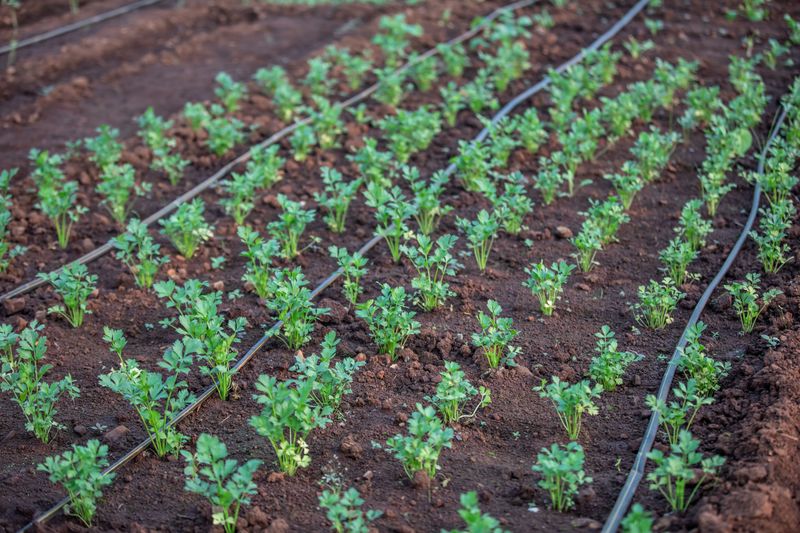
Drip irrigation systems work on a completely different schedule. They run for much longer periods, sometimes an hour or more, because they deliver water slowly at low pressure.
Your Utah Garden Changes Every Week. Your Plan Should Too.
Gardening in Utah changes quickly throughout the season. Every Friday you’ll receive a simple weekly plan showing exactly what to plant, prune, fertilize, harvest, and protect so you never miss the right timing.
Matching your run time to your specific head type is not optional. It is the foundation of any watering schedule that actually works well.
Pros suggest checking your sprinkler head model number and looking up its precipitation rate. That single number tells you exactly how fast water is hitting your grass.
Once you know that rate, calculating the right run time becomes simple math. Divide your target water depth by the precipitation rate, and your ideal minutes appear right away.
Signs Your Lawn Is Getting Too Much Water

Soggy grass has a smell. That faint musty odor rising from your lawn on a cool morning is your yard quietly asking you to back off the water.
Oxygen-starved roots have a distinct smell too, and it’s easy to miss if you’re not paying attention. A sour, swampy scent near the base of your grass usually means the roots are sitting in water they can’t absorb.
Overwatering is actually more common than underwatering in most Utah neighborhoods. Homeowners assume more water equals healthier grass, but the opposite is often true.
Yellow patches are one of the clearest warning signs. Grass that turns yellow despite regular watering is usually suffocating from too much moisture around the roots.
Mushrooms popping up overnight are another red flag. Fungi thrive in wet, compacted soil, and their sudden appearance means conditions are way too moist.
Squishy ground that squishes underfoot after watering is a sign of saturation. Healthy soil should feel firm but moist, not like a wet sponge.
Thatch buildup also accelerates when grass gets too much water. Excess moisture encourages shallow root growth, which creates a thick, spongy layer above the soil.
Weeds like crabgrass and nutsedge love overwatered lawns. They outcompete stressed turf in wet conditions faster than almost any other weed species.
Catching these signs early saves your lawn and your water bill. Cutting run times by even five minutes per zone can stop the damage before it spreads across your entire yard.
Best Times Of Day To Water In Utah’s Climate
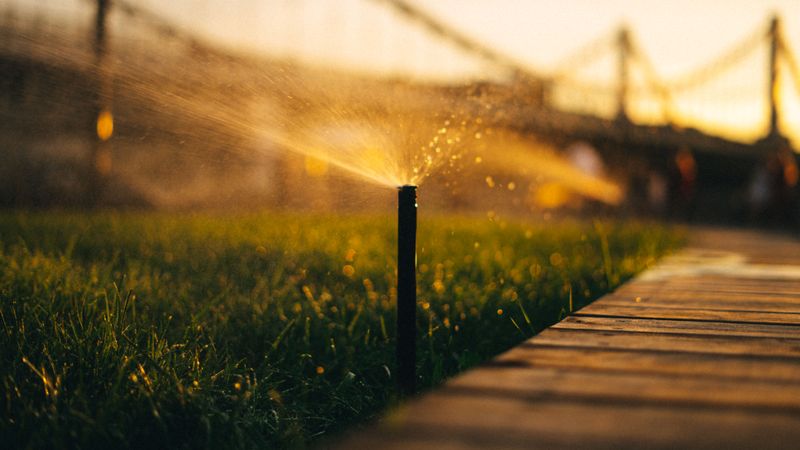
Early morning is the magic window. Watering between 4 a.m. and 8 a.m. gives your lawn the best chance of actually using what you give it.
Morning air is cool and calm, which means evaporation stays low. Water soaks into the soil instead of vanishing into dry desert air before it reaches the roots.
Midday watering in summer is basically a waste. Temperatures above 90 degrees can evaporate a significant portion of sprinkler output before it ever touches the ground.
Evening watering seems convenient but creates real problems. Grass that stays wet overnight becomes a breeding ground for fungal disease, especially during warm months.
Brown patch and other turf fungus spread rapidly when blades stay damp for hours. Watering at night in a warm climate like this one speeds up that process considerably.
Wind is another factor that matters more here than in most states. Afternoon gusts push spray off target and reduce coverage efficiency across entire zones.
Smart irrigation controllers with weather sensors automatically shift start times based on conditions. They are one of the best investments a homeowner can make for any yard.
Sticking to that early morning window consistently produces noticeably greener, healthier turf. Your lawn absorbs more, wastes less, and builds deeper roots that handle summer heat far better.
Actual Watering Frequency Your Lawn Needs
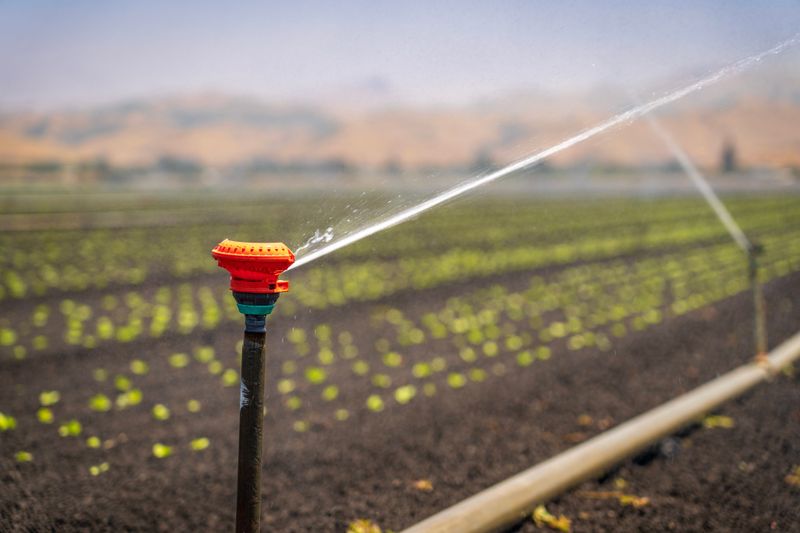
Daily watering sounds responsible. In reality, it keeps roots shallow and weak by discouraging them from growing deeper into the soil.
Deep, infrequent watering forces roots to grow downward in search of moisture. Deeper roots mean stronger turf that survives heat stress and drought far better than shallow-rooted grass.
Most cool-season grasses common in Utah, like Kentucky bluegrass, do best with two to three waterings per week in summer. That schedule changes significantly in spring and fall.
During cooler months, once a week is often plenty. Soil retains moisture longer when temperatures drop, so frequent cycles just add unnecessary saturation.
Irrigation pros use a concept called evapotranspiration, or ET, to calculate precise watering frequency. ET measures how much moisture the lawn loses through evaporation and plant transpiration each day.
Your local extension office publishes weekly ET data for different parts of the state. Using that data removes the guesswork from scheduling entirely and keeps your system dialed in.
Established trees and shrubs need even less frequent watering than turf. Overwatering landscape plants is a widespread problem that causes root damage and premature decline.
Adjusting your schedule with the seasons is not complicated once you understand the basics. A lawn watered on the right frequency grows thicker, crowds out weeds, and costs less to maintain every single month.
Simple Ways To Test Your Sprinkler’s Output
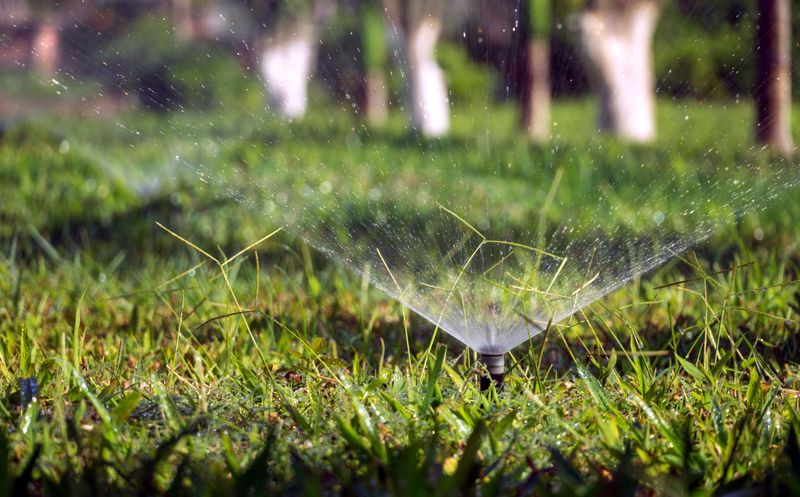
Grab six empty tuna cans. This old-school trick is still the most accurate way to measure what your sprinkler system actually delivers per zone.
Place the cans randomly across a single zone, run that zone for 15 minutes, then measure the water depth in each can. Averaging those numbers gives you the real precipitation rate.
Most pros target about one inch of water per week for established turf in peak summer. Knowing your actual output tells you exactly how many minutes to schedule.
Uneven water depth across the cans reveals a coverage problem. Heads may be misaligned, clogged, or spaced too far apart to overlap properly.
Fixing coverage gaps before adjusting run times saves water and produces much more consistent results. Running a broken system longer just multiplies the problem across your whole yard.
Pressure matters more than most homeowners realize. Too much pressure causes heads to mist instead of spray, reducing coverage and wasting water through wind drift.
Low pressure leaves dry spots because heads cannot reach their rated radius. A pressure gauge at your backflow preventer shows whether your system falls in the proper operating range.
Running this simple can test once a season keeps your watering in Utah dialed in year-round. Small adjustments made early prevent the expensive turf damage that shows up by mid-July every single year.