Florida Homeowners Are Replacing Side Yard Grass With This And The HOA Is Staying Quiet
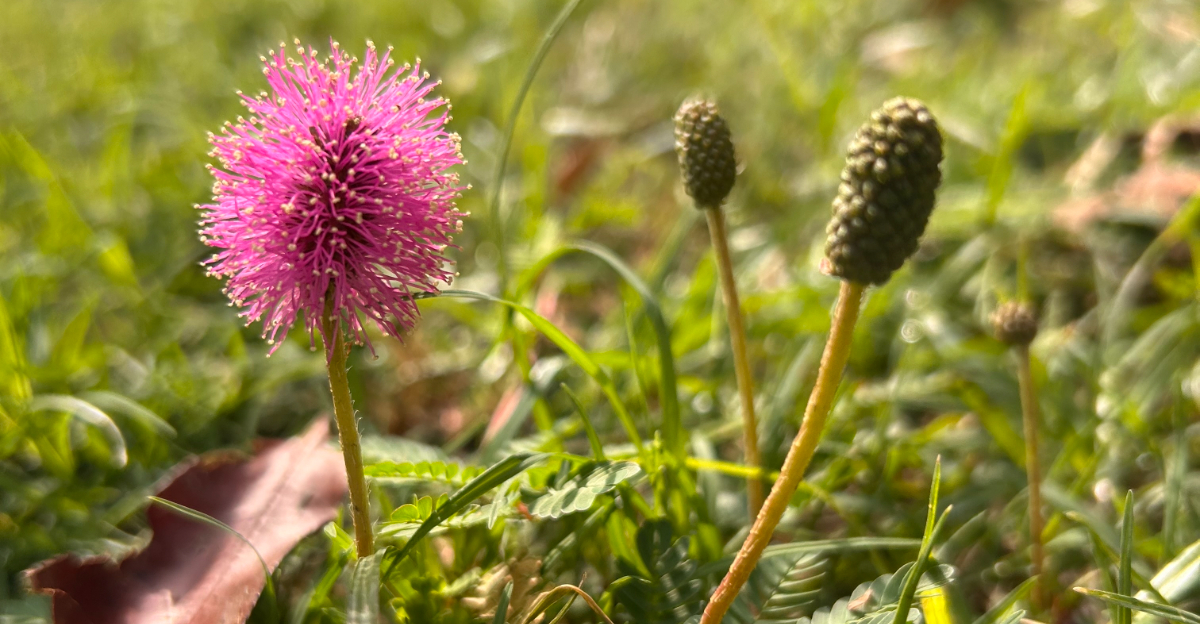
Side yards in Florida are the forgotten problem. Too narrow to mow comfortably, too exposed to hold moisture.
Just visible enough from the street to attract HOA attention when things go wrong. Keeping grass alive in that strip is a losing battle that most Florida homeowners fight on autopilot.
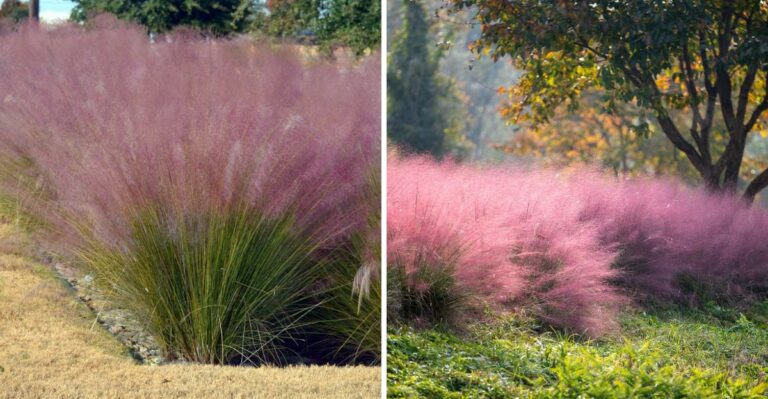
One plant has been quietly solving that problem in neighborhoods across the state. It spreads low, roots in fast, and produces a dense pink bloom that looks deliberate rather than accidental.
HOAs that once flagged unconventional ground covers have been leaving it alone. The look is too polished to argue with.
It handles heat, tolerates drought once established, and fills a side yard strip in a season without the irrigation demands that turf requires to stay alive in that same spot. Florida has a ground cover built for exactly this situation.
Most side yards have never seen it.
1. Sunshine Mimosa Makes Side Yards Look Planned
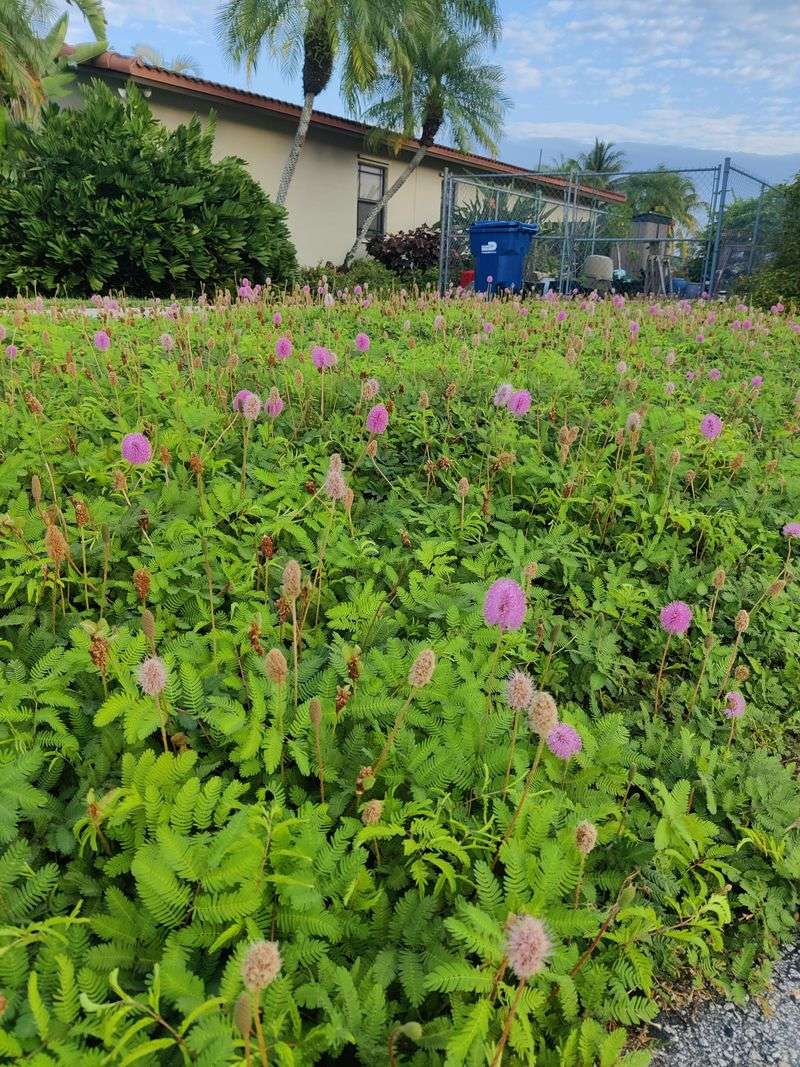
A narrow strip of lawn between a fence and a driveway is one of the hardest spots in any yard to keep looking sharp.
Sunshine mimosa, known botanically as Mimosa strigillosa, steps in as a native groundcover that can turn that awkward space into a planned, finished-looking planting bed.
Unlike thin turf that fades and gaps over time, a spreading mat of sunshine mimosa signals intention. It tells anyone walking by that someone made a choice about what grows there.
UF/IFAS recognizes sunshine mimosa as a Florida-native groundcover suited for sunny, low-traffic areas where turf struggles to perform consistently.
Its low growth habit, typically staying under six inches tall, keeps the strip from looking overgrown or weedy. The plant spreads outward rather than upward, which gives it a tidy, carpet-like appearance when it fills in properly.
That visual quality is exactly what separates a planned groundcover from an unmanaged side yard.
It does not guarantee HOA approval. Every community has its own landscape standards, and some require a formal review before any visible turf replacement.
Checking covenants, submitting drawings, and following side-yard rules before planting protects homeowners from notices later. A groundcover that looks designed from the start gives that approval request a much stronger foundation than patchy grass ever could.
2. Low Growth Keeps The Strip From Looking Wild
Height is one of the first things an HOA or neighbor notices about a side-yard planting. A groundcover that creeps low and stays low reads very differently than tall weeds or overgrown shrubs pushing against a fence line.
That distinction matters more than most homeowners realize when a landscape change is visible from the street or a shared property line.
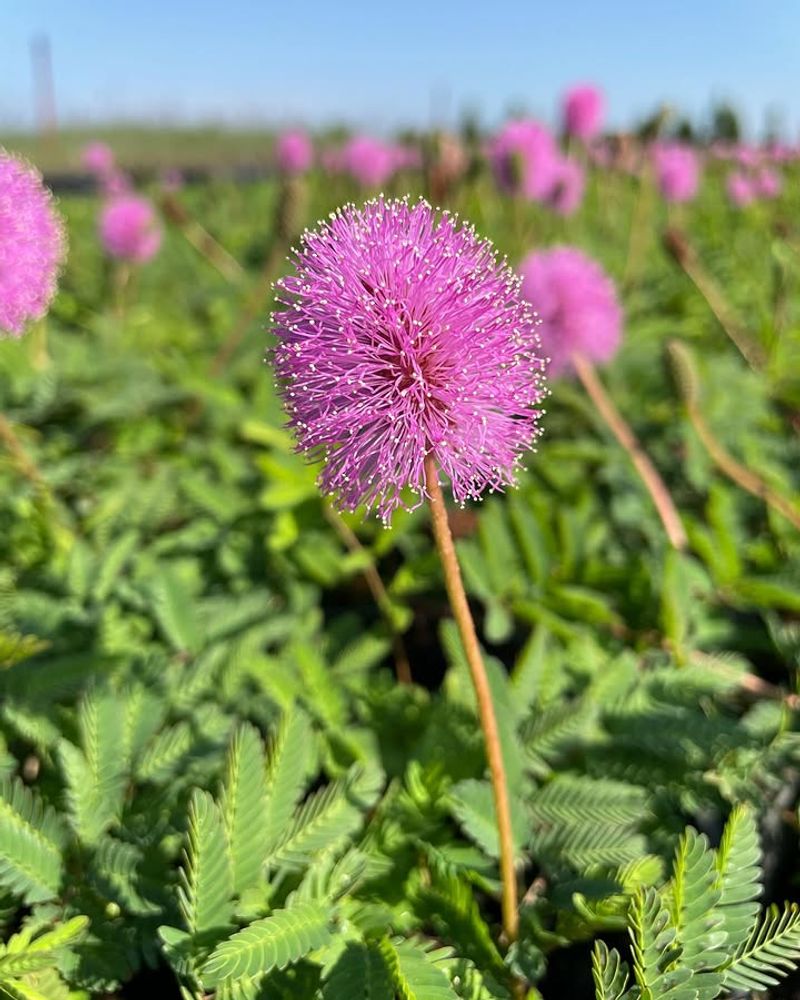
Sunshine mimosa typically stays well under six inches in height during normal growth. Its stems spread outward along the soil surface rather than shooting upward, which keeps the profile flat and ground-hugging.
That growth pattern is one reason UF/IFAS and Florida-Friendly Landscaping resources list it as a suitable low-maintenance groundcover for open, sunny sites.
Low growth still requires maintenance, especially during the first season. Weeds can push through bare spots while the plant is still filling in, and those weeds will grow tall fast if left unchecked.
Your Florida Garden Changes Every Week. Your Plan Should Too.
Gardening in Florida changes quickly throughout the season. Every Friday you’ll receive a simple weekly plan showing exactly what to plant, prune, fertilize, harvest, and protect so you never miss the right timing.
Pulling weeds by hand or carefully applying a targeted weed control early keeps the strip from looking neglected during establishment.
Guiding spreading stems away from sidewalks, driveways, and neighboring turf is also part of keeping the planting neat. A simple trench edge or paver border helps contain the spread and makes the groundcover look deliberate.
When a side-yard strip stays low, clean, and edged, it rarely draws the kind of attention that triggers an HOA notice.
3. Pink Blooms Soften The Narrowest Spaces
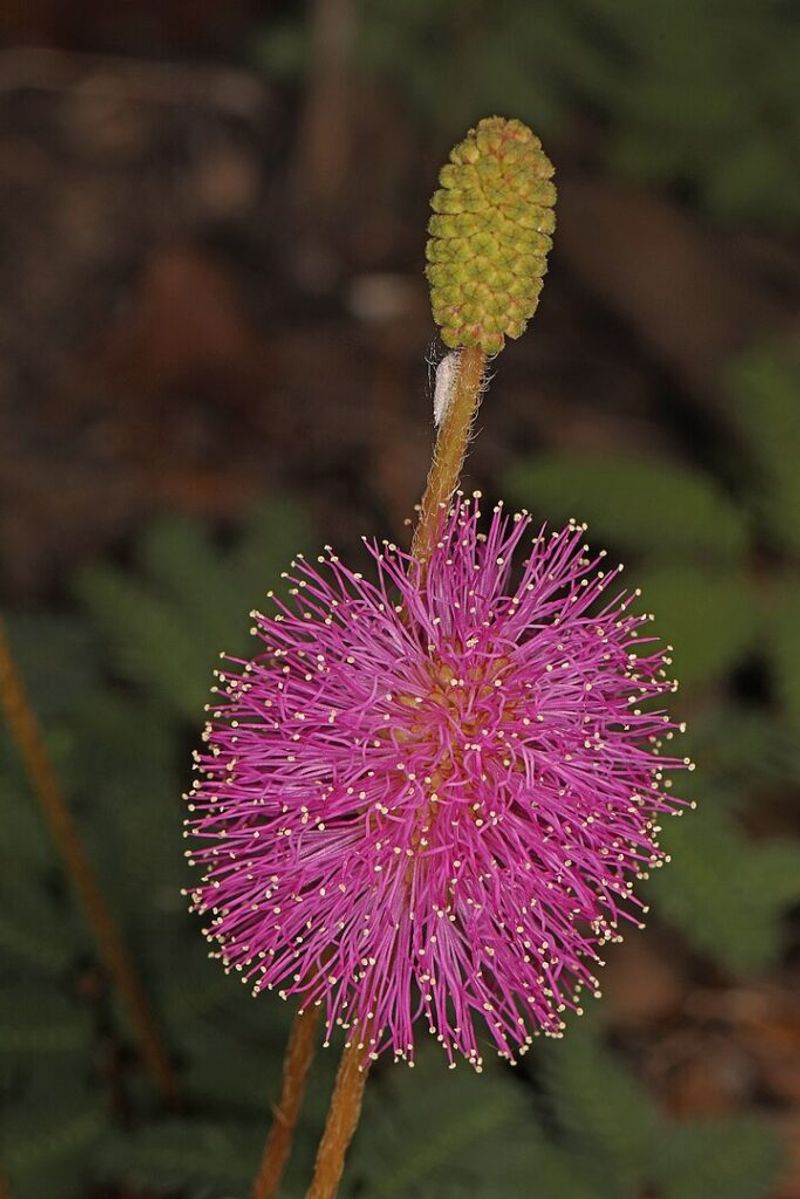
There is something quietly charming about a tiny pink bloom appearing at ground level in a space most people walk past without a second glance.
Sunshine mimosa produces small, round, powderpuff-style flowers that sit close to the soil surface among its feathery leaves.
In a narrow side yard, those blooms do a lot of visual work without taking up any vertical space.
The flowers make the planting feel intentional rather than accidental. A homeowner who chose a flowering native groundcover for a side strip is clearly making a design decision, not abandoning a lawn.
That distinction matters when curb appeal and community standards are both part of the picture.
Bloom timing and flower abundance can vary depending on sunlight, moisture, soil health, and the time of year.
Sunshine mimosa generally blooms from spring through fall in warm regions of this state, but individual plants may flower more heavily during certain months.
Consistent sunlight and healthy establishment tend to produce the best floral display.
Native bees and other pollinators are attracted to the blooms, which adds ecological value to an otherwise underused strip of lawn. Florida-Friendly Landscaping principles support planting for pollinators as part of a well-designed yard.
A side yard that feeds pollinators and looks colorful at the same time is a genuinely useful upgrade from bare soil and struggling turf.
4. Clean Edges Make The HOA Notice Less
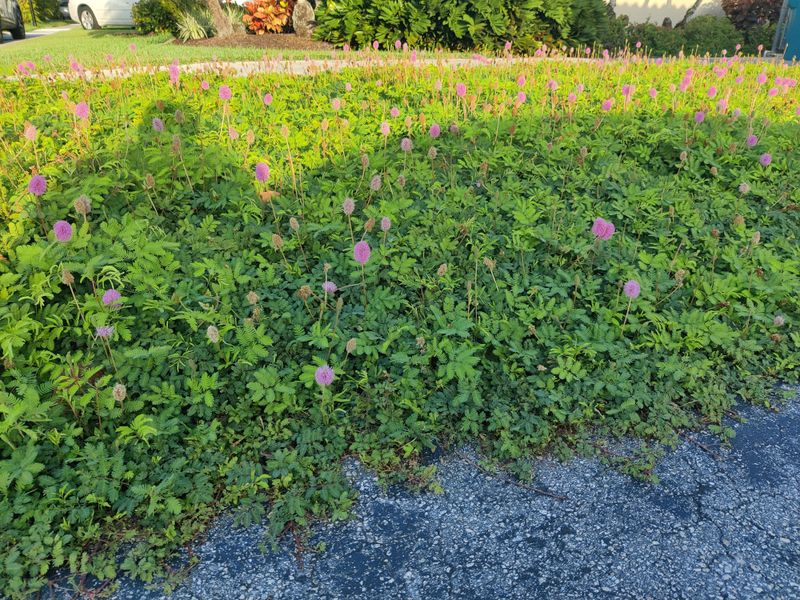
A crisp border changes everything about how a planting is perceived. The same groundcover that looks wild without an edge can look completely intentional once a clean line separates it from a sidewalk, driveway, or neighboring lawn.
Edging is not optional when replacing side-yard turf in a community with landscape standards.
Sunshine mimosa spreads by sending stems outward across the soil. Without a physical boundary, those stems will creep onto pavement, into neighboring turf, or toward foundation beds over time.
A trench edge, paver mow strip, or stone border gives the spreading plant a clear stopping point and keeps the planting looking designed rather than uncontrolled.
Installing edging before or at the time of planting is the most efficient approach. It also makes a stronger case if a homeowner needs to submit a landscape plan or approval drawing to an HOA.
A drawing that shows defined borders, plant spacing, and access paths demonstrates that the replacement was planned carefully, not thrown together.
Edging also makes maintenance easier. Trimming along a defined border takes far less time than chasing spreading stems across open soil.
Keeping that border sharp every few weeks during the growing season protects the look that made the planting worth doing in the first place.
Clean edges are the single most visible signal that a groundcover replacement was handled with care and intention.
5. Bare Grass Looks Worse Than Living Cover
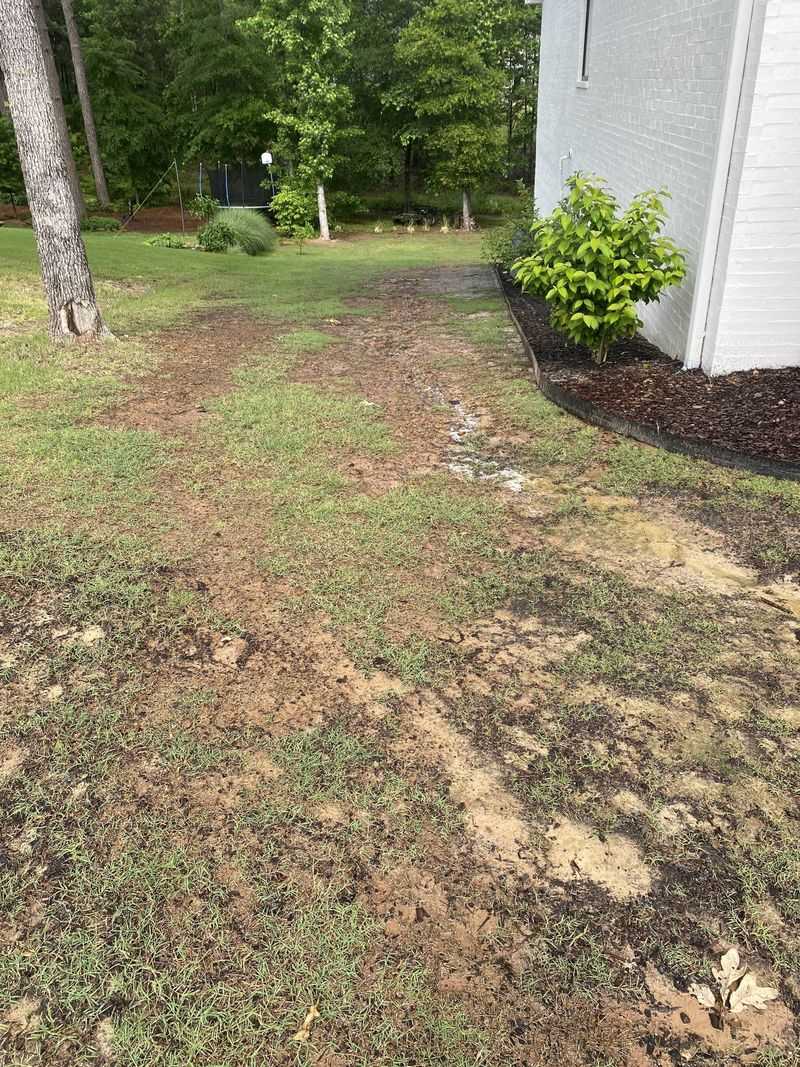
Most side-yard grass problems share a familiar pattern. A fence blocks afternoon light, a sprinkler head misses the corner, and foot traffic wears a path along the wall.
Within a season or two, the turf thins out to sand and weeds. Bare soil with scattered grass blades does not look like a lawn.
It looks like a lawn that gave up.
A carefully planted groundcover replaces that visual with something cohesive and green. Sunshine mimosa spreads to cover soil that turf cannot hold, and its feathery leaves stay green through warm months when established properly.
The goal is not to hide neglect but to replace a poor-fit plant with one that actually suits the site.
Right plant, right place is a core principle of Florida-Friendly Landscaping, supported by UF/IFAS extension resources. A sun-tolerant, drought-adapted native groundcover is a better fit for a sunny, low-traffic side yard.
It beats turf that needs full irrigation, regular fertilizer, and steady foot traffic to stay healthy.
Homeowners who make this switch are not giving up on their yards. They are recognizing that a six-inch-wide strip of St. Augustine or Bahia between a fence and a concrete edge is fighting a losing battle.
Replacing it with something that thrives in those conditions is a practical upgrade, not a shortcut. A living, spreading groundcover simply looks better than exposed sandy soil.
6. Foot Traffic Decides Where It Can Spread
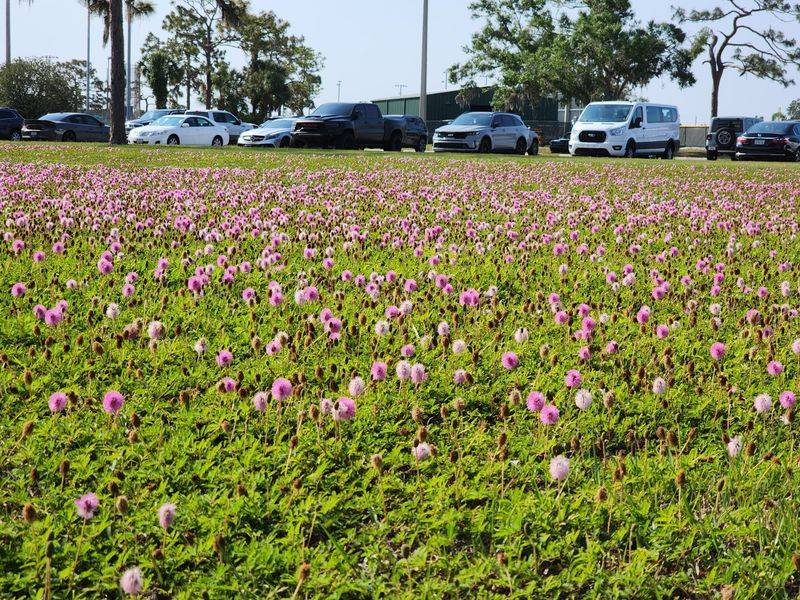
Not every side yard is a quiet, untouched strip. Some are the main route for trash cans every week, the path the dog takes to the back gate, or the shortcut a delivery driver uses when the front door is blocked.
Repeated foot traffic on any groundcover, including sunshine mimosa, will damage stems and thin out the planting over time.
Sunshine mimosa works best in side yards where traffic is light or infrequent. It is a spreading groundcover, not a durable turfgrass.
Treating it like a walkable lawn surface in a high-use corridor will set the planting back and leave bare spots that look worse than the grass it replaced.
Where regular foot traffic is unavoidable, the smarter approach is to keep a clear path. Stepping stones, flat pavers set flush with the soil, or a narrow mulch strip can create a defined route.
People and pets can move through without crushing the planting. That combination of groundcover plus path often looks more finished than plain turf anyway.
Utility access is another consideration. Meter readers, irrigation technicians, and cable crews need clear paths to reach equipment.
Blocking those routes with dense groundcover can create problems that go beyond HOA notices.
Keeping a two-foot-wide clear zone around meters, cleanouts, and access panels protects the planting and keeps service visits from damaging the groundcover unexpectedly.
7. Mulch Helps The Groundcover Fill In Neatly
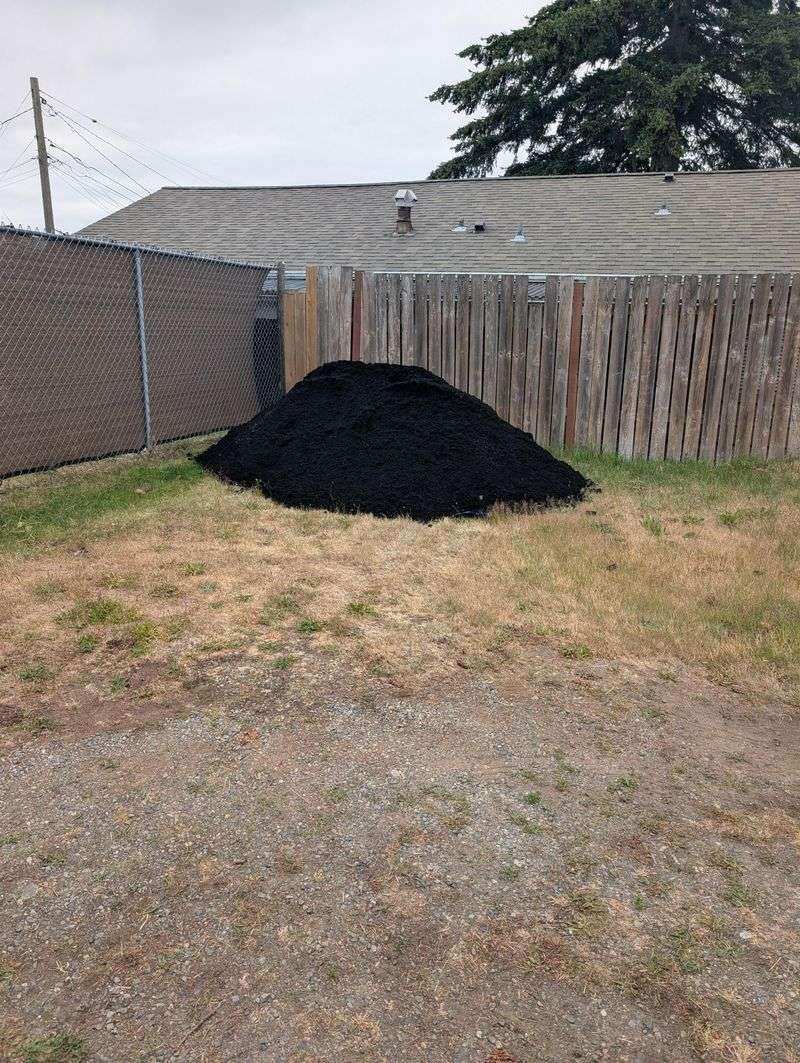
Newly planted groundcover plugs rarely look impressive on day one. They sit in their spots surrounded by bare soil, and that bare soil is an open invitation for weeds to move in before the mimosa has a chance to spread.
A light layer of mulch between plugs solves that problem by covering exposed soil, slowing weed germination, and holding moisture around young roots.
Pine straw or a thin layer of shredded wood mulch works well in most side-yard beds. Apply it no deeper than two to three inches, and keep mulch pulled back slightly from the base of each plant.
Piling mulch against stems can trap moisture and create conditions that harm young plants rather than help them.
Mulch is a temporary tool during establishment, not a permanent substitute for plant coverage.
As sunshine mimosa spreads and its stems root along the soil surface, the groundcover itself takes over the job of shading out weeds and covering bare spots.
By the second growing season, a well-established planting needs far less mulch support.
Watering during establishment is just as important as mulch. Newly planted plugs need consistent moisture for the first several weeks until roots are settled.
After that, sunshine mimosa is considered drought-tolerant once established, according to UF/IFAS resources.
Starting strong with proper spacing, good mulch coverage, and regular early watering gives the planting the best chance of filling in cleanly and looking finished.
8. A Tidy Side Yard Beats A Struggling Lawn
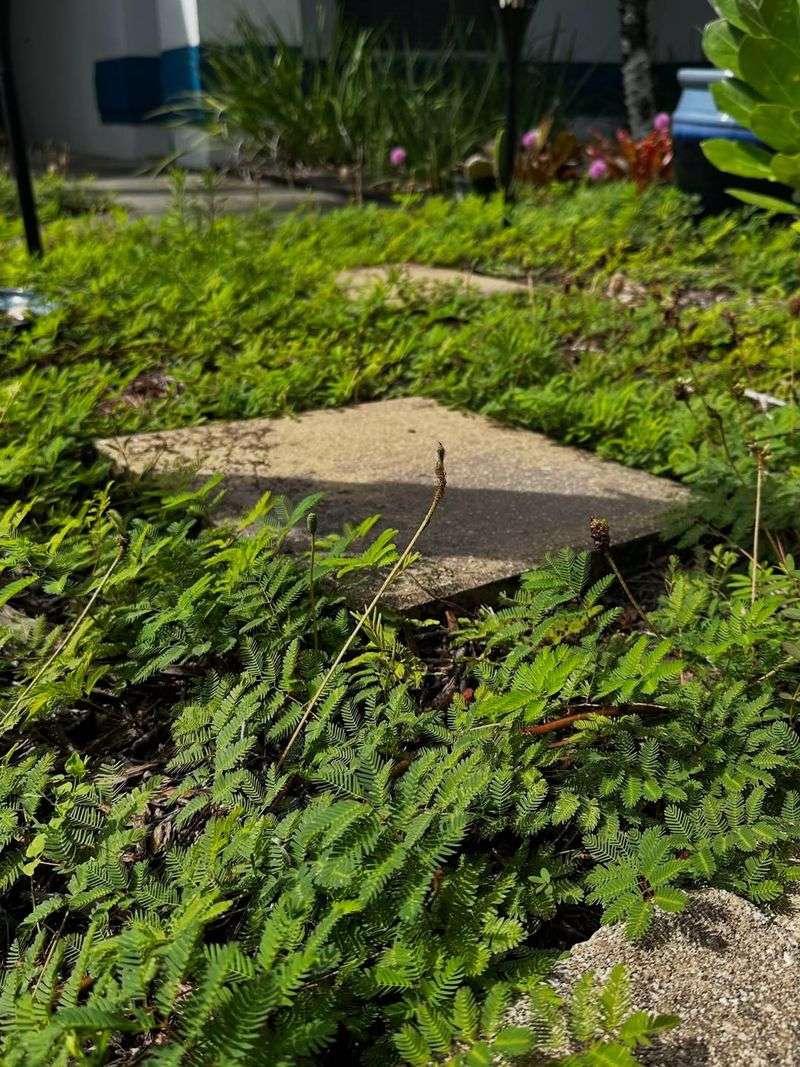
Repeated rounds of overseeding, patching, and watering a side-yard strip that never quite recovers gets old fast. At some point, the honest answer is that the site does not suit turf.
A better-fit planting will save time, money, and frustration across future growing seasons.
A planned sunshine mimosa strip, properly edged and maintained, can be that better answer for sunny, low-traffic side yards. The key word is planned.
Replacing grass without a clear layout, defined edges, and an establishment strategy often produces a result that looks no better than the bare turf it replaced. The planning step is what separates a successful groundcover bed from a weedy mess.
HOAs are less likely to object when a replacement looks designed, maintained, and intentional, but community rules still matter regardless of how neat the planting looks. Florida law does protect Florida-Friendly Landscaping in HOA communities.
HOAs may still apply reasonable review, placement, and maintenance standards. Homeowners should review their covenants, check for side-yard or easement rules, and submit approval requests when required before replacing any visible lawn area.
Start with a small section if the full strip feels overwhelming. Edge it cleanly, plant with correct spacing, water during establishment, pull early weeds, and keep access paths open.
A side yard that looks cared for, even when it no longer has grass, is one that rarely draws unwanted attention from neighbors or community managers.