Is There A Hope For Plants That Didn’t Recover From Florida Freeze By April
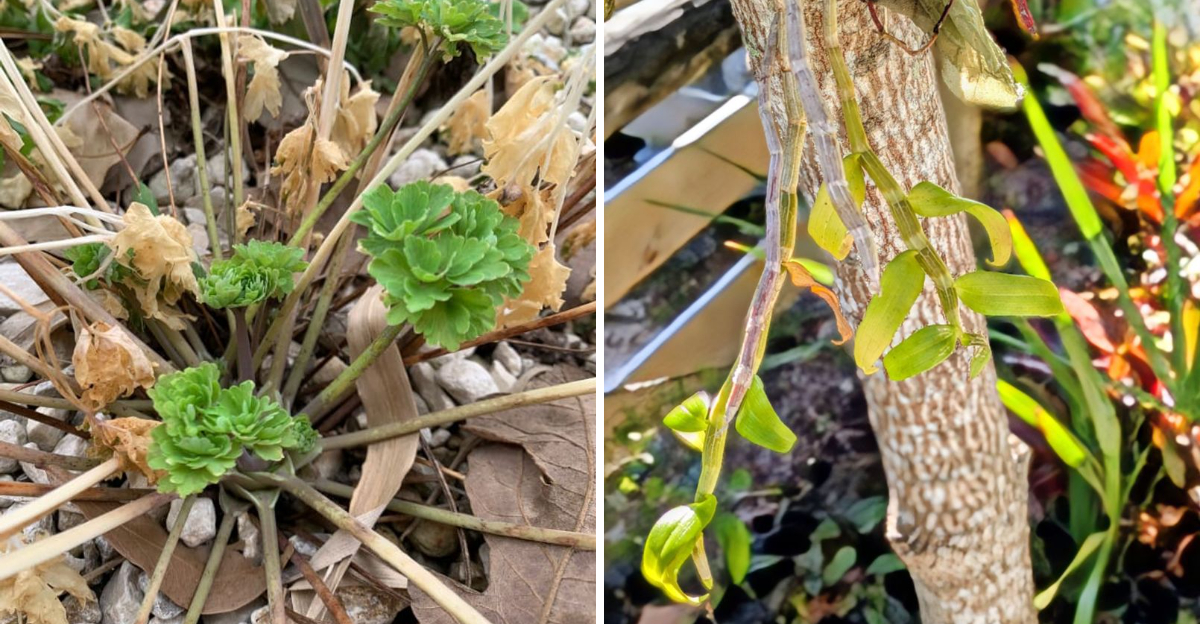
By April in Florida, most gardens have made it clear what survived the cold and what did not. Some plants bounce back quickly with fresh green growth, while others sit still, looking dry, brittle, and uncertain.
That is the point where many gardeners start to wonder if it is time to give up. The answer is not always obvious.
Freeze damage can take weeks to fully show, and some plants need more time than expected to push new growth, especially after a rough winter. Before you pull anything out, it helps to know what signs point to life and what signals a plant is truly done.
A little patience now can save plants that still have a chance to recover.
1. Late Growth Often Reveals What’s Still Alive
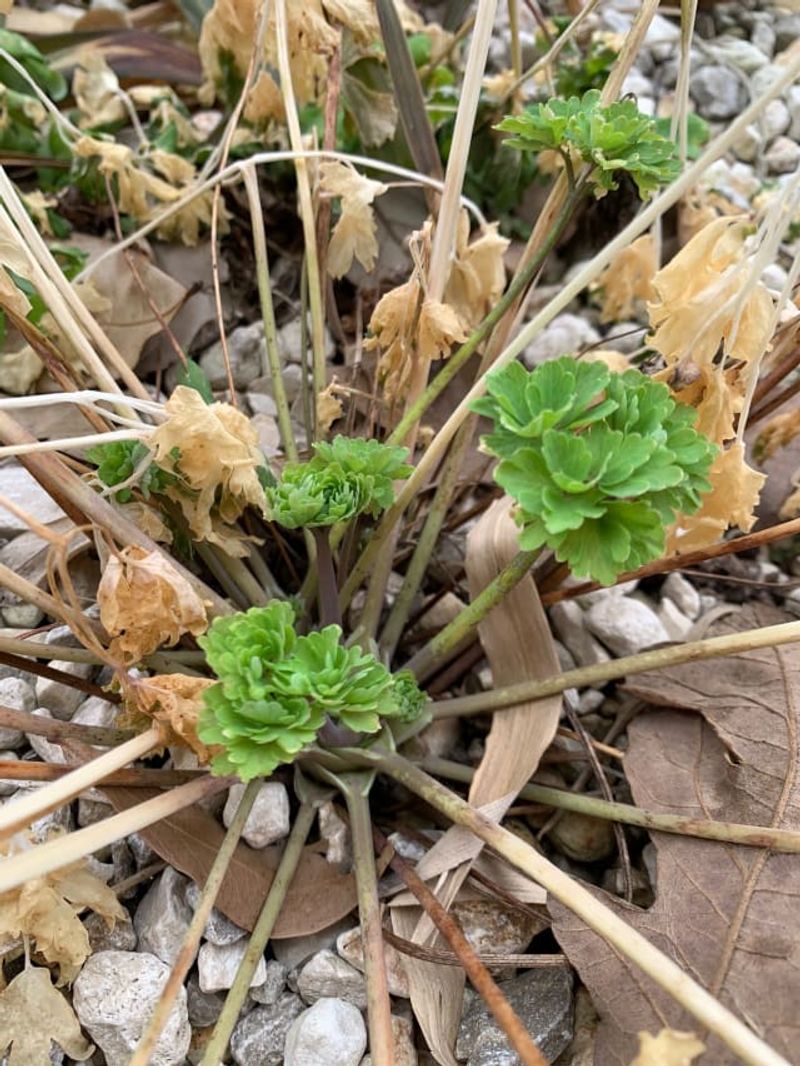
Some plants just take their time. After a cold Florida freeze, certain woody shrubs and trees may not show any visible signs of recovery until weeks after you expected them to.
This delayed bud break is completely normal, especially for plants that experienced moderate to severe cold exposure.
The science behind it is straightforward. When a plant senses cold stress, it pulls energy inward to protect its roots and core structure.
Once warmer temperatures arrive consistently, it slowly begins redirecting that stored energy back toward new growth. In South Florida, this process might begin as early as late February or March.
In North Florida, you may not see any action until mid to late April.
Pay close attention to the base of your plants before giving up. New growth often emerges from lower stems or even from ground level, especially in shrubs that lost their upper branches to frost.
Tiny green nubs along the base are a strong indicator that life is still present underground. Patience is genuinely your most useful tool here, and rushing to conclusions before consistent warmth sets in can lead to removing plants that were actually on their way back.
2. Green Wood Signals Real Recovery Potential
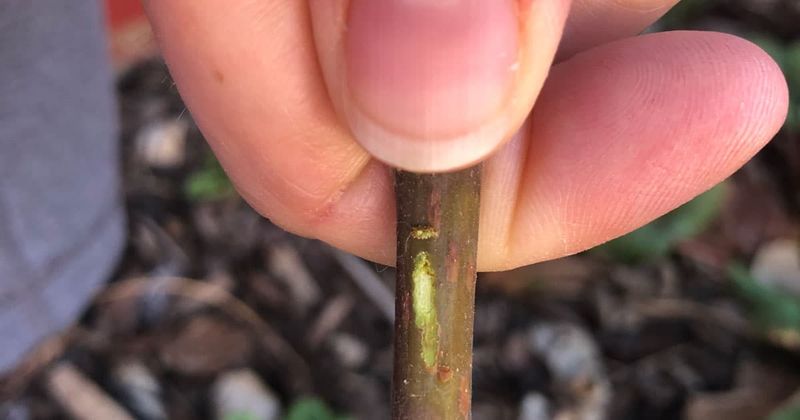
One of the most reliable ways to check whether a plant is still viable after a Florida freeze is the scratch test. Using your fingernail or a small knife, lightly scratch the outer bark of a stem.
What you find just beneath the surface tells you a lot about what is happening inside.
A green or light-colored layer directly under the bark is called the cambium. When that layer is still green and moist, the plant tissue in that section is alive and functional.
If the cambium looks brown, dry, or mushy, that particular section has likely suffered too much cold damage to recover. The key word there is section, because one damaged branch does not mean the entire plant is gone.
Work your way down the stem from the tip toward the base. Many plants lose their upper growth to frost but retain healthy cambium near the lower trunk or at soil level.
University of Florida IFAS Extension recommends this method as a practical first step before making any pruning decisions. Keep in mind that even partially damaged plants may recover slowly, so checking multiple stems gives you a more accurate picture of overall plant health.
3. Delayed Growth Is Common After Florida Freezes
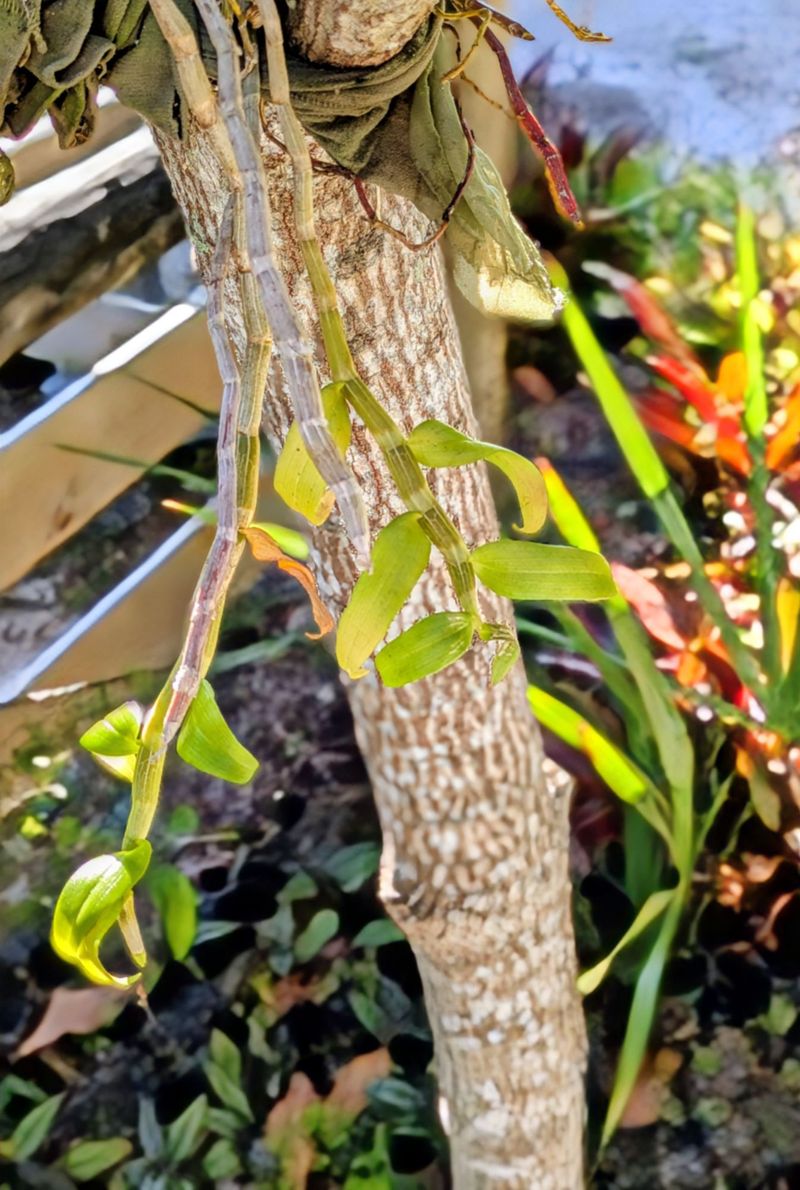
Seeing nothing happen by April does not automatically mean your plant has failed. Florida gardeners in Central and North Florida especially deal with this frustrating waiting game every year after a significant cold event.
Plants that experienced hard freezes sometimes go into a prolonged stress response that delays visible recovery far beyond what most people expect.
Think of it like a slow reboot. The plant is not inactive, it is conserving energy and gradually rebuilding internal systems damaged by the cold.
Herbaceous plants, palms, and some tropicals can take six to ten weeks after temperatures stabilize before pushing any new growth. That timeline can easily stretch into late April or even early May in colder parts of the state.
Central Florida sits in a tricky zone where freeze severity varies widely from year to year. A plant that bounced back in two weeks last season might need twice that long after a harder or longer cold snap.
According to Florida-Friendly Landscaping principles, observation over time is more reliable than any fixed calendar date. Keep the soil moist but not waterlogged, hold off on fertilizing, and continue checking for signs of new growth before making any final decisions about replacement.
4. Woody Plants Recover Slowly But Can Bounce Back
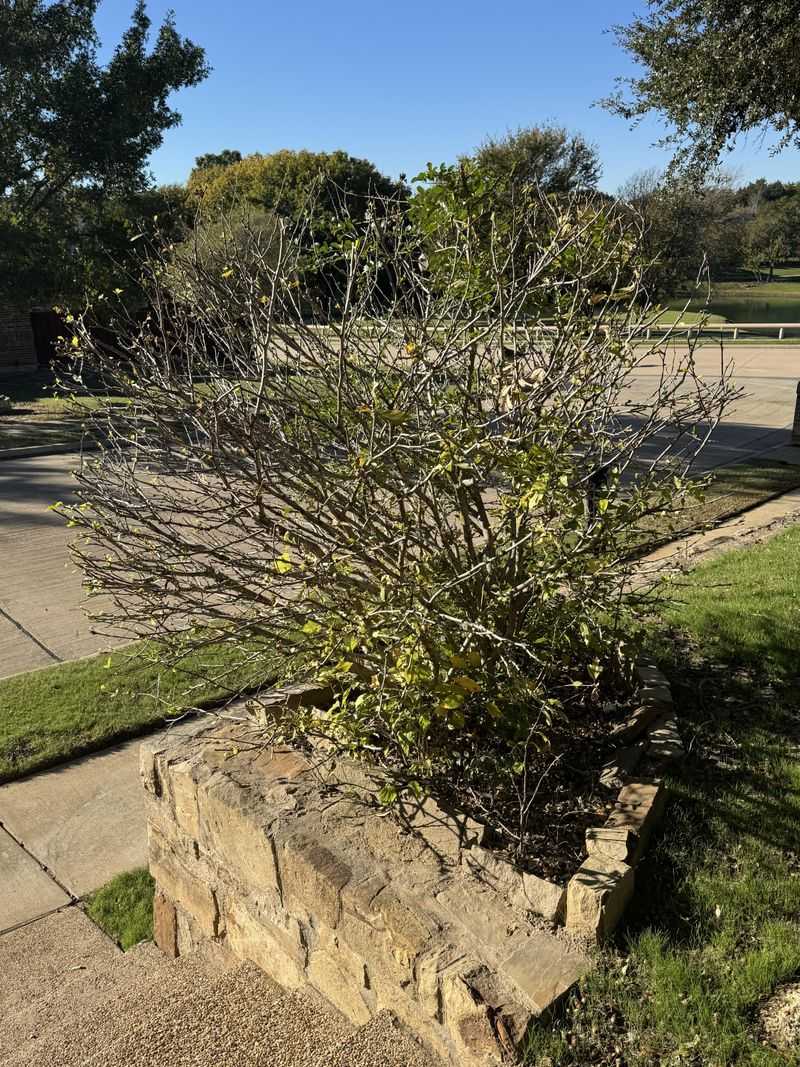
Woody plants like shrubs and trees have a built-in advantage when it comes to surviving cold events. Their thick bark and established root systems provide a level of insulation that softer plants simply cannot match.
Even when the top growth looks completely gone after a freeze, the roots below the soil line may have survived just fine.
Crape myrtles, live oaks, and certain native Florida shrubs are good examples of woody plants that often look completely bare well into spring, only to push vigorous new growth from their base or lower branches once the soil warms consistently. The roots act like a battery, storing energy and nutrients that fuel new growth when conditions improve.
One thing worth remembering is that woody plant recovery is rarely fast or dramatic. You might see only a handful of small leaves at first, followed by gradual expansion over several weeks.
That slow pace is normal and should not be mistaken for failure. Avoid the urge to fertilize too early, as pushing new growth before the plant is ready can stress it further.
Give it consistent water, warm temperatures, and time. Many woody plants that look hopeless in March quietly surprise their owners by May.
5. Soft Tropicals Often Struggle To Return After Hard Freeze
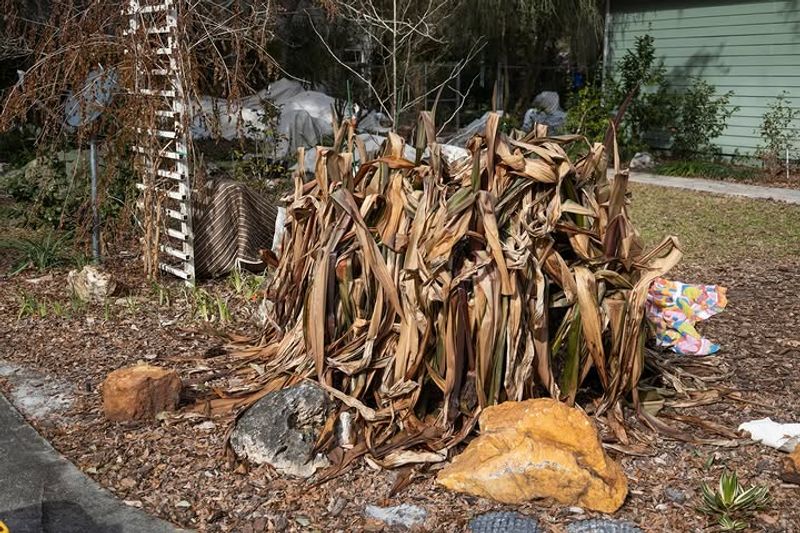
Tropical plants like hibiscus, croton, impatiens, and bougainvillea are some of the most popular choices in Florida landscapes, but they are also among the most vulnerable when temperatures drop hard. Their soft, water-rich tissue freezes quickly and does not have the same structural protection that woody plants rely on during cold snaps.
After a hard freeze, these plants often look completely gone. Stems turn black or mushy, leaves drop entirely, and the whole plant can look beyond saving.
Whether they actually recover depends almost entirely on what happened below the soil surface. If the roots remained insulated enough during the freeze, there is a reasonable chance the plant could push new growth from the base as temperatures climb.
Hibiscus, for example, is known to regrow from its root system even after severe top damage, but this is not guaranteed and depends on how long temperatures stayed below freezing and how established the root system was before the cold hit. Mulching around the base before a freeze helps insulate roots and improves survival odds.
After the freeze, resist removing the plant immediately. Wait several weeks and look carefully for any small green shoots emerging from the base before deciding whether to replace it.
6. Root Health Matters More Than Top Growth
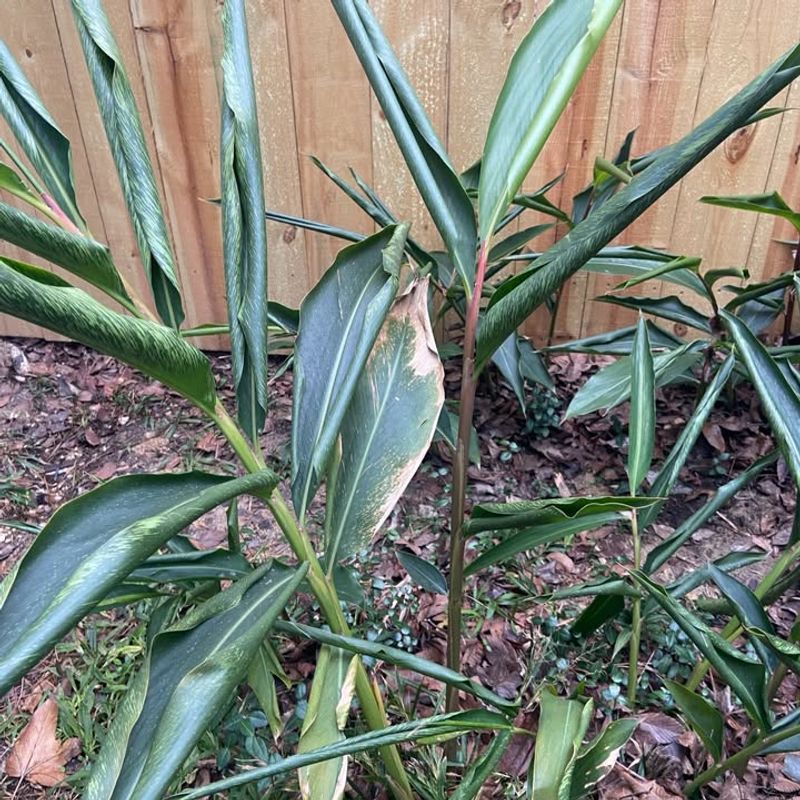
When people look at a freeze-damaged plant, they naturally focus on what they can see, the brown stems, the dropped leaves, the lifeless canopy. But what is happening underground is far more important when it comes to recovery.
The root system is where a plant stores most of its energy reserves, and if the roots survived the freeze, the plant has a real foundation to rebuild from.
One of the clearest signs of living roots is new shoot emergence from the base of the plant or directly from the soil surface around it. These small green sprouts are the plant redirecting stored root energy upward.
Spotting even one or two of these shoots is a strong reason to keep waiting rather than removing the plant.
Soil conditions also play a role in root survival. Plants in well-drained soil tend to fare better because waterlogged roots are more susceptible to cold injury and secondary rot after a freeze.
If your soil stayed consistently moist but not saturated during and after the cold event, root damage may be minimal. University of Florida IFAS Extension advises against drawing firm conclusions about root health until several weeks of warm weather have passed, giving the plant a fair opportunity to show what it is capable of.
7. Early Pruning Can Remove Hidden New Growth
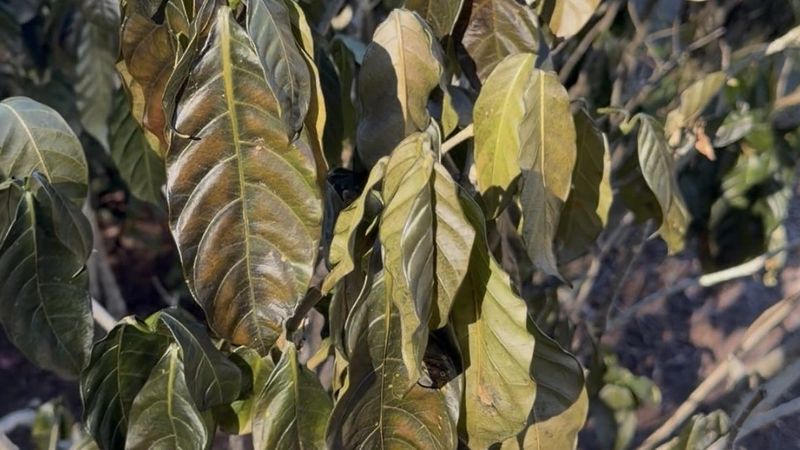
Grabbing your pruning shears right after a freeze is one of the most common mistakes Florida gardeners make. It is completely understandable.
Brown, drooping, or blackened stems look unsightly, and the instinct to clean things up is hard to resist. But cutting too early can remove tissue that was just beginning to recover, tissue that is not yet visible to the naked eye.
New buds often form inside stems that still appear withered on the outside. If you cut those stems back before the buds have a chance to emerge, you eliminate the very growth points the plant was counting on.
This is especially true for plants like plumbago, firebush, and certain palms that hold their recovery potential close to the main stem or crown.
A good rule of thumb backed by Florida-Friendly Landscaping guidance is to wait until you clearly see where new growth is emerging before cutting anything back. Once you can identify the boundary between living and damaged tissue, you can make clean, precise cuts just above a healthy node.
This approach protects viable growth while still tidying up the plant. Patience here is not just emotionally helpful, it is practically essential for giving your garden the best chance of a full recovery.
8. Waiting For Warmth Leads To Better Decisions
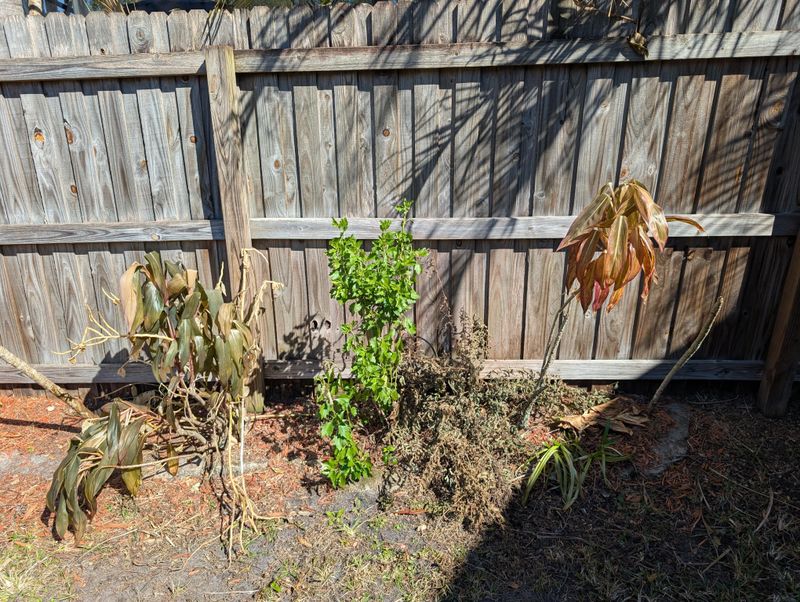
Consistent warmth is the single biggest factor that drives plant recovery after a Florida freeze. Once nighttime temperatures stay reliably above 55 degrees Fahrenheit and daytime highs settle into the 70s and 80s, plants that survived the cold begin expressing that survival through visible new growth.
Trying to evaluate a plant before that warm window fully arrives often leads to premature conclusions.
In South Florida, that stable warm period typically arrives by late February or early March. Central Florida gardeners usually see it settle in by late March.
In North Florida, consistent warmth may not fully arrive until April, which means some plants there may not show clear recovery signs until well into the month. Knowing your region helps you calibrate how long to wait before deciding whether to replace a plant.
When warm weather has been consistent for three to four weeks and a plant still shows absolutely no signs of new growth, no green cambium, no base shoots, no emerging buds, that is a more reliable signal that recovery is unlikely. At that point, removing the plant and choosing a cold-hardier replacement becomes a reasonable next step.
Florida-Friendly Landscaping encourages selecting plants suited to your specific zone to reduce freeze risk in future winters.