Is Your Florida St. Augustine Coming Back After Frost (And What To Do Next)
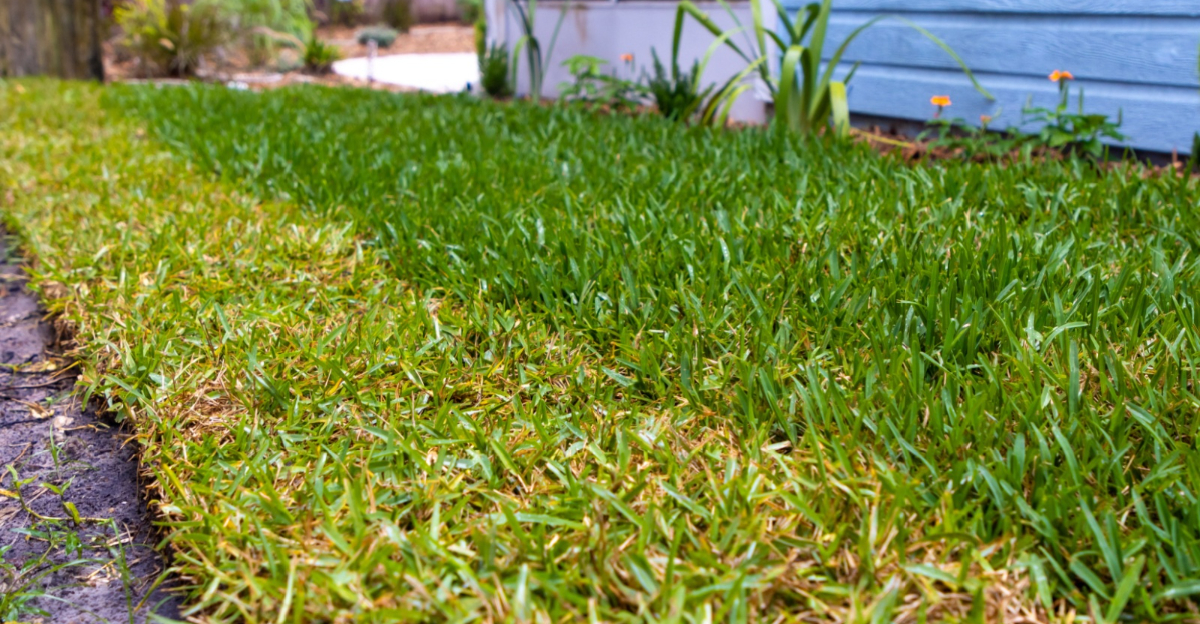
A harsh frost rolls through overnight, and by morning your once-lush St. Augustine lawn looks scorched, brittle, and lifeless. The vibrant green fades to brown, blades collapse, and panic sets in.
Is it completely gone or just dormant? Before you rip it out or drown it in fertilizer, take a breath.
St. Augustine grass has surprising resilience, especially in Florida’s unpredictable winter swings. Frost damage can look devastating, yet appearances often mislead.
Timing, temperature, and follow-up care determine recovery. The wrong move now can stall regrowth for months, while the right steps can restore that thick carpet faster than expected.
Frost may bleach the blades, but it cannot always destroy the roots. Know the signs of hidden life beneath the brown and act at the right moment to spark a powerful comeback.
1. Grass Turns Brown But That Does Not Mean It Is Gone
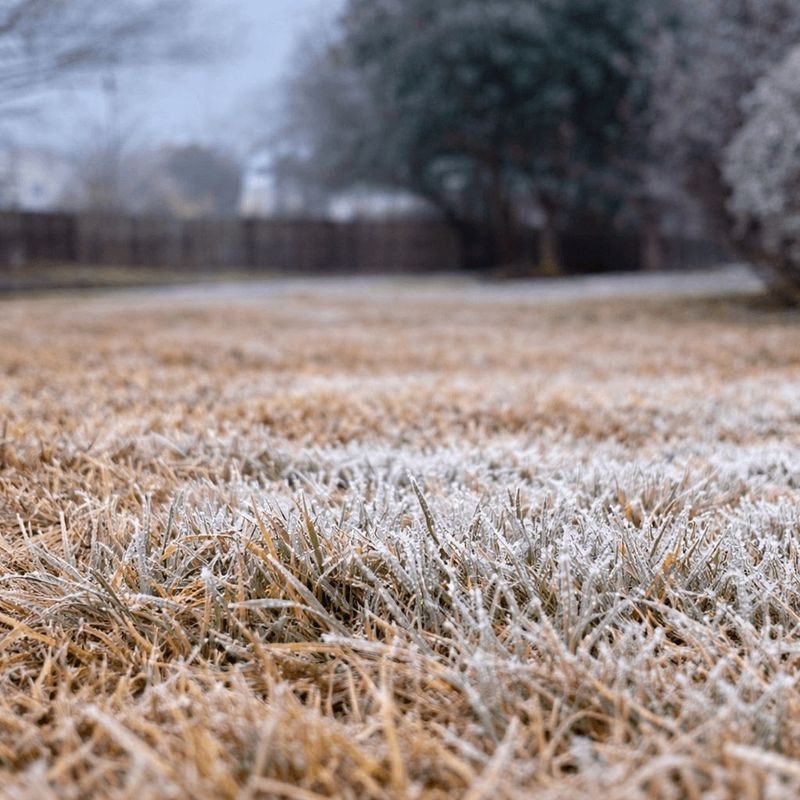
Frost discoloration can be shocking when you first see it. The blades might look lifeless, ranging from tan to almost grayish brown, and it can feel like your entire lawn has been ruined overnight.
However, what you are seeing is mostly cosmetic damage to the leaf tissue, not the actual loss of the grass plant itself.
St. Augustine grass enters a state similar to dormancy when temperatures drop suddenly. The green color fades because chlorophyll in the blades breaks down under freezing conditions.
This browning does not automatically mean the plant is gone for good.
In Florida, especially in Central and South regions, the soil stays relatively warm even when air temperatures dip below freezing for a few hours. That warmth protects the crown and root system, which are the parts that truly matter for survival.
North Florida lawns may experience more visible damage, but even there, recovery is common.
The key difference between frost discoloration and actual turf loss comes down to what is happening below the surface. If the crown and roots remain healthy, new green growth will emerge once daytime temperatures consistently stay above 65 degrees.
Patience and proper assessment are your best tools right now, not panic or hasty decisions about replacement.
2. What Frost Really Does To St Augustine Blades
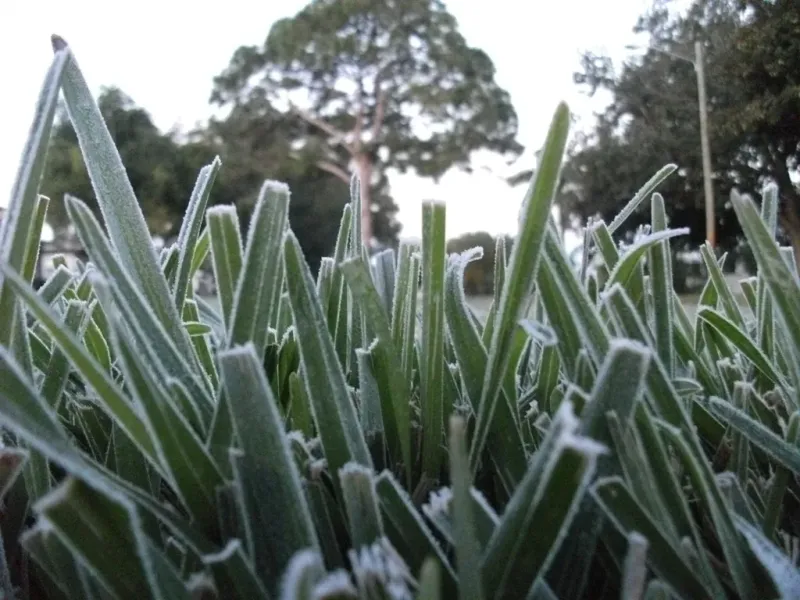
When temperatures drop to freezing or below, water inside the grass blade cells begins to freeze. As ice crystals form, they expand and rupture the delicate cell walls.
Once those cells are damaged, they lose their ability to hold moisture and maintain their green pigment.
The result is that telltale brown or tan appearance. Blades may feel crispy or papery to the touch.
This freeze injury typically affects only the leaf tissue, which is the most exposed part of the plant. The damage looks worse than it actually is because you are seeing all the visible foliage at once.
St. Augustine grass blades are naturally more susceptible to cold than some other warm-season grasses because of their broader leaf structure. However, the plant itself has evolved to survive occasional cold snaps, especially in Florida’s climate where hard freezes are rare and short-lived.
Understanding this process helps you realize that brown blades are essentially sunburned leaves after a cold event. The plant can grow new blades from the crown as long as that growing point remains intact.
Leaf damage does not equal plant loss, and this distinction is critical for Florida homeowners assessing their lawn after an unexpected frost.
3. Check The Crown Before You Panic
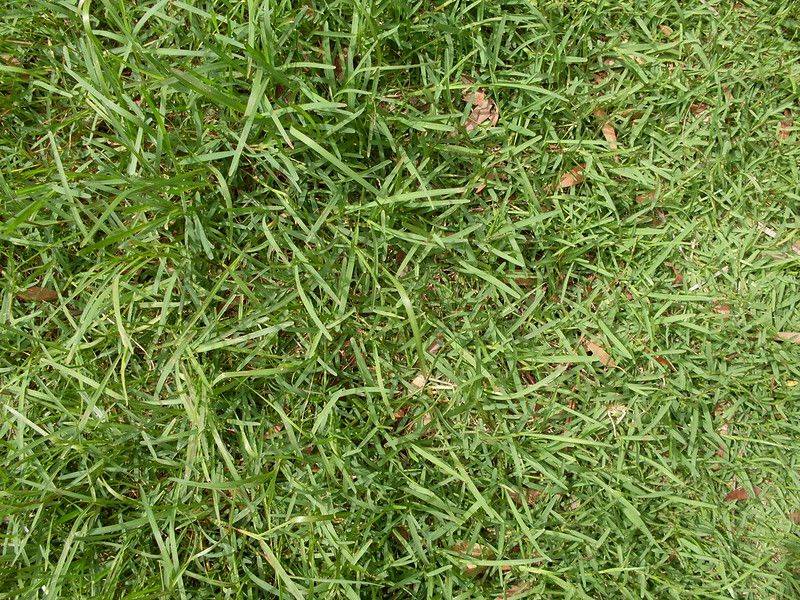
The crown sits right at the soil surface where the grass blades meet the roots. This small but mighty growing point is what determines whether your St. Augustine will recover or not.
Even if every visible blade turns brown, a healthy crown can produce fresh green shoots.
To check the crown, gently pull back some of the brown foliage and look closely at the base of the plant. A healthy crown will appear white, cream-colored, or light green.
It should feel firm, not mushy or dark. If you see these signs, your grass is very likely still alive and capable of recovery.
In Florida, soil temperatures rarely drop low enough to freeze the crown, especially in Central and South Florida. Even in North Florida, the soil acts as insulation during brief cold snaps.
The crown benefits from this protection, which is why so many lawns that look terrible after frost eventually bounce back.
Take your time with this inspection. Choose a few different spots across your yard, particularly in areas that looked the worst.
Checking multiple locations gives you a better overall picture. If most crowns appear healthy, you can breathe easier and focus on supporting recovery rather than worrying about replanting your entire lawn.
4. Roots Tell The Real Story
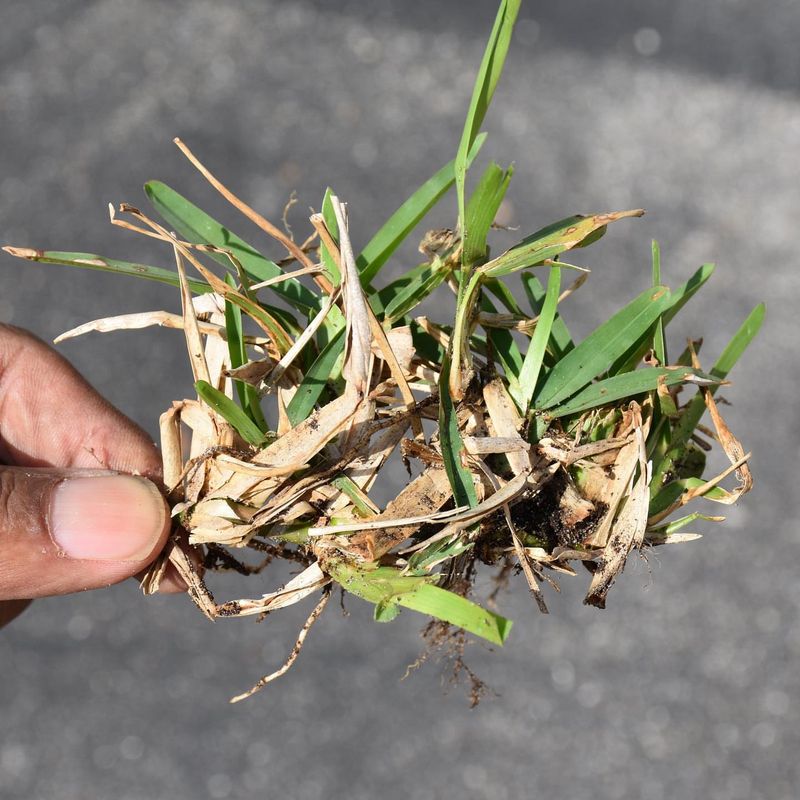
While the crown is crucial, the root system underneath provides the foundation for long-term recovery. Roots are typically well-protected by the soil, which holds heat much better than air.
In Florida, even during a frost event, soil temperatures several inches down usually stay above freezing.
Healthy roots appear white or light tan and feel firm when gently tugged. If you carefully lift a small section of sod or use a soil probe, you can inspect the roots without causing major disruption.
Strong root systems mean the grass has the resources it needs to push out new growth once conditions improve.
Damaged roots, on the other hand, may look brown or black and feel slimy or brittle. This kind of damage is rare in Florida unless the cold event was prolonged or the lawn was already stressed from disease, drought, or poor soil conditions.
Most frost events in the state are short-lived, giving roots ample protection.
Root health also explains why some areas of your lawn may recover faster than others. Sections with deeper, more established root systems will regenerate quicker.
Newly sodded areas or spots with shallow roots may take a bit longer, but they can still come back strong with proper care and patience.
5. Why Some Areas Recover Faster Than Others
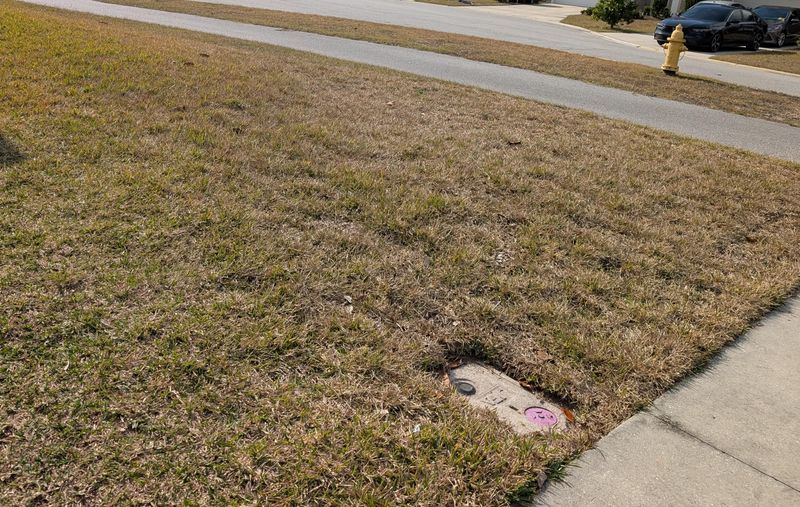
Not all parts of your lawn experience frost the same way. Microclimates within your yard create pockets where temperatures vary, sometimes by several degrees.
Areas near your house, under trees, or along south-facing walls tend to stay warmer and recover faster because they receive more radiant heat and protection from wind.
Open, exposed sections of the lawn cool down quicker and may show more browning. Low-lying areas where cold air settles can also experience more severe frost damage.
Elevation differences, even slight ones, matter when temperatures hover right around freezing.
Soil moisture plays a role too. Moist soil retains heat better than dry soil, so sections of your lawn that were adequately watered before the frost may fare better.
However, overly saturated soil can cause other problems, so balance is important.
Regional differences across Florida also affect recovery speed. South Florida lawns may barely show any frost damage and green up within a week or two.
Central Florida typically sees moderate browning with recovery starting in late March or early April. North Florida may require more patience, with full recovery sometimes extending into May, depending on how late the last frost occurs and how quickly consistent warmth returns.
6. When New Green Shoots Should Appear
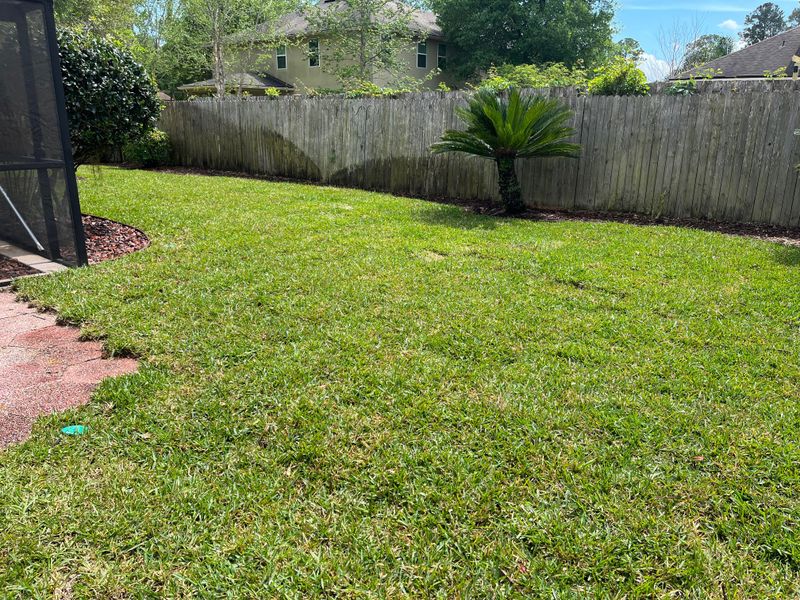
Timing is everything when it comes to recovery. St. Augustine grass needs consistent soil temperatures above 65 degrees and daytime air temperatures in the 70s to actively grow.
In South Florida, this can happen as early as late February or early March. Central Florida usually sees active growth resume in mid to late March, while North Florida may not see significant greening until April.
Once temperatures stabilize, you should start noticing small green shoots emerging from the crown. These new blades will be tender and bright green, a welcome sight after weeks of brown.
Recovery does not happen all at once. Expect a gradual transition as new growth slowly fills in and the old damaged blades eventually get mowed off or decompose.
If you are not seeing any green by late April in North Florida or by mid-April in Central Florida, it may be worth doing another crown and root check. However, patience is still key.
Some lawns take longer, especially if the frost was particularly harsh or if other stressors are present.
Avoid the temptation to force growth with heavy fertilization or excessive watering. Let the grass wake up naturally.
Pushing it too hard too soon can actually delay recovery or invite disease problems, especially if the weather turns cool and wet again.
7. The Biggest Mistakes To Avoid After Frost
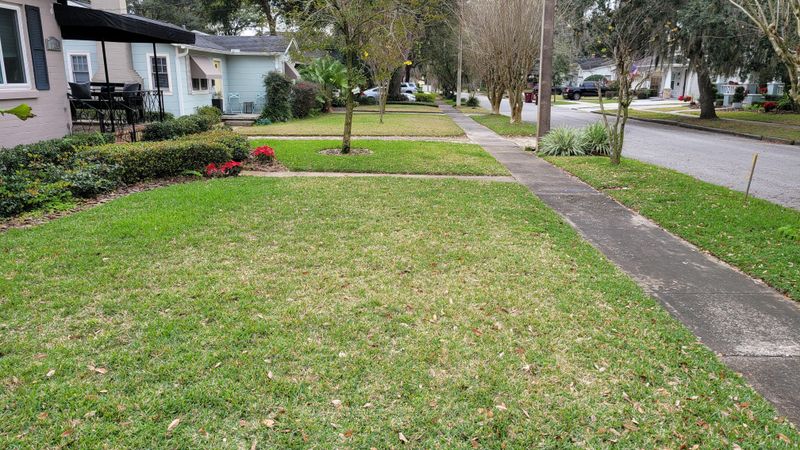
Panic leads to poor decisions, and frost-damaged lawns are no exception. One of the most common mistakes is applying fertilizer too early.
Fertilizing dormant or stressed grass can burn the crown and roots, making recovery slower or even impossible. Wait until you see consistent new green growth before adding any nutrients.
Overwatering is another frequent error. Brown grass does not need as much water as actively growing green grass.
Too much moisture in cool weather invites fungal diseases like brown patch or gray leaf spot, which can compound your problems. Stick to your normal irrigation schedule or even reduce it slightly until growth resumes.
Walking on or mowing frost-damaged turf too soon can also cause harm. The brittle blades and stressed crowns are vulnerable to foot traffic and mower wheels.
If you must mow, wait until new green shoots are at least two inches tall and raise your mower height to avoid scalping.
Finally, do not rush to replace your lawn. Many Florida homeowners assume they need to re-sod immediately after seeing brown grass.
This is rarely necessary. Give your St. Augustine at least six to eight weeks of warm weather to recover before making any decisions about replacement.
Most lawns surprise their owners with a strong comeback.
8. How To Help Your St Augustine Bounce Back
Supporting recovery does not require drastic measures. Start by keeping foot traffic to a minimum, especially in the hardest-hit areas.
Let the grass rest and redirect its energy toward new growth rather than repairing damage from compaction.
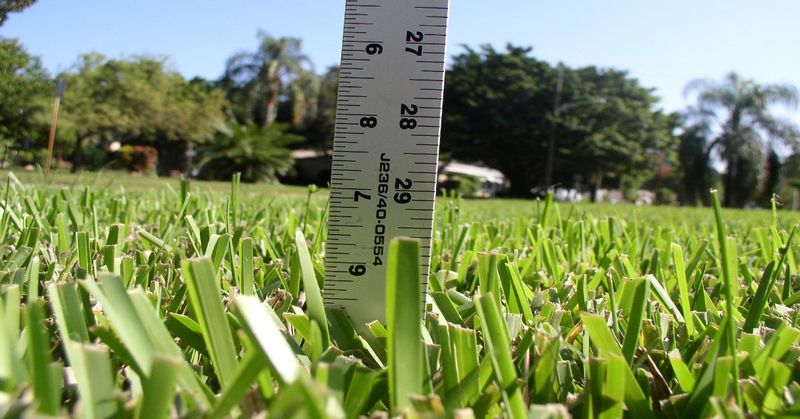
Once you see green shoots emerging, resume mowing at the recommended height for St. Augustine, which is typically 3.5 to 4 inches. Taller grass shades the soil, retains moisture, and encourages deeper root growth.
Never remove more than one-third of the blade length in a single mowing.
Water deeply but infrequently, aiming for about one inch per week including rainfall. This encourages roots to grow deeper and makes your lawn more resilient.
Early morning watering is best to reduce disease risk.
Hold off on fertilizer until the lawn is at least 50 percent green and actively growing. When you do fertilize, use a balanced slow-release product appropriate for St. Augustine and follow University of Florida IFAS Extension recommendations for your region.
Avoid high-nitrogen quick-release fertilizers that can cause a flush of weak growth.
Finally, practice patience. Recovery takes time, but Florida’s warm climate and St. Augustine’s natural resilience are on your side.
Trust the process, follow science-based care practices, and your lawn will likely reward you with a strong, healthy comeback.