Is Your Lawn Resting Or Struggling? A Massachusetts Winter Guide
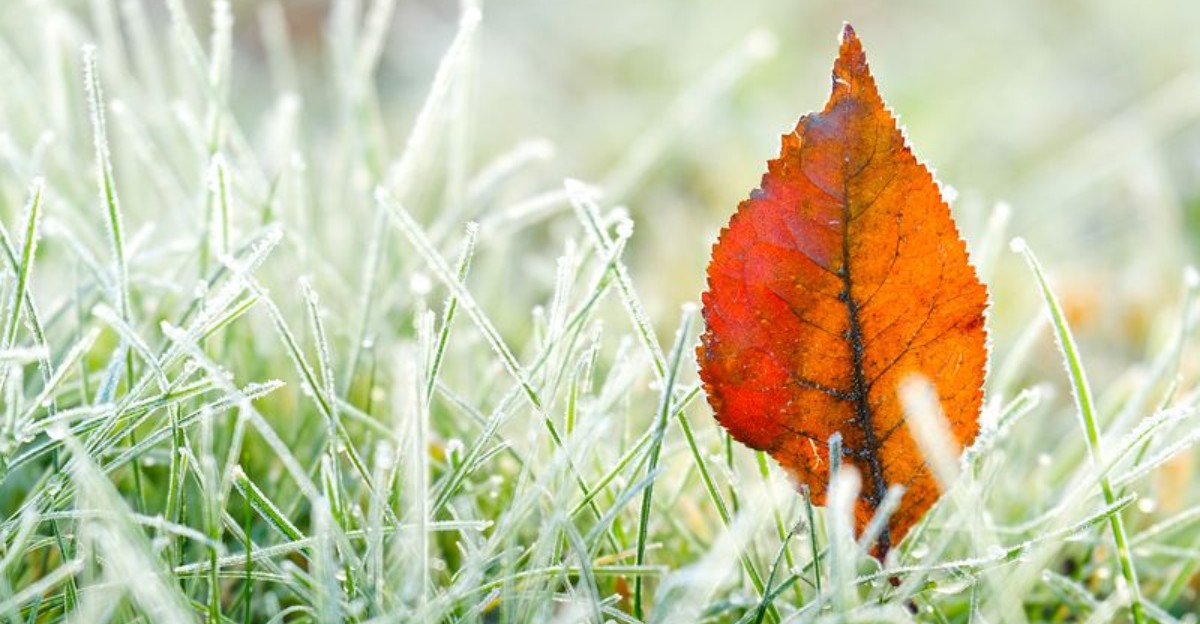
Your lawn turned brown, and something shifted in your gut. Many homeowners feel concerned in November when their grass loses its color as the weather turns cold.
That feeling is understandable, but there is good news. Brown grass is usually not a warning sign.
Dormancy is the way your lawn protects itself. Roots draw energy downward, and the crowns rest safely near the soil surface until conditions improve.
Massachusetts weather moves quickly from warm to cold, and by mid-November most lawns have settled into rest.
Once temperatures drop, cool-season grasses slow their growth and wait. Waiting is not weakness. Waiting is precision.
Winter care is mostly about protecting that rest. Clearing leaves, staying off frozen turf, and using de-icing products wisely all help your Massachusetts lawn come through in good shape. Every small choice you make now helps spring recovery.
1. Learn The Difference Between Dormant And Damaged Grass
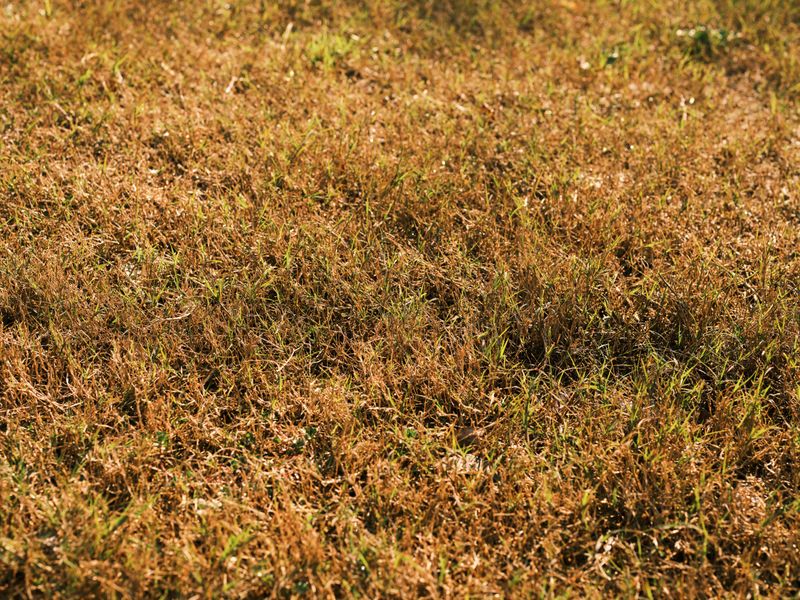
Brown is not broken. Cool-season grasses like bluegrass and fescue rest in cold weather the same way bears rest through winter.
Dormant grass has brown, dry blades, but the crown at the base of each plant is still alive. The crown is the growing point near the soil surface, and it simply waits for warmth and longer days.
Grass that has not survived looks different up close. The crowns are gray or dark brown, dry, and brittle, and the plants have no way of returning.
A gentle tug test can help. Dormant grass stays firmly anchored because its roots are still healthy, while grass that has not survived lifts out easily, like a loose mat.
Another clue is the pattern. Dormancy usually shows up evenly across the whole lawn, while patches with sharp edges may point to something else, such as pests, disease, or pet damage.
Many Massachusetts lawns fade to tan or brown after repeated hard frosts and stay that way until spring.
Across Massachusetts, cool-season turf is built for this slow winter rest, so a brown lawn in December is a normal sight.
Patience is the best tool here. Brown grass in December can become a lush lawn in a Massachusetts May, and that is a trade worth making every time.
2. Remove Fallen Leaves Before They Settle In
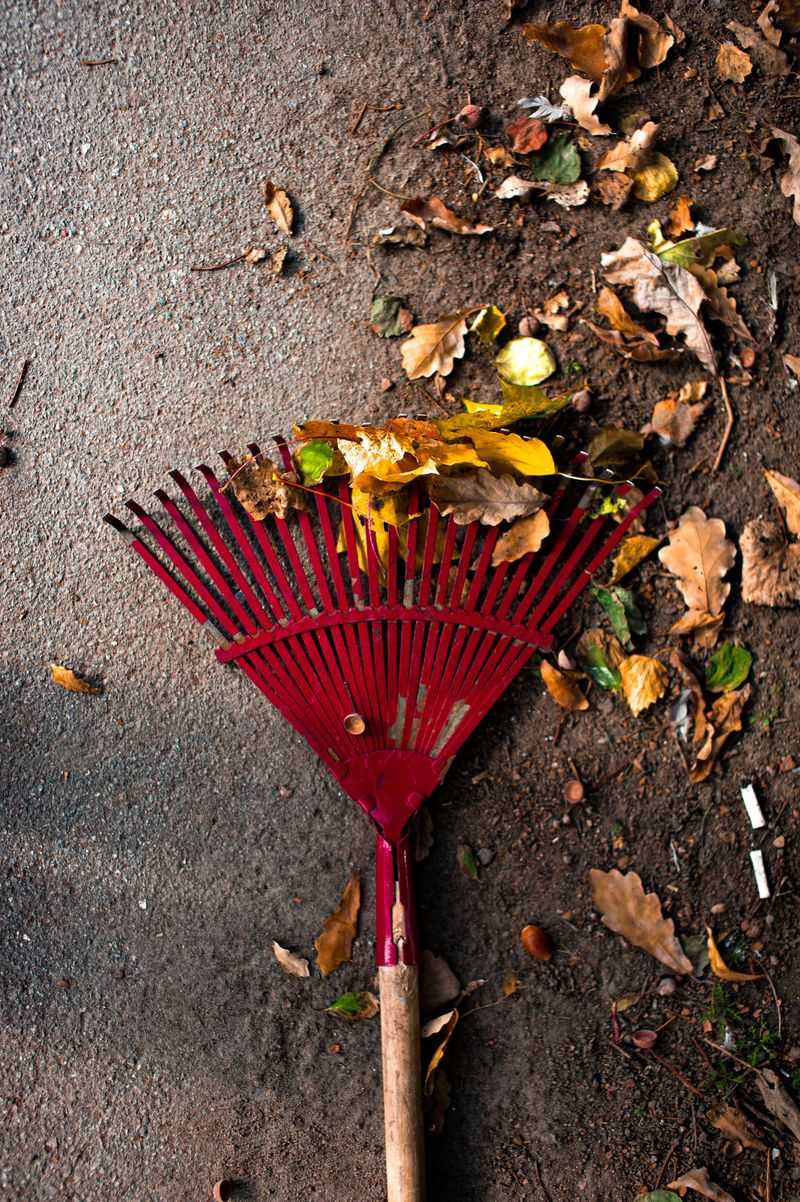
Leaves look harmless, but a thick layer can block light and trap moisture against the grass. That leaves the crowns without air during a time when they are already resting.
A heavy, wet blanket of leaves can also encourage snow mold, a fungal disease that shows up as gray or pink circles when the snow melts. Clear turf is far less likely to develop it.
Rake or blow leaves regularly through October and November. Several light passes are easier than one big cleanup after a storm.
Wet leaves mat down quickly, so rake them while they are still light and dry whenever you can.
You can also mulch leaves with your mower. Shredded leaves that fall between the grass blades break down and feed the soil, as long as you can still see grass through them.
Whole leaves can be added to a compost pile or used around garden beds. Many Massachusetts towns also offer curbside leaf pickup in the fall, so check your local schedule.
Do one last check after the final leaves drop. Early December is a good time to clear any that arrived late.
Leaves that collect along fences and shrubs are easy to miss, so please check those quiet, hidden corners too.
A clean lawn going into winter is a gift to the grass. It lets the plant rest without extra weight on top of it.
3. Make The Last Mow Of The Season Count
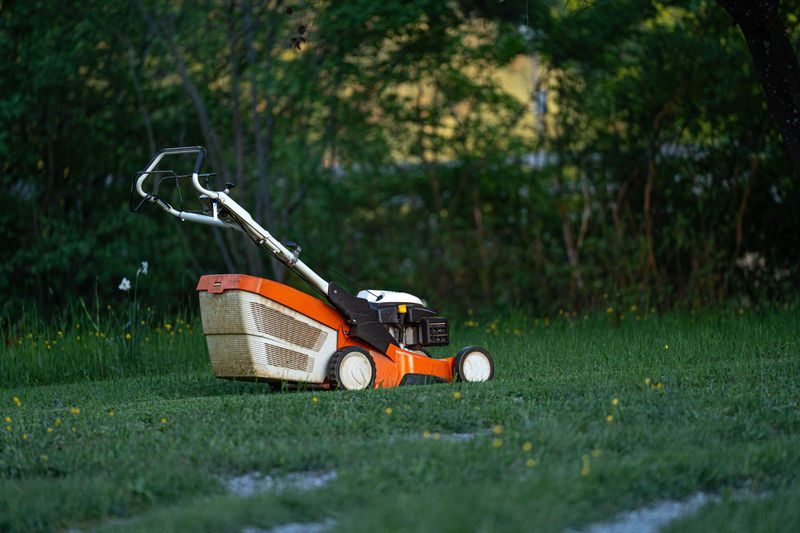
Grass that is too tall can mat down under snow and invite snow mold. Grass that is cut too short can feel exposed to cold winds.
A good target for the final mow is about two and a half to three inches. That height protects the crowns while keeping the blades from flopping over.
Measure the height on a flat spot of your lawn, since most mowers have deck settings that are only close estimates.
Lower your mower gradually over the last two or three mows instead of dropping the deck all at once. Gentle steps are easier on the plant.
Follow the one-third rule: never remove more than one-third of the blade in a single mow. Taking off too much at once can stress grass that is preparing for winter.
Many Massachusetts homeowners mow at the same height year-round out of habit. Adjusting for the season is one of the easiest ways to support a healthier yard.
Clear fallen leaves first, so the mower can cut evenly and the grass can breathe.
Once growth stops and the grass is dormant, you can put the mower away. There is nothing left to cut, so you get to enjoy the quiet.
4. Sharpen Mower Blades Before You Store The Mower
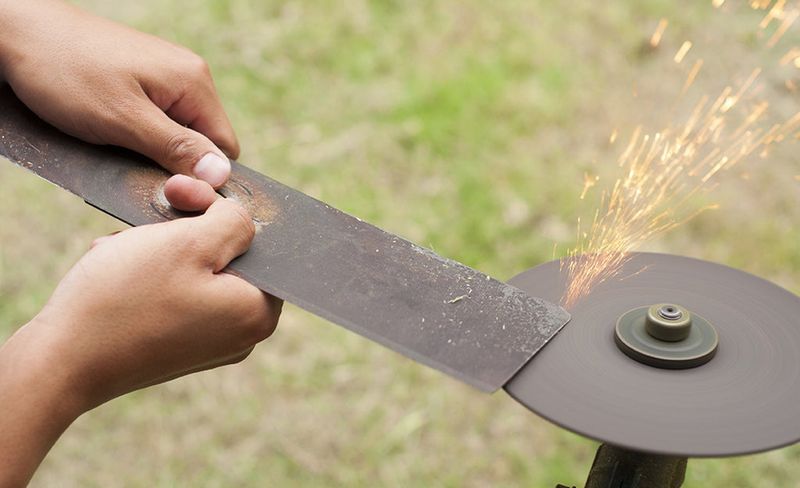
A dull blade does not cut grass cleanly. It tears it, leaving ragged edges that can increase stress and may raise the chance of disease.
Late fall is a perfect time to sharpen the blade. A sharp edge will be ready and waiting when the first mow of spring arrives.
You can sharpen a blade yourself with a metal file or a bench grinder in about fifteen minutes. Most hardware stores also offer sharpening services for a few dollars if you prefer an easier route.
Always disconnect the spark plug wire before you touch the blade, so the engine cannot start by accident while your hands are nearby.
Keep the original angle and file evenly, so the blade stays balanced and the mower runs quietly and smoothly.
Check your last few cuts by looking at the grass tips. If they look frayed or whitish rather than neatly trimmed, the blade needs attention.
While the mower is out of service, take a moment to clean off the grass clippings stuck under the deck. Clean equipment runs better and lasts longer.
Add fresh oil, treat or drain the fuel, and store the mower in a dry spot. A little care now saves time and money in April.
Think of a sharp blade as a kindness to your lawn. Clean cuts heal quickly, and that gives your grass a stronger start in spring.
5. Stay Off Frozen Grass
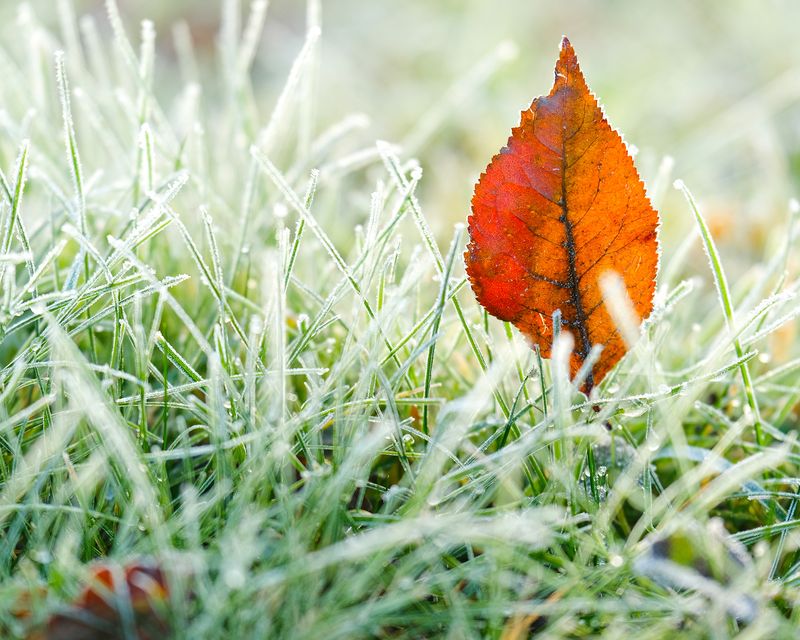
Frozen grass may look sturdy, but it is quite delicate. The blades are brittle, and the ice crystals inside the plant cells can snap when stepped on.
Walking across frosty or frozen turf can leave footprints that show up as brown or flattened trails in spring. The crowns underneath can also be bruised, which makes recovery slower.
This applies to frost in the morning as well as to deep winter freezes. Wait for the sun to melt the frost before you cross the lawn.
If you can, create a path for regular traffic. Using a walkway to reach the mailbox or the garage keeps the damage to a single narrow strip.
Be mindful with pets, kids, and sports. A favorite game of catch can leave a visible mark on frozen ground, so a nearby park or driveway may be a kinder spot.
Snow is a different story. A soft layer of snow acts like a blanket, and a light covering can actually help protect the grass.
Avoid piling heavy, packed snow in one place on the lawn. Spread it out where you can, so the grass underneath is not pressed down for weeks. Skipping a few steps on the lawn now means fewer bare spots to repair later.
6. Be Careful With Salt On Driveways And Walkways
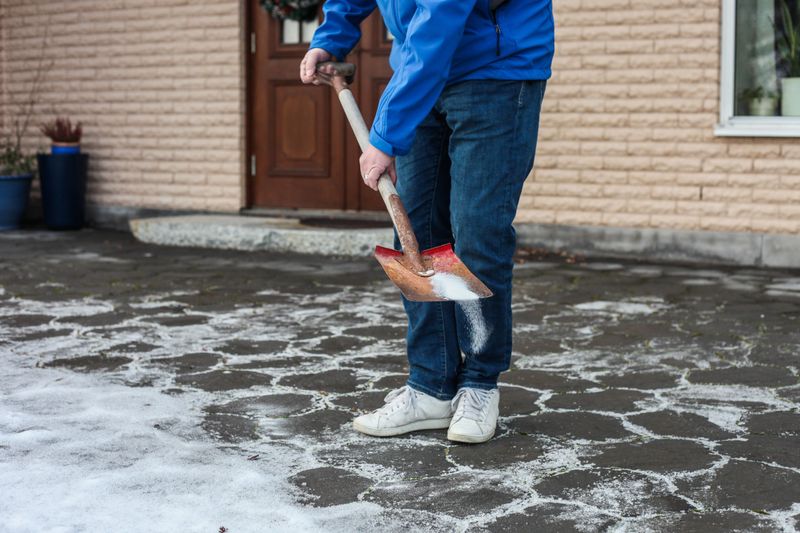
Salt keeps surfaces safe, but it can be hard on nearby grass. When snow melts, salty water runs off the pavement and soaks into the soil along the edges.
Salt draws moisture out of grass roots and can leave the turf looking dry and brown, even after the rest of the lawn has recovered. The affected strip often follows the shape of the driveway or sidewalk.
Over time, salt can also build up in the soil and make it harder for new grass to grow. This is most noticeable in the first few feet beside the pavement.
You do not have to give up safe footing. A few small habits can lessen the effect on your lawn.
Shovel early and often, so less salt is needed to begin with. Use only as much as you need, and spread it thinly rather than in heavy piles.
Sand adds traction without harming the grass, though it will not melt ice. Some homeowners mix a little sand with their de-icer to use less salt overall.
Products labeled as calcium-based or pet-safe are sometimes gentler, but they can still affect plants if used heavily. Moderation matters most.
When shoveling, pile snow away from the lawn, in a spot where the meltwater will not drain onto the grass. Piles of salty snow on the lawn release their salt right into the soil.
In spring, rinse the edges with plain water to help move salt below the root zone. If the soil stays damaged, a light application of compost and fresh seed can restore the border.
7. Consider Overseeding In Fall With Drought-Tolerant Fine Fescue
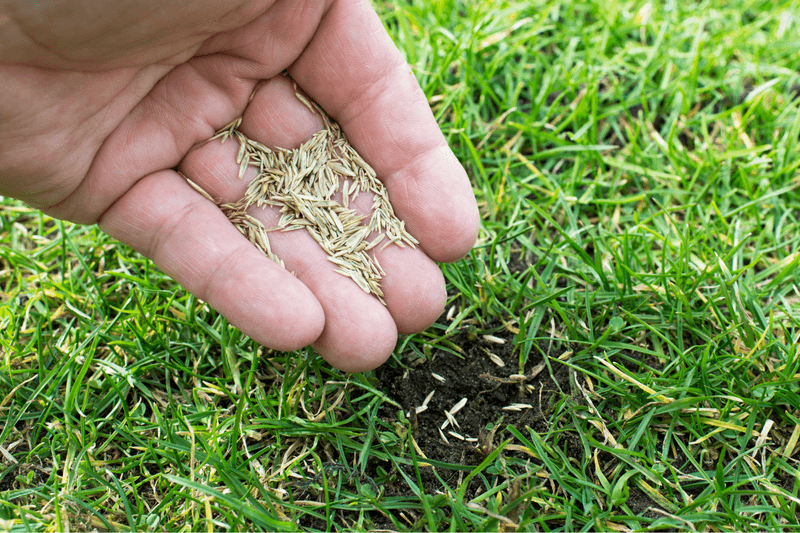
Fall is the best time to improve your lawn, and choosing the right seed makes a big difference for next year. Fine fescue varieties are the unsung heroes of New England lawns.
Fine fescues, including creeping red, chewings, and hard fescue, rest easily in tough conditions and bounce back fast when things improve. They need far less care than many Kentucky bluegrass or tall fescue blends.
The ideal window for overseeding is late August through mid-September, so this one is a note for next year. If you missed it, you can still plan ahead and gather your supplies over the winter.
Prepare the lawn by mowing short, raking out thatch, and lightly aerating if the soil is compacted. Good seed-to-soil contact is the most important factor in overseeding success.
A broadcast spreader makes the job faster and more even than spreading by hand. Set the rate according to the bag directions, and make two passes in perpendicular directions for full coverage.
Fine fescue blends are widely available at New England garden centers in late summer. Look for mixes labeled for shade, drought, or low maintenance in the Northeast.
If you notice thin spots this spring, you can also do a light overseeding once the soil warms and the grass begins to grow.
Swapping in resilient fine fescue is a long-term investment. Your future self will be glad every year when the lawn looks sharp with less effort.
8. Check For Signs Of Life In Spring
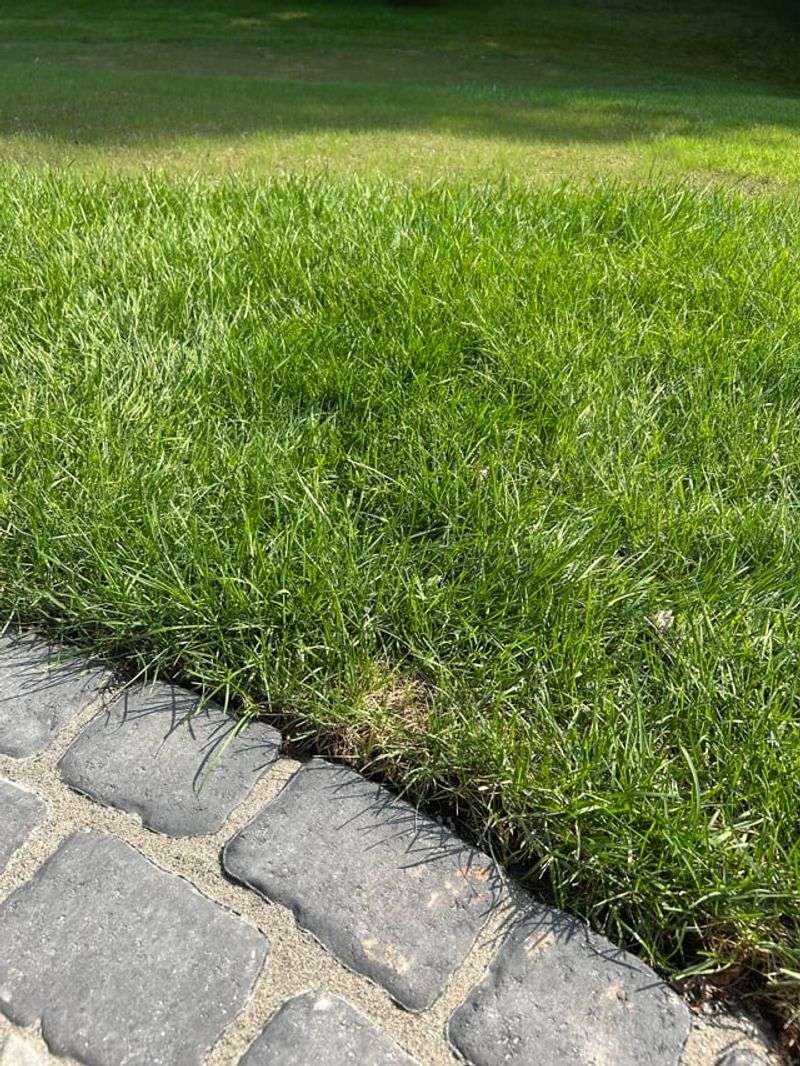
The big question every homeowner asks is whether the grass made it through. Spring is when you get your answer, but timing matters.
Give your lawn time. In Massachusetts, the right moment to check is usually mid-April through early May, when the soil has warmed and the days are longer.
Do not judge the lawn in March. Cold nights and slow soil can keep grass looking brown well after winter ends, even when the crowns are healthy.
Start by looking for green at the base of the blades. Pull back the brown layer gently and check near the soil for fresh, pale green shoots.
Repeat the tug test. Grass that has survived holds firm, while grass that has not survived lifts out with little resistance.
Look at the crowns as well. Healthy ones are firm and cream or light green inside, while crowns that did not make it are gray, dry, and brittle.
Give the lawn about three to four weeks of warm weather before deciding. Some areas wake up slowly, especially shady spots and places that stayed cold the longest.
If bare patches remain by mid-May, rake lightly and add seed. Fine fescue blends or a mix suited to your yard will fill in the gaps.
Plan on a light spring cleanup, too. Rake away any matted grass, remove leftover debris, and check the edges where salt may have caused damage.
Most lawns recover far better than their owners expect. A little patience in April often rewards you with a thick, green lawn by Memorial Day.