10 Items Every Garden Shed In Texas Should Have
In Texas, a garden shed is more than a storage space, it is the command center for every gardener’s plans, projects, and little victories.
A well-stocked shed can turn a chaotic weekend into a smooth operation, saving time and headaches while keeping gardens thriving.
Every tool and supply has a job, and having the right items on hand makes all the difference when inspiration strikes or a quick fix is needed.
A functional garden shed is like having a trusty sidekick.
From gloves and pruning shears to soil amendments and watering cans, each item plays a role in keeping plants healthy and beds looking their best.
Heavy duty tools handle tough jobs, while small accessories make everyday tasks easier.
Organization matters too; a tidy shed means less time searching and more time planting, pruning, or simply enjoying the fruits of labor.
In Texas gardens, where sun, heat, and unpredictable weather challenge even the most seasoned gardeners, being prepared is half the battle.
Stocking a shed with essential items keeps projects on track and makes every day in the garden feel like a win.
For homeowners serious about gardening, a well-equipped shed is the secret weapon that turns effort into results.
1. Quality Garden Hose With Adjustable Nozzle
Watering your garden properly is absolutely critical in Texas, where summer temperatures regularly soar above 100 degrees.
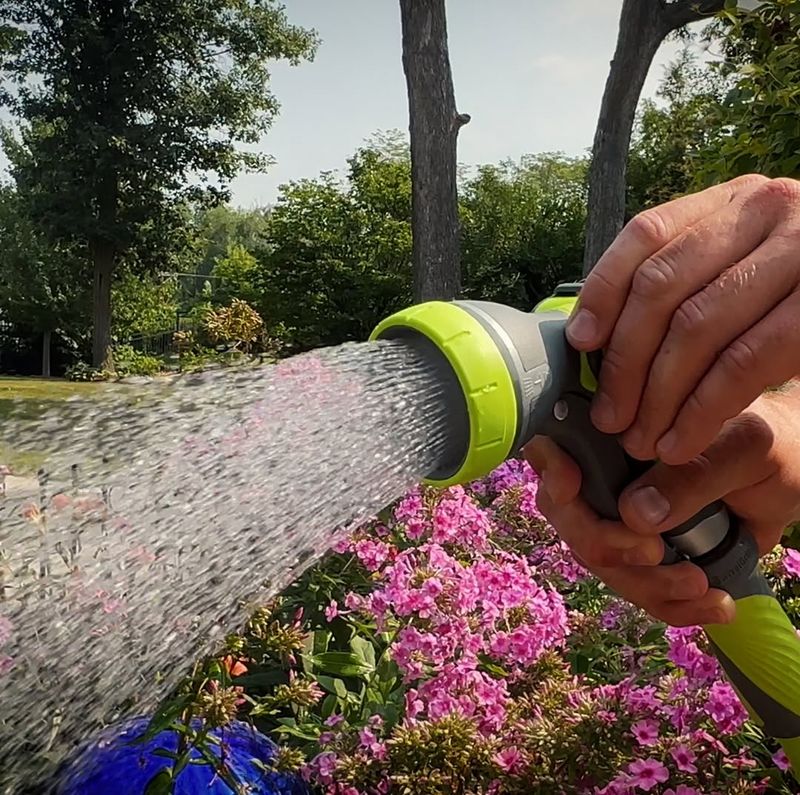
A sturdy garden hose paired with an adjustable nozzle gives you complete control over how much water reaches your plants.
You can switch from a gentle mist for delicate seedlings to a powerful jet for cleaning tools or washing down walkways.
Look for hoses made from reinforced rubber or heavy-duty vinyl that won’t crack under the intense Texas sun.
The adjustable nozzle should offer multiple spray patterns so you can customize watering based on what your garden needs that day.
This flexibility helps conserve water, which is especially important during drought conditions common across many parts of the state.
Store your hose properly by coiling it loosely and keeping it out of direct sunlight when not in use.
A hose reel or wall-mounted holder inside your shed protects it from weather damage and extends its lifespan.
Checking for leaks regularly and replacing worn washers prevents water waste and keeps your watering system running smoothly.
Having a reliable hose means you won’t struggle during those long, dry Texas summers when your plants need consistent moisture.
It’s one of those basic tools that truly earns its place in every garden shed across the state.
2. Heavy-Duty Work Gloves
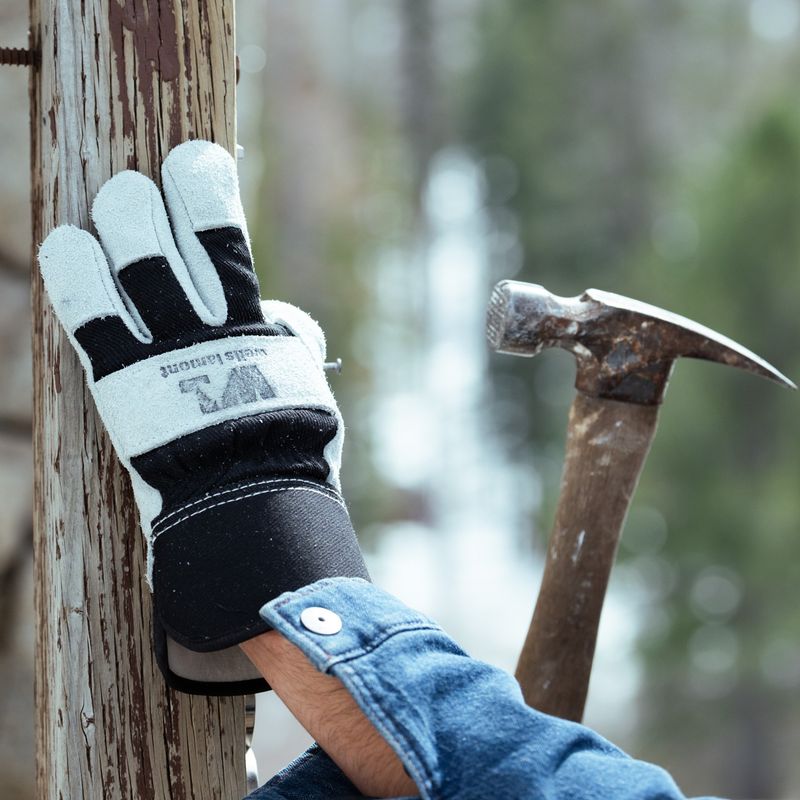
Protecting your hands while gardening isn’t just about comfort; it’s about safety too.
Texas gardens are home to plenty of thorny plants like roses, bougainvillea, and prickly pear cactus that can cause painful injuries.
A good pair of heavy-duty work gloves shields your skin from cuts, scrapes, and blisters while you work.
Leather gloves with reinforced palms and fingers offer the best protection for handling rough materials like wood, metal tools, and sharp branches.
Some gardeners prefer gloves with extended cuffs that protect the wrists and lower forearms from scratches and insect bites.
Breathable materials help keep your hands from getting too sweaty during hot Texas afternoons.
Keep multiple pairs in your shed so you always have a clean, dry set ready to go.
Wet or dirty gloves can cause skin irritation and make gripping tools more difficult.
Washing your gloves regularly and allowing them to dry completely prevents bacteria buildup and keeps them in good condition.
When working with fertilizers or pesticides, choose gloves specifically rated for chemical resistance to protect your skin from harmful substances.
Your hands are your most important gardening tools, so investing in quality gloves that fit well and provide adequate protection makes sense for any Texas gardener.
3. Pruning Shears And Loppers
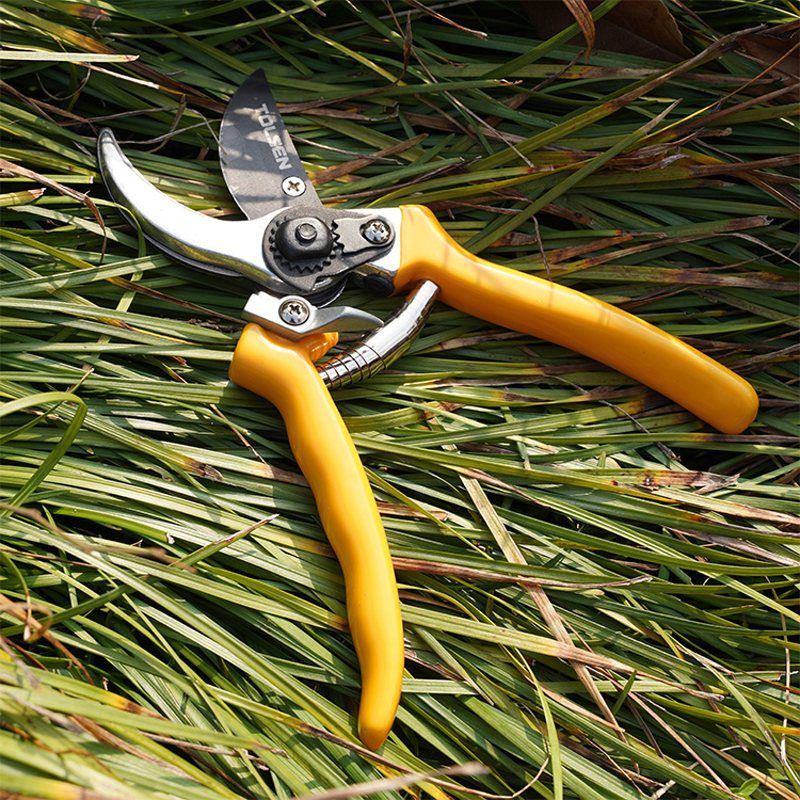
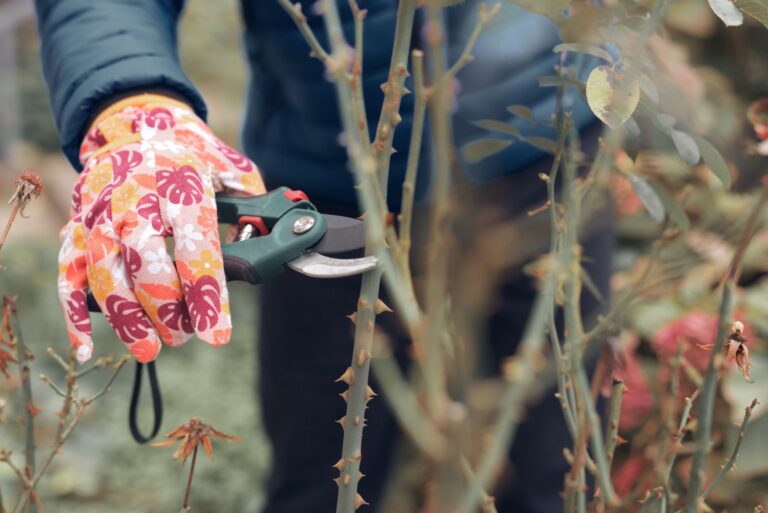
Keeping plants trimmed and healthy requires the right cutting tools, and that’s where pruning shears and loppers come into play.
Shears work perfectly for smaller branches, dry flowers, and precise cuts on delicate plants.
Loppers, with their long handles and greater leverage, tackle thicker branches that shears can’t handle.
Sharp blades make clean cuts that heal quickly, reducing stress on your plants and lowering the risk of disease.
Dull tools crush stems instead of cutting them cleanly, which can damage plant tissue and invite pests.
Regularly sharpening your cutting tools and cleaning them with rubbing alcohol between uses keeps them in top condition.
Texas gardeners deal with fast-growing plants during the warm season, so having reliable pruning tools saves countless hours of work.
Crepe myrtles, roses, and fruit trees all benefit from regular pruning to maintain their shape and encourage healthy growth.
Proper pruning also improves air circulation around plants, which helps prevent fungal diseases common in humid areas of the state.
Look for tools with comfortable grips that reduce hand fatigue during extended pruning sessions.
Bypass-style shears make cleaner cuts than anvil-style for live plant material.
Storing your pruning tools in a dry spot inside your shed prevents rust and keeps them ready for action whenever your garden needs attention.
4. Wheelbarrow Or Garden Cart
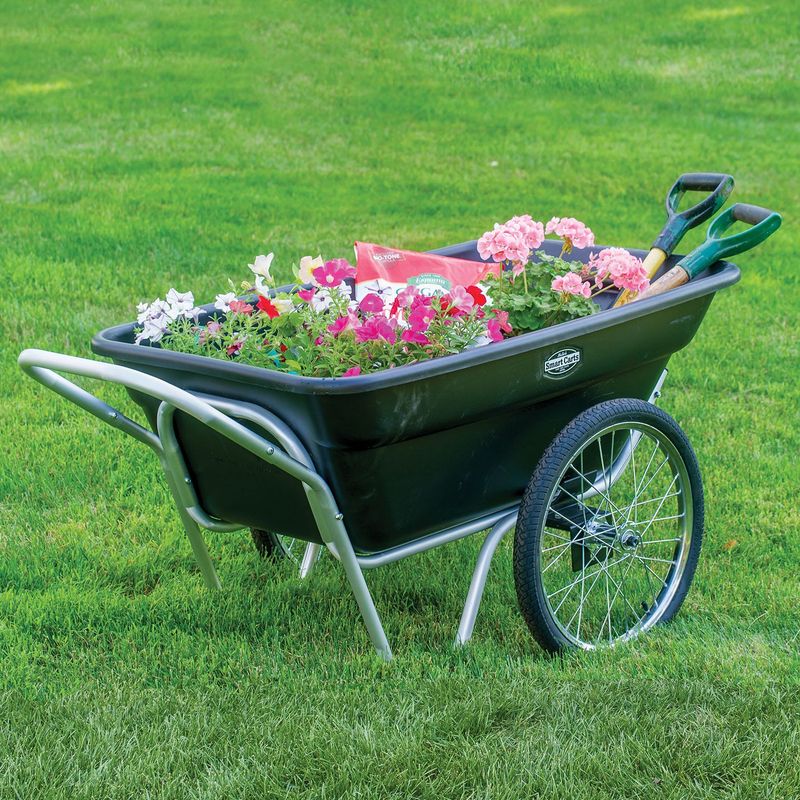
Moving heavy materials around your garden becomes much easier when you have a wheelbarrow or garden cart.
Whether you’re hauling bags of soil, piles of mulch, or loads of weeds and trimmings, these tools save your back and make big jobs manageable.
A traditional single-wheel wheelbarrow offers excellent maneuverability in tight spaces and over uneven ground.
Garden carts with two wheels provide more stability and can carry heavier loads without tipping.
Choose a model with a sturdy frame and pneumatic tires that won’t go flat easily on rough Texas terrain.
The bed should be deep enough to hold a good amount of material but not so large that it becomes difficult to push when fully loaded.
Many Texas gardeners use their wheelbarrows for mixing small batches of concrete or potting soil right in the bed.
This versatility makes them valuable for both gardening tasks and general yard maintenance projects.
Cleaning your wheelbarrow after each use prevents rust and keeps dried mud or cement from building up.
Store it upside down or tilted on its side so water doesn’t collect in the bed and cause rust.
Replacing worn tires and lubricating the wheel axle occasionally keeps everything rolling smoothly.
A reliable wheelbarrow becomes an extension of your own strength, helping you accomplish tasks that would otherwise be exhausting or impossible.
5. Sun Protection Gear
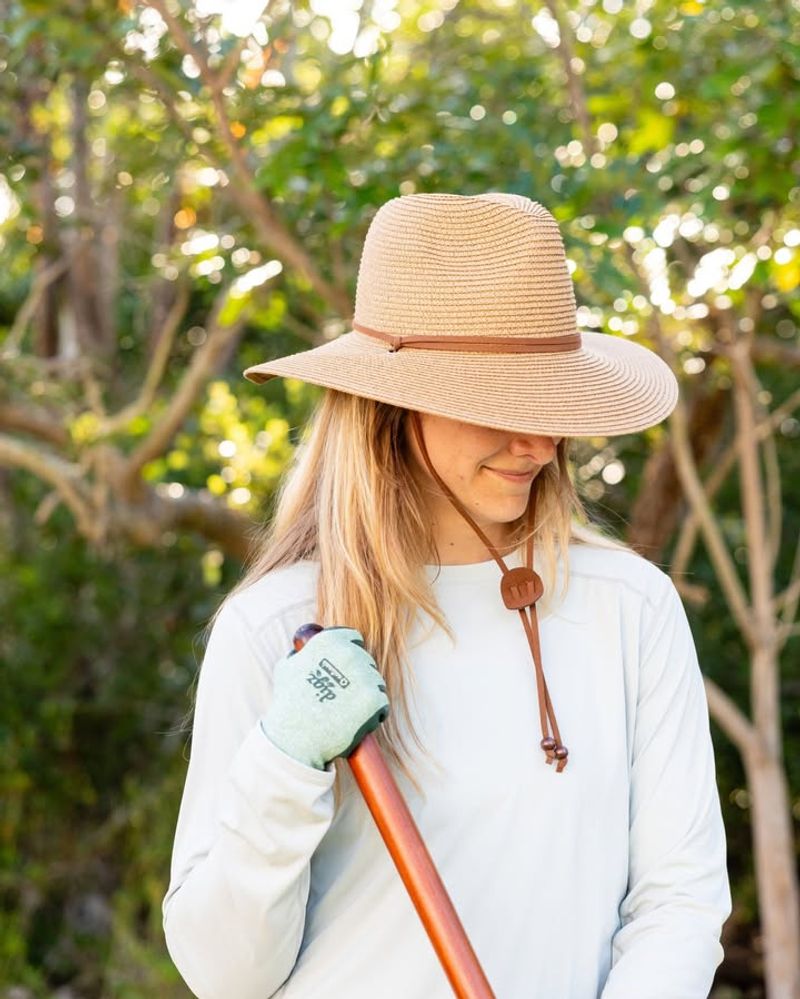
Working outdoors in Texas means dealing with intense sunlight that can cause sunburn, heat exhaustion, and long-term skin damage.
Keeping sun protection gear in your shed ensures you’re always prepared before heading out to work in the garden.
A wide-brimmed hat provides shade for your face, neck, and ears, which are particularly vulnerable to sun exposure.
Look for hats made from breathable materials like straw or cotton that allow air circulation while blocking harmful rays.
Sunscreen with an SPF of at least 30 should be applied to all exposed skin before you start working.
Reapplying every two hours, or more often if you’re sweating heavily, maintains protection throughout the day.
Lightweight, long-sleeved shirts and pants made from UV-protective fabric offer coverage without making you overheat.
Some gardeners prefer cooling towels that can be dampened and worn around the neck to help regulate body temperature.
Sunglasses with UV protection shield your eyes from glare and reduce the risk of cataracts over time.
Texas summers are unforgiving, and spending hours in the garden without proper protection can lead to serious health problems.
Keeping these items readily available in your shed makes it easy to grab them before every gardening session.
Your future self will thank you for taking sun protection seriously, especially as you enjoy many more years of healthy gardening in the Texas sunshine.
6. Insect Repellent And First Aid Kit

Texas gardens attract more than just beautiful butterflies and helpful bees.
Mosquitoes, fire ants, wasps, and ticks are common unwelcome visitors that can turn a pleasant gardening session into a painful experience.
Keeping insect repellent in your shed lets you apply protection before you encounter these pests.
Choose a repellent containing DEET, picaridin, or oil of lemon eucalyptus for effective protection against mosquitoes and ticks.
Spray it on exposed skin and clothing, paying special attention to ankles, wrists, and the back of your neck.
Reapplying every few hours maintains protection, especially if you’re sweating heavily in the Texas heat.
A well-stocked first aid kit handles minor injuries that inevitably happen during gardening.
Bandages, antiseptic wipes, antibiotic ointment, and tweezers for splinters should all be included.
Adding antihistamine cream or tablets helps relieve itching from insect bites and stings.
Fire ant stings are particularly common in Texas and can cause severe reactions in some people.
Knowing how to treat them quickly reduces discomfort and prevents infection.
Keep your first aid supplies in a waterproof container to protect them from moisture.
Checking expiration dates regularly and replacing outdated items ensures everything works when you need it.
Being prepared for both insect encounters and minor accidents means you can focus on enjoying your garden rather than worrying about potential problems.
7. Soil Testing Kit

Understanding your soil’s characteristics helps you grow healthier plants and avoid common gardening frustrations.
Texas soils vary dramatically across the state, from alkaline clay in North Texas to sandy loam along the coast.
A soil testing kit reveals your soil’s pH level and nutrient content, giving you valuable information for improving growing conditions.
Most vegetables and flowers prefer slightly acidic to neutral soil, but many Texas soils tend toward alkaline.
Knowing your pH helps you choose plants that will thrive naturally or guides you in making amendments to adjust conditions.
Testing for nitrogen, phosphorus, and potassium levels shows which nutrients your soil might be lacking.
Simple home testing kits provide quick results right in your shed, though professional lab tests offer more detailed analysis.
Testing in early spring before planting season gives you time to make necessary soil improvements.
Retesting every few years tracks changes and helps you maintain optimal growing conditions.
Clay soils common in Texas often need organic matter added to improve drainage and texture.
Sandy soils benefit from compost that helps retain moisture and nutrients.
Using test results to guide your soil amendments saves money by preventing you from adding unnecessary fertilizers.
Healthy soil creates healthy plants that resist pests and diseases more effectively.
This simple tool transforms guesswork into informed decision-making, making your gardening efforts more successful across all of Texas’s diverse growing regions.
8. Watering Can With Long Spout

Not every watering job requires dragging out the garden hose.
A traditional watering can with a long spout offers precise control for container plants, seedlings, and newly transplanted specimens that need gentle, targeted watering.
The extended spout reaches into tight spaces between plants without disturbing foliage or soil.
Metal watering cans last longer than plastic versions and add a classic look to your garden shed.
Choose one with a comfortable handle and a capacity that feels manageable when full, usually between one and two gallons.
A removable rose attachment on the spout creates a gentle shower perfect for delicate seedlings.
Container plants dry out quickly in Texas heat and often need daily attention during summer months.
Having a watering can handy in your shed makes it easy to give them a quick drink without setting up hoses or sprinklers.
You can also use it to apply diluted fertilizer directly to specific plants that need extra nutrients.
Indoor plants that spend summer outdoors benefit from the precision a watering can provides.
Pouring water slowly at the base of plants prevents splashing that can spread soil-borne diseases.
Cleaning your watering can regularly prevents algae buildup and keeps water fresh.
This simple tool connects you more directly with your plants, letting you observe them closely while you water.
Many gardeners find the ritual of hand-watering with a can to be one of the most peaceful and satisfying parts of garden care.
9. Rake And Cultivator
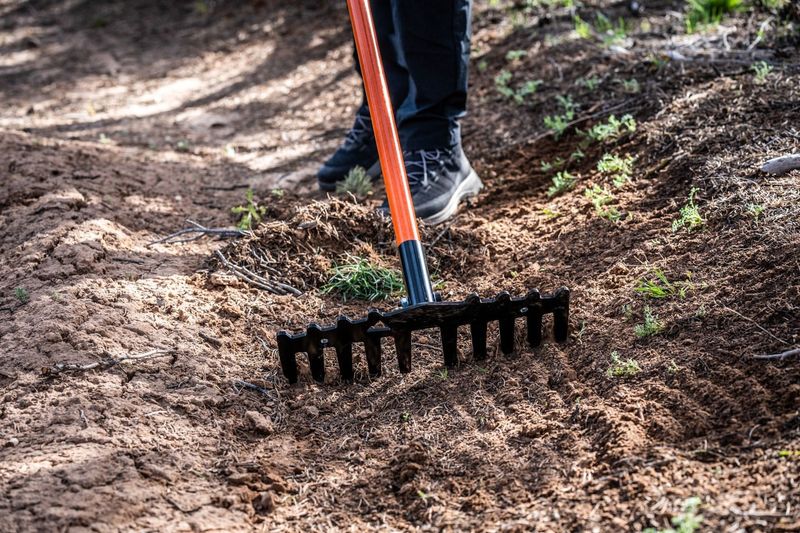
Preparing soil and maintaining garden beds requires tools designed for breaking up clumps and smoothing surfaces.
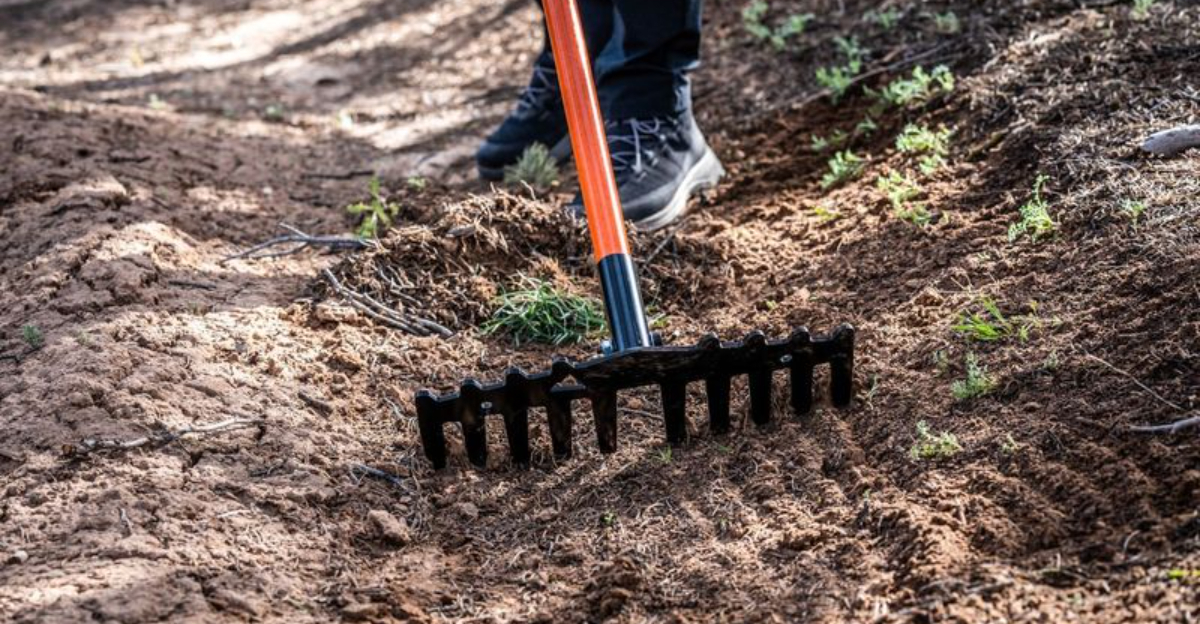
A standard garden rake with metal tines handles leaves, grass clippings, and debris while also leveling soil before planting.
The flat back of the rake head works perfectly for spreading mulch evenly across beds.
A hand cultivator, sometimes called a claw, breaks up compacted soil and works compost into the top few inches of earth.
Texas clay soil tends to form hard crusts after rain, and a cultivator helps restore proper texture and aeration.
Loosening soil around established plants encourages root growth and improves water penetration.
Using these tools regularly keeps your garden beds in prime condition throughout the growing season.
Raking removes fallen leaves that can harbor pests and diseases if left to accumulate.
Cultivating between rows disrupts weed seedlings before they become established problems.
Look for tools with sturdy construction and comfortable handles that reduce strain on your hands and wrists.
Wooden handles absorb shock better than metal or plastic and feel more natural during extended use.
Cleaning soil off your tools after each use prevents rust and extends their working life.
Store them hanging on wall hooks where air circulates freely and they won’t get knocked over.
Well-maintained rakes and cultivators serve Texas gardeners faithfully for many years, making them worthwhile investments for any shed.
These fundamental tools connect modern gardeners with centuries of agricultural tradition.
10. Shade Cloth And Plant Covers
Texas weather swings between extremes that can stress even hardy plants.
Shade cloth provides relief during brutal summer heat waves when afternoon temperatures damage tender leaves and flowers.
Draping it over vulnerable plants or creating temporary shade structures reduces heat stress and prevents sunscald on fruits and vegetables.
Different densities of shade cloth block varying amounts of sunlight, typically ranging from 30 to 90 percent.
Most Texas gardeners find 40 to 50 percent shade cloth works well for protecting vegetables and flowers during peak summer.
Lettuce, spinach, and other cool-season crops can sometimes be grown through summer with adequate shade protection.
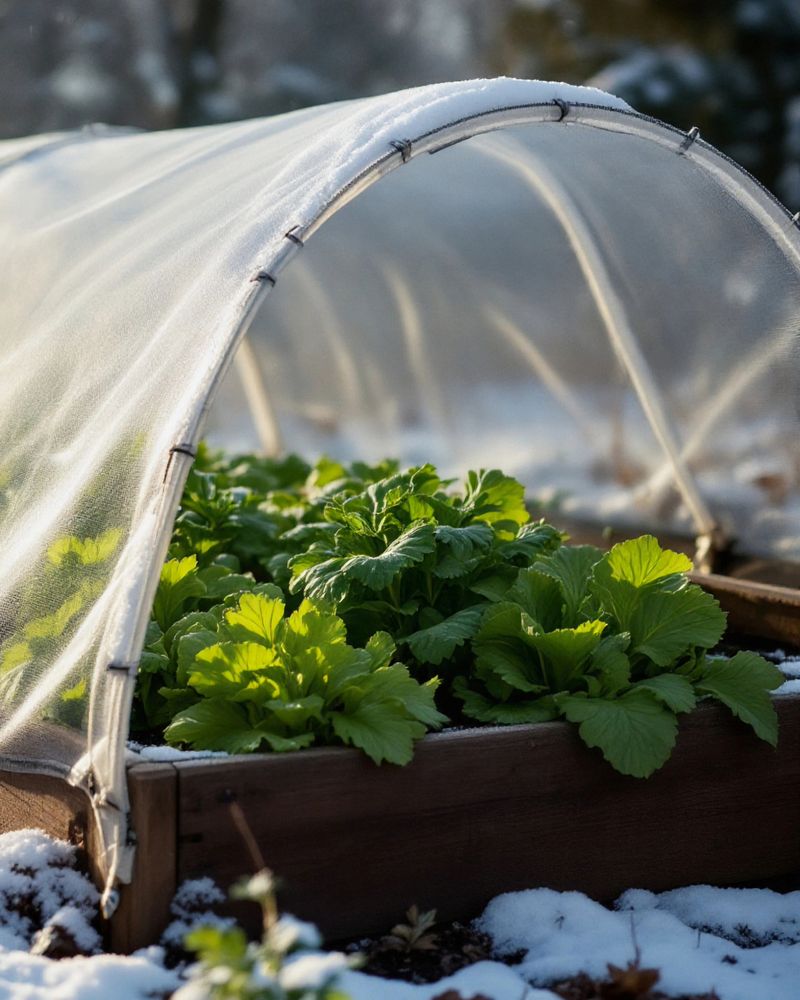
Plant covers serve the opposite purpose, protecting against occasional freezes that surprise Texas gardeners during winter months.
Lightweight frost blankets trap heat radiating from the soil and can protect plants through brief cold snaps.
Keeping several covers in various sizes ready in your shed means you can quickly protect plants when unexpected freezes threaten.
Both shade cloth and covers fold compactly for storage and last for several seasons with proper care.
Rinse them clean before storing to prevent mold and mildew from developing.
Having these protective materials on hand gives you flexibility to respond quickly to changing weather conditions.
Texas gardeners who use shade cloth often extend their growing season and harvest higher-quality produce.
Being prepared for both heat and cold extremes demonstrates the adaptability necessary for successful gardening in the Lone Star State’s challenging climate.