January Garden Pests That Can Wreck Your Florida Plants
Florida gardens never truly sleep, even when winter arrives.
January may bring cooler mornings and shorter days, but beneath the surface a quiet battle continues as insects and other pests remain active in lawns, landscapes, and vegetable beds.
While northern gardeners rely on freezing temperatures to slow infestations, Florida’s mild climate allows many destructive species to survive, feed, and reproduce through the winter months.
Tender new growth on roses, citrus, vegetables, and flowering shrubs becomes an open invitation for sap-sucking insects, leaf feeders, and soil-dwelling pests looking for their next meal.
Subtle signs like curled leaves, sticky residue, speckled foliage, or tiny insects drifting up from the soil often appear long before serious damage is obvious.
Gardeners who recognize these early warnings gain a powerful advantage.
By understanding which pests stay active during January and how they affect different plants, it becomes possible to protect landscapes before problems escalate, keeping gardens healthy, productive, and visually appealing as spring approaches.
1. Aphids
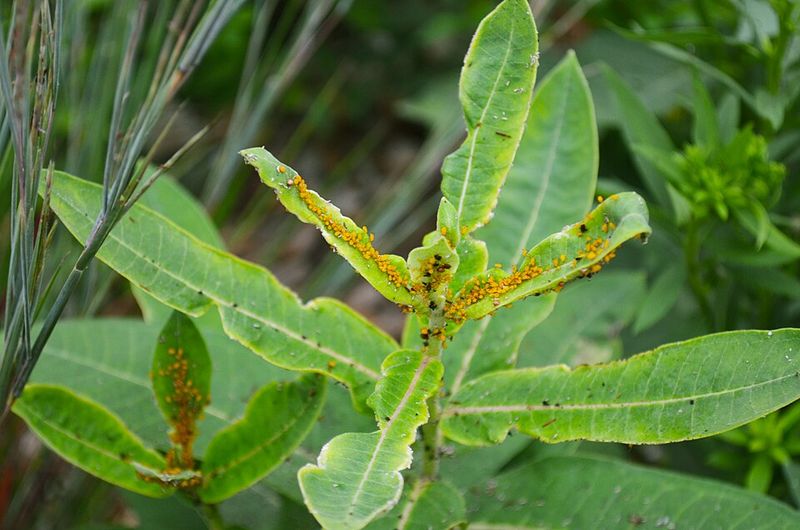
Soft-bodied insects no bigger than a pinhead, aphids cluster on new growth and the undersides of leaves in colors ranging from green to black to pink.
You will find them sucking plant sap and leaving behind sticky honeydew that attracts ants and encourages sooty mold growth on your favorite ornamentals and vegetables.
January’s cooler temperatures actually favor aphid populations in Florida because their natural predators become less active while these pests continue reproducing at impressive rates.
Aphids target tender new growth on roses, hibiscus, vegetables like tomatoes and peppers, citrus trees, and nearly every flowering annual in your garden beds.
Their feeding causes leaves to curl, yellow, and become distorted, while heavy infestations can stunt plant growth significantly.
The honeydew they excrete creates a shiny coating that turns black with sooty mold, making plants look unhealthy and reducing their ability to photosynthesize properly.
A strong spray of water from your garden hose dislodges aphids effectively and works well for light infestations on sturdy plants.
Insecticidal soaps and horticultural oils provide safe control options that suffocate aphids on contact without harming beneficial insects when applied according to label directions.
Encouraging natural predators like ladybugs, lacewings, and parasitic wasps offers long-term biological control that keeps aphid populations manageable throughout the growing season.
2. Whiteflies
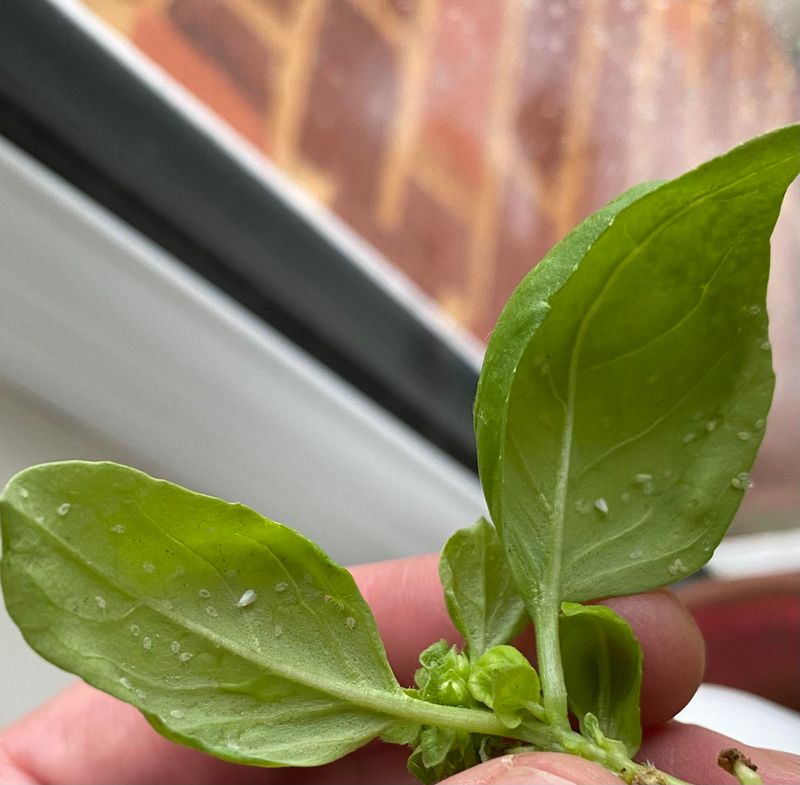
Clouds of tiny white insects erupting from your plants when disturbed signal a whitefly infestation that can quickly spiral out of control in Florida gardens.
These moth-like pests measure barely one-sixteenth of an inch long and congregate on leaf undersides where they pierce plant tissue and extract vital nutrients.
Whiteflies can remain active in Florida during January when temperatures stay mild and host plants continue producing new growth, allowing populations to persist even though they usually peak during warmer months..
Ornamental plants like hibiscus, poinsettias, and lantana attract whiteflies in large numbers, but vegetables including tomatoes, peppers, squash, and beans also suffer from serious infestations.
Citrus trees, particularly young ones, can host massive whitefly populations that weaken trees and reduce fruit quality over time.
Heavy feeding causes yellowing leaves, stunted growth, and the same sticky honeydew and sooty mold problems that aphids create on affected plants.
Yellow sticky traps hung near affected plants capture adult whiteflies and help monitor population levels before they explode into unmanageable numbers.
Horticultural oils and insecticidal soaps work effectively against whitefly nymphs and adults when sprayed thoroughly on leaf undersides where these pests congregate.
Systemic insecticides approved for home garden use provide longer-lasting control but should be used carefully and never on plants visited by pollinators like bees.
3. Spider Mites
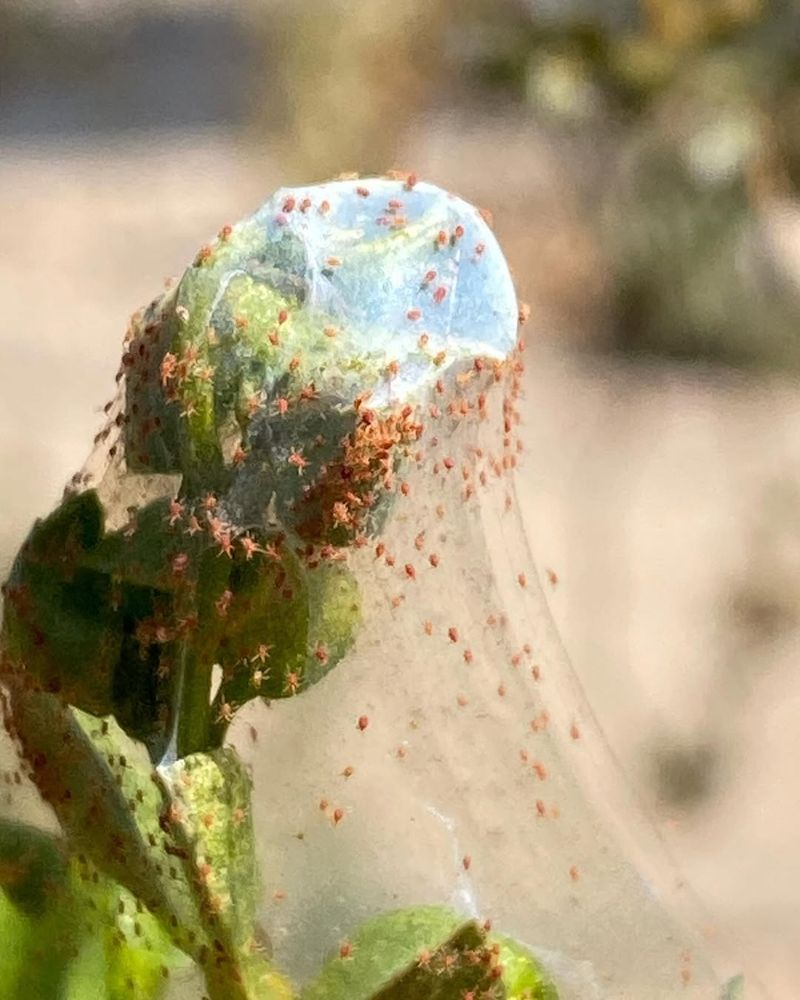
Almost invisible to the naked eye, spider mites become noticeable only when their damage appears as stippling, bronzing, or fine webbing on plant leaves.
These eight-legged arachnids thrive in hot, dry conditions, and extended dry weather during winter can allow spider mite populations to persist, although their most severe outbreaks usually occur during hot, dry spring and summer weather.
Holding a white paper under affected leaves and tapping the branch reveals tiny moving specks that confirm a spider mite infestation requiring immediate attention.
Vegetables like beans, tomatoes, and cucumbers suffer heavily from spider mite damage, while ornamentals including roses, azaleas, and junipers also host large populations of these destructive pests.
Indoor plants brought outside for fresh air and houseplants sitting near windows can introduce spider mites to your outdoor garden spaces.
The stippled, yellowed foliage gradually turns bronze and may drop prematurely, weakening plants and reducing their ornamental value and productivity throughout the growing season.
Regular overhead watering disrupts spider mite populations because these pests hate moisture and high humidity levels that favor their natural predatory mite enemies.
Horticultural oils and insecticidal soaps smother spider mites effectively when applied thoroughly to both leaf surfaces, though repeated applications every five to seven days may be necessary for complete control.
Predatory mites available from biological control suppliers establish colonies that hunt and consume spider mites, providing sustainable management for persistent problems in vegetable and ornamental gardens.
4. Mealybugs
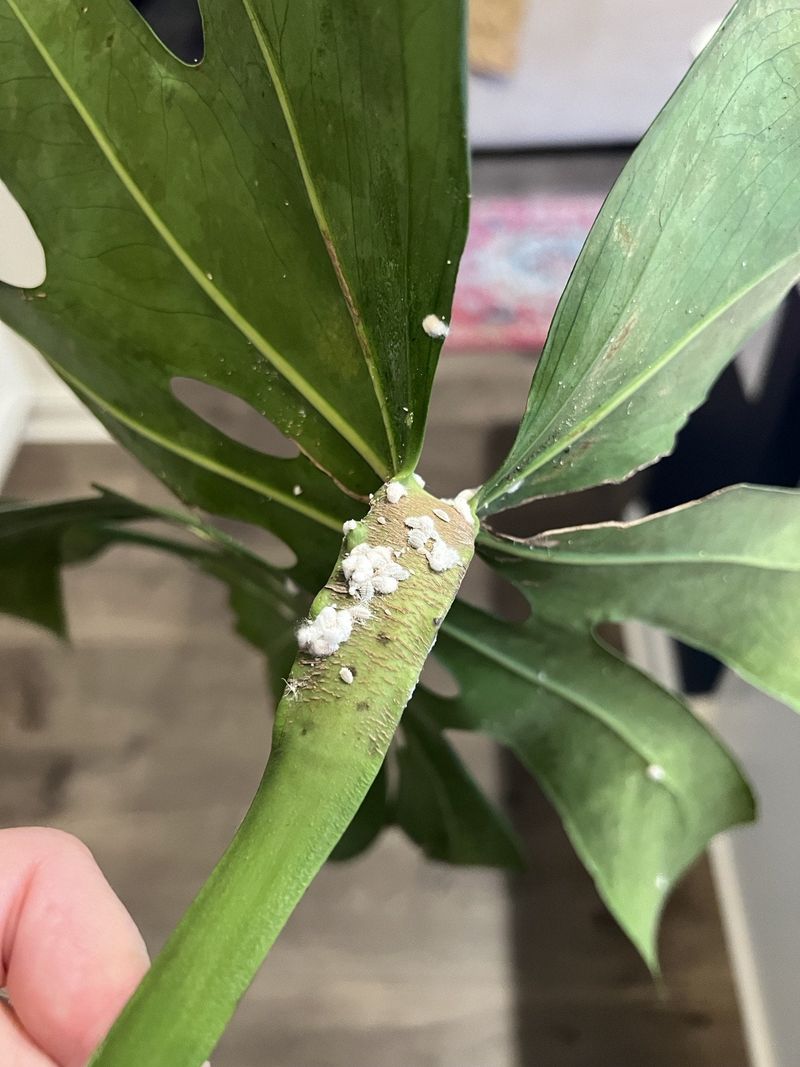
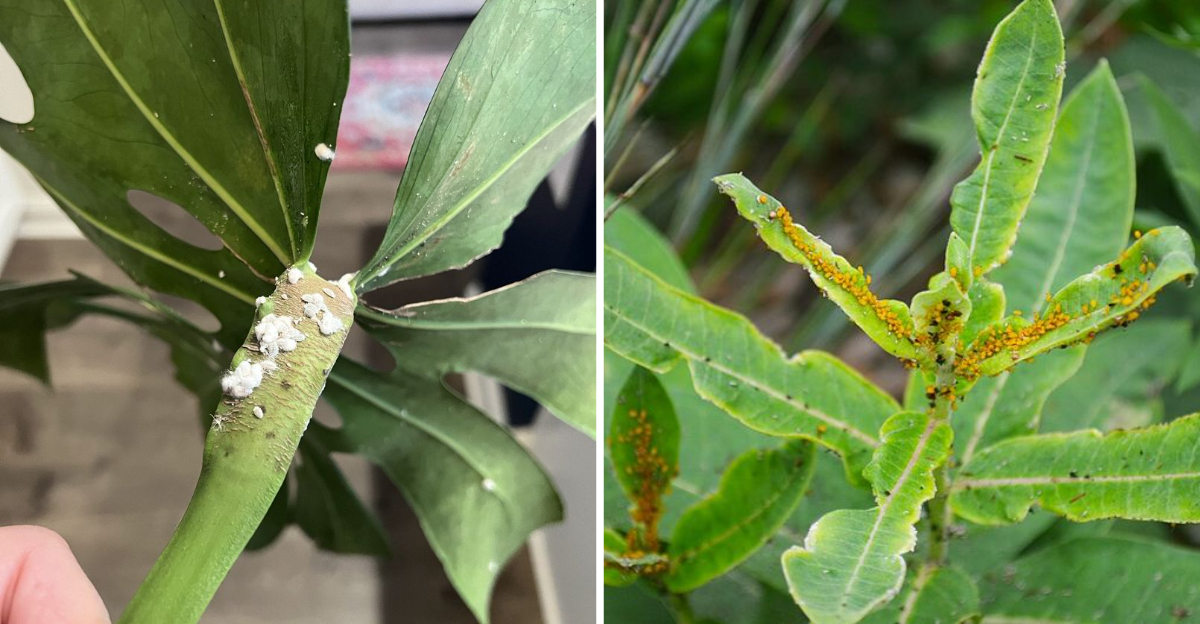
White cottony masses appearing on stems, leaf joints, and fruit indicate mealybug infestations that can persist year-round in Florida’s frost-free regions.
These soft-bodied insects hide in protected plant areas and cover themselves with waxy white filaments that make them look like tiny cotton balls stuck to your plants.
January’s mild weather allows mealybug populations to continue growing while their natural predators slow down, giving these pests an advantage that leads to serious damage on susceptible plants.
Citrus trees, especially young growth and developing fruit, attract mealybugs that can reduce fruit quality and cause premature fruit drop when populations grow unchecked.
Tropical ornamentals like hibiscus, plumeria, croton, and gardenias host mealybug colonies that weaken plants and create unsightly honeydew and sooty mold accumulations.
Succulents and houseplants moved outdoors during winter months often introduce mealybugs that then spread to other garden plants through wind, water, or physical contact with infested foliage.
Rubbing alcohol applied with cotton swabs removes small mealybug colonies from individual plants without requiring spray applications that might affect beneficial insects nearby.
Horticultural oils and insecticidal soaps penetrate the waxy coating mealybugs produce and provide effective control when applied thoroughly to all plant surfaces where these pests hide.
Biological controls including ladybugs, lacewings, and parasitic wasps naturally suppress mealybug populations, and preserving these beneficial insects through reduced pesticide use creates lasting integrated pest management solutions for home gardens.
5. Scale Insects
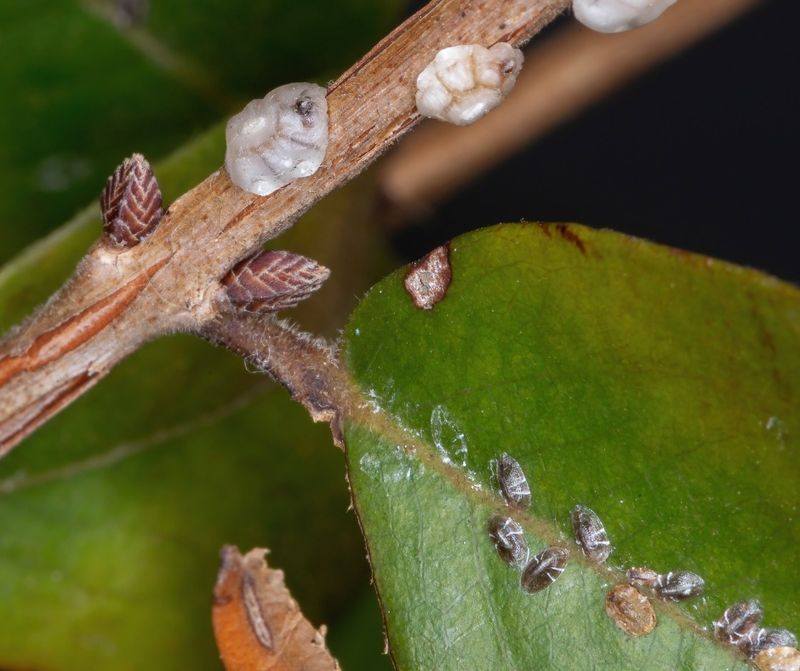
Bumps on stems and leaves that look like part of the plant itself often turn out to be scale insects that attach themselves permanently and feed continuously on plant sap.
Armored scales develop hard protective coverings that make them difficult to control, while soft scales produce waxy coatings and copious amounts of honeydew that drips onto surfaces below.
January weather in Florida allows scale populations to build steadily because these pests remain active while freezing temperatures elsewhere would naturally reduce their numbers significantly.
Citrus trees throughout Florida suffer from various scale species including Florida red scale, purple scale, and cottony cushion scale that weaken trees and reduce fruit production.
Ornamental plants like camellias, hollies, euonymus, and palms host scale insects that create unsightly bumps and cause branch withering when infestations become severe.
Magnolias and live oaks can harbor scale populations that go unnoticed until branches begin declining and honeydew rains down on cars and patios beneath affected trees.
Horticultural oils applied during cooler January temperatures smother scale insects by coating their bodies and blocking their breathing pores, providing effective control with minimal environmental impact.
Systemic insecticides absorbed through roots or applied as trunk injections move through the plant and control scale insects feeding on sap, though these products require careful application timing.
Natural enemies including tiny parasitic wasps and predatory beetles help manage scale populations, and avoiding broad-spectrum insecticides preserves these beneficial insects that provide free biological control services in your landscape.
6. Thrips
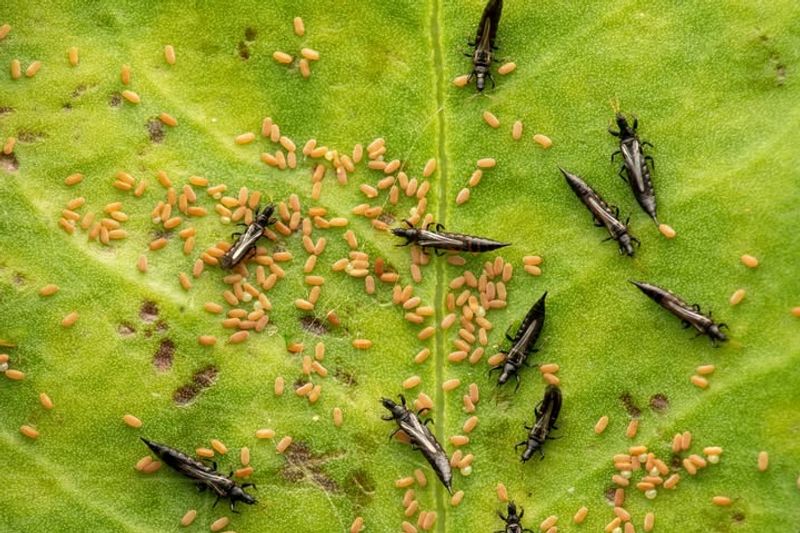
Slender insects smaller than a grain of rice, thrips rasp plant tissue and suck the released juices, leaving behind silvery scarring and distorted growth that ruins the appearance of flowers and foliage.
These fast-moving pests hide in flower buds and leaf folds where they feed and reproduce rapidly throughout the year in Florida gardens.
When winter-blooming plants such as camellias and early vegetables produce tender growth, thrips may appear even though their largest populations usually occur in warmer months.
Roses suffer particularly from thrips damage that causes flower buds to fail to open properly or produce deformed blooms with brown petal edges that look diseased.
Vegetables like onions, peppers, and tomatoes host thrips that spread tomato spotted wilt virus, a serious disease that can devastate entire plantings in home gardens.
Gladiolus, daylilies, and other flowering perennials show thrips damage as silvery streaking on leaves and distorted flowers that never reach their full ornamental potential.
Blue sticky traps attract and capture thrips more effectively than yellow traps and help monitor population levels before damage becomes widespread across your garden.
Spinosad-based insecticides derived from naturally occurring soil bacteria provide effective thrips control with relatively low impact on beneficial insects when applied according to label timing recommendations.
Predatory mites and minute pirate bugs feed on thrips and help keep populations below damaging levels, especially in gardens where diverse plantings and reduced pesticide use create habitats that support these beneficial predators.
7. Leafminers
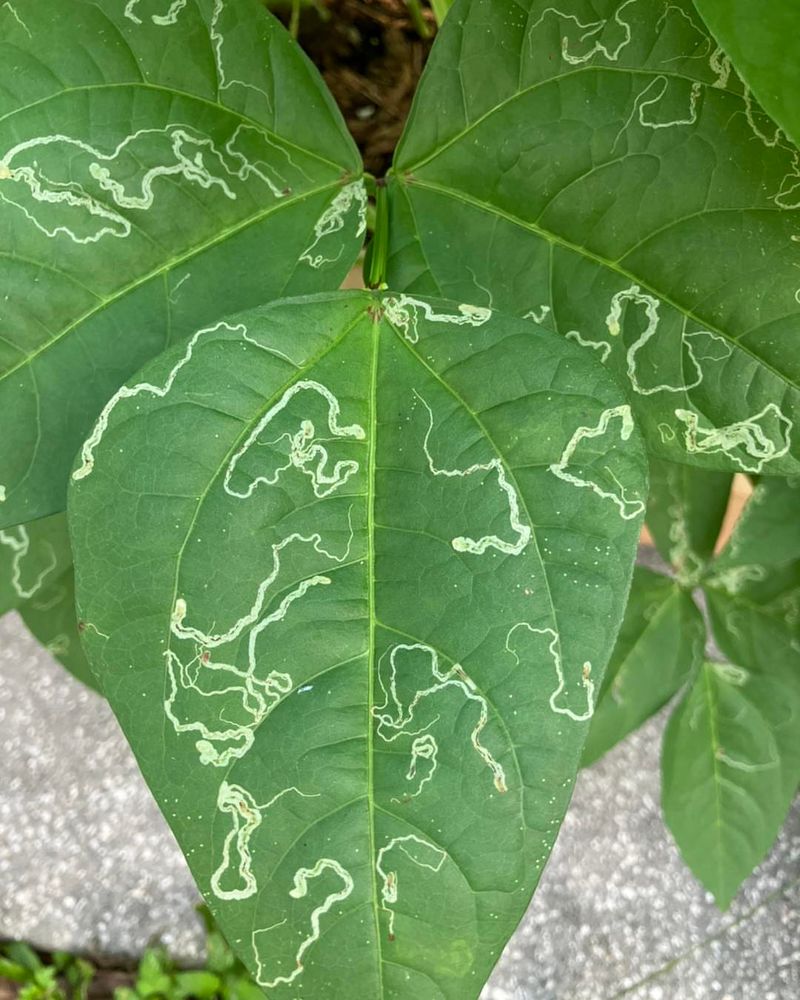
Serpentine trails winding through leaves reveal leafminer larvae tunneling between upper and lower leaf surfaces as they feed on plant tissue from the inside.
These tiny fly, moth, or beetle larvae create distinctive damage patterns that look like someone drew squiggly lines or blotches on your plant leaves with a pen.
Leafminers attack plants whenever suitable host plants are producing new leaves, including during Florida’s winter vegetable season.
Vegetables including tomatoes, peppers, beans, and leafy greens like spinach and chard show leafminer trails that make produce less appealing even though the damage does not affect edibility.
Citrus trees host citrus leafminer, a particularly troublesome pest that targets new growth flushes and can weaken young trees when infestations occur repeatedly.
Ornamental plants like columbine, chrysanthemums, and various trees including birch and elm develop leafminer trails that create cosmetic concerns for homeowners who want pristine-looking landscapes.
Removing and destroying affected leaves eliminates leafminer larvae before they complete development and emerge as adults that lay more eggs on your plants.
Lightweight row covers placed over vegetable crops prevent adult leafminers from landing and laying eggs, providing physical barriers that eliminate the need for chemical controls entirely.
Spinosad sprays applied when adults are actively laying eggs interrupt the lifecycle, though timing applications correctly requires monitoring plants regularly to catch leafminer activity at its most vulnerable stage before larvae tunnel deep into leaf tissue.
8. Fungus Gnats
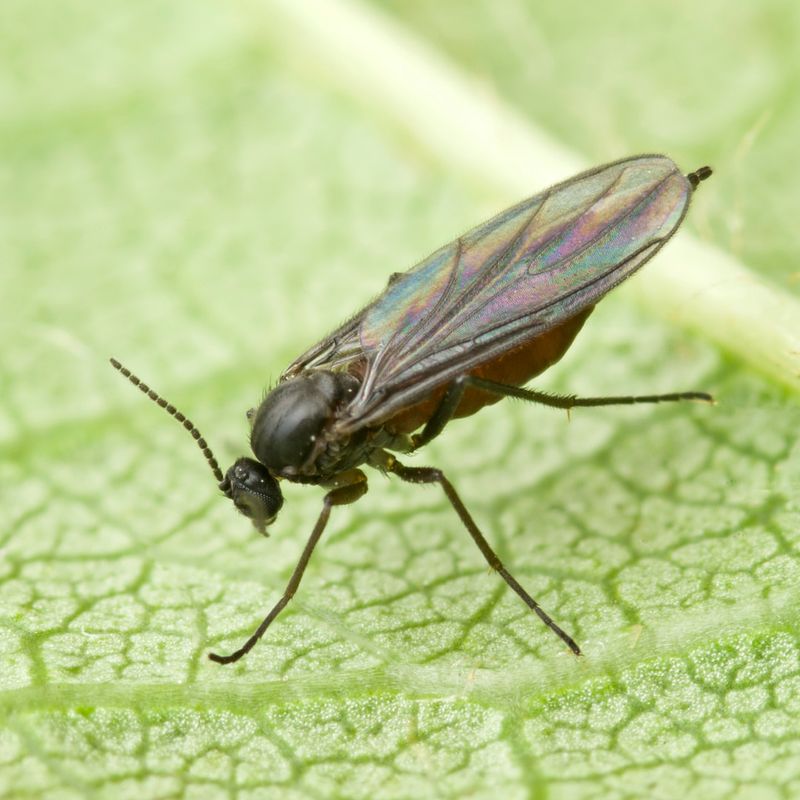
Tiny dark flies hovering around potted plants and garden beds signal fungus gnat adults whose larvae feed on organic matter and plant roots in consistently moist soil conditions.
Adults look like miniature mosquitoes and become nuisance pests indoors and outdoors, while their larvae can damage seedlings and tender roots when populations explode in overly wet growing media.
Cool weather combined with overwatering and slow-drying soils during winter creates ideal breeding conditions for fungus gnats in container gardens, greenhouses, and heavily mulched landscape beds.
Container-grown plants including houseplants, herbs, and vegetables started indoors for spring planting host fungus gnat populations that reproduce rapidly in potting mixes that stay constantly moist.
Seedlings and young transplants suffer most from fungus gnat larvae feeding on their delicate root systems, causing stunted growth and increased susceptibility to root diseases.
Heavily mulched garden beds and areas with poor drainage accumulate organic matter where fungus gnats breed prolifically, creating annoying clouds of adults that bother gardeners working in affected areas.
Allowing soil to dry slightly between waterings reduces fungus gnat breeding sites by eliminating the constantly moist conditions these pests require for successful reproduction.
Yellow sticky traps placed near soil level capture adult fungus gnats and help reduce populations while monitoring whether control efforts are working effectively.
Beneficial nematodes watered into potting mixes and garden soil actively hunt and parasitize fungus gnat larvae, providing biological control that eliminates the need for chemical treatments in most home garden situations.
9. Caterpillars
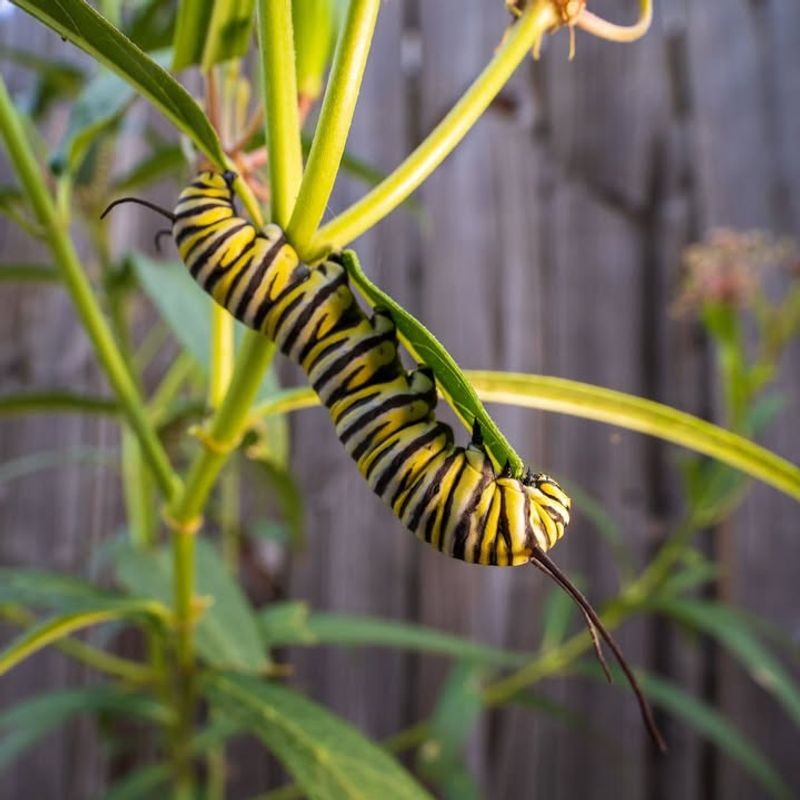
Chewed leaves, droppings on foliage, and stripped branches indicate caterpillar feeding that can range from minor cosmetic damage to complete defoliation of susceptible plants.
Some caterpillar species can remain active in mild Florida winters, though most reach their highest numbers during warmer seasons.
Loopers, hornworms, armyworms, and various other caterpillar species continue munching through vegetable gardens and ornamental plantings, requiring vigilant monitoring and timely intervention to prevent serious damage.
Vegetables like cabbage, broccoli, tomatoes, and peppers attract caterpillars that can consume entire plants overnight when populations reach high levels in home gardens.
Ornamental plants including roses, azaleas, and various flowering annuals suffer from caterpillar feeding that ruins their appearance and weakens plants heading into the active spring growing season.
Native plants and trees like oaks host caterpillars that provide important food sources for birds and other wildlife, making it important to tolerate some feeding damage on these plants while protecting vegetable crops and prized ornamentals.
Handpicking caterpillars from plants provides effective control in small gardens and allows you to move caterpillars from vegetables to less important plants where they can feed without causing problems.
Bacillus thuringiensis products target caterpillars specifically without harming beneficial insects, birds, or other wildlife when applied according to label directions while caterpillars are still small.
Encouraging birds, wasps, and other natural predators by providing habitat and avoiding broad-spectrum pesticides creates balanced ecosystems where caterpillar populations stay below damaging levels naturally.