January Is NOT Too Late: These Plants Thrive In Florida Right Now
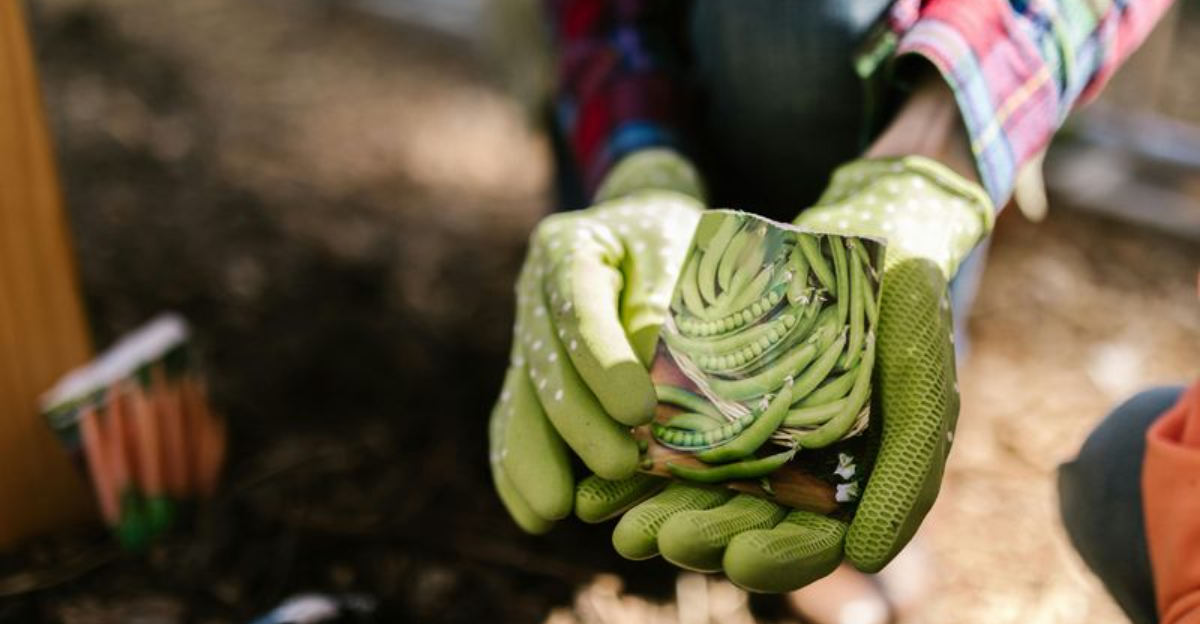
January often feels like the clock has run out on gardening, but in Florida it’s more a case of getting started on the right foot.
The idea that January is “too late” to plant is a rule of thumb borrowed from colder climates, and it doesn’t hold water in Florida gardens.
Florida’s mild winter temperatures give many plants a chance to settle in and grow strong roots before heat and humidity steal the show.
Planting in January lets gardeners work with the season instead of fighting an uphill battle once spring temperatures rise.
Cooler winter weather slows evaporation, eases watering demands, and takes some pressure off gardeners trying to keep young plants alive.
Lower pest activity during winter means new plants aren’t thrown to the wolves the moment they go into the ground.
For many vegetables and herbs, January planting is a chance to grow steadily rather than racing against Florida’s intense summer conditions.
An empty garden in January doesn’t mean you missed the boat, it simply means you still have room to make smart choices.
The trick is knowing which plants truly thrive when planted in Florida right now.
Those plants don’t just survive January, they use it as a head start for the rest of the growing season.
The following plants prove that January is not too late, and that Florida gardeners still have plenty of time to succeed.
If you’ve been sitting on the fence about planting, these choices will help you move forward with confidence.
1. Lettuce Grows Fast And Rewards Early Planting
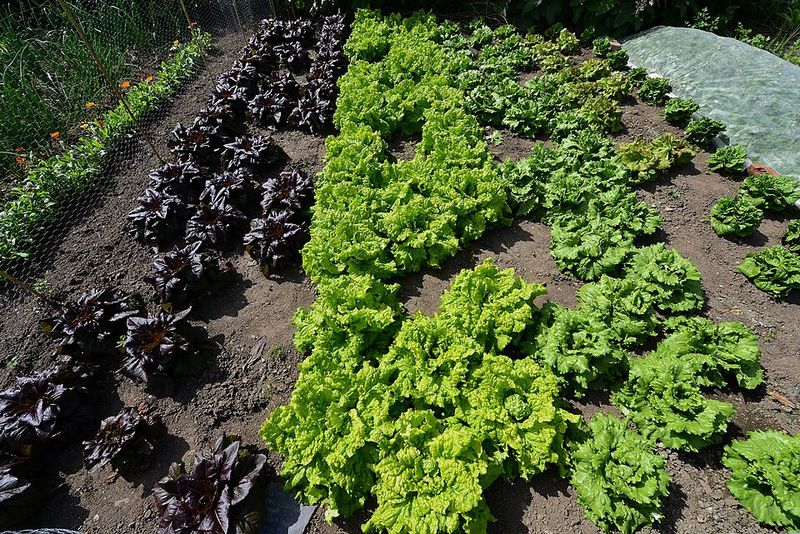
Crisp, homegrown salads are just a few weeks away when you plant lettuce in January.
Florida’s cool winter nights and mild daytime temperatures create the ideal environment for lettuce to develop tender leaves without the bitterness that comes from heat stress.
Unlike summer, when lettuce bolts almost as soon as it sprouts, January planting gives you a solid two to three months of continuous harvests if you succession plant every couple of weeks.
Both loose-leaf and romaine varieties perform beautifully across all regions of Florida during this time.
North Florida gardeners can expect slightly slower growth due to cooler temps, while Central and South Florida may see faster germination and quicker harvests.
Sow seeds directly into well-draining soil or start them in trays if you prefer more control over spacing.
Keep the soil consistently moist but not waterlogged, and you’ll see sprouts within a week.
Lettuce doesn’t demand much fertilizer, but a light application of balanced organic fertilizer every few weeks will keep those leaves lush and green.
Harvest outer leaves as needed, allowing the center to keep producing.
January lettuce is forgiving, fast, and one of the most rewarding crops for gardeners who think they’re starting late.
2. Spinach Thrives In Florida’s Cool January Weather
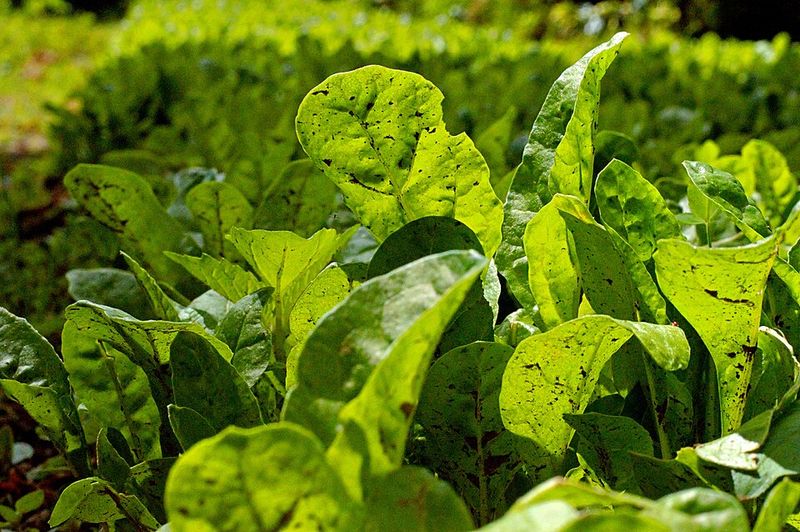
Packed with nutrients and incredibly easy to grow, spinach thrives when planted in Florida’s January weather.
Cool temperatures slow down pest activity, which means fewer aphids and caterpillars munching on your greens compared to spring or fall plantings.
Spinach loves the 50 to 70-degree range that January provides, especially in North and Central Florida.
South Florida gardeners will also have success, though growth may be slightly faster due to warmer soil temperatures.
Direct sow seeds about half an inch deep and one to two inches apart in rows or scatter them in a block for a dense, leafy patch.
Germination typically happens within seven to ten days, and you can start harvesting baby leaves in as little as three weeks.
Spinach prefers consistent moisture, so water regularly and mulch around plants to help retain soil moisture and keep roots cool.
A little compost worked into the soil before planting gives spinach the nutrients it needs without overfeeding.
If you’ve never grown spinach before, January is the perfect time to try.
It’s low-maintenance, highly productive, and incredibly satisfying to harvest fresh leaves for smoothies, salads, or sautés straight from your garden.
3. Kale Becomes Sweeter When Grown Through Winter
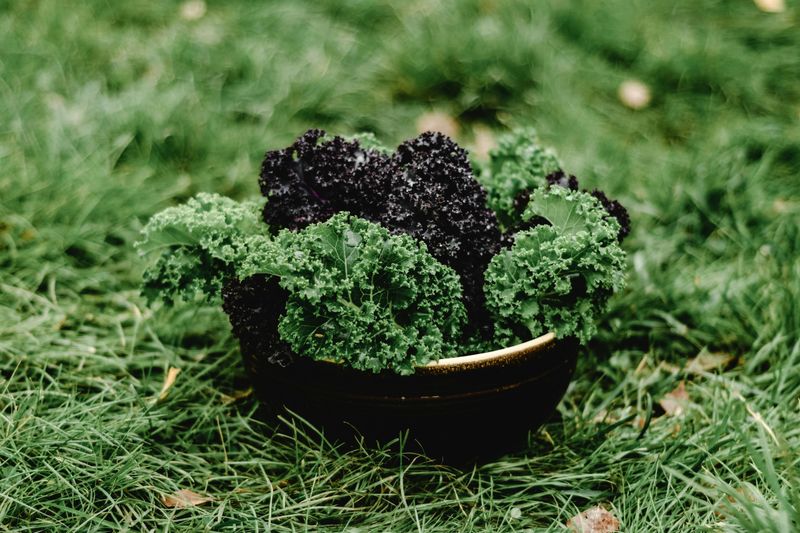
Often called a superfood, kale is also a super-easy crop to grow during Florida’s cool season.
January planting gives kale plenty of time to establish strong roots before temperatures start climbing in late spring.
This hardy green actually tastes sweeter after exposure to cooler temperatures, making winter-grown kale more flavorful than summer varieties.
Kale tolerates a wide range of conditions, from the occasional frost in North Florida to the warmer, more humid days in South Florida.
Plant seeds or transplants in well-amended soil with good drainage, spacing them about twelve to eighteen inches apart to allow for their full, leafy growth.
Water consistently, especially during dry spells, and feed with a balanced fertilizer every few weeks to encourage lush, productive plants.
Kale grows relatively quickly, and you can begin harvesting outer leaves in about a month, leaving the center to continue producing.
Pests are minimal in January, though you may occasionally spot a cabbage worm—hand-picking or using organic sprays works well.
Whether you’re making kale chips, adding it to soups, or tossing it into smoothies, this nutrient-dense green is a must-have for any Florida winter garden.
January is not too late; it’s actually the perfect time to grow kale.
4. Swiss Chard Handles Temperature Swings With Ease
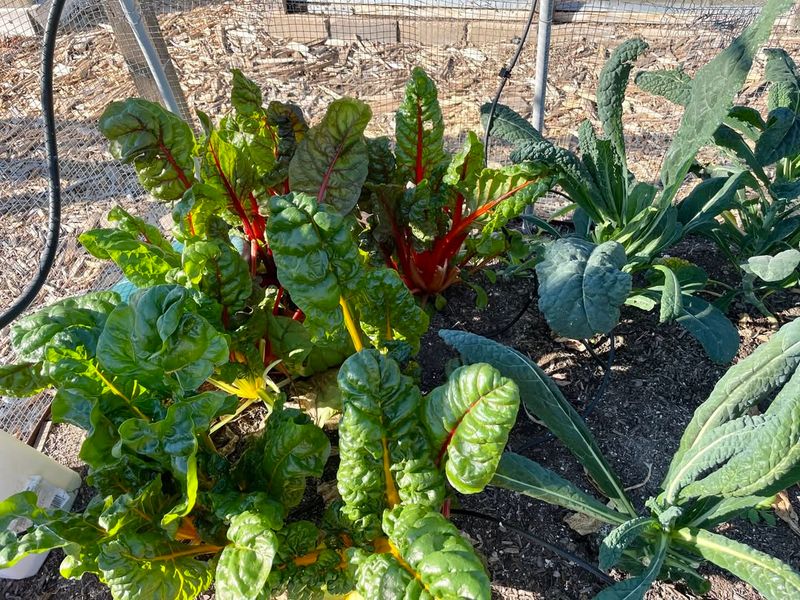
With stems that come in shades of red, yellow, and white, Swiss chard is as beautiful as it is delicious.
This leafy green handles Florida’s temperature swings with ease, making it a reliable choice for January planting across the entire state.
Unlike more finicky greens, chard doesn’t mind if temperatures dip into the 40s at night or warm up into the 70s during the day.
It just keeps growing, producing tender leaves and crunchy stems that work wonderfully in stir-fries, salads, and soups.
Sow seeds directly into the garden about an inch apart and half an inch deep, thinning seedlings to six inches apart once they’ve sprouted.
Germination is quick, usually within a week, and growth is steady throughout the winter months.
Swiss chard doesn’t require heavy feeding, but mixing compost into the soil before planting will give it a good start.
Water regularly to keep the soil evenly moist, and mulch around plants to help retain moisture and regulate soil temperature.
Harvest outer leaves as needed, and the plant will continue producing new growth from the center for months.
If you’re looking for a low-maintenance, high-reward crop that adds color and nutrition to your garden, Swiss chard planted in January is an excellent choice.
5. Carrots Take Advantage Of Cool Soil In January
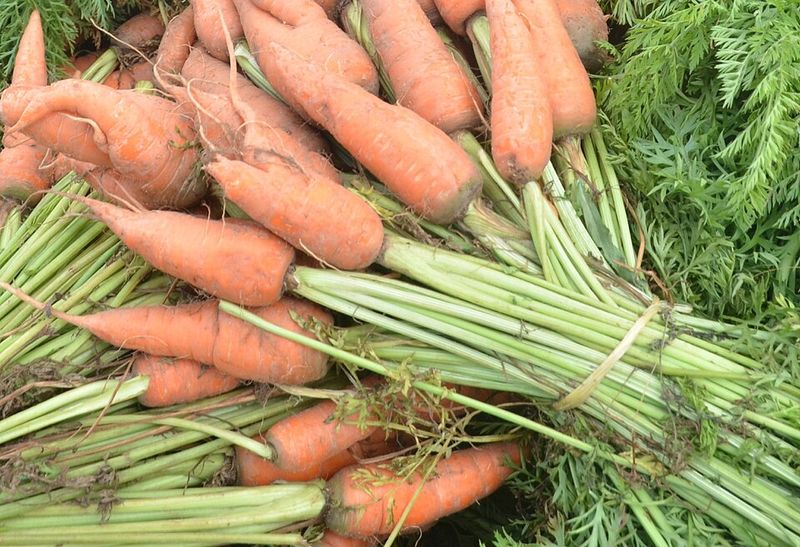
Crunchy, sweet, and incredibly rewarding, carrots planted in January take full advantage of Florida’s cool soil temperatures.
Carrot seeds germinate best when soil temps are between 55 and 75 degrees, which is exactly what January offers in most parts of the state.
North Florida gardeners will find conditions nearly perfect, while Central and South Florida gardeners should focus on keeping soil consistently moist to encourage even germination.
Carrots prefer loose, sandy soil free of rocks and clumps, so take time to prepare your bed by loosening the soil to a depth of at least twelve inches.
Sow seeds thinly in rows, covering them lightly with soil, and keep the bed moist until seedlings emerge in ten to fourteen days.
Thinning is essential—once seedlings are a few inches tall, thin them to about two inches apart to allow roots to develop properly.
Carrots are slow growers compared to leafy greens, but the wait is worth it.
In about two to three months, you’ll be pulling up fresh, homegrown carrots that taste nothing like store-bought versions.
Mulch lightly to retain moisture and prevent soil from crusting over, which can make it hard for seeds to sprout.
January is not too late for carrots—it’s actually one of the best times to plant them in Florida.
6. Radishes Deliver The Quickest Winter Harvest
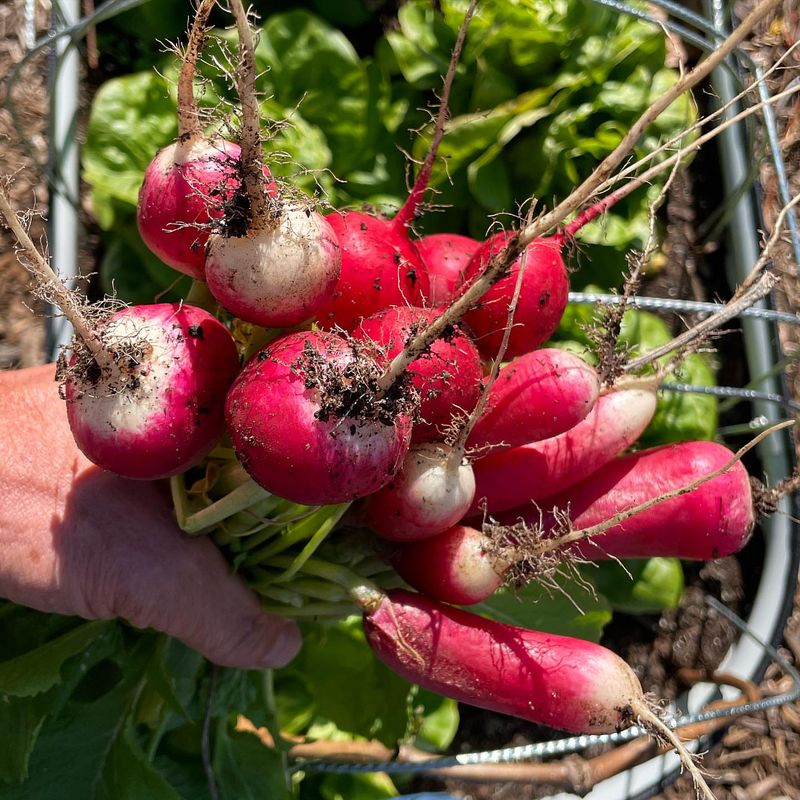
Few crops deliver results as quickly as radishes, making them the ultimate confidence booster for gardeners who feel like they’re starting late.
From seed to harvest, radishes take as little as three to four weeks, giving you almost instant gratification.
Florida’s January weather is ideal for radishes, as they prefer cool temperatures and grow best when daytime highs stay below 80 degrees.
Sow seeds directly into loose, well-draining soil, spacing them about an inch apart and covering lightly with soil.
Radishes aren’t picky about soil quality, but they do appreciate consistent moisture to develop crisp, mild roots without becoming woody or overly spicy.
Water regularly, especially during dry spells, and avoid letting the soil dry out completely.
Thin seedlings to about two inches apart once they’ve sprouted to give each radish room to form a nice round bulb.
Radishes grow so fast that you can succession plant every week or two for continuous harvests throughout the winter.
They’re perfect for kids, beginners, or anyone who wants a quick win in the garden.
Pull them as soon as they reach full size to enjoy the best flavor and texture.
Planting radishes in January is a smart, fast, and satisfying way to prove that it’s definitely not too late to grow something delicious.
7. Broccoli Grows Best During Florida’s Cool Season
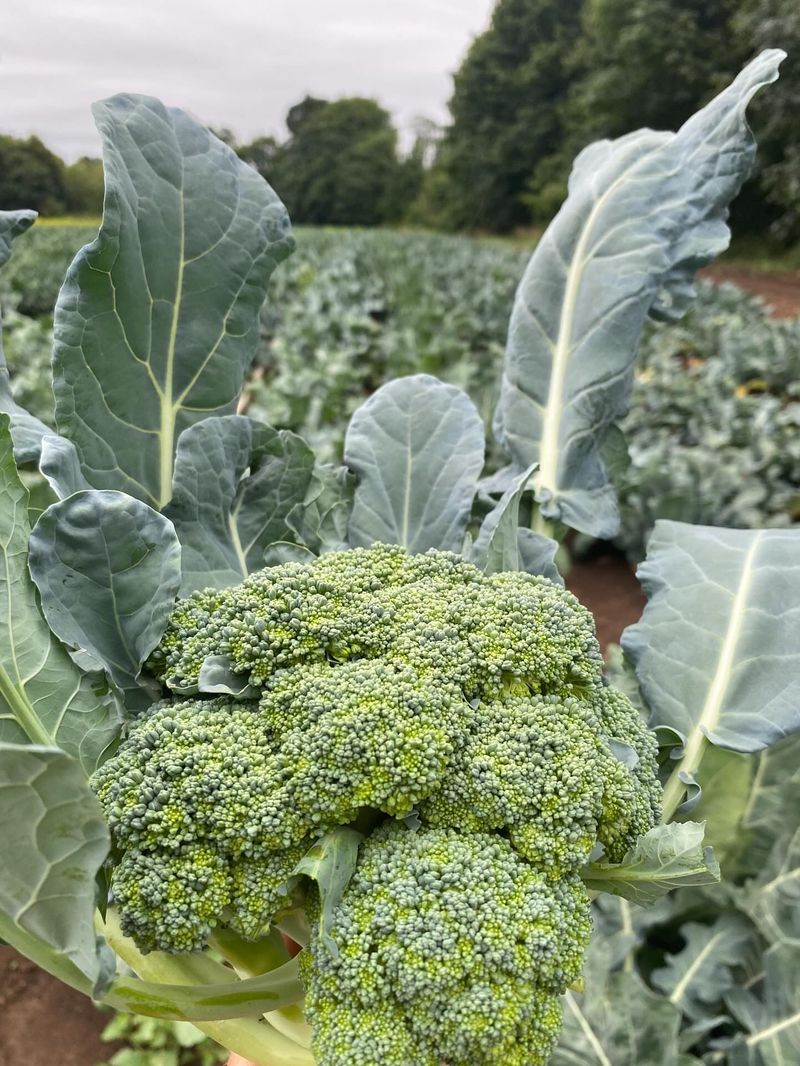
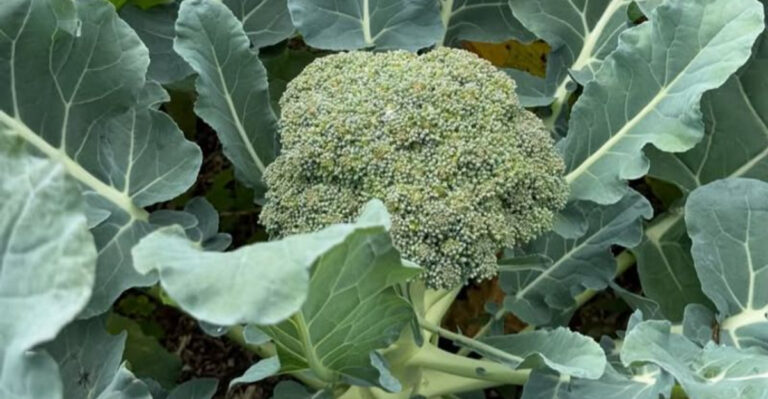
There’s something deeply satisfying about harvesting your own broccoli, and January planting in Florida sets you up for success.
Broccoli performs exceptionally well during the cool season, developing tight, flavorful heads without the stress of heat or heavy pest pressure.
While broccoli can be started from seed, most Florida gardeners find it easier to plant transplants in January, giving the plants a head start.
Space transplants about eighteen inches apart in well-amended soil with plenty of compost worked in for nutrients.
Broccoli is a heavy feeder, so plan to fertilize every few weeks with a balanced organic fertilizer to support healthy growth.
Water consistently, aiming to keep the soil evenly moist but not soggy, and mulch around plants to help retain moisture and regulate soil temperature.
North and Central Florida gardeners will see the best results, though South Florida gardeners can also succeed with careful attention to watering and afternoon shade.
Watch for the main head to form, and harvest it while the buds are still tight and green.
After cutting the main head, many varieties will produce smaller side shoots for additional harvests.
Broccoli planted in January matures beautifully in Florida’s cool season, rewarding you with fresh, homegrown heads that taste far better than anything from the grocery store.
8. Cauliflower Benefits From Steady Winter Temperatures
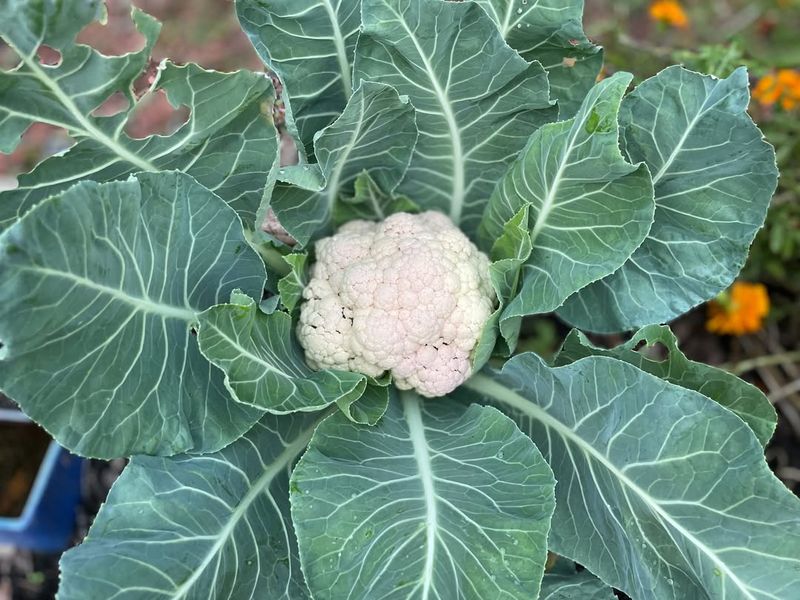
Cauliflower has a reputation for being tricky, but January planting in Florida makes it much more manageable.
Cool, steady temperatures and lower pest pressure create ideal conditions for cauliflower to develop dense, white heads without bolting or becoming stressed.
Like broccoli, cauliflower is easiest to grow from transplants, which you can find at most garden centers in January.
Plant transplants in rich, well-draining soil amended with compost, spacing them about eighteen to twenty-four inches apart.
Cauliflower needs consistent moisture and regular feeding to produce quality heads, so water deeply and fertilize every two to three weeks with a balanced fertilizer.
Mulching around plants helps keep soil temperatures stable and moisture levels consistent, both of which are important for cauliflower success.
As heads begin to form, some gardeners like to tie outer leaves over the developing head to keep it white and protected from sun exposure, though this step is optional.
North and Central Florida offer the best conditions, but South Florida gardeners can also grow cauliflower with attention to watering and partial shade during the warmest part of the day.
Harvest heads when they’re firm and compact, cutting them with a sharp knife.
January is a great time to plant cauliflower in Florida, and with a little care, you’ll be rewarded with beautiful, homegrown heads in a couple of months.
9. Peas Love Cool Weather And Establish Quickly
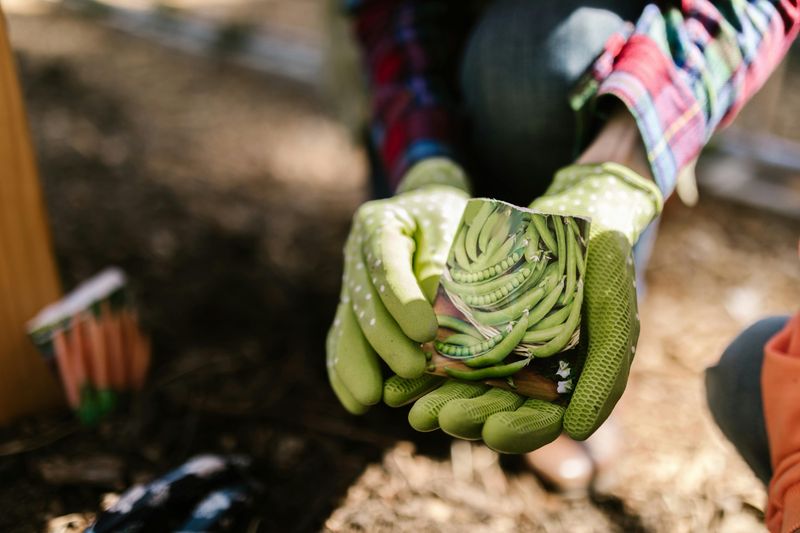
Sweet, tender peas are a cool-season favorite, and January is an excellent time to get them in the ground across Florida.
Peas love cool weather and establish quickly when planted during the winter months, producing abundant harvests before temperatures climb in late spring.
Both snap peas and snow peas perform well, and shelling peas are also an option if you prefer the traditional garden pea experience.
Sow seeds directly into the garden about an inch deep and two inches apart, and provide a trellis or support structure for vines to climb.
Peas are nitrogen-fixing plants, meaning they actually improve soil health as they grow, so they don’t require heavy fertilization.
A light application of compost at planting time is usually enough to get them started.
Water regularly to keep soil evenly moist, especially during germination and flowering, as consistent moisture leads to better pod development.
Peas typically begin flowering within a month or so, and pods follow shortly after.
Harvest snap peas and snow peas when pods are plump but still tender, and pick shelling peas when pods are full and round.
Regular harvesting encourages more production, so check plants every few days once they start producing.
Planting peas in January gives you a jump on the season, and they’re one of the easiest and most rewarding cool-season crops for Florida gardeners.
10. Cilantro And Dill Prefer Winter Over Spring
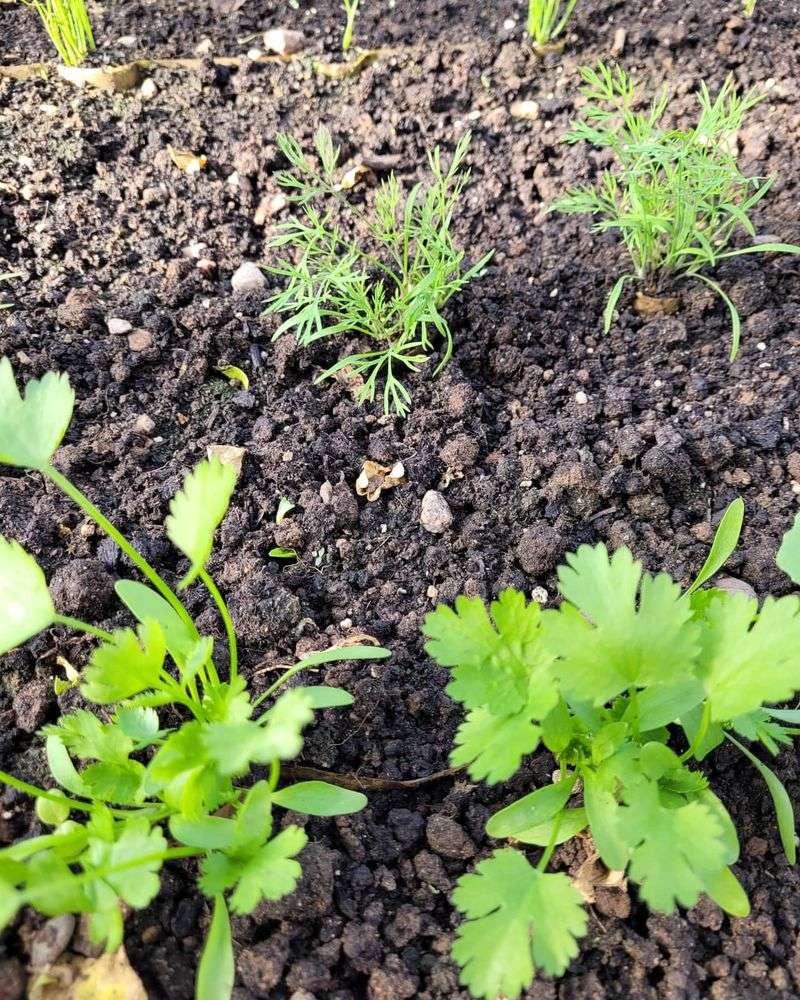
Fresh herbs elevate every meal, and January is the perfect time to plant cool-season favorites like cilantro and dill in Florida.
Both herbs thrive in the mild winter temperatures and are far less likely to bolt compared to spring or summer plantings.
Cilantro, with its bright, citrusy flavor, grows quickly and produces abundant leaves when planted in January.
Dill, with its delicate, feathery foliage and distinctive taste, is equally easy and rewarding.
Sow seeds directly into the garden or containers, covering them lightly with soil and keeping the bed moist until germination, which usually happens within a week or two.
Both herbs prefer full sun and well-draining soil, though they’re not particularly fussy about soil quality.
A light application of compost or balanced fertilizer at planting time is usually sufficient.
Water regularly, especially during dry spells, to keep plants healthy and productive.
Harvest cilantro leaves as soon as plants are a few inches tall, cutting from the outside and allowing the center to continue growing.
Dill can be harvested similarly, and both herbs will continue producing for weeks if you keep them well-watered and harvested regularly.
Planting cilantro and dill in January means you’ll have fresh herbs ready to enhance salsas, salads, soups, and more just when you need them most.
11. January Is Your Advantage, Not A Deadline
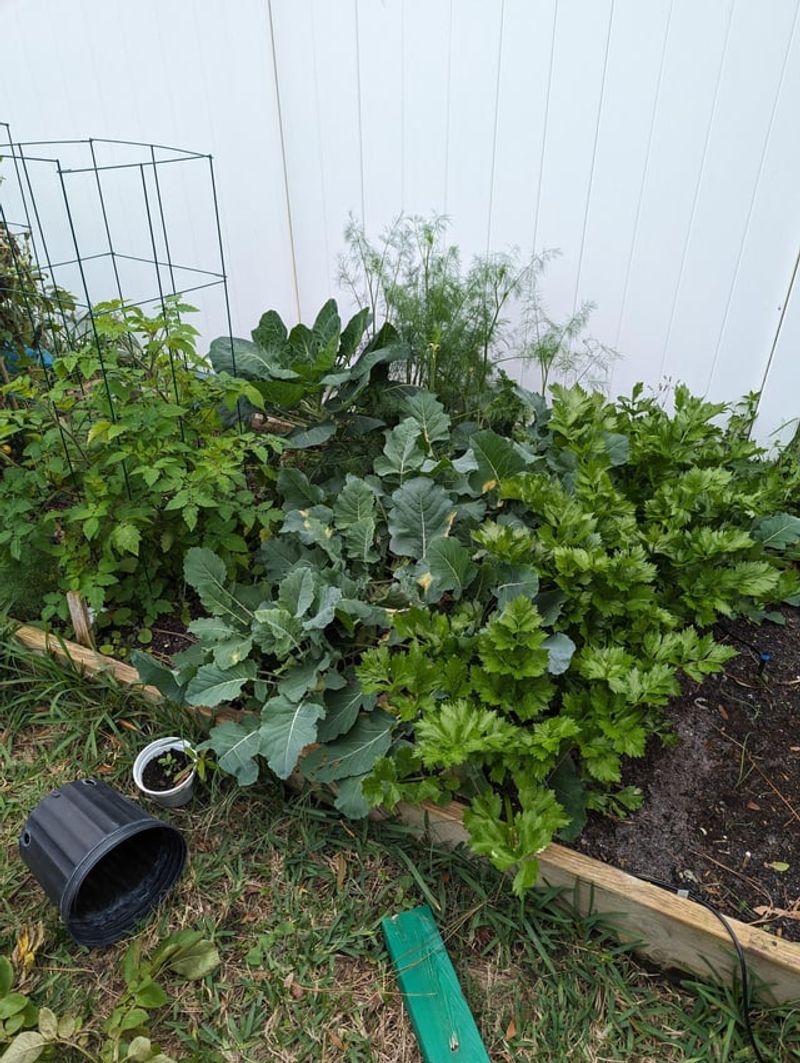
Florida gardening doesn’t follow the same rules as colder climates, and January proves that better than any other month.
Instead of signaling the end of opportunity, this time of year offers calmer weather, fewer pests, and ideal growing conditions for plants that actually prefer a slower, steadier start.
The crops listed above don’t struggle when planted in January, they thrive because of it.
By taking advantage of cooler temperatures now, you give your garden a strong foundation before heat and humidity take over later in the year.
If your beds are empty, they aren’t behind schedule, they’re ready.
January isn’t about catching up; it’s about planting smarter, growing stronger, and setting yourself up for a more productive season ahead.