Keep Your Shady Texas Garden Weed-Free All Year Long With This Stunning Plant
A shady garden in Texas can be a real blessing until it turns into the one part of the yard where weeds seem to thrive no matter what you do. Bare soil, patchy growth, and constant little invaders can make a space look untidy fast, even when the rest of the landscape is in good shape.
That is why a plant that can spread nicely, handle shade, and keep the ground covered feels like such a smart find for busy gardeners.
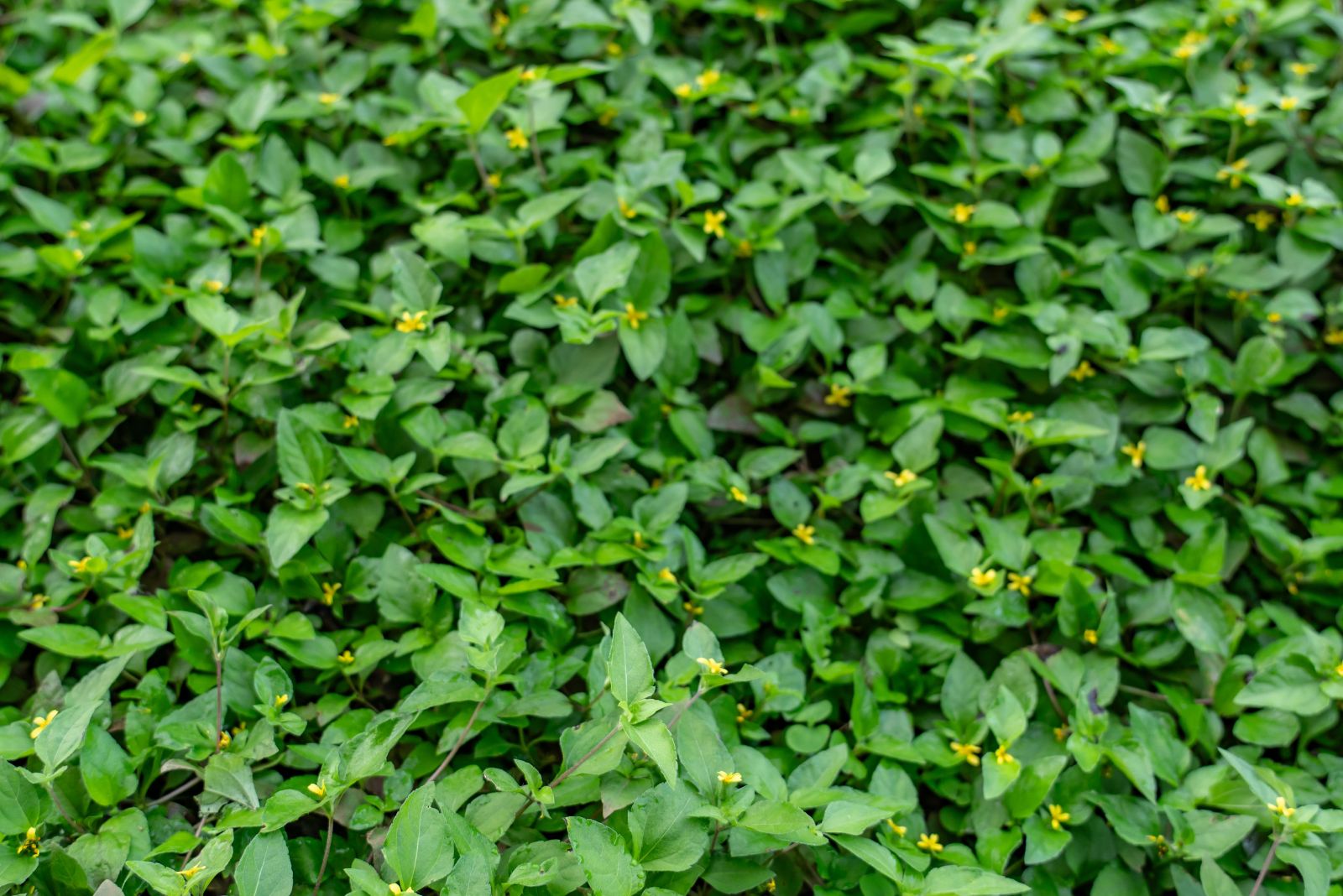
One of the best options for that job is horseherb, a native plant that has a much better reputation among Texas gardeners than its casual name might suggest. It creates a soft green carpet, fills in low-light areas, and helps reduce the open spaces where weeds love to pop up.
On top of that, it brings a relaxed, natural look that fits beautifully into shady beds and under trees. It is the kind of plant that quietly solves problems while still looking charming.
For anyone tired of fighting with a difficult shady spot, this one can make the whole area feel easier, fuller, and far more inviting year-round.
Horseherb – The Low-Growing Plant That Helps Keep Weeds Away
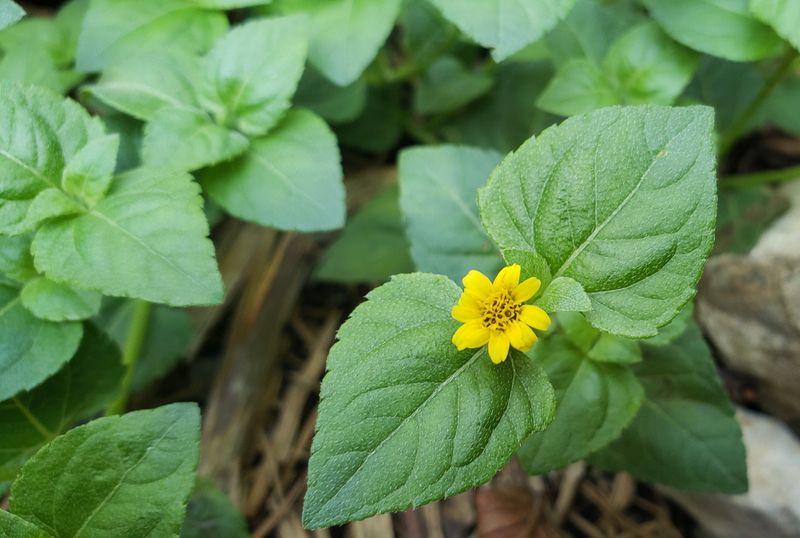
Picture a soft, green carpet spreading quietly across your shaded garden bed, dotted with tiny yellow flowers and asking almost nothing in return. That is horseherb for you.
Known scientifically as Calyptocarpus vialis, this native Texas groundcover has been growing wild across the state for centuries, and gardeners are finally starting to pay attention.
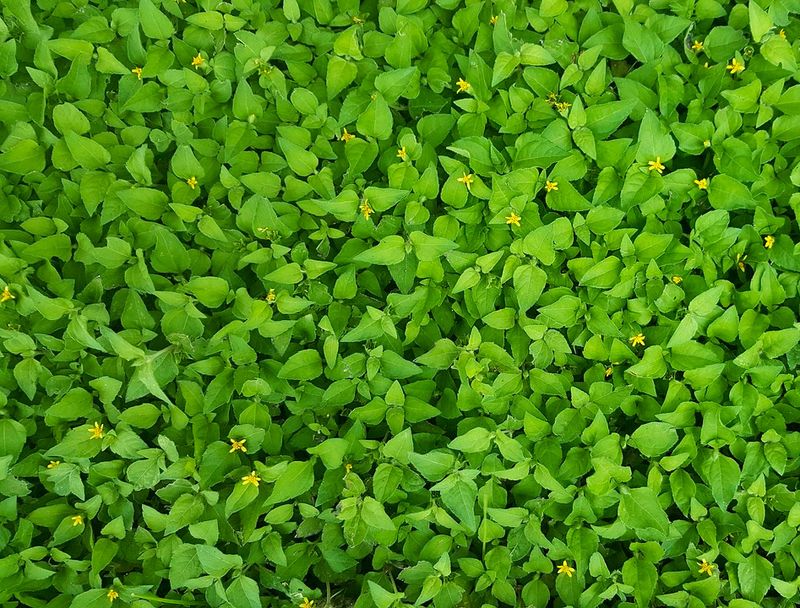
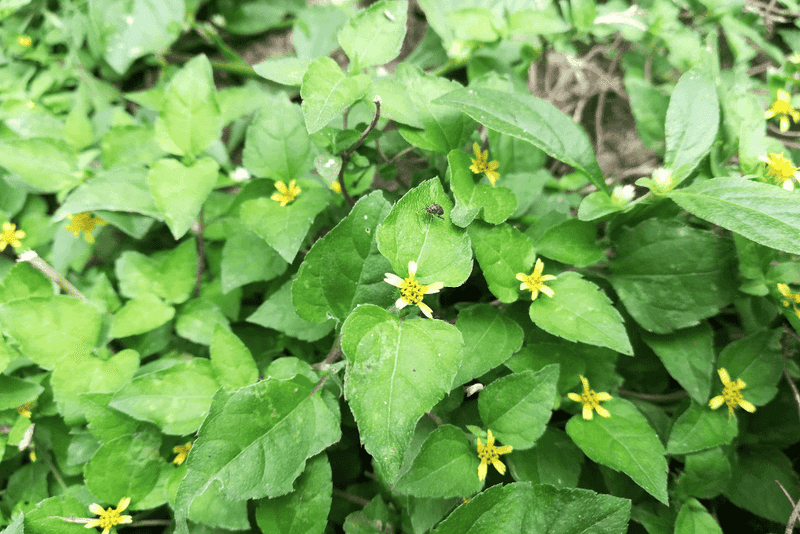
Horseherb stays low to the ground, usually reaching only two to four inches tall. Its small, oval leaves overlap as it spreads, creating a lush, carpet-like surface that looks surprisingly tidy.
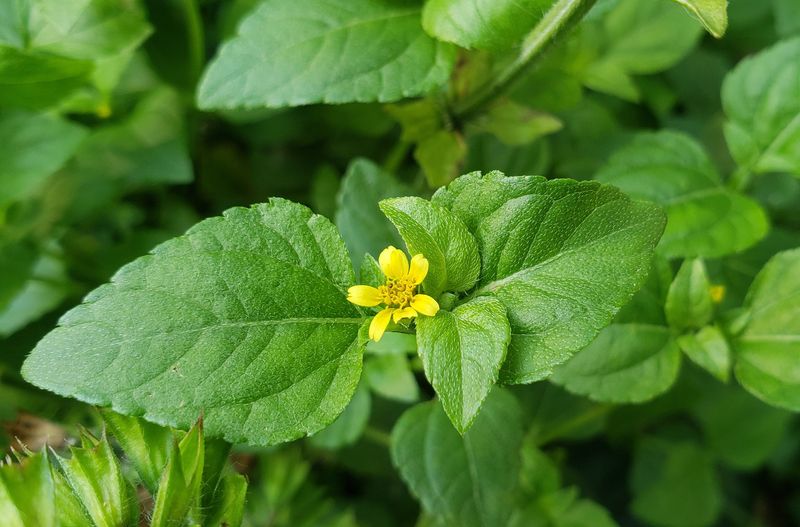
The little yellow blooms appear throughout the warmer months, adding a cheerful touch to shaded corners that might otherwise look dull and forgotten.
What makes horseherb stand out from other groundcovers is how naturally it fits into a Texas landscape. It is not a plant that was imported from somewhere far away and forced to adapt.
It belongs here. You can find it growing on its own along roadsides, under oak trees, and in lawns across central and south Texas without anyone planting it.
Because it is native, horseherb already knows how to handle Texas weather. It can take summer heat, occasional drought, and even a light freeze without much complaint.
Many gardeners in Texas cities like Austin and San Antonio have started letting it spread intentionally rather than pulling it out like a weed.
Once you understand what horseherb can do for your garden, it is hard not to get excited about it. It is one of those plants that works quietly in the background, doing its job without drama or fuss.
Why Horseherb Works So Well In Texas Gardens
Texas is not the easiest place to garden. Summers are blazing hot, soils can be rocky or clay-heavy, and shade is precious.
Most groundcovers either burn out in the heat or sulk in the shade. Horseherb does neither, and that is exactly why it has become such a reliable favorite across the state.
One of horseherb’s biggest strengths is its ability to adapt to different soil types. Whether your yard sits on heavy black clay in the Dallas area, sandy soil near the Gulf Coast, or thin rocky ground in the Hill Country, horseherb tends to find a way to settle in and spread.
It does not demand rich, perfectly amended garden beds to perform well. Heat tolerance is another major plus. While many plants slow down or struggle during a Texas summer, horseherb keeps growing.
It slows a little in extreme drought, but once temperatures cool or rain returns, it bounces right back. This kind of resilience makes it a smart investment for any Texas gardener who is tired of replacing plants every season.
Partial shade is where horseherb truly shines. Under the canopy of live oaks, cedar elms, or crepe myrtles, where sunlight is filtered and inconsistent, this plant thrives when others fade.
Many gardeners across Texas have tried turf grass in these shady zones only to end up with thin, patchy results. Horseherb fills those spaces with confidence.
It also tolerates light foot traffic, which makes it useful along garden paths or under trees where people occasionally walk. Practical, tough, and naturally at home in Texas, horseherb checks all the right boxes.
How It Naturally Helps Suppress Weeds

Weeds are opportunists. They move into bare soil, open patches, and thin turf the moment they get a chance.
The best way to stop them is simple: take away their space. That is exactly what horseherb does, and it does it without any chemicals or extra effort from you.
As horseherb spreads, it forms a thick, interlocking mat of stems and leaves that covers the soil surface almost completely. When the ground is covered, weed seeds have nowhere to land and take root.
Even if a few seeds do land on the mat, they struggle to reach the soil below, which means most of them never get started.
The spreading habit of horseherb is one of its most useful traits. It sends out runners along the ground that root at each node, slowly filling in empty spaces.
Over one or two growing seasons, a small planting can expand to cover a surprisingly large area. Texas gardeners who have tried it often report that their weed problems dropped noticeably once horseherb established itself.
Unlike mulch, which breaks down over time and needs to be replaced, horseherb keeps growing and renewing itself. It is a living, self-maintaining weed barrier that gets thicker and more effective as it matures.
That is a huge advantage in a state like Texas, where weeds grow fast and aggressively in warm weather.
Shaded garden beds in particular benefit from horseherb’s weed-suppressing ability. Shade-tolerant weeds like oxalis and wild violet can be persistent, but a healthy horseherb mat gives them very little room to establish and spread.
What Makes It Better Than Bare Soil Or Patchy Grass
Bare soil in a shaded Texas yard is practically an invitation for trouble. Without any plant cover, soil erodes during heavy rain, dries out quickly in summer heat, and fills up with weeds faster than you can pull them.
Patchy grass is not much better. Turf grass that is struggling to survive in low light looks thin, brown, and worn, no matter how much you water or fertilize it.
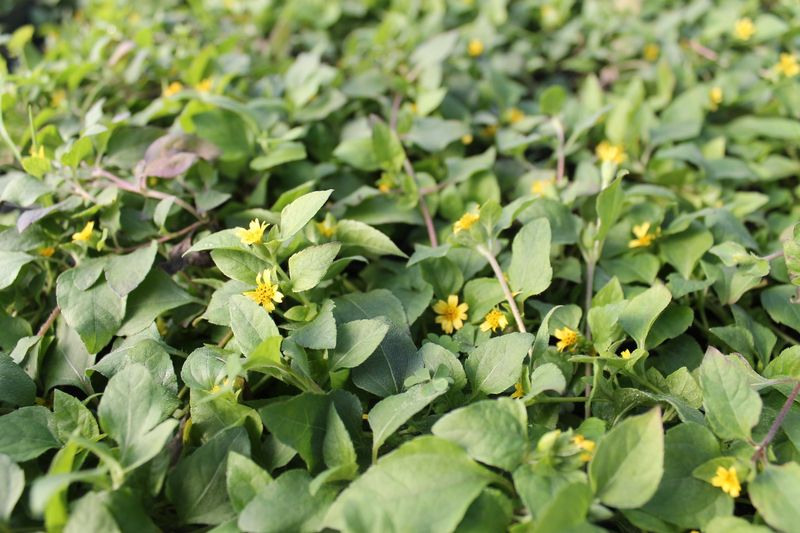
Horseherb solves both problems at once. It covers the ground completely, protecting the soil from erosion and moisture loss.
The mat of leaves acts almost like a natural mulch layer, keeping the soil a little cooler and more moist than bare ground would be. In a Texas summer, that matters a lot.
Maintenance is another area where horseherb wins easily. Struggling turf grass in shade requires regular mowing, watering, fertilizing, and often reseeding every year. Horseherb needs almost none of that. Once it is established, it largely takes care of itself.
You might trim the edges occasionally to keep it tidy, but there is no weekly mowing required.
The visual result is also much more appealing. Instead of a patchy, uneven lawn that looks like it gave up, you get a soft, green surface that feels intentional and well-designed.
Many Texas homeowners who have switched to horseherb say their shaded areas look better than they ever did with grass.
Mulch is another common solution for shaded spots, but it fades, washes away, and needs to be topped off regularly. Horseherb is self-renewing, which makes it a far more cost-effective and low-effort option for Texas gardens of any size.
Where It Grows Best And What To Expect
Not every plant fits every spot, but horseherb is about as flexible as a native plant gets. It performs best in part shade to light sun, which makes it ideal for the kind of dappled, under-tree conditions that are so common in Texas backyards.
Full, blazing sun all day can stress it out, but a few hours of morning sun with afternoon shade suits it just fine.
Low-traffic garden areas are where horseherb really gets to shine. Think about the space beneath a large live oak, along a shaded fence line, or in a side yard that rarely gets direct sunlight.
These are the spots where grass fails and bare soil invites weeds. Horseherb moves in and makes itself at home in those exact conditions.
One thing to know going in is that horseherb creates a relaxed, informal look. It does not give you the tight, uniform appearance of a manicured lawn.
The surface has a natural, slightly uneven texture that feels more like a woodland floor than a golf course. For gardeners in Texas who prefer a naturalistic style, that is a big part of its charm.
During winter, horseherb may slow down and look a little less lush in the northern parts of Texas. In warmer areas like Houston or the Rio Grande Valley, it tends to stay green year-round. Either way, it comes back reliably once warm weather returns.
Give it a season to establish, and you will start to see it fill in gaps and spread on its own. Patience pays off with this plant, and the results are worth the wait in any Texas garden.
Why More Texas Gardeners Are Letting It Grow
Word spreads fast among gardeners when something actually works, and horseherb has been earning a solid reputation across Texas for good reason.
More and more people are choosing to let it grow rather than fight it, and the results speak for themselves. It is one of those happy discoveries that makes you wonder why you did not try it sooner.
The appeal comes down to three things: it is easy, it is native, and it is practical. In a state where summers are relentless and water bills can climb fast, having a groundcover that requires minimal irrigation and zero fertilizing is a real advantage.
Texas gardeners are busy people, and horseherb fits right into a lower-maintenance lifestyle.
Native plant gardening has been growing in popularity across Texas cities like Austin, San Antonio, and Dallas. People are becoming more interested in plants that support local ecosystems, require fewer resources, and hold up against the unpredictable Texas climate.
Horseherb checks every one of those boxes with ease. It also supports pollinators. Those small yellow flowers attract bees and other beneficial insects, which is a bonus for any garden that values biodiversity.
You get weed suppression and pollinator support in one tidy, low-growing package. For anyone who has spent years battling weeds in a shaded garden bed, replacing struggling grass, or constantly refreshing mulch, horseherb feels like a breath of fresh air.
It is not a perfect solution for every situation, but for shaded Texas gardens that need reliable, attractive, year-round ground cover, it is genuinely hard to beat. Let it grow, give it time, and your shaded Texas garden will thank you for it.