Keep Your Texas Garden Colorful With These Long-Blooming Annuals
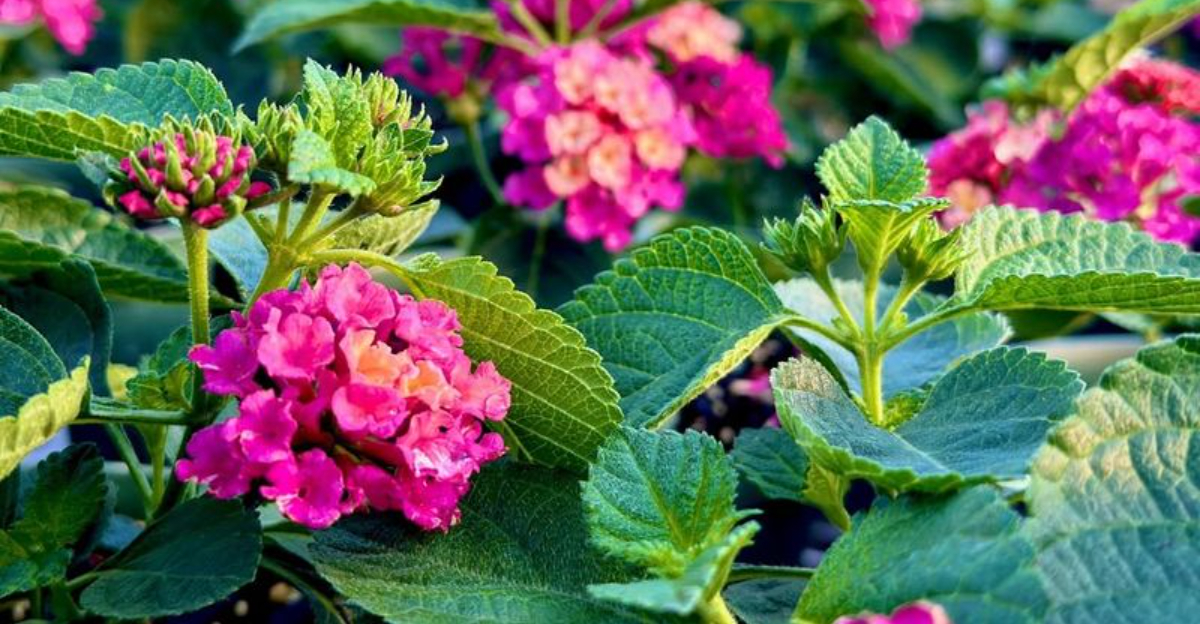
Texas gardens are known for big color and bold plants, but keeping that color going all season can feel like a challenge.
Heat, dry spells, and sudden weather changes can cause many flowers to fade faster than expected.
That is where long blooming annuals come in.
These hardworking plants are designed to keep producing fresh flowers for months, giving your garden steady color instead of short bursts.
In Texas, where the growing season is long, the right annuals can turn a simple flower bed into a show that lasts from spring through fall.
They thrive in warm weather, handle sun well, and keep blooming even when other plants slow down.
With the right choices, you can enjoy bright reds, soft pastels, and deep purples without having to replant again and again.
Long blooming annuals also attract pollinators and make outdoor spaces feel more alive.
When you pick plants that love Texas weather, your garden stays colorful with less work and more reward.
1. Zinnias
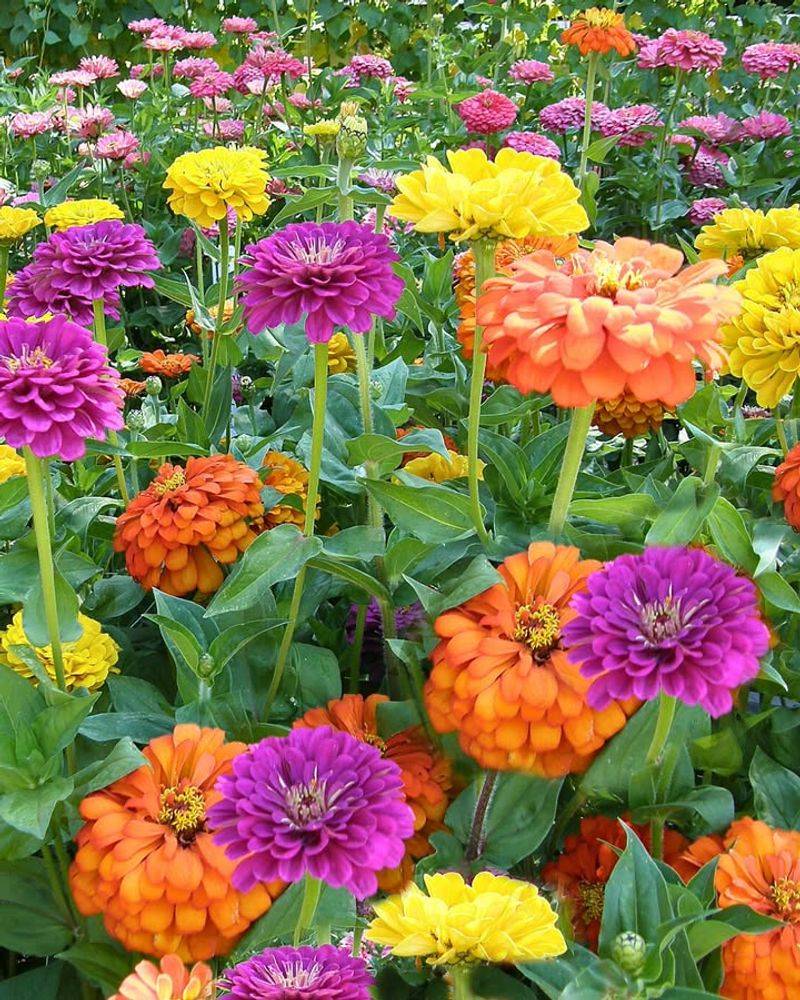
Bright and bold, zinnias bring an explosion of color to any Texas garden with minimal fuss.
These cheerful flowers come in nearly every shade imaginable, from fiery reds and oranges to soft pinks and purples, making them incredibly versatile for any design scheme.
Zinnias love full sun and actually perform better in hot weather, which makes them ideal for the scorching Texas climate.
Once established, they require very little water compared to other annuals, saving you time and effort during dry spells.
Their long stems make them perfect for cutting gardens, so you can enjoy fresh bouquets indoors all summer long.
Zinnias bloom continuously from late spring until the first frost, providing months of nonstop color.
Butterflies absolutely adore zinnia flowers, so planting them creates a magnet for these beautiful pollinators in your yard.
They grow quickly from seed, which means you can start them directly in the ground without buying transplants.
Deadheading spent blooms encourages even more flowers, but even if you forget, zinnias keep producing.
These annuals tolerate poor soil conditions surprisingly well, though they appreciate occasional feeding for the best display.
Whether you plant them in beds, borders, or containers, zinnias deliver reliable beauty throughout the growing season.
For Texas gardeners seeking carefree color, zinnias are an unbeatable choice that thrives despite the heat.
2. Marigolds
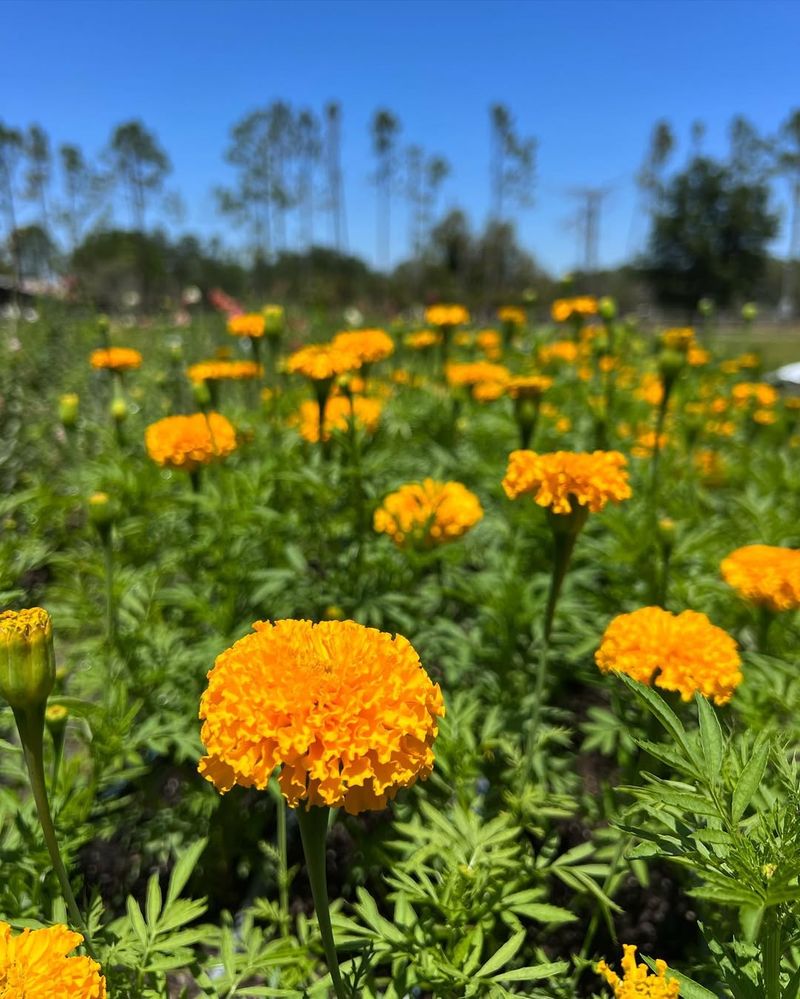
Golden blooms and a reputation for toughness make marigolds a staple in gardens across Texas.
These cheerful flowers range from compact French varieties to tall African types, giving you plenty of options for different spaces.
Marigolds handle heat exceptionally well and actually seem to glow brighter as temperatures rise.
Their distinctive scent is pleasant to many people but acts as a natural deterrent for certain garden pests like aphids and mosquitoes.
Planting marigolds near vegetables can help protect your crops while adding splashes of warm color.
They bloom reliably from spring through fall, requiring only occasional deadheading to keep them looking their best.
Marigolds thrive in full sun and tolerate drought once established, making them perfect for low-maintenance Texas landscapes.
Their compact root systems make them excellent choices for container gardens on patios and balconies.
You can start marigolds from seed or purchase transplants, and both options grow quickly.
These flowers don’t demand rich soil or frequent fertilizing, though they appreciate well-drained conditions.
Marigolds come in shades of yellow, orange, gold, and even cream, allowing you to create warm color schemes.
Their sturdy nature means they bounce back quickly after summer storms that might flatten more delicate plants.
For dependable color that lasts all season in Texas gardens, marigolds deliver every time.
3. Pentas
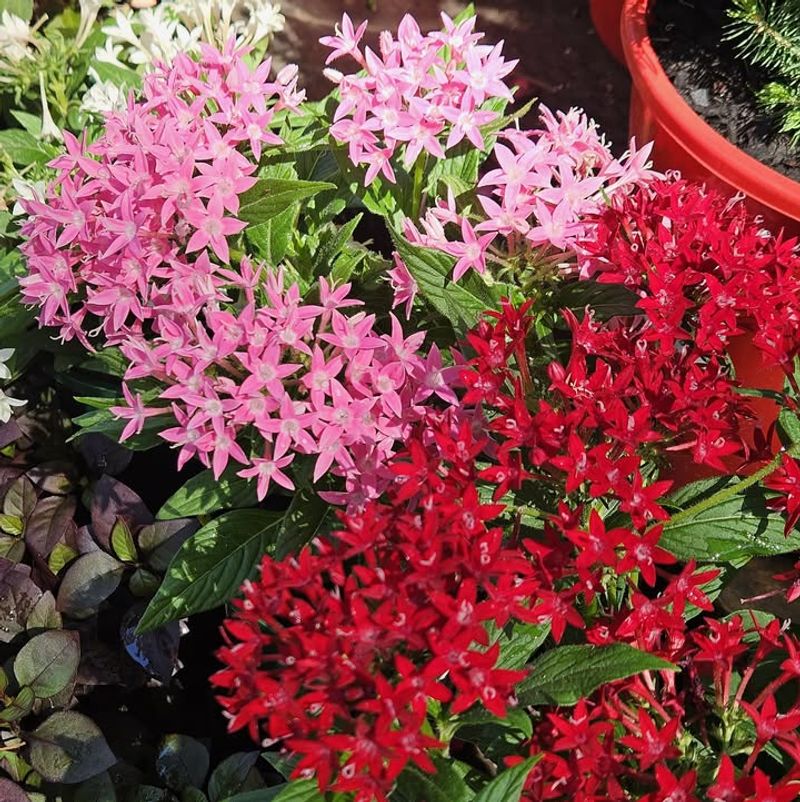
Star-shaped flower clusters make pentas one of the most attractive options for Texas gardeners who love butterflies and hummingbirds.
These tropical beauties produce dense clusters of tiny blooms in shades of red, pink, white, and lavender throughout the growing season.
Pentas handle extreme heat remarkably well, continuing to flower even during the hottest weeks of summer.
Their nectar-rich blooms act like magnets for pollinators, creating a constantly buzzing, fluttering display in your yard.
Pentas grow into bushy plants that work beautifully as border plants or focal points in container arrangements.
They prefer full sun but can tolerate some afternoon shade in the most intense areas of Texas.
Regular watering keeps pentas looking their best, though they can handle brief dry periods once their roots are established.
These plants bloom continuously without much deadheading, making them wonderfully low-maintenance for busy gardeners.
Pentas grow well in both garden beds and pots, adapting easily to different growing conditions.
Their flowers stay fresh-looking for weeks, unlike some annuals that fade quickly in the heat.
Pentas appreciate occasional fertilizing during the growing season to support their prolific blooming habit.
These plants rarely suffer from pest problems, making them even easier to grow successfully.
For Texas gardeners wanting to attract wildlife while enjoying long-lasting color, pentas are an outstanding choice that performs beautifully all season long.
4. Vinca
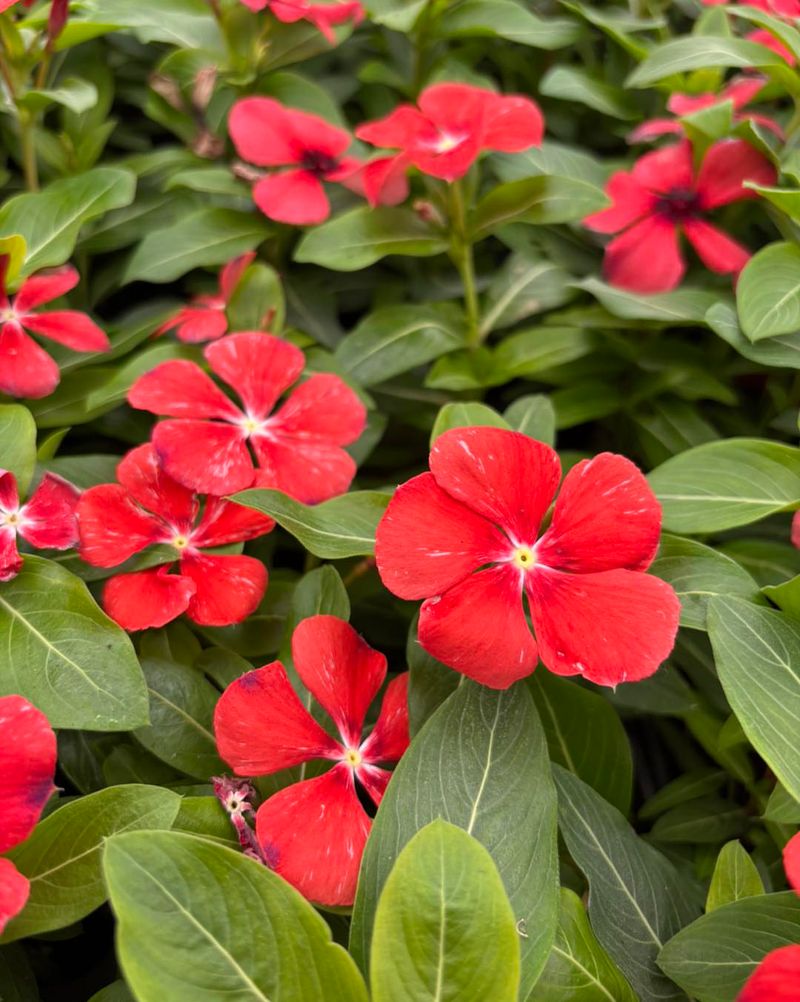
Glossy leaves and cheerful five-petaled flowers make vinca an incredibly reliable performer in Texas heat.
Also called Madagascar periwinkle, this annual blooms nonstop from late spring until frost without any deadheading required.
Vinca flowers come in shades of pink, red, white, and purple, often with contrasting centers that add extra visual interest.
These plants love full sun and actually struggle in shady conditions, making them perfect for those scorching Texas locations other flowers avoid.
Vinca tolerates drought exceptionally well once established, though occasional watering keeps them blooming at their peak.
Their low, spreading growth habit makes them excellent for edging beds or filling in gaps between other plants.
Vinca works beautifully in containers, hanging baskets, and window boxes, where their trailing habit creates cascading displays.
These annuals rarely suffer from pest or disease problems, giving you one less thing to worry about.
They handle reflected heat from sidewalks and driveways better than most flowers, thriving where others would struggle.
Vinca doesn’t require fertilizing as frequently as some annuals, though occasional feeding encourages more abundant blooms.
Their neat, compact growth means they never look messy or overgrown throughout the season.
These flowers maintain their good looks even during extended hot spells that stress other plants.
For Texas gardeners seeking truly carefree color in the toughest spots, vinca delivers outstanding performance without demanding constant attention or care.
5. Lantana
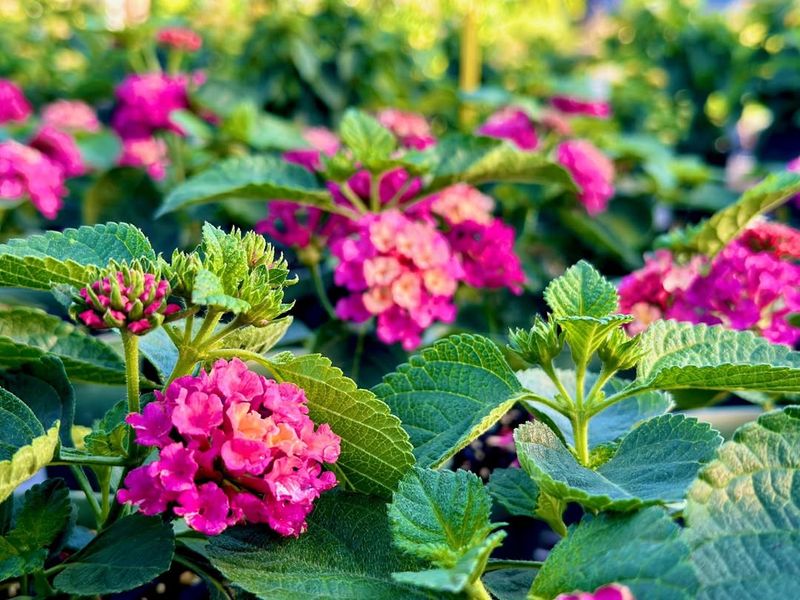
Clusters of tiny flowers in changing colors make lantana one of the most fascinating annuals for Texas landscapes.
Each flower cluster starts in one shade and gradually shifts to another as it matures, creating beautiful multicolored displays.
Lantana blooms continuously from spring through fall, providing months of vibrant color with almost no maintenance required.
These tough plants laugh at Texas heat, actually growing more vigorously as temperatures climb.
Lantana attracts butterflies in droves, turning your garden into a fluttering paradise throughout the warm months.
They’re extremely drought-tolerant once established, making them perfect for water-wise landscaping approaches.
Lantana grows well in both garden beds and containers, adapting easily to various growing situations.
Their flowers come in combinations of yellow, orange, red, pink, purple, and white, offering incredible variety.
These plants handle poor soil conditions without complaint, though they appreciate well-drained spots.
Lantana spreads nicely to fill spaces, creating full, lush displays without looking weedy or overgrown.
They require minimal fertilizing and no deadheading to keep blooming prolifically all season long.
Hummingbirds also visit lantana flowers, adding another layer of wildlife interest to your Texas garden.
These annuals bounce back quickly after pruning, allowing you to shape them as needed.
Their tough nature means they handle wind and storms better than more delicate flowers.
For gardeners in Texas seeking colorful, wildlife-friendly plants that thrive on neglect, lantana is an absolutely perfect choice.
6. Purslane
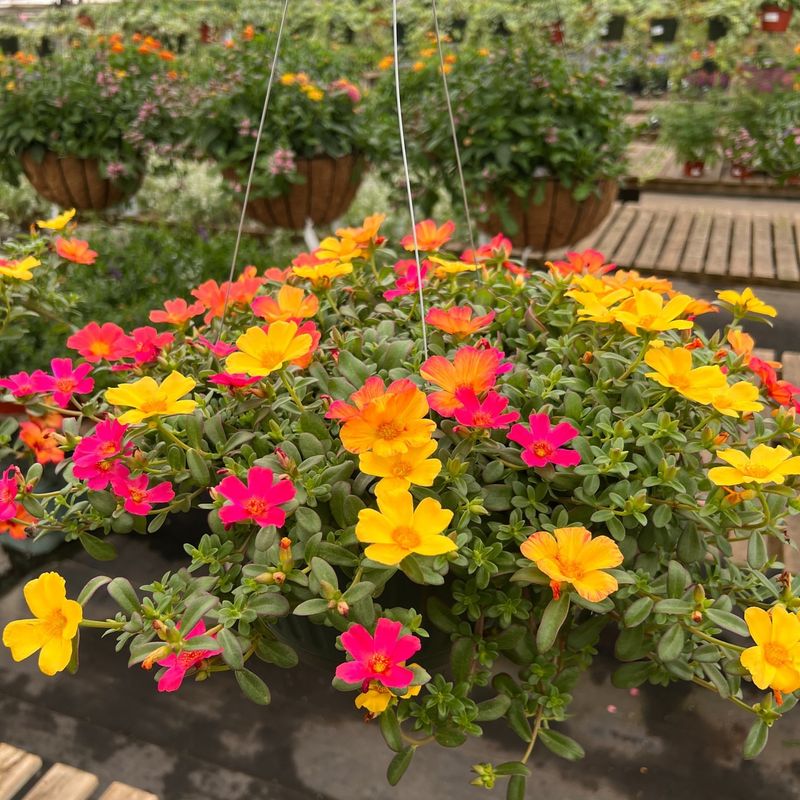
Succulent leaves and jewel-toned flowers make purslane an unexpected star in Texas gardens.
This low-growing annual produces brilliant blooms in shades of hot pink, orange, yellow, red, and white that seem to glow in the sunlight.
Purslane opens its flowers in the morning and closes them at night, creating a daily show of color.
These plants are incredibly drought-tolerant thanks to their thick, water-storing leaves that help them survive extended dry periods.
Purslane thrives in full sun and intense heat, making it ideal for the toughest spots in Texas landscapes.
They work wonderfully in containers, hanging baskets, and as ground covers in garden beds.
Purslane spreads to form colorful mats that suppress weeds while adding vibrant color to your yard.
These annuals require virtually no maintenance once planted, blooming continuously without deadheading or frequent watering.
They handle poor, sandy, or rocky soil conditions that would challenge most other flowers.
Purslane’s trailing habit creates beautiful cascading displays when planted in elevated containers or along walls.
These plants rarely suffer from pest problems and bounce back quickly if accidentally stepped on or damaged.
They bloom from late spring through fall, providing months of reliable color in Texas gardens.
Purslane doesn’t need fertilizing often, though occasional feeding encourages even more abundant blooms.
Their cheerful flowers and carefree nature make them perfect for beginning gardeners or anyone wanting easy color.
For hot, dry spots where other annuals struggle, purslane delivers outstanding performance.
7. Celosia
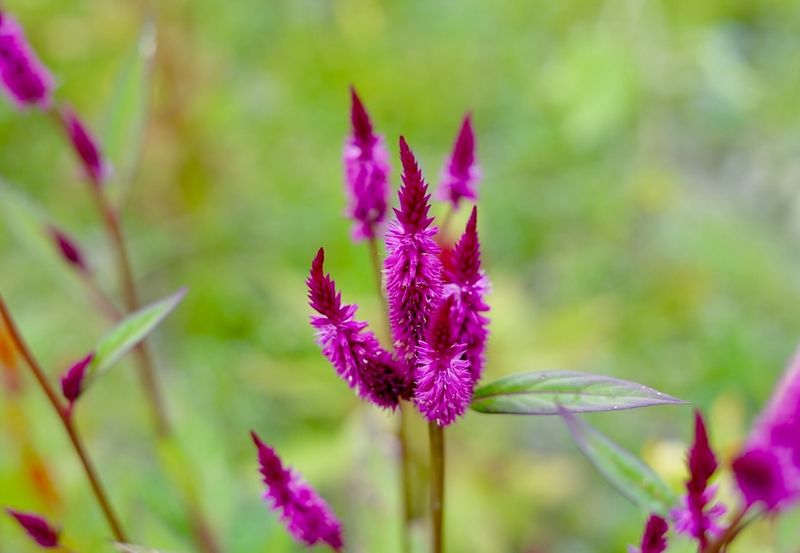
Unusual flower shapes ranging from feathery plumes to brain-like crests make celosia a conversation starter in any Texas garden.
These distinctive annuals come in brilliant shades of red, orange, yellow, pink, and purple that hold their color for weeks.
Celosia blooms continuously from early summer through fall, creating long-lasting displays that never seem to fade.
Their unique texture adds visual interest that contrasts beautifully with more traditional flower shapes in mixed plantings.
Celosia loves full sun and hot weather, making it perfectly suited to the Texas climate.
These plants tolerate drought well once established, though regular watering produces the most impressive blooms.
Celosia works wonderfully in both fresh and dried flower arrangements, giving you multiple ways to enjoy their beauty.
They grow well in garden beds, borders, and containers, adapting easily to different situations.
These annuals rarely suffer from pest or disease problems, making them remarkably easy to grow successfully.
Celosia doesn’t require deadheading to keep blooming, saving you time and effort throughout the season.
Their sturdy stems stand up well to wind and rain, maintaining their good looks through summer storms.
These flowers attract butterflies and other beneficial insects to your Texas garden.
Celosia appreciates occasional fertilizing during the growing season to support its prolific blooming habit.
Their bold colors and unusual forms create dramatic focal points in landscape designs.
For gardeners seeking something different that still handles Texas heat with ease, celosia offers unique beauty and reliable performance.
8. Gomphrena
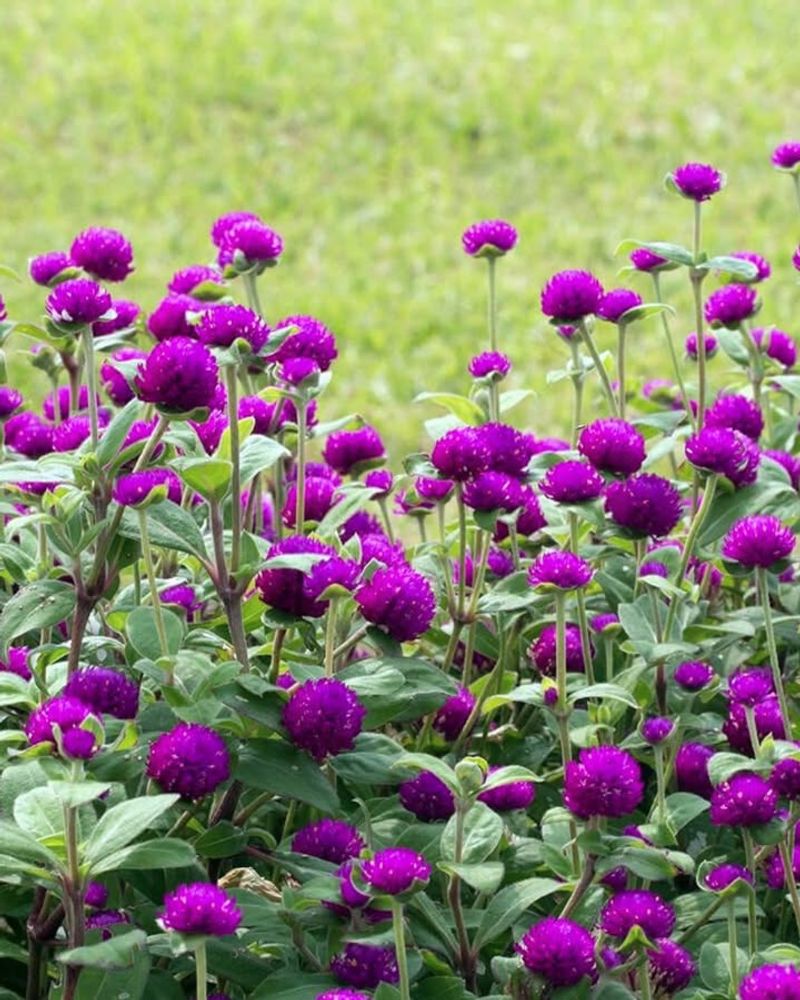
Round, clover-like blooms with a papery texture make gomphrena one of the most charming annuals for Texas gardens.
Also called globe amaranth, these flowers come in shades of purple, pink, white, red, and orange that keep their vibrant color for months.
Gomphrena blooms continuously from late spring through fall, providing reliable color even during the hottest weeks of summer.
These tough plants handle extreme heat and drought with remarkable ease, requiring minimal watering once their roots are established.
Gomphrena loves full sun and actually performs better in hot, dry conditions than in cool, moist ones.
Their compact, bushy growth makes them perfect for edging beds, filling containers, or creating colorful borders.
Butterflies and bees love gomphrena flowers, bringing beneficial pollinators to your Texas landscape.
These annuals work beautifully in both fresh and dried arrangements, maintaining their color and shape for months.
Gomphrena requires no deadheading to keep blooming prolifically throughout the season.
They tolerate poor soil conditions without complaint, though they appreciate well-drained spots.
Gomphrena rarely suffers from pest or disease problems, making them wonderfully low-maintenance for busy gardeners.
Their flowers stand up well to wind and rain, never looking battered or damaged after storms.
These plants don’t need frequent fertilizing to perform well, though occasional feeding encourages more abundant blooms.
For Texas gardeners seeking long-lasting color with minimal care requirements, gomphrena delivers outstanding results all season long without demanding constant attention.