Keeping Bees At Home Comes With These Rules In Texas
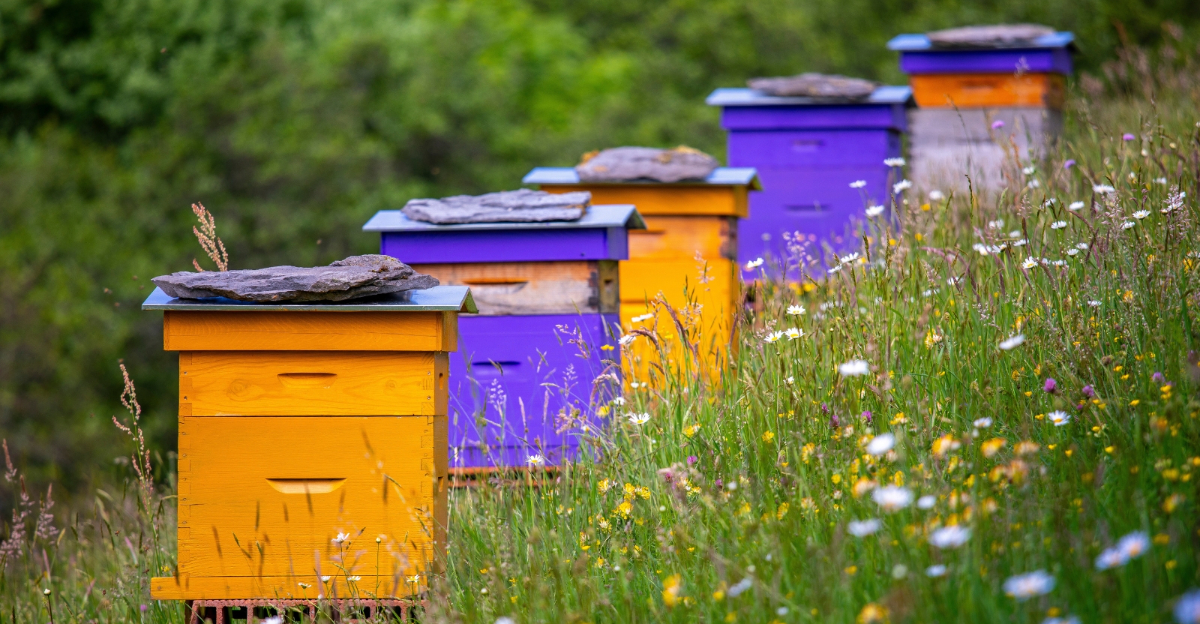
Keeping bees at home often starts with a simple idea, like healthier gardens, better pollination, and the appeal of harvesting your own honey.
Across Texas, more homeowners are warming up to beekeeping as part of everyday yard life rather than something reserved for rural land.
At the same time, bringing bees into a residential space is not as casual as planting flowers or setting up a bird feeder.
Rules and expectations can shape how beekeeping works long before the first hive is placed.
Many people are surprised to learn that local ordinances, property lines, and neighborhood guidelines all play a role.
I have seen enthusiasm fade quickly when those details surface after money and time have already been invested.
Some regulations exist to protect neighbors, while others focus on keeping bees healthy and managed responsibly.
Texas generally supports beekeeping, but that support depends heavily on following the rules that come with it.
Knowing what is allowed ahead of time makes the experience far less stressful and much more rewarding.
This guide explains the rules Texas homeowners need to understand before keeping bees at home so expectations are clear from the start.
1. Register Your Hives With The State
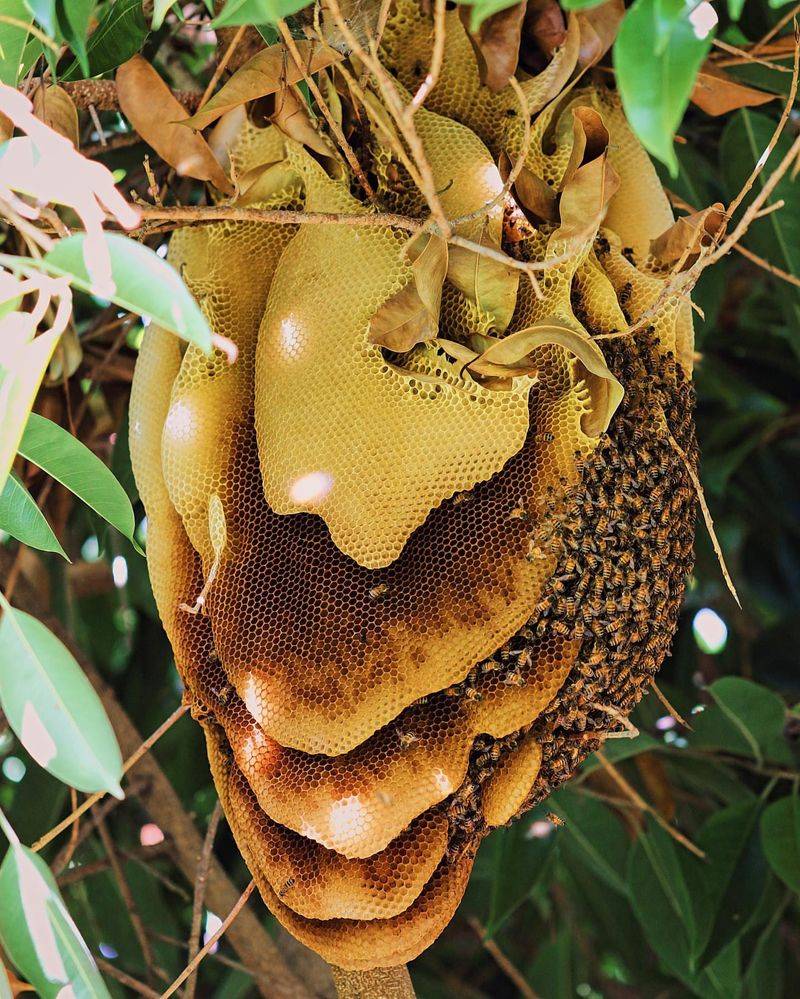
Texas law requires all beekeepers to register their apiaries with the Texas Apiary Inspection Service, no matter how many hives you own or where you live.
Registration helps the state track bee populations and prevents the spread of diseases that could wipe out entire colonies across the region.
You must fill out a simple form that asks for your contact information, the location of your hives, and the number of colonies you plan to keep.
The registration process costs nothing and can be completed online in just a few minutes, making it one of the easiest requirements to fulfill.
Once registered, you will receive an identification number that you must keep on file in case inspectors visit your property to check on your bees.
Failing to register your hives in Texas can result in fines and potential removal of your colonies by state officials who take these regulations seriously.
The state uses registration data to notify beekeepers about disease outbreaks or pest problems that might affect their hives in the surrounding area.
Keeping your registration current means updating it whenever you move your hives or change the number of colonies you maintain on your property.
This simple step protects the entire beekeeping community in Texas by creating a network of informed beekeepers who can respond quickly to threats.
2. Maintain Proper Distance From Property Lines
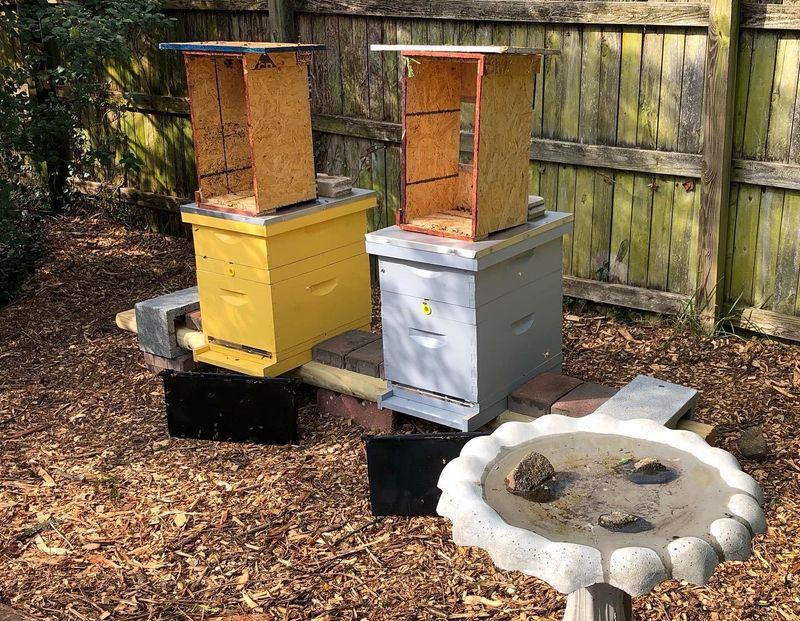
Placement of your hives matters tremendously when you live in populated areas where houses sit close together and neighbors share common spaces daily.
Texas regulations often require hives to be positioned at least a certain distance from property boundaries, though exact measurements vary by city and county.
Some municipalities demand hives sit at least twenty feet from any property line, while others may require even greater distances depending on local ordinances.
Proper placement reduces the chance that your bees will fly directly into your neighbor’s yard when leaving the hive for their daily foraging trips.
You can also use tall fences or hedges to force bees to fly upward quickly, which keeps them above head height when they cross property lines.
Strategic positioning in Texas means considering where children play next door and where people typically gather for outdoor activities like barbecues or pool parties.
Before setting up your first hive, measure carefully and consult your local zoning office to ensure you meet all distance requirements for your specific area.
Violating setback rules can lead to complaints from neighbors and potential legal action that might force you to relocate or remove your hives entirely.
Taking time to position hives correctly from the start prevents future headaches and helps maintain good relationships with the people who live around you.
3. Provide A Constant Water Source
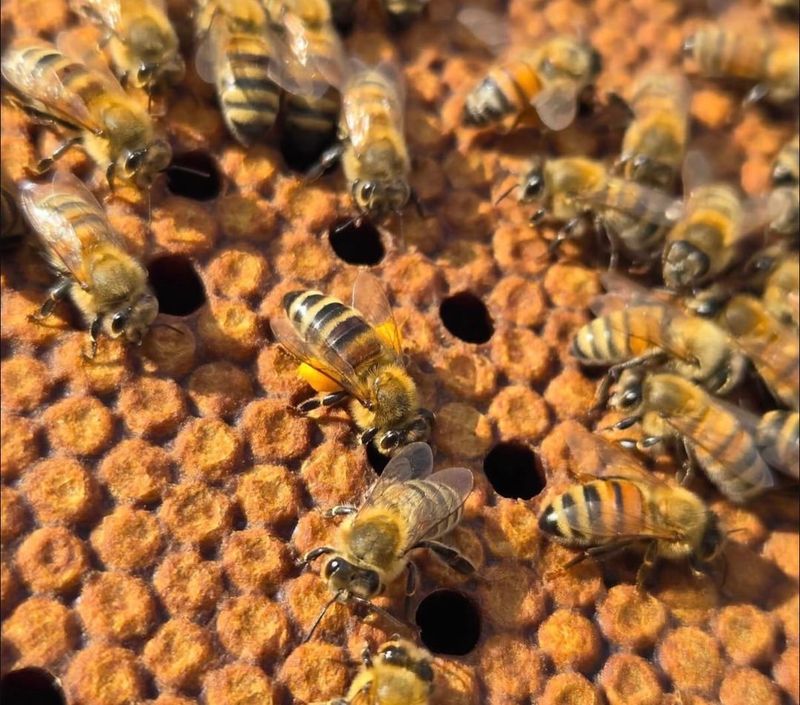
Honeybees need access to fresh water every single day, and without a dedicated source they will find water wherever they can in your neighborhood.
Your bees might visit your neighbor’s swimming pool, birdbath, or pet water dish if you do not provide them with their own convenient watering station.
Texas summers get incredibly hot, and bees use water to cool their hives through evaporation, making hydration especially critical during scorching summer months.
Setting up a shallow dish filled with water and floating corks or sticks gives bees a safe place to land and drink without drowning.
Place your water station close to the hives so bees learn to use it first before exploring other options in the surrounding neighborhood.
Keeping the water clean and refilling it regularly prevents your bees from seeking out alternative sources that might cause conflicts with your neighbors.
Some Texas beekeepers create elaborate water features with recirculating pumps, while others simply use large plant saucers filled with pebbles and fresh water.
Regardless of the method you choose, consistency matters because bees will return to the same water source day after day once they establish the habit.
Providing water on your own property demonstrates responsible beekeeping and reduces the likelihood that your hobby will become a nuisance to those living nearby.
4. Install Flight Barriers Around Hives
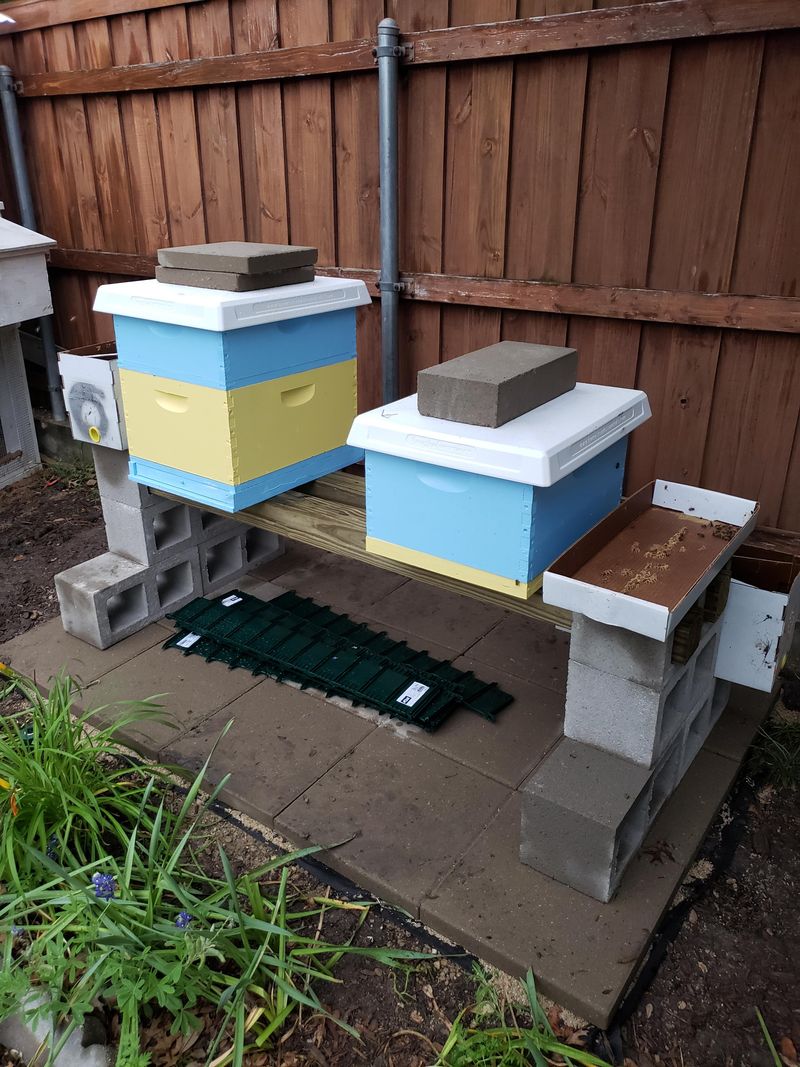
Flight barriers work by forcing bees to gain altitude quickly after leaving their hives, which keeps them flying well above the heads of people nearby.
A solid fence or dense hedge at least six feet tall positioned near the hive entrance accomplishes this goal effectively in most residential situations.
When bees exit the hive and encounter a barrier, they instinctively fly upward to clear the obstacle before heading off to find flowers.
This simple technique reduces the number of bees flying at eye level through your yard and into neighboring properties where people might feel threatened.
Texas beekeepers often use privacy fences, bamboo screens, or fast-growing shrubs like ligustrum to create effective barriers that also improve the appearance of the area.
The barrier should extend several feet beyond both sides of the hive entrance to ensure bees cannot simply fly around it at low altitude.
Installing barriers shows consideration for others and significantly decreases the chances that someone will complain about your bees flying too close to their outdoor spaces.
Many cities in Texas specifically mention flight barriers in their beekeeping ordinances, making them a legal requirement rather than just a recommended best practice.
Taking this step protects both your bees and your neighbors while allowing you to continue enjoying your beekeeping hobby without causing unnecessary problems.
5. Choose Gentle Bee Breeds
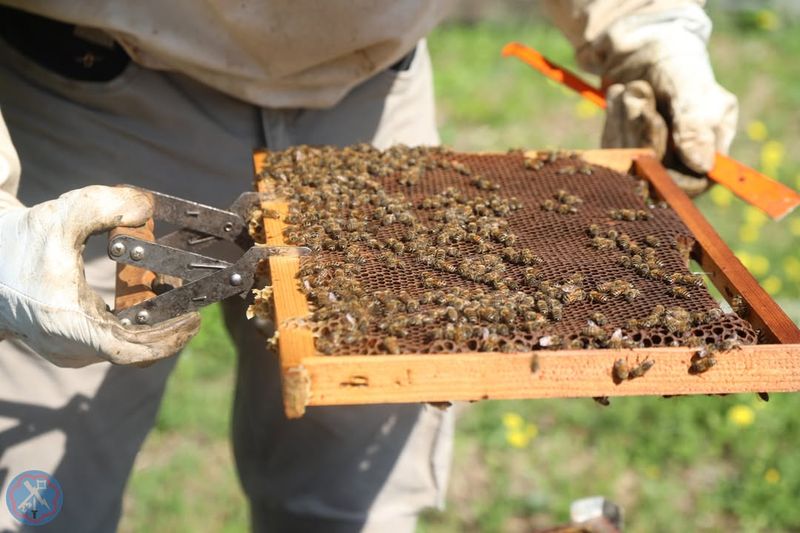
Not all honeybee varieties behave the same way, and selecting a calm, gentle breed makes a huge difference when keeping bees in residential areas.
Italian honeybees are famous for their docile temperament and reluctance to sting, making them the most popular choice among backyard beekeepers across the country.
Carniolan bees also have a reputation for being extremely gentle and are less likely to swarm compared to other varieties available on the market.
Texas beekeepers should avoid Africanized honeybees, which are much more defensive and can pose serious risks to people and animals living in the surrounding area.
Purchasing bees from reputable suppliers who guarantee the genetics of their colonies ensures you start with a gentle strain that will not cause neighborhood problems.
Even gentle breeds can become defensive if mishandled or if their hive is disturbed, so proper beekeeping techniques remain important regardless of the variety.
Requeening your hive regularly with a gentle queen helps maintain calm behavior throughout the colony and prevents aggressive traits from developing over time.
Local beekeeping clubs in Texas can recommend trusted suppliers who sell gentle bee breeds that perform well in the state’s unique climate and conditions.
Choosing the right breed from the beginning sets you up for success and helps ensure your beekeeping experience remains positive for everyone involved.
6. Limit The Number Of Hives Allowed
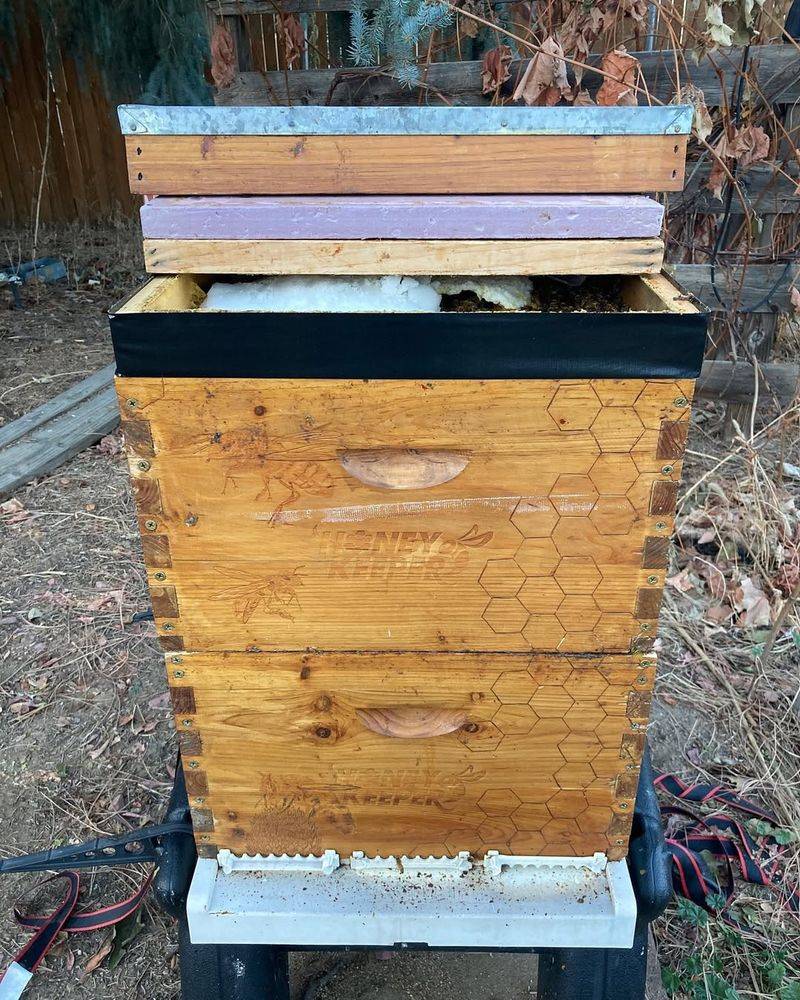
Many Texas cities place strict limits on how many hives you can keep on a residential property, with the number varying based on lot size.
Small urban lots might allow only two or three hives, while larger properties in rural areas may permit dozens of colonies without any restrictions.
These limits exist to prevent beekeepers from creating commercial operations in neighborhoods where people expect a quiet, low-impact living environment for their families.
Exceeding the allowed number of hives can result in code enforcement action, fines, and requirements to remove the excess colonies from your property immediately.
Before purchasing additional hives, check your local ordinances carefully to understand exactly how many colonies your property size and zoning classification legally permit in Texas.
Some cities calculate hive limits based on square footage of your lot, while others use fixed numbers that apply to all residential properties equally.
Responsible beekeepers understand that more hives mean more bees flying through the neighborhood, which increases the potential for conflicts with neighbors and visitors.
Starting small with just one or two hives allows you to learn proper management techniques before expanding your operation to the maximum number allowed.
Respecting hive limits demonstrates good citizenship and helps preserve the privilege of keeping bees in residential areas where regulations could become stricter if problems arise.
7. Conduct Regular Hive Inspections
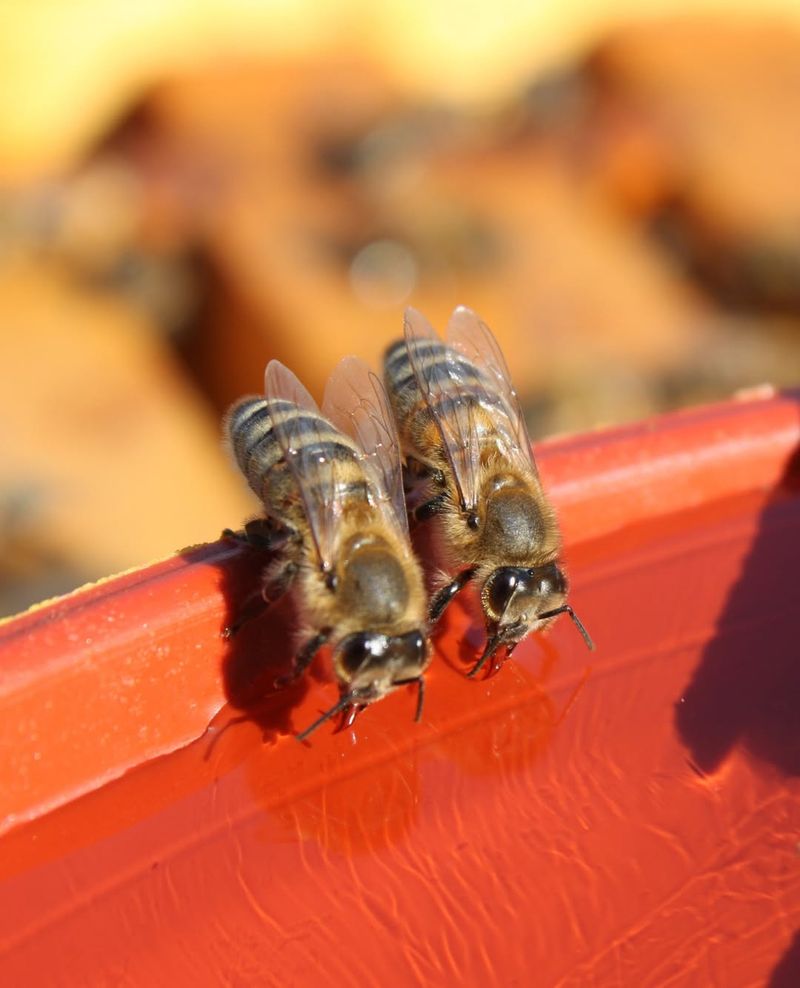
Regular inspections help you catch problems early before they escalate into situations that could harm your bees or create issues for people living nearby.
Texas beekeepers should open their hives at least every two weeks during active seasons to check for signs of disease, pests, or aggressive behavior.
Looking for healthy brood patterns, adequate food stores, and a calm demeanor helps you identify potential problems that require immediate attention or intervention.
Inspections also allow you to spot queen problems, such as a failing or missing queen, which can cause colonies to become defensive and unpredictable.
State inspectors may visit your property occasionally to check for specific diseases like American foulbrood, which requires mandatory reporting and treatment in Texas.
Keeping detailed records of your inspections, including dates and observations, demonstrates responsible management if neighbors or officials question your practices later on.
During inspections, work calmly and avoid crushing bees, which releases alarm pheromones that can trigger defensive behavior throughout the entire colony and surrounding area.
Choosing appropriate times for inspections matters too, with warm, sunny midday hours being ideal when most foragers are away from the hive gathering nectar.
Regular monitoring protects your investment in bees and equipment while ensuring your colonies remain healthy and well-behaved members of your Texas neighborhood community.
8. Control Swarms Promptly
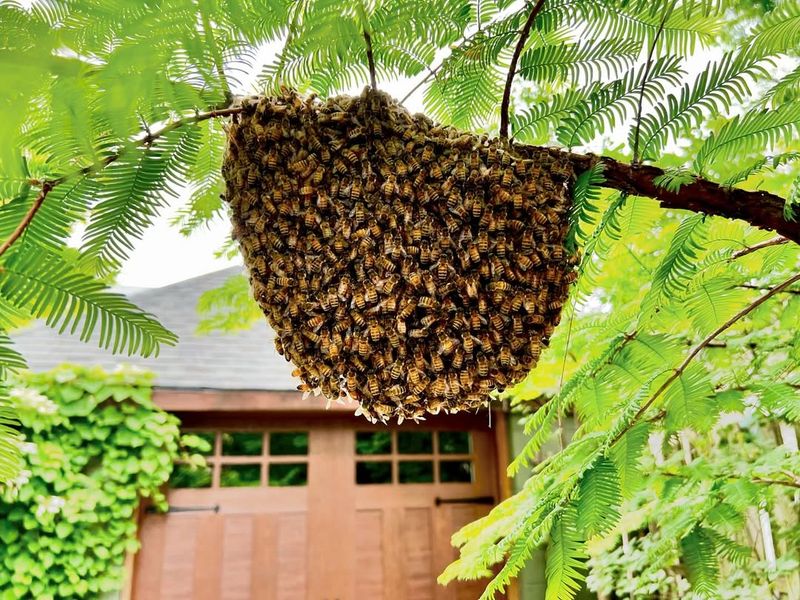
Swarming is a natural process where part of a colony leaves with the old queen to establish a new home elsewhere in the surrounding area.
While swarms are generally docile because the bees have no hive to defend, they can frighten neighbors who see thousands of bees clustering nearby.
Texas law does not specifically prohibit swarming, but many local ordinances require beekeepers to take reasonable steps to prevent swarms from leaving their property boundaries.
Managing your colonies properly by providing adequate space, replacing old queens, and performing splits reduces the likelihood that your bees will swarm during peak season.
If your bees do swarm despite your best efforts, you must capture them quickly or call another beekeeper to collect them before they settle permanently.
Leaving swarms to establish themselves in trees, sheds, or walls of neighboring homes creates serious problems and reflects poorly on all beekeepers in Texas.
Many beekeeping associations maintain swarm hotlines where experienced members volunteer to collect swarms for free or a small fee throughout the busy spring months.
Educating your neighbors about swarms in advance helps them understand that the behavior is temporary and that you will handle the situation responsibly if it occurs.
Prompt action when swarms happen protects your reputation and helps maintain positive relationships with the people who live and work around your beekeeping operation.
9. Follow Local Zoning And Permit Requirements
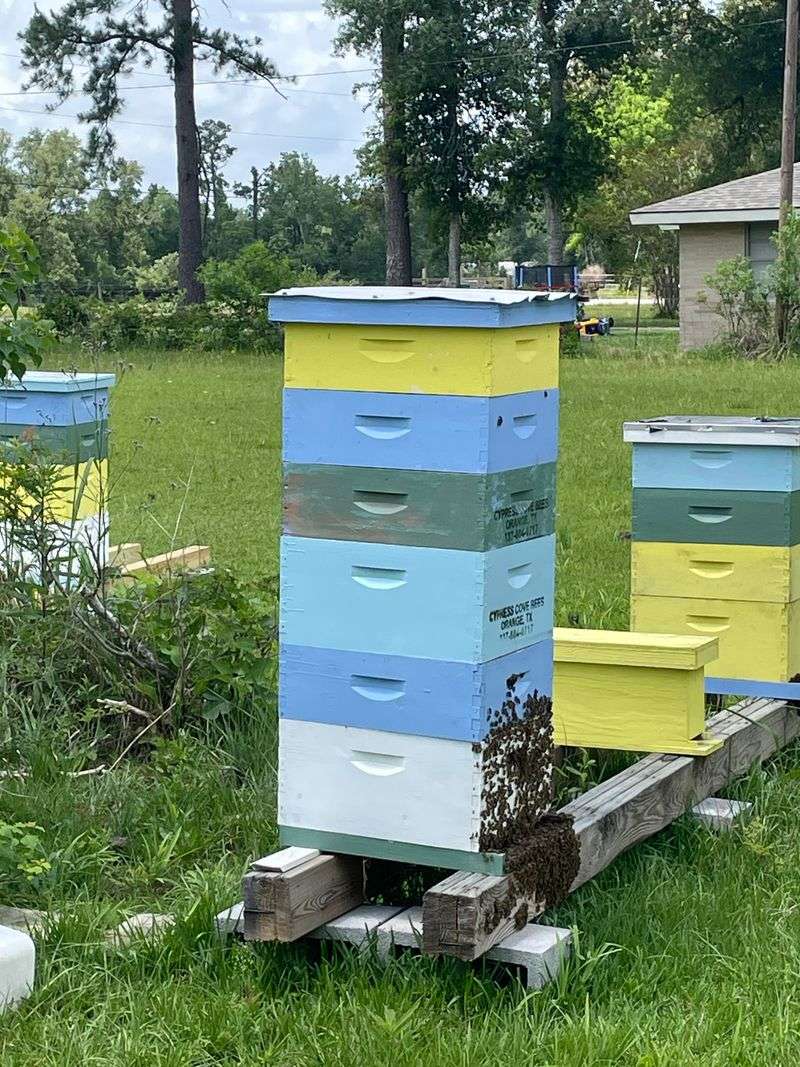
Beyond state registration, many Texas cities and counties have their own specific rules about beekeeping that you must follow to operate legally in your area.
Some municipalities require special permits or conditional use approvals before you can place hives on residential property, especially in densely populated urban neighborhoods.
Zoning regulations might prohibit beekeeping entirely in certain residential districts while allowing it freely in agricultural or rural zones without any special permissions needed.
Homeowner association rules can also restrict or ban beekeeping even if city ordinances permit it, so check your HOA covenants carefully before investing in equipment.
Permit applications often require you to submit site plans showing hive locations, property boundaries, and nearby structures to demonstrate compliance with all applicable regulations.
Some Texas cities charge fees for beekeeping permits, while others issue them free of charge as long as you meet all the requirements outlined in local codes.
Operating without required permits can result in fines, forced removal of your hives, and potential legal action from neighbors who object to your beekeeping activities.
Contacting your local planning or code enforcement office before starting ensures you understand all requirements and have proper approvals in place from the beginning.
Following zoning and permit rules shows respect for local governance and helps protect beekeeping rights for everyone who wants to enjoy this rewarding hobby in Texas.