10 Landscape Design Trends Shaping Florida In 2026 — And Why Designers Believe They’ll Last
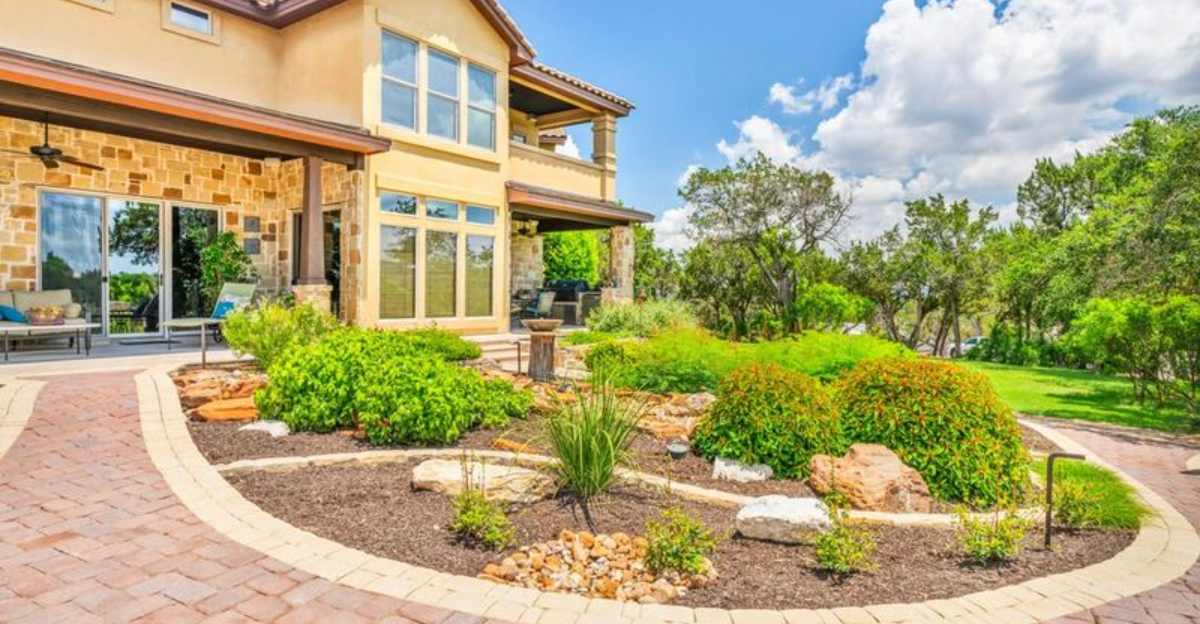
Florida’s outdoor spaces are getting a major makeover, and the changes happening right now are more than just passing fads.
Homeowners and landscape designers across the Sunshine State are embracing fresh ideas that work with Florida’s unique climate, wildlife, and lifestyle.
From water-saving gardens to outdoor rooms that feel like vacation retreats, these trends are transforming yards into beautiful, functional spaces that people actually want to spend time in.
1. Native Plant Gardens That Thrive Without Fuss
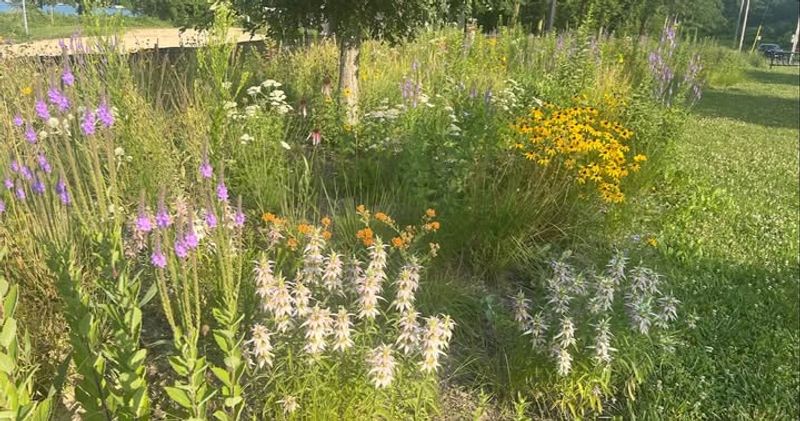
Planting species that naturally grow in Florida makes total sense when you think about it.
Coontie, muhly grass, firebush, and beautyberry are just a few natives that flourish without needing constant attention or gallons of water.
Designers love recommending these plants because they’ve adapted to Florida’s heat, humidity, and occasional droughts over thousands of years.
Homeowners appreciate how much easier their yards become to maintain.
Native gardens need less fertilizer, fewer pesticides, and way less watering than traditional lawns filled with non-native species.
Plus, butterflies, bees, and local birds absolutely adore these plants, turning ordinary backyards into mini nature preserves.
Another bonus? Native plants look stunning year-round with their varied textures and seasonal blooms.
They create that natural Florida look that feels authentic rather than forced.
Landscape professionals predict this trend will stick around because it saves money, supports local ecosystems, and requires minimal upkeep once established.
When something works this well for both people and nature, it becomes a permanent fixture rather than a temporary trend.
2. Outdoor Living Rooms With All The Comforts
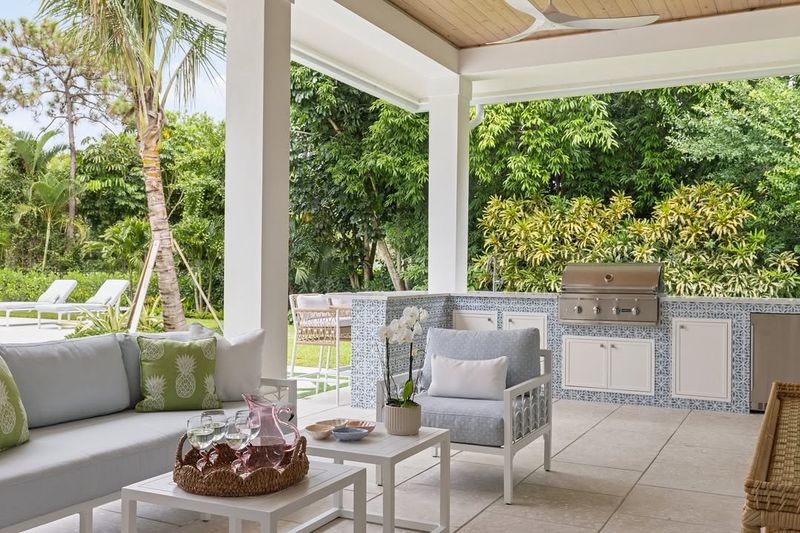
Floridians are blurring the lines between indoor and outdoor spaces like never before.
Covered patios now feature plush furniture, ceiling fans, outdoor televisions, and even full kitchens complete with pizza ovens and beverage fridges.
These aren’t just decks with a couple of chairs anymore—they’re legitimate living spaces where families gather daily.
Weather-resistant fabrics and materials have improved dramatically, making it possible to create cozy outdoor areas that withstand Florida’s unpredictable weather.
Designers incorporate features like retractable screens to keep bugs out while letting breezes flow through.
Smart lighting systems allow homeowners to adjust ambiance with their phones, creating perfect settings for morning coffee or evening entertaining.
Why will this trend endure? Florida’s climate practically begs people to spend time outside most of the year.
Creating comfortable outdoor zones increases usable square footage without expensive home additions.
Families who invest in these spaces use them constantly, getting tremendous value from their investment.
As remote work continues and people spend more time at home, having a beautiful outdoor retreat becomes increasingly appealing and practical for everyday living.
3. Xeriscaping For Water Conservation
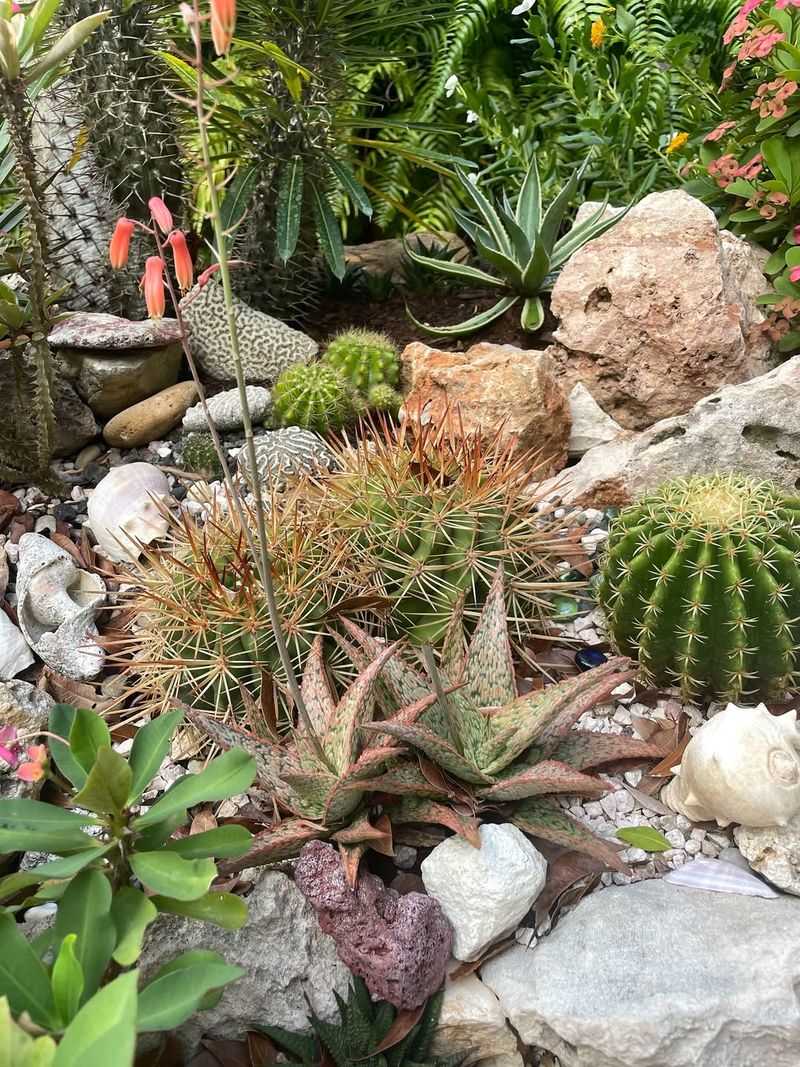
With water restrictions becoming more common across Florida, xeriscaping has moved from niche concept to mainstream necessity.
This approach focuses on selecting drought-resistant plants, using efficient irrigation systems, and incorporating hardscaping elements that reduce water needs dramatically.
Agave, yucca, and various succulents create striking visual displays while sipping rather than gulping water.
Smart irrigation controllers adjust watering schedules based on weather conditions and soil moisture levels.
Drip irrigation delivers water directly to plant roots instead of wastefully spraying it into the air.
Mulch layers help soil retain moisture longer between waterings, creating a system that works smarter rather than harder.
Landscape architects believe xeriscaping will remain popular because water costs keep rising and environmental awareness continues growing.
Florida’s periodic droughts make water-wise landscaping not just trendy but necessary for responsible property management.
Homeowners discover their water bills drop significantly after transitioning to xeriscaping principles.
Beyond financial savings, people feel good about reducing their environmental footprint.
When a design strategy addresses both practical concerns and personal values, it transforms from trend to standard practice that shapes how future landscapes develop.
4. Edible Landscapes That Feed Families
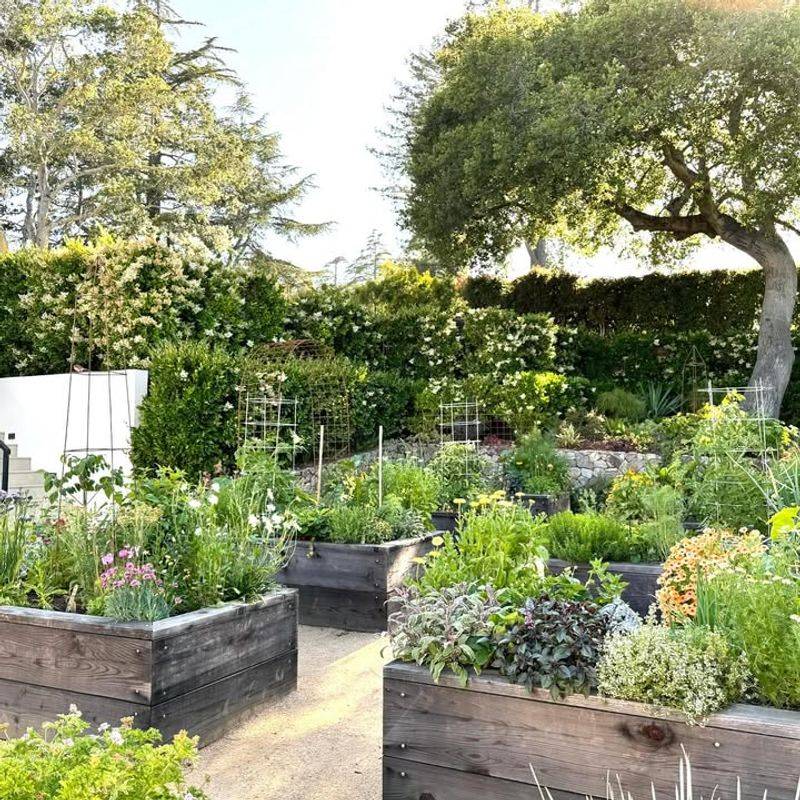
Why grow only ornamental plants when your yard could produce delicious food?
Edible landscaping combines beauty with functionality by incorporating fruit trees, vegetable beds, and herb gardens into attractive landscape designs.
Mango, avocado, and citrus trees provide shade while yielding fresh produce.
Blueberry bushes serve as attractive hedges that happen to produce tasty berries.
Raised garden beds filled with tomatoes, peppers, and leafy greens become focal points rather than eyesores when designed thoughtfully.
Herbs like basil, rosemary, and mint tuck beautifully into flower borders while staying handy for cooking.
Designers arrange edible plants based on color, texture, and growth patterns, creating landscapes that look intentionally designed rather than accidentally productive.
This trend has staying power because it addresses multiple homeowner desires simultaneously.
People want fresher, healthier food options and enjoy knowing exactly where their meals come from.
Kids become excited about eating vegetables they’ve helped grow themselves.
The satisfaction of harvesting your own produce creates a connection to your yard that purely decorative plants can’t match.
As food prices fluctuate and interest in sustainable living grows, edible landscapes offer practical benefits that keep this trend firmly rooted in Florida’s landscape future.
5. Pollinator Gardens Supporting Local Wildlife
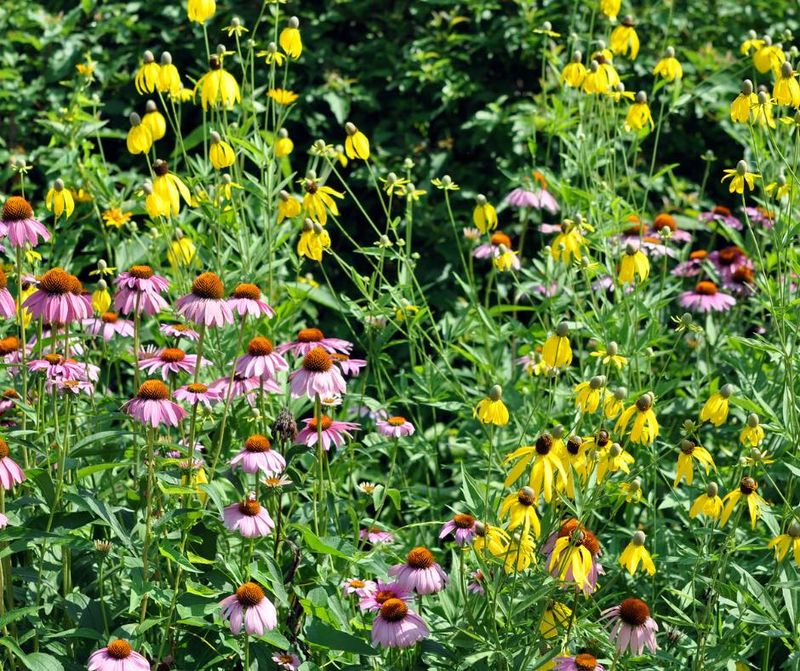
Creating habitats specifically designed to attract butterflies, bees, hummingbirds, and other pollinators has become incredibly popular throughout Florida.
Milkweed for monarch butterflies, pentas for hummingbirds, and salvia for bees transform ordinary yards into buzzing, fluttering wildlife sanctuaries.
Watching nature up close brings joy to homeowners while supporting species that face habitat loss elsewhere.
Designers carefully select plants that bloom at different times throughout the year, ensuring pollinators find food sources during every season.
Avoiding pesticides becomes essential in pollinator gardens, which actually simplifies maintenance and reduces chemical exposure for families and pets.
Water features like shallow birdbaths or small fountains provide drinking spots for wildlife, completing the habitat.
Experts predict pollinator gardens will remain standard landscape features because environmental awareness continues expanding, especially among younger homeowners.
Schools teach kids about pollinator importance, creating generations who value these creatures and want to support them.
Beyond altruism, pollinator gardens offer entertainment value as living wildlife documentaries unfold in backyards daily.
Gardens that benefit both homeowners and ecosystems represent thoughtful design that transcends temporary trends, becoming instead a fundamental shift in how people approach their outdoor spaces and their relationship with nature.
6. Low-Maintenance Artificial Turf Alternatives
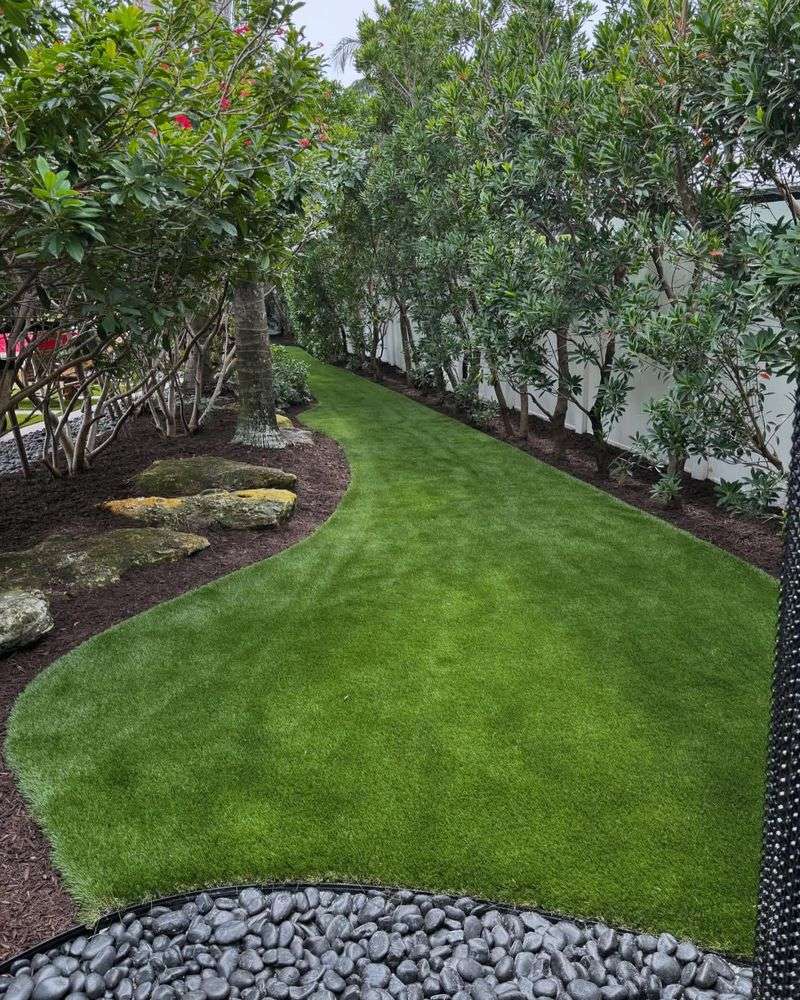
High-quality artificial turf has improved so dramatically that it now looks remarkably realistic while eliminating most lawn maintenance headaches.
No more weekly mowing, fertilizing, or dealing with brown patches during dry spells.
Families with dogs especially appreciate how artificial turf holds up to pet traffic while staying green and attractive year-round without mud or withered spots.
Modern synthetic grass drains efficiently during Florida’s heavy rains and includes antimicrobial treatments that prevent odors.
Installation costs have decreased as the technology has matured, making it accessible to more homeowners.
The initial investment pays back over time through eliminated lawn care expenses and reduced water bills.
Landscape professionals believe artificial turf will continue gaining popularity because busy homeowners increasingly value their time over traditional lawn care rituals.
Environmental benefits include eliminating gas-powered mower emissions and reducing fertilizer runoff into waterways.
Some communities facing water restrictions actively encourage turf alternatives.
While purists may always prefer natural grass, the convenience factor combined with water conservation benefits creates compelling reasons for artificial turf adoption.
As products continue improving in appearance and feel, expect more Florida yards to make this practical switch that frees weekends from lawn maintenance while keeping properties looking sharp.
7. Sustainable Hardscaping With Permeable Materials
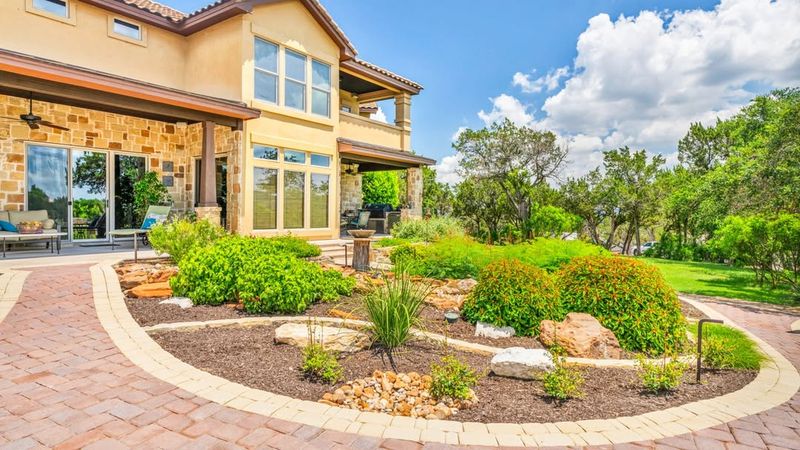
Traditional concrete and asphalt create impermeable surfaces that prevent rainwater from naturally soaking into the ground.
Permeable pavers, porous concrete, and gravel pathways allow water to filter through, reducing runoff and helping recharge groundwater supplies.
These materials come in attractive styles that enhance property aesthetics while serving important environmental functions.
Florida’s intense rainstorms create flooding problems when properties have too much impermeable surface area.
Permeable hardscaping helps manage stormwater right where it falls rather than overwhelming drainage systems.
Cooler surface temperatures compared to traditional concrete make patios and walkways more comfortable during hot months.
Many materials incorporate recycled content, appealing to environmentally conscious homeowners.
Designers expect permeable hardscaping to become increasingly standard as municipalities adopt stricter stormwater management regulations.
Properties with better water management systems experience fewer flooding issues and contribute less to neighborhood drainage problems.
Installation techniques have improved, making these materials as durable as traditional options while offering superior functionality.
Homeowners appreciate that their driveways and patios serve purposes beyond just providing solid surfaces.
When building materials actively improve environmental outcomes without sacrificing performance or appearance, they transition from specialty products to mainstream standards that shape how future landscapes handle one of Florida’s most abundant resources: rainfall.
8. Tropical Resort-Style Pool Landscapes
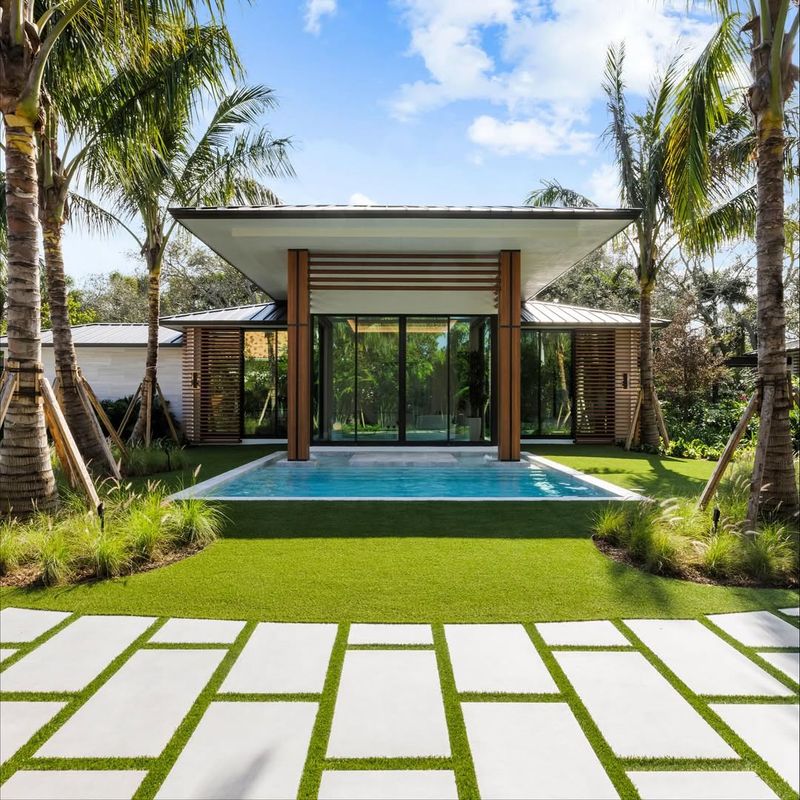
Homeowners are transforming basic pool areas into elaborate tropical retreats that rival luxury resort settings.
Lush plantings of palms, bird of paradise, and tropical hibiscus create privacy screens and vacation vibes.
Natural stone waterfalls, grottos, and rock formations add dramatic focal points while the sound of flowing water enhances relaxation.
Tiki bars, outdoor showers, and cabana spaces complete the resort experience.
Landscape lighting designed to highlight key features extends enjoyment into evening hours, creating magical nighttime ambiance.
Heating systems and screened enclosures allow year-round pool use, maximizing the investment.
Saltwater systems and energy-efficient pumps reduce maintenance and operating costs while being gentler on skin and swimwear.
This trend shows serious staying power because it addresses Florida’s pool-centric lifestyle while adding significant property value.
Families who invest in resort-style landscapes find themselves vacationing at home rather than traveling elsewhere, ultimately saving money while enjoying daily luxury.
Social media sharing motivates homeowners to create Instagram-worthy outdoor spaces that impress guests and provide beautiful backdrops for family memories.
As people continue prioritizing experiences over possessions, creating spectacular outdoor environments where experiences happen naturally becomes an investment in lifestyle quality that transcends fleeting design fashions.
9. Smart Irrigation Technology Integration
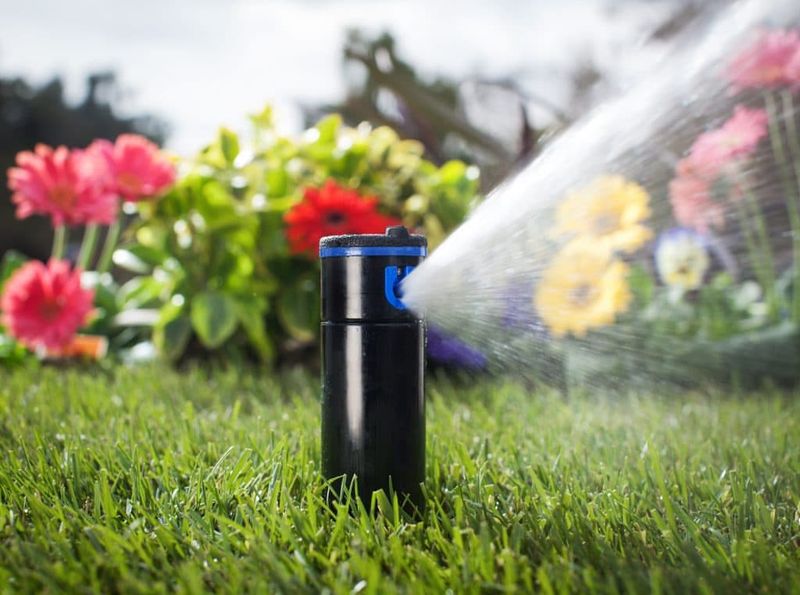
Cutting-edge irrigation controllers now connect to weather stations, soil moisture sensors, and smartphone apps, creating intelligent watering systems that adjust automatically.
When rain is forecasted, systems skip scheduled watering.
When temperatures spike, systems provide extra moisture to stressed plants.
Homeowners monitor and control their irrigation from anywhere, receiving alerts about leaks or system malfunctions before water waste becomes expensive.
Zone-specific programming allows different plant areas to receive customized watering based on their actual needs rather than applying the same schedule everywhere.
Drip lines deliver water directly to root zones with minimal evaporation loss.
Flow sensors detect broken sprinkler heads or pipe leaks, shutting systems down automatically to prevent damage and waste.
Landscape professionals unanimously predict smart irrigation will become standard equipment because the technology pays for itself through water savings within a few years.
Florida’s water restrictions and rising utility costs make efficiency essential rather than optional.
Younger homeowners expect smart home integration across all systems, including outdoor irrigation.
Insurance companies may eventually offer discounts for leak detection capabilities that prevent water damage.
When technology simultaneously saves money, conserves resources, prevents property damage, and increases convenience, adoption becomes inevitable rather than optional.
Smart irrigation represents the future of landscape water management, transforming from luxury upgrade to expected standard.
10. Coastal-Resilient Landscaping For Storm Protection
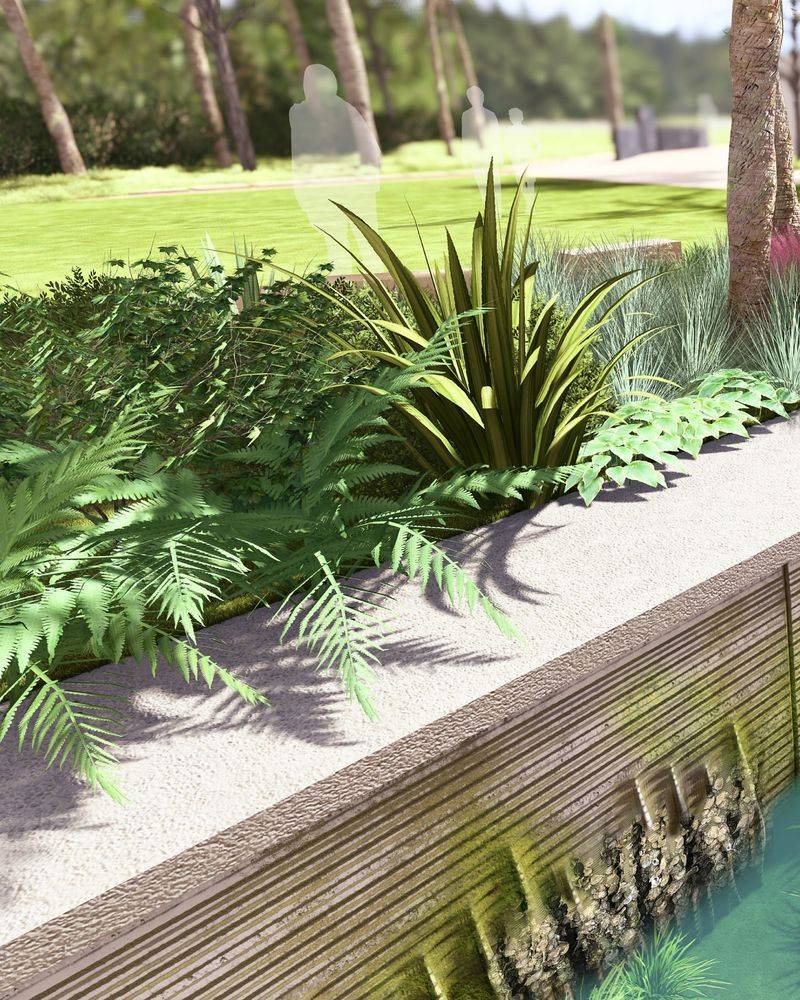
With hurricanes and tropical storms regularly threatening Florida, homeowners are choosing plants and landscape features specifically selected for wind resistance and salt tolerance.
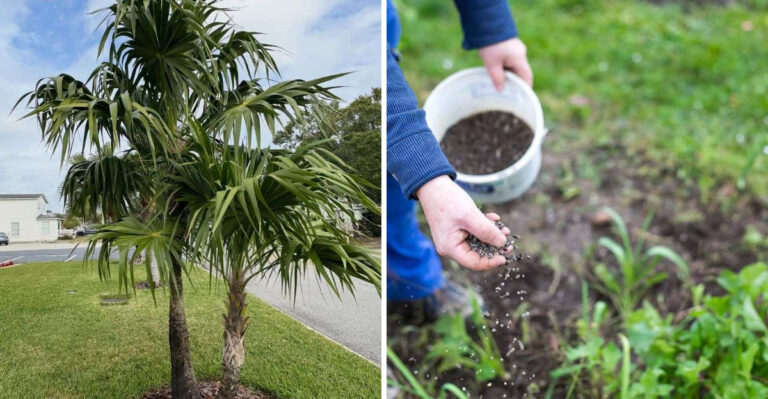
Sea grapes, cabbage palms, and muhly grass bend rather than break during storms while thriving in salty coastal conditions.
Strategic plant placement creates windbreaks that protect structures without becoming dangerous projectiles themselves.
Proper drainage systems prevent flooding damage by channeling water away from foundations and living spaces.
Native dune vegetation stabilizes sandy soils, reducing erosion during storm surges.
Designers avoid shallow-rooted trees near structures, instead selecting deep-rooted species less likely to topple.
Hardscaping materials get secured properly to prevent them from becoming storm debris.
Coastal-resilient landscaping will absolutely remain essential because climate predictions suggest more intense storms in Florida’s future.
Insurance companies increasingly consider property protection measures when calculating premiums, potentially rewarding resilient landscape designs.
Homeowners who experience storm damage once become highly motivated to implement protective landscaping before the next season arrives.
Beyond storm protection, these landscapes typically require less maintenance since plants adapted to harsh coastal conditions naturally tolerate challenging growing environments.
When landscape design directly protects property values and family safety while reducing insurance costs, it becomes fundamental infrastructure rather than decorative trend.