13 Landscaping Trends Florida Homeowners Regret, And The Thousands They Cost To Fix
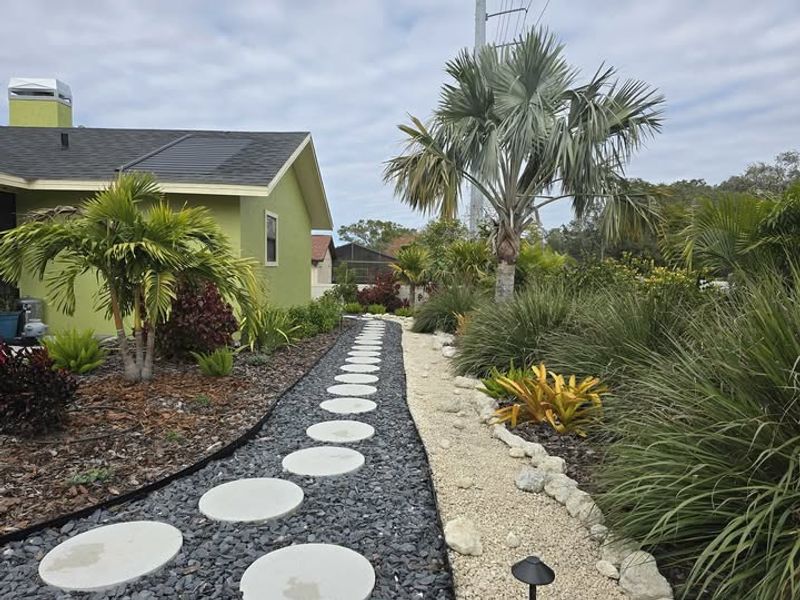
Landscaping trends move fast, but Florida yards live with the consequences.
What looks stunning on social media can turn into a maintenance nightmare—or a financial sinkhole—once reality sets in.
Many homeowners don’t realize the long-term costs until it’s too late.
From trendy materials that can’t handle heat to designs that ignore drainage and growth patterns, small mistakes compound quickly.
Fixing them often means tearing out plants, regrading soil, or replacing expensive features entirely.
The regret isn’t just aesthetic—it’s measured in thousands of dollars.
These thirteen landscaping trends seemed like a good idea at the time.
Learning from others’ mistakes can save Florida homeowners money, time, and frustration.
Smart landscaping isn’t about chasing trends—it’s about choosing designs that work with the climate, not against it.
1. Installing Non-Native Plants That Can’t Handle Florida Heat
Azaleas, hostas, and peonies look gorgeous in garden magazines, but they weren’t designed for Florida’s relentless heat and humidity.
Homeowners who plant species from cooler climates often watch their investments wither within months, despite constant watering and fertilizing efforts.
The subtropical environment creates conditions where these plants struggle to photosynthesize properly, leading to yellowing leaves, stunted growth, and eventual decline.
Replacing failed plantings can cost anywhere from $1,500 to $5,000, depending on the size of your landscape and the number of specimens involved.
Beyond the initial replacement expense, you’ll face ongoing costs for soil amendments, specialized fertilizers, and increased water usage as you try to keep struggling plants alive.
Smart alternatives include native beauties like coontie palms, firebush, and muhly grass that actually thrive in Florida’s challenging conditions.
Working with Florida-adapted plants means less maintenance, lower water bills, and landscapes that look vibrant year-round without constant intervention.
Consulting with a native plant specialist before purchasing can save you thousands in replacement costs and years of frustration watching your garden struggle.
2. Overusing High-Maintenance Lawns Instead Of Florida-Friendly Groundcovers
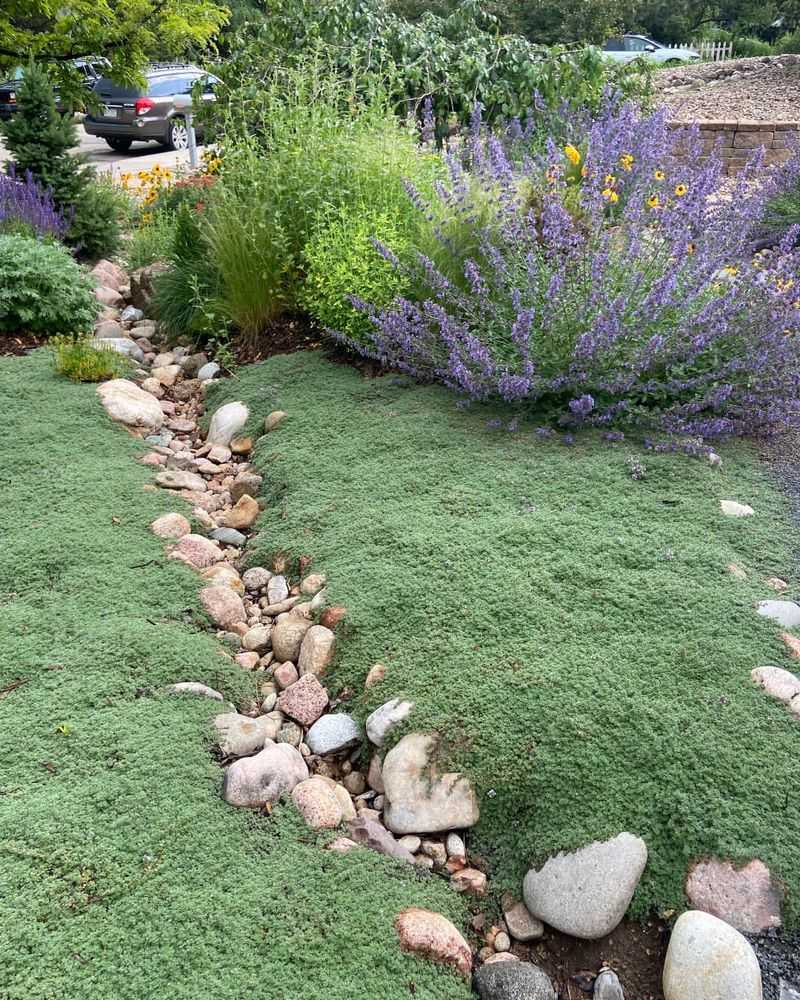
Traditional Kentucky bluegrass and fescue lawns demand enormous amounts of water, fertilizer, and mowing in Florida’s climate.
What works beautifully in northern states becomes an expensive, time-consuming burden in the Sunshine State’s heat.
Homeowners report spending $200 to $400 monthly on irrigation alone during peak summer months, plus another $100 to $200 for lawn care services.
Over five years, that adds up to $18,000 to $36,000 just keeping grass alive and looking decent.
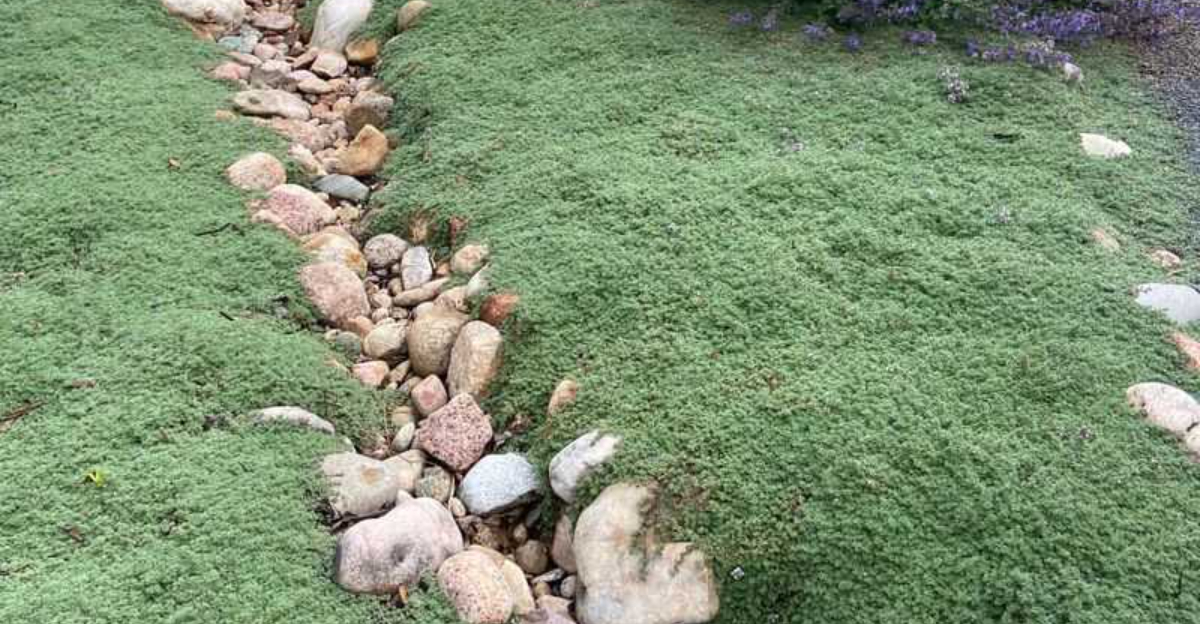
Converting to Florida-friendly groundcovers like sunshine mimosa, perennial peanut, or beach sunflower can cut water usage by 50% or more.
The conversion itself costs between $3,000 and $8,000 for an average yard, but the investment pays for itself within two to three years through reduced maintenance expenses.
Low-maintenance alternatives also reduce chemical runoff into Florida’s sensitive waterways and provide better habitat for beneficial insects and pollinators.
Many homeowners wish they’d skipped the traditional lawn entirely and started with sustainable groundcovers that actually belong in Florida’s ecosystem.
3. Poor Drainage Designs That Lead To Flooding And Root Rot
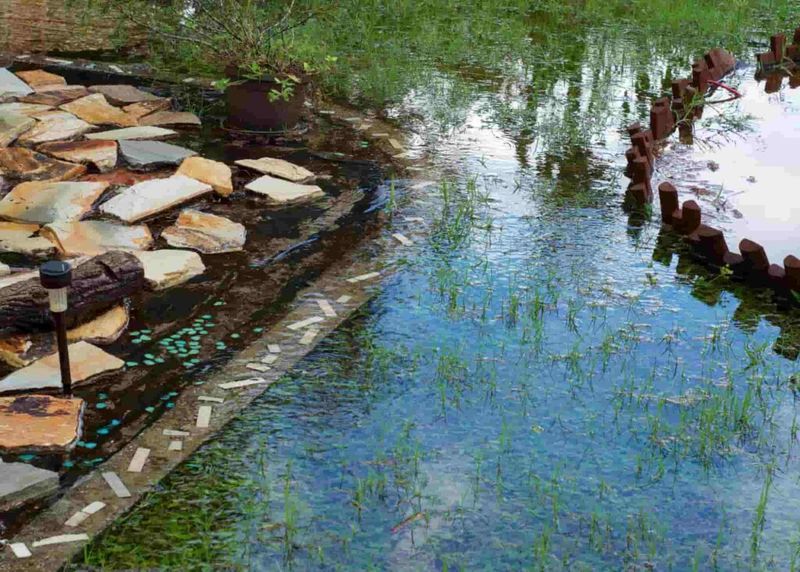
Florida receives an average of 54 inches of rain annually, with intense downpours that can drop several inches in just hours.
Landscapes designed without proper drainage quickly become swamps, drowning plant roots and creating breeding grounds for mosquitoes.
Standing water damages grass, rots root systems, and can even compromise your home’s foundation if water pools near the structure.
Fixing drainage problems after the fact requires excavation, installation of French drains or dry wells, and regrading the entire yard.
These corrections typically cost between $4,000 and $12,000, depending on your property size and the severity of the drainage issues.
Homeowners also face the expense of replacing plants lost to root rot, which can add another $2,000 to $6,000 to the total bill.
Proper drainage planning from the beginning includes strategic grading, rain gardens positioned to capture runoff, and permeable surfaces that allow water infiltration.
Many regretful homeowners emphasize that investing in professional drainage design upfront would have saved them tens of thousands in repairs and replacements down the line.
4. Cheap Mulch Choices That Wash Away Every Rainy Season

Budget mulch products seem like smart savings until Florida’s afternoon thunderstorms wash them straight into storm drains.
Lightweight pine bark and dyed wood chips float away during heavy rains, leaving plant roots exposed and creating ugly bare patches throughout your beds.
Homeowners end up purchasing and spreading fresh mulch two or three times per year, turning a one-time expense into an ongoing maintenance headache.
At $150 to $300 per application for an average-sized landscape, that’s $450 to $900 annually just replacing mulch that won’t stay put.
Over a decade, you’re looking at $4,500 to $9,000 spent on a landscaping element that keeps disappearing.
Heavier options like cypress mulch, eucalyptus, or pine straw designed for Florida conditions cost more initially but stay in place through rainy seasons.
Some homeowners switch to decorative stone in certain areas, though careful selection matters since some stones retain excessive heat.
Investing in quality mulch from the start, combined with edging that contains materials during storms, prevents this repetitive expense and keeps your landscape looking polished year-round.
5. Planting Trees Too Close To Homes And Driveways
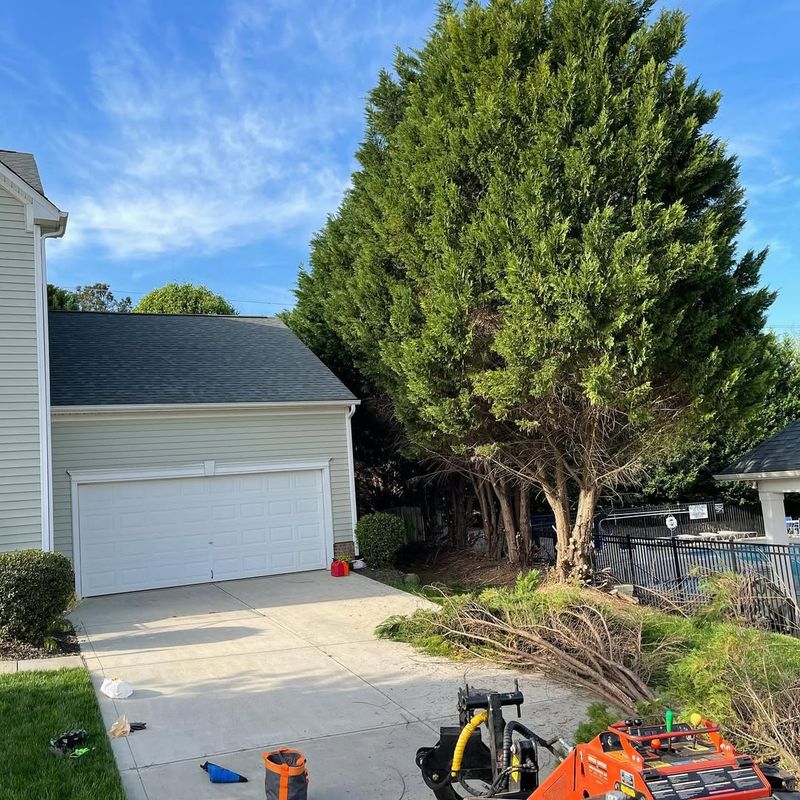
Oak trees and banyan figs look charming when they’re young saplings, but their mature root systems can wreak havoc on hardscapes and structures.
Planting too close to your home seemed fine initially, but ten years later you’re facing cracked driveways, buckled sidewalks, and roots threatening your foundation.
Removing a large mature tree near structures costs between $1,500 and $5,000, depending on size and accessibility challenges.
Repairing damaged driveways adds another $3,000 to $8,000, while foundation repairs can skyrocket to $10,000 or more if roots have caused significant structural issues.
Some species like live oaks develop root systems spreading two to three times wider than their canopy, making placement critical from day one.
Professional arborists recommend planting large trees at least 20 to 30 feet from structures, considering both current size and mature dimensions.
Homeowners who ignored spacing guidelines face heartbreaking choices between beloved trees and protecting their property investment.
Planning tree placement carefully from the beginning prevents these expensive conflicts and ensures your landscape enhances rather than threatens your home’s value.
6. Trendy Tropical Plants That Outgrow Their Space Quickly
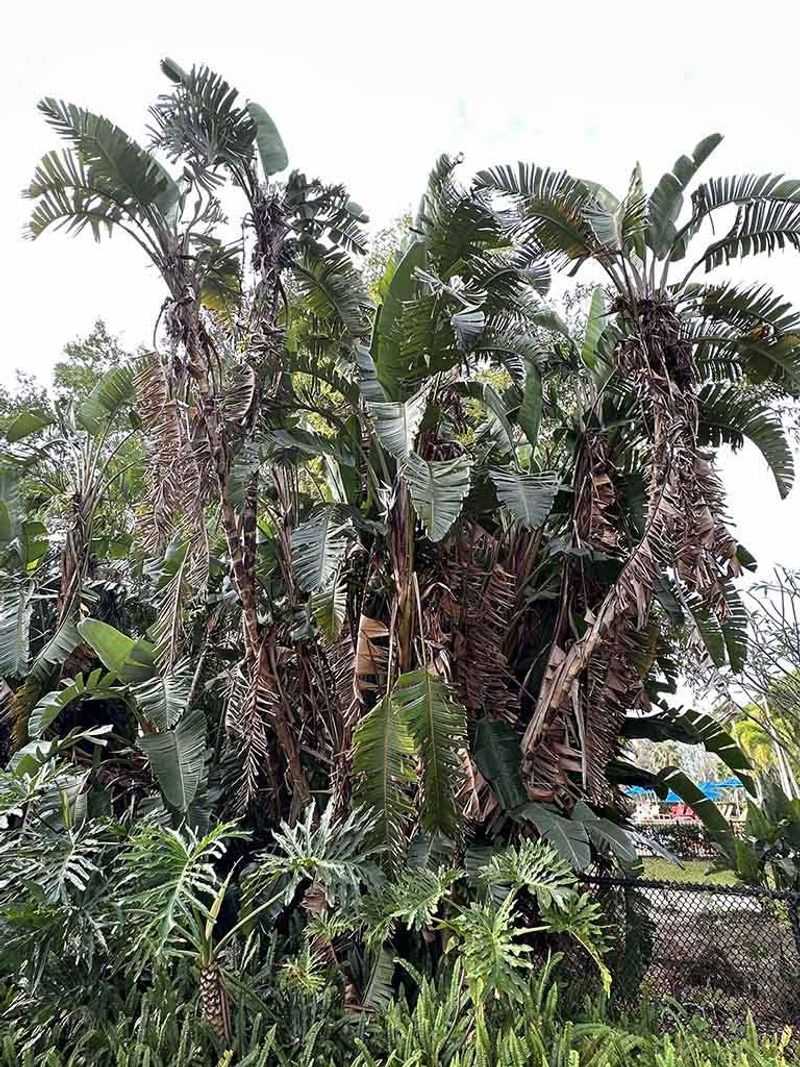
Bird of paradise and elephant ears create instant tropical ambiance, making them popular choices for new Florida landscapes.
What homeowners don’t anticipate is how aggressively these plants grow in Florida’s ideal conditions, quickly overwhelming their designated spaces.
That cute three-foot bird of paradise can reach ten to fifteen feet within just a few years, blocking windows and crowding walkways.
Constant trimming becomes necessary, costing $75 to $150 per session if you hire professionals, or consuming your weekends if you tackle it yourself.
Eventually, complete removal and replacement becomes the only practical solution, running $800 to $2,500 depending on how established the plants have become.
Redesigning the space with appropriately sized plants adds another $1,500 to $4,000 to correct the original planning mistake.
Researching mature plant sizes before purchasing prevents this common regret, ensuring your tropical paradise doesn’t become an overgrown jungle.
Compact varieties and slower-growing species offer the same aesthetic appeal without the aggressive expansion that creates maintenance nightmares and expensive do-overs.
7. Ignoring Hurricane-Resistant Landscaping Principles
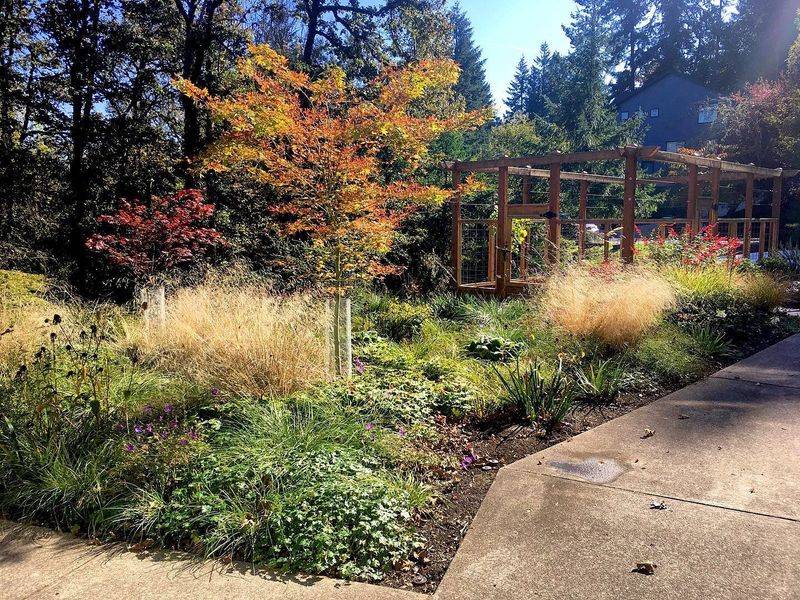
Hurricane season isn’t a possibility in Florida—it’s an annual reality that demands thoughtful landscape planning.
Homeowners who prioritize aesthetics over storm resistance learn expensive lessons when winds topple shallow-rooted trees onto homes and fences.
Cleanup after a major storm can cost $3,000 to $10,000 just for debris removal, with additional expenses for replacing damaged plants and repairing structures.
Trees with weak wood like laurel oaks or those with shallow root systems become dangerous projectiles during hurricanes, threatening property and safety.
Replanting after storm losses with better choices adds $2,000 to $8,000, depending on the number and size of specimens needed.
Hurricane-resistant landscaping includes deep-rooted natives like sabal palms, proper tree spacing to reduce wind resistance, and strategic placement away from structures.
Removing dry branches regularly and maintaining healthy root systems helps existing plants withstand storms better.
Investing in storm-smart landscaping from the beginning costs no more than traditional approaches but saves thousands in post-hurricane recovery expenses and protects your property investment during Florida’s inevitable severe weather events.
8. Decorative Stone And Gravel That Overheat Yards
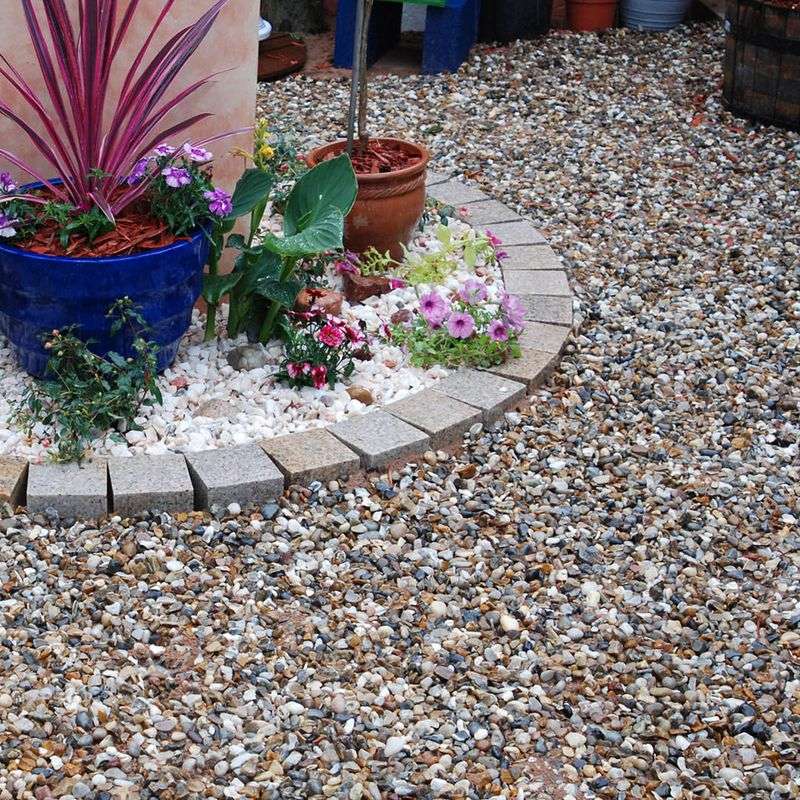
Modern desert-inspired designs featuring expansive gravel and decorative stone look sleek and low-maintenance in photographs.
In Florida’s intense sunshine, however, these materials absorb and radiate heat, turning your yard into an uncomfortable oven that’s unusable during summer months.
Surface temperatures on white rock can exceed 140 degrees Fahrenheit on sunny afternoons, making barefoot walks impossible and raising temperatures near your home.
The increased heat also stresses nearby plants and drives up air conditioning costs as reflected heat warms your house exterior.
Removing extensive stone installations costs $2,000 to $6,000, including disposal fees for the heavy materials.
Replacing with heat-appropriate alternatives like organic mulch, groundcovers, or shaded patio areas adds another $3,000 to $10,000 depending on your design choices.
Weeds also penetrate gravel relentlessly in Florida’s climate, requiring constant maintenance despite promises of low upkeep.
Homeowners who embraced the gravel trend now spend hundreds annually on herbicides and manual weeding, wishing they’d chosen living groundcovers that actually cool the landscape instead of cooking it.
9. Installing Invasive Plants That Are Costly To Remove
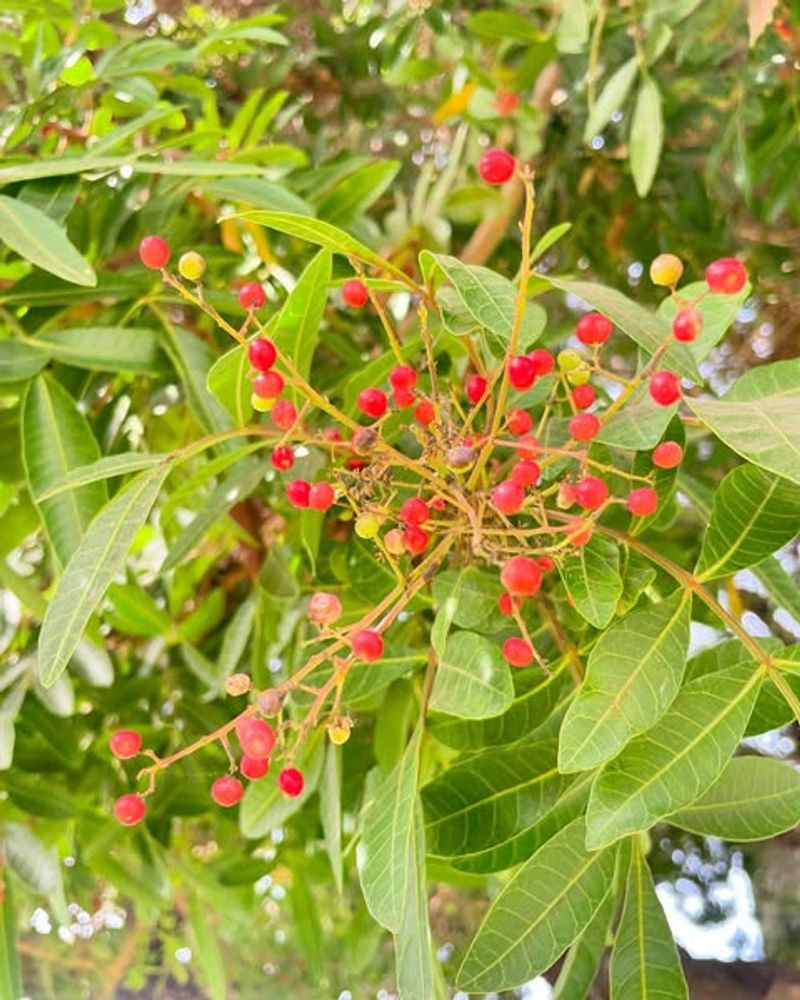
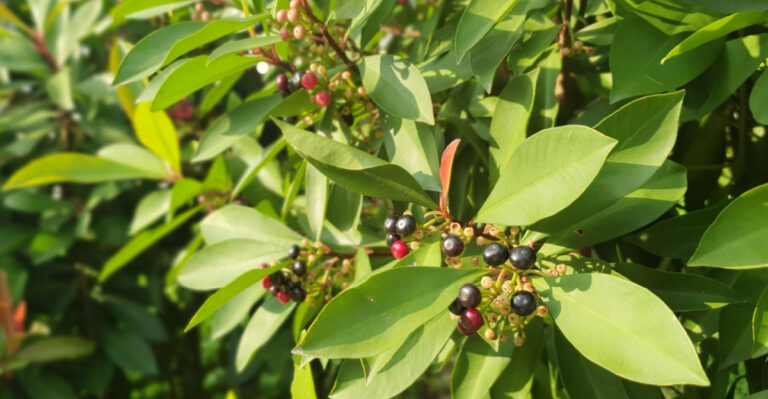
Bamboo creates beautiful privacy screens, and Brazilian pepper offers lush greenery, but both species spread aggressively throughout Florida landscapes.
What starts as an attractive border quickly becomes a neighborhood menace, sending runners under fences and popping up throughout your yard and beyond.
Many invasive species are actually illegal to plant in Florida, yet they still appear in some nurseries and landscape designs.
Removing established bamboo requires professional excavation and repeated treatments, costing $2,000 to $8,000 depending on how extensively it has spread.
Air potato vines, coral ardisia, and other invasives smother native plants and reduce property values as they create unkempt appearances.
Some invasive removals require ongoing monitoring and treatment for years to prevent resurgence, adding hundreds annually to maintenance budgets.
Florida’s climate allows these aggressive species to spread year-round without winter dormancy to slow their growth.
Checking Florida’s invasive species list before planting anything protects your landscape investment and prevents becoming that neighbor whose plants invade everyone else’s yards, creating community tensions alongside financial burdens.
10. Overdesigned Water Features That Become Maintenance Nightmares
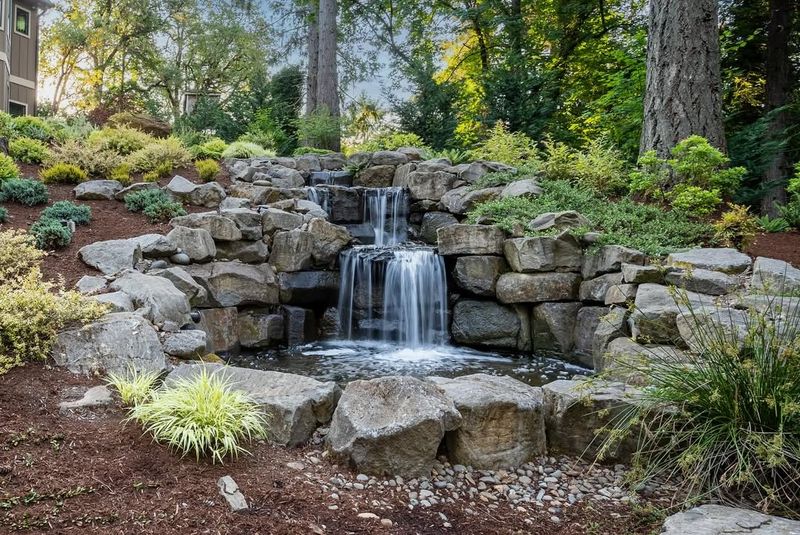
Elaborate koi ponds and multi-tiered fountains promise tranquil backyard retreats, but Florida’s climate creates perfect conditions for algae, mosquitoes, and mechanical failures.
Warm temperatures and abundant sunshine turn water features green within weeks without constant chemical treatments and filtration maintenance.
Pumps and filtration systems struggle with Florida’s mineral-heavy water, requiring replacement every two to three years at $300 to $800 per unit.
Professional pond cleaning costs $200 to $500 quarterly, adding up to $800 to $2,000 annually just keeping your water feature presentable.
Many homeowners eventually abandon their water features entirely, filling them in at costs ranging from $1,500 to $5,000 depending on size and complexity.
Hurricane season brings additional concerns as debris clogs systems and strong winds damage decorative elements.
Simple, smaller water features with proper circulation and easy access for maintenance work better in Florida than elaborate designs requiring constant professional attention.
Those who installed complex water features often wish they’d invested that $10,000 to $25,000 in other landscape elements that enhance enjoyment without demanding endless upkeep and expensive repairs.
11. Skipping Professional Irrigation Planning
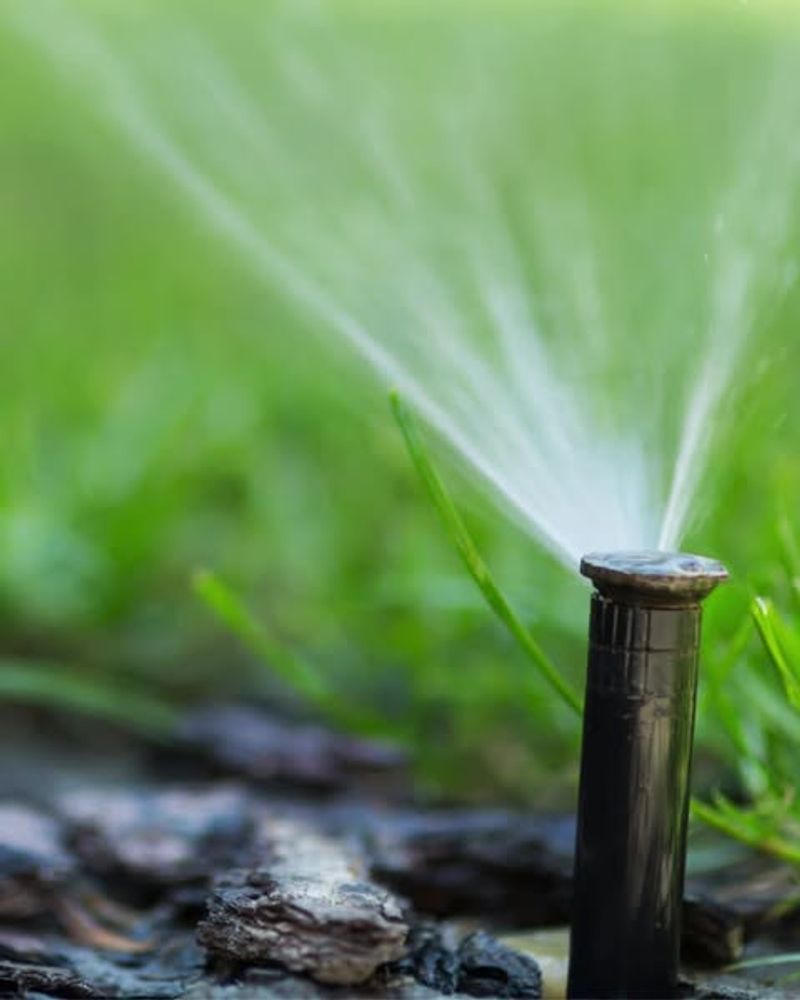
DIY irrigation systems or bargain installations often create zones that overwater some areas while leaving others parched.
Sprinkler heads positioned incorrectly waste water on driveways and sidewalks while plants struggle with inadequate coverage.
Florida’s water restrictions and rising utility costs make inefficient irrigation increasingly expensive, with homeowners reporting monthly bills $100 to $300 higher than properly designed systems.
Overwatering promotes fungal diseases and shallow root development, weakening plants and requiring additional treatments and replacements.
Redesigning and reinstalling irrigation systems costs $3,000 to $8,000 for average residential properties, essentially paying twice for something that should have been done correctly initially.
Modern smart controllers and properly zoned systems reduce water usage by 30% to 50% while improving plant health.
Professional irrigation designers account for sun exposure, soil types, and plant water requirements, creating efficient systems that save money monthly.
Homeowners who skipped professional planning face not only reinstallation costs but also years of elevated water bills and landscape problems that proper irrigation would have prevented from the start.
12. Trend-Driven Landscaping That Dates Quickly
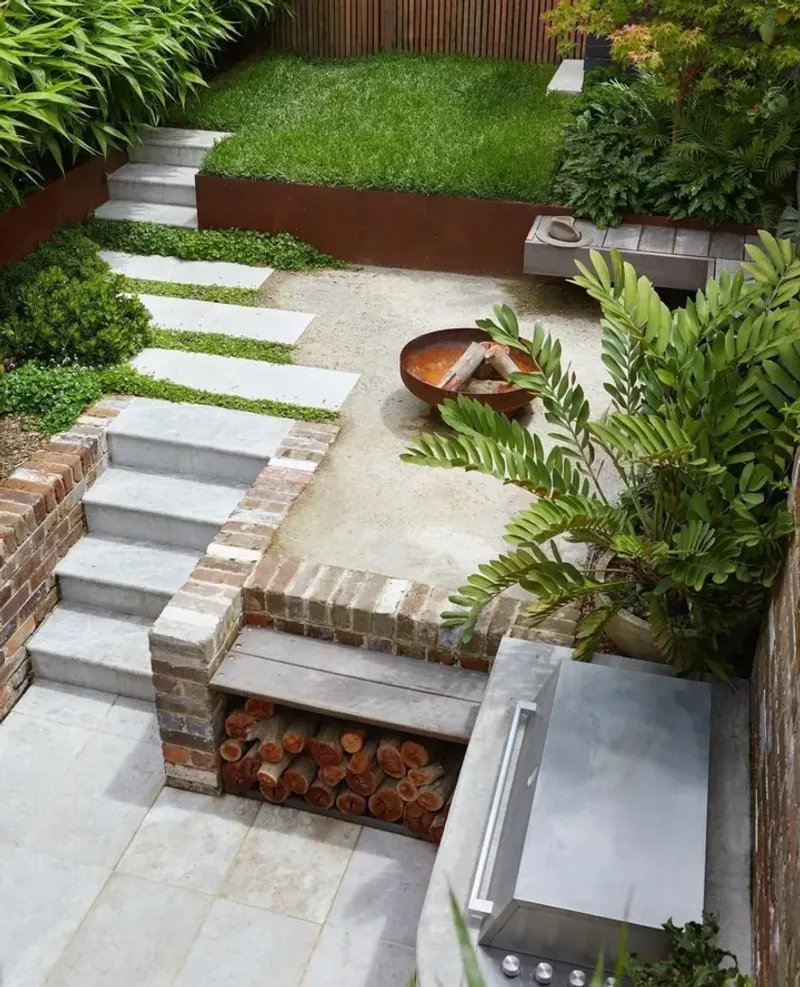
Formal boxwood hedges and geometric patterns looked sophisticated when installed, but design trends shift quickly, leaving landscapes feeling tired and outdated.
What seemed cutting-edge five years ago now looks stale, reducing curb appeal and potentially affecting property values.
Complete landscape redesigns to update dated looks cost $8,000 to $25,000, depending on property size and the extent of changes needed.
Trendy color schemes using specific plant combinations also age poorly as those particular varieties fall out of favor.
Timeless Florida landscapes emphasizing native plants, natural arrangements, and classic design principles maintain appeal across decades.
Hardscape elements like pavers and retaining walls in neutral tones avoid the dated appearance of trendy colors and patterns.
Homeowners who chased every landscape trend find themselves constantly updating to maintain modern appearances, spending thousands every few years on refreshes.
Classic designs focusing on plant health, appropriate species selection, and natural beauty cost no more initially but save tens of thousands in avoided redesigns over the years while maintaining timeless appeal that enhances property value consistently.
13. What Florida Homeowners Should Do Instead

Start every landscape project by consulting Florida Extension Service resources and certified native plant professionals who understand what actually thrives in your specific region.
Prioritize native and Florida-adapted species that evolved to handle heat, humidity, storms, and local pests without constant intervention.
Invest in professional drainage planning before installing any plants, ensuring your landscape handles Florida’s intense rainfall without flooding or erosion problems.
Choose quality materials initially rather than budget options that require frequent replacement, calculating long-term costs instead of just upfront expenses.
Plan tree and large plant placement carefully, researching mature sizes and root systems to avoid future conflicts with structures and hardscapes.
Design with hurricane resistance in mind, selecting deep-rooted species and avoiding weak-wooded trees that become dangerous projectiles during storms.
Install smart irrigation systems designed by professionals, reducing water waste while keeping plants healthy through Florida’s variable rainfall patterns.
Embrace timeless design principles rather than chasing trends, creating landscapes that remain attractive and functional for decades without expensive updates or complete redesigns that drain your budget repeatedly.