9 Landscaping Trends That Often Cost Texas Homeowners Big
Some landscaping trends look impressive at first glance, but Texas homeowners often feel the impact long after installation day.
Hot summers, shifting soil, and extreme weather can turn certain popular choices into ongoing expenses instead of smart upgrades.
What seems low maintenance or trendy upfront doesn’t always hold up under real Texas conditions year after year.
Understanding which trends quietly drain budgets helps avoid frustration and costly fixes down the line.
1. Installing High-Maintenance Grass Varieties
Planting grass types that need constant attention creates ongoing expenses many Texas property owners never expect when installing a lawn.
Some varieties require frequent mowing, heavy fertilization, and large amounts of water just to look good through brutally hot summers.
Homeowners across the Lone Star State quickly learn that keeping these grasses alive means nonstop sprinkler use, pushing monthly utility bills uncomfortably high.
Professional lawn services often become necessary because delicate varieties demand specialized treatments, pest control, and close monitoring to prevent disease during humid periods.
The initial installation may seem reasonable, but long-term costs add up fast once water use and maintenance are factored in.
Native options like buffalo grass or Bermuda grass tolerate drought well and need far less intervention, making them more budget-friendly choices.
Choosing grass that naturally thrives in Texas conditions cuts expenses significantly while still providing attractive, durable ground cover.
High-maintenance lawns also demand frequent repairs to bare patches caused by heat stress, pests, or uneven watering, adding unexpected reseeding and labor costs.
Over time, many homeowners realize these grass choices turn a simple yard into a constant expense rather than a low-effort outdoor space.
2. Creating Elaborate Water Features
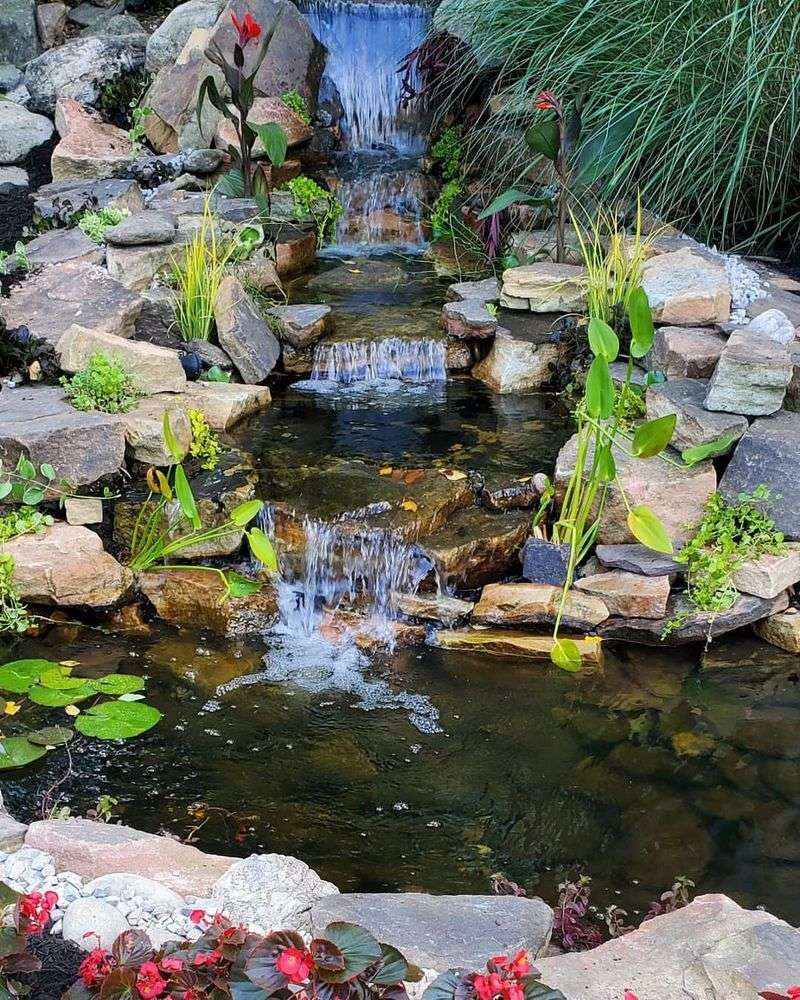
Backyard fountains, ponds, and cascading waterfalls look stunning in magazines, but they turn into money pits faster than most homeowners expect.
Installation alone can cost thousands once excavation, plumbing, electrical work, and circulation equipment are factored in.
Maintenance quickly becomes endless, with filter cleaning, algae treatment, pump replacements, and chemical balancing needed to keep water clear and odor-free.
Texas summers cause rapid evaporation, forcing constant refilling that drives water bills even higher during peak usage months.
Standing water also attracts mosquitoes, creating health concerns that often require extra treatments or professional pest control.
Winterizing helps prevent freeze damage, yet many homeowners still face repair bills each spring from cracked pipes or failed equipment.
Simpler designs with drought-tolerant plants and decorative rocks provide visual appeal without the ongoing financial drain of elaborate water features.
Ongoing upkeep also eats into free time, turning what seemed like a relaxing feature into another regular chore.
Many homeowners eventually scale back or remove these features after realizing the long-term costs outweigh the visual impact.
3. Overdoing Exotic Plant Collections
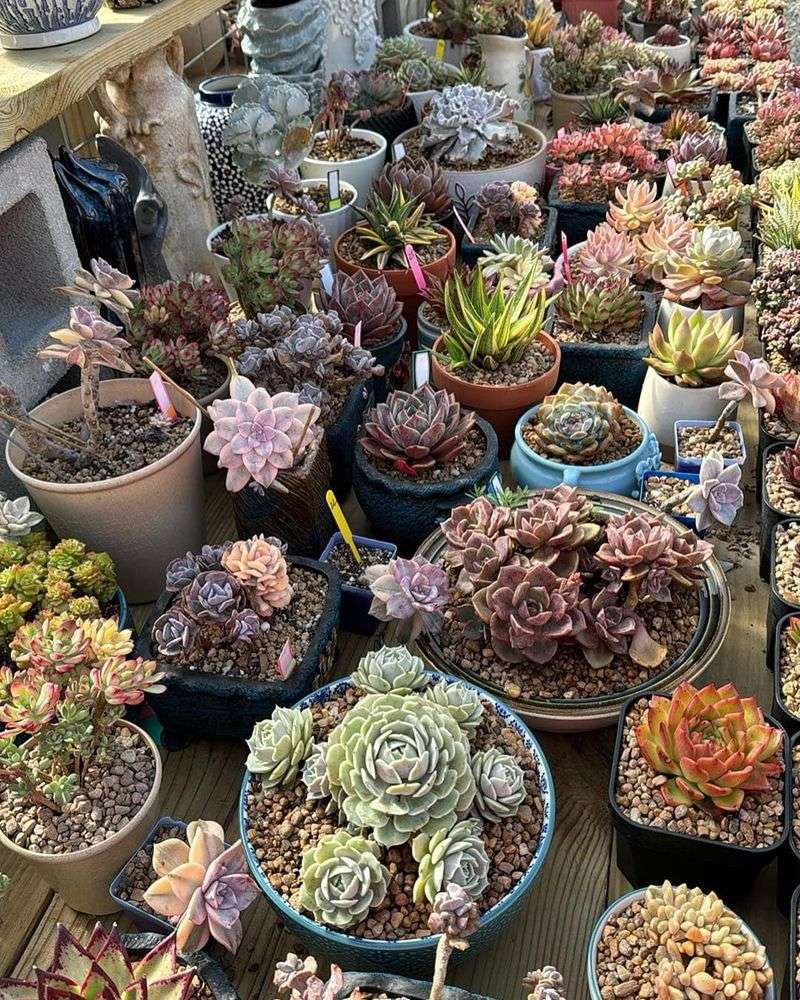
Rare tropical specimens and unusual plant varieties tempt gardeners who want their yards to stand out with one-of-a-kind displays.
These exotic plants rarely thrive in Texas conditions, demanding special soil, climate adjustments, and constant attention to survive temperature swings and unpredictable weather.
Plants imported from other regions lack resistance to local pests and diseases, often requiring costly chemical treatments or professional care.
Watering needs for exotic species frequently clash with drought restrictions, putting homeowners in tough positions during enforced usage limits.
Replacing plants that fail despite careful effort becomes expensive, especially when rare specimens cost hundreds of dollars each.
Protecting them from freezing temperatures means covering plants, moving containers indoors, or running heating systems that consume time and electricity.
Native Texas plants handle local challenges naturally, need far less care, and cost less while supporting beneficial wildlife year-round.
Exotic plants also struggle to recover after extreme weather events, forcing repeated replacements after freezes, heat waves, or sudden storms.
Over time, many gardeners find the desire for uniqueness fades once the ongoing costs and effort become impossible to ignore.
4. Building Extensive Hardscaping Projects
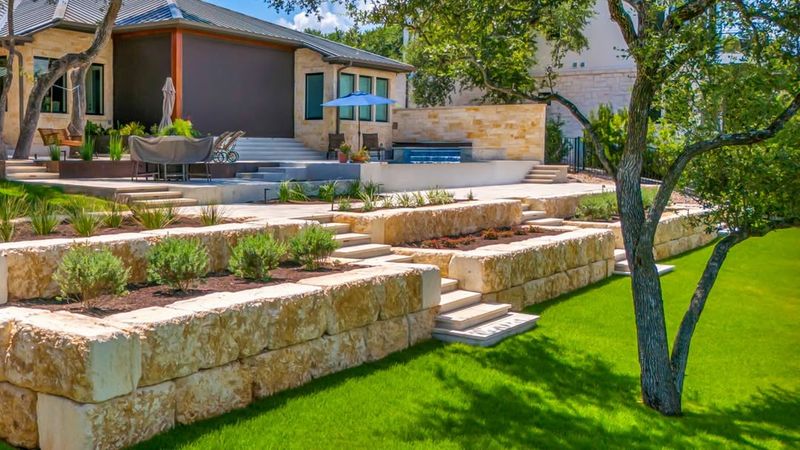
Massive stone patios, intricate retaining walls, and elaborate walkways promise lasting beauty but create financial commitments that extend long after construction ends.
Professional installation demands heavy equipment, skilled labor, and premium materials, pushing costs into five figures before even half the design is complete.
Texas clay soil expands and contracts with moisture changes, causing hardscaping to shift, crack, and settle unevenly over time.
Drainage issues arise when hard surfaces block natural water absorption, leading to flooding, foundation concerns, and costly runoff corrections.
Ongoing maintenance includes sealing surfaces, replacing damaged sections, pulling weeds from cracks, and pressure washing to prevent mold and mildew stains.
Stone and concrete absorb heat, making outdoor spaces uncomfortable in summer and often requiring added shade or cooling features.
Simpler designs with gravel, mulch, and thoughtful plant placement deliver function without the high costs or constant upkeep of extensive hardscaping.
Repairs often come sooner than expected, especially after heavy rains or prolonged droughts that stress both soil and materials.
Many homeowners eventually realize that large hardscaping projects limit flexibility, making future landscape changes costly and difficult to undo.
5. Installing Trendy Outdoor Kitchens
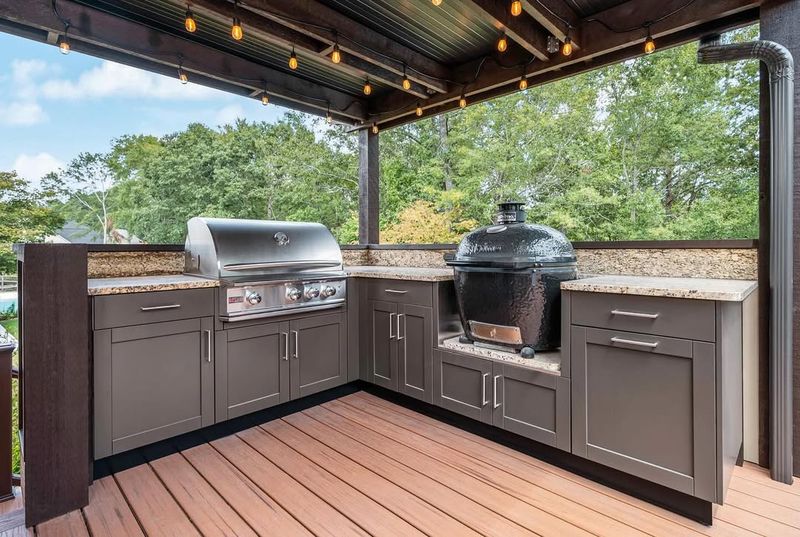
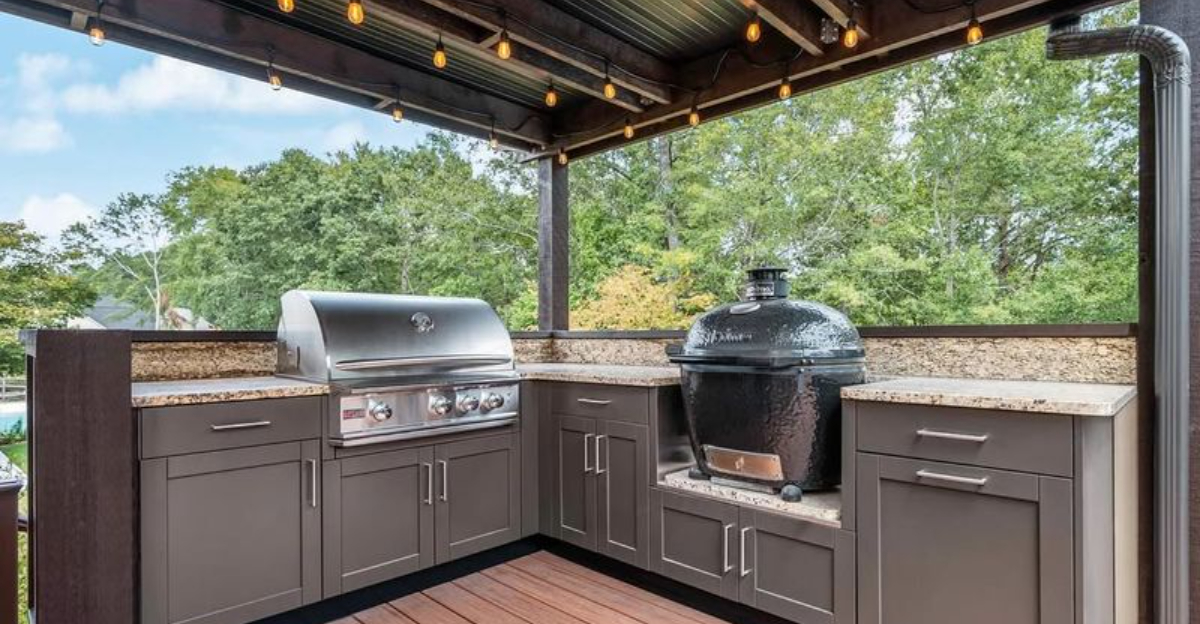
Outdoor cooking spaces with built-in grills, refrigerators, and pizza ovens promise backyard luxury and visions of frequent gatherings.
Construction costs climb fast once gas lines, electrical wiring, plumbing, weatherproof cabinetry, and durable countertops are included.
Outdoor-rated appliances cost far more than indoor models, and harsh conditions speed up wear that leads to pricey repairs or replacements.
Maintenance demands rise quickly because these kitchens face nonstop sun, rain, humidity, temperature swings, and pests drawn to food areas.
Cleaning proves harder than indoors, as dust, pollen, leaves, and debris build up and require constant attention.
Many families find they use these setups only a few times each year, driving the cost per use uncomfortably high.
Protecting everything from weather means covers, enclosures, or seasonal winterizing that adds time and expense beyond the initial investment.
Repairs often arrive sooner than expected when appliances fail or connections leak under constant outdoor exposure.
Over time, the convenience fades as upkeep and costs outweigh how often the space actually gets used.
6. Planting Fast-Growing Problem Trees
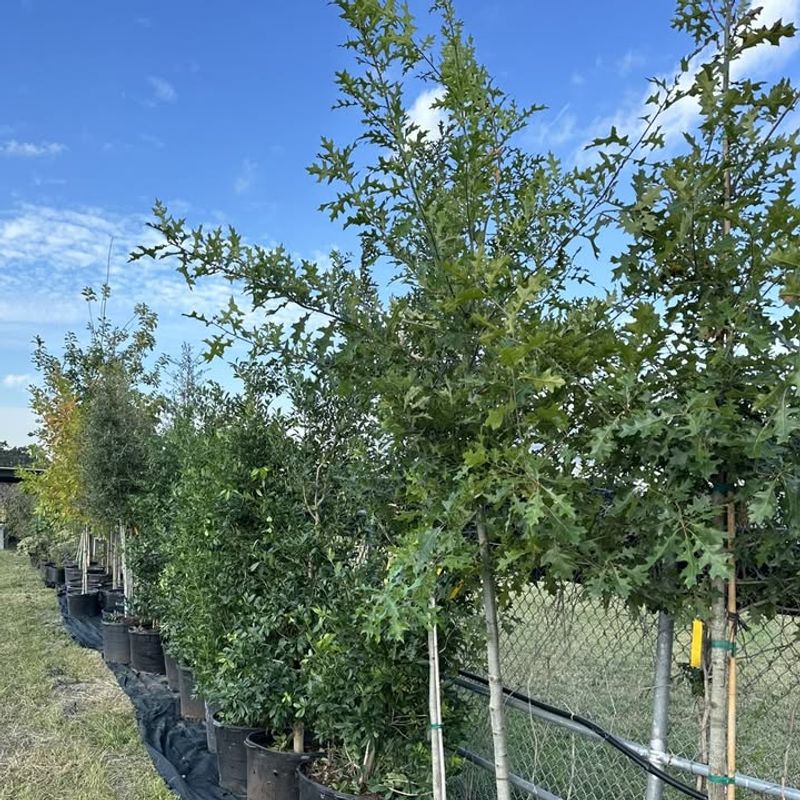
Quick-growing species like Bradford pears and Arizona ash promise fast shade and privacy, appealing to homeowners eager for instant landscape changes.
These trees form weak branch structures that split during storms, creating hazards and costly emergency removals when limbs hit homes, vehicles, or power lines.
Aggressive root systems invade plumbing lines, crack foundations, and lift sidewalks, leading to repair bills that far exceed planting costs.
Short lifespans mean replacement comes much sooner than with slower-growing natives, and removing mature problem trees often costs thousands.
Some fast growers produce heavy pollen, messy seed pods, or foul-smelling flowers that become ongoing nuisances.
Texas cities sometimes restrict or ban these species, leaving homeowners responsible for removal and replacement under updated ordinances.
Choosing native trees like live oaks or cedar elms takes patience but delivers decades of beauty without ongoing failures or costly surprises.
Storm damage often leaves homeowners dealing with insurance claims, cleanup crews, and sudden safety concerns they never planned for.
What starts as a quick landscaping win can turn into a long-term liability that affects property value and curb appeal.
7. Creating High-Tech Irrigation Systems
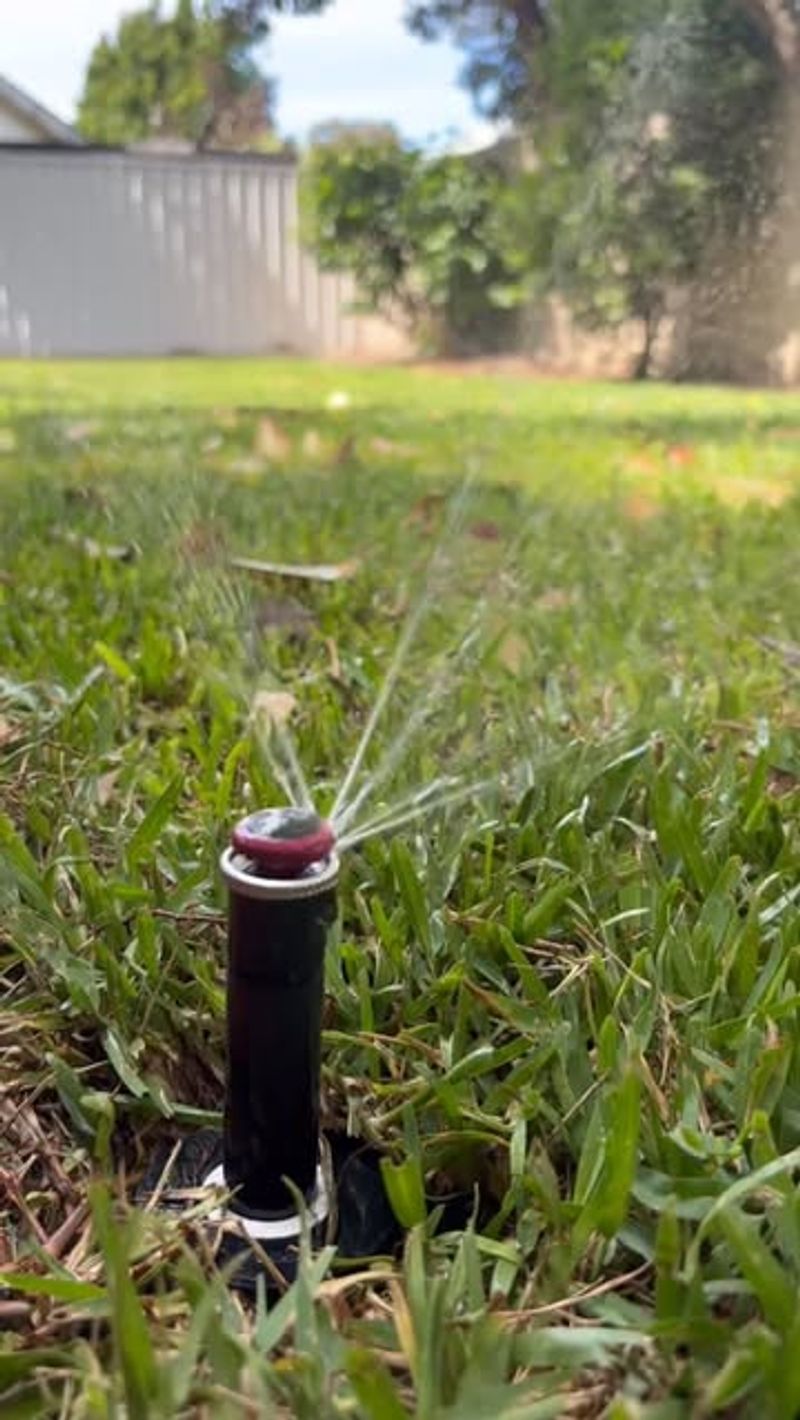
Automated watering systems with smartphone controls and moisture sensors attract tech-savvy homeowners seeking easy yard care without constant effort.
Installation requires professional work, property trenching, multiple valve zones, controller units, and many sprinkler heads, creating high upfront costs.
Programming these systems correctly takes technical know-how many homeowners lack, leading to overwatering, underwatering, or damaging malfunctions.
Components often fail due to Texas weather extremes, lawn equipment damage, and normal wear, resulting in frequent repairs and service calls.
Water pressure problems, clogged nozzles, broken pipes, and electrical issues create ongoing frustration instead of set-and-forget convenience.
Many advanced systems waste water because scheduling isn’t adjusted for seasonal changes, rainfall, or shifting plant needs.
Simple soaker hoses, drip irrigation, and manual watering for small areas usually cost less while giving direct control over water use.
Utility audits or city inspections can also flag inefficient systems, forcing costly adjustments to meet local conservation rules.
For some homeowners, the promised convenience disappears once troubleshooting and repair time becomes part of the weekly routine.
8. Designing Elaborate Outdoor Lighting
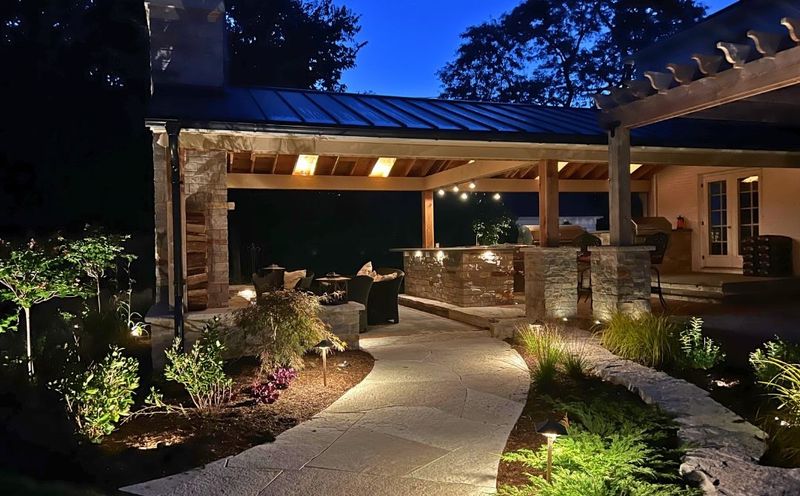
Landscape lighting dramatically boosts nighttime curb appeal, but large systems quickly become expensive investments over time.
Professional installation involves transformers, buried wiring, multiple fixture types, and careful planning by electricians experienced in outdoor lighting.
Bulb replacement turns into a regular chore when dozens of fixtures are spread across the property, even with longer-lasting LED options.
Electricity use adds up when lights run nightly for security or appearance, especially with power-hungry halogen bulbs.
Texas weather wears fixtures down faster than expected, leading to rust, corrosion, moisture damage, and frequent repairs or replacements.
Overly bright setups create glare, annoy neighbors, waste energy, and contribute to light pollution that affects wildlife.
Using fewer, well-placed fixtures delivers safety and visual appeal at lower cost while reducing maintenance, energy use, and environmental impact.
Timers, sensors, and smart controls add another layer of complexity that can fail or need recalibration over time.
In some neighborhoods, excessive lighting can even trigger complaints or violations tied to local dark-sky or nuisance lighting rules.
9. Installing Synthetic Turf Everywhere
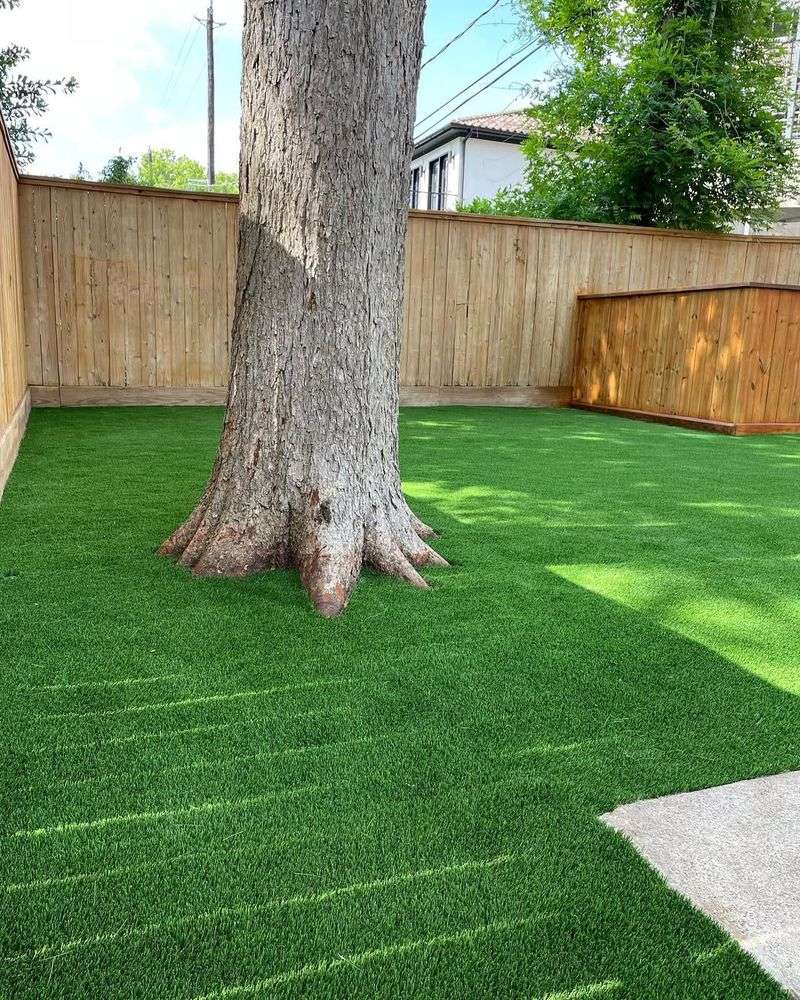
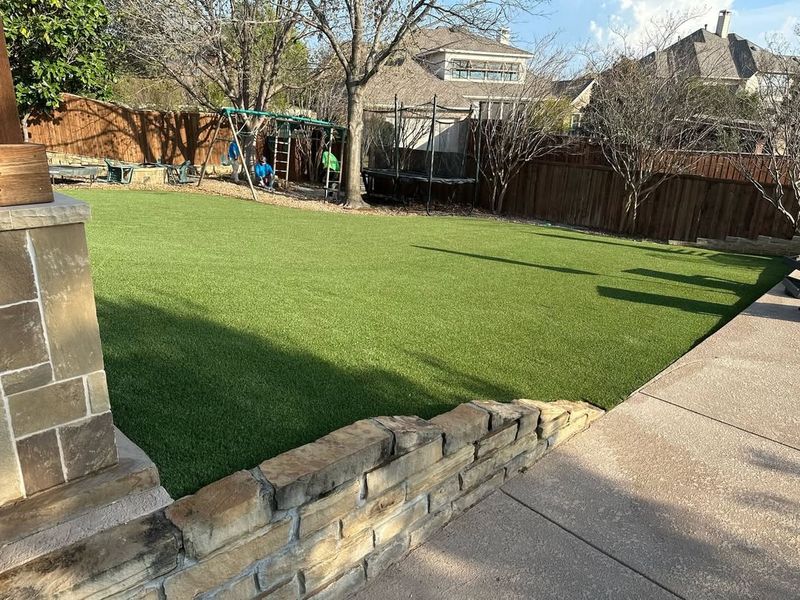
Artificial grass removes the need for mowing and watering, which appeals to busy Texas families dealing with drought restrictions and limited free time.
Installation costs surprise many homeowners because quality turf requires site preparation, drainage, base materials, and professional installation that often exceed natural grass costs.
Heat retention makes artificial surfaces uncomfortably hot in Texas summers, sometimes hot enough to burn bare feet and limit outdoor use.
Durability becomes a concern as cheaper products break down under intense sun, while premium options carry steep price tags.
Pet use creates cleaning challenges, requiring special treatments to control odors, bacteria, and staining that natural grass handles on its own.
Environmental concerns include petroleum-based materials, disposal issues at replacement, and the loss of cooling and oxygen benefits living grass provides.
Using artificial turf only in high-traffic zones while keeping natural landscaping elsewhere offers a practical, lower-cost compromise.
Over time, fading, matting, and seam separation can make turf look worn and unnatural, reducing curb appeal instead of improving it.
For families hoping for a low-effort solution, artificial grass often trades routine mowing for a different set of ongoing headaches.