Large Groups Of Hawks Are Filling Georgia Skies This September
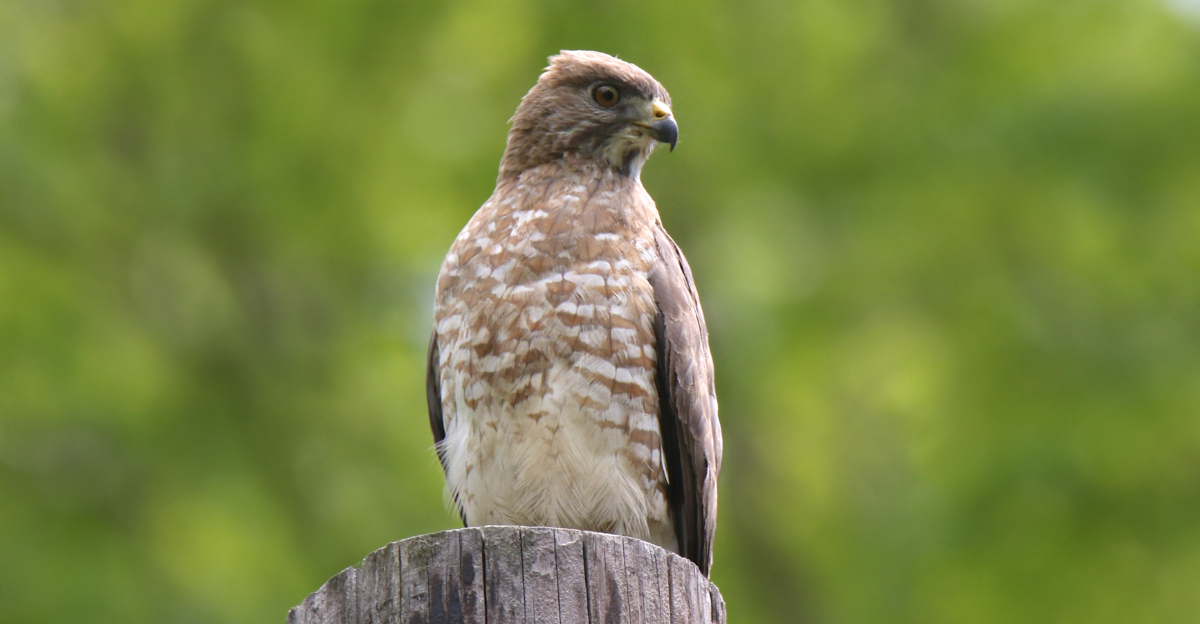
Look up on the right September day, and you may catch dozens of hawks circling together high above the landscape. The sight can feel unusual when you normally see these birds alone.
Those gatherings make much more sense once you know what is happening overhead.
September brings an important seasonal movement through Georgia, and certain weather conditions can concentrate migrating hawks in impressive numbers. Instead of traveling separately, they may use the same favorable air currents.
That shared route can turn an ordinary afternoon sky into something worth stopping to watch.
You do not need special equipment to appreciate the movement, but knowing where and when to look certainly helps. Pay attention when conditions seem favorable for migration.
Once you understand the reason behind those circling groups, the September sky becomes far more interesting.
1. Those Extra Hawks Above Your Yard Are Showing Up For A Reason
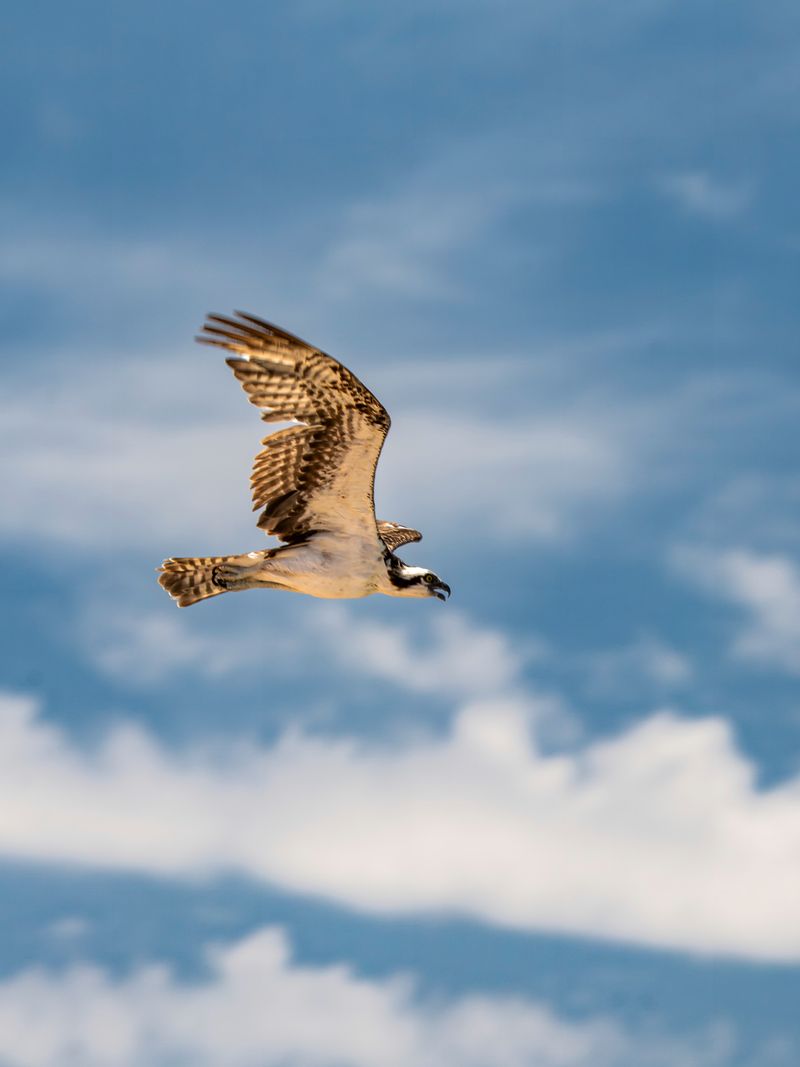
Look up on a warm September afternoon, and you may count more hawks in ten minutes than you noticed all summer.
Most of those birds are Broad-winged Hawks, a crow-sized forest raptor that migrates in flocks rather than alone. Their sudden appearance has nothing to do with anything new in your yard.
Georgia sits along a busy southbound flight path, so birds from across the eastern United States funnel overhead each fall.
Adults show a chunky body, a short tail with bold white bands, and fairly pointed wingtips when they glide. Seen from below, they can look almost pale in strong sunlight.
Groups can range from a handful of birds to several hundred circling together.
Birders call those spinning flocks kettles, since the birds swirl like something stirred in a pot. Watching one form takes patience, but it happens quickly once the air warms.
Nothing about the sight signals trouble in your neighborhood.
Movement like this repeats every year, usually peaking between mid and late September depending on weather and wind direction. Cool fronts often push more birds through at once.
Neighbors sometimes assume a hawk is hunting their feeder birds, though these travelers usually keep climbing and drifting south without stopping.
Keep binoculars near the back door, because kettles rarely wait around.
Give the sky a minute or two, and the whole group can disappear past the treeline.
2. September Brings A Big Increase In Broad-Winged Hawks
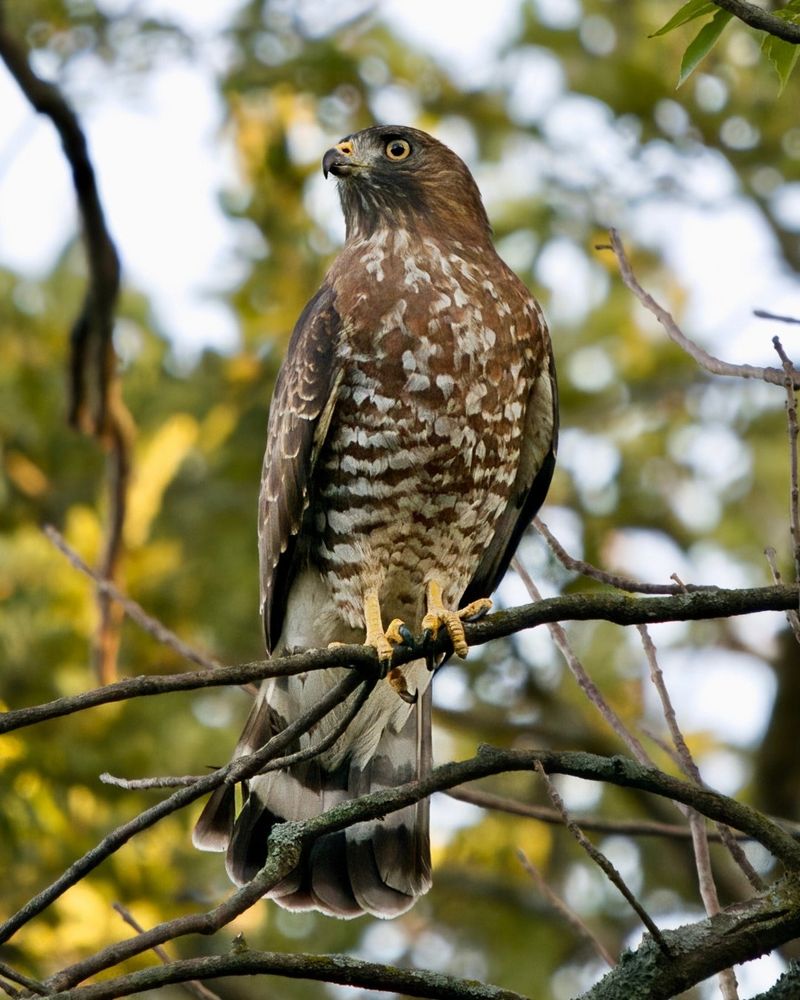
Numbers climb quickly once the first half of September passes.
Broad-winged Hawks nest across eastern woodlands, then leave early compared with most other raptors. Their southbound push tends to be squeezed into a short window rather than spread across months.
Hawk watch sites in the Southeast often report their heaviest daily counts during the middle and later part of the month.
Exact timing shifts from year to year, since wind and weather steer how fast the flocks move. A strong cool front can send a wave through in a single afternoon.
Some days bring almost nothing, then the next brings hundreds.
Ridges, river valleys, and open farmland in north Georgia tend to concentrate the flight, though birds pass over cities and suburbs too. Backyard sightings happen anywhere with a clear view of the sky.
Your Georgia Garden Changes Every Week. Your Plan Should Too.
Gardening in Georgia changes quickly throughout the season. Every Friday you’ll receive a simple weekly plan showing exactly what to plant, prune, fertilize, harvest, and protect so you never miss the right timing.
Late September usually marks the tail end of the surge.
Counting is part of the fun, and casual watchers often keep a notebook of dates and rough numbers. Comparing years gives you a personal sense of when the birds tend to arrive.
Local Audubon chapters sometimes host public hawk watches during peak weeks, which is an easy way to learn the shapes overhead.
Bring a folding chair, water, and sunglasses, because good viewing means staring upward for long stretches.
Patience pays off when a distant speck turns into a swirling column of wings.
3. Tall Trees Can Give Traveling Hawks A Place To Rest
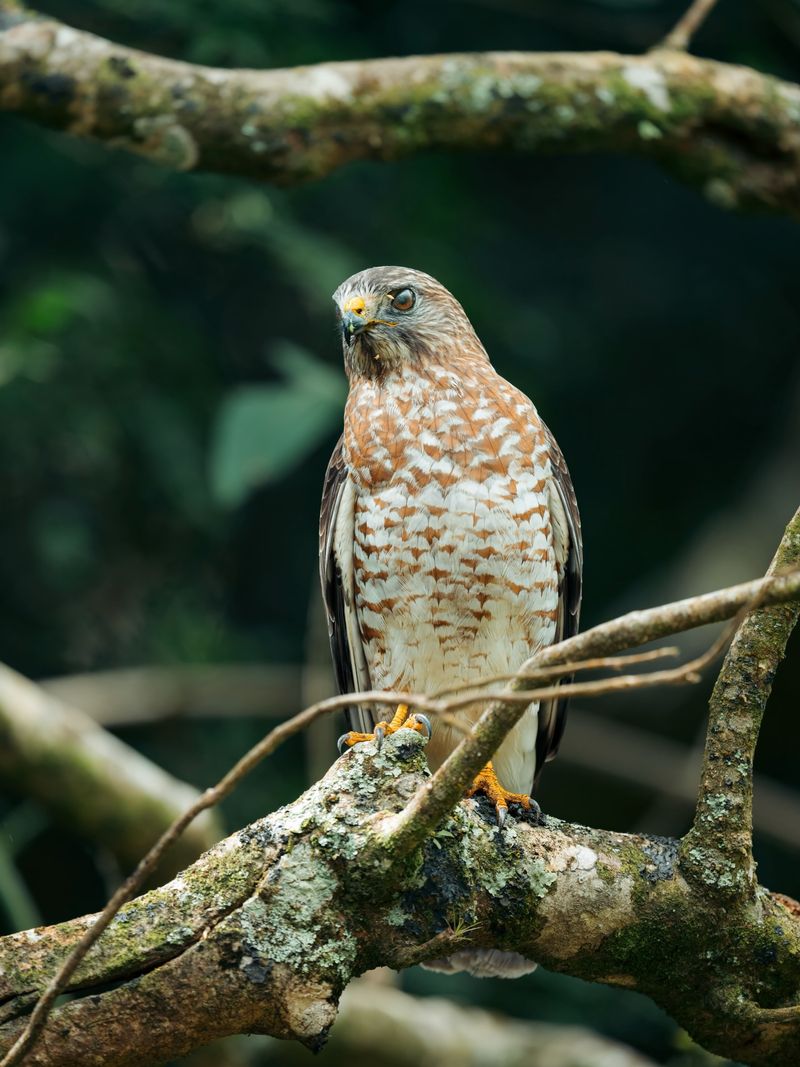
Every migrating hawk needs somewhere to spend the night.
Tall pines, oaks, and hickories along woodland edges make useful roosts, especially where branches sit high and open. Birds drop in near sunset, then leave once the air warms the next morning.
Finding one perched quietly is far more common than most people expect.
A resting hawk often sits still for long stretches, which makes it easy to walk right past without noticing. Look for a compact silhouette tucked against the trunk or on a bare upper limb.
Mature hardwoods along creeks in Georgia tend to hold birds overnight.
Leaving a few large trees standing on your property helps more than planting anything new this season, since migrating birds want height and open perches rather than dense cover.
Trimming can wait until winter if you spot regular visitors.
Storm-damaged limbs still deserve attention for safety, so use judgment instead of leaving hazards near the house or driveway. Balance matters more than strict rules here.
Approaching a roosting hawk usually flushes it, which wastes energy the bird spent all day saving.
Watch from a window or from across the yard, and give the bird room to settle back down.
Morning departures happen fast, often within a minute of the first strong sun hitting the treetops.
Keep a chair facing your tallest trees if you want a shot at that moment.
4. Wooded Yards May Make These Visitors Easier To Notice
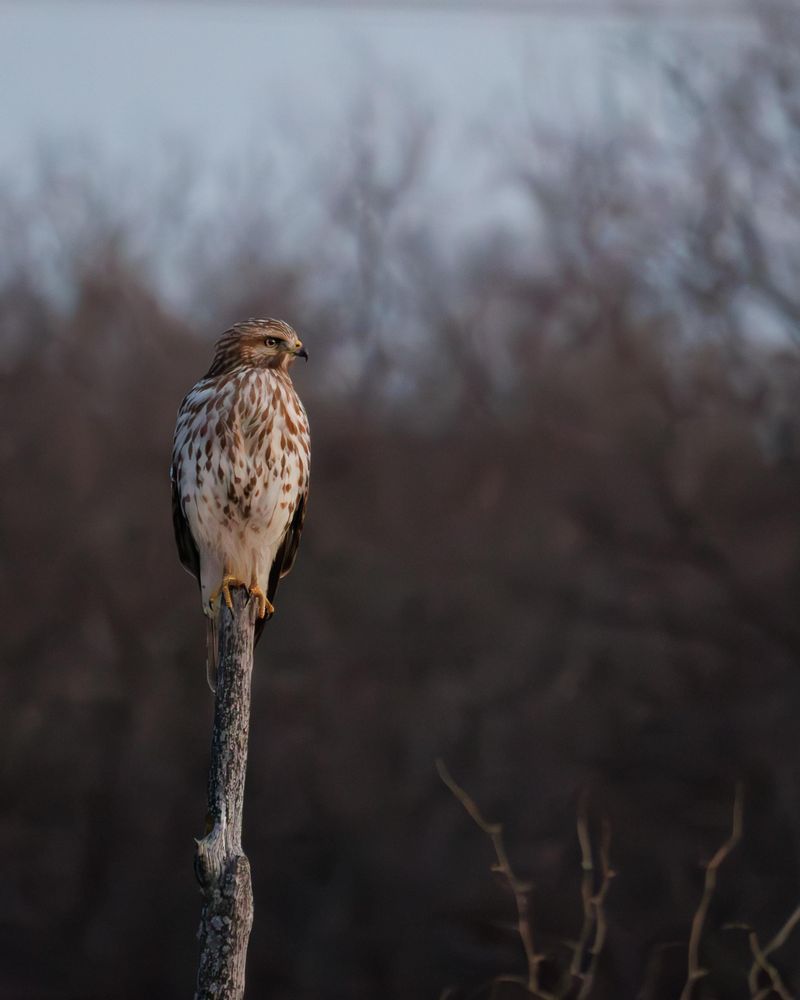
Yard setting shapes how often you spot a hawk overhead.
Properties bordered by woods, creek corridors, or greenway strips tend to produce more sightings, partly because birds pause there and partly because gaps in the canopy pull your attention upward.
Sound gives away plenty too.
Broad-winged Hawks have a thin, high whistle that carries well through the trees, though migrating flocks stay fairly quiet compared with nesting birds. Blue Jays and crows often start scolding the moment a raptor lands nearby.
Sudden silence at a feeder can mean the same thing.
Suburban neighborhoods across Georgia with mature canopy often report more September hawk activity than open subdivisions with young trees, though a clear view of the sky still helps for spotting kettles.
Both settings have advantages, so use what you have.
Standing in a driveway or street opening gives the wide view a shaded yard cannot, while the woods themselves give closer looks at perched birds.
Squirrels react as well, freezing flat against branches when a hawk passes low.
Learning those small signals turns an ordinary afternoon outside into decent birdwatching without any special gear.
Keep a field guide or a bird app handy, since juvenile hawks look different from adults and cause plenty of confusion.
Photos help too, even blurry phone shots taken through binoculars.
Comparing notes with neighbors often fills in whatever you missed.
5. Your Bird Feeders Are Not What Is Bringing Them Through
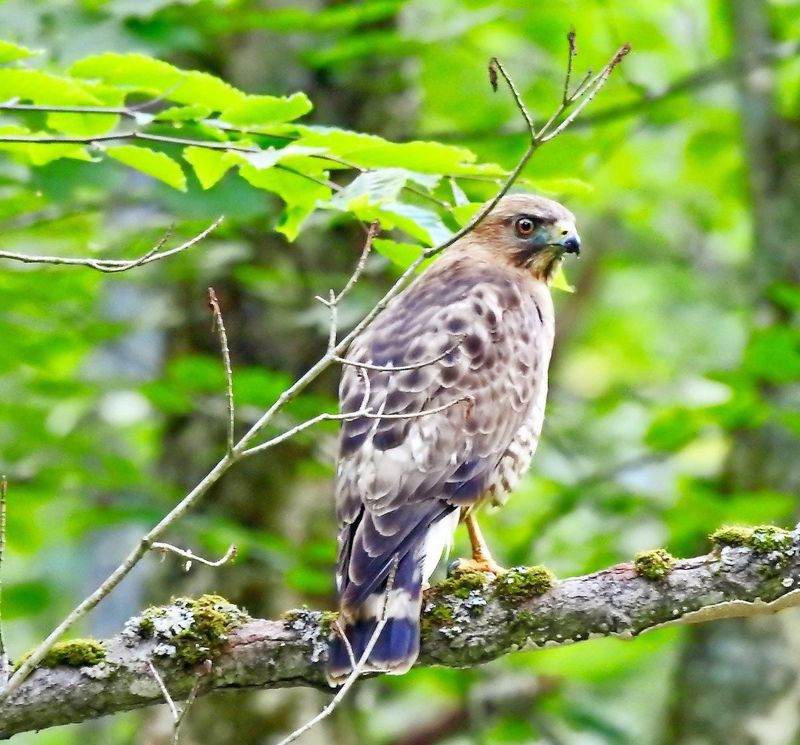
Feeders get blamed for a lot of things they have nothing to do with.
Broad-winged Hawks hunt from perches inside the woods and take insects, frogs, small snakes, rodents, and the occasional young bird. Songbird chases at a feeder are not their usual style.
Accipiters are the ones raiding feeders.
Cooper’s Hawks and Sharp-shinned Hawks have long tails and short rounded wings built for quick dashes through cover, and both live here year round. Confusing them with migrating broad-wings is common.
Taking feeders down for the season is rarely necessary.
If an accipiter starts hunting your yard daily, pausing feeding for a week or two usually breaks the routine and scatters the crowd. Moving the feeder closer to shrubs also gives songbirds cover.
Placement beats removal in most cases.
Keep feeders within about three feet of a window or well beyond ten feet, which lowers the odds of hard collisions during a panic flush.
Seed choice will not attract or repel a passing broad-wing either.
Their fall movement follows weather and daylight, not whatever is sitting in your tube feeder.
Clean feeders every couple of weeks anyway, since warm and humid conditions encourage mold on damp seed.
Fresh seed and a tidy tray keep the regular crowd healthy through the busy migration weeks.
Watching who shows up and who vanishes tells you more than guessing ever will.
6. Birdbaths Can Keep Supporting The Other Birds In Your Yard
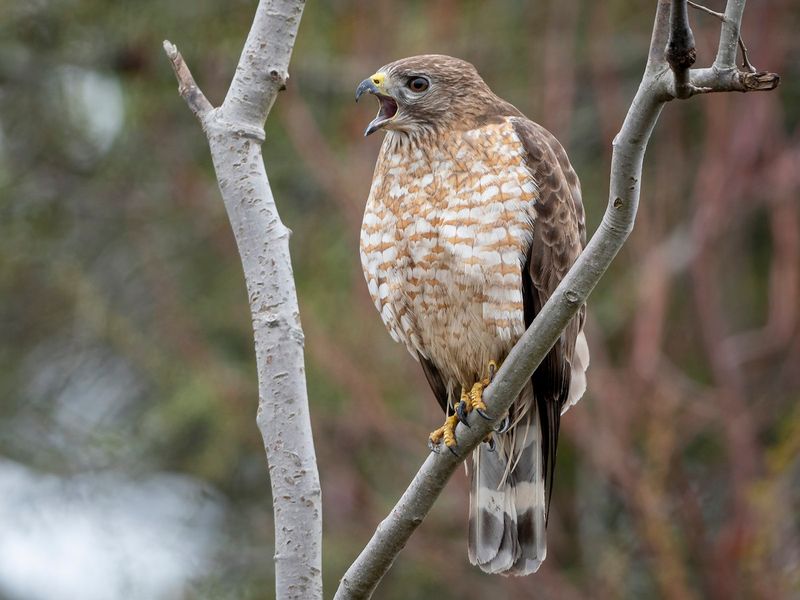
Water pulls in birds that feeders never reach.
Warblers, vireos, thrushes, and tanagers move through in September, and most of them ignore seed but stop readily at a shallow bath. Dry stretches make that water even more valuable.
Depth matters more than size.
An inch or two works for small songbirds, and adding a flat stone in the middle gives shorter birds a place to stand. Deep basins tend to get used less.
Rinse and refill every couple of days in warm weather.
Scrubbing with a stiff brush keeps algae and slime down, and a weak vinegar rinse handles buildup without leaving residue that might bother birds. Skip harsh cleaners entirely.
Movement is the best upgrade you can make.
A small dripper or solar bubbler creates sound and ripples that traveling birds notice from a distance, and moving water also discourages mosquito larvae. Standing water left for a week can breed them.
Placement takes a little thought.
Set the bath within a short hop of shrubs so wet birds can duck away quickly, but avoid burying it in dense cover where a hunting hawk could ambush from a foot away.
September in Georgia often stays hot and dry, so a reliable water source can be busier than any feeder on the property.
Check it each morning, and you will likely notice new species stopping by all month.
7. Most Of These Hawks Will Keep Moving South Before Winter
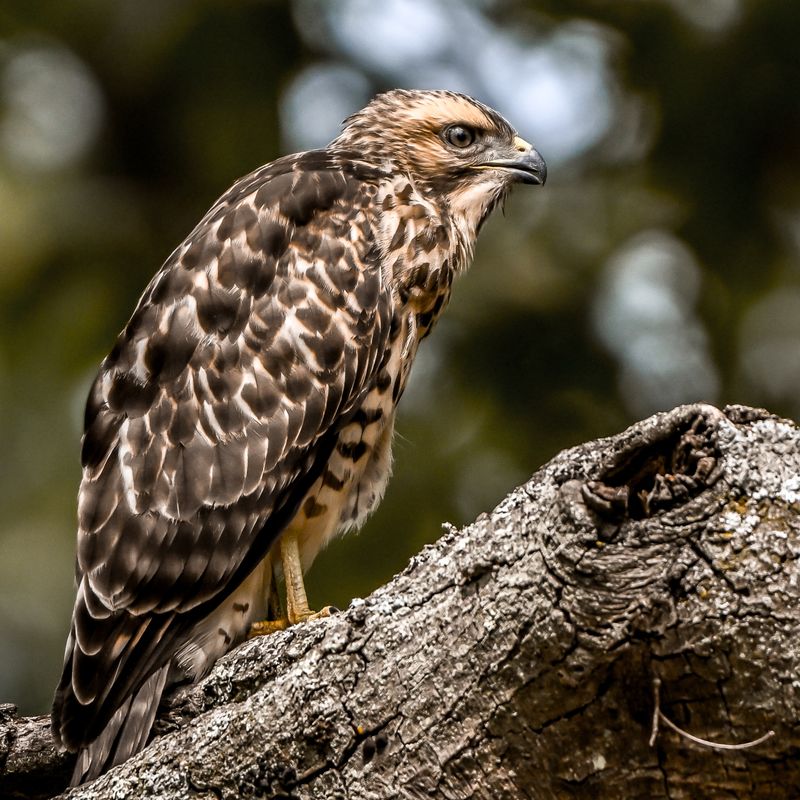
Almost none of these travelers stick around.
Broad-winged Hawks winter mostly in Central and South America, and the bulk of the flight clears the Southeast by early October. A few stragglers turn up later, though sightings drop off sharply.
Winter hawks in the yard are usually different birds entirely.
Red-shouldered and Red-tailed Hawks stay through the cold months across Georgia, and both become far more visible once the leaves drop. Their calls carry on quiet January mornings.
Size and shape separate them quickly with a little practice.
Red-tailed Hawks perch on poles and fence posts along highways, while red-shouldereds prefer wet woods and suburban creeks with plenty of cover. Broad-wings simply are not part of that winter mix.
Return flights start in spring.
Northbound movement in March and April tends to be more scattered than the fall push, so spring kettles are usually smaller and harder to catch. Fall gives you better odds.
Mark your calendar for next September.
Same yard, same sky, and often the same peak week, give or take a few days depending on fronts and wind.
Jotting down first and last dates each year builds a small personal record that becomes surprisingly useful over time.
Compare it with local hawk watch reports, and patterns start showing up fast.
Few backyard events are this predictable and this easy to enjoy.