12 Large Houseplants That Transform Empty Spaces In Texas Homes
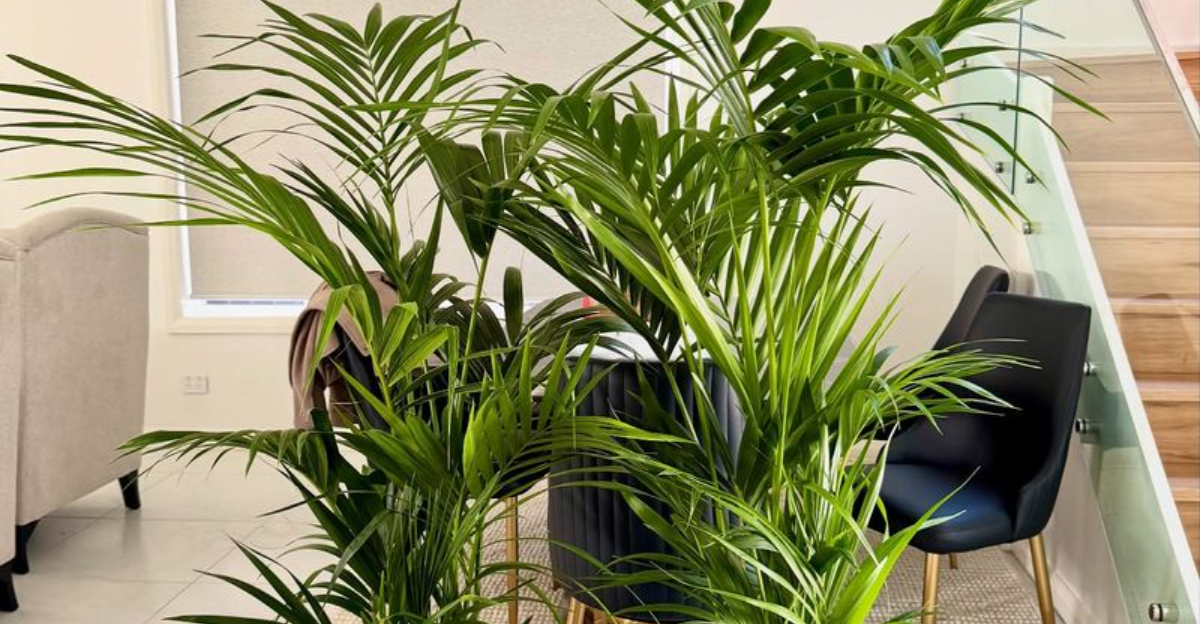
Big Texas homes call for bold moves, and nothing fills empty space faster than a large houseplant with presence.
A wide corner, tall ceiling, or bare wall can feel cold and unfinished, like a room waiting for its personality to arrive.
Oversized plants solve that problem in one stroke, adding height, texture, and life without a single hammer or nail.
In a state known for going big, small décor often falls flat.
Large houseplants anchor a room, soften hard lines, and create instant balance between comfort and style.
They also bring a sense of calm that cuts through heat, noise, and nonstop schedules.
From dramatic leaves to tree-like forms, these plants turn wasted square footage into a focal point worth noticing.
1. Fiddle Leaf Fig
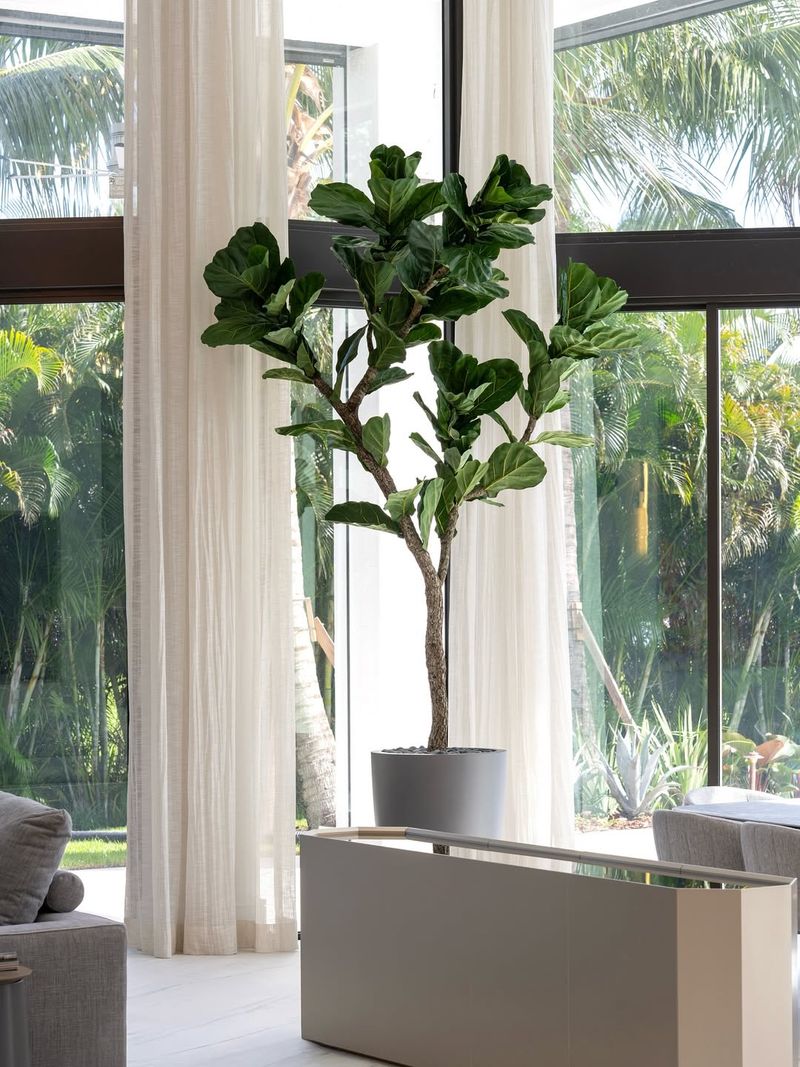
With leaves shaped like violins and a stately trunk that can reach ceiling height, this plant has become a favorite among interior designers.
Fiddle leaf figs love bright, indirect sunlight, making them perfect for those sun-drenched Texas rooms with big windows.
The thick, glossy leaves create a bold statement that draws the eye upward and makes ceilings appear even taller.
One thing to remember is that this plant prefers consistency.
Sudden changes in light or temperature can cause leaf drop, so find a permanent spot where it can settle in.
Water when the top two inches of soil feel dry, usually once a week during warmer months.
Texas humidity levels work well for this tropical beauty, though you might need to mist the leaves occasionally during winter when indoor heating runs.
Wipe the large leaves with a damp cloth monthly to remove dust and keep them looking their best.
A well-placed fiddle leaf fig can anchor an entire room and serve as a living sculpture that grows more impressive each year.
2. Bird Of Paradise
Imagine bringing a slice of tropical paradise right into your home.
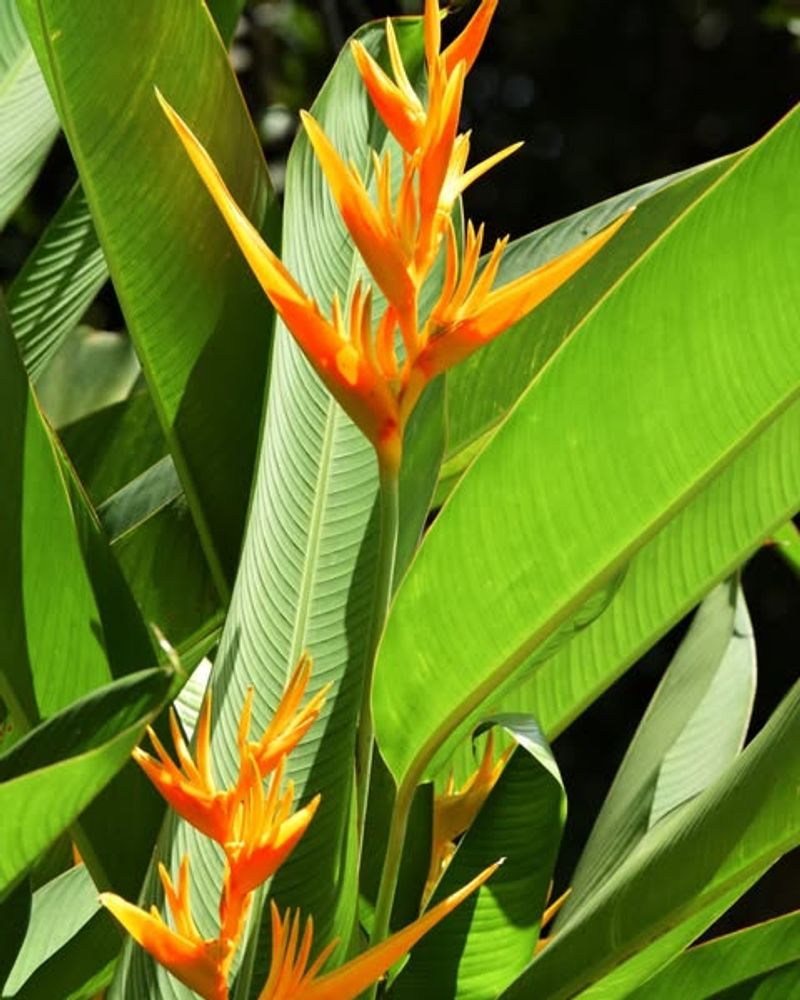
Bird of paradise plants feature enormous paddle-shaped leaves that fan out dramatically, creating an instant vacation vibe.
The foliage can stretch five to six feet tall, perfect for filling that empty corner by the staircase or next to a patio door.
This plant absolutely loves sunshine, so position it near south or west-facing windows where Texas light pours in generously.
The more sun it receives, the better it grows and the more likely you are to see those stunning orange and blue flowers that resemble exotic birds.
Water thoroughly when the soil surface dries out, typically every week or so.
Bird of paradise handles the dry indoor air common in Texas homes better than many tropical plants.
Feed monthly during spring and summer with a balanced fertilizer to encourage robust growth.
The architectural form of this plant creates vertical interest while the horizontal leaves add width, making it excellent for balancing room proportions.
Expect new leaves to emerge regularly during the growing season, each one unfurling like a green banner.
3. Rubber Plant
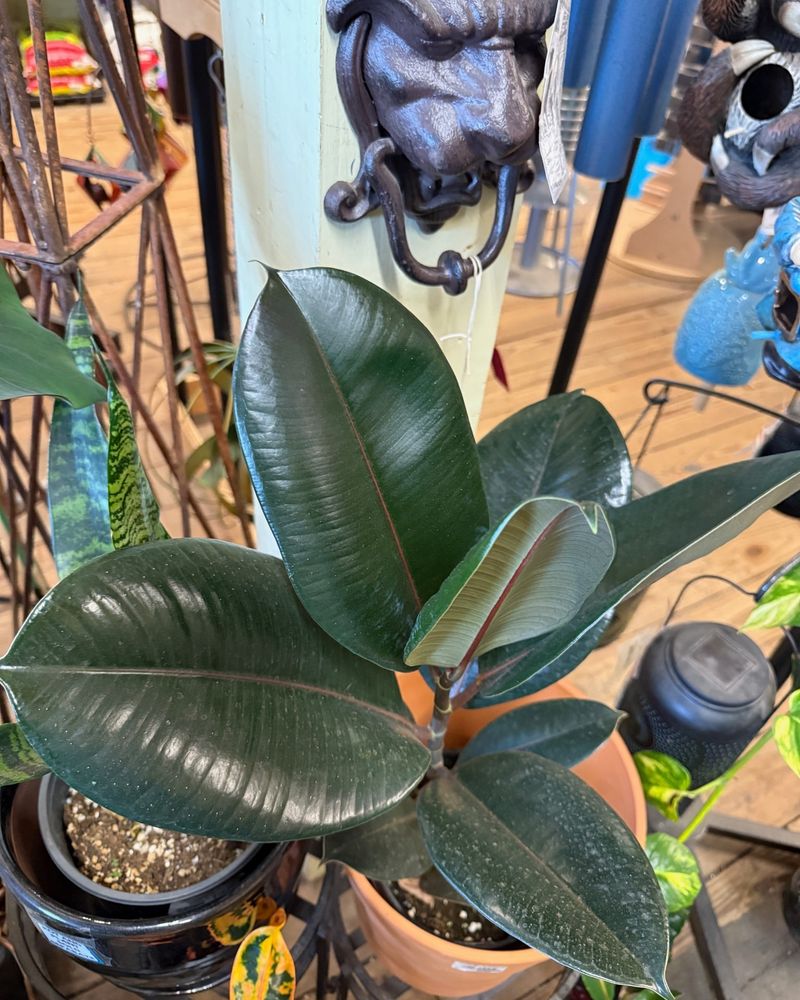
Rubber plants bring an old-fashioned charm combined with modern elegance that suits Texas homes beautifully.
The thick, waxy leaves come in shades from deep burgundy to variegated cream and green, offering options to match any decor style.
This plant grows quickly when happy, potentially adding a foot or more each year until it reaches your desired height.
Bright, filtered light works best, though rubber plants tolerate lower light conditions better than many large houseplants.
Place one in a room that gets morning sun or sits a few feet back from a bright window.
Water when the top inch of soil feels dry, being careful not to overwater since this can cause leaf drop.
The natural resilience of rubber plants makes them forgiving choices for busy households.
Wipe those glossy leaves down every few weeks to maintain their shine and help the plant breathe properly.
As your rubber plant matures, you can prune it to encourage bushier growth or let it grow tall and tree-like.
The substantial presence of a mature rubber plant commands attention without overwhelming a space, striking that perfect balance Texas homeowners appreciate.
4. Monstera Deliciosa
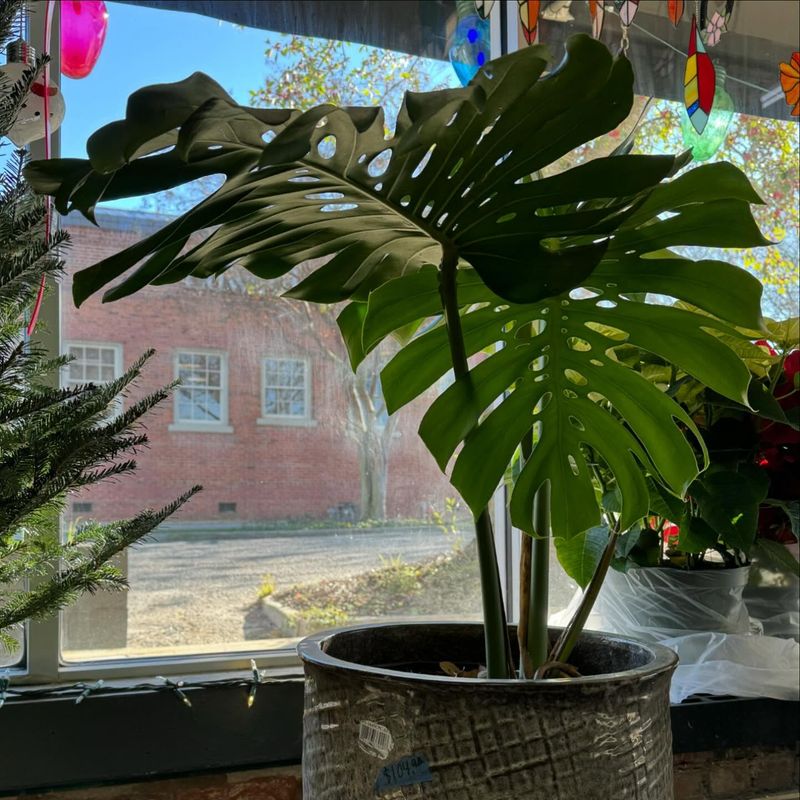
Those iconic split leaves have made this plant an Instagram sensation, but monstera deliciosa earned its popularity long before social media existed.
The natural fenestrations, or holes, in mature leaves create fascinating shadows and add an artistic element to any room.
Young plants start with solid heart-shaped leaves, developing their signature splits as they mature and receive adequate light.
Monstera thrives in bright, indirect light but adapts well to medium light conditions too.
This flexibility makes it suitable for various spots throughout Texas homes.
Water when the top two inches of soil dry out, and consider using a moss pole or trellis to support upward growth.
The climbing nature of monstera means it can grow as tall as your ceiling allows, or you can train it to spread horizontally.
Aerial roots often develop along the stem, adding to the plant’s wild, jungle appearance.
Humidity helps this tropical plant flourish, though it handles typical Texas indoor conditions reasonably well.
Occasional misting or placing the pot on a pebble tray with water can boost growth.
One mature monstera can transform an entire corner into a green oasis that feels both sophisticated and relaxed.
5. Dracaena Marginata
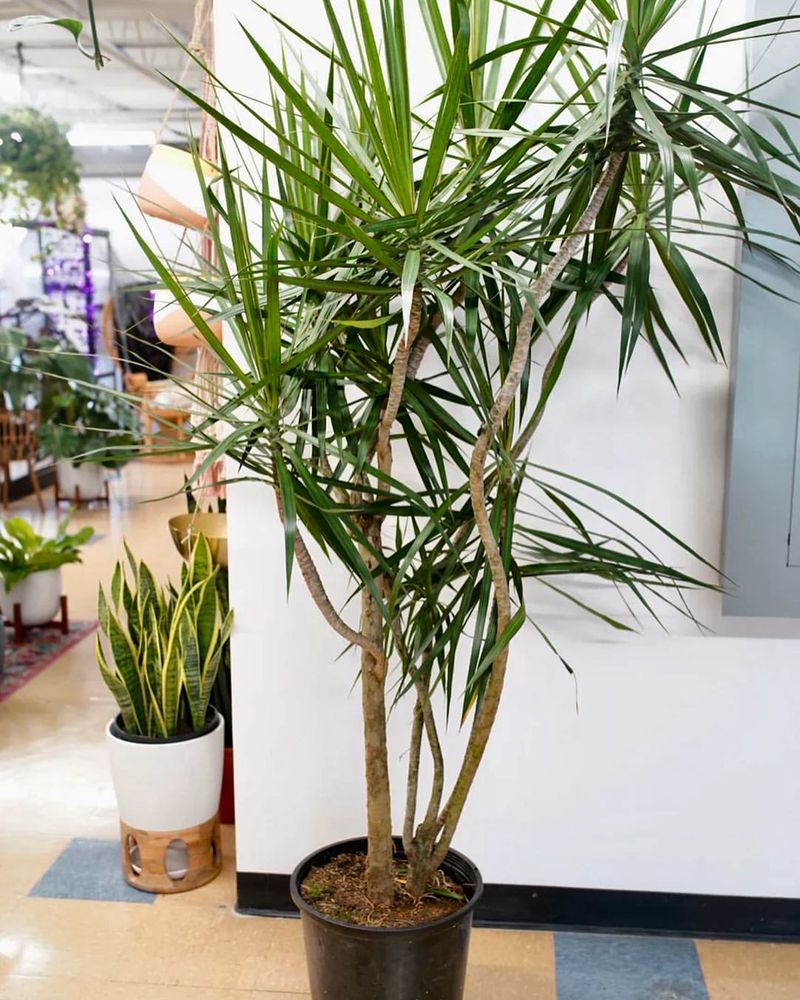
Sometimes called the dragon tree, dracaena marginata brings a sculptural quality that works wonderfully in contemporary Texas interiors.
Thin, arching leaves edged in red or pink cascade from woody stems that twist and turn as they grow taller.
The vertical growth habit makes this plant ideal for narrow spaces where width is limited but height is abundant.
Dracaena marginata tolerates a wide range of light conditions, from bright indirect to relatively low light.
This adaptability means you can place it almost anywhere and watch it thrive.
Water sparingly, allowing the soil to dry out between waterings since overwatering causes more problems than underwatering with this species.
The drought tolerance makes it particularly suited to Texas gardeners who might travel frequently or simply prefer low-maintenance plants.
As the plant matures, lower leaves naturally drop, leaving attractive stem patterns and creating a tree-like silhouette.
Multiple stems planted together create fuller arrangements, while single-stem specimens offer minimalist appeal.
Dracaena marginata rarely needs repotting and grows slowly enough that you won’t constantly battle for space.
The subtle color variations in the foliage add visual interest without overwhelming neutral color schemes popular in Texas homes.
6. Yucca Cane
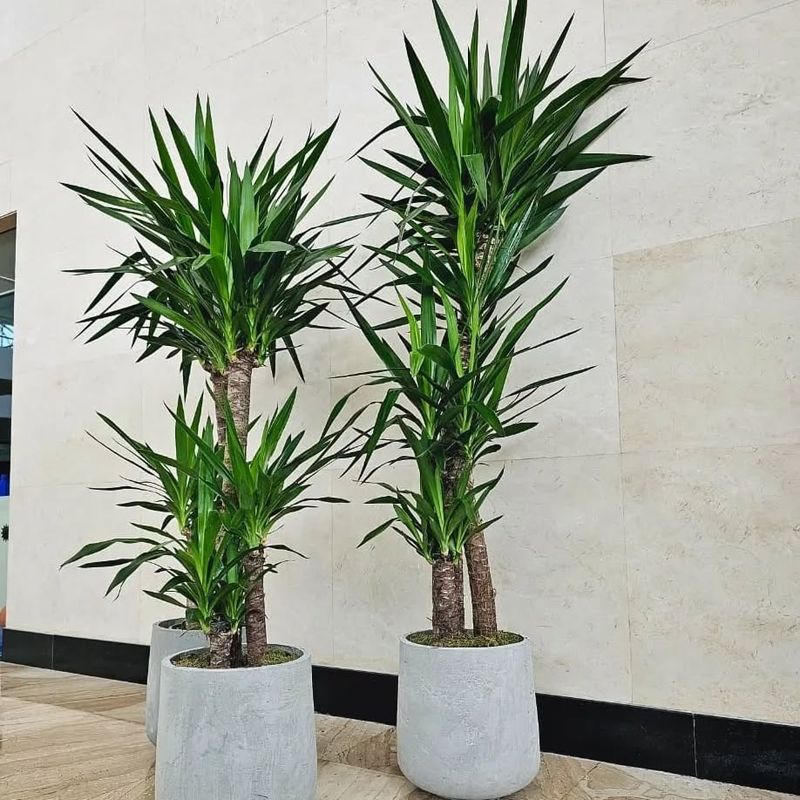
Nothing says Texas quite like a yucca, and bringing one indoors creates an instant connection to the landscape outside.
Sword-shaped leaves radiate from thick, woody canes in dramatic rosettes that command attention.
Yucca cane plants can reach impressive heights indoors, often growing six to eight feet tall in the right conditions.
Full sun to bright light suits this desert native perfectly, so position it near the sunniest window in your home.
The more light it receives, the more compact and vibrant the foliage remains.
Water infrequently, only when the soil has completely dried out.
Yucca stores water in its thick trunk, making it extremely drought-tolerant and ideal for forgetful waterers.
The architectural form pairs beautifully with southwestern, modern, or industrial design styles.
Sharp leaf tips mean you should place yucca away from high-traffic areas where people or pets might brush against it.
This plant rarely suffers from pests or diseases, maintaining its good looks with minimal intervention.
Dust the leaves occasionally and rotate the pot quarterly to ensure even growth on all sides.
A mature yucca brings that rugged Texas spirit indoors while requiring almost no maintenance.
7. Parlor Palm

Victorian homes once featured parlor palms in every fashionable sitting room, and this classic plant remains popular for good reasons.
Delicate, feathery fronds arch gracefully from slender stems, creating a soft, elegant appearance.
Unlike many large houseplants, parlor palms actually prefer lower light conditions, making them perfect for rooms without abundant windows.
That north-facing bedroom or interior hallway can finally have a living element that truly thrives.
Water regularly to keep soil consistently moist but never soggy.
Parlor palms appreciate humidity, so they do well in bathrooms or kitchens where moisture levels naturally run higher.
Growth remains moderate and manageable, with mature plants reaching four to six feet tall indoors.
The fine texture of the foliage contrasts beautifully with broad-leaved plants, making parlor palms excellent companions in grouped arrangements.
Brown leaf tips indicate low humidity or fluoride in tap water.
Switch to filtered or distilled water if you notice this issue.
Parlor palms rarely need repotting and actually prefer being slightly root-bound.
The gentle, refined appearance brings a touch of formal elegance to Texas homes without feeling stuffy or outdated.
8. Ponytail Palm

Despite its common name, ponytail palm is actually a succulent, which explains its incredible drought tolerance.
The swollen trunk base stores water for dry periods, while long, curly leaves cascade down like a whimsical fountain.
This quirky appearance adds personality and conversation-starter appeal to any room.
Bright light encourages the best growth, though ponytail palms adapt to various light levels throughout your home.
The slow growth rate means you can enjoy the same size plant for years without worrying about it outgrowing its space.
Water sparingly, only when the soil has completely dried out.
Overwatering causes more problems than neglect with this desert dweller.
The bulbous base, called a caudex, grows larger and more impressive over time, becoming a sculptural focal point.
Ponytail palms handle the temperature fluctuations common in Texas homes without complaint.
They tolerate cool winter nights and warm summer days equally well.
Fertilize just once or twice during the growing season since these plants prefer lean conditions.
The carefree nature and unique appearance make ponytail palms perfect for anyone who wants impact without intensive maintenance.
Place one in a bright corner and basically forget about it except for occasional watering.
9. African Milk Tree

For something truly dramatic and unexpected, African milk trees bring architectural interest that few plants can match.
Thick, triangular branches grow upward in candelabra formations, often reaching six feet or taller indoors.
Variegated varieties feature striking combinations of green, white, and pink that look almost artificial in their perfection.
Full sun suits this succulent euphorbia best, so place it where Texas sunshine streams in abundantly.
The more light it receives, the more vibrant the coloration becomes.
Water deeply but infrequently, allowing soil to dry completely between waterings.
African milk trees handle neglect far better than overwatering.
The plant produces a milky sap when damaged that can irritate skin, so wear gloves when handling or pruning.
Keep it away from areas where curious children or pets might bump into it.
Small leaves appear along the branch edges but often drop, leaving the structural framework as the main attraction.
The vertical growth habit makes this plant excellent for narrow spaces that need height without width.
Fertilize monthly during spring and summer with diluted cactus fertilizer.
An African milk tree creates instant drama and works particularly well in modern or eclectic Texas interiors that embrace bold design choices.
10. Kentia Palm

Luxury hotels and upscale restaurants often feature kentia palms because they exude effortless elegance and sophistication.
Gracefully arching fronds create a fountain-like silhouette that softens hard architectural lines.
The dark green foliage maintains its color even in lower light conditions, making kentia palms more versatile than many palm species.
Place yours in bright, indirect light for optimal growth, though it tolerates shadier spots admirably.
This adaptability makes it suitable for various rooms throughout Texas homes.
Water when the top inch of soil feels dry, maintaining consistent moisture without waterlogging.
Kentia palms grow slowly and steadily, eventually reaching six to ten feet indoors.
The manageable growth rate means you won’t need to constantly prune or repot.
These palms handle typical indoor temperatures and humidity levels well, rarely showing signs of stress.
Brown leaf tips usually indicate underwatering or low humidity rather than serious problems.
Increase watering frequency slightly or mist the fronds occasionally to address this issue.
The refined appearance suits both traditional and contemporary design styles beautifully.
A mature kentia palm brings that resort-style relaxation into your home, creating a peaceful retreat from the Texas heat outside.
11. Corn Plant
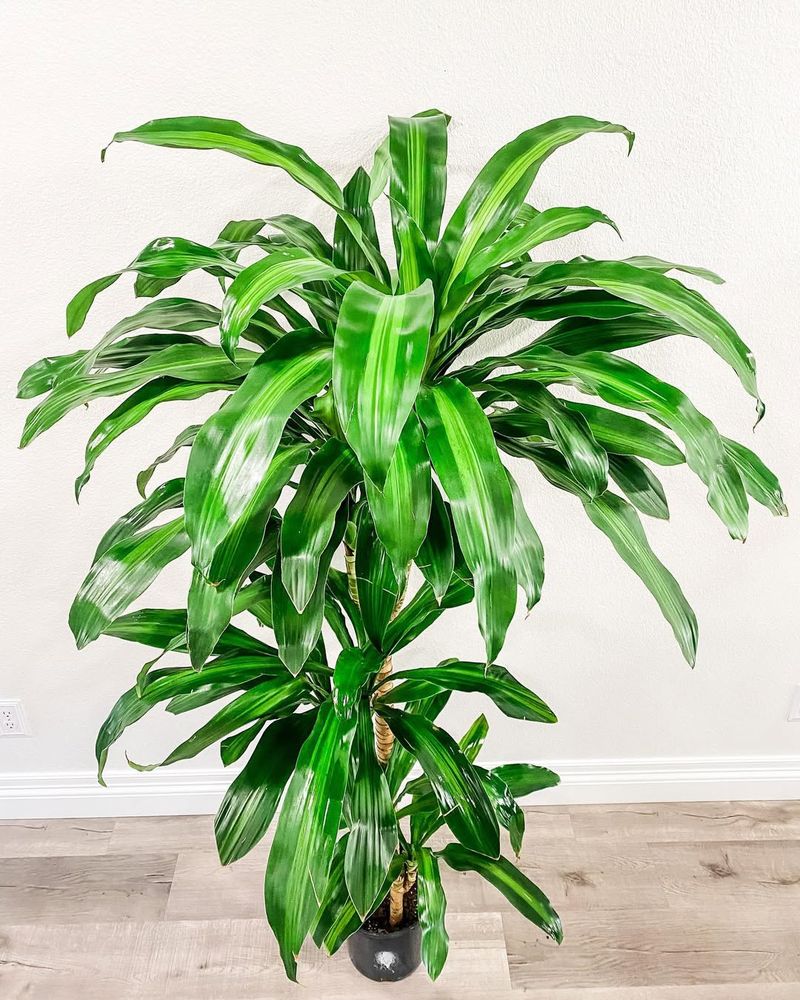
Corn plants earn their name from leaves that resemble young corn stalks, featuring attractive yellow or white stripes down the center.
Multiple canes of varying heights planted together create a layered, forest-like appearance that fills space beautifully.
The arching foliage adds movement and softness to rooms that might otherwise feel too angular or rigid.
Medium to bright indirect light works best, though corn plants tolerate lower light better than many large houseplants.
This flexibility means you can place them in various locations and expect decent results.
Water when the top two inches of soil dry out, being careful not to overwater.
Corn plants prefer their soil on the drier side rather than constantly moist.
The slow to moderate growth rate keeps maintenance manageable over the years.
Mature plants occasionally produce fragrant white flowers on long stalks, though blooming indoors remains relatively rare.
Brown leaf tips often result from fluoride in tap water or low humidity.
Use filtered water and increase moisture around the plant if you notice this issue.
Corn plants work well in home offices, bedrooms, or living areas where their undemanding nature fits busy lifestyles.
The tropical appearance brings warmth to Texas interiors without requiring tropical-level care and attention.
12. Norfolk Island Pine
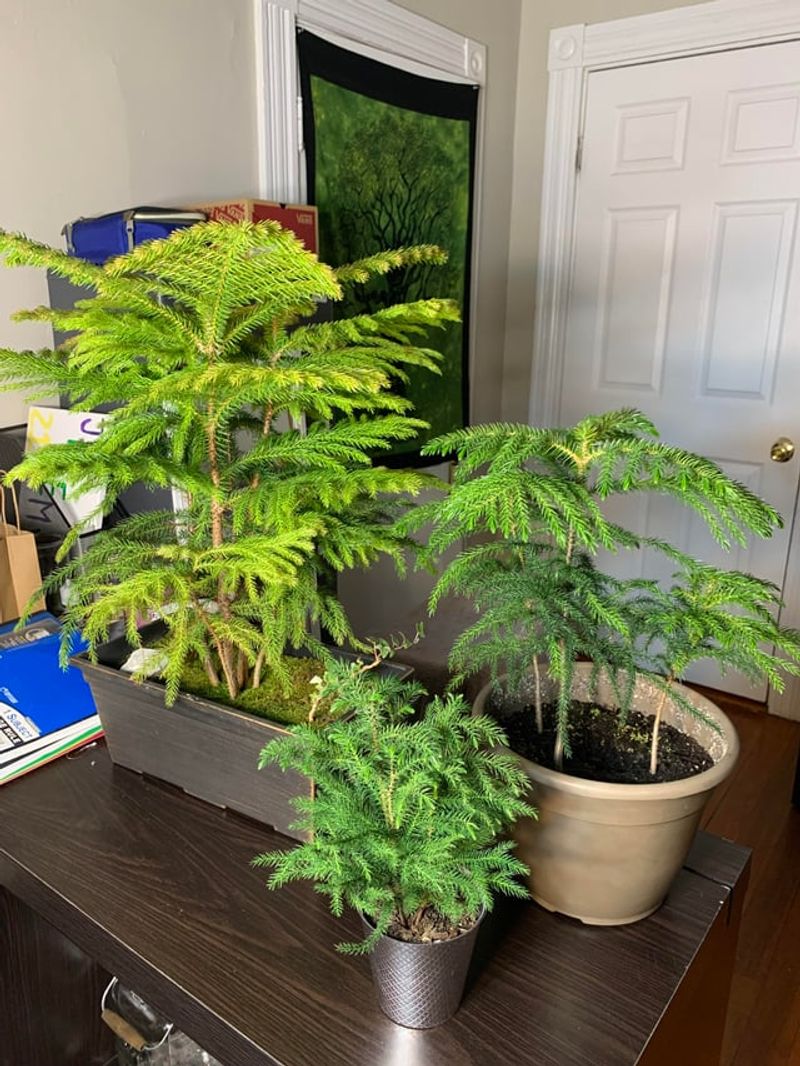
Bring a touch of evergreen forest into your Texas home with a Norfolk Island pine that stays green year-round.
Symmetrical branches grow in neat tiers around a central trunk, creating a naturally balanced form that needs no pruning.
The soft, needle-like foliage feels pleasant to touch and adds wonderful texture to indoor spaces.
Bright, indirect light keeps Norfolk Island pines happy and growing steadily.
Rotate the pot regularly so all sides receive equal light and the tree maintains its symmetrical shape.
Water thoroughly when the top inch of soil dries, keeping the soil evenly moist during the growing season.
These plants appreciate higher humidity than typical Texas indoor air provides.
Mist the foliage regularly or use a humidifier nearby to prevent needle drop.
Norfolk Island pines prefer cooler temperatures, making them perfect for rooms that stay comfortable rather than overly warm.
Growth remains moderate, with plants eventually reaching five to eight feet indoors.
Many people decorate their Norfolk Island pines during winter holidays since they resemble miniature Christmas trees.
The cheerful, uplifting presence of this plant brings natural beauty indoors while connecting your home to outdoor landscapes.
A well-grown Norfolk Island pine becomes a cherished part of your interior for many years.