Late Winter Care Guide For Texas Cactus And Succulents
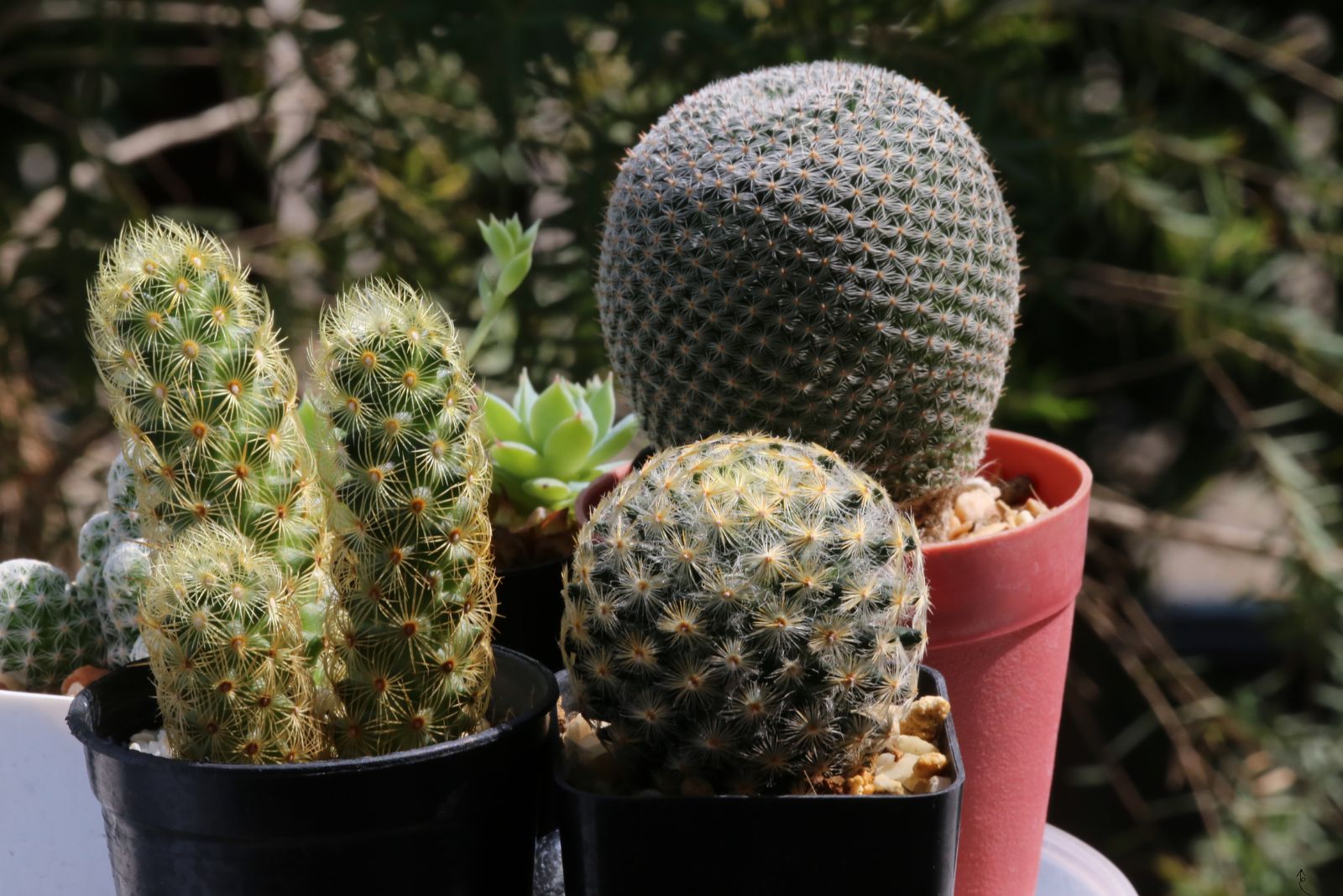
Late winter in Texas brings a special challenge for cactus and succulent lovers. The weather can swing from mild sunny days to sudden cold snaps, leaving your desert plants confused about what season it really is.
February and March might seem like the perfect time to relax your plant care routine, but these months actually require careful attention to help your spiky friends transition smoothly into spring.
Texas gardeners know that late winter is a critical period when plants start waking up from their dormant phase, making them more vulnerable to temperature changes and watering mistakes.
Your cacti and succulents have spent the cold months resting, but now their roots are getting ready to grow again. This guide will walk you through seven essential care tips specifically designed for Texas conditions during late winter.
From adjusting your watering schedule to protecting plants from unexpected freezes, these practical steps will ensure your collection stays healthy and vibrant.
Whether you grow your plants outdoors in San Antonio or keep them on a sunny windowsill in Dallas, understanding late winter care makes all the difference.
Getting these next few weeks right sets your plants up for a beautiful growing season ahead, with strong roots and plenty of energy for spring blooms.
1. Monitor Temperature Fluctuations Carefully
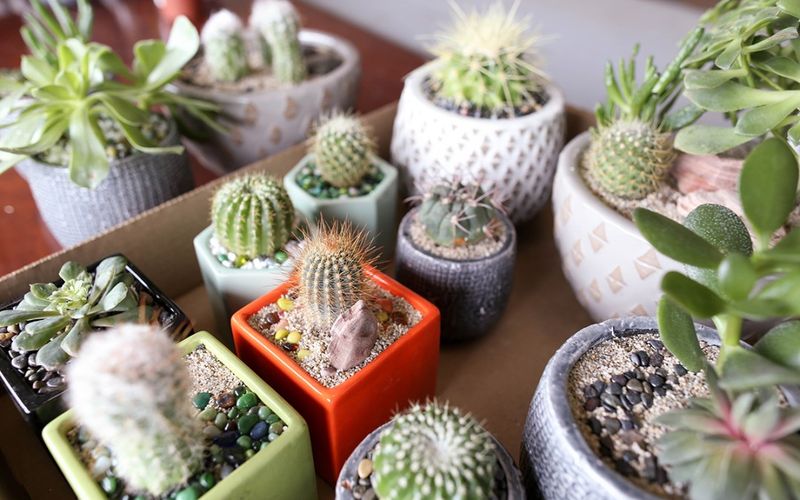
February weather in Texas acts like a roller coaster, and your succulents feel every twist and turn. One afternoon might reach 75 degrees while the next morning drops to freezing.
These wild swings stress plants more than consistent cold ever could. Your cacti can handle cold better than you might think, but sudden changes catch them off guard.
Most hardy succulents tolerate brief dips to 32 degrees without problems. However, tender varieties like jade plants and certain echeverias start suffering below 40 degrees.
Keep a thermometer near your outdoor collection to track actual temperatures at plant level. Ground temperatures often differ from weather app predictions by several degrees.
Microclimates around your home create warmer or colder spots that affect plant safety. Watch the forecast closely throughout late winter in Texas.
When temperatures threaten to drop below 35 degrees, bring tender plants indoors or cover them with frost cloth. Never use plastic sheets directly on plants because trapped moisture causes more damage than cold air.
Pay special attention to potted plants since containers expose roots to more temperature variation than ground planting. Clay pots lose heat faster than plastic ones, making plants more vulnerable during cold snaps.
Morning sun after a freeze can shock cold plant tissue, so provide shade during the first warm hours after freezing nights. This gradual warming prevents cell damage that looks like brown, mushy spots on leaves.
Texas gardeners who monitor temperatures closely give their succulents the best chance at healthy spring growth.
2. Adjust Watering For Transitional Growth
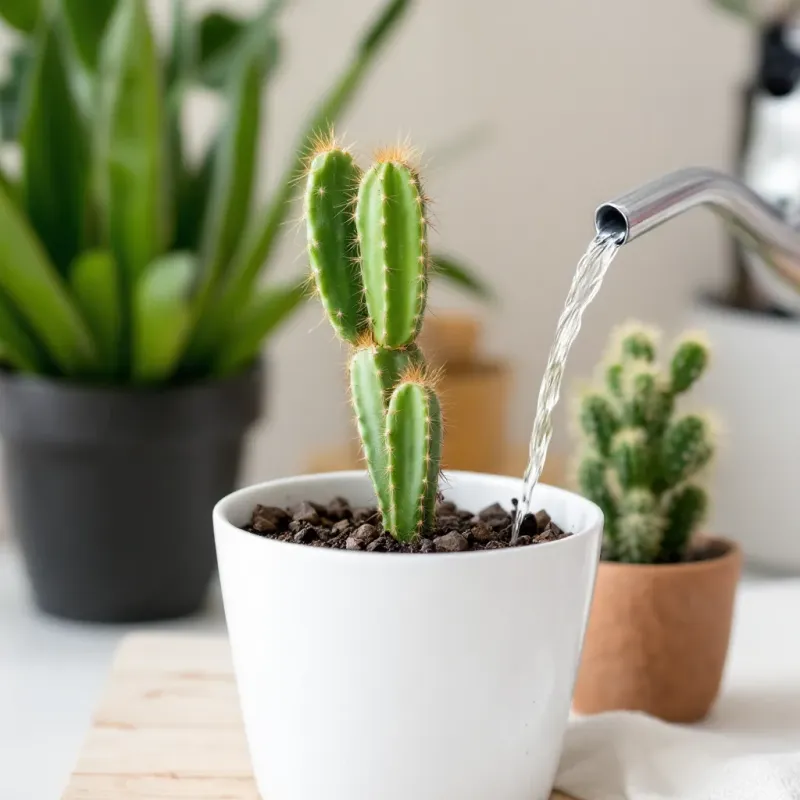
Late winter watering confuses many Texas succulent owners because plants send mixed signals. Your collection spent December and January mostly dormant, needing very little water.
Now roots slowly wake up, but full growing season hasn’t arrived yet. Check soil moisture before every watering by sticking your finger two inches deep into the pot.
Soil should feel completely dry at this depth before adding water. In late winter, most succulents need watering only once every three to four weeks across Texas.
Root systems start activating in late February and early March as days lengthen. You might notice subtle signs like slightly plumper leaves or tiny new growth at the center of rosettes.
These clues tell you plants are ready for slightly more frequent watering. Always water in the morning so excess moisture evaporates during the day.
Evening watering combined with cool night temperatures creates perfect conditions for root rot. This disease destroys more succulents in Texas than any other problem.
Use the soak and dry method by watering thoroughly until liquid runs from drainage holes, then waiting until soil completely dries. Never leave plants sitting in saucers of water.
Outdoor plants in San Antonio or Houston might need more frequent watering than indoor collections in drier West Texas homes. Rain during late winter complicates watering schedules.
After natural rainfall, skip your next planned watering and reassess soil moisture. Too much water during this vulnerable transition period causes more problems than too little.
3. Prepare For Spring Fertilization
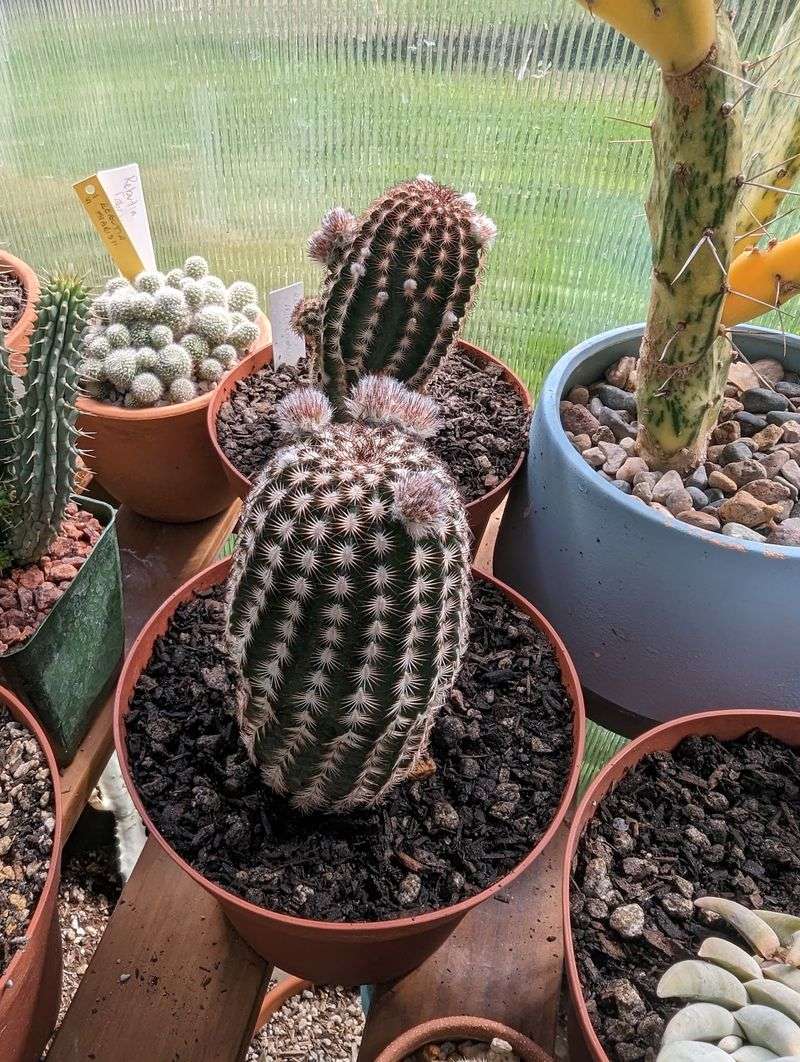
Your succulents haven’t eaten much during their winter rest, and late winter is when you start thinking about feeding them again. Most cacti and succulents in Texas don’t need fertilizer from November through January.
However, late February marks the perfect time to prepare for upcoming growth. Choose a balanced fertilizer formulated specifically for cacti and succulents with lower nitrogen content.
A 2-7-7 or similar ratio works better than regular houseplant food. High nitrogen formulas cause weak, stretchy growth that looks unhealthy.
Wait until you see definite signs of new growth before applying any fertilizer. Look for fresh leaves emerging from the center of plants or tiny new offsets appearing at the base.
These signals mean roots have reactivated and can absorb nutrients properly. Dilute liquid fertilizer to half the recommended strength for the first spring application.
Full-strength feeding after months of dormancy shocks plants and can burn tender new roots. Weak solutions provide gentle nutrition as metabolic activity increases.
Plan to start fertilizing in mid-March across most of Texas, though South Texas gardeners might begin in early March. North Texas residents should wait until late March when consistent warmth arrives.
Local climate variations affect when plants truly wake up from winter rest. Avoid fertilizing any succulent that looks stressed, shriveled, or unhealthy.
Sick plants can’t process nutrients and feeding them causes additional problems. Focus on getting struggling plants healthy through proper watering and light before adding fertilizer to their care routine.
4. Increase Light Exposure Gradually
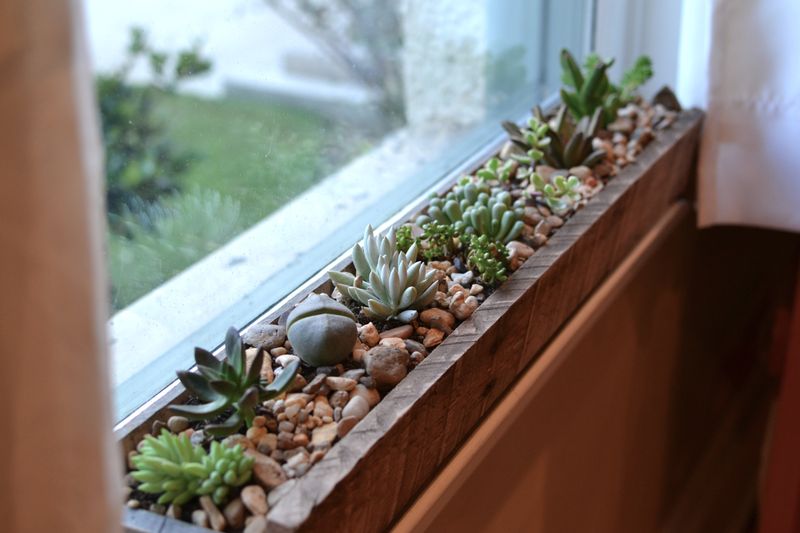
Winter sun sits lower in the sky, and your plants adapted to these gentler light conditions over the past few months. Late winter brings stronger sunlight as the angle changes, and this shift requires careful management.
Sudden intense light burns leaves just like human skin gets sunburned. Indoor succulents near south-facing windows in Dallas or Austin experience dramatically different light between January and March.
The same spot that provided perfect winter light might become too intense by late March. Watch for signs of light stress like bleaching, brown spots, or reddish tinges on normally green leaves.
Move plants gradually toward brighter locations over several weeks rather than making one big change. Shift them a few feet closer to windows every week, allowing time to adjust.
This slow transition prevents the shock that causes permanent scarring on leaves. Outdoor collections need similar consideration as Texas sunshine strengthens.
Plants that spent winter in full sun might handle increasing intensity fine, but those in partial shade need gradual exposure to more direct light. Remove shade cloth slowly, perhaps switching from 50 percent shade to 30 percent before full sun exposure.
Newly purchased plants from nurseries require extra care because you don’t know their previous light conditions. Greenhouses often grow succulents in controlled environments quite different from Texas backyards.
Acclimate new additions slowly to prevent damage during this sensitive transition period. South-facing exposures in Texas deliver the most intense light, while east-facing spots provide gentler morning sun.
Consider rotating plants throughout late winter so all sides receive equal light exposure and grow evenly.
5. Inspect For Pest Activity
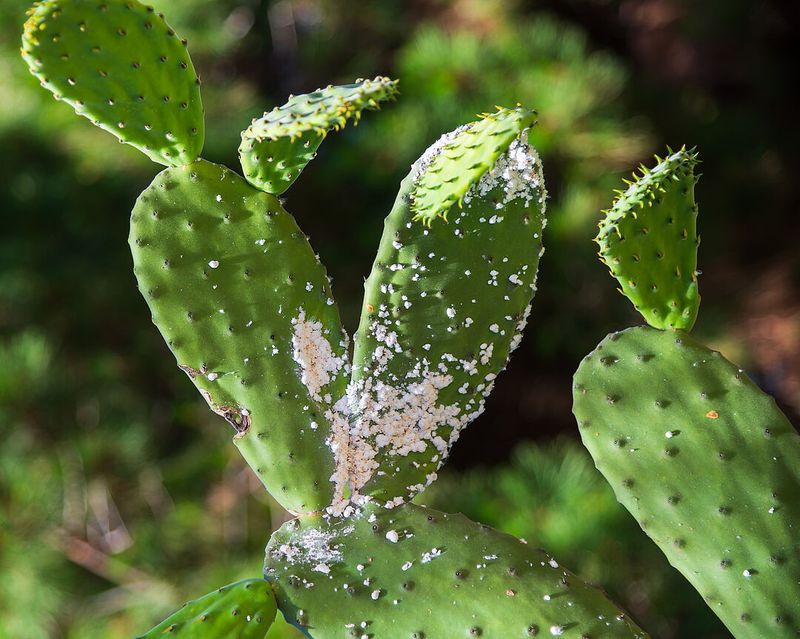
Pests hide quietly during cold months, but late winter warmth brings them out of hiding. Mealybugs, scale insects, and spider mites all become active again as temperatures rise across Texas.
Early detection stops small problems from becoming major infestations. Check the undersides of leaves where pests prefer to hide from view.
Look for tiny white cottony masses that signal mealybugs or small brown bumps indicating scale insects. Spider mites create fine webbing between leaves and stems, often visible in bright light.
Examine the center of rosette-forming succulents carefully because pests congregate in these protected areas. Use a magnifying glass to spot tiny insects that hide between tightly packed leaves.
Early infestations involve just a few bugs that multiply rapidly if ignored. Isolate any plant showing signs of pests immediately to prevent spreading throughout your collection.
Quarantine suspicious plants for at least two weeks while you treat them. One infested succulent can contaminate dozens of others in your Texas home or garden.
Treat pest problems with insecticidal soap or neem oil rather than harsh chemicals. Spray thoroughly, covering all leaf surfaces and getting into crevices where bugs hide.
Repeat applications every seven to ten days until you see no more pests. Outdoor plants face different pest pressures than indoor collections, with ants farming aphids on tender new growth.
Ants protect aphids in exchange for honeydew, so controlling ants helps eliminate aphid problems. Sticky barriers around pot rims prevent ants from reaching plants.
6. Repot Rootbound Plants
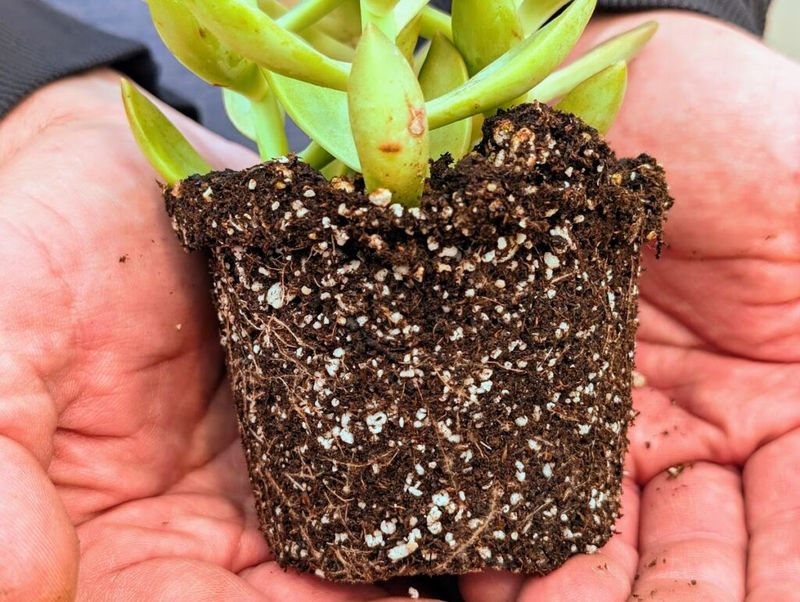
Late winter offers the ideal window for repotting succulents before active spring growth begins. Roots suffer less stress when disturbed during this transition period compared to mid-summer heat.
Plants recover quickly and establish in new containers before hot Texas weather arrives. Check if plants need repotting by looking for roots growing through drainage holes or circling visibly at the soil surface.
Gently tip the pot and slide the plant out to examine the root ball. Roots that wrap tightly around the soil mass need more space.
Choose containers only one to two inches larger in diameter than current pots. Oversized containers hold too much moisture, leading to root rot problems.
Terracotta pots work better than plastic for most succulents because clay breathes and helps soil dry faster. Use fresh cactus and succulent potting mix rather than regular potting soil.
Specialized mixes drain quickly and prevent water from sitting around roots. You can make your own by mixing regular potting soil with coarse sand and perlite in equal parts.
Remove old soil gently from roots and trim any damaged or rotted sections with clean scissors. Let cut roots dry for a day before planting in fresh mix.
This healing time prevents infection from entering through wounds. Wait at least one week after repotting before watering to allow roots to settle and any small injuries to heal.
Place newly potted plants in bright shade for several days before returning them to full sun. This recovery period helps plants adjust to their new homes without additional stress from intense Texas sunlight.
7. Plan Spring Propagation Projects
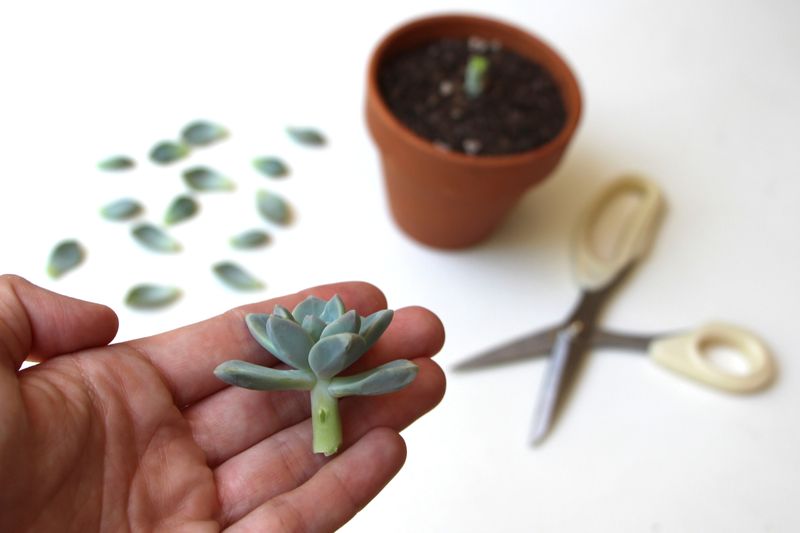
Late winter gets you thinking ahead to spring propagation when succulents multiply easily. Planning now means you’ll have everything ready when March warmth arrives.
Propagation from leaves or stem cuttings costs nothing and builds your collection quickly. Identify which plants you want to propagate and research their preferred methods.
Some succulents like echeveria grow readily from individual leaves, while others like aeoniums propagate better from stem cuttings. Cacti often produce offsets or pups that separate easily from parent plants.
Gather supplies including shallow trays, propagation mix, and rooting hormone if desired. Clean pots and tools with rubbing alcohol to prevent spreading diseases.
Organization before you start makes the actual propagation process much smoother. Take inventory of your current collection and decide which varieties you want more of for your Texas garden.
Consider trading extras with local succulent enthusiasts or giving them as gifts. Propagation creates opportunities to share your hobby with friends and neighbors.
Learn about timing because different succulents root best at specific temperatures. Most varieties propagate successfully when nighttime temperatures stay consistently above 50 degrees.
In Texas, this typically happens by mid-March in southern regions and early April farther north. Watch YouTube videos or read articles about specific propagation techniques during late winter.
Building knowledge now prevents mistakes when you actually start taking cuttings. Understanding proper callusing time and rooting conditions increases your success rate dramatically.
Mark your calendar for ideal propagation timing based on your location in Texas. Having a plan ensures you don’t miss the perfect window when plants root fastest and establish most reliably before summer heat arrives.