7 Lawn Care Moves Florida Homeowners Should Make Before March
February is when most Florida yards get ignored. The mower stays in the garage, the grass looks fine at a glance, and it feels safe to assume lawn season can wait.
That quiet stretch is exactly when small problems like thin spots, weeds, and drainage issues start setting the tone for spring.
Many homeowners don’t realize their lawn is already responding to longer days and warming soil, even if growth hasn’t taken off yet. What you notice or overlook right now often determines how much work your yard will demand in the months ahead.
A quick walk across the lawn in late winter can tell you a lot. Areas that stay soggy, patches that never quite filled in last year, or weeds that slipped through winter all become easier to spot before everything starts growing fast.
Fixing those issues later usually costs more time, money, and effort.
Taking a little time in February is less about working harder and more about working smarter. The payoff is a lawn that wakes up stronger and stays easier to manage all season long.
1. Check Your Lawn Before It Wakes Up
Late winter offers a rare opportunity to walk your property and really see what is happening at ground level without the distraction of rapid growth.
Cooler mornings mean you can spend time outside without breaking a sweat, and shorter grass makes it easier to spot trouble areas that might otherwise go unnoticed.
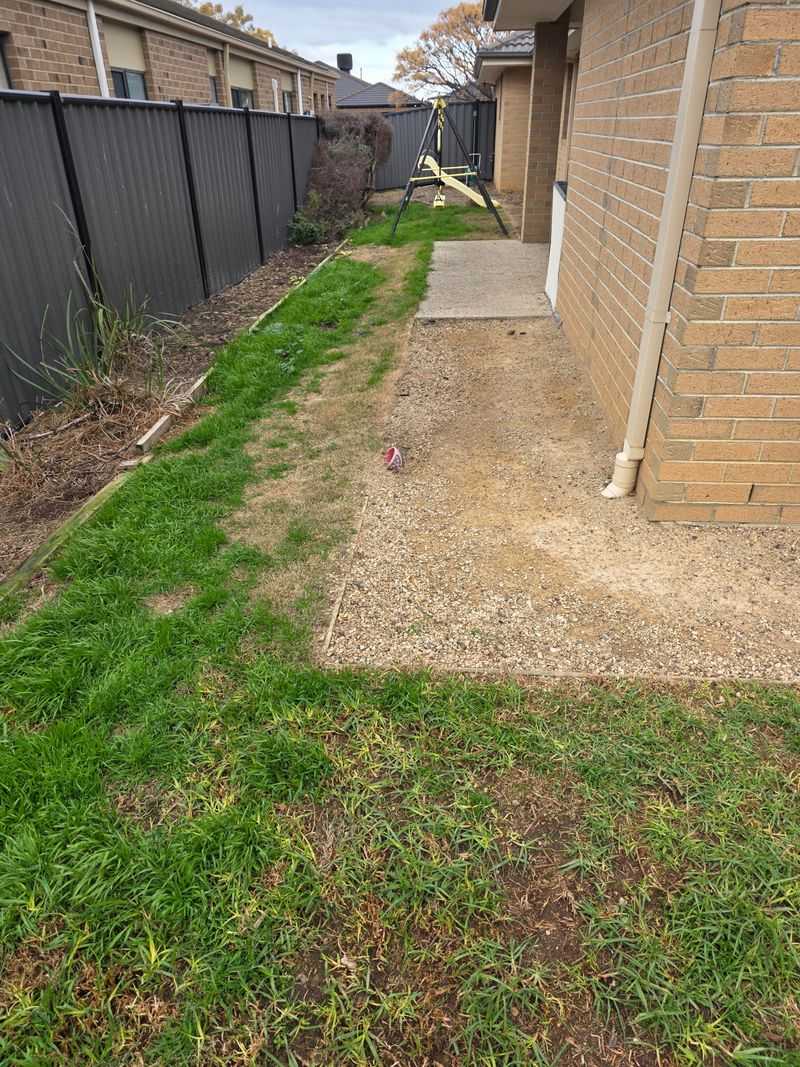
Look for patches where grass seems thin or absent, places where water tends to pool after rain, and sections where weeds have quietly taken hold during the slower months.
Pay attention to how your turf feels underfoot in different zones. Spongy areas might signal thatch buildup, while hard compacted spots can be flagged now for aeration later, once the lawn is fully greened up and actively growing.
Notice where sunlight hits throughout the day, as shade patterns change when trees leaf out in spring.
This is also the perfect time to inspect your lawn edges, walkways, and areas near driveways where runoff, vehicle traffic, or foot traffic may have caused damage over winter. Taking notes or even snapping photos helps you remember what needs attention once the busy season arrives.
Early detection allows you to plan your approach rather than react in a panic when problems become obvious.
A calm February walkthrough gives you the information you need to make confident decisions in the weeks ahead, setting a foundation for success that reactive care simply cannot match.
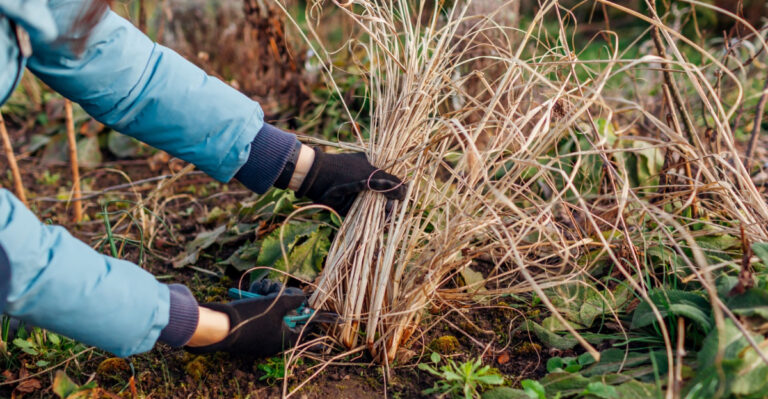
2. Clean Up Winter Debris The Right Way
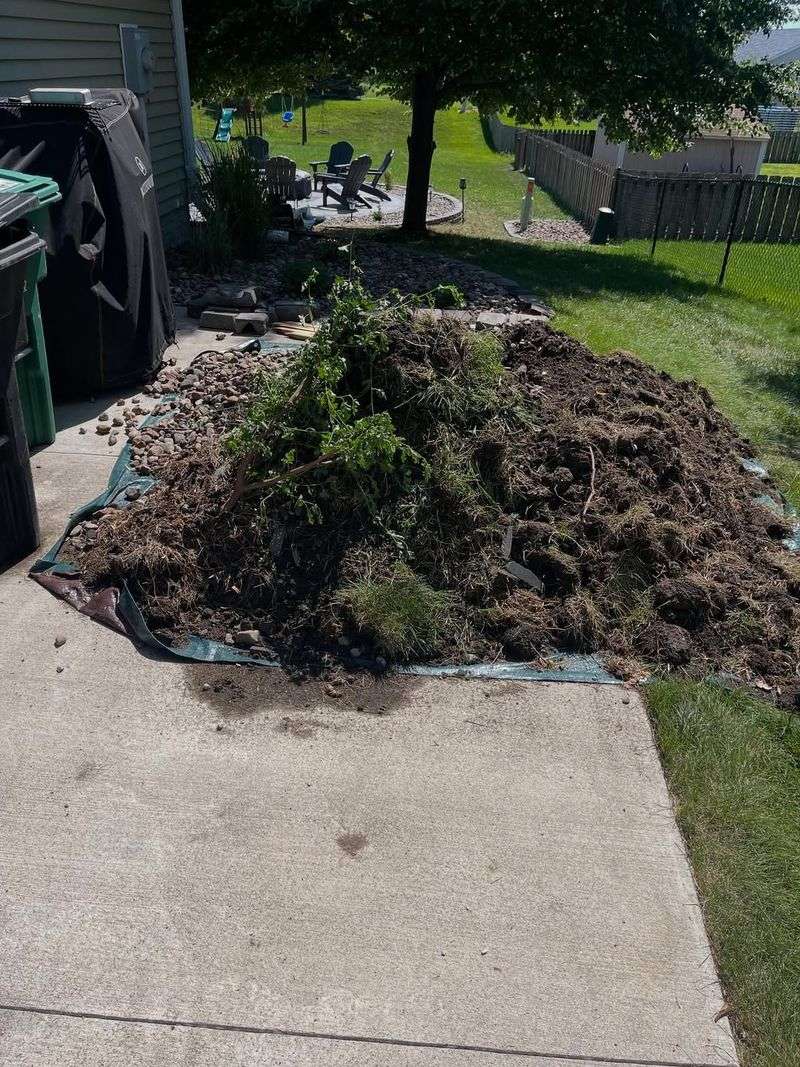
Fallen leaves, small branches, and accumulated debris might not seem like a big deal, but they create the perfect environment for fungal problems and pest activity as humidity rises.
Removing this material now prevents it from smothering new growth and allows sunlight to reach the soil surface where it encourages healthy turf development.
Raking or blowing debris away also improves air circulation, which becomes increasingly important as warmer weather approaches and moisture levels fluctuate.
Be gentle during cleanup to avoid disturbing turf crowns and stolons that are still largely dormant in late winter. Use a leaf blower on a lower setting or a flexible rake to avoid damaging stolons and surface roots.
Focus on clearing pathways, garden beds, and areas near fences where debris tends to collect and stay damp.
Consider composting leaves and organic material rather than bagging everything for the curb. Composted matter can return to your landscape later as a valuable soil amendment.
However, avoid leaving thick piles of wet leaves on the lawn itself, as this can create bare spots that invite weeds. A clean lawn surface in February allows you to see the true condition of your turf and prepares the ground for any treatments or improvements you plan to make.
It is a simple step that pays off significantly once growth accelerates.
3. Address Weeds Without Rushing Fertilizer
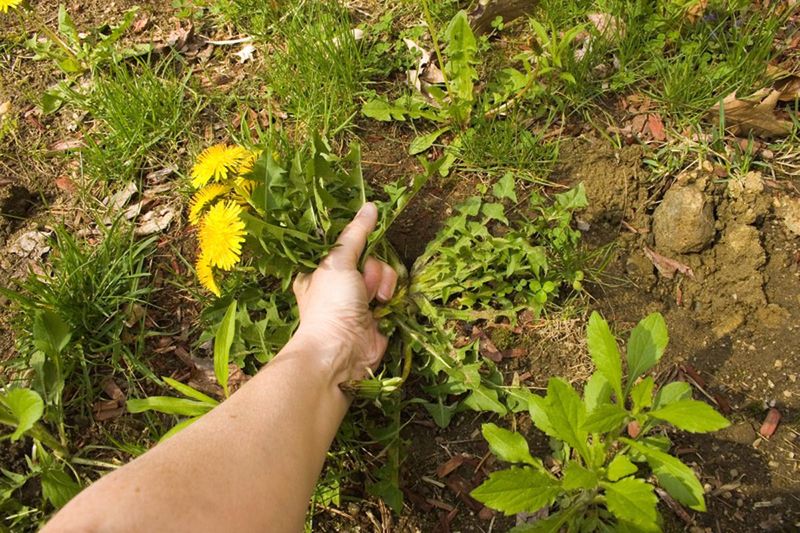
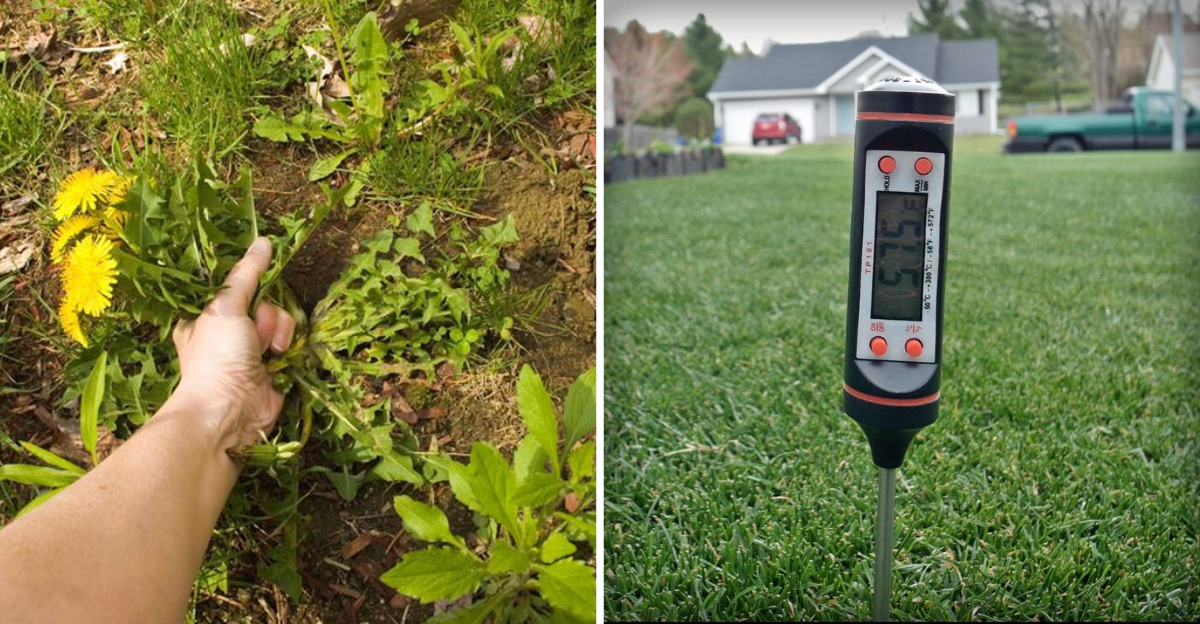
Weeds take advantage of any opportunity, and late winter in Florida offers them plenty of chances to establish before your turf gains momentum. Many common lawn weeds actually prefer cooler conditions and will spread quickly if left unchecked.
Targeting them now, while they are still manageable, prevents a much larger problem when temperatures climb and everything grows faster.
Hand pulling works well for isolated weeds, especially after a light rain when soil is easier to work with. For broader infestations, consider a targeted herbicide labeled for your grass type and the specific weeds you are facing.
Always read product labels carefully and apply only when conditions are right, avoiding windy days or times when rain is expected within 24 hours.
Resist the urge to apply fertilizer too early in an attempt to outcompete weeds. Feeding your lawn before soil temperatures reach the right range can actually encourage weed growth while doing little for your grass.
Most Florida turf types do not need fertilizer until soil temps consistently reach the mid 60s, which typically happens in March or later depending on your region.
In many Florida counties, local fertilizer ordinances also prohibit nitrogen applications until spring, making it especially important to wait for both soil temperatures and local regulations to align.
Patience here makes a real difference. Focusing on weed control now without overstimulating growth sets your lawn up to fill in naturally once conditions favor grass over unwanted plants, creating a denser turf that resists future weed pressure.
4. Sharpen Blades Before Growth Speeds Up
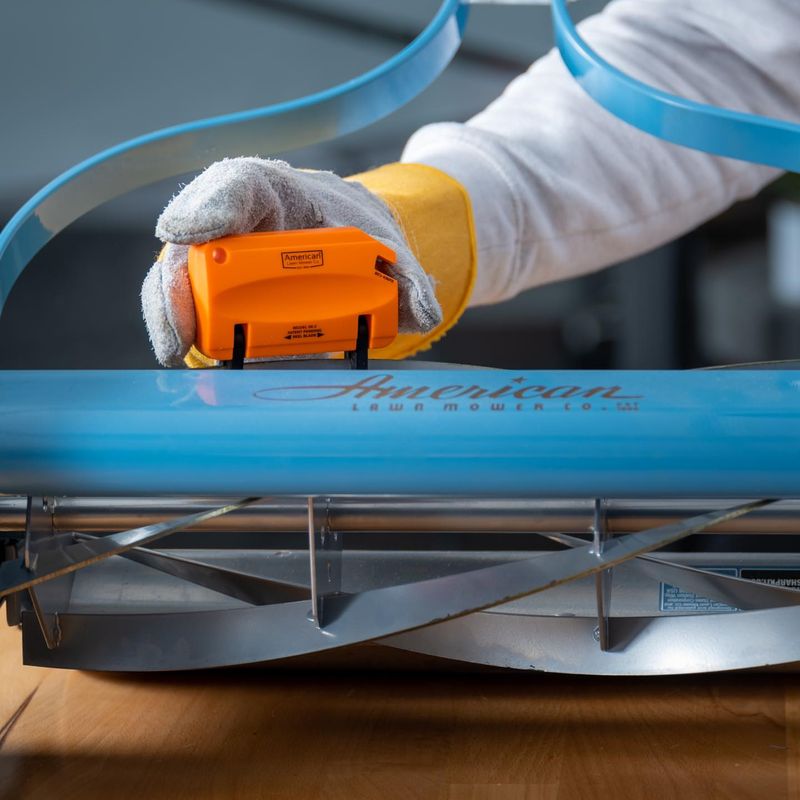
Mower blade sharpness might not seem urgent when your lawn is barely growing, but dull blades create stress that weakens grass just as it begins its active season. A clean cut heals quickly and allows the plant to focus energy on root development and new growth.
Ragged cuts from dull blades leave torn edges that turn brown, invite disease, and make your lawn look unhealthy no matter how much care you provide.
February is an ideal time to service your mower because demand at repair shops is lower and you can avoid the rush that happens in March and April. Remove the blade and inspect it for nicks, bends, or uneven wear.
A professional sharpening costs just a few dollars and ensures a precise edge that will last through multiple mowing sessions.
While the blade is off, take a moment to clean the underside of your mower deck, removing caked grass and debris that can harbor moisture and rust. Check the oil, air filter, and spark plug as well, so your equipment is ready when you need it.
These small maintenance tasks prevent breakdowns during peak mowing season and extend the life of your equipment.
Starting the busy months with a sharp blade and well maintained mower means every cut contributes to a healthier, better looking lawn rather than creating new problems you will need to solve later.
5. Test Irrigation Before Warm Weather Returns
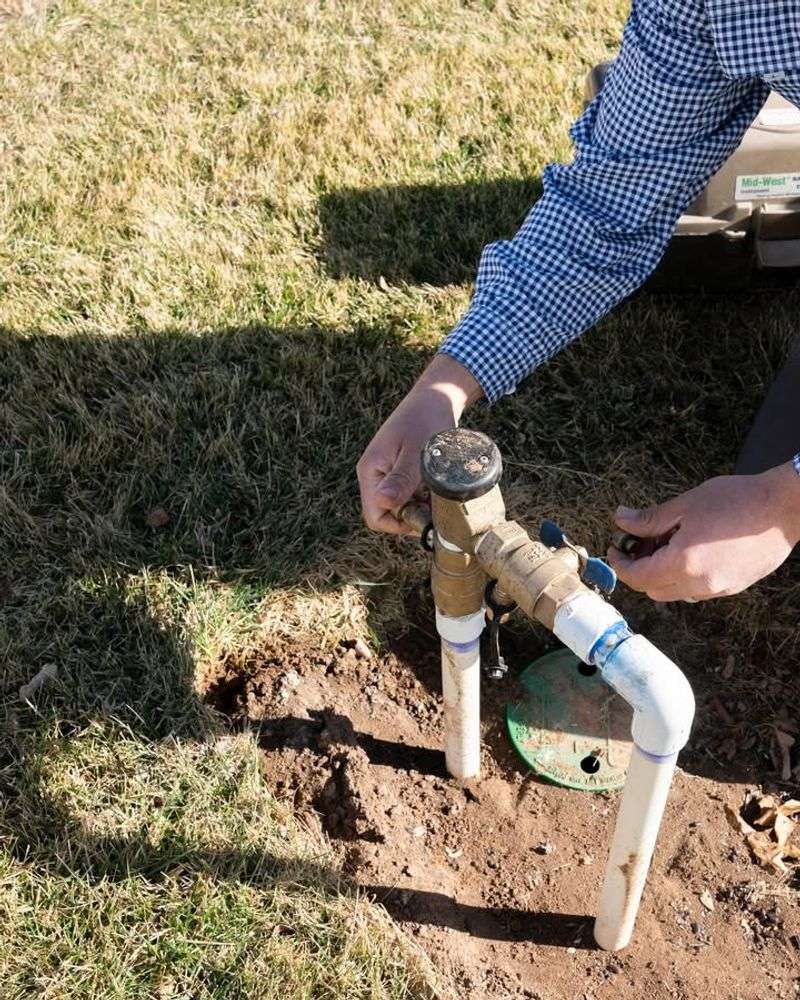
Your irrigation system has likely been running on a reduced schedule or sitting mostly idle during the cooler months, and now is the time to make sure everything works properly before demand increases.
Walk through each zone and watch for broken or clogged heads, leaks at connections, and areas where coverage seems uneven.
Small issues that went unnoticed in winter can waste hundreds of gallons once you increase watering frequency in spring.
Check spray patterns to ensure water is landing on the lawn rather than sidewalks, driveways, or your home’s foundation. Adjust heads that have shifted or become misaligned, and replace any that are cracked or not functioning correctly.
Look for signs of dry spots or overly wet areas that suggest your system needs recalibration.
Run each zone long enough to observe how the water distributes and whether the timer settings still match your current needs.
This is also a good time to confirm your controller settings comply with local watering restrictions, which often differ by season and location across Florida.
Many Florida homeowners can reduce irrigation significantly during late winter, but as daylight hours increase and temperatures warm, your lawn will need more moisture to support growth. Testing now gives you time to make repairs or adjustments without the pressure of a stressed lawn.
Proper irrigation management prevents both drought stress and overwatering problems, supporting healthy root development and reducing vulnerability to pests and disease as the season progresses.
6. Watch Soil Temperatures Not The Calendar
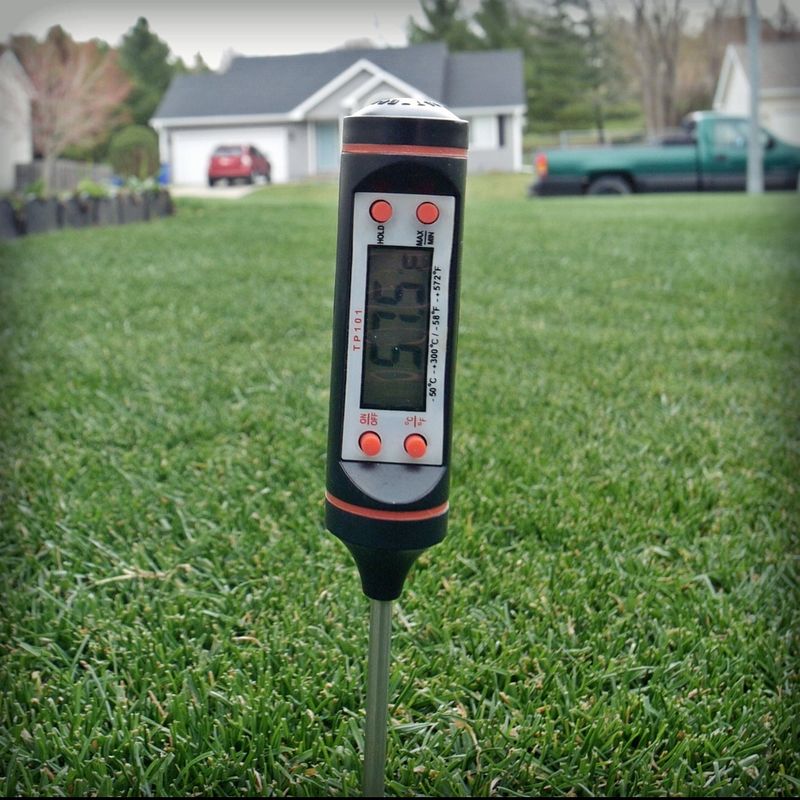
Florida’s climate varies enough from north to south that a single calendar date rarely tells the whole story when it comes to lawn care timing.
Soil temperature is a far more reliable indicator of when your grass is ready for fertilization, preemergent applications, and other seasonal treatments.
Warm-season grasses like St. Augustine, Bermuda, and Zoysia begin active growth when soil temps consistently reach the mid 60s, which can happen in late February in South Florida but not until late March or even April in northern regions.
You can purchase an inexpensive soil thermometer at most garden centers or online, and checking temps takes just a minute. Insert the probe about four inches into the soil in several spots around your lawn, ideally in the morning when readings are most stable.
Track temperatures over a few days to get an accurate sense of the trend rather than relying on a single reading.
Acting too early wastes time and money, as products applied before the grass can use them often provide little benefit.
Waiting for the right soil temperature ensures your efforts align with your lawn’s natural growth cycle, maximizing effectiveness and minimizing waste.
This simple habit keeps you in sync with what your lawn actually needs rather than guessing based on what the calendar says or what your neighbor is doing, leading to better results with less frustration.
7. Set Expectations For Spring Growth
One of the most valuable things you can do before March arrives is to adjust your expectations and understand what realistic spring growth looks like in Florida. Turf does not green up overnight, and different grass types respond to warming temperatures at their own pace.
St. Augustine tends to wake slowly, while Bermuda can green up more quickly once conditions are right. Zoysia falls somewhere in between, and Bahia often takes its time as well.
Avoid comparing your lawn to neighbors who may have different grass types, microclimates, or care practices. Focus instead on consistent improvement over time rather than immediate perfection.
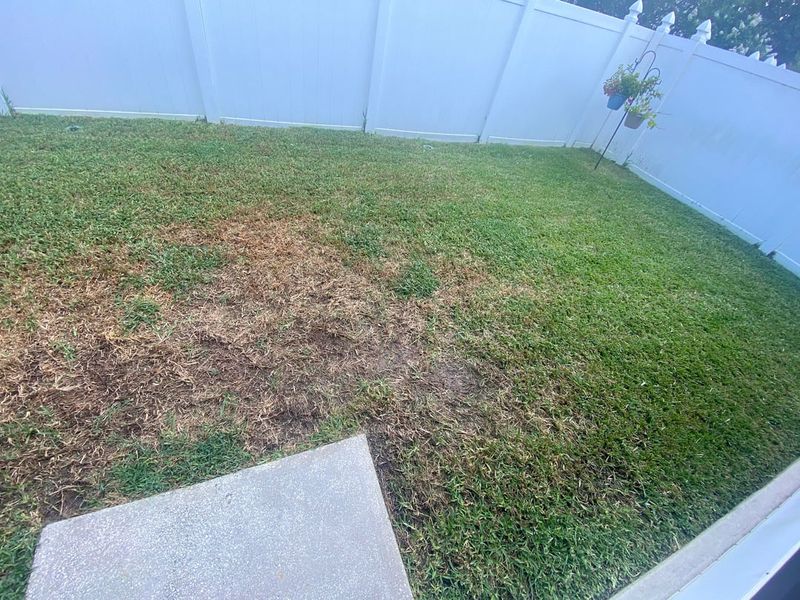
Early spring often brings uneven coloring, slower growth in shaded areas, and patches that seem to lag behind the rest of the lawn. These patterns are normal and usually resolve as temperatures stabilize and daylight increases.
Understanding this timeline helps you resist the urge to overapply products or make unnecessary changes that can do more harm than good.
Patience during this transition period allows your lawn to build strong roots and develop resilience that will serve it well through summer heat and stress.
Trust the process, stick to proven practices, and remember that the preparation you do now creates the foundation for a lawn that looks great and requires less intensive intervention as the season progresses. Confidence comes from knowing you have done the right things at the right time.