10 Lazy Gardening Hacks Florida Gardeners Use To Save Time And Still Get Results
Florida gardening can feel like a full-time job with its intense heat, surprise downpours, and plants that seem to grow overnight.
But what if you could get a lush, thriving yard without spending every weekend sweating in the sun?
Smart gardeners across the Sunshine State have figured out clever shortcuts that let nature do most of the heavy lifting.
These time-saving tricks help you enjoy beautiful outdoor spaces without sacrificing your free time or sanity.
1. Mulch Everything To Reduce Watering And Weeding
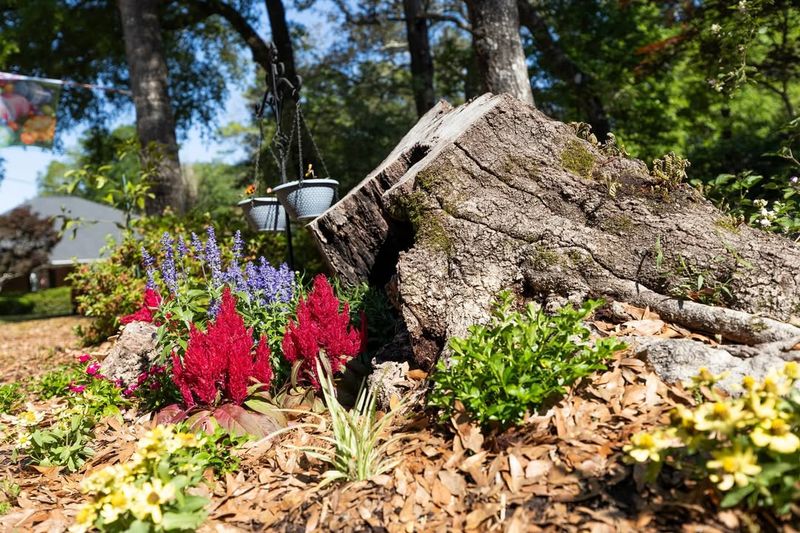
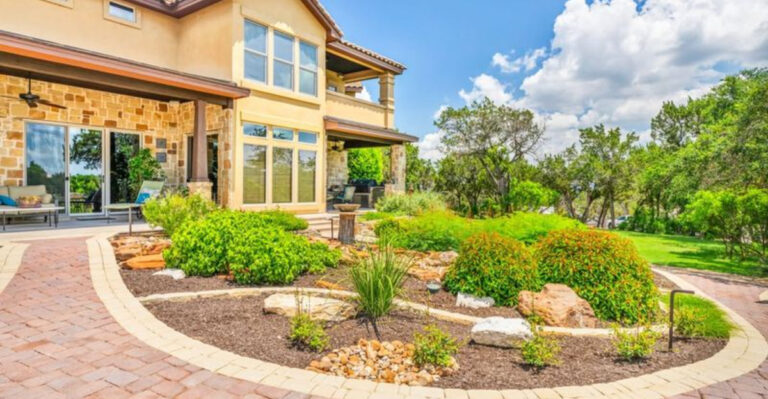
Spreading a generous layer of mulch across your garden beds might be the single smartest move you can make as a Florida gardener.
This simple step creates a protective blanket that keeps soil cooler during scorching summer days while locking in precious moisture.
When rain comes down hard, mulch prevents erosion and stops your topsoil from washing away.
Weeds struggle to push through several inches of quality mulch, which means you spend less time bent over pulling unwanted plants.
Pine bark nuggets work wonderfully in Florida because they break down slowly and look attractive in landscape beds.
Cypress mulch resists decomposition even better, though it costs a bit more upfront.
Melaleuca mulch has become popular because it comes from an invasive tree, so using it actually helps the environment.
Aim for a three to four inch layer around your plants, keeping mulch a few inches away from tree trunks and plant stems to prevent rot.
Refresh your mulch once or twice a year as it naturally breaks down into the soil.
The time you invest spreading mulch pays back tenfold in reduced watering and weeding throughout the year.
2. Choose Florida-Friendly Plants That Don’t Need Babysitting
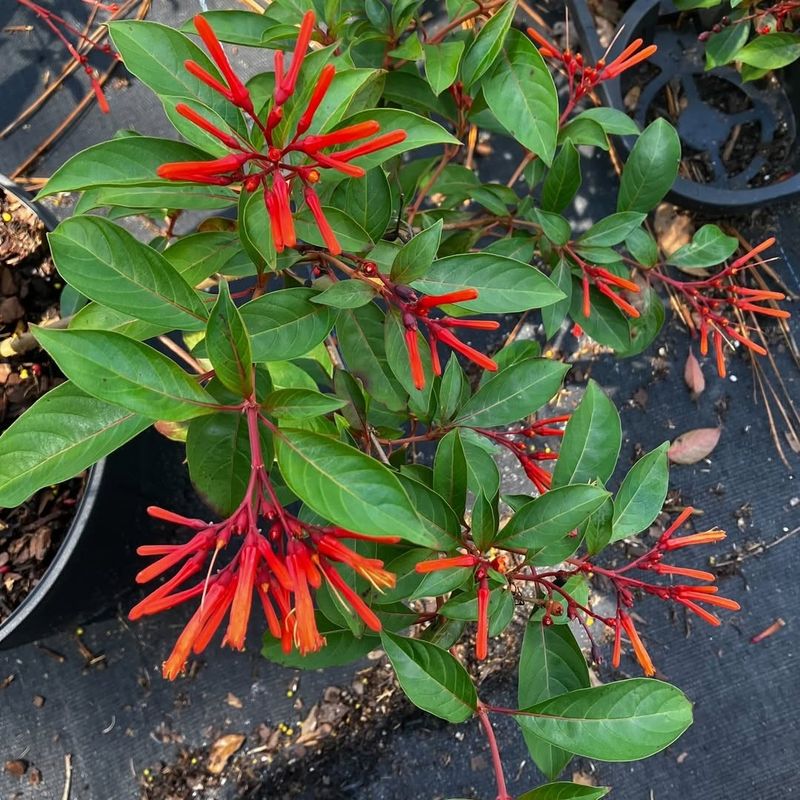
Why struggle with plants that hate Florida’s climate when so many gorgeous options actually love it here?
Native and Florida-adapted plants have evolved to handle our weather extremes without constant attention.
These tough performers bounce back from summer storms, tolerate sandy soil, and keep looking good through dry spells.
Coontie palms add tropical flair while requiring almost zero care once established in your landscape.
Firebush explodes with orange-red blooms that hummingbirds adore, and it thrives on neglect better than pampering.
Muhly grass creates stunning purple plumes in fall without any fertilizer or special treatment.
Blanket flowers splash color across sunny spots and reseed themselves year after year.
Beautyberry produces vibrant purple berries that birds love while tolerating shade and various soil conditions.
Beach sunflower spreads cheerfully along garden edges and never complains about heat or salt spray.
When you match plants to Florida’s natural conditions, your garden practically takes care of itself.
You’ll spend more time enjoying your outdoor space and less time worrying about struggling specimens.
3. Water Deeply But Less Often
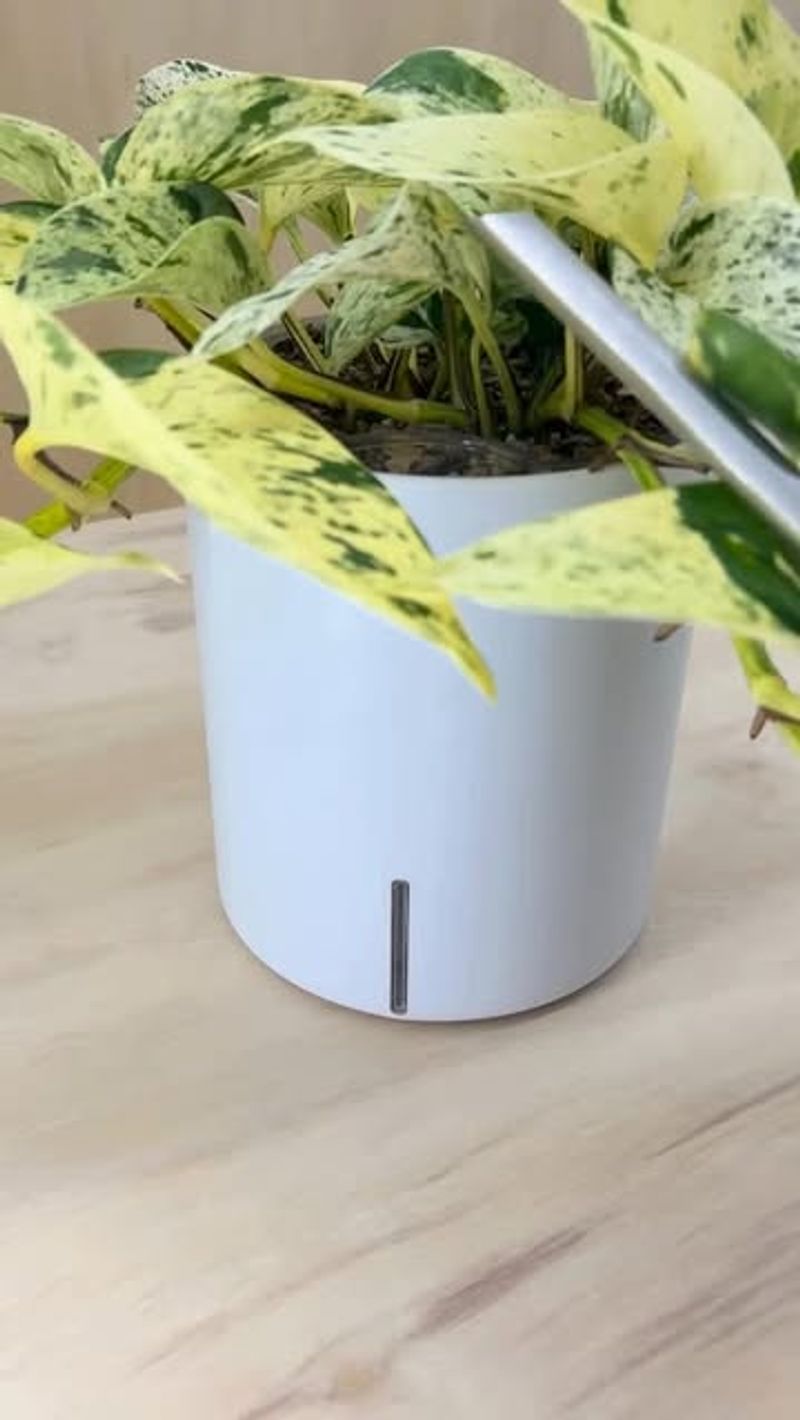
Most Florida gardeners water too often and not deeply enough, creating shallow-rooted plants that need constant attention.
Training your plants to send roots deep into the soil makes them far more self-sufficient during dry periods.
Instead of quick daily sprinkles, give your landscape a thorough soaking once or twice a week.
Water should penetrate at least six inches down into the soil, encouraging roots to follow that moisture deeper.
Deep-rooted plants access underground water reserves that surface-rooted specimens never reach.
During Florida’s rainy season from June through September, you can often skip watering entirely for weeks at a time.
Pay attention to weather patterns and adjust your irrigation schedule accordingly rather than running sprinklers on autopilot.
Morning watering works best because it allows foliage to dry before nightfall, reducing disease problems.
Check soil moisture by sticking your finger several inches into the ground before turning on the hose.
If it feels damp below the surface, your plants don’t need water yet.
This approach saves water, reduces your utility bills, and creates tougher plants that can handle Florida’s unpredictable weather patterns.
4. Let Groundcovers Replace High-Maintenance Lawns
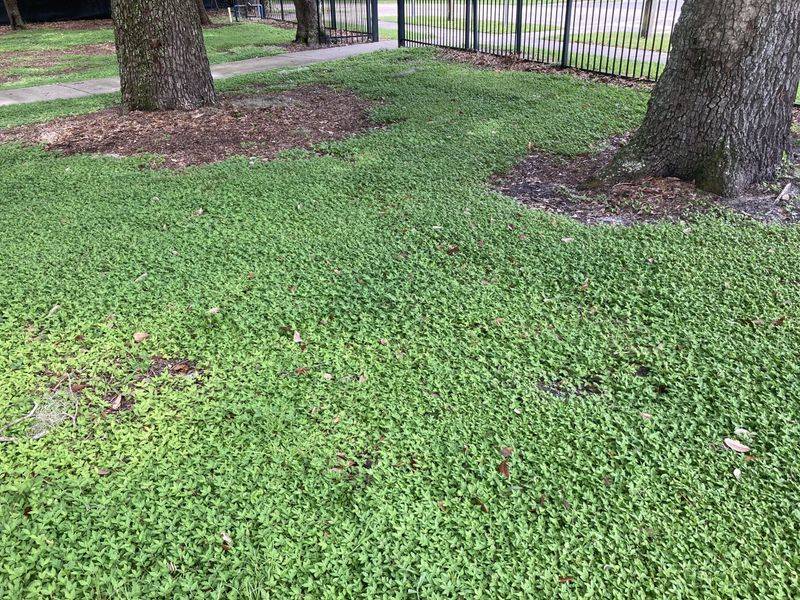
Traditional grass lawns demand constant mowing, edging, fertilizing, and watering to look halfway decent in Florida’s challenging climate.
Groundcovers offer a brilliant alternative that stays low without weekly cutting.
Perennial peanut creates a lush green carpet that rarely needs mowing and fixes nitrogen in the soil naturally.
This tough groundcover handles foot traffic reasonably well and stays green year-round in most of Florida.
Sunshine mimosa spreads quickly to cover bare spots and produces cheerful pink puffball flowers.
It thrives in full sun and sandy soil where grass struggles to survive.
Beach creeper works wonderfully in coastal areas where salt spray would damage regular turf.
These groundcovers need far less water than thirsty St. Augustine or Bahia grass once they establish themselves.
You can skip the fertilizer applications that grass demands multiple times per year.
Forget about edging every weekend or dealing with a broken mower in the middle of summer heat.
Groundcovers naturally suppress weeds while creating an attractive, low-profile landscape that looks intentional rather than neglected.
5. Group Plants By Water And Sun Needs

Randomly placing plants throughout your yard creates an irrigation nightmare where some plants drown while others shrivel.
Smart grouping eliminates this guesswork and makes watering incredibly efficient.
Create distinct zones in your landscape based on sun exposure and moisture requirements.
Put your thirstiest plants together in one area where you can easily give them extra attention when needed.
Group drought-tolerant specimens in sunny, well-drained spots where they’ll thrive on rainfall alone.
Shade-loving plants naturally need less water, so cluster them under trees where they’ll stay cooler and happier.
This approach lets you run irrigation longer in high-water zones while keeping it minimal elsewhere.
Your sun-loving herbs can bask together in one hot spot while your ferns enjoy a shady corner as a group.
When plants have similar needs, you can care for entire sections at once rather than treating each plant individually.
This strategy saves enormous amounts of time and prevents the frustration of watching incompatible plants struggle side by side.
Your landscape becomes a series of easy-care zones rather than a collection of individual high-maintenance specimens.
6. Use Drip Irrigation Or Soaker Hoses
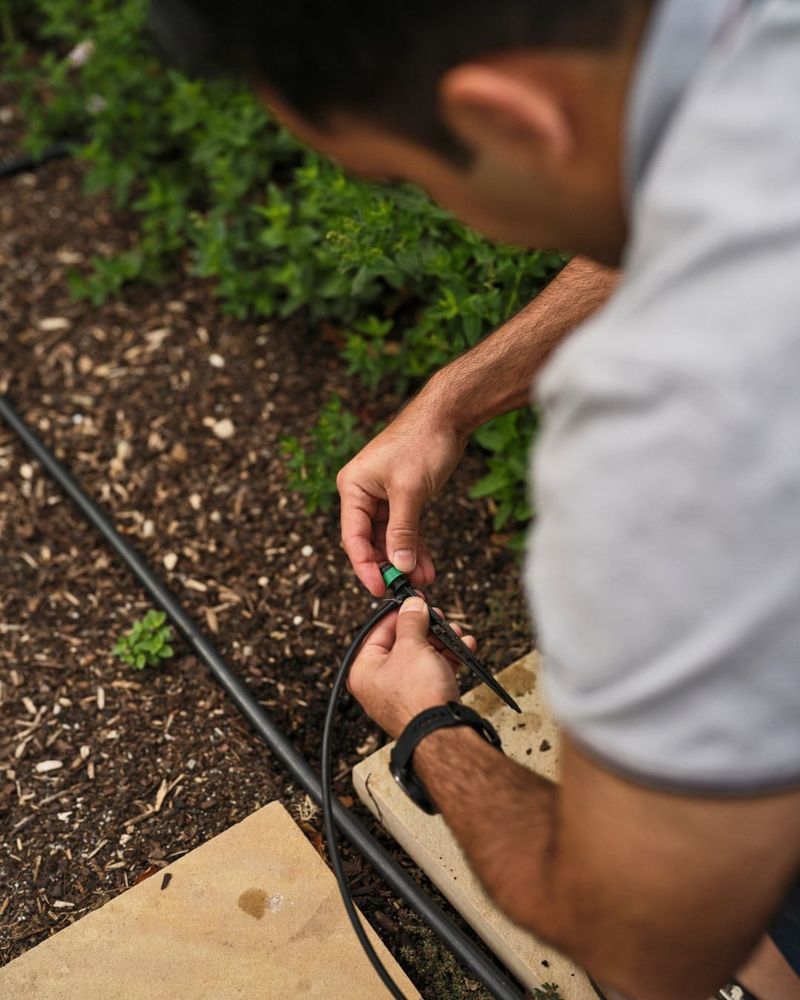
Standing in the heat dragging a hose around your yard wastes both your time and precious water.
Simple irrigation systems automate this chore while delivering moisture exactly where plants need it most.
Drip irrigation places small emitters right at plant root zones, eliminating overspray and evaporation losses.
Water soaks into the soil slowly and deeply rather than running off across the surface.
Soaker hoses work similarly but cost less and install even more easily for beginning gardeners.
These porous hoses weep water along their entire length, perfect for vegetable rows or flower beds.
Both systems connect to simple timers that turn water on and off automatically according to your schedule.
You can go on vacation without worrying about returning to shriveled plants or begging neighbors for help.
Florida’s intense heat makes overhead watering wasteful since so much moisture evaporates before reaching roots.
Ground-level irrigation keeps foliage dry, reducing fungal diseases that thrive in our humid climate.
The initial investment pays for itself quickly through lower water bills and healthier plants that need less replacement.
7. Prune Less By Choosing Naturally Compact Plants
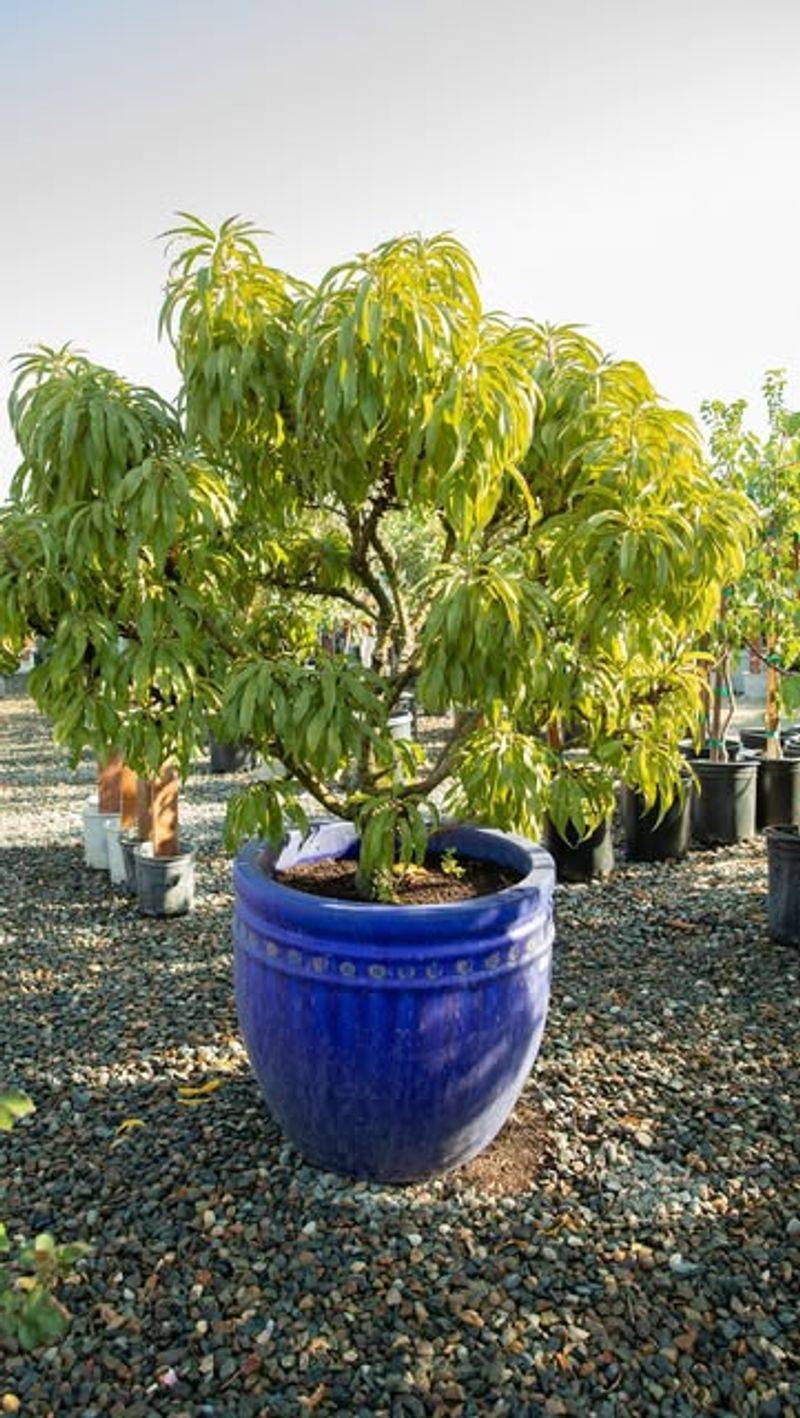
Constant pruning ranks among the most tedious garden chores, especially when Florida’s growing season seems to last all year.
Selecting plants that naturally stay the right size eliminates this never-ending battle.
Dwarf varieties of popular shrubs offer the same beauty as full-sized versions without the sprawling growth.
Compact ixora cultivars bloom abundantly while staying under three feet tall without any trimming.
Dwarf hibiscus produces gorgeous flowers on plants that fit perfectly in small spaces.
Loropetalum comes in compact forms that maintain attractive shapes with minimal intervention.
Walter’s viburnum grows slowly into a neat, rounded form that rarely needs correction.
When selecting plants at the nursery, check the mature size on the tag and believe it.
That cute little shrub might turn into a ten-foot monster that requires monthly haircuts.
Choosing right-sized plants from the start means you can skip the ladder, hedge trimmers, and weekend pruning sessions.
Your landscape looks intentionally designed rather than constantly overgrown, and you reclaim hours of free time every month.
8. Let Leaves And Clippings Work For You
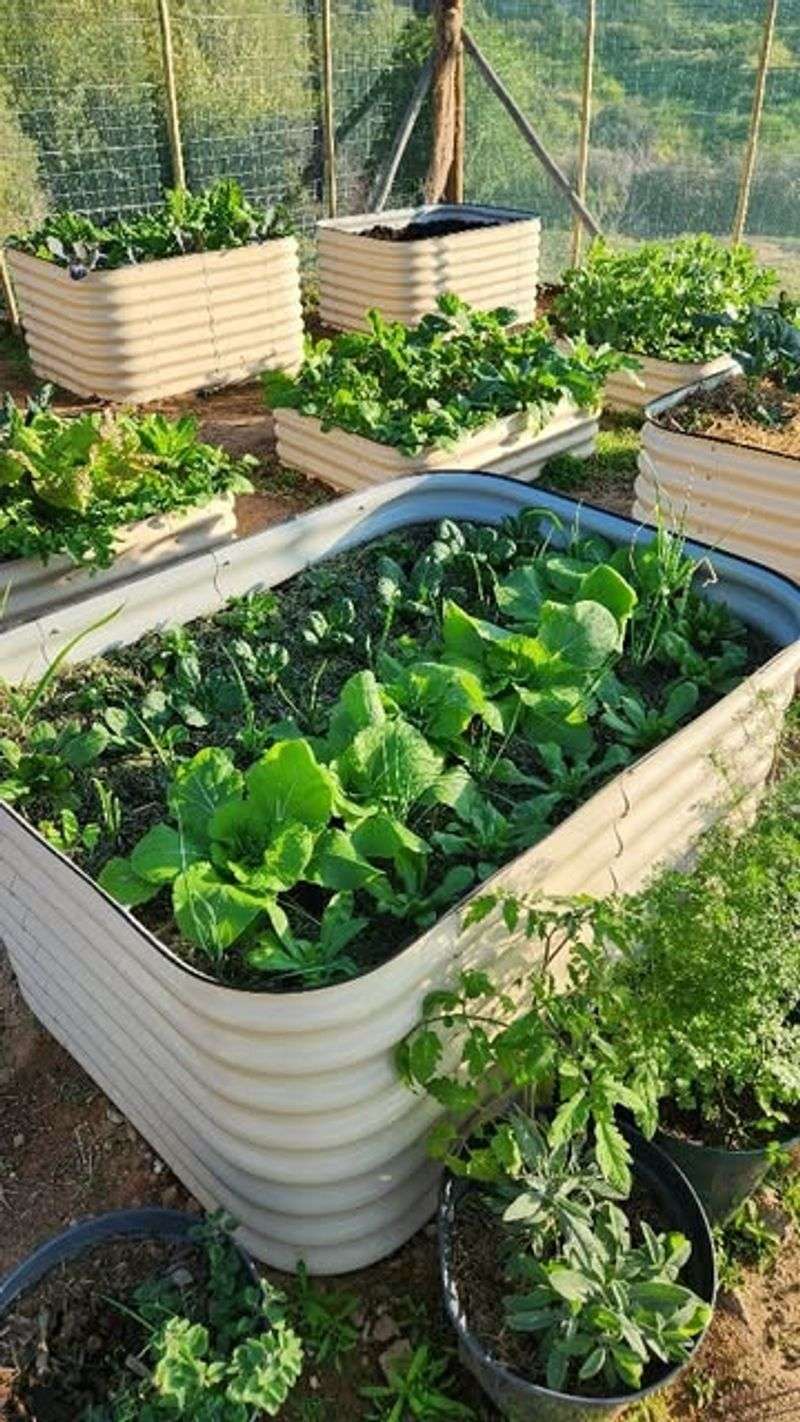
Raking up every fallen leaf and bagging grass clippings creates unnecessary work while throwing away valuable resources.
Nature designed leaves and plant debris to break down and feed the soil naturally.
Leaving a layer of fallen leaves under shrubs and trees mimics forest floor conditions that plants love.
As leaves decompose, they release nutrients back into the soil and improve its structure over time.
Grass clippings left on your lawn after mowing provide free fertilizer as they break down quickly.
This practice, called grasscycling, reduces your fertilizer needs by about thirty percent throughout the year.
Shredded leaves make excellent mulch for vegetable gardens and flower beds when spread a few inches thick.
Running your mower over fallen leaves chops them into smaller pieces that decompose faster.
You should clean up leaves and debris if they smother groundcovers or pile too thickly on small plants.
Remove clippings if your grass had disease problems or went to seed before mowing.
Otherwise, let nature’s recycling system work its magic while you skip the bagging, hauling, and disposal hassles.
9. Embrace Seasonal Gardening Instead Of Fighting It
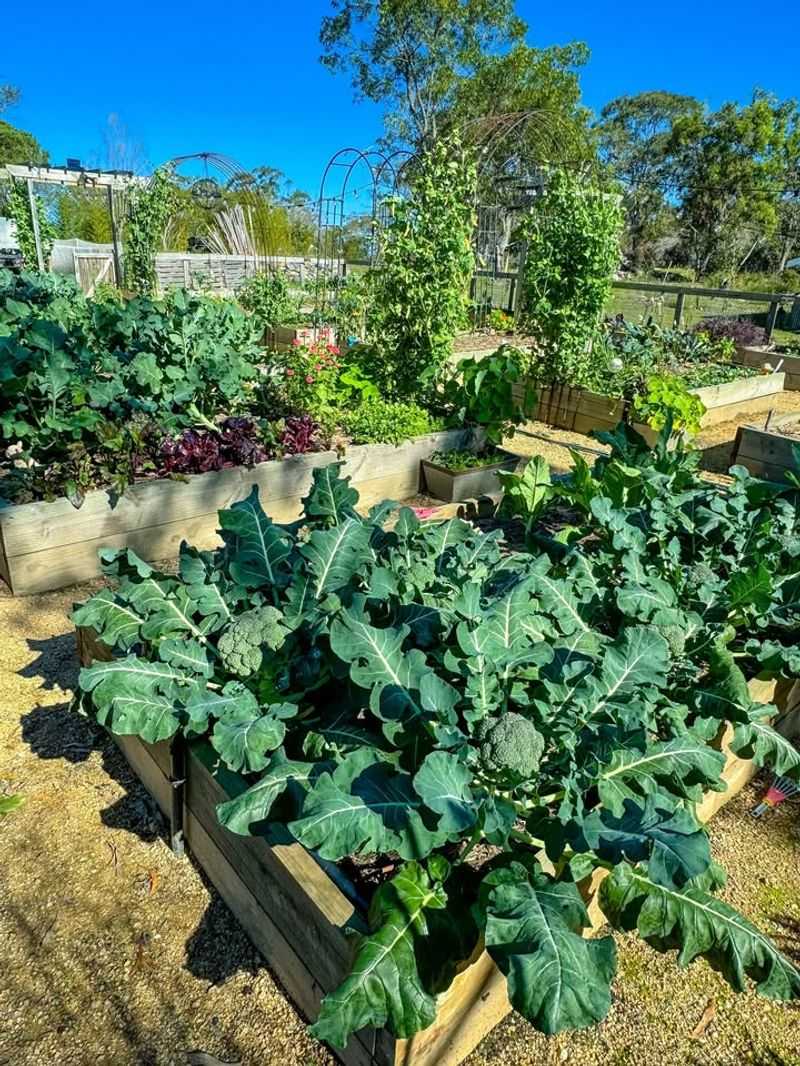
Fighting against Florida’s natural rhythms creates frustration and extra work that yields disappointing results.
Working with our unique seasons makes gardening feel effortless and actually productive.
Fall through spring represents our prime growing season when temperatures moderate and rainfall decreases.
Plant cool-season vegetables like tomatoes, peppers, and lettuce from October through February for best results.
These crops struggle in summer heat but thrive during our mild winters when northern gardens lie dormant.
Summer belongs to heat-loving tropical plants that explode with growth during our rainy season.
This is when you can mostly ignore your landscape since afternoon thunderstorms provide regular watering.
Many Florida gardeners take a summer break from intensive gardening, letting established plants do their thing.
Save major landscape projects and new plantings for fall when cooler weather makes outdoor work pleasant.
Plants installed in fall have months of moderate weather to establish strong root systems before summer stress arrives.
Following Florida’s seasonal patterns rather than fighting them reduces your workload dramatically while improving your success rate with every planting.
10. Focus On Good Enough, Not Perfect Landscapes
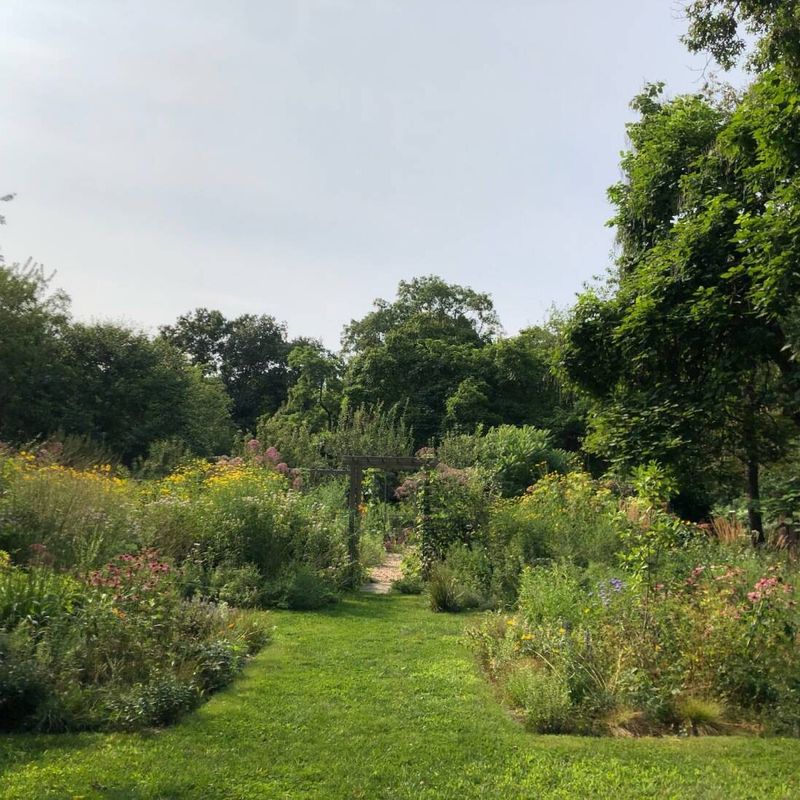
Magazine-perfect landscapes require professional maintenance crews and budgets most homeowners don’t have.
Chasing perfection in Florida gardening leads to burnout and turns a hobby into an exhausting obligation.
Successful lazy gardeners embrace a more relaxed philosophy that prioritizes overall health and beauty over flawless precision.
A few weeds scattered through your beds won’t ruin the overall effect if your plants look vibrant and happy.
Slightly shaggy edges create a cottage garden charm that feels more welcoming than rigid formality.
Your goal should be a landscape that looks cared for and intentional without requiring daily attention.
Focus your limited time on the areas most visible from your home and street.
Let back corners and side yards develop a more natural, wild appearance that needs minimal intervention.
Accept that Florida’s climate means things grow, bloom, and change rapidly rather than staying static.
This constant evolution creates interest and surprise rather than representing failure to maintain control.
When you release the need for perfection, gardening becomes enjoyable again instead of feeling like an impossible standard you’ll never quite reach.