8 Lazy Gardening Hacks Perfect For Busy Texas Lives
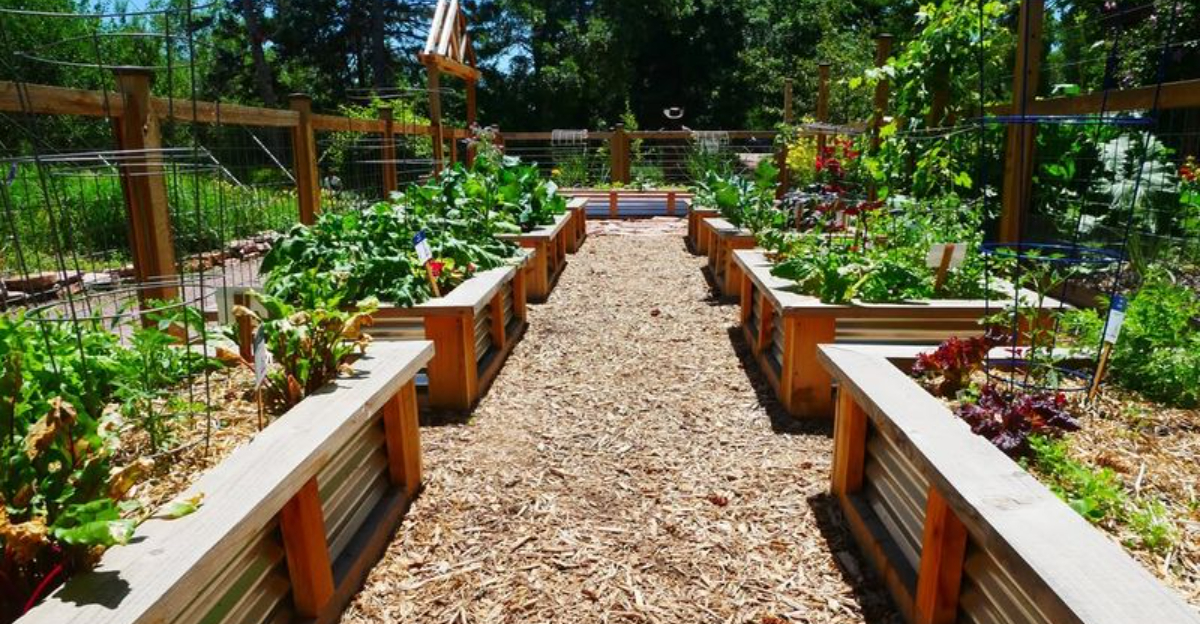
In Texas, life moves fast and the heat does not slow down for anyone.
Between long workdays, family time, and weekend plans, gardening often falls to the bottom of the list.
Still, many Texans want a yard that looks good without pouring time and energy into it.
That is where lazy gardening hacks earn their keep.
Lazy gardening is not about cutting corners in a bad way.
It is about working smarter and letting the garden do more of the heavy lifting.
Simple choices like tough plants, smart spacing, and low effort routines can save hours without sacrificing results.
These tricks help gardens stay healthy even when attention comes and goes.
Texas conditions make efficiency more than a nice bonus.
Heat, drought, and sudden storms can punish high maintenance gardens.
Lazy hacks focus on methods that hold up under pressure, from reducing watering needs to cutting back on constant upkeep.
When done right, these shortcuts feel less like cheating and more like common sense.
For busy Texas lives, lazy gardening turns yard work into something manageable, freeing up time while still keeping things looking sharp.
1. Mulch Everything To Keep Weeds Away
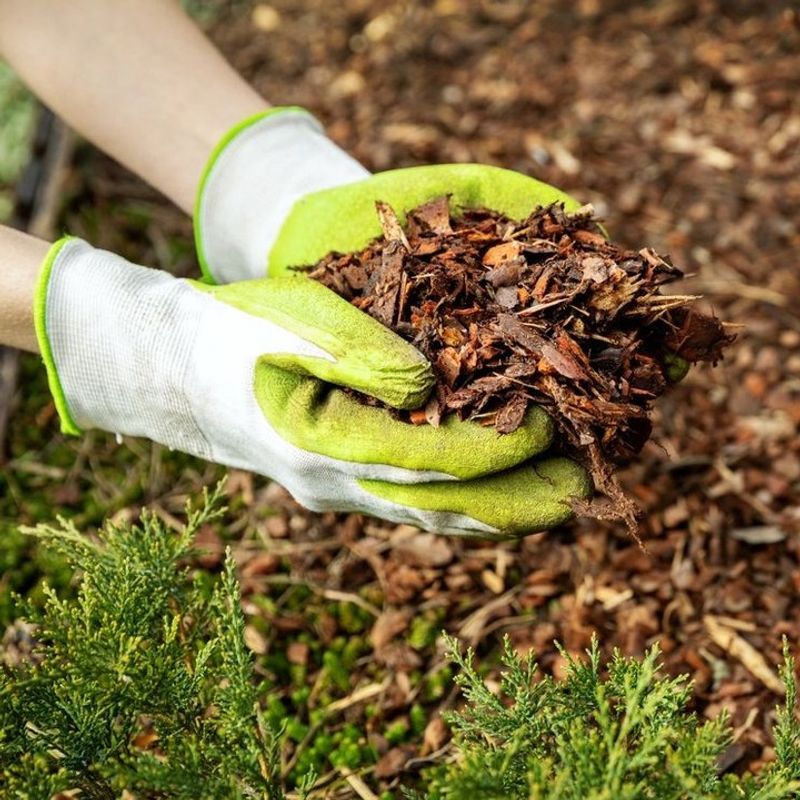
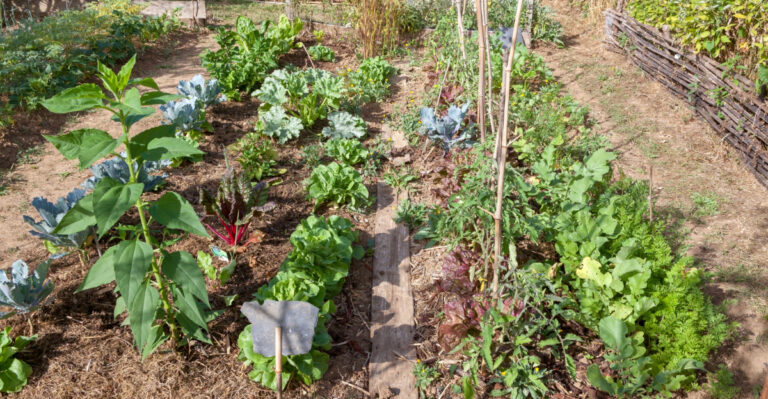
Spreading a thick layer of mulch around your plants is one of the smartest time-savers any Texas gardener can use.
Mulch blocks sunlight from reaching weed seeds, which means fewer weeds sprouting up and less time spent pulling them out by hand.
A good three to four inches of wood chips, pine bark, or shredded leaves does the trick beautifully.
Beyond weed control, mulch helps your soil retain moisture during those brutal Texas summer months when temperatures soar above 100 degrees.
Your plants stay hydrated longer, and you won’t need to drag the hose out every single day.
This is especially helpful if you live in areas like San Antonio or Fort Worth where water conservation matters.
Mulch also breaks down over time, adding valuable organic matter to your soil and improving its structure.
Healthier soil means stronger plants that require less fussing and feeding.
You can find affordable mulch at garden centers, or even get free wood chips from local tree trimming services.
Apply mulch in early spring before the weeds wake up, and refresh it once a year to keep it working effectively.
Keep the mulch a few inches away from plant stems to prevent rot and pests.
This simple step saves hours of work and keeps your garden looking neat and tidy with almost no effort on your part.
2. Install Drip Irrigation For Automatic Watering
Forget standing around with a hose every evening after work.
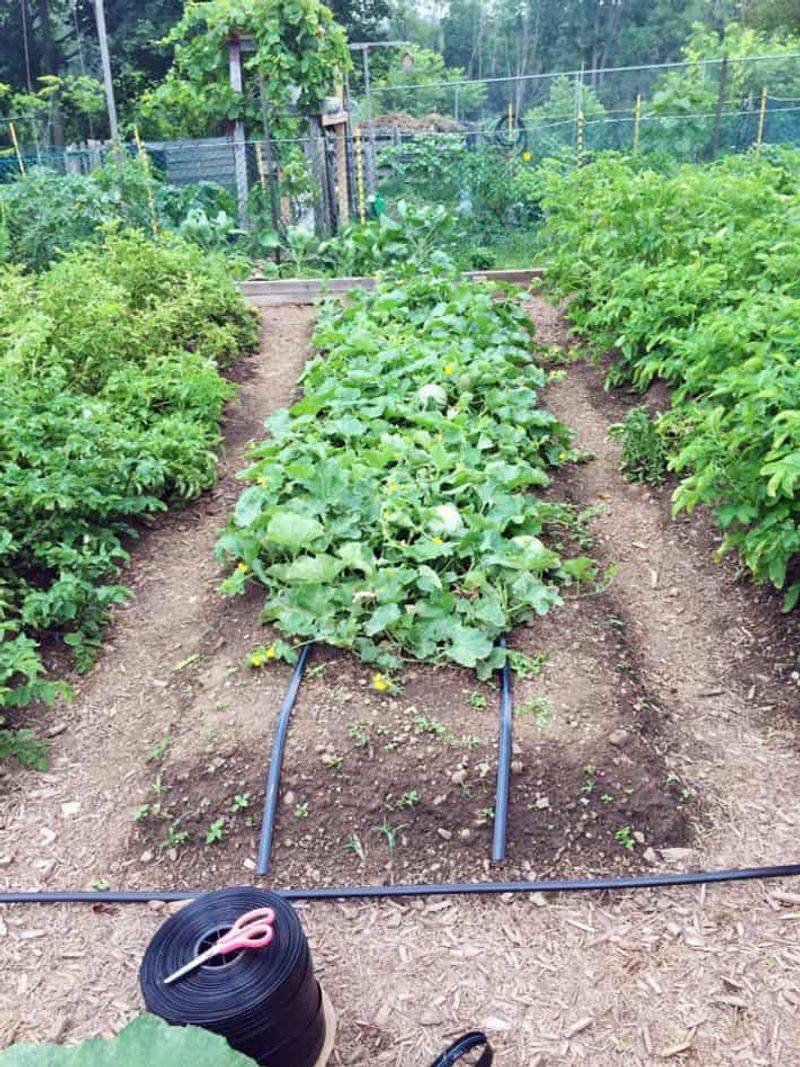
Drip irrigation systems deliver water directly to plant roots through a network of tubes and emitters, making watering completely automatic.
You set it up once, connect it to a timer, and your garden waters itself while you relax indoors with a cold drink.
Texas heat can be unforgiving, and plants need consistent moisture to thrive.
Drip systems provide slow, steady watering that soaks deep into the soil rather than running off or evaporating quickly.
This method uses less water than traditional sprinklers, which is perfect for Texas gardeners facing drought restrictions or high water bills.
Setting up a basic drip system is easier than you might think.
Most kits come with everything you need, including tubing, connectors, and stakes.
You simply lay the tubing along your garden rows, poke holes where you want water to drip, and attach emitters.
Connect the main line to an outdoor faucet and add a battery-operated timer for complete automation.
The system works great for vegetable gardens, flower beds, and container plants on patios.
You can adjust the flow rate for different plant types and expand the system as your garden grows.
This hack saves countless hours throughout the growing season and keeps your plants healthier than hand watering ever could.
3. Choose Native Texas Plants That Thrive Alone
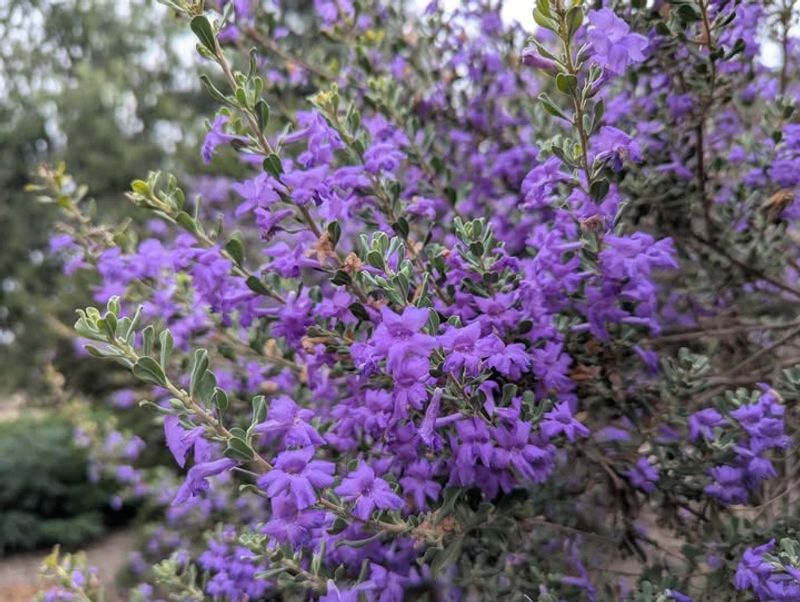
Why struggle with high-maintenance plants that demand constant attention when you could grow natives that practically take care of themselves?
Texas native plants evolved to handle the state’s challenging climate, including extreme heat, occasional freezes, and periods of drought.
They need far less water, fertilizer, and pest control than exotic species.
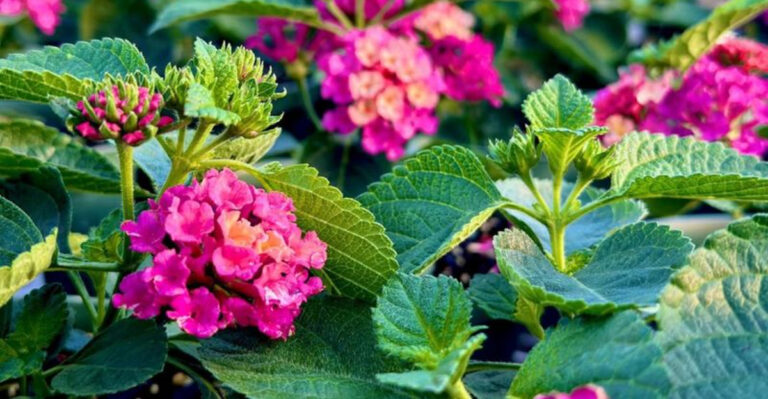
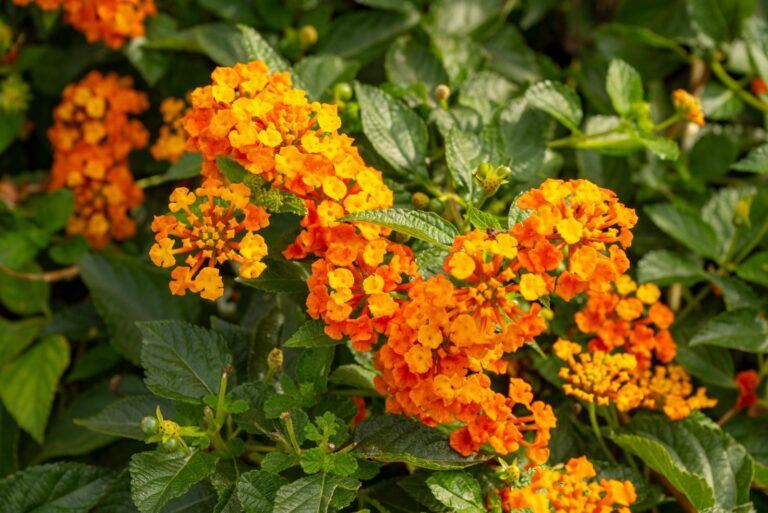
Consider gorgeous options like black-eyed Susans, purple coneflowers, Texas sage, and lantana.
These beauties bloom generously without needing much from you beyond occasional trimming.
Native grasses like muhly grass and buffalo grass make stunning landscape features and require almost no mowing or watering once established.
Native plants also support local wildlife, attracting butterflies, hummingbirds, and beneficial insects to your yard.
You get a lively, colorful garden that feels alive and vibrant without lifting a finger.
Many natives are available at Texas nurseries and garden centers, and they’re often cheaper than imported ornamentals.
Planting natives is especially smart for gardeners in Austin, Houston, or Dallas who want beautiful landscapes without weekend-consuming maintenance.
Once established, these tough plants breeze through summer heat waves and bounce back from winter cold snaps.
They’re the ultimate lazy gardener’s secret weapon for a gorgeous yard that runs itself.
4. Use Raised Beds To Simplify Garden Care
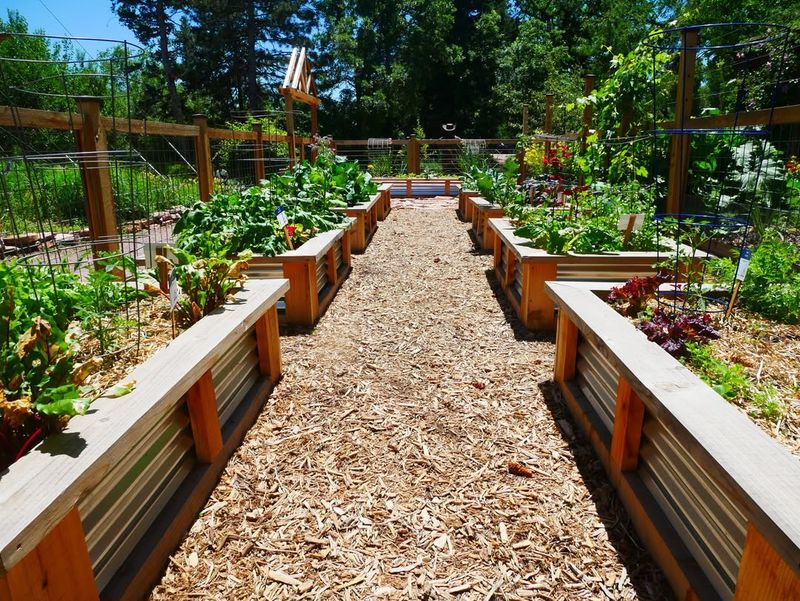
Raised garden beds might seem like extra work upfront, but they’re actually a lazy gardener’s dream come true.
Building or buying a few raised beds eliminates the backbreaking task of tilling hard Texas clay soil.
You fill the beds with quality garden soil and compost, creating perfect growing conditions without fighting your yard’s natural ground.
Raised beds warm up faster in spring, giving you a head start on planting.
They drain better during heavy rains, preventing waterlogged roots.
The defined borders keep grass and weeds from creeping into your garden space, and you can easily add mulch or landscape fabric underneath to block weeds completely.
Working in raised beds is easier on your back and knees because you’re not bending down as far.
You can even build them at a comfortable height for sitting while you plant or harvest.
Many Texas gardeners love cedar or composite raised beds that last for years without rotting.
The contained space makes crop rotation simple and helps you organize different plant types efficiently.
You can grow tomatoes in one bed, peppers in another, and herbs in a third without worrying about spacing or soil amendments mixing together.
Raised beds also look neat and attractive, giving your yard an organized, intentional appearance with minimal ongoing maintenance required throughout the season.
5. Plant Perennials Instead Of Starting Over Annually
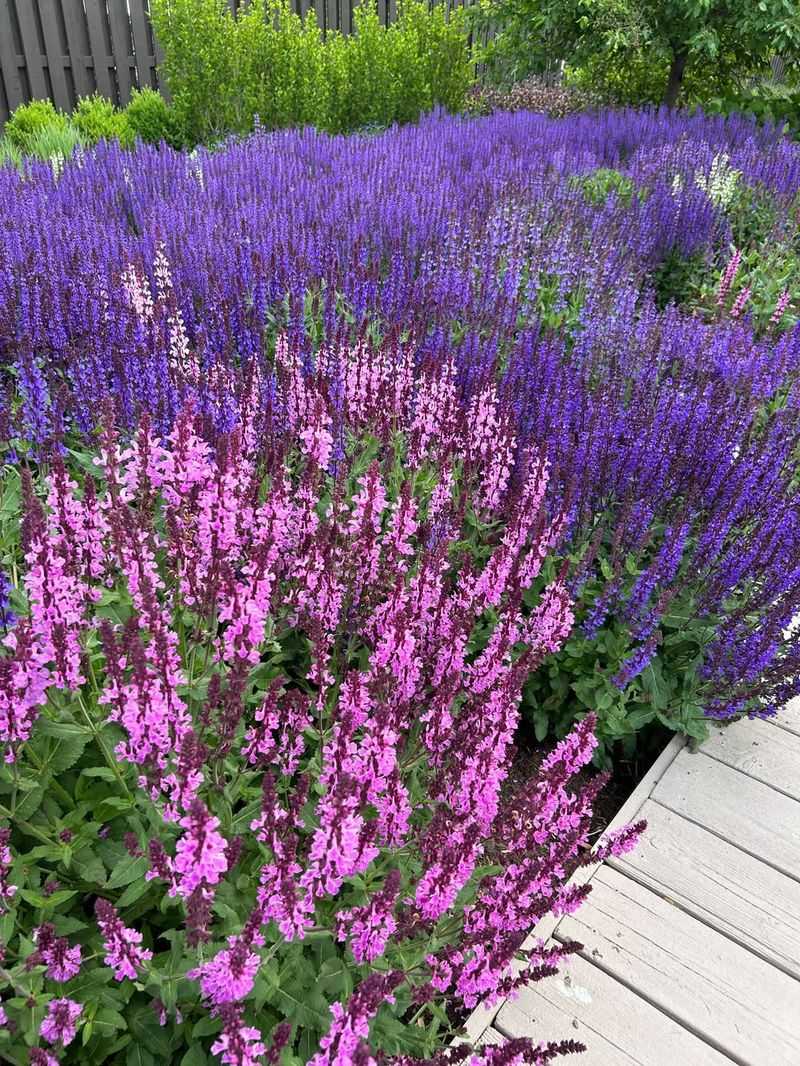
Annual flowers and vegetables need replanting every single year, which means repeated trips to the nursery, constant soil prep, and ongoing expense.
Perennials, on the other hand, come back year after year with little effort.
You plant them once and enjoy their beauty or harvest for seasons to come.
Texas-friendly perennials like salvia, artemisia, autumn sage, and daylilies burst into bloom reliably every spring or summer.
Many perennial herbs such as rosemary, oregano, and thyme thrive in Texas gardens, providing fresh seasonings without replanting.
Even some vegetables like asparagus and artichokes return annually once established.
Perennials develop stronger root systems over time, making them more drought-tolerant and resilient than annuals.
They require less frequent watering and can handle Texas weather extremes better.
After the first year, most perennials need only occasional trimming and perhaps a light feeding in spring.
The cost savings add up quickly when you’re not buying flats of annuals every season.
Your garden matures and becomes more beautiful each year as perennials fill in and spread naturally.
Gardeners across Texas from El Paso to Corpus Christi rely on perennials to keep their landscapes colorful without constant replanting.
This approach gives you more time to enjoy your garden rather than constantly working in it.
6. Let Grass Clippings Feed Your Lawn Naturally
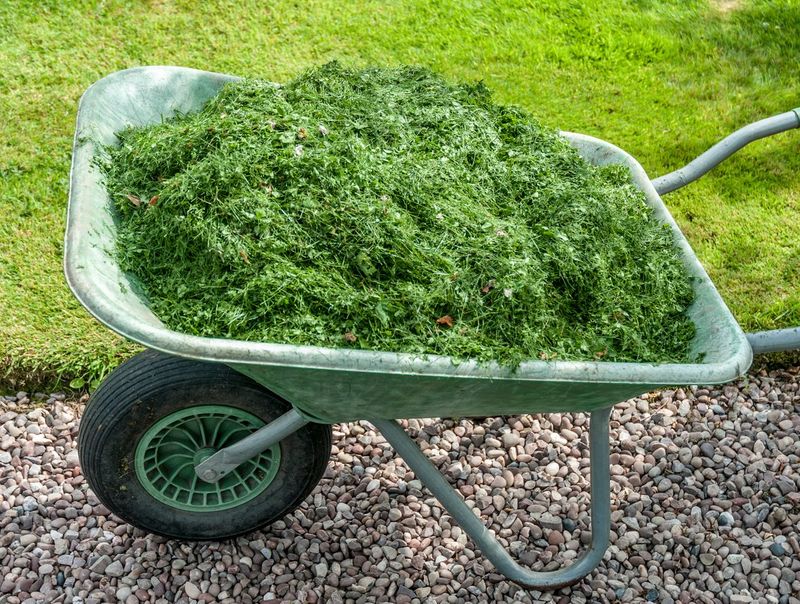
Bagging grass clippings every time you mow creates extra work and throws away valuable nutrients.
Grasscycling, the practice of leaving clippings on your lawn, feeds your grass naturally while saving you time and effort.
Those clippings break down quickly, returning nitrogen and other nutrients to the soil.
Contrary to old myths, grass clippings don’t cause thatch buildup when you mow regularly.
They’re mostly water and decompose within days, especially in Texas heat.
This natural fertilization reduces or eliminates the need for chemical lawn treatments, saving money and protecting the environment.
To grasscycle effectively, mow when grass is dry and never remove more than one-third of the blade height at once.
Use a sharp mower blade to create fine clippings that break down faster.
Most modern mowers handle grasscycling beautifully, and mulching mowers chop clippings extra fine for even quicker decomposition.
This lazy gardening hack works wonderfully across Texas, from the humid Gulf Coast to the drier western regions.
Your lawn stays greener with less watering because the clippings help retain soil moisture.
You’ll spend less time emptying mower bags, hauling yard waste, and spreading fertilizer.
The result is a healthier lawn that practically takes care of itself while you enjoy more free time for other activities you actually want to do.
7. Grow Vegetables In Containers For Easy Management
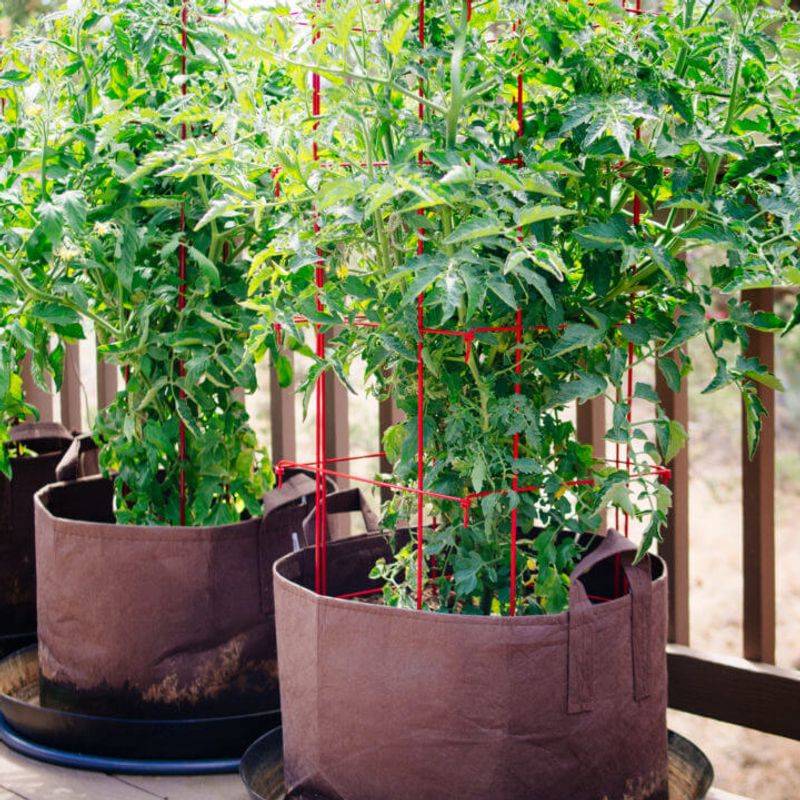
Container gardening brings vegetables within arm’s reach without requiring a dedicated garden plot or extensive soil preparation.
You can grow tomatoes, peppers, lettuce, and herbs in pots on your patio, balcony, or driveway.
This approach works perfectly for apartment dwellers or anyone with limited yard space across Texas cities.
Containers give you complete control over soil quality, drainage, and placement.
You can move pots to follow the sun or bring them under cover during severe weather.
Watering is simpler because you’re dealing with small, defined spaces rather than sprawling garden beds.
Pests and diseases are easier to manage when plants are contained and visible.
Choose containers at least 12 inches deep for most vegetables, with drainage holes to prevent waterlogging.
Use quality potting mix rather than garden soil, which compacts in containers.
Self-watering containers are especially helpful for busy Texas gardeners, reducing watering frequency during hot summer months.
Container vegetables need more frequent fertilizing than in-ground plants because nutrients wash out with watering.
A simple liquid fertilizer every two weeks keeps plants productive.
You can start small with just a few pots and expand as you gain confidence.
This method eliminates weeding, tilling, and many traditional gardening chores while still providing fresh, homegrown produce throughout the growing season.
8. Apply Slow-Release Fertilizer Once Per Season
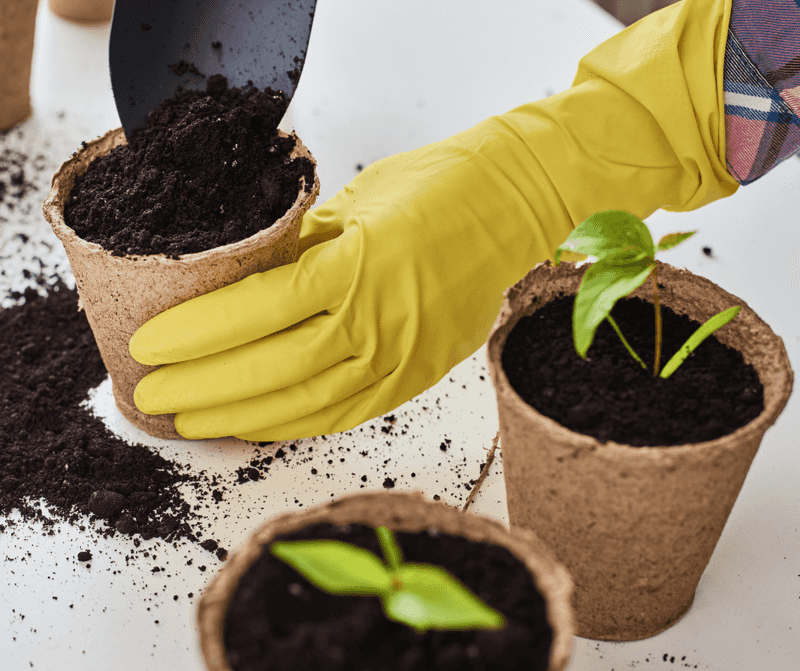
Constantly mixing and applying liquid fertilizers takes time you probably don’t have.
Slow-release fertilizers do the work for you, feeding plants gradually over several months from a single application.
These granular or pellet formulas release nutrients slowly as soil microbes break them down, providing steady nutrition without repeated effort.
One spring application of slow-release fertilizer can feed your garden through the entire growing season in Texas.
You simply sprinkle the granules around your plants according to package directions, water them in lightly, and forget about feeding for months.
Plants receive consistent nutrition that promotes steady growth without the explosive, weak growth that comes from heavy liquid feeding.
Slow-release fertilizers reduce the risk of burning plants with too much fertilizer at once.
They’re also less likely to wash away during heavy Texas rainstorms, making them more economical and environmentally friendly.
Many formulas are specifically designed for vegetables, flowers, or lawns, so you can choose the right nutrient balance for your needs.
This approach works beautifully whether you’re gardening in raised beds, containers, or traditional in-ground plots.
You’ll spend less money buying fertilizer repeatedly and less time measuring and applying it.
Your plants stay healthier with balanced nutrition, and you gain back precious weekend hours for relaxing rather than garden chores.