11 Leafy Green Vegetables To Grow For Delicious Salads In Florida
Growing fresh salad greens in Florida is one of the most rewarding things a home gardener can do.
Even with blazing summers and surprise cold snaps, this state offers a unique climate where the right leafy vegetables can thrive for months at a time.
A backyard bed or even a few containers can turn into a steady source of crisp, colorful, flavor packed greens that taste far better than anything from a store.
From tender lettuces and crunchy romaine to bold mustards and peppery arugula, Florida gardeners have an incredible range of options that grow beautifully when planted at the right time.
These greens grow quickly, take up very little space, and keep producing when harvested correctly, making them perfect for busy gardeners who want big rewards from small plots.
With just a little planning and the right plant choices, your garden can become a living salad bowl that delivers freshness, nutrition, and garden pride season after season.
1. Lettuce (Loose-Leaf Varieties)
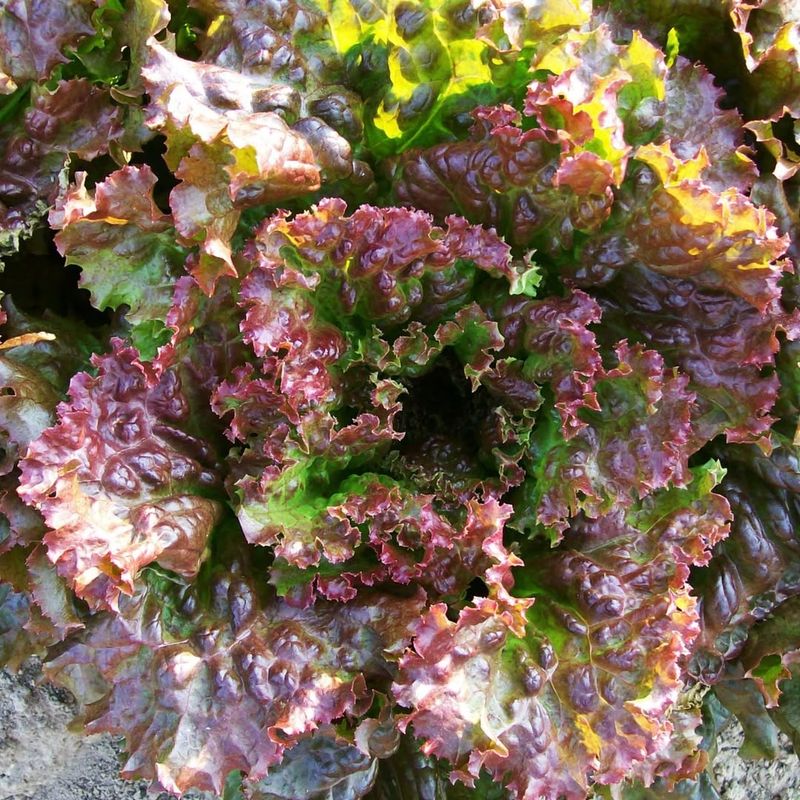
Loose-leaf lettuce is one of the easiest and most rewarding greens you can grow in your Florida garden, especially during our cooler months from October through March.
Unlike head lettuce that takes forever to mature, loose-leaf varieties let you harvest tender outer leaves while the plant keeps producing more from the center.
You can snip what you need for tonight’s salad and come back in a few days for another fresh handful.
Plant your lettuce seeds in a spot that gets morning sun but some afternoon shade, because Florida’s intense light can make leaves bitter and cause bolting.
Keep the soil consistently moist but not waterlogged, and consider using a light mulch to help retain moisture and keep roots cool.
Varieties like Black Seeded Simpson, Red Sails, and Oak Leaf thrive in our climate and tolerate a bit more warmth than other types.
For the sweetest and most tender leaves, harvest in the early morning when the plants are still crisp with dew.
Your lettuce will reward you with multiple cuttings if you keep it well watered and pick leaves regularly, giving you fresh salads for weeks on end.
2. Spinach (Florida Spinach, e.g., Malabar Or New Zealand)
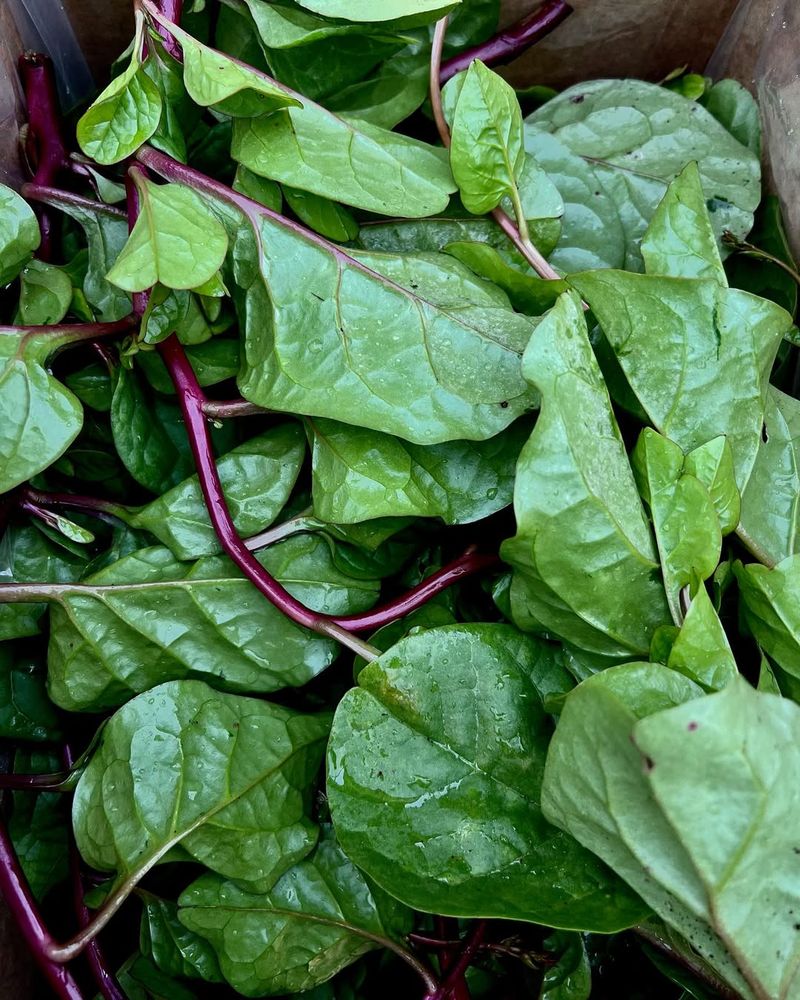
Traditional spinach often struggles in Florida’s heat, but Malabar and New Zealand spinach are heat-loving alternatives that thrive when temperatures soar.
Although they are called ‘spinach,’ Malabar and New Zealand spinach are not true spinach and have a different texture and flavor when eaten raw.
Malabar spinach is actually a climbing vine with thick, glossy leaves that taste mild and slightly peppery, while New Zealand spinach spreads low and wide with small triangular leaves that have a wonderful earthy flavor.
Both of these plants laugh at our summer humidity while regular spinach would wilt and bolt.
You can start these warm-season spinach varieties in late spring and harvest all through summer and into fall.
Give them plenty of space because they love to sprawl, and provide a trellis for Malabar spinach so it can climb and show off its beautiful red stems.
Water deeply but let the soil dry slightly between waterings, and pinch back the growing tips regularly to encourage bushier growth and more tender leaves.
Harvest young leaves for the best flavor and texture; they can be used raw in small amounts or lightly cooked.
These Florida-friendly spinach alternatives will keep your salad bowl full even during the hottest months when other greens have long given up.
3. Arugula
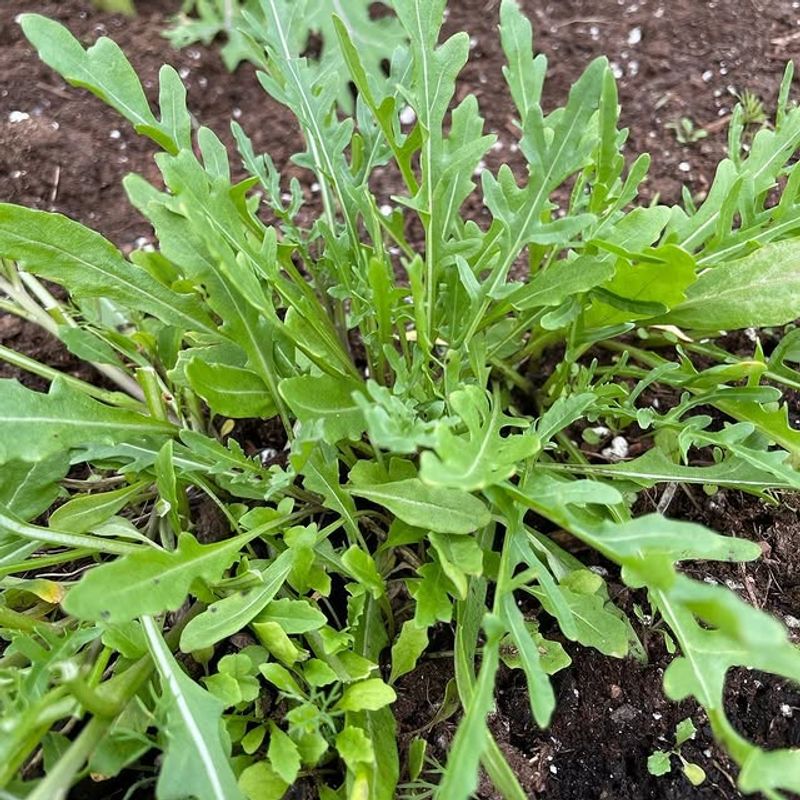
Arugula brings a delicious peppery kick to your salads that makes every bite more interesting, and this fast-growing green is perfectly suited for Florida’s fall and winter gardens.
Seeds germinate quickly in cool soil, and you can start harvesting baby leaves in as little as three weeks after planting.
The younger leaves taste milder and sweeter, while older leaves pack more of that spicy mustard flavor that arugula lovers crave.
Plant arugula in full sun during our cooler months, spacing seeds about two inches apart in well-draining soil enriched with compost.
Water regularly to keep the soil evenly moist because dry conditions make the leaves extra spicy and tough.
If you want a continuous harvest, sow new seeds every two weeks from October through February so you always have tender young plants ready to pick.
Harvest leaves when they are about three to four inches long by snipping them at the base, and the plant will keep producing more.
Arugula flowers are also edible and add a pretty white bloom with a peppery taste to salads, but once the plant starts flowering heavily, the leaves become too bitter for most palates.
4. Kale And Collard Greens
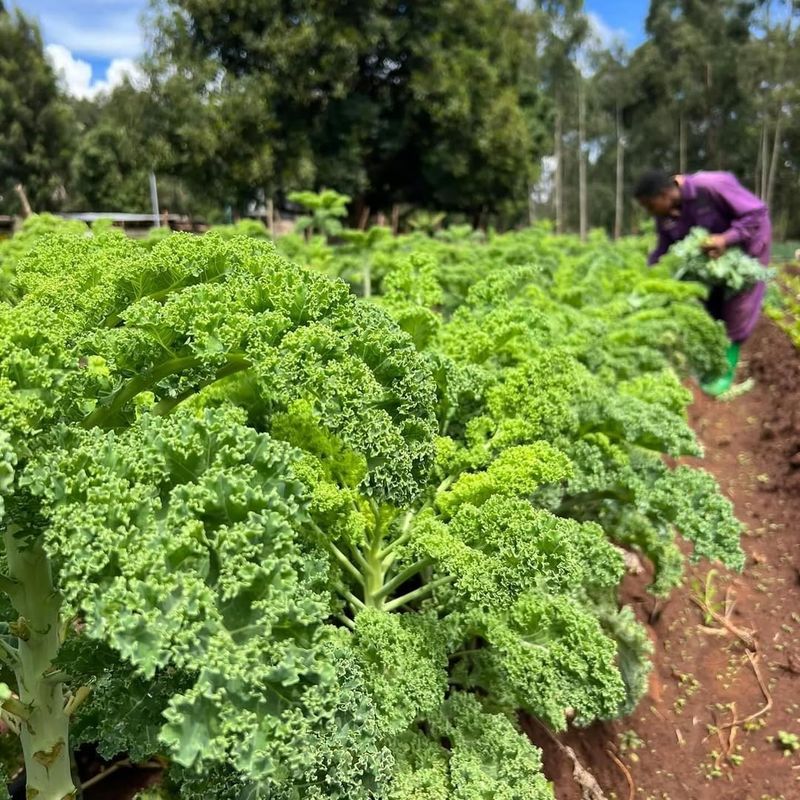
Kale has become a superstar in healthy eating, and Florida gardeners can grow beautiful curly kale and collard greens during our mild winter months.
Curly kale has those gorgeous ruffled leaves that look almost ornamental in your garden, while collard greens produce smooth, flat leaves that are more heat tolerant and better suited for extended Florida growing seasons.
Both types are packed with vitamins and add a hearty, slightly sweet flavor to salads when harvested young.
Start your kale plants in October or November when nighttime temperatures begin to drop, planting them in a sunny spot with rich, well-amended soil.
Space plants about twelve to eighteen inches apart because they grow into substantial bushes that need room to spread.
Water consistently and feed with a balanced organic fertilizer every few weeks to keep those leaves tender and productive.
For salad use, harvest the youngest leaves from the center of the plant when they are about four to six inches long, because these baby kale leaves are tender and mild.
Older outer leaves work better for cooking, but young kale in salads is a treat that tastes nothing like the tough, bitter kale some people avoid.
5. Swiss Chard
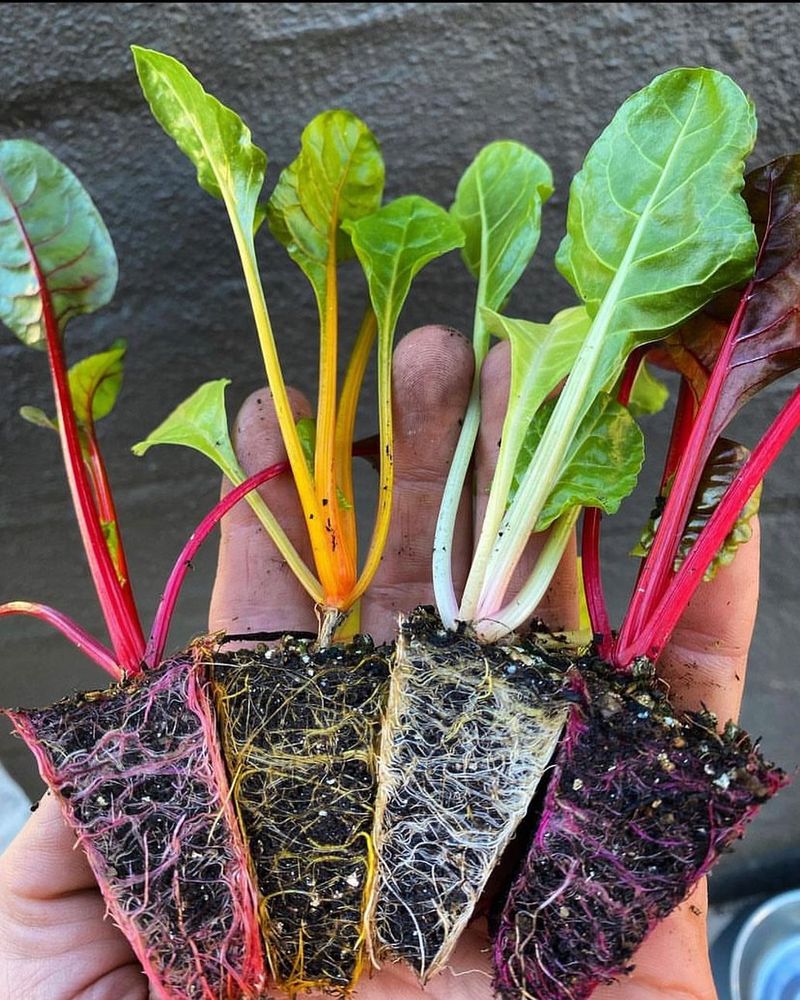
Swiss chard is one of the most colorful vegetables you can grow, with vibrant stems in shades of red, yellow, orange, and white that look like art in your garden.
The large, crinkled leaves taste earthy and slightly salty, similar to spinach but with a bit more substance and texture.
Chard tolerates Florida’s heat better than many greens, making it a fantastic choice for extending your salad season into late spring and even early summer if you provide some afternoon shade.
Plant Swiss chard seeds or transplants in full sun during fall through early spring, giving each plant about six to eight inches of space in nutrient-rich, well-draining soil.
Chard loves consistent moisture, so water deeply and regularly, especially as temperatures warm up.
The plants can grow quite large, sometimes reaching two feet tall, and they look stunning mixed into flower beds or grown in decorative containers.
Harvest outer leaves when they are young and tender, about six to eight inches long, by cutting them at the base with a sharp knife.
Your chard plant will keep producing new leaves from the center for months, giving you a steady supply of colorful, nutritious greens that brighten up any salad bowl.
6. Mustard Greens
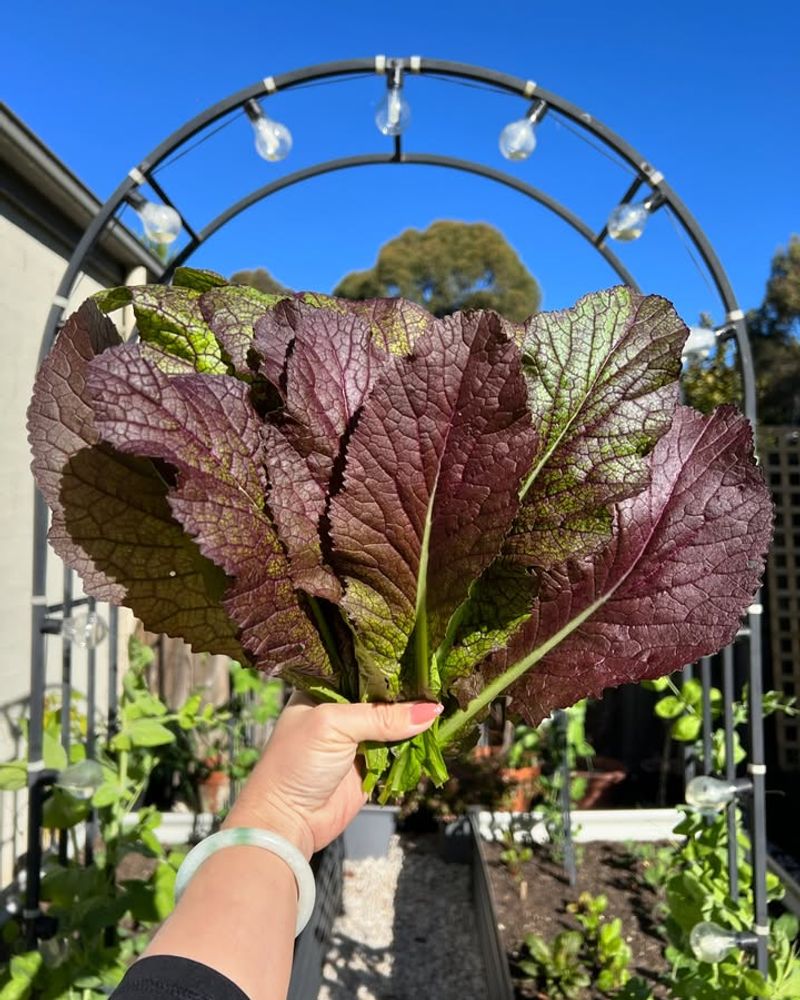
Mustard greens grow fast and furious in Florida’s cool season, producing large, frilly leaves with a bold, spicy flavor that wakes up your taste buds.
Some varieties have smooth leaves while others are deeply curled and ruffled, but all of them share that distinctive mustard kick that adds character to salads.
These greens are practically foolproof to grow, tolerating a wide range of soil conditions and bouncing back quickly from harvesting.
Sow mustard green seeds directly in your garden bed from October through February, scattering them thinly and covering with just a quarter inch of soil.
They germinate quickly in cool weather, and you can start harvesting baby leaves in as little as three weeks.
For the best salad greens, pick leaves when they are young and small, about four to five inches long, because older leaves become quite pungent and tough.
Mustard greens prefer full sun but will tolerate partial shade, and they need regular watering to stay tender and mild.
If the soil dries out or temperatures spike, the leaves become extra spicy and bitter.
Mix young mustard greens with milder lettuces in your salads to balance that spicy flavor and add an exciting zing to every bite.
7. Bok Choy
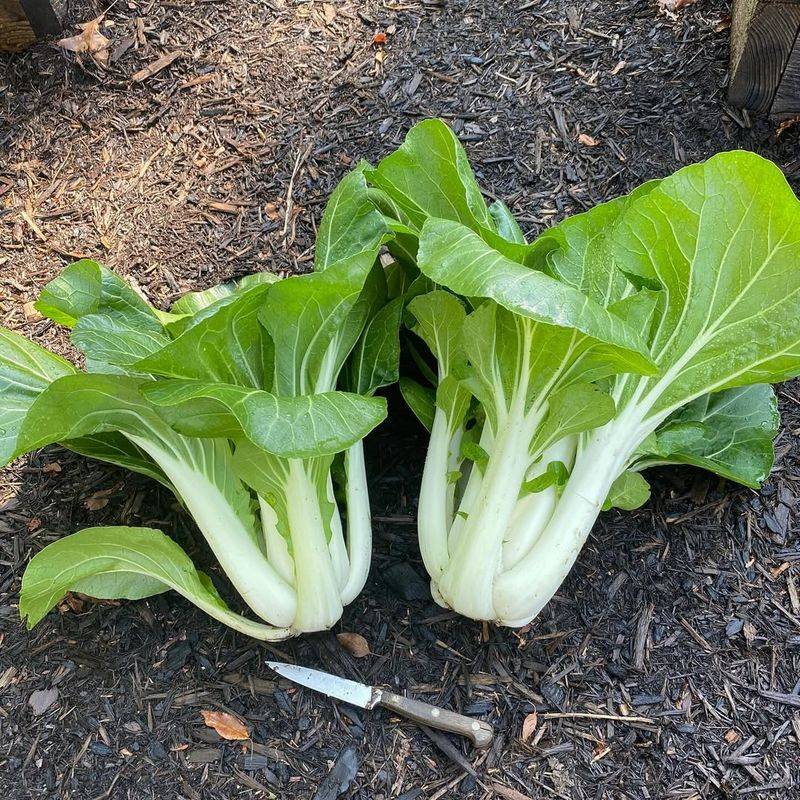
Bok choy might seem like an exotic Asian vegetable, but it grows beautifully in Florida gardens during our cooler months and adds a wonderful mild, slightly sweet crunch to fresh salads.
Bok choy bolts quickly when temperatures rise above about 75–80°F, so it must be grown only during Florida’s cool season.
The plant forms a compact rosette of smooth, dark green leaves with thick white stems that look almost like celery.
Baby bok choy varieties mature quickly and stay small and tender, perfect for harvesting whole and slicing fresh into salad bowls.
Plant bok choy in full sun from October through February, spacing plants about six to eight inches apart in rich, well-draining soil that stays consistently moist.
Bok choy is a heavy feeder, so work plenty of compost into your soil before planting and side-dress with organic fertilizer halfway through the growing season.
Watch for aphids and cabbage worms, which love bok choy as much as you do, and hand-pick any pests you spot.
You can harvest baby bok choy whole when the plants are about six inches tall, or pick individual outer leaves from larger plants as you need them.
The crisp stems and tender leaves add both texture and nutrition to salads, and the mild flavor pairs well with just about any dressing you choose to use.
8. Mizuna
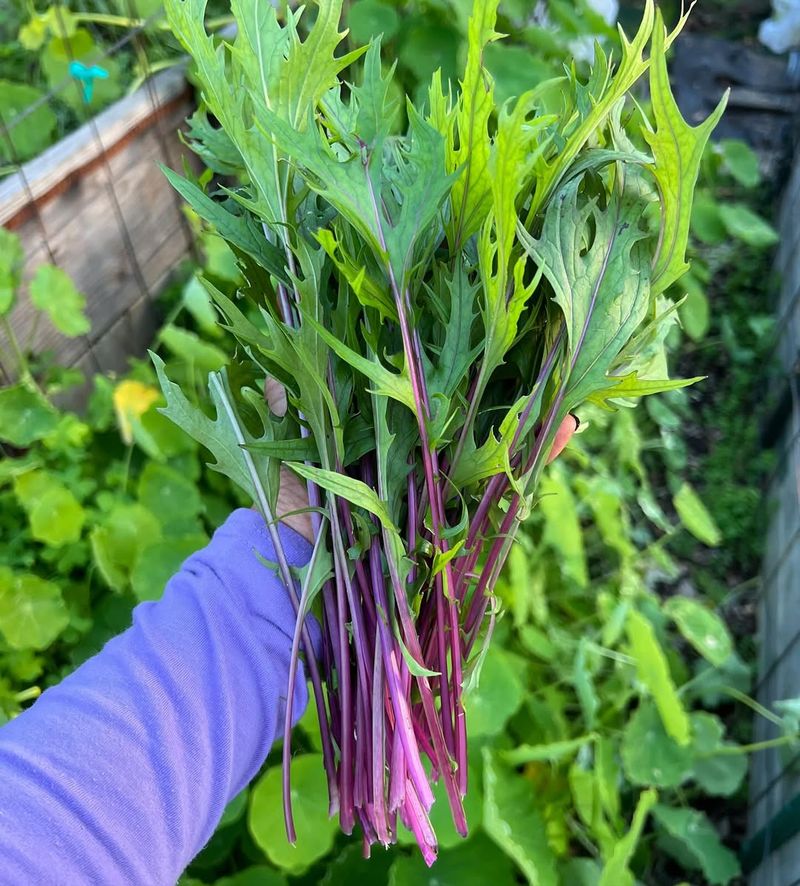
Mizuna is a Japanese mustard green that deserves more attention from Florida gardeners because it grows quickly, looks beautiful, and tastes fantastic in fresh salads.
The deeply serrated leaves look almost feathery, forming a loose rosette that spreads wide and fills in garden spaces nicely.
Flavor-wise, mizuna offers a mild peppery taste that is less intense than arugula, with a tender texture that makes it perfect for mixing with other salad greens.
Sow mizuna seeds in fall or winter when temperatures cool down, planting them in full sun to partial shade in well-draining soil.
Seeds sprout quickly, and you can start harvesting baby leaves in about three weeks or wait another week or two for larger leaves.
Mizuna tolerates light frosts beautifully, making it an excellent choice for extending your salad harvest through occasional cold snaps.
Harvest mizuna by cutting outer leaves at the base, leaving the center of the plant to keep producing fresh growth.
The plants will continue giving you tender leaves for several months if you keep them watered and harvest regularly.
Mizuna also looks gorgeous as an edible ornamental, with its feathery foliage adding texture and interest to container gardens and flower beds alongside your other vegetables.
9. Endive
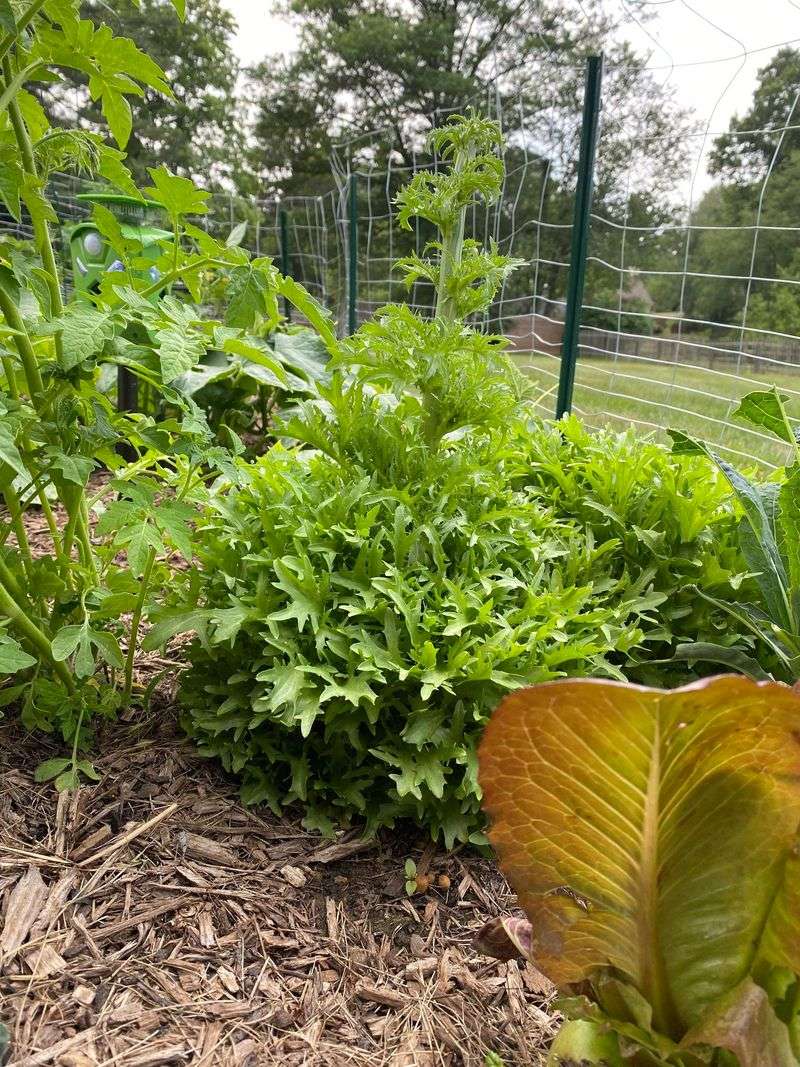
Endive brings a sophisticated, slightly bitter flavor to salads that pairs wonderfully with sweet dressings and rich ingredients like cheese and nuts.
Endive is more heat-sensitive than lettuce and performs best in North and Central Florida during the coolest months of winter.
This cool-season green forms either loose heads of curly leaves or tight upright heads depending on the variety you choose, and both types thrive in Florida’s mild winter weather.
Curly endive, also called frisée, has frilly, twisted leaves that add volume and texture, while escarole endive produces broader, flatter leaves with a milder taste.
Plant endive in your garden from October through January, choosing a spot with full sun and well-draining soil enriched with plenty of organic matter.
Space plants about eight to ten inches apart because they grow into substantial heads that need room to develop properly.
Keep the soil consistently moist and provide regular fertilization to encourage tender leaf growth and prevent excessive bitterness.
Harvest endive when the heads are fully formed but still young, usually about eight to ten weeks after planting.
You can blanch the inner leaves by tying the outer leaves together a week before harvesting, which reduces bitterness and creates pale, tender hearts that are prized by gourmet cooks.
Young outer leaves also work well in salads, adding that characteristic slightly bitter flavor that makes endive so distinctive and delicious.
10. Romaine Lettuce
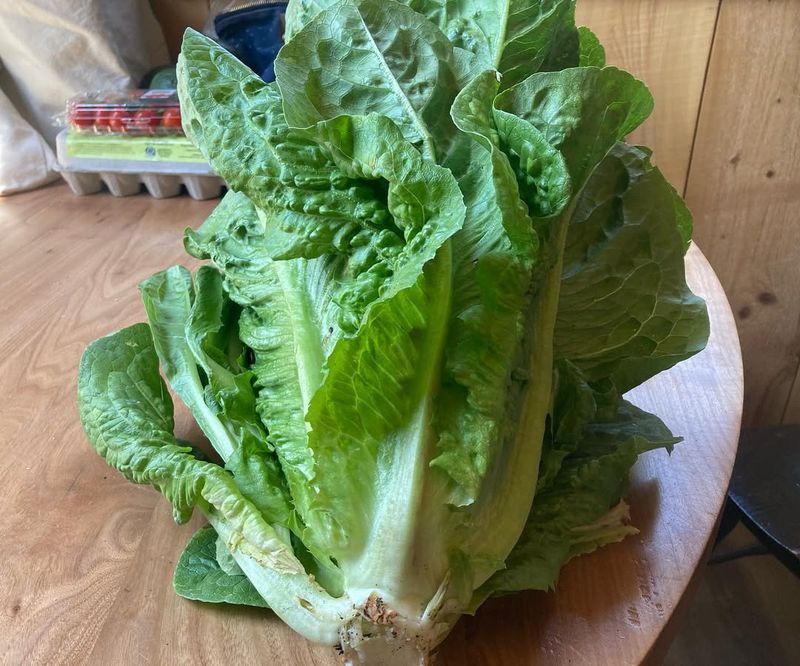
Romaine lettuce forms those classic upright heads with crisp, elongated leaves that are perfect for Caesar salads and heartier salad mixes.
Growing romaine in Florida requires timing your planting for our coolest months, but when you get it right, you will harvest beautiful heads that rival anything you can buy at the grocery store.
Romaine leaves have a satisfying crunch and a mild, slightly sweet flavor that makes them incredibly versatile in the kitchen.
Start romaine seeds or transplants in October or November, planting them in full sun in rich, well-draining soil that stays evenly moist.
Space plants about eight to ten inches apart to allow proper head formation, and water consistently to prevent tip burn and bitterness.
Romaine needs steady nutrition, so side-dress with compost or organic fertilizer every few weeks to keep those leaves growing thick and crisp.
You can harvest whole heads when they reach about six to eight inches tall, or pick outer leaves individually for a cut-and-come-again harvest that extends your production.
Romaine tolerates light frosts, making it one of the more reliable lettuces for Florida’s unpredictable winter weather.
Your homegrown romaine will taste sweeter and crisper than store-bought, making every salad feel like a special treat from your own backyard garden.
11. Watercress
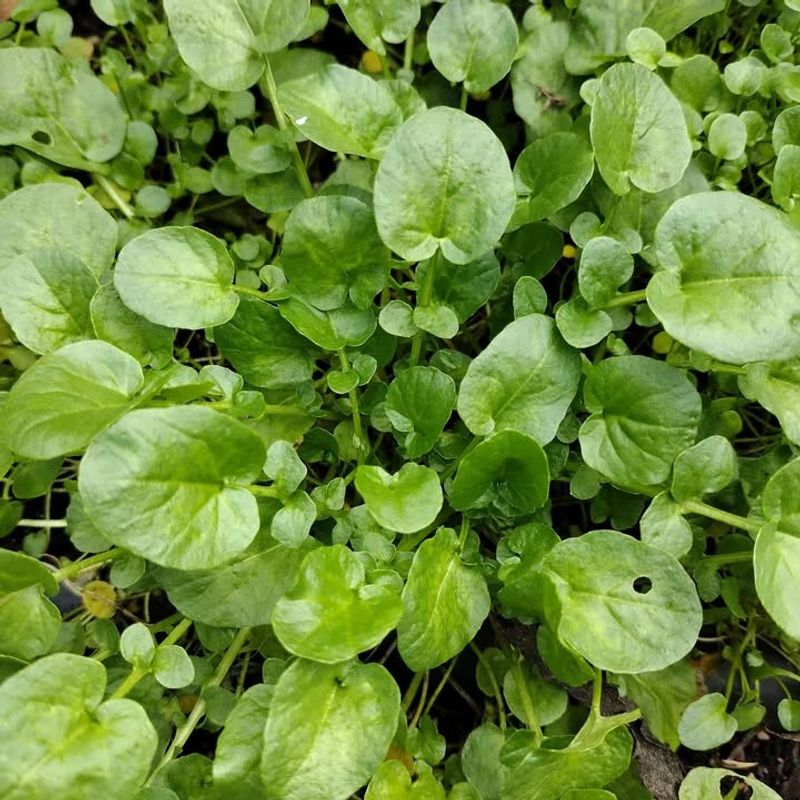
Watercress is a peppery, nutrient-packed green that grows best in consistently moist or even wet conditions, making it perfect for Florida gardeners who have a boggy spot or want to grow greens in containers with water trays underneath.
The small, round leaves grow on tender stems and offer a sharp, peppery bite that adds excitement to any salad.
Watercress is actually a semi-aquatic plant that thrives in conditions where other greens would drown.
Watercress requires continuously flowing or very clean, cool water; stagnant garden puddles or flooded soil will often cause disease and poor growth.
Watercress prefers partial shade, especially during Florida’s brighter months, and it grows best in our cooler season from fall through spring.
Keep the growing medium constantly moist or submerged in shallow water, and harvest regularly to encourage bushy, tender growth.
Cut sprigs of watercress with scissors when the stems are four to six inches long, leaving a few inches of growth so the plant can regenerate.
The peppery leaves are packed with vitamins and antioxidants, and they add a sophisticated, slightly spicy flavor that elevates simple salads into something special.
Watercress also makes a beautiful garnish and works wonderfully in sandwiches and wraps alongside your other homegrown greens.