8 Leafy Greens Jacksonville Florida Residents Can Still Plant This Month
While much of the country is winding down, Jacksonville gardeners still have time to grow fresh food.
Florida’s mild winters create a sweet spot for leafy greens that thrive in cooler temperatures without risking frost damage.
These greens grow quickly, tolerate short days, and often taste better when temperatures dip slightly.
For Jacksonville residents, planting now means steady harvests when grocery prices climb and summer heat is a distant memory.
Timing is everything.
Waiting too long can mean missed opportunities, while planting now lets roots establish before temperatures fluctuate.
With the right choices, greens stay productive and low-maintenance through winter.
For Florida gardeners, this window feels like a secret advantage.
While others plan for spring, Jacksonville gardens are still producing—proving that growing seasons don’t have to follow the calendar.
1. Kale
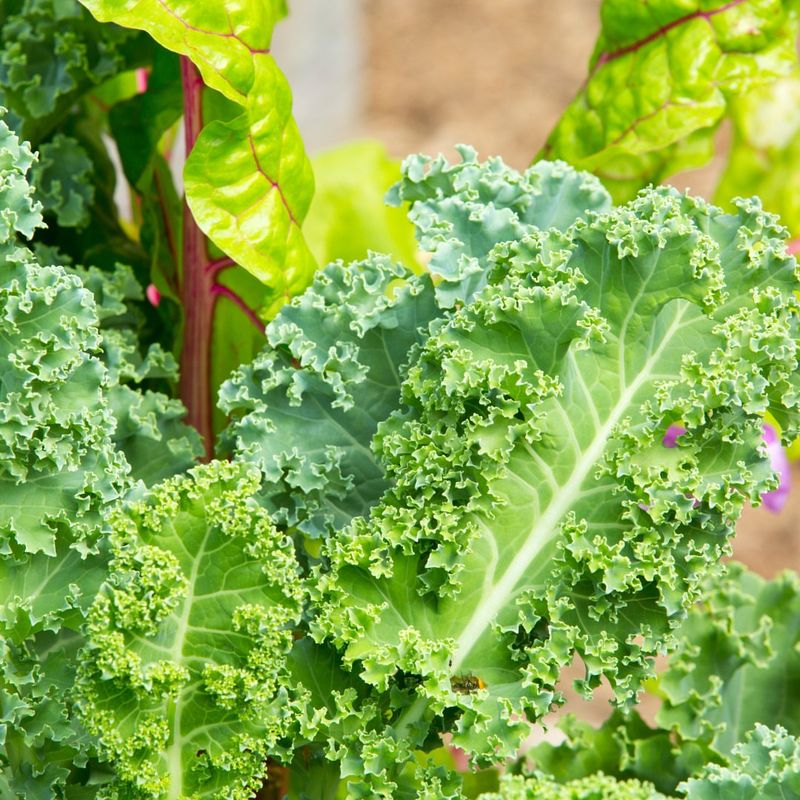
Jacksonville’s mild January weather creates ideal conditions for kale to flourish in ways that surprise many new gardeners.
Cool temperatures actually enhance the natural sweetness of kale leaves, reducing the bitterness that sometimes develops during warmer months.
This nutrient-packed superfood develops tender, flavorful leaves when nighttime temperatures dip into the 40s and 50s, making our winter climate absolutely perfect.
Varieties like ‘Winterbor’ and ‘Lacinato’ handle occasional cold snaps exceptionally well, bouncing back quickly even after a light frost.
These hardy types continue producing fresh leaves for months, giving you continuous harvests from a single planting.
Plant your kale seeds about half an inch deep in well-draining soil enriched with compost, spacing them roughly 12 to 18 inches apart.
Within just a few weeks, you’ll notice sturdy seedlings pushing through the soil, ready to grow into productive plants.
Regular watering keeps leaves tender and prevents them from becoming tough or overly fibrous.
Harvest outer leaves first, allowing the center to keep producing new growth throughout the season.
Your Jacksonville garden will reward you with fresh kale perfect for salads, smoothies, and sautéed side dishes all winter long.
2. Collard Greens

Southern kitchens have celebrated collard greens for generations, and Jacksonville gardeners understand why this vegetable remains a wintertime favorite.
Collards grow steadily through Florida’s cooler months, producing large, dark green leaves packed with vitamins and minerals.
January planting still yields reliable harvests because collards actually prefer temperatures between 60 and 65 degrees, which describes many of our winter days perfectly.
Unlike more delicate greens, collards tolerate temperature fluctuations without becoming stressed or bolting prematurely.
This resilience makes them incredibly dependable for home gardeners who want consistent results without constant fussing.
Plant collard transplants or seeds in rich, well-composted soil with plenty of organic matter to support their vigorous growth.
Space plants about 18 to 24 inches apart, giving them room to develop their characteristic broad leaves.
Collards benefit from regular feeding with balanced fertilizer every few weeks, which keeps them producing abundantly.
Begin harvesting lower leaves once they reach usable size, typically within 60 to 80 days from planting.
The plants continue generating new leaves from the top, providing fresh greens for your table throughout winter and into spring.
3. Swiss Chard

Few vegetables combine beauty and productivity quite like Swiss chard, with its vibrant stems adding color to both your garden and your plate.
Jacksonville’s fluctuating winter temperatures don’t faze this adaptable green, which tolerates everything from chilly mornings to mild afternoons.
Chard handles temperature swings that would stress other vegetables, making it remarkably reliable for our sometimes unpredictable Florida weather.
One fantastic advantage of Swiss chard is its cut-and-come-again growth habit, allowing continuous harvest without replanting.
Simply snip outer leaves at the base, and the plant keeps producing fresh growth from its center for months.
Varieties like ‘Bright Lights’ offer stems in rainbow colors—yellow, orange, pink, and red—creating an edible landscape feature.
Plant seeds about an inch apart in fertile, moisture-retentive soil, then thin seedlings to 6 to 8 inches spacing as they grow.
Chard appreciates consistent moisture but handles brief dry spells better than spinach or lettuce.
Harvest begins as soon as leaves reach 6 to 8 inches long, usually within 50 to 60 days.
Both leaves and stems are edible, offering versatility in the kitchen for sautés, soups, and fresh salads throughout your Jacksonville winter.
4. Spinach
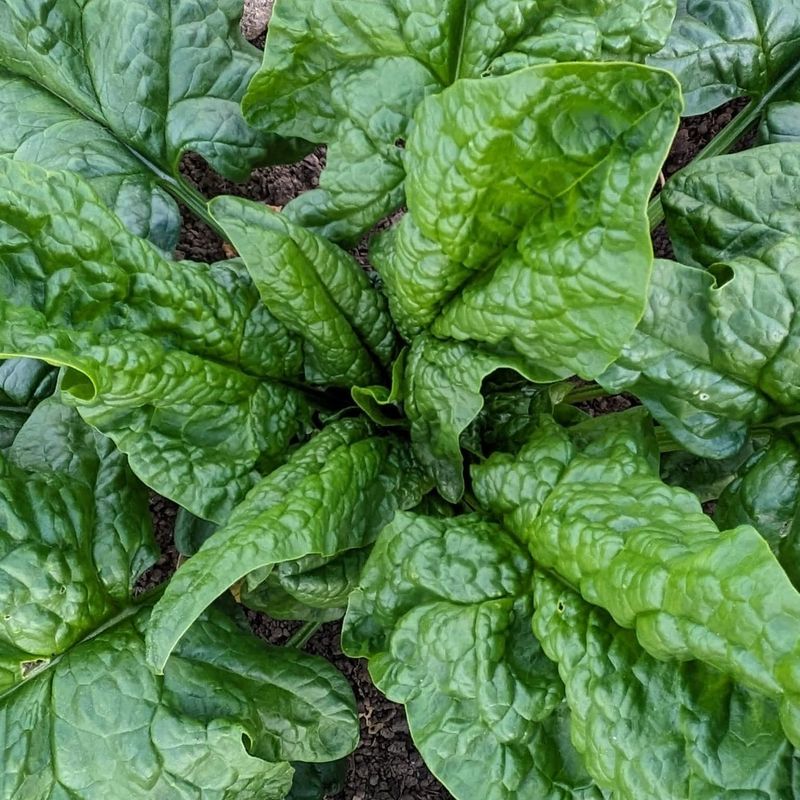
Gardeners who’ve tried growing spinach in summer know the frustration of watching it bolt almost immediately in the heat.
January planting solves this problem completely, as spinach absolutely thrives in the cool weather that characterizes Jacksonville winters.
Cool temperatures prevent premature flowering, allowing plants to focus energy on producing tender, sweet leaves instead of seeds.
Spinach develops its best flavor when daytime temperatures stay between 50 and 70 degrees, which perfectly describes our typical January conditions.
Soil moisture matters tremendously for spinach success in Northeast Florida, as inconsistent watering leads to bitter, tough leaves.
Maintain evenly moist soil without waterlogging, which can cause root problems and slow growth.
Plant seeds about half an inch deep in rows spaced 12 inches apart, then thin seedlings to 3 to 4 inches apart.
Varieties like ‘Bloomsdale’ and ‘Space’ perform exceptionally well in our climate, offering disease resistance and excellent flavor.
Baby spinach leaves become ready for harvest in as little as 30 days, while full-size leaves take 40 to 50 days.
Pick outer leaves regularly to encourage continued production, giving you fresh spinach for salads and cooking throughout the entire winter season.
5. Arugula
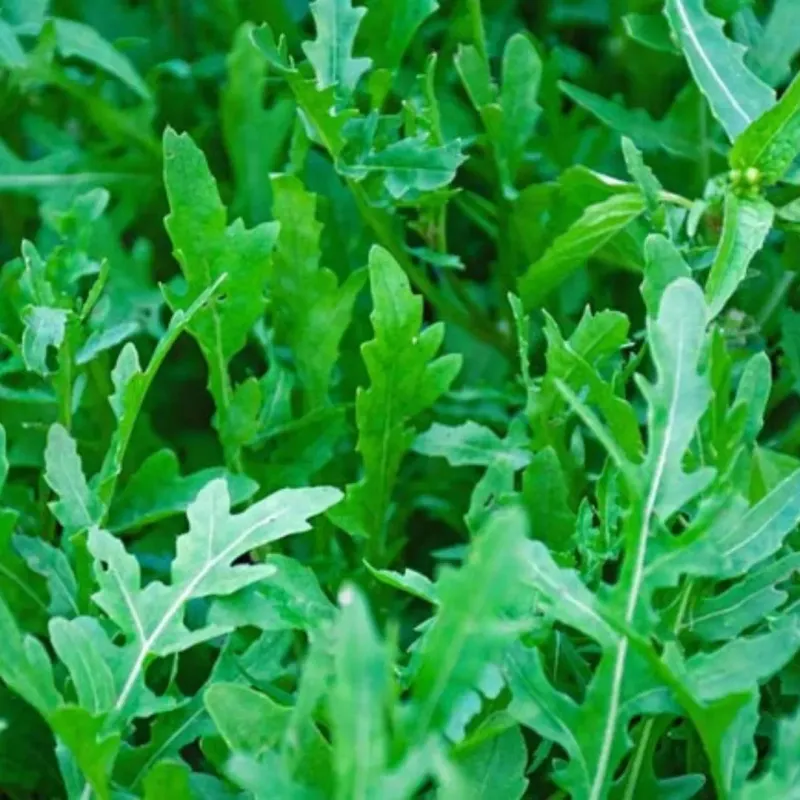
Impatient gardeners absolutely love arugula because this peppery green grows faster than almost any other winter vegetable.
Cool temperatures bring out arugula’s signature spicy flavor while keeping leaves tender and less intensely hot than summer-grown plants.
Jacksonville gardeners can expect to harvest their first leaves within just three to four weeks after planting, making arugula perfect for quick results.
This speedy growth means you can plant successive crops every two weeks, ensuring a constant supply of fresh greens.
Arugula’s fast maturity also makes it ideal for filling gaps between slower-growing vegetables in your winter garden beds.
Scatter seeds thinly across prepared soil, barely covering them with a light dusting of compost or fine soil.
Thin seedlings to about 4 inches apart once they develop their first true leaves, using the thinnings in salads.
Regular watering keeps arugula mild and tender, while stressed plants develop overly strong, sometimes unpleasant flavors.
Harvest individual leaves or cut entire plants about an inch above soil level, allowing regrowth for additional harvests.
Your Jacksonville garden will provide fresh arugula perfect for salads, sandwiches, and pizza toppings all winter, with minimal effort or waiting time required.
6. Mustard Greens
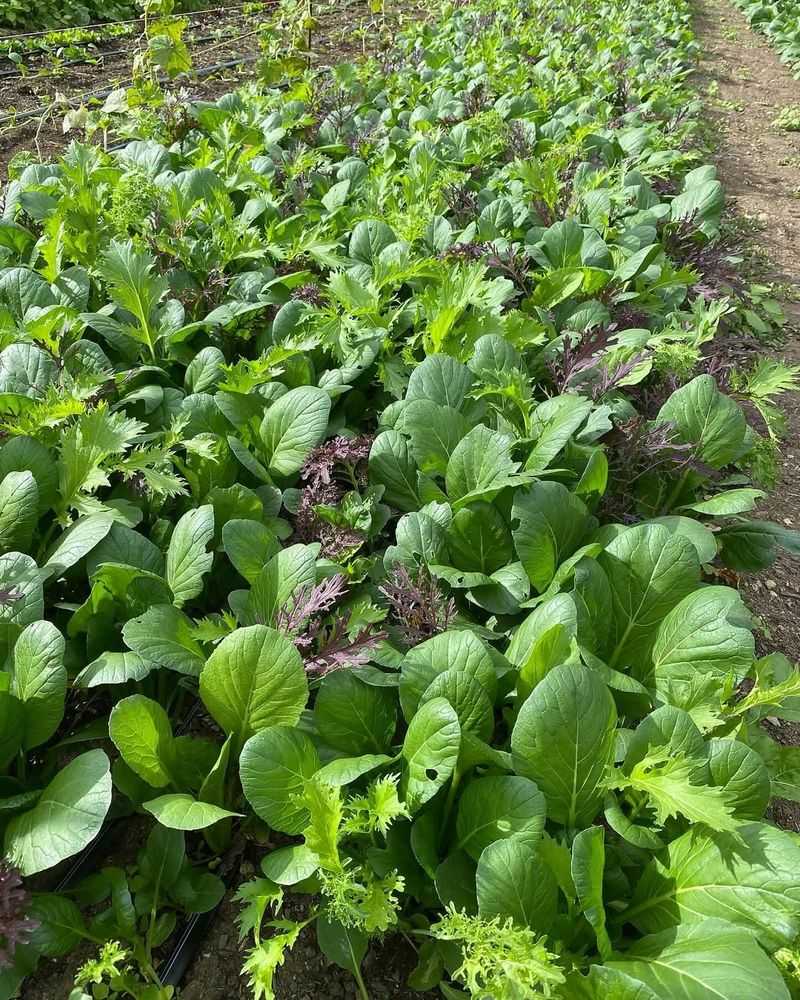
Bold flavors and tough constitutions make mustard greens a favorite among experienced Florida gardeners who appreciate reliable performers.
January planting takes full advantage of mustard greens’ natural cold tolerance, which allows them to flourish when many other vegetables struggle.
Fast growth means you’ll harvest usable leaves within 40 to 50 days, much quicker than many other garden vegetables.
Mustard greens also demonstrate impressive pest resistance during winter months, when many common garden insects remain dormant or less active.
This natural advantage reduces the need for pest management, making mustard greens an easy-care option for organic gardeners.
Varieties range from mild ‘Southern Giant Curled’ to spicier ‘Red Giant,’ offering options for different taste preferences.
Plant seeds about half an inch deep in rows spaced 12 to 18 inches apart, then thin seedlings to 6 inches spacing.
Mustard greens appreciate fertile soil but aren’t particularly fussy, growing well even in average garden conditions.
Regular harvesting of outer leaves encourages plants to keep producing, extending your harvest period considerably.
Young leaves work wonderfully in fresh salads, while mature leaves are perfect for traditional Southern-style cooking, giving Jacksonville gardeners versatility in the kitchen throughout winter.
7. Turnip Greens
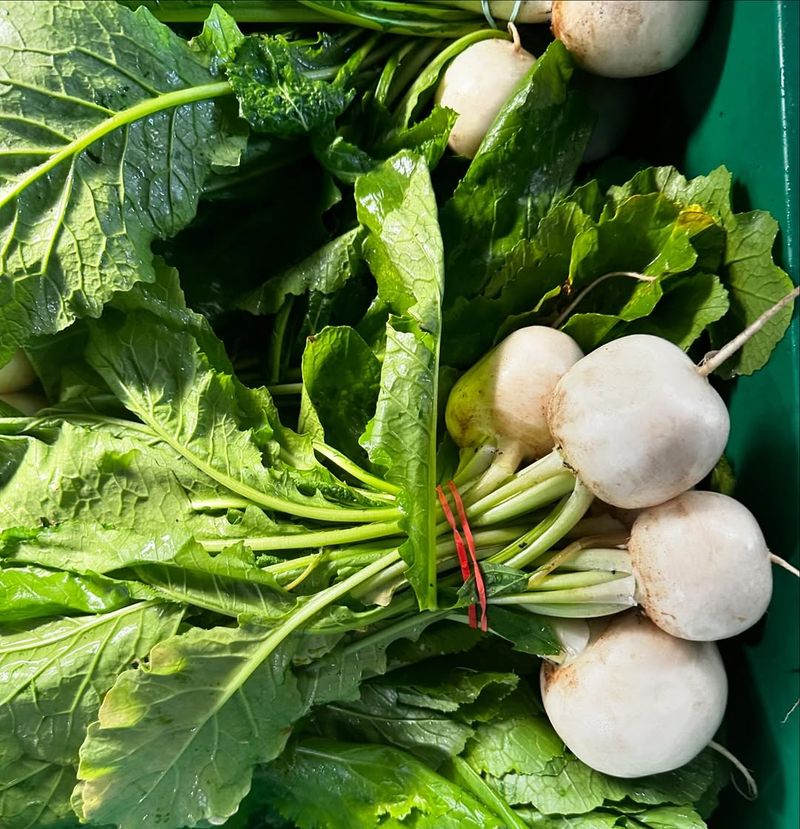
Turnip greens offer Jacksonville gardeners a delightful two-for-one deal, providing both nutritious leaves and tasty roots from a single planting.
Cool weather helps turnip greens mature quickly, with leaves ready for harvest in as little as 30 to 40 days after planting.
January planting still allows time for multiple harvests before spring temperatures arrive and plants begin focusing on seed production.
The rapid growth cycle means you can enjoy fresh greens throughout February and March, with successive plantings extending the harvest even further.
Turnip greens develop a mild, slightly sweet flavor in cool weather that many people find more appealing than summer-grown leaves.
Plant seeds about half an inch deep in loose, well-draining soil, spacing rows roughly 12 inches apart.
Thin seedlings to 4 to 6 inches apart, saving the thinnings for your first delicious salad.
Consistent moisture produces the most tender leaves, while drought-stressed plants become tough and overly strong-flavored.
Harvest leaves when they reach 4 to 6 inches long for the best texture and taste.
If you let some plants mature fully, you’ll also harvest small turnip roots, giving your Jacksonville kitchen both greens and roots from the same garden space.
8. Leaf Lettuce (Loose-Leaf Varieties)
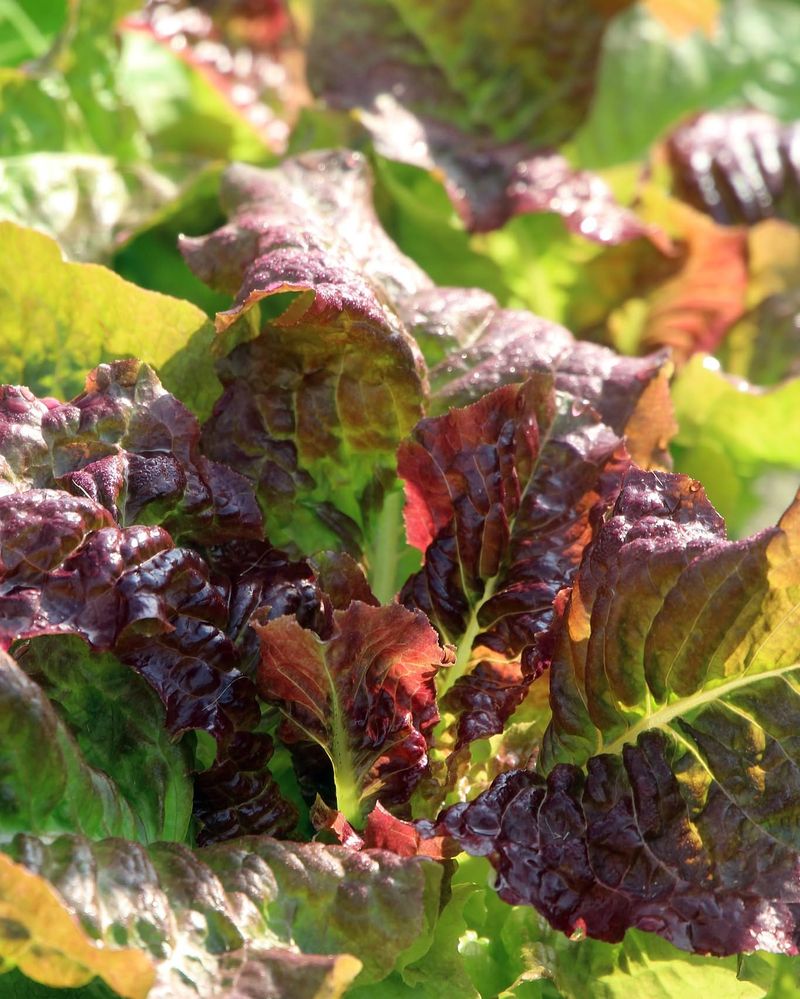
Head lettuce often disappoints Florida gardeners, but loose-leaf varieties thrive in our winter conditions, making them the smarter choice.
Loose-leaf types tolerate temperature fluctuations better than heading varieties, which require very specific conditions to form proper heads.
Jacksonville’s winter weather sometimes warms unexpectedly, and loose-leaf lettuce handles these changes without bolting or becoming bitter.
Varieties like ‘Black Seeded Simpson,’ ‘Red Sails,’ and ‘Oak Leaf’ perform exceptionally well in Northeast Florida gardens.
These adaptable types produce continuously when you harvest outer leaves, leaving the center to generate new growth.
Plant seeds thinly in rows or broadcast them across prepared beds, barely covering with fine soil.
Thin seedlings to 6 to 8 inches apart as they grow, using the baby greens in early salads.
Lettuce appreciates afternoon shade as we move toward spring and temperatures begin climbing.
Consistent moisture keeps leaves crisp and sweet, while drought stress causes bitterness and tough texture.
Begin harvesting as soon as leaves reach usable size, typically 30 to 45 days after planting, and continue picking regularly to prevent bolting as temperatures rise in late winter and early spring.