11 Long-Blooming Annuals That Make Florida Gardens Pop With Color
Florida gardens reward bold choices, but they also punish the wrong ones.
High heat, thick humidity, sudden downpours, and long growing seasons can turn many flowers into short-lived disappointments.
A bed that looks stunning in April can be bare and tired by July if the plants were not built for this climate.
That is why smart Florida gardeners rely on annuals that thrive where others fade.
These are not fragile spring fillers that vanish at the first heat wave.
They are hardworking bloomers that keep pushing out color through steamy summers, heavy rains, and bright sun.
When planted in the right spot, they create nonstop displays that hold strong from early spring well into fall.
From cheerful borders to eye-catching containers, these long-blooming annuals bring energy, movement, and color to every corner of the landscape.
If your goal is a garden that stays vibrant instead of fading fast, these plants deliver exactly that.
1. Petunias
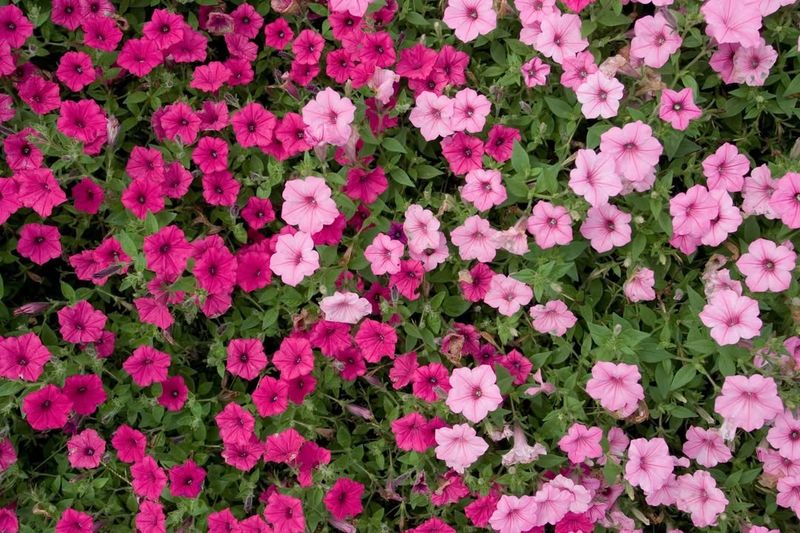
Your grandmother probably grew these, and there’s a good reason they’ve been garden favorites for generations.
Petunias bring trumpet-shaped blooms in every color you can imagine, from deep purple to soft pink, and they keep flowering for months when you give them what they need.
Modern varieties handle Florida’s heat better than ever, especially the Wave and Supertunia types that spread beautifully across garden beds.
These cheerful flowers work perfectly in hanging baskets near your front door or planted along walkways where you’ll see them every day.
They love full sun and warm weather, blooming from early spring through early summer and again in fall in most parts of Florida when heat-tolerant varieties are used.
The secret to keeping them going strong is choosing heat-tolerant varieties like Wave or Supertunia and trimming plants lightly if they start looking leggy.
Plant them in well-draining soil and water when the top inch feels dry to your touch.
Good air circulation helps prevent fungal problems during Florida’s humid summer weather.
They’re not picky about much, but they do appreciate a feeding every few weeks with a balanced fertilizer.
Your petunias will reward your minimal effort with waves of color that brighten even the hottest summer days.
2. Zinnias
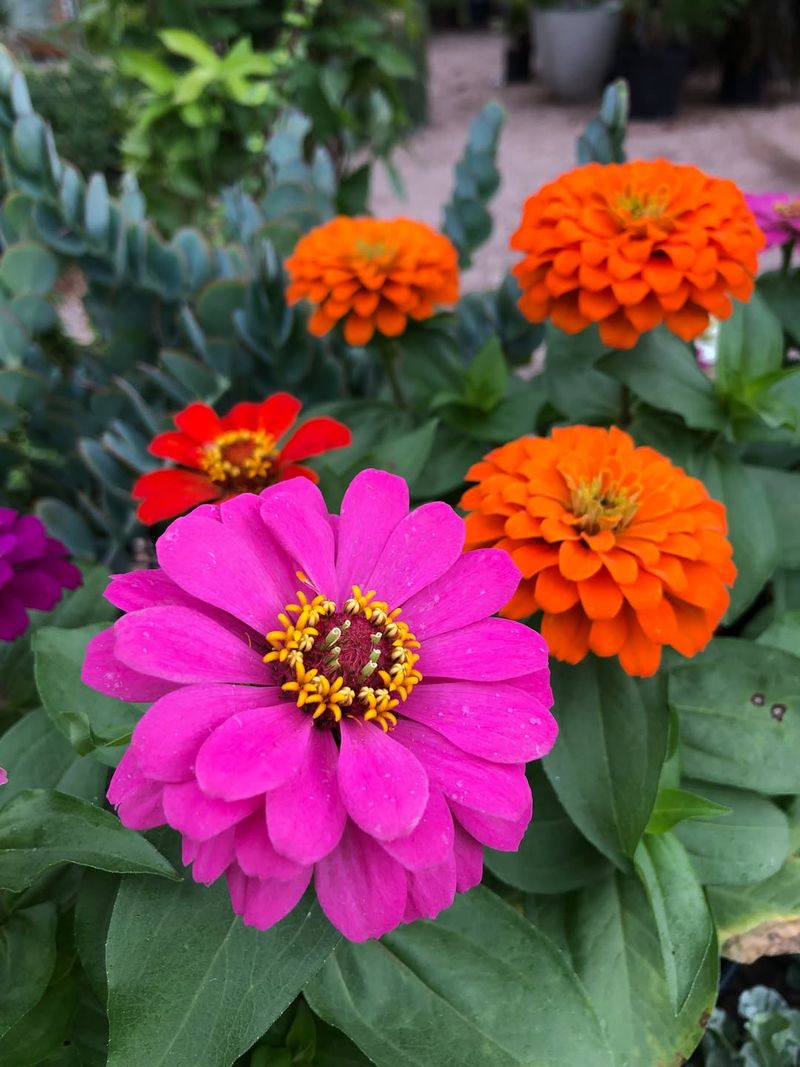
Nothing says summer like a zinnia in full bloom, with its bright, cheerful face turned toward the sun.
These reliable performers come in sizes from tiny button types to dinner-plate giants, and the color range runs from soft pastels to electric neons that practically glow in your garden.
Butterflies absolutely adore them, so you’ll get the bonus of watching these beautiful visitors dance from flower to flower all season long.
In humid Florida summers, mildew-resistant varieties like Profusion and Zahara perform far better than older types.
Plant them in your cutting garden because they make spectacular bouquets, or tuck them into sunny borders where they’ll create bold splashes of color.
They grow quickly from seed, which makes them perfect if you want instant gratification or need to fill space fast.
Give them full sun and decent drainage, and they’ll practically take care of themselves.
Water at the base to keep foliage dry and prevent powdery mildew, which can show up during our humid summers.
Snip off faded blooms regularly to encourage more flowers, and you’ll have color until Thanksgiving in most Florida zones.
3. Vinca
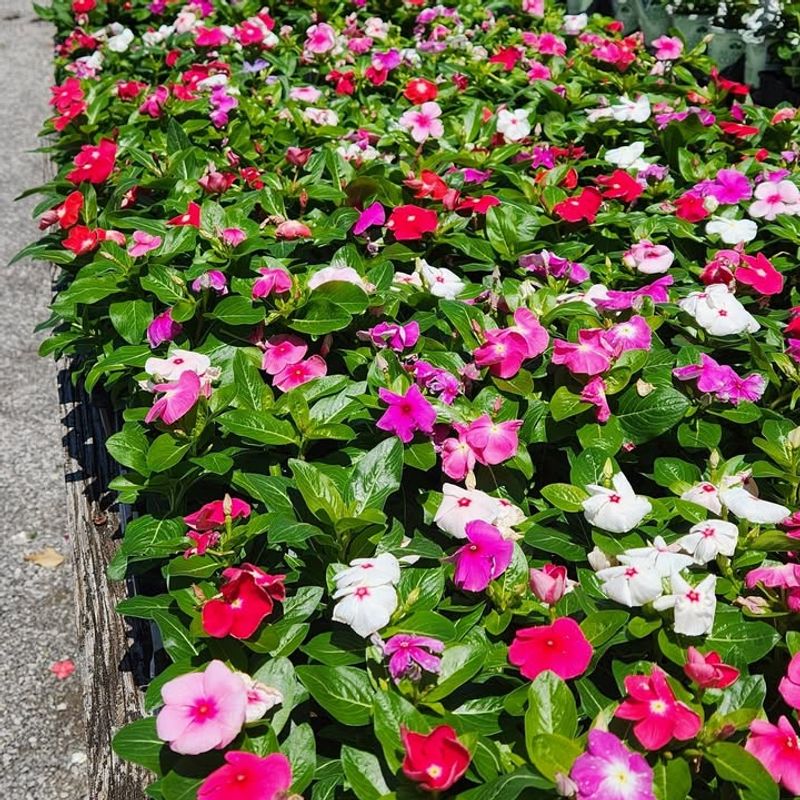
When everything else in your garden looks tired from the summer heat, vinca just keeps smiling.
Also called Madagascar periwinkle, this tough little annual produces five-petaled flowers in shades of pink, white, red, and lavender that seem to multiply as temperatures climb.
The glossy green leaves stay attractive even when other plants look stressed, making vinca a landscaper’s dream for Florida yards.
This flower actually prefers our hot, humid summers and laughs at drought conditions once established.
Plant it as a groundcover under trees, along sunny borders, or in containers on your patio where it’ll bloom from April straight through October.
The compact varieties stay neat and tidy, while spreading types can fill in bare spots beautifully without becoming aggressive.
Vinca needs full sun to partial shade and well-draining soil to perform its best.
Overwatering is about the only thing that bothers it, so let the soil dry slightly between waterings.
It’s naturally disease-resistant and rarely needs deadheading since the flowers drop cleanly when finished.
Your low-maintenance vinca will deliver months of reliable color with almost zero effort on your part.
4. Angelonia
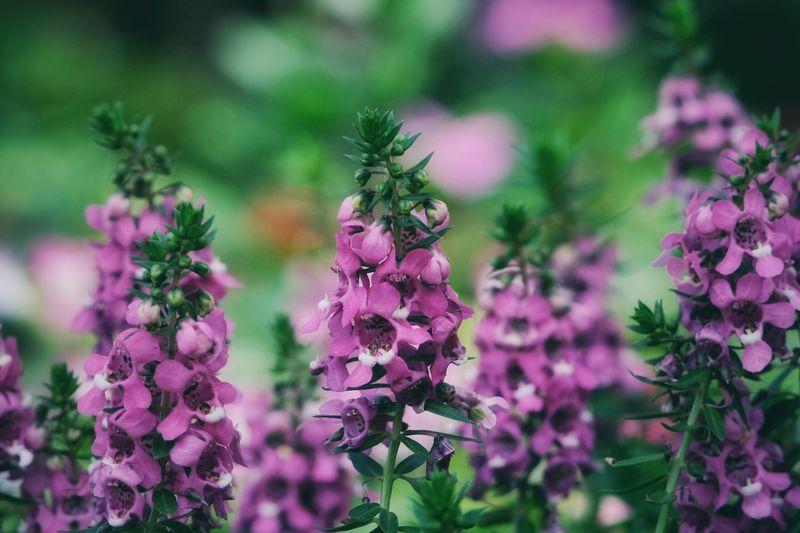
Sometimes called summer snapdragon, angelonia brings vertical interest to your garden with tall spikes covered in delicate orchid-like flowers.
The blooms come in gorgeous shades of purple, pink, white, and bicolor combinations that look almost too elegant for such a tough plant.
Best of all, these beauties keep producing new flower spikes from spring through fall without needing any deadheading or special attention.
Angelonia handles our Florida heat and humidity better than almost any other flowering annual you’ll find.
The plants stay upright and attractive even during afternoon thunderstorms, and they never get that wilted, bedraggled look that some flowers develop in summer.
Use them in the middle or back of borders, in large containers mixed with trailing plants, or as a colorful hedge along pathways.
Full sun brings out the best flowering, though they’ll tolerate some afternoon shade in the hottest parts of the state.
Plant them in well-draining soil and water regularly until established, then they become quite drought-tolerant.
Deer and rabbits leave them alone, and pests rarely bother them.
Your angelonia will bloom continuously for six months or more with practically no maintenance required from you.
5. Impatiens
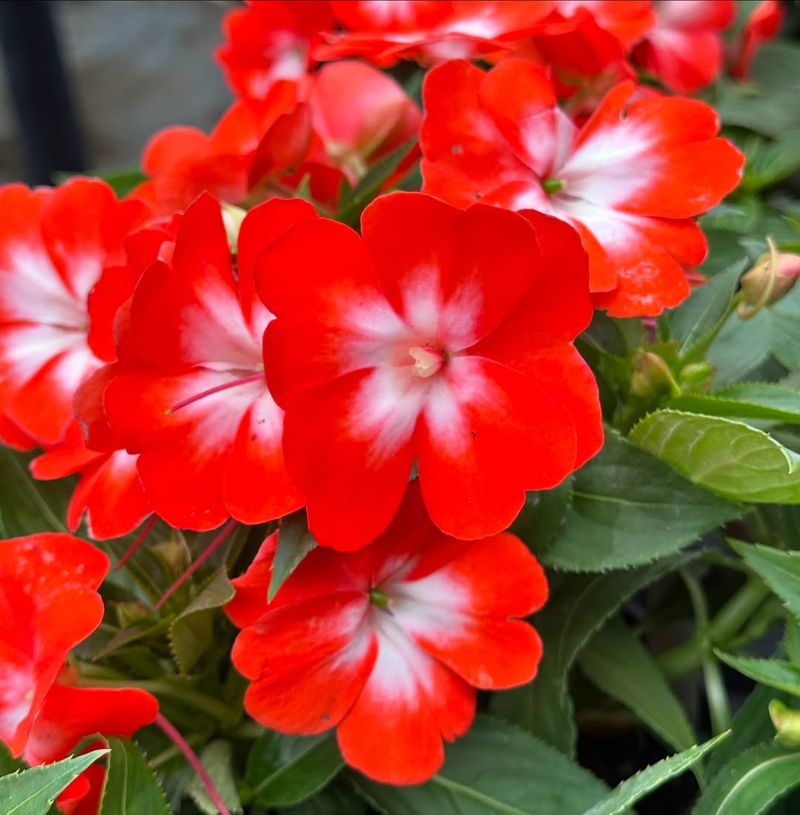
For those shady spots where nothing seems to bloom, impatiens come to the rescue with cheerful flowers that brighten dark corners beautifully.
These shade-loving annuals produce masses of blooms in every color from pure white to deep red, and they keep flowering month after month without stopping.
New Guinea impatiens handle more sun than the traditional types and bring the bonus of attractive variegated foliage that looks great even without flowers.
New Guinea impatiens thrive in Florida’s humid shade, while traditional impatiens should only be planted where downy mildew is not a problem.
They bloom continuously from spring through fall, creating carpets of color that transform boring shady areas into garden highlights.
The plants stay compact and tidy, spreading just enough to fill in nicely without becoming unruly.
Plant them in rich, moist soil that drains well, and keep them consistently watered since they don’t tolerate drought.
Morning sun with afternoon shade works perfectly, or dappled shade throughout the day keeps them happy.
They’re naturally self-cleaning, so you won’t need to deadhead spent blooms.
Feed them monthly with a balanced fertilizer, and your impatiens will reward you with nonstop color in those challenging shady spots.
6. Begonias
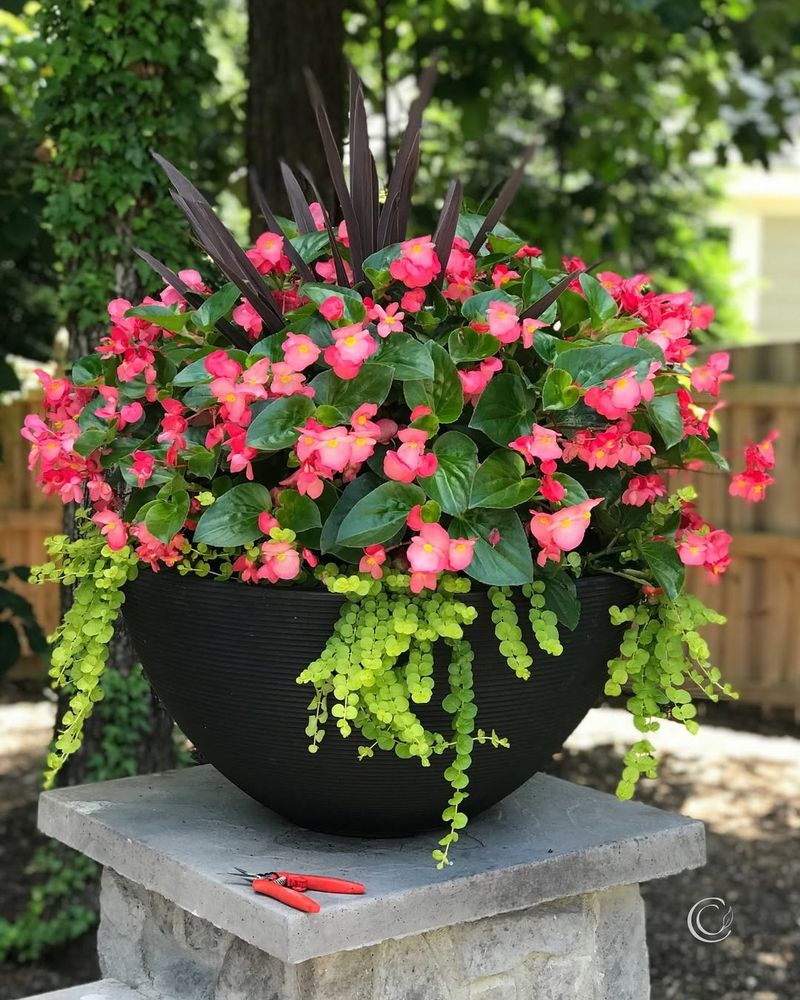
Wax begonias bring a sophisticated elegance to Florida gardens with their waxy, glossy leaves and clusters of delicate flowers that never seem to stop.
The blooms come in shades of pink, red, white, and coral, often with contrasting foliage in bronze or deep green that adds extra interest.
These versatile plants transition beautifully from spring through fall, looking fresh and attractive even during the dog days of summer.
What makes begonias special for Florida gardeners is their ability to bloom in both sun and shade, though they prefer morning sun with afternoon protection.
Plant them along walkways, in containers on your patio, or as a low border that defines garden beds with consistent color.
They stay compact and neat, rarely needing any pruning or shaping to look their best.
Begonias appreciate well-draining soil enriched with organic matter and consistent moisture without being waterlogged.
They’re surprisingly drought-tolerant once established, but they’ll bloom more prolifically with regular watering.
The flowers drop cleanly when finished, so deadheading isn’t necessary.
Feed them lightly every month or so, and your begonias will provide reliable color from March through November with minimal care on your part.
7. Salvia
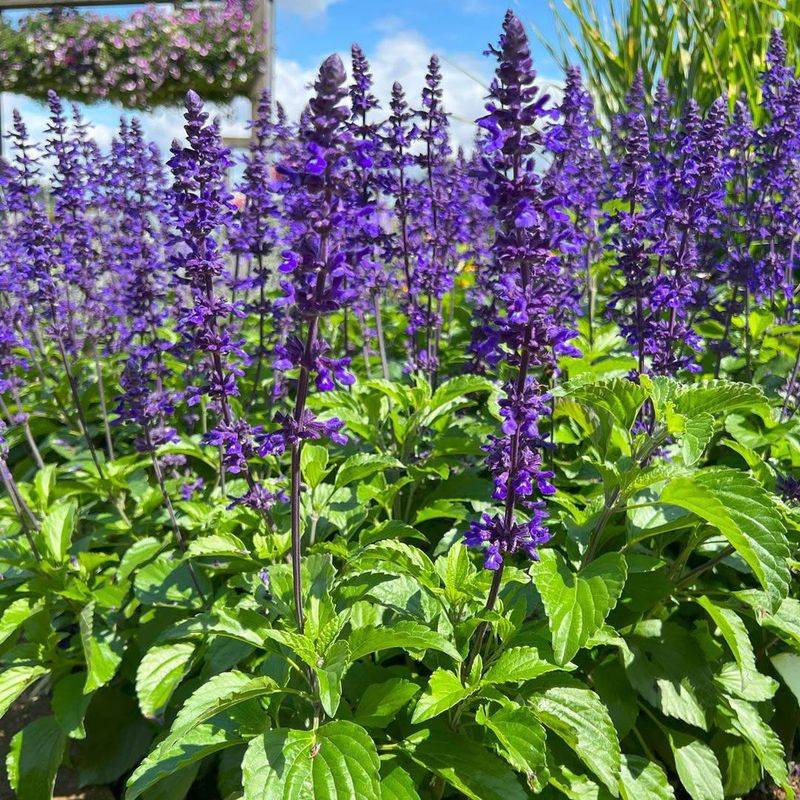
Hummingbirds can’t resist salvia, and you’ll love how these colorful spikes keep your garden buzzing with activity all season long.
The tubular flowers stand tall on sturdy stems in shades of red, purple, blue, pink, and white, creating vertical accents that add structure to your planting beds.
Annual salvias bloom continuously from spring through fall, producing new flower spikes as fast as the old ones finish.
Blue salvia varieties bring a cooling color that’s hard to find in heat-loving annuals, while red types create dramatic focal points that catch your eye from across the yard.
Plant them in groups for maximum impact, use them in pollinator gardens where they’ll attract beneficial insects, or tuck them into containers mixed with trailing plants.
They work beautifully in cottage gardens and modern landscapes alike.
Full sun and well-draining soil keep salvias happy in Florida’s climate.
They’re quite drought-tolerant once established, making them smart choices for water-wise landscapes.
Remove spent flower spikes to encourage continuous blooming, and give them a light trim if they start looking leggy mid-summer.
Your salvias will bounce back quickly and bloom even more vigorously, keeping color going strong until cooler weather arrives in late fall.
8. Portulaca
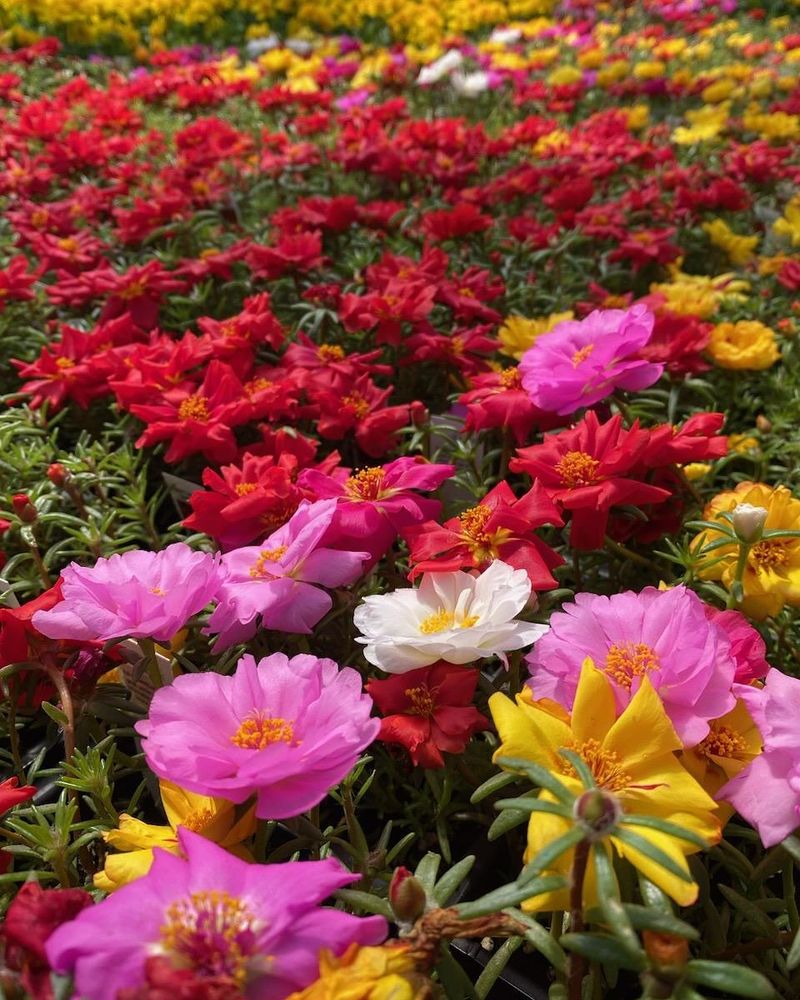
Sometimes called moss rose, portulaca opens its jewel-toned flowers when the sun shines and creates a low carpet of color that thrives in spots where other plants struggle.
The succulent-like foliage stays attractive even when flowers close on cloudy days, and the blooms come in brilliant shades of orange, pink, yellow, red, and white that practically glow in bright sunlight.
These sun-worshippers laugh at heat and drought, making them perfect for Florida’s toughest growing conditions.
Portulaca works beautifully in rock gardens, between stepping stones, cascading from containers, or as a groundcover in full sun areas with poor soil.
The plants spread nicely without becoming invasive, filling in bare spots with cheerful color from late spring through October.
They’re ideal for those hot, dry spots near driveways or in sandy soil where nothing else seems to grow.
Plant them in full sun with excellent drainage, and they’ll practically take care of themselves.
Overwatering is about the only thing that bothers portulaca, so let the soil dry between waterings.
They reseed readily, often coming back year after year in the same spot.
No deadheading or fertilizing needed—your portulaca will bloom continuously all summer with zero maintenance.
9. Celosia
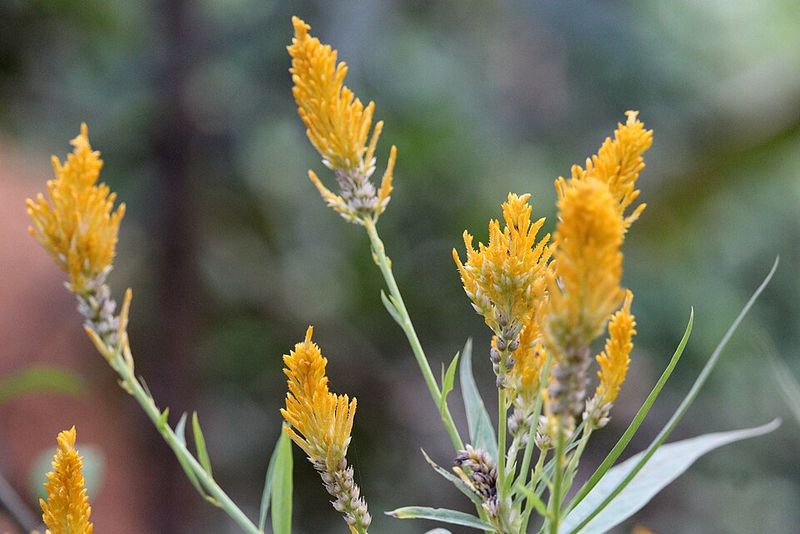
With flower heads that look like flames or soft plumes, celosia brings drama and texture that few other annuals can match.
The crested cockscomb types form brain-like clusters in vivid reds, oranges, and pinks, while plumed varieties send up feathery spikes that sway gently in summer breezes.
Both types hold their color for months, and the flowers can even be dried for arrangements that last through winter.
Celosia absolutely loves Florida’s heat and humidity, blooming more vigorously as temperatures climb.
The plants work beautifully as focal points in containers, planted in groups for bold color statements, or mixed into cutting gardens where you can harvest those amazing flowers.
They attract butterflies and beneficial insects while adding height and structure to your garden beds.
Full sun and well-draining soil keep celosia thriving through our long growing season.
Water regularly until established, then they become quite drought-tolerant and rarely need extra attention.
The flowers hold their color without fading, and they don’t require deadheading since they look attractive even as they mature.
Feed them monthly with a balanced fertilizer, and your celosia will bloom continuously from late spring through the first cool weather in fall.
10. Cosmos
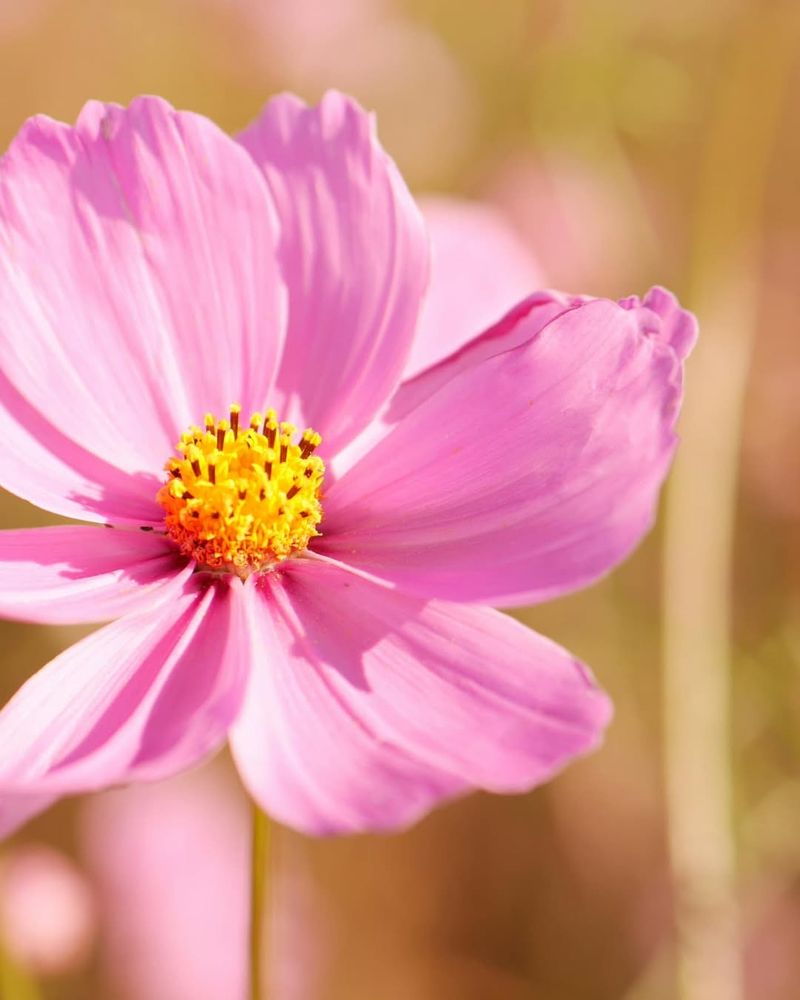
Delicate and airy, cosmos bring a cottage garden charm to Florida landscapes with their daisy-like flowers that dance on tall, slender stems.
The blooms come in shades of pink, white, magenta, and orange, often with contrasting yellow centers that butterflies find irresistible.
Despite their delicate appearance, cosmos are surprisingly tough plants that handle our summer weather beautifully and bloom continuously for months without much care.
They perform best with good airflow and well-drained soil, which helps prevent disease during Florida’s rainy season.
These cheerful flowers grow tall, making them perfect for the back of borders, along fences, or in cutting gardens where you’ll want to harvest armfuls for bouquets.
They’re fast-growing from seed, often blooming within eight weeks of planting, which makes them great for filling in gaps quickly.
The ferny foliage stays attractive even when not in bloom, adding soft texture to your garden beds.
Plant cosmos in full sun with decent drainage, and they’ll practically grow themselves.
They actually prefer lean soil and don’t need much fertilizer, which makes them perfect for low-maintenance landscapes.
Deadhead regularly to encourage more blooms, or let some flowers go to seed and you’ll likely get volunteer plants next year.
Your cosmos will bloom from early summer through fall with minimal water and almost no attention required.
11. Sunflowers
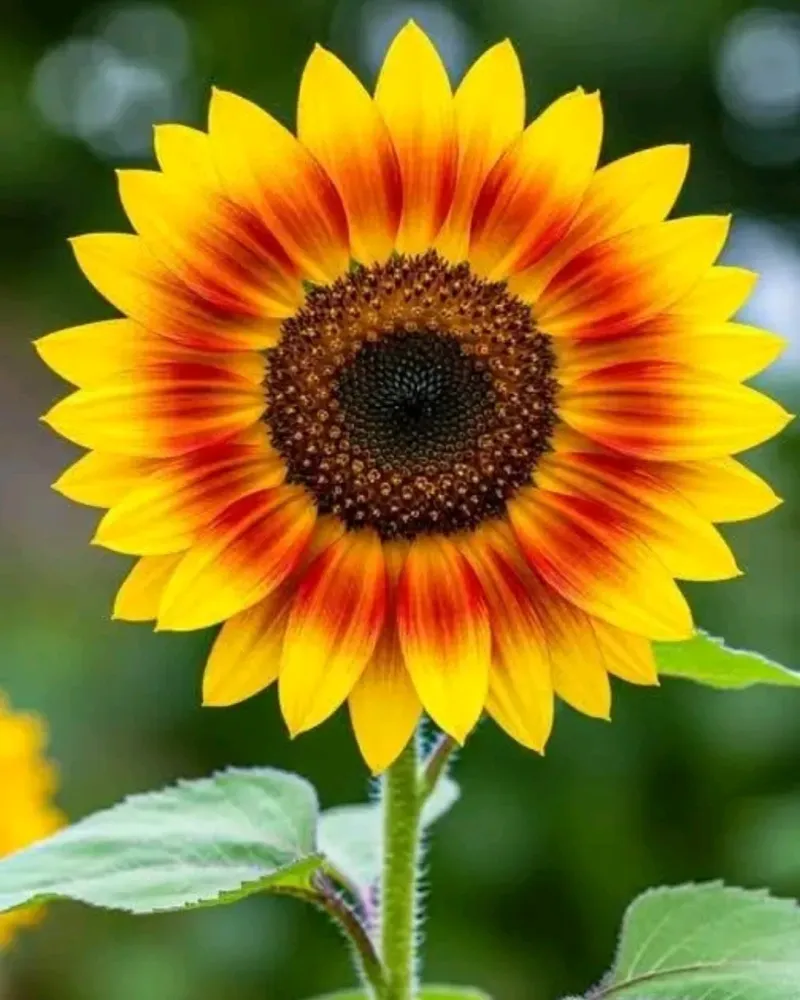
Nothing brings instant sunshine to your garden quite like sunflowers with their big, happy faces turned toward the sky.
While giant varieties get all the attention, dwarf types bloom repeatedly throughout the season and work perfectly in Florida gardens where space might be limited.
The flowers come in traditional yellow, but also in gorgeous shades of burgundy, orange, and bi-colors that add variety to your landscape.
Branching sunflower varieties produce multiple blooms per plant and flower far longer than single-stem types, especially when replanted through the season.
Plant them along fences, in vegetable gardens where they attract pollinators, or in containers on sunny patios where you can enjoy them up close.
They grow quickly and bloom within two months of planting, making them perfect for mid-season color boosts.
Full sun and decent drainage are all sunflowers really need to thrive in Florida.
They’re surprisingly drought-tolerant once established and don’t require fertilizing in average soil.
Stake taller varieties if needed during stormy weather, and deadhead spent blooms to encourage more flowers.
Birds will eventually find the seed heads, giving you the bonus of watching finches and cardinals feast in your garden as summer transitions into fall.