10 Long-Living Houseplants Texas Homeowners Are Growing For Years
Some houseplants do more than decorate your home – they become part of your daily life. In Texas, where sunlight is strong and indoor conditions can change with the seasons, many homeowners look for plants that last for years instead of just a few months.
Long-living houseplants offer steady growth, easy care, and the satisfaction of watching something thrive over time. They are perfect for busy households that want greenery without constant replacement.
With the right choices, these plants can handle heat, dry air, and occasional missed waterings. Over the years, they can grow larger, stronger, and more beautiful, adding personality to your space.
If you want indoor plants that stay with you through moves, remodels, and changing seasons, choosing long-lasting varieties can make your home greener and more enjoyable every single day.
1. Snake Plant (Sansevieria)
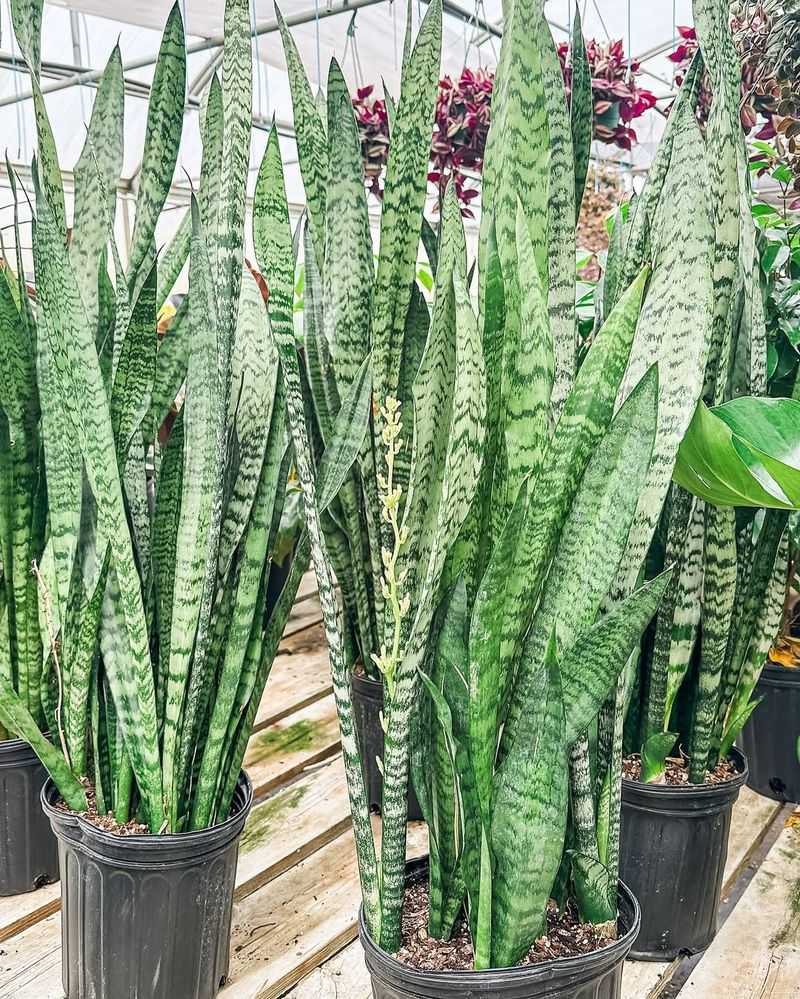
Snake plants have earned their reputation as nearly indestructible companions for Texas homes. These striking plants feature tall, sword-like leaves with gorgeous patterns that add architectural interest to any room.
What makes them special is their ability to survive neglect better than almost any other houseplant.
Texas homeowners love snake plants because they handle the dry indoor air from air conditioning without complaint. You can forget to water them for weeks, and they will still look fantastic.
In fact, overwatering causes more problems than underwatering with these tough beauties.
These plants grow slowly but steadily, often living for 25 years or more in the right conditions. They tolerate low light situations, making them perfect for offices, bedrooms, or darker corners of your home.
Snake plants also work overtime cleaning toxins from your indoor air while you sleep.
Many Texas families pass down snake plants through generations because they are so easy to propagate. Simply cut a leaf into sections, stick them in soil, and new plants will grow.
Their ability to adapt to various light conditions and irregular watering schedules makes them ideal for beginners and busy households across the Lone Star State.
2. Pothos (Epipremnum Aureum)
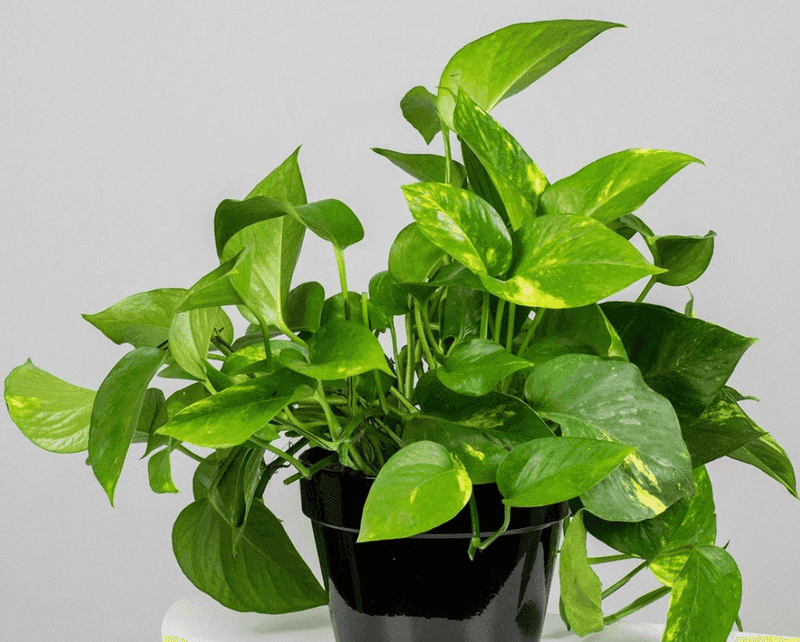
Trailing vines of heart-shaped leaves make pothos one of the most beloved houseplants throughout Texas. This forgiving plant forgives mistakes and keeps growing even when conditions are not perfect.
Pothos plants can live for over a decade, with some Texas homeowners reporting vines that have grown 30 feet or longer around their homes.
The beauty of pothos lies in its versatility and resilience. It thrives in bright indirect light but also tolerates darker spaces where other plants would struggle.
Texas homes with varying light conditions find pothos adapts beautifully to different rooms.
Watering pothos is straightforward because the leaves droop slightly when thirsty, giving you a clear signal. Once watered, they perk back up within hours.
This communication makes plant care stress-free for people who worry about getting it wrong.
Pothos vines can cascade from hanging baskets, climb up moss poles, or drape across shelves and mantels. Many Texas families start with one pothos and end up with several after discovering how easy they are to propagate.
Simply snip a stem with a few leaves and place it in water until roots form, then plant it in soil for a brand new plant to share with friends.
3. ZZ Plant (Zamioculcas Zamiifolia)
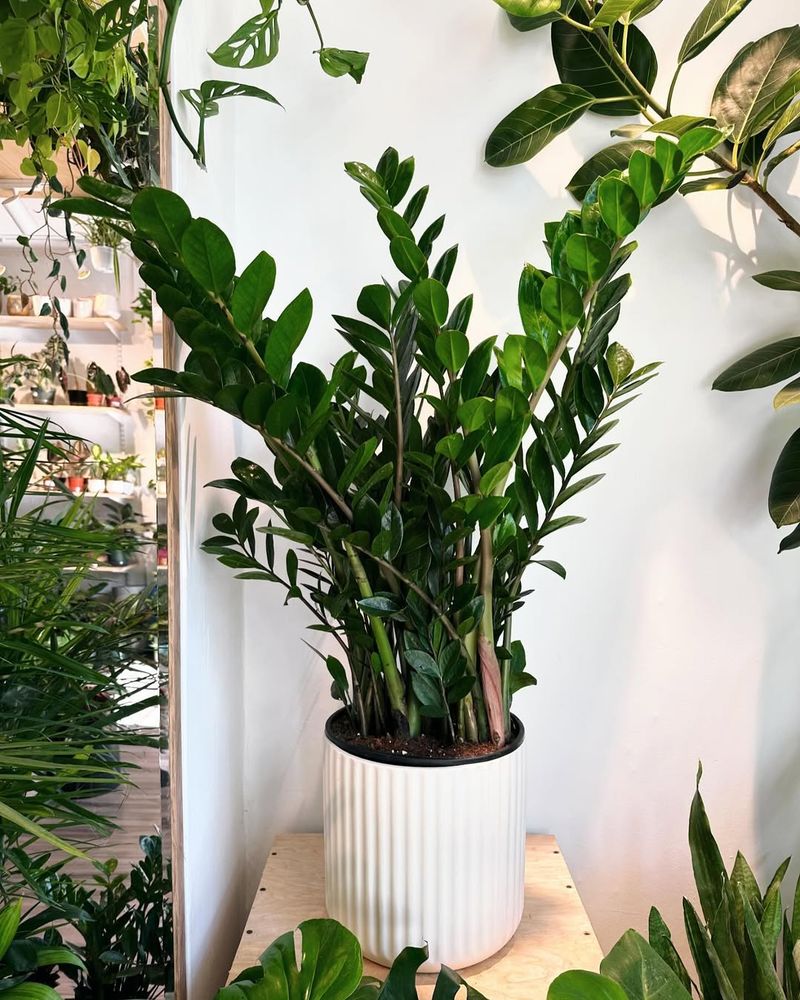
With glossy leaves that shine like they have been polished, the ZZ plant brings elegance to Texas interiors. This African native adapted perfectly to indoor conditions and can survive situations that would challenge most houseplants.
ZZ plants store water in their thick rhizomes underground, allowing them to go weeks between waterings.
Texas homeowners who travel frequently or work long hours appreciate how low-maintenance these plants are.
They grow slowly and steadily, often reaching three feet tall over several years. Some ZZ plants have thrived in Texas homes for 15 years or more with minimal attention.
The waxy coating on ZZ plant leaves helps them retain moisture and gives them that attractive glossy appearance. They handle the dry air from heating and cooling systems without developing brown tips or crispy edges.
Low light does not bother them either, making them suitable for bathrooms, hallways, or offices with limited windows.
Recent varieties include the stunning Raven ZZ plant with deep purple-black foliage that creates dramatic contrast in any space.
Whether you choose classic green or dramatic dark varieties, ZZ plants remain one of the most reliable choices for long-term indoor gardening success across Texas.
4. Spider Plant (Chlorophytum Comosum)
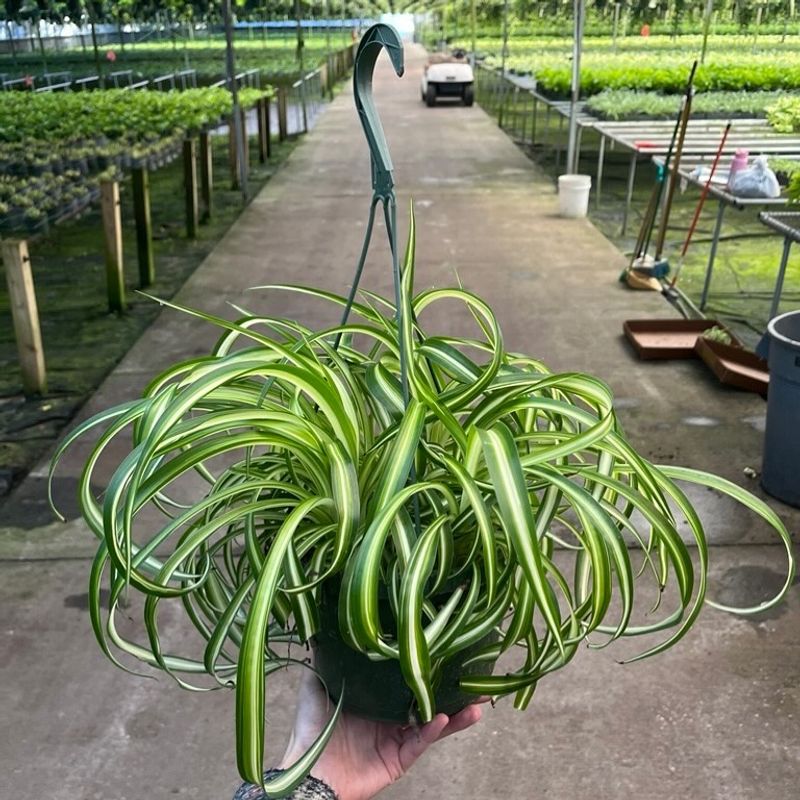
Arching leaves with cream and green stripes make spider plants instantly recognizable in homes across Texas. These cheerful plants have been popular for generations because they are nearly impossible to mess up.
Spider plants produce adorable baby plantlets on long stems that dangle down like spiders on silk threads.
Many Texas grandparents grew spider plants in the 1970s and still have descendants of those original plants today.
They adapt to various conditions and bounce back quickly from occasional neglect. Spider plants prefer moderate light but tolerate both brighter and dimmer situations.
One charming feature is how spider plants tell you what they need. Brown leaf tips usually mean the water has too many chemicals, easily fixed by using filtered or rainwater. Pale leaves indicate they want more light, while drooping leaves signal thirst.
These plants are fantastic air purifiers, removing common indoor pollutants from Texas homes. They grow quickly and produce numerous babies that you can pot up or share with neighbors and friends.
Hanging baskets show off spider plants beautifully, allowing the cascading babies to create a living waterfall of greenery. With proper care, spider plants can thrive for 20 years or more, becoming cherished members of the household.
5. Rubber Plant (Ficus Elastica)
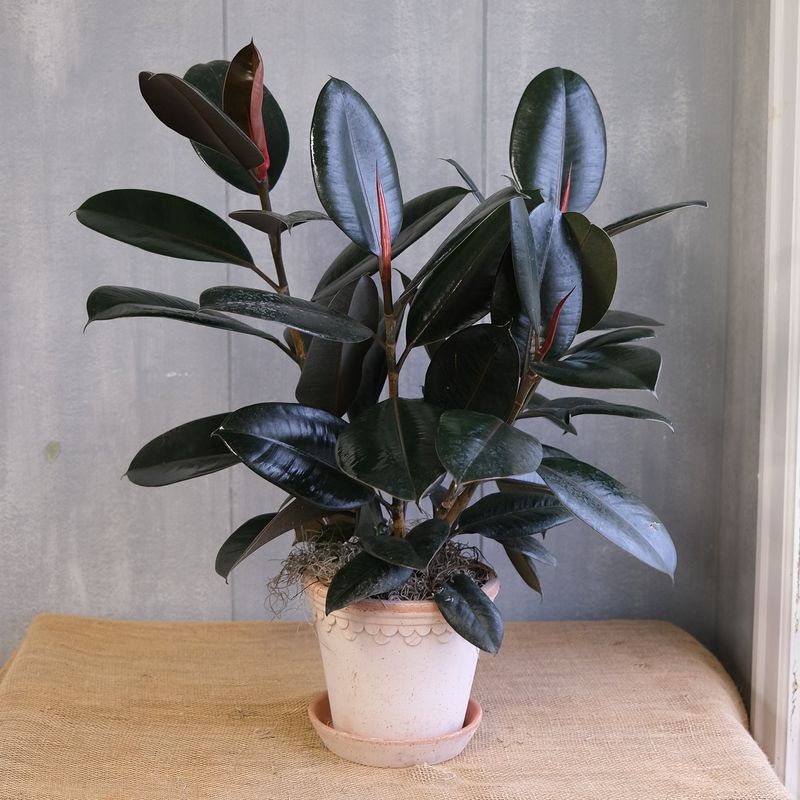
Bold, broad leaves in deep green or burgundy make rubber plants statement pieces in Texas homes. These sturdy plants can grow into impressive indoor trees reaching six to eight feet tall with thick trunks and dramatic foliage.
Rubber plants have lived in some Texas households for 30 years or more, growing slowly into living sculptures.
The thick, leathery leaves have a natural shine that makes them look healthy and vibrant. Texas homeowners find rubber plants surprisingly easy to maintain despite their impressive appearance.
They prefer bright indirect light but adapt to medium light conditions without much complaint.
Watering rubber plants follows a simple pattern of letting the top few inches of soil dry between waterings. They dislike sitting in soggy soil but also do not want to completely dry out.
The dry indoor air in Texas homes during summer does not typically bother these tough plants.
Rubber plants occasionally need wiping down to remove dust from their large leaves, which helps them photosynthesize better. They grow steadily upward, and you can prune them to encourage bushier growth if desired.
Some varieties feature burgundy or variegated foliage that adds extra visual interest. With their tree-like structure and long lifespan, rubber plants become focal points that anchor your interior design for decades.
6. Jade Plant (Crassula Ovata)
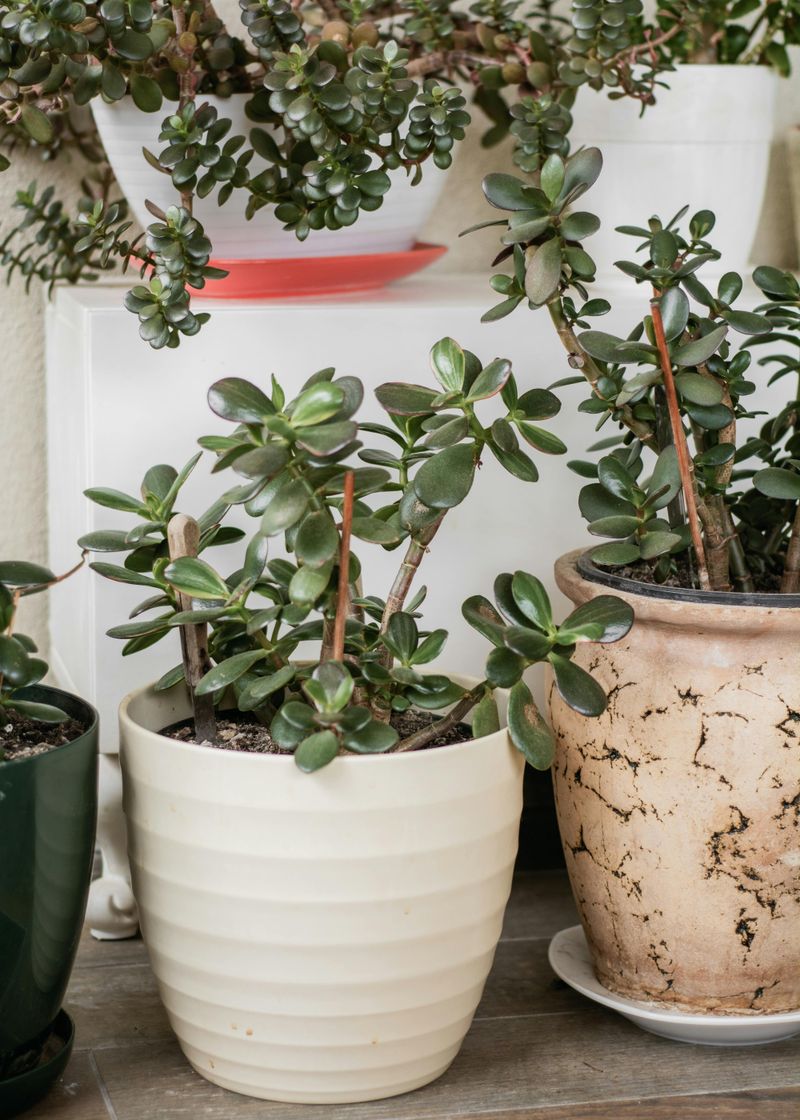
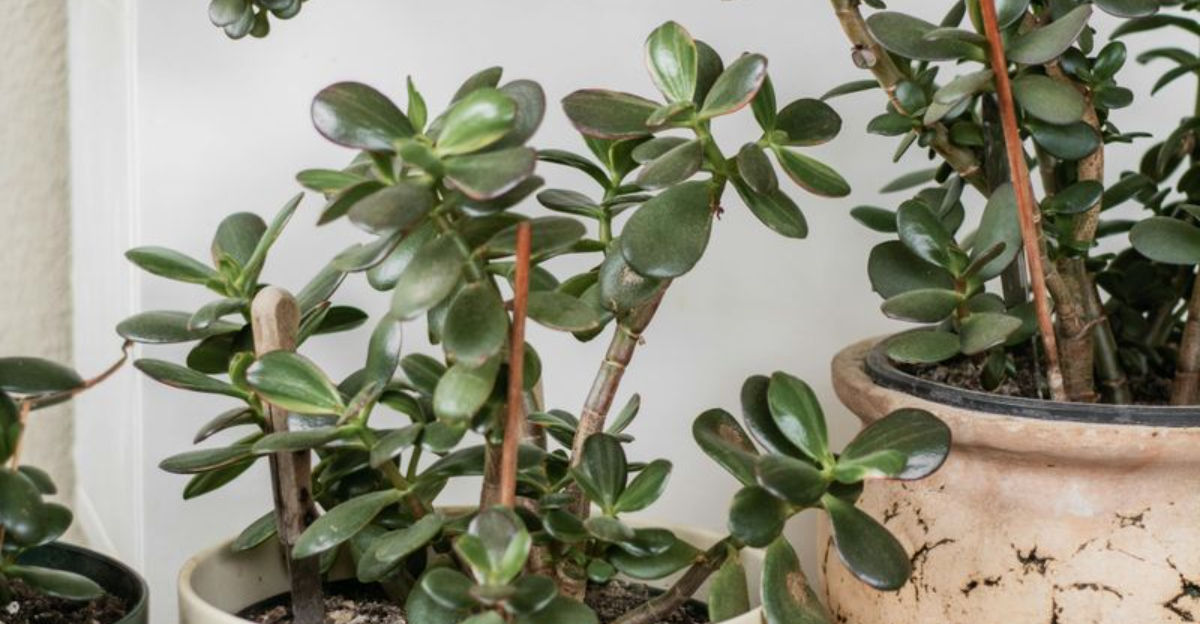
Plump, oval leaves on thick woody stems give jade plants their distinctive succulent charm. These plants symbolize good luck and prosperity in many cultures, making them popular gifts that Texas homeowners treasure for years.
Jade plants can live for 50 years or more, with some ancient specimens passing through multiple generations.
What sets jade plants apart is how they develop character over time. Young jade plants look cute and compact, but mature specimens develop thick trunks resembling miniature trees.
Texas homeowners enjoy watching their jade plants slowly transform into living bonsai.
These succulents store water in their fleshy leaves, making them extremely drought-tolerant. They need infrequent watering and prefer to dry out completely between drinks.
Bright light near a south or west-facing window helps jade plants thrive and may even encourage them to produce small white or pink flowers.
Jade plants grow slowly, which means they do not outgrow their space quickly or need constant repotting. Their compact size and attractive appearance make them perfect for desks, windowsills, or small tables.
Many Texas families start jade plant cuttings for children or grandchildren, creating new plants that carry on the family tradition. With minimal care and patience, your jade plant will reward you with decades of beauty and good fortune.
7. Aloe Vera
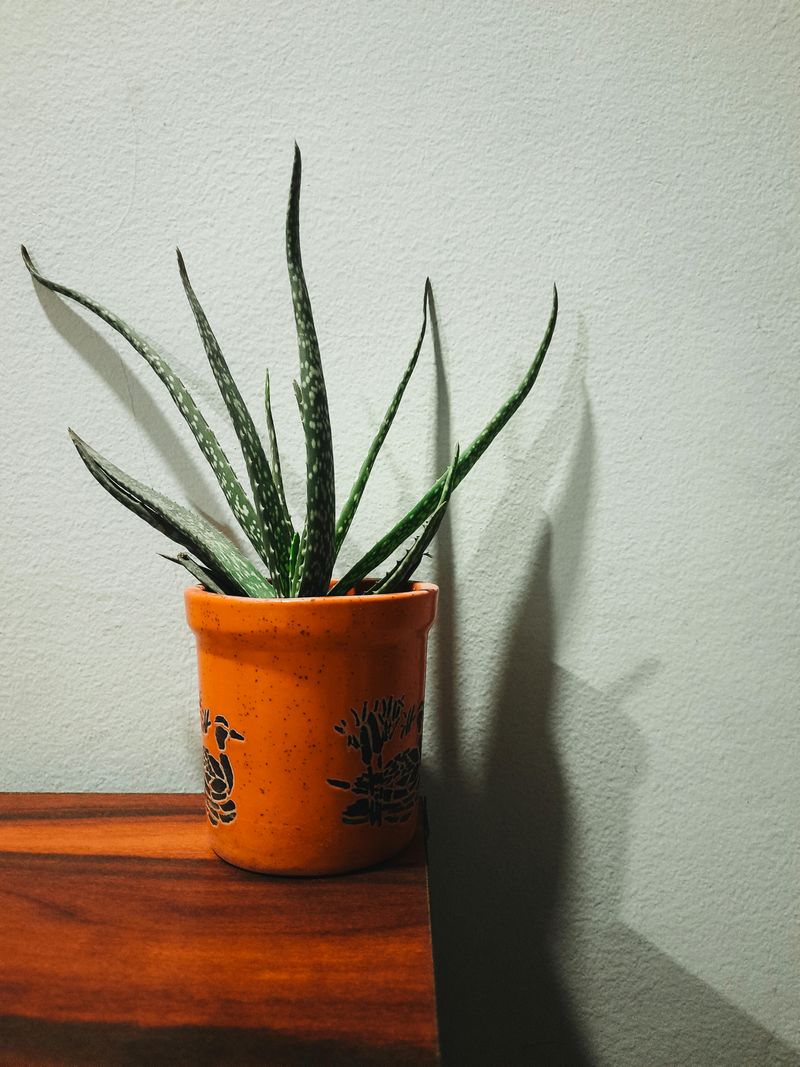
Spiky rosettes of thick, gel-filled leaves make aloe vera both beautiful and practical for Texas homes. Beyond being an attractive houseplant, aloe vera provides soothing gel for minor burns and skin irritations.
Many Texas families keep aloe plants in kitchens or bathrooms for easy access to this natural remedy.
Aloe vera plants can thrive for 12 years or longer with simple care. They love the bright light available in many Texas homes and do not mind the dry indoor air.
These succulents store water in their leaves, so they need infrequent watering and actually prefer being slightly neglected.
One interesting aspect of aloe vera is how it produces baby plants called pups around the base.
These little offshoots can be separated and potted individually, giving you new plants to keep or share. Some Texas homeowners have created entire aloe collections from a single original plant.
Aloe plants grow best in well-draining soil and pots with drainage holes. They dislike sitting in water, which can cause root problems.
During Texas summers, aloe plants can even vacation outdoors in partial shade, though they adapt perfectly well to indoor life year-round. The combination of easy care, long life, and practical uses makes aloe vera a favorite choice for households across the state.
8. Peace Lily (Spathiphyllum)
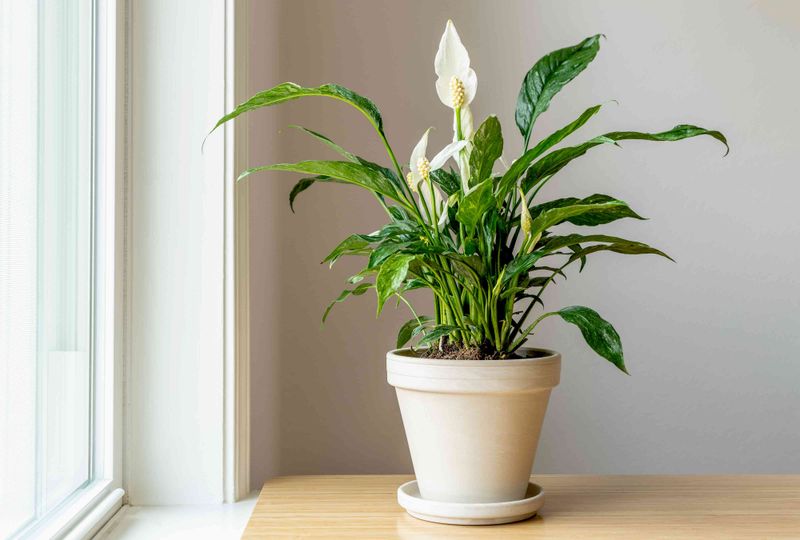
Elegant white flowers that look like curved sails floating above dark green leaves make peace lilies special. These tropical plants bring a touch of sophistication to Texas homes and are among the few houseplants that bloom reliably indoors.
Peace lilies can live for 20 years or more, producing their beautiful white blooms multiple times each year.
Texas homeowners appreciate how peace lilies communicate their needs clearly. When thirsty, the leaves droop dramatically, but they perk up within an hour or two of watering. This obvious signal takes the guesswork out of plant care.
Peace lilies prefer medium to low light conditions, making them perfect for rooms without bright windows. They actually suffer in direct sunlight, which can scorch their leaves. The moderate light levels in most Texas homes suit them perfectly.
These plants are champion air purifiers, removing common toxins from indoor environments. They prefer consistently moist soil but not waterlogged conditions.
Many Texas plant lovers keep peace lilies in bathrooms where they enjoy the humidity from showers. The combination of attractive foliage, regular blooms, and air-cleaning abilities makes peace lilies valuable additions to homes.
With their long lifespan and relatively easy care, they become reliable green companions that brighten your space year after year throughout Texas.
9. Chinese Evergreen (Aglaonema)
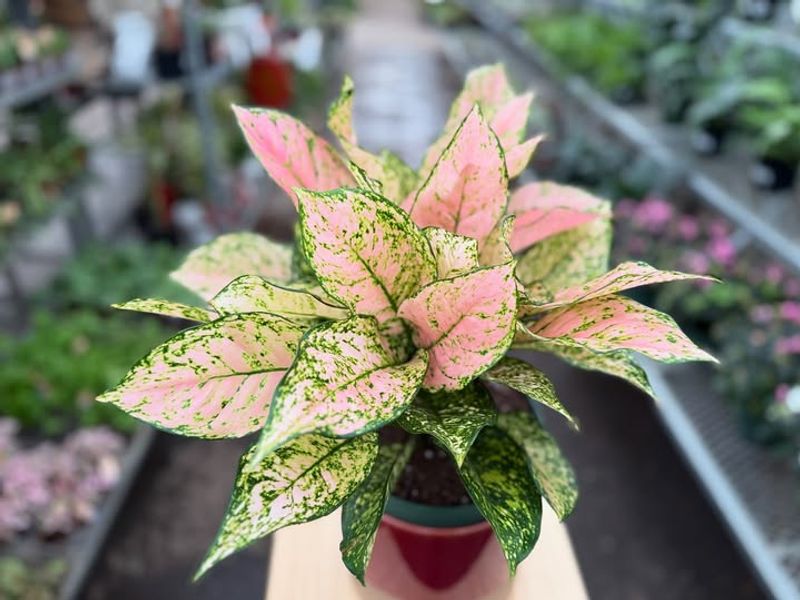
Stunning leaf patterns in combinations of green, silver, pink, and red make Chinese evergreens living works of art. These tropical plants have become increasingly popular in Texas homes as new colorful varieties hit the market.
Chinese evergreens can thrive for 10 years or longer, maintaining their gorgeous foliage with minimal effort.
The variety of leaf patterns available means you can find Chinese evergreens to match any decorating style. Some feature silver and green camouflage patterns, while others show off hot pink and green combinations.
All varieties share the same easygoing personality that makes them perfect for Texas homes.
Chinese evergreens tolerate low light better than most colorful plants, though brighter light intensifies their colors.
They prefer warm temperatures, which Texas homes naturally provide. Moderate watering when the top inch of soil dries keeps them happy and healthy.
These plants grow slowly and stay relatively compact, making them ideal for desks, tabletops, or floor displays. They rarely need repotting and do not require fertilizing more than once or twice yearly.
Chinese evergreens also help purify indoor air, removing harmful chemicals while adding beauty. Many Texas homeowners start with one Chinese evergreen and gradually add more varieties as they discover how reliable and attractive these plants are.
Their longevity and low-maintenance nature make them excellent investments for anyone wanting lasting indoor greenery.
10. Ponytail Palm (Beaucarnea Recurvata)
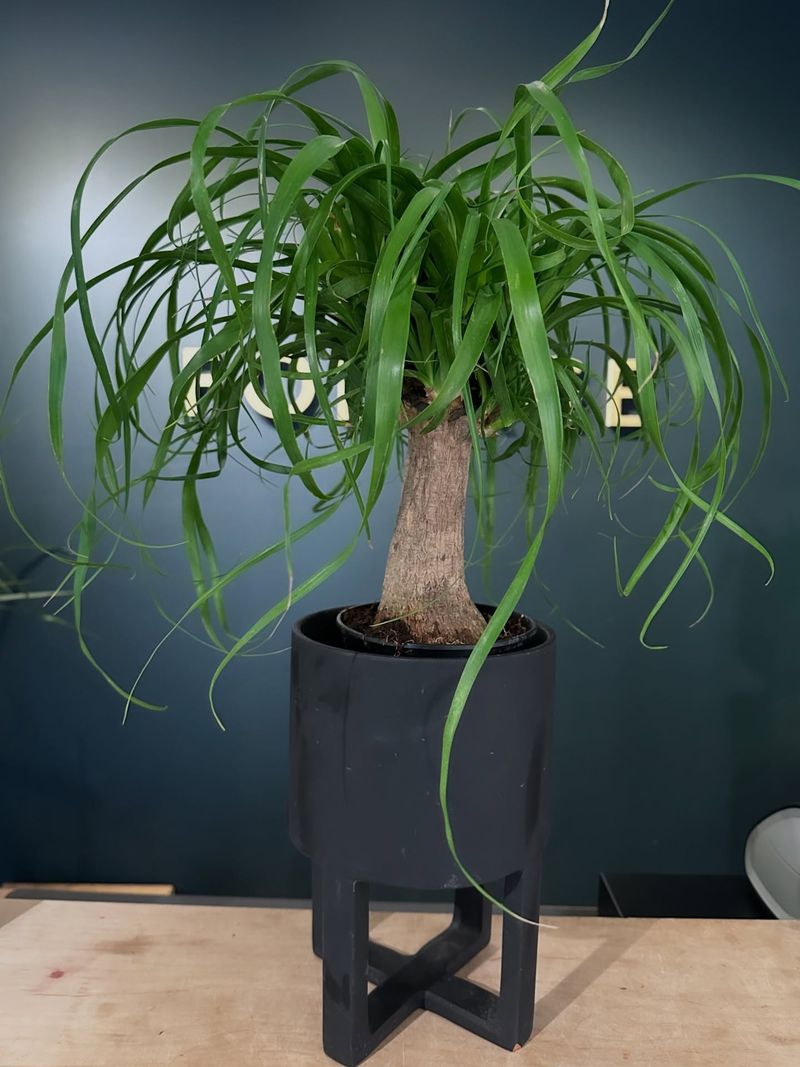
A swollen trunk base that looks like an elephant’s foot topped with cascading curly leaves gives ponytail palms their quirky charm. Despite the name, these plants are not actually palms but rather succulents from Mexico.
Ponytail palms can live for 50 years or more, slowly growing into impressive specimens that become conversation pieces in Texas homes.
The bulbous base stores water, making ponytail palms extremely drought-tolerant and perfect for forgetful waterers.
They thrive in the bright light available in many Texas homes and do not mind dry indoor air. In fact, they prefer being underwatered rather than overwatered.
These plants grow very slowly, which means they stay manageable for years without outgrowing their space.
Young ponytail palms fit perfectly on desks or shelves, while mature specimens make dramatic floor plants. Their unusual appearance adds personality and visual interest to any room.
Ponytail palms need infrequent watering, sometimes going three to four weeks between drinks during cooler months. They prefer well-draining soil and pots with drainage holes.
Many Texas homeowners appreciate how ponytail palms require almost no maintenance beyond occasional watering and rare repotting.
Their combination of unique appearance, extreme durability, and incredible longevity makes them outstanding choices for anyone wanting a distinctive houseplant that will last for decades across the Lone Star State.