Look Twice Before Touching The Georgia Garden Bug With A Wheel On Its Back
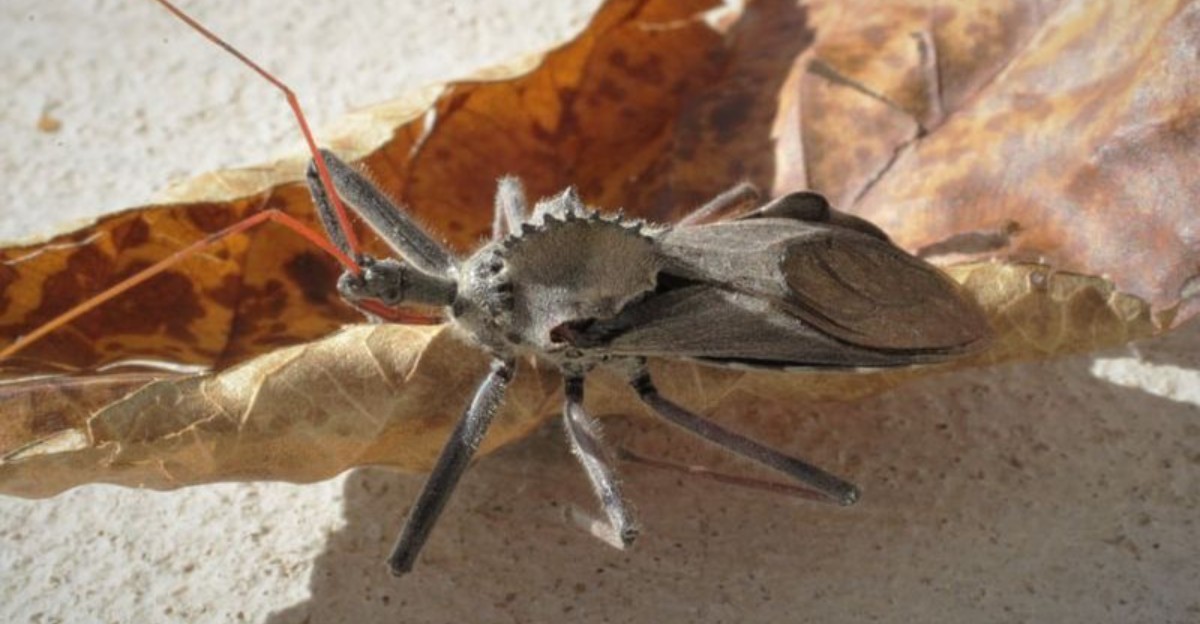
Gray bugs with a half circle of spikes on their backs look like something out of a cartoon.
Wheel bugs are a type of assassin bug found on shrubs and garden plants across Georgia. Many homeowners first spot them in fall, when the adults are large and easy to see.
Picking one up or brushing it away with bare hands is a mistake you only make once.
Their bite can be extremely painful and stay sore for days. They are not aggressive toward humans, but they will defend themselves when handled.
Despite that, these insects do a lot of good in the garden by hunting caterpillars and other pests.
Leave them where they are and let them keep working. Gloves are the safest bet if one needs to be moved.
1. That Cog-Shaped Crest Belongs To A Garden Predator
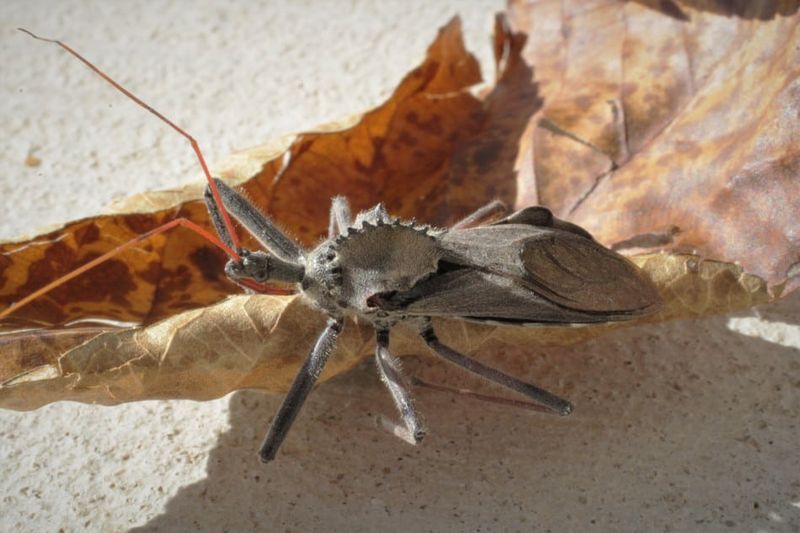
Spot a gray insect wearing a tiny gear on its back, and you have probably found a wheel bug. Its scientific name is Arilus cristatus, and it belongs to the assassin bug family.
That raised, toothed crest sits on the upper part of the body, just behind the head.
Adults usually measure a little over an inch long, which makes them one of the larger true bugs in the eastern United States. Their color is a dull gray or brownish gray that blends well with bark and dry stems.
Look closely at the head and you will notice it is small and narrow, almost like a long neck.
Underneath, a stiff, beak-like mouthpart folds back under the body when the bug is resting. It uses that beak to pierce prey and feed.
Georgia gardeners sometimes confuse wheel bugs with leaf-footed bugs or large stink bugs.
The crest is the giveaway, since no other common garden bug in the region has that half-wheel shape. If you see the gear, you can feel fairly confident about the ID.
Knowing the name matters because it changes how you react. Instead of swatting a mystery pest, you can recognize a hunter that is often helping your plants.
2. Its Bite Is Known To Be Painful And Slow To Fade
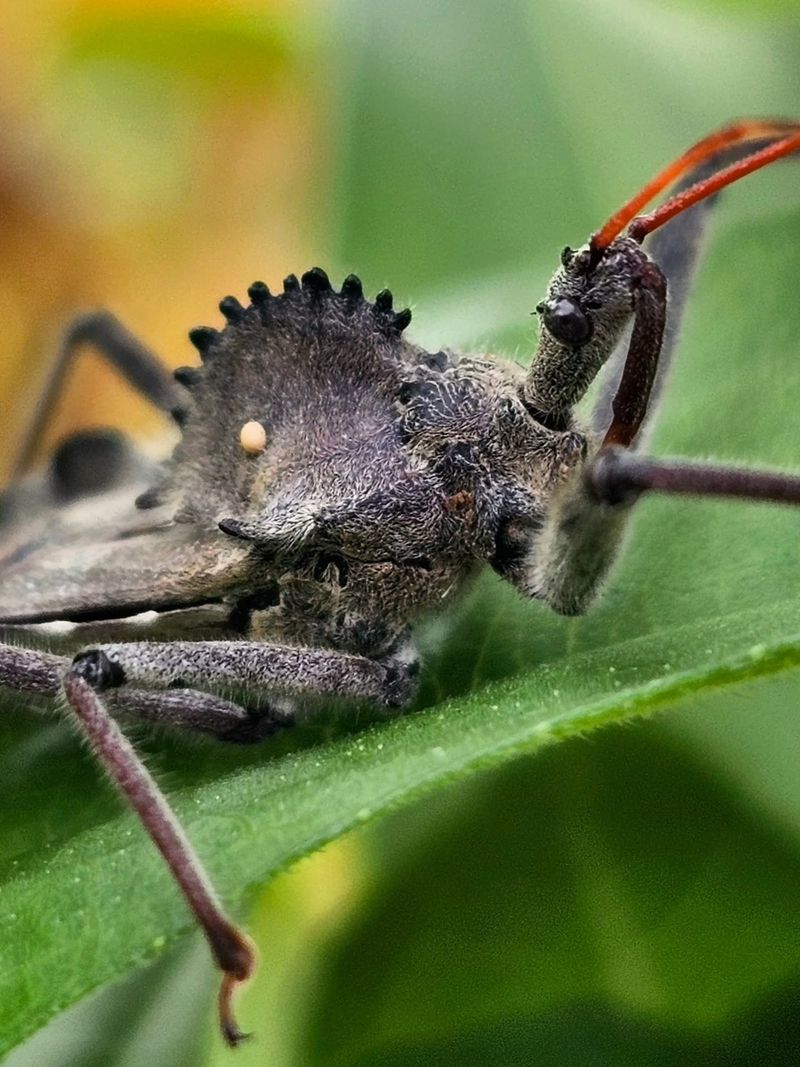
Ask anyone who has been bitten, and you will likely hear the same word first. It hurts, and people often describe the pain as worse than a bee sting.
The beak that wheel bugs use on prey can also pierce human skin when the insect feels threatened.
Saliva injected during the bite is meant to subdue insects, so it can cause sharp, burning pain in people. Swelling and redness around the spot are common reactions.
Healing time varies quite a bit from person to person.
Some people feel better within a day or two, while others report soreness or numbness lasting longer. A small hard bump may linger at the bite site for a while.
Extension sources generally treat the bite as painful but not dangerous for most healthy adults.
Washing the area with soap and water is a sensible first step. A cold pack can ease swelling, and over-the-counter pain relievers may help with soreness.
Your Georgia Garden Changes Every Week. Your Plan Should Too.
Gardening in Georgia changes quickly throughout the season. Every Friday you’ll receive a simple weekly plan showing exactly what to plant, prune, fertilize, harvest, and protect so you never miss the right timing.
Watch the spot over the next few days for signs of infection, such as spreading redness or warmth.
Anyone with trouble breathing, facial swelling, or a strong allergic history should get medical care right away. Here in Georgia, a quick call to your doctor makes sense if anything seems unusual.
3. Bites Typically Happen When People Handle It
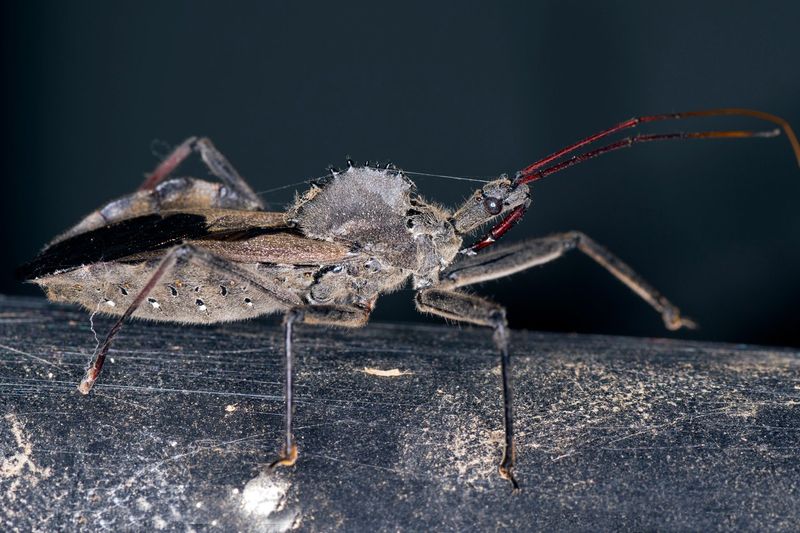
Wheel bugs are not aggressive toward people. They do not chase you around the yard or fly at your face looking for trouble.
Most bites come from someone picking the insect up, brushing against it, or trapping it against skin.
Think about where you put your hands during routine chores. Pulling weeds, grabbing a hose, or reaching into a shrub can bring you into close contact without warning.
Children are especially curious about bugs with unusual shapes, so they may try to grab one.
A short talk with kids helps a lot. Teach them to look but not touch when they spot a gray bug with a gear on its back.
Laundry left outside on a line can sometimes give a wandering insect a hiding place.
Giving clothes and towels a quick shake before bringing them indoors is a simple habit worth keeping. The same goes for gloves and garden hats stored on a porch.
Across Georgia, people spend lots of time on decks and patios during mild fall weather, and wheel bugs may rest on railings there too.
If one lands on you, try to stay calm and avoid slapping it. Let it walk off, or nudge it away with a leaf or stick.
4. Caterpillars, Beetles, And Stink Bugs Are Among Its Prey
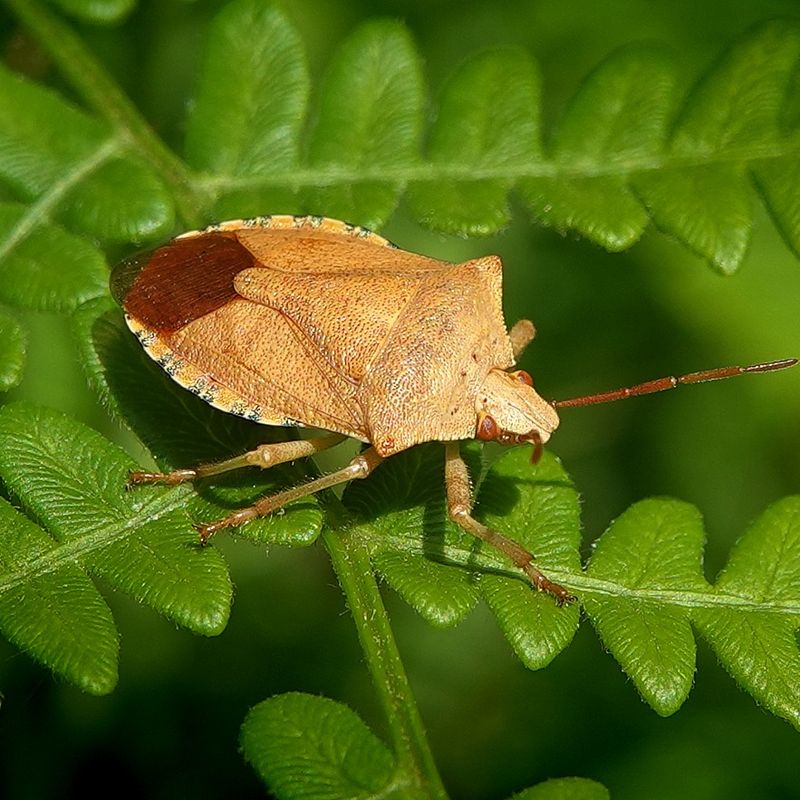
Hungry hunters can be a gardener’s quiet allies. Wheel bugs feed on a wide range of soft-bodied and hard-shelled insects.
Caterpillars are common targets, including types that chew holes in leaves on shrubs and vegetables.
Beetles show up on the menu as well, and so do stink bugs, which Georgia vegetable growers know can damage tomatoes and other crops. Aphids and other small insects may also be taken.
Wheel bugs hunt by moving slowly, grabbing prey with their front legs, and stabbing with that sharp beak.
Their saliva helps break down the insides of the prey so they can feed. It is a slow, patient process that you might catch if you watch quietly.
There is a catch, though, because wheel bugs are general predators.
They do not pick only harmful insects. Honey bees, lady beetles, and other helpful insects can end up as meals too.
Even so, wheel bugs are usually seen as more helpful than harmful in home gardens.
Their effect on pest numbers can vary with how many are around and what prey is available. They should be seen as one part of a balanced garden, not as a full pest control plan.
5. Adults Are Easiest To Spot In Late Summer And Fall
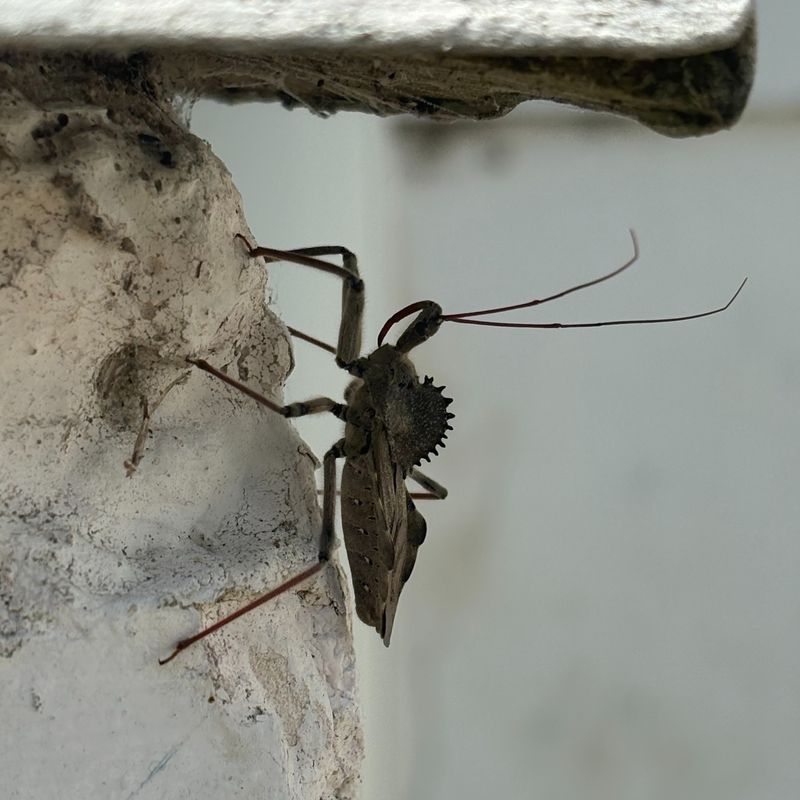
Late summer changes the garden scene. Wheel bugs that spent spring as small young are now full-sized adults with that famous crest.
In much of the eastern United States, adults are most often noticed from late summer into fall.
Georgia has a long warm season, so timing can shift a little depending on where you live in the state and how the weather runs that year. Mountain areas may differ slightly from the coastal plain.
Adults are often seen on trees, shrubs, fences, and flowering plants where other insects gather.
Fall-blooming flowers attract pollinators and other insects, which may draw wheel bugs nearby looking for a meal. Fruit trees and ornamental shrubs are other places to check.
Mating takes place in the fall, and females then lay clusters of eggs.
Those egg masses often look like small groups of brown, bottle-shaped eggs glued to twigs, bark, or other surfaces. They usually stay there through winter and hatch the following spring.
Adults generally do not survive the winter, so sightings drop off as cold weather settles in.
If you are cleaning up branches in late fall, keep an eye out for egg clusters. Leaving them in place lets a new group of hunters hatch next year.
6. Bright Red Nymphs Look Nothing Like The Adults
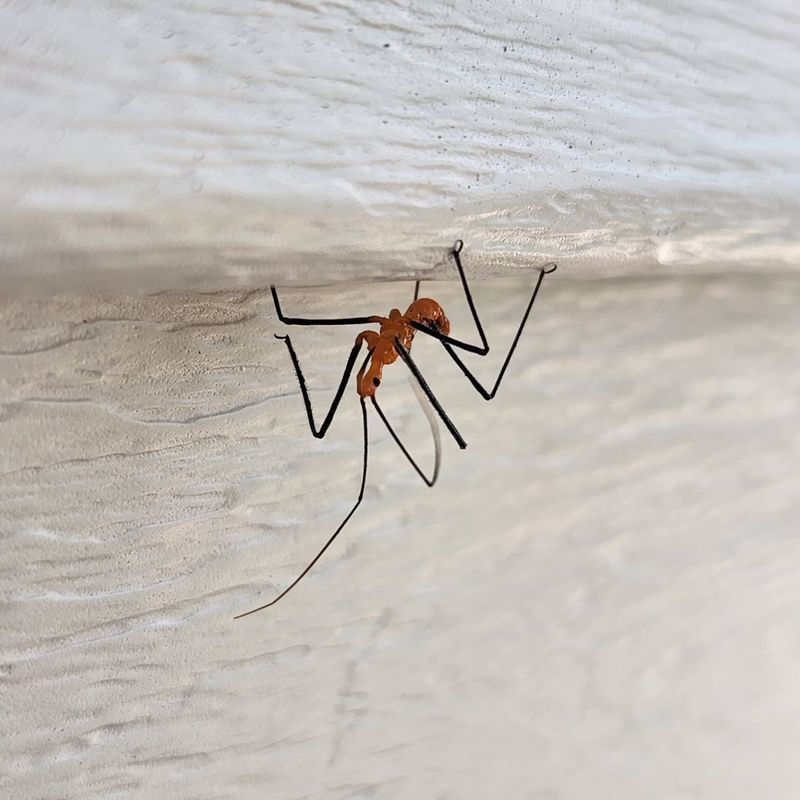
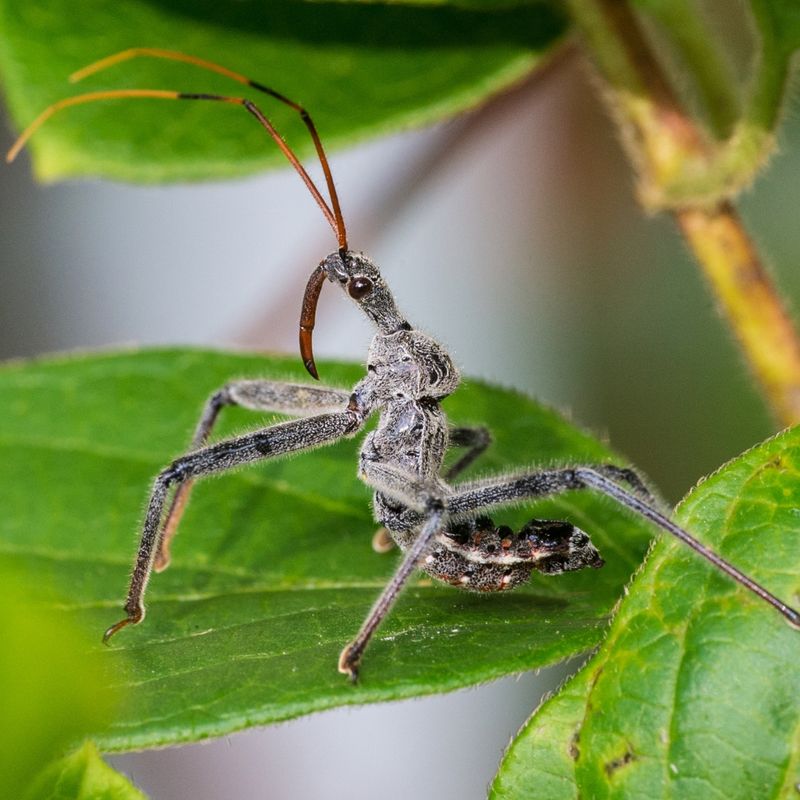
Bright red with black markings, baby wheel bugs could fool almost anyone. They have no crest at all when they first hatch.
Young wheel bugs are called nymphs, and they usually hatch in spring.
Freshly hatched nymphs are small and often show red or orange bodies with darker legs and parts. Their bellies can look especially red, and they may hang out in small groups at first.
As they grow, nymphs shed their skin several times before reaching adult size.
Colors tend to darken with each stage, and the crest only appears once they become adults. That means spring and early summer gardeners in Georgia may see a bug that seems totally new.
Gardeners sometimes mistake nymphs for other red insects, such as certain milkweed bugs or young assassin bugs of other kinds.
Here is a simple tip. Look for long legs, a narrow head, and a curved beak tucked underneath, which together point toward an assassin bug.
Nymphs can also bite, so the same hands-off rule applies to them.
Taking a photo and comparing it to an Extension fact sheet is a smart way to confirm what you found. Your county Extension office can also help with tricky IDs.
7. Gloves And A Gentle Brush Move It Along Safely
Leave it alone if you can. A wheel bug sitting on a shrub away from busy paths is usually doing no harm at all.
Sometimes, though, one ends up on a doorframe, a chair, or a plant you need to work around.
Thick garden gloves are your first line of defense. Leather or heavy fabric gloves give better protection than thin cotton ones.
A soft paintbrush, a small hand broom, or even a stiff leaf can coax the bug onto a new surface.
Move slowly and guide it rather than pushing hard. A sudden squeeze is what tends to trigger a defensive bite.
Another option is to hold a cup or jar in front of it and gently brush it inside.
Slide a piece of cardboard over the top, then carry it to a tree or shrub farther from your work area. Release it and let it walk away on its own.
Spraying insecticide just for wheel bugs is generally not recommended.
Sprays can also harm pollinators and other helpful insects living in your Georgia garden. Patience and a little care usually solve the problem with much less trouble.