Louisiana Homeowners Are Seeing More Fire Ant Mounds Each Time It Rains

If you’ve been noticing more fire ant mounds popping up after summer rains, you’re not imagining it. Louisiana homeowners across the state are seeing the same thing in their yards this season, and there’s a straightforward reason behind it.
Fire ants don’t actually appear out of nowhere when it rains. They were already there, living in underground colonies that can stretch several feet below the surface.
Heavy rainfall forces them upward, and what you see after a storm is the result of thousands of workers relocating fast.
Louisiana’s heat and humidity give fire ants almost everything they need to thrive, which is why summer tends to bring them closer to the surface more often.
Understanding their behavior puts you one step ahead.
Rain Pushes Fire Ant Colonies Closer To The Surface Of Louisiana Yards
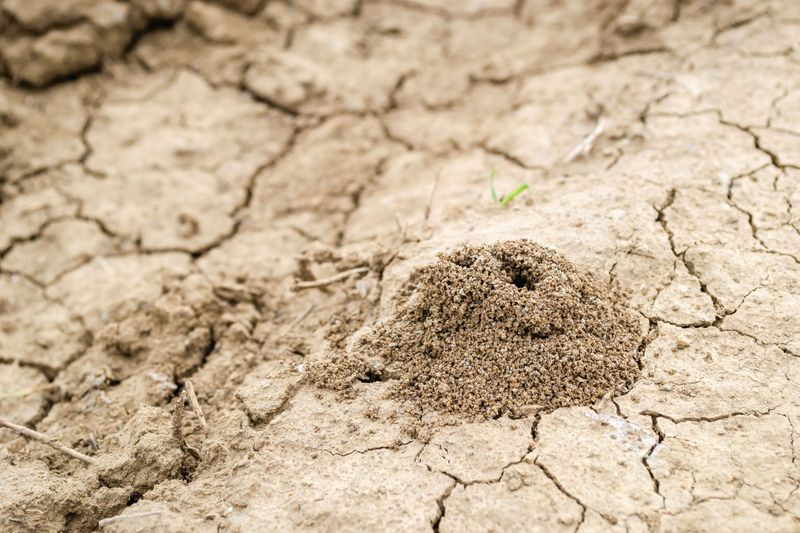
After every rainstorm, something strange happens underground. Fire ant colonies feel the water rushing in and immediately move upward to escape it.
These insects are remarkably organized. When soil gets saturated, the whole colony shifts toward the surface in just a matter of hours.
That is why Louisiana homeowners are seeing more fire ant mounds each time it rains. The mounds are not new colonies sprouting up overnight.
They are the same colonies that were already living in your yard, just pushed higher. Think of it like a building flooding from the basement up.
The ants rebuild their tunnels closer to the top of the soil. They do this to protect their queen and their eggs from drowning.
Some colonies will even float together as a living raft during extreme flooding. Scientists have studied this survival behavior for decades, and it remains one of the more remarkable examples of insect adaptation.
For homeowners, though, it means more visible mounds after every rain event. The wetter the season, the more active the mounds appear across the yard.
Gulf Coast summers bring serious rainfall totals, and fire ants have adapted to thrive in exactly those conditions. Knowing this helps you stop panicking and start planning.
You are not losing a battle you were winning before. You are simply seeing a natural response to your local weather patterns.
Louisiana’s Warm, Wet Summers Bring More Fire Ant Activity
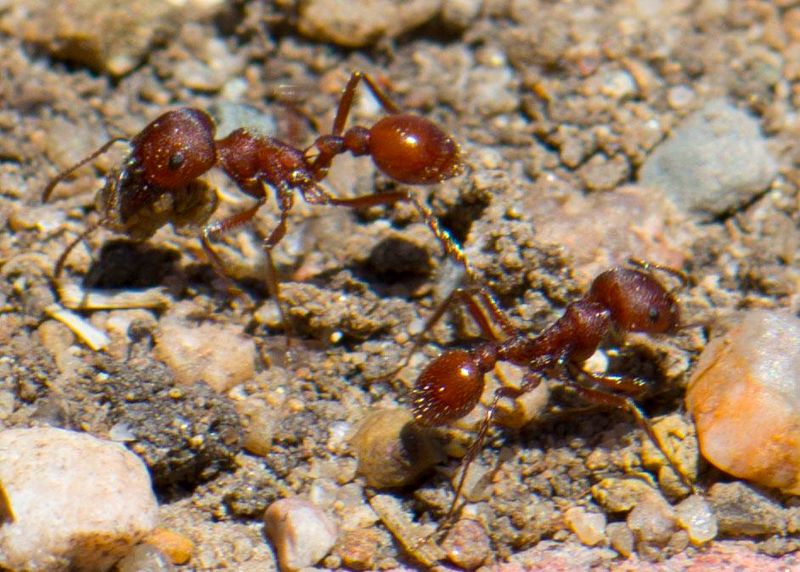
Hot sidewalks, afternoon thunderstorms, and buzzing humidity are summer staples in the Gulf South. Fire ants absolutely thrive in these exact conditions.
Warm soil temperatures speed up ant reproduction. A queen can lay up to 1,500 eggs per day when conditions are right.
Louisiana summers offer fire ants nearly perfect breeding weather from May through September. That long warm stretch means colonies grow fast and expand aggressively.
Rainfall adds fuel to an already active situation. Wet soil is easier to tunnel through, which helps colonies spread sideways across your lawn.
Fire ant colonies from neighboring yards can expand close enough to each other that mound activity across a street or fence line often appears around the same time.
Humidity also keeps the soil from drying out too quickly after rain. That moisture retention gives colonies stable conditions to keep building and expanding.
Your Louisiana Garden Changes Every Week. Your Plan Should Too.
Gardening in Louisiana changes quickly throughout the season. Every Friday you’ll receive a simple weekly plan showing exactly what to plant, prune, fertilize, harvest, and protect so you never miss the right timing.
Homeowners often notice a sharp spike in mound activity between June and August. This timing lines up with peak rainfall and peak ant reproduction happening simultaneously.
The combination creates a cycle that can feel overwhelming if you are not prepared. Spotting the pattern early gives you a head start on managing it.
Tracking your local rain forecast can actually help you anticipate mound appearances. When storms roll in, check your yard the following morning with fresh eyes.
How To Spot Fire Ant Mounds Around Your Yard
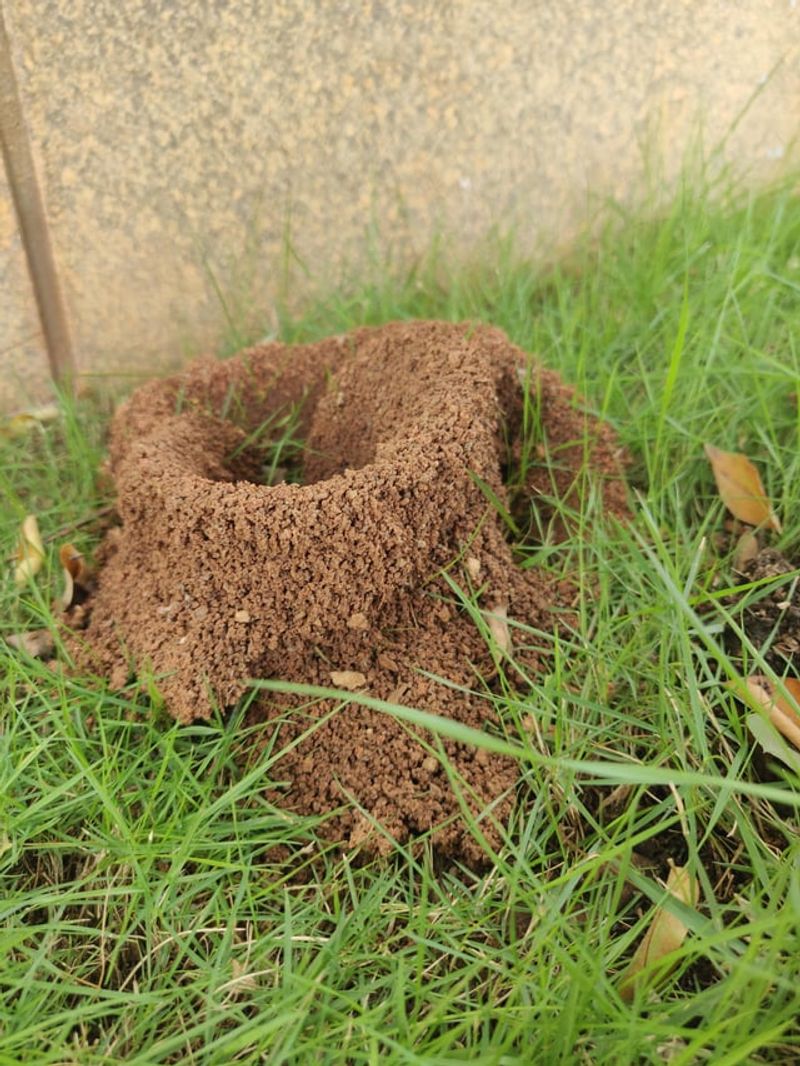
Not every dirt pile in your yard belongs to fire ants. Knowing what to look for saves you time and keeps you safe.
Fire ant mounds have a distinctive dome shape made of loose, fluffy soil. They rarely have a visible hole at the top like other ant hills do.
The mounds can range from a few inches tall to over a foot high. Older, undisturbed colonies tend to build larger and more impressive structures.
Poke the mound gently with a long stick and watch what happens. Hundreds of reddish-brown ants will pour out aggressively within seconds.
That quick, aggressive response is a reliable identification sign. Most other ant species move away slowly or retreat deeper into the ground.
Fire ants will swarm upward and outward, ready to sting anything nearby. This behavior is exactly why accidental disturbances can lead to painful encounters.
Check common mound locations after rain, including along fence lines and near tree roots. Driveways, garden beds, and open lawn areas are also frequent targets.
Mounds near electrical boxes or air conditioning units deserve extra caution. Fire ants have been known to nest inside outdoor electrical equipment, which can occasionally lead to damage or interference.
Early morning is often the best time to spot fresh mounds. The soil is still moist from overnight dew, making new construction easier to see.
Walk your yard slowly and scan at ground level for any raised soil patches. Catching mounds early makes treatment much more effective.
Natural Approaches That May Help Reduce Fire Ant Activity
Some homeowners prefer to handle fire ants without chemical products. There are several natural options worth trying, though results can vary.
Diatomaceous earth is a popular choice among gardeners. It is a fine powder made from fossilized algae that damages the exoskeleton of insects on contact.
Sprinkle it around mounds and along ant trails after dry weather. It works best when the soil and powder stay dry for an extended period.
Orange oil mixed with water and dish soap is another frequently recommended treatment. Pouring it directly into a mound can disrupt the colony and repel foragers.
The citrus compounds in orange oil are toxic to fire ants at concentrated levels. It is not a permanent fix, but it can knock back a fresh mound quickly.
Boiling water poured directly into a mound is one of the oldest home remedies around. It reaches deep into tunnels and can eliminate a significant portion of a colony.
However, it often misses the queen, which means the colony can rebuild within weeks. Repeated applications are usually needed for any lasting effect.
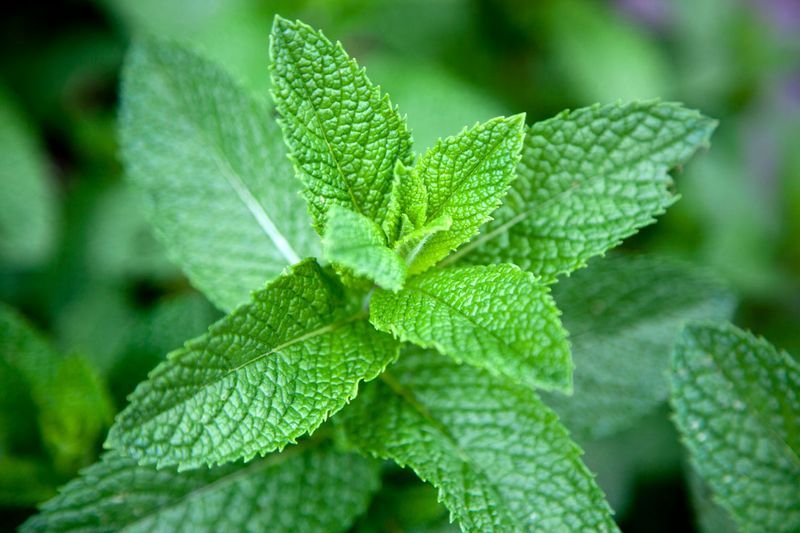
Some gardeners report that strongly aromatic plants like mint or tansy seem to discourage ant activity nearby, though scientific evidence for this specifically against fire ants remains limited.
These methods work best as part of a broader management approach. Relying on a single natural remedy alone rarely produces consistent results.
Pairing natural options with regular yard maintenance gives you the strongest defense. Small, steady efforts add up over an entire season.
Signs That A Fire Ant Problem May Need Professional Attention
Most fire ant situations are manageable with store-bought products and consistent effort. But some cases go beyond what a homeowner can handle alone.
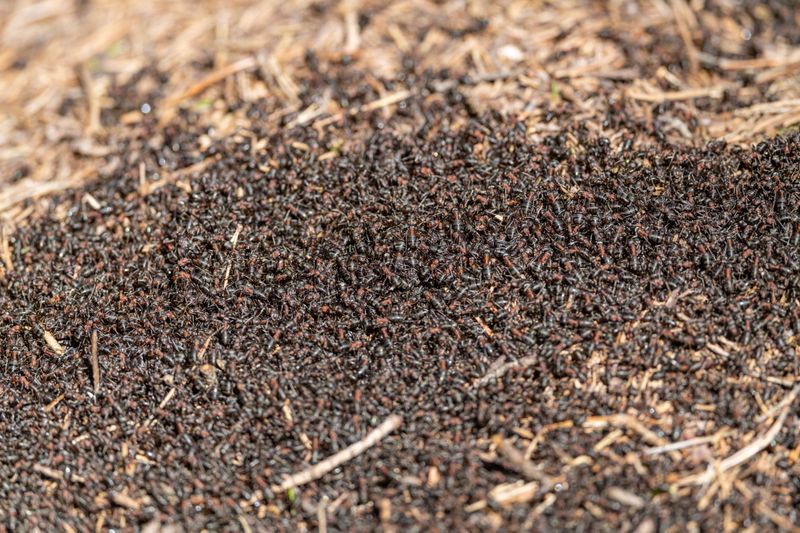
If you are seeing dozens of mounds appear after a single rainstorm, that signals a heavy infestation. Large numbers of mounds suggest a deeply established underground network.
Mounds reappearing in the same spots within days of treatment are another red flag. This pattern often means the queen survived and the colony is rebuilding fast.
Finding mounds inside your home, garage, or near your foundation is especially concerning. Indoor colonies require a different approach than outdoor treatment.
Children and pets who spend time in the yard face higher risk from aggressive colonies. If someone in your household has been stung multiple times, act quickly.
Allergic reactions to fire ant stings can escalate fast and become medically serious. A pest control professional can assess the risk level and recommend targeted solutions.
Properties with large open lawns or multiple garden beds can be especially difficult to treat thoroughly. Professionals have access to commercial-grade products not available in retail stores.
They also understand colony behavior at a deeper level, which helps them target treatments more precisely. A single professional visit can sometimes accomplish more than months of DIY effort.
Getting a professional assessment does not mean DIY was not worth trying. It means you are making a smart decision for your family and your property.
Staying Safe Around Fire Ant Mounds In Your Yard
Fire ants sting fast and without much warning. Knowing how to move around your yard safely keeps your whole family protected.
Always wear closed-toe shoes when walking through grass after rain. Sandals and bare feet leave you completely exposed to ground-level stings.
Children playing outdoors should be taught to recognize mound shapes early. A quick lesson can prevent a painful and frightening encounter in the backyard.
Never let pets sniff or paw at mounds out of curiosity. Dogs and cats can receive dozens of stings before they even realize what is happening.
If you accidentally step on a mound, move away quickly and brush ants off immediately. Continued contact triggers alarm pheromones that cause nearby ants to sting as well.
Use a brushing motion rather than slapping to remove ants from skin. Slapping can cause them to sting more aggressively before they are dislodged.
For minor stings, washing the area with soap and water reduces irritation. Applying a cold pack helps with swelling and discomfort in the first hour.
Watch for signs of an allergic reaction, including swelling beyond the sting site. Hives, dizziness, or difficulty breathing require immediate medical attention.
Keeping a basic first aid kit near the back door during summer months is a smart habit. A little preparation makes a big difference when stings happen unexpectedly.
Louisiana homeowners who stay aware and stay cautious can enjoy their yards all season long. Safety and smart habits make outdoor living much more enjoyable.