8 Low-Maintenance Arizona Backyard Ideas For A Relaxing And Stylish Space
There’s something about an Arizona backyard that just calls for a little creativity.
A few colorful potted plants here, a cluster of desert-friendly shrubs there, maybe a striking arrangement of succulents or native flowers to catch the eye – before you know it, your space can feel crowded and high-maintenance instead of relaxing.
I’ve been there, trying to make everything look perfect while still hoping to actually enjoy it.
The best backyard ideas aren’t just about looks – they’re about simplicity, durability, and letting your plants shine without constant fuss. With Arizona’s sun, heat, and dry conditions, planning a low-maintenance garden is especially important.
From hardy cacti and flowering shrubs to drought-tolerant perennials and ornamental grasses, you can create a yard that’s both stylish and stress-free while letting nature do the heavy lifting.
Get ready to explore ideas that transform your garden into a welcoming retreat.
These tips will help you design areas for blooming color, texture, and shade, allowing you to relax, entertain, and enjoy your Arizona backyard without extra effort.
1. Desert-Friendly Plants That Thrive On Little Water
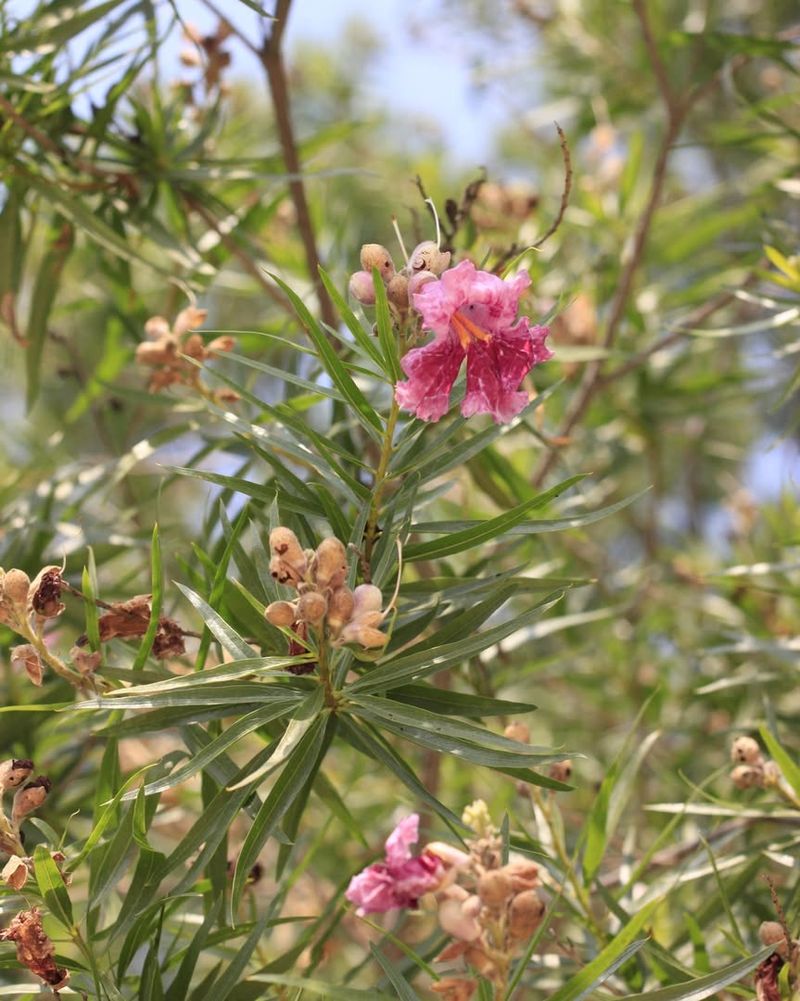
Native Arizona plants have spent thousands of years adapting to the harsh desert climate, which means they’re already programmed to survive with minimal water and care. Species like palo verde, mesquite, and desert willow provide shade and visual interest while requiring almost no maintenance once established.
These trees naturally drop small leaves that decompose quickly, so you won’t spend weekends raking, and their bark and branch patterns add texture to the landscape year-round.
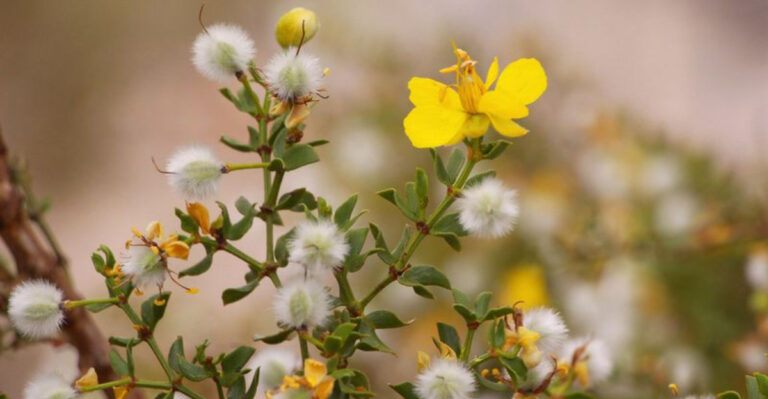
Succulents and cacti are obvious choices, but don’t overlook flowering options that add color without demanding constant attention. Red yucca produces stunning coral blooms, while desert marigolds bring cheerful yellow flowers that reseed themselves year after year.
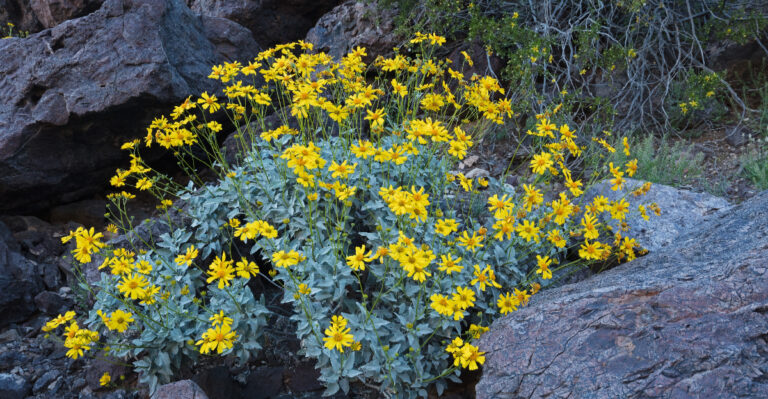
Brittlebush offers silvery foliage and bright yellow flowers in spring, creating a beautiful contrast against darker rocks or walls. Other desert-adapted bloomers like penstemon, globe mallow, and fairy duster also attract hummingbirds and pollinators while thriving with minimal care.
The real advantage of choosing desert-adapted plants for your Arizona backyard is that they actually look better with less fussing. Overwatering or excessive fertilizing can harm these tough survivors more than neglect ever could.
Group plants with similar water needs together to make irrigation even simpler, and you’ll have a landscape that practically takes care of itself while looking authentically Southwestern and naturally beautiful throughout every season.
2. Mulch And Rock Beds For Effortless Beauty
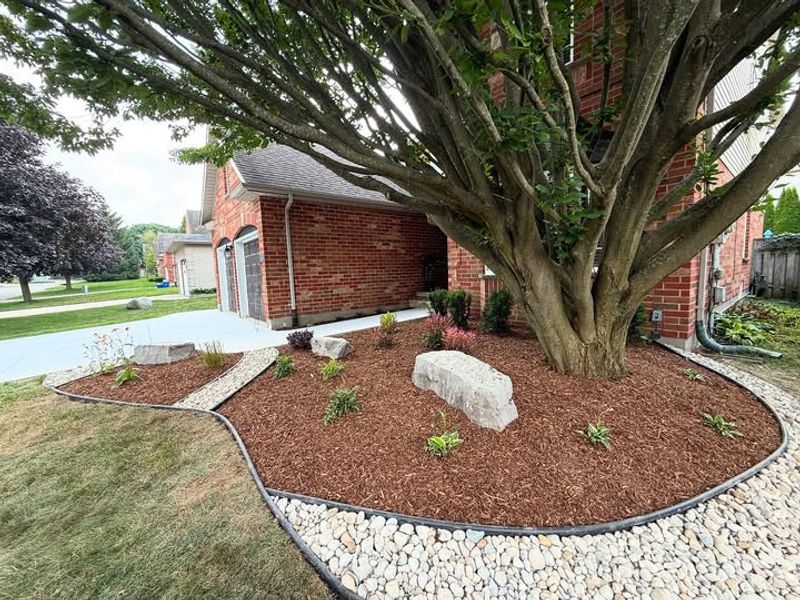
Rock mulch is practically made for Arizona backyards, offering lasting beauty without the decomposition issues that organic mulches face in intense heat. River rocks, lava rock, and crushed granite each bring different textures and colors to your landscape design.
Larger decorative boulders can serve as focal points or natural-looking accents that anchor plant groupings and add visual weight to your overall design. Grouping rocks with complementary plants, such as succulents or desert-adapted shrubs, creates a cohesive and visually appealing landscape.
Installing a quality weed barrier beneath your rock beds makes maintenance even easier by preventing unwanted plants from pushing through. This simple step saves countless hours that you’d otherwise spend pulling weeds in the scorching Arizona sun.
Choose rock colors that either complement or contrast with your home’s exterior for maximum visual impact and to enhance outdoor living spaces.
The beauty of rock mulch is that it never needs replacing like wood chips or bark would. While organic mulches break down quickly in Arizona’s heat and require regular refreshing, rocks stay put and maintain their appearance for years.
They also help retain soil moisture by reducing evaporation, which benefits your plants while cutting down on watering needs. Mix different rock sizes and types to create depth and interest, or keep it simple with a single type for a clean, modern aesthetic that lasts season after season.
3. Shade Trees Like Palo Verde Or Mesquite For Cool Retreats
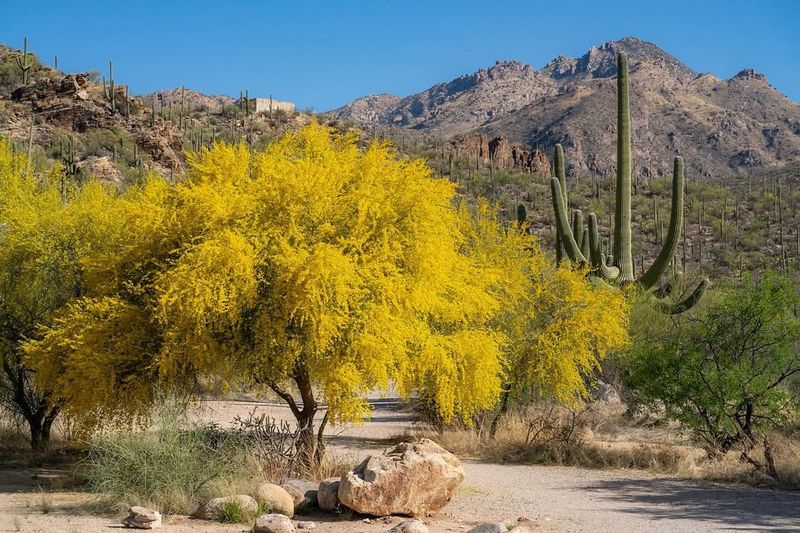
When the Arizona sun climbs high, having shade in your yard isn’t just a luxury – it’s essential. Planting shade trees like Palo Verde or Mesquite gives your outdoor space a natural retreat from the desert heat while adding architectural interest.
Palo Verde, with its green bark and delicate yellow blooms, offers filtered shade that keeps patios and seating areas cooler. Mesquites grow into expansive trees, providing dappled shade beneath their feathery foliage and serving as a magnet for local wildlife, including birds and pollinators.
These trees are well-adapted to Arizona’s arid climate. They tolerate hot, dry conditions and sandy soils, requiring minimal supplemental watering once established.
Choosing the right planting location is key: give them enough space to spread and avoid planting too close to structures, as mature Mesquites can get wide.
Young trees benefit from a few deep waterings per week during their first year to encourage deep root growth. Mulching around the base retains moisture and helps regulate soil temperature during the hottest months.
Shade trees aren’t just functional – they create a focal point and can define outdoor spaces. Pair them with drought-tolerant understory plants like desert marigolds or agaves to enhance the natural desert aesthetic.
With a little planning, your Arizona garden can become a cool, inviting haven even in the peak of summer.
4. Aromatic Herb Gardens With Rosemary, Lavender, And Sage
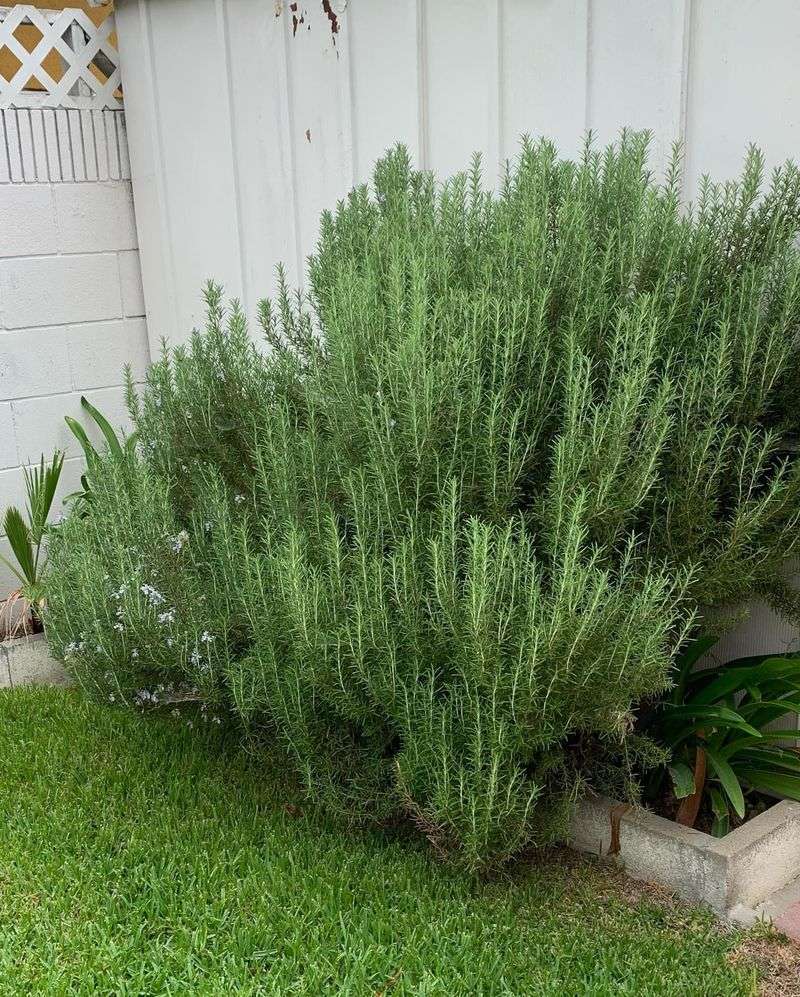
Nothing transforms an Arizona garden quite like the scent of fresh herbs. Rosemary, lavender, and sage thrive in the dry, sunny conditions found across the state, bringing fragrance, flavor, and visual interest to your yard.
Rosemary’s needle-like leaves are fragrant and evergreen, while lavender blooms with purple spikes that attract bees, butterflies, and hummingbirds. Sage adds both texture and aroma, with soft, silvery foliage that complements desert landscaping.
Plant these herbs in well-draining soil and full sun locations. They handle Arizona’s intense heat well, though they appreciate a deep watering once or twice a week during particularly hot, dry spells.
Raised beds, decorative containers, or rock garden arrangements help prevent waterlogged roots and make your herb garden easier to manage.
Interplanting these herbs with other low-water Mediterranean plants, such as thyme or oregano, creates a cohesive, aromatic garden space. Lavender and rosemary can be shaped to provide structure and even act as informal hedges, while sage works well as a border plant or companion in vegetable gardens.
Harvesting encourages fuller growth, so snip leaves regularly for cooking or dried arrangements. Even small herb gardens can become a sensory highlight, filling the Arizona air with calming fragrances while supporting pollinators and adding greenery to sun-baked landscapes.
With a few strategic choices, your herb garden can be both practical and beautiful year-round.
5. Ornamental Grasses Such As Purple Fountain Grass Or Blue Fescue
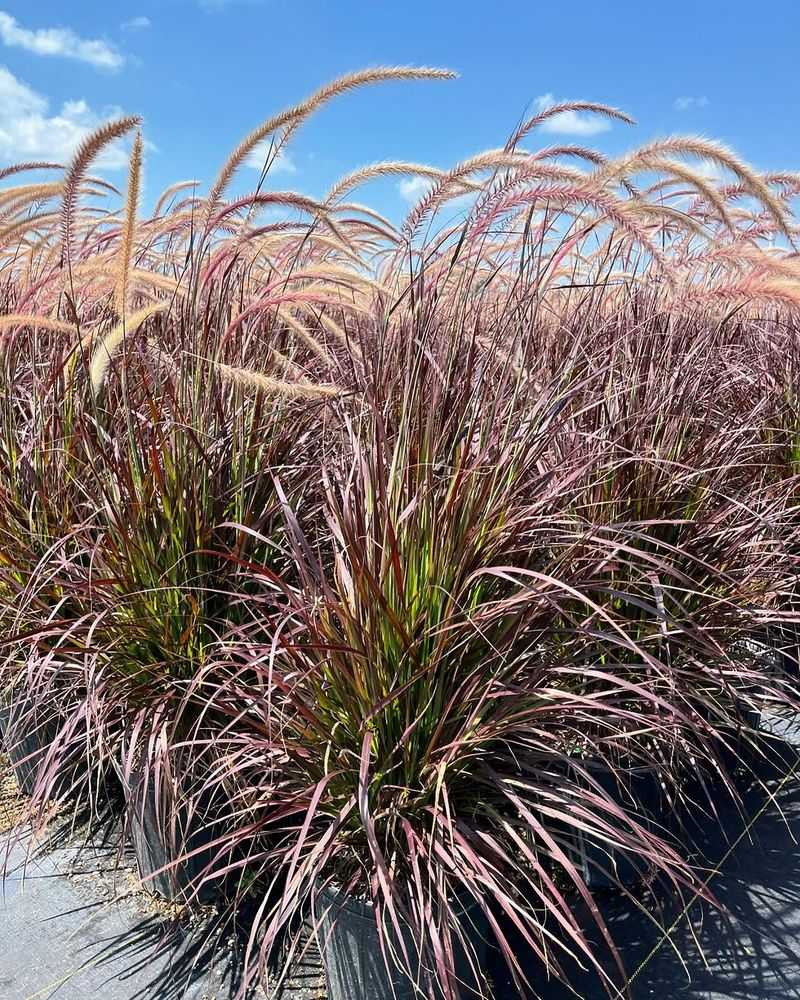
Ornamental grasses are a versatile way to bring movement, texture, and structure to Arizona gardens. Purple fountain grass and blue fescue are drought-tolerant choices that perform well under the state’s intense sun and dry conditions.
Purple fountain grass grows in clumps with feathery, burgundy plumes that sway in the breeze, while blue fescue adds cool, silvery-blue color and low-maintenance charm.
Plant ornamental grasses in full sun and well-draining soil. Once established, they require minimal watering, making them ideal for xeriscapes or desert-adapted landscapes.
Group them in clusters for dramatic effect, or line pathways with smaller varieties like blue fescue to create visual interest and definition.
Maintenance is simple: cut back dead foliage in late winter or early spring to make room for fresh growth. Mulching at the base preserves soil moisture and reduces weeds.
These grasses also attract birds seeking cover and add movement that mimics natural desert landscapes.
Because of their long-lasting foliage and seasonal plumes, ornamental grasses provide structure even when other plants are dormant. Pair them with flowering succulents, desert perennials, or small shrubs to create layered color and texture.
With the right placement and care, your Arizona garden will have year-round interest and a dynamic, flowing aesthetic.
6. Vibrant Flowering Shrubs Like John Callistemon
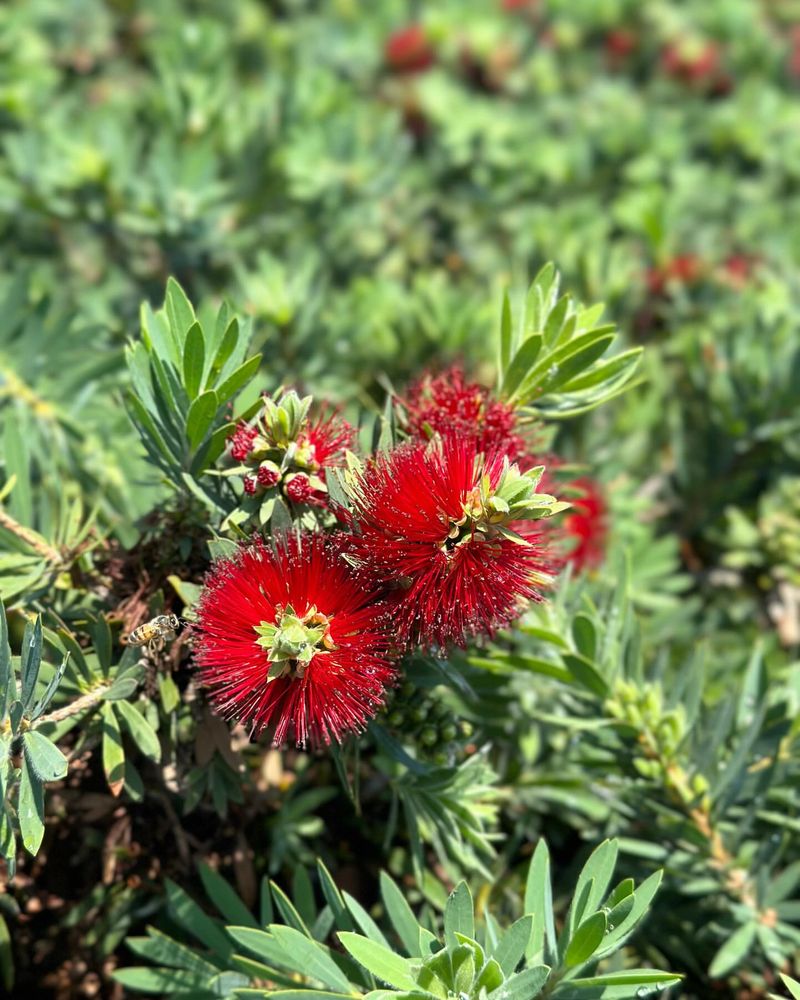
Adding a pop of color to an Arizona garden is easy with flowering shrubs like the John Callistemon, also known as the bottlebrush. Its striking red blooms appear in spring and summer, attracting hummingbirds and pollinators while creating a bold visual statement.
The bottlebrush is well-suited to arid climates, tolerating heat and occasional drought, making it a reliable choice for low-maintenance landscapes.
Plant Callistemon in full sun for best bloom production. Well-draining soil is essential to prevent root rot, especially during Arizona’s rare heavy rains.
Once established, these shrubs require minimal watering and can tolerate temperatures well above 100°F. Container planting is also possible for patios or entryways, with slightly more frequent irrigation to keep potted roots healthy.
Pruning after flowering encourages new growth and maintains a tidy shape. Pairing with other sun-loving shrubs, such as Texas sage or desert willow, adds layers of texture and color while supporting beneficial insects.
Mulch around the base retains soil moisture and moderates temperature swings.
Whether you use Callistemon as a standalone feature or as part of a mixed shrub border, it provides year-round structure, seasonal blooms, and wildlife benefits. With the right placement, watering strategy, and companion planting, this vibrant shrub will brighten Arizona gardens while handling the desert’s intense sun and heat gracefully.
7. Succulent Arrangements In Decorative Pots For Year-Round Interest
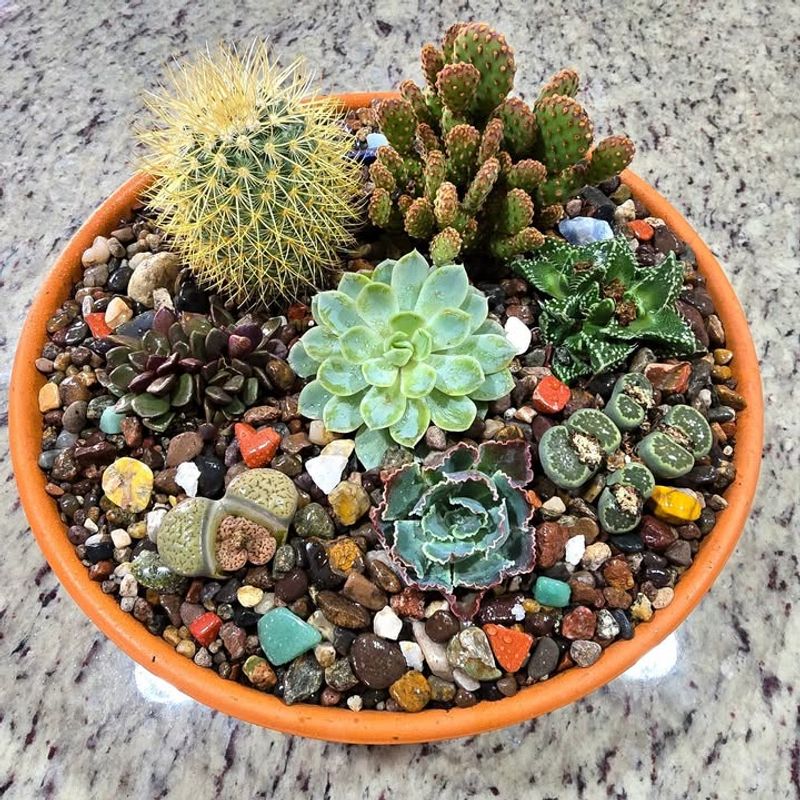
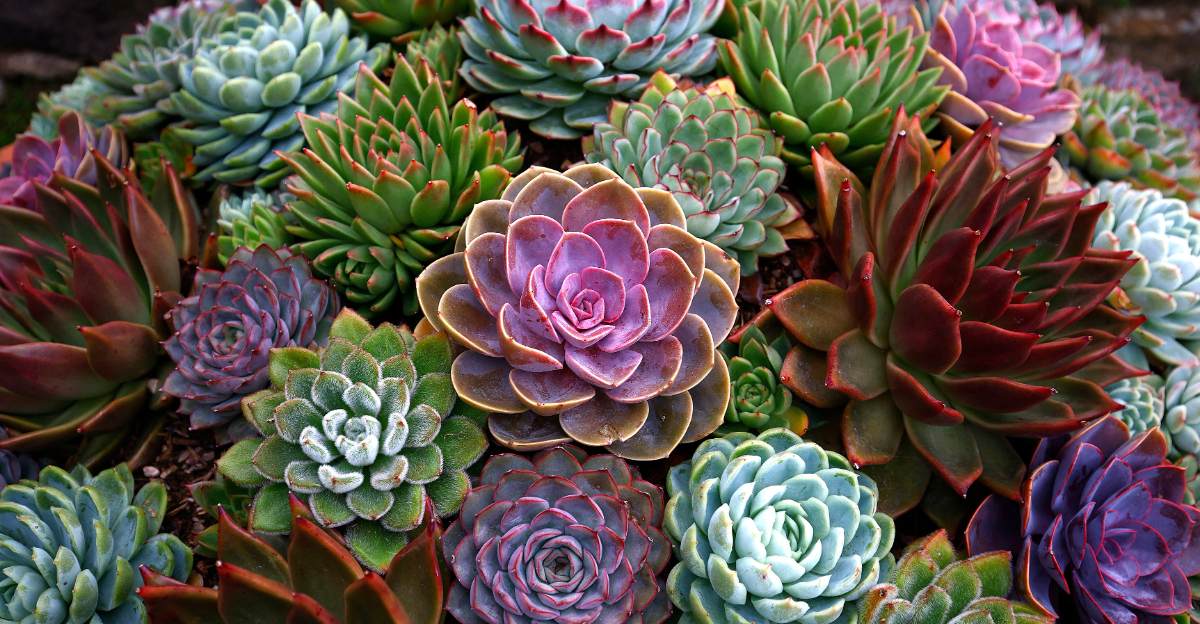
Succulents are perfect for Arizona gardens because they thrive in full sun, dry heat, and minimal watering. Arranging them in decorative pots gives flexibility – you can move them to shady patios, group contrasting colors, or combine varying heights for a striking display.
Popular choices include echeveria, agave, and aloe, which all handle intense sunlight and desert conditions beautifully.
Use fast-draining soil mixes and pots with drainage holes to prevent root rot. Even established succulents need occasional deep watering, especially during Arizona’s long, hot summers, but overwatering can quickly harm them.
Adding small rocks or gravel on top of the soil helps retain moisture, protects roots during the hottest days, and enhances the visual appeal.
Succulent arrangements allow gardeners to experiment with textures, colors, and seasonal interest. They’re low-maintenance yet captivating, making them ideal for busy homeowners or urban patios.
Combining succulents with trailing varieties like sedum or string-of-pearls creates cascading effects that soften hardscapes and planters.
Decorative pots can be changed seasonally or rearranged to highlight sunlight patterns. Succulents also respond well to pruning or propagating cuttings, offering opportunities to expand your collection without additional purchases.
These arrangements are functional and decorative, providing structure, greenery, and a water-smart approach to Arizona gardens. With a few thoughtful choices, potted succulents can remain vibrant and engaging year-round.
8. Colorful Perennials That Attract Pollinators
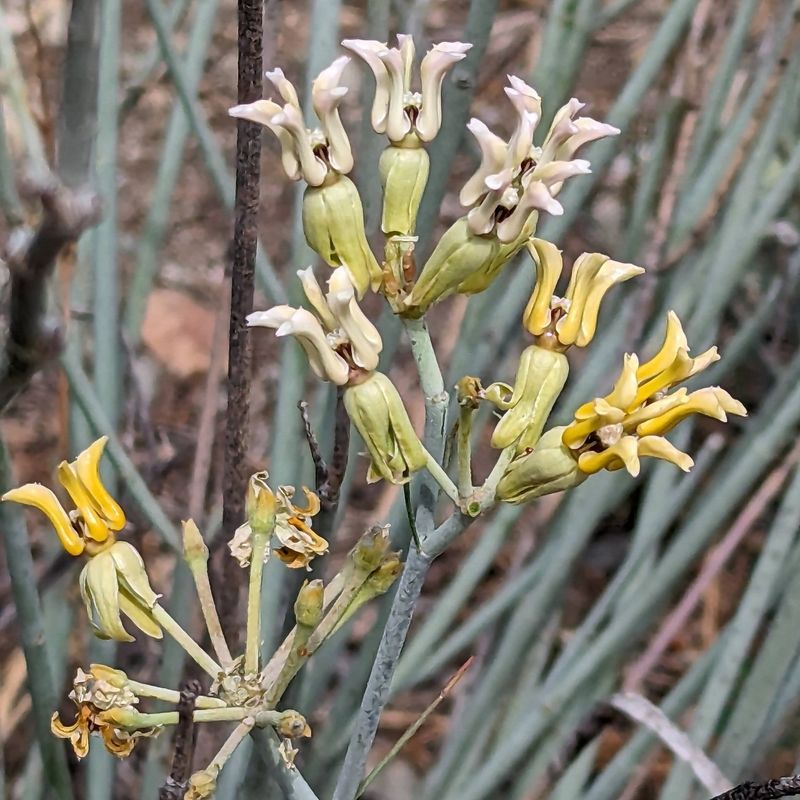
Pollinator-friendly perennials are highly recommended for Arizona gardens, and March is a great time to plant them.Species like desert milkweed, blanket flower, and penstemon thrive in full sun, attract bees, butterflies, and hummingbirds, and withstand dry heat once established. These plants provide early-season nectar when pollinators are emerging from dormancy.
Incorporating a mix of flowering heights and textures not only adds visual interest but also creates shelter and resting spots for beneficial insects, helping them move safely through the garden. Plant perennials in well-draining soil with enough space for mature growth.
Mulching preserves moisture and keeps roots cool during warm spring days. Water new plants regularly until they establish deep roots, then gradually reduce frequency to encourage drought tolerance.
Grouping blooms by color or flowering season creates continuous visual appeal and provides reliable food sources for wildlife. Taller species can form windbreaks or natural borders, while lower-growing varieties make colorful ground cover.
Companion planting with native grasses or desert shrubs enhances habitat diversity and encourages natural pollination cycles. Pruning spent flowers encourages additional blooms, and regular monitoring ensures plants stay healthy.
Selecting species suited to Arizona’s climate reduces disease risk and minimizes maintenance needs. Over time, these perennials create a resilient, vibrant garden that supports pollinator populations, adds seasonal color, and enhances your outdoor living space.