7 Low-Maintenance Backyard Ideas To Create A Stylish, Relaxing Texas Retreat
If your idea of a Texas summer involves more time battling a wilting backyard than actually enjoying a cold drink on the patio, you aren’t alone.
Between the blazing sun and relentless drought, keeping a traditional landscape alive in the Lone Star State can feel like a grueling full-time job.
But what if your outdoor space was designed to thrive on its own, even when the thermometer hits triple digits?
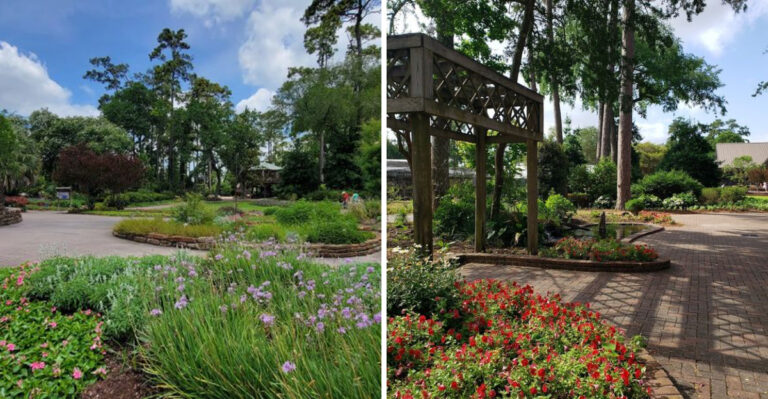
The secret to a stylish, low-maintenance retreat isn’t just about working harder; it’s about making smarter design choices that shrug off the heat.
Whether you’re dealing with a tiny urban patio or a sprawling suburban lot, these seven practical ideas will help you cut down on watering, mowing, and pruning.
It is time to stop fighting the Texas climate and start relaxing in a personal oasis that looks great all year long.
1. Xeriscape Plants Bring Beauty With Almost No Water
Gardening in Texas heat means one wrong plant choice can leave you dragging a hose across the yard every single day.
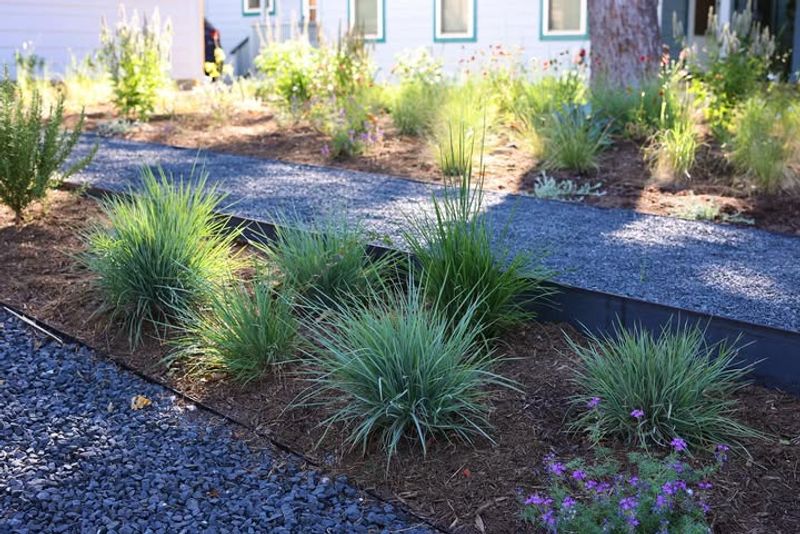
Xeriscaping – a water-smart landscaping approach – solves that problem by centering your garden around plants that naturally thrive in hot, dry climates.
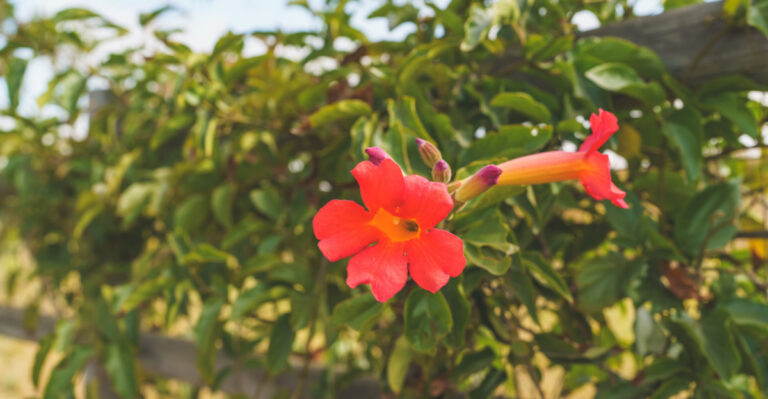
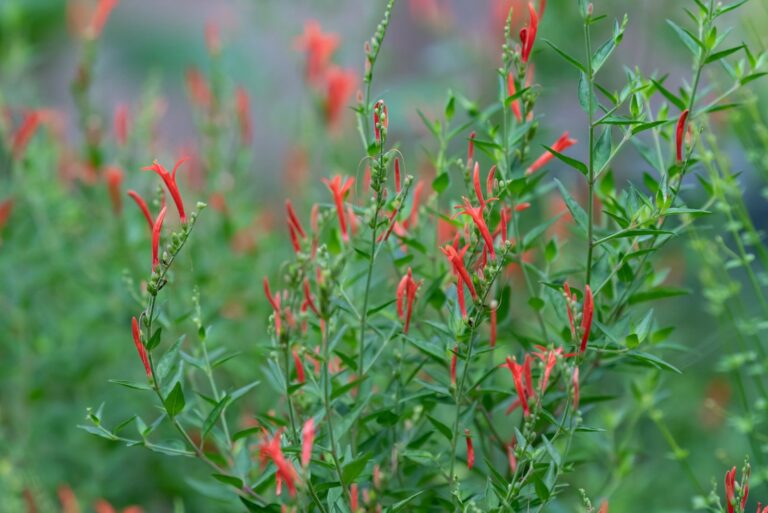
Texas Sage, Blackfoot Daisy, and Lantana are excellent starting points because they handle drought conditions gracefully while still delivering vibrant color throughout the growing season.
One of the biggest mistakes Texas homeowners make is planting water-hungry species from cooler regions and then wondering why their yard looks exhausted by July.
Native and drought-adapted plants have deep root systems that seek moisture efficiently, which means far less irrigation work on your end.
Many of these plants also attract pollinators like butterflies and hummingbirds, adding movement and life to your outdoor space without any extra effort.
Grouping plants by their water needs – a practice called hydrozoning – makes your irrigation even more efficient and reduces overwatering. Once established, most xeriscape plants need minimal attention beyond occasional pruning and seasonal cleanup.
The result is a yard that looks intentionally designed, stays colorful through intense Texas summers, and practically takes care of itself.
For a truly low-maintenance finish, pair your plantings with decorative gravel or decomposed granite to cut down on weeding while adding a clean, polished look to the entire garden bed.
2. Mulch Creates Clean Lines While Keeping Gardens Happy
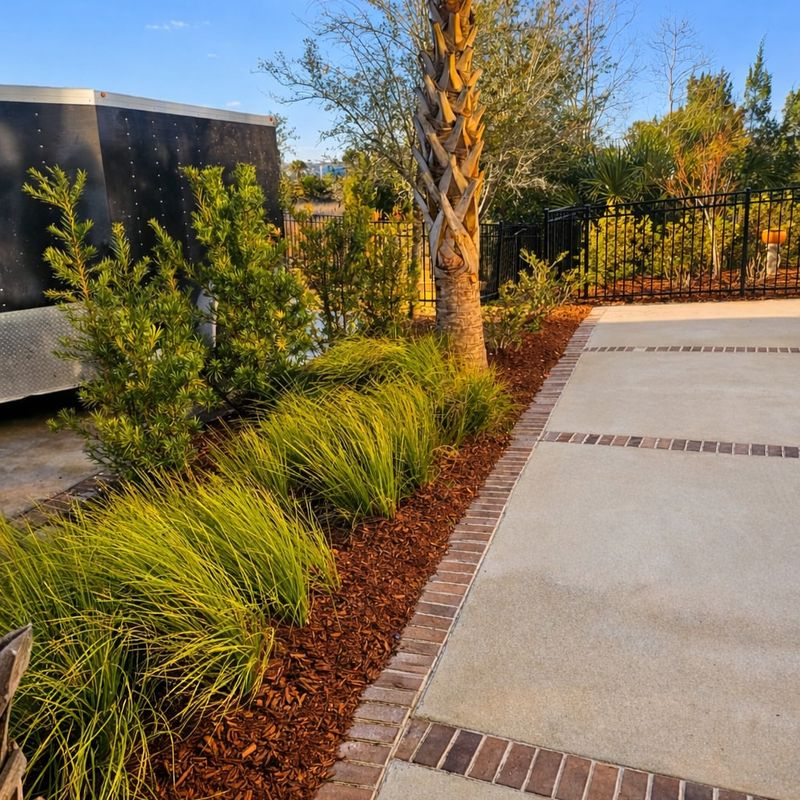
Bare soil in a Texas backyard is basically an open invitation for weeds, and once summer heat sets in, unprotected ground loses moisture so fast that plants can look stressed within days of watering.
A generous layer of mulch – about three inches deep – acts like a protective blanket over your soil, locking in moisture, regulating soil temperature, and blocking weed growth all at once.
That combination alone can cut your watering frequency significantly during Texas dry spells.
Cedar mulch is a popular choice in Texas because it resists decomposition in high heat and has a natural fragrance that deters certain insects. Hardwood mulch works well too, breaking down over time to enrich the soil with organic matter.
Avoid piling mulch directly against plant stems or tree trunks, since that traps moisture and can lead to rot – a common mistake that cancels out the benefits entirely.
Beyond the practical perks, mulch gives garden beds a crisp, finished look that makes the whole yard appear more intentional and well-kept.
Even a simple planting of a few native shrubs looks polished when framed by clean mulch borders.
Refreshing your mulch once a year – typically in early spring before Texas heat peaks – is usually enough to maintain both appearance and function.
For extra weed control, lay landscape fabric beneath the mulch layer before spreading it, and enjoy a garden that stays tidy with almost no ongoing effort on your part.
3. Cozy Seating Corners Turn Your Yard Into A Chill Retreat
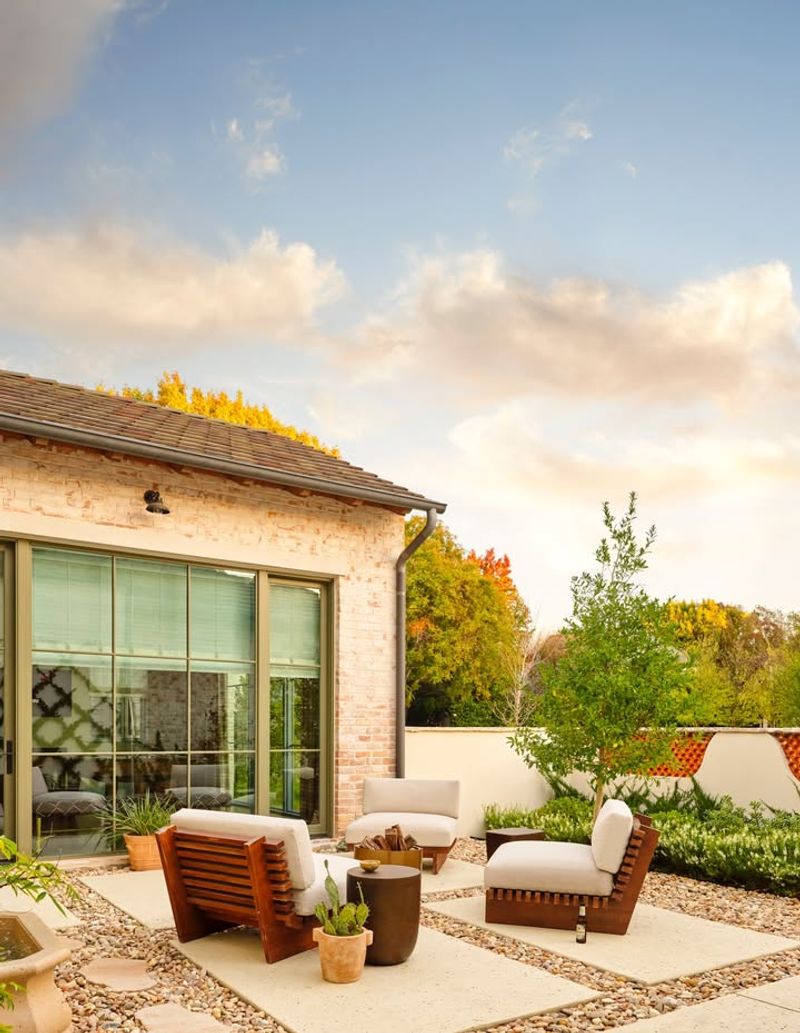
A backyard without a comfortable place to sit is just a yard – not a retreat.
Creating a dedicated seating corner transforms even a modest outdoor space into somewhere you actually want to spend time, especially during those golden Texas evenings when the temperature finally drops below 90 degrees.
The key is choosing furniture that can handle the punishment of Texas weather without requiring constant maintenance or storage.
Look for pieces made from powder-coated steel, teak, or all-weather wicker, since these materials hold up against UV exposure, humidity, and sudden summer rainstorms without fading, rusting, or warping.
Cushions should use solution-dyed acrylic fabric, which resists fading and mildew far better than standard outdoor fabrics – an important detail in a state where sun intensity is extreme.
Positioning your seating under a pergola, large shade tree, or retractable awning makes the space usable during hot afternoon hours and significantly extends how often you use it.
Keep the layout simple and uncluttered – a small loveseat or two chairs with a side table is often all you need to create an inviting corner.
Adding a few potted native plants nearby softens the space and ties it visually into the rest of your yard.
String lights or solar lanterns overhead add warmth and ambiance once the sun goes down.
A well-placed seating corner becomes the heart of your outdoor living space, encouraging you to relax outside rather than retreat indoors at the first sign of heat.
4. Gravel And Stone Paths Add Style Without Extra Work
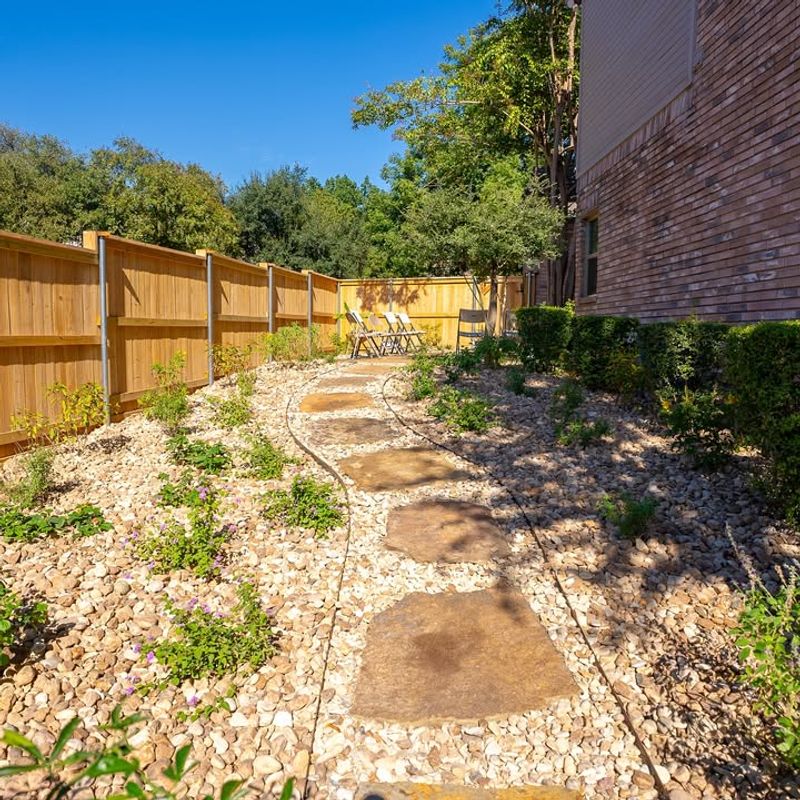
Lawn grass along pathways and between garden areas is one of the biggest maintenance drains in any Texas backyard – it needs mowing, edging, watering, and fertilizing just to look decent.
Replacing those strips with gravel or natural stone paths eliminates that workload almost entirely while giving your yard a far more polished, designed appearance.
Decomposed granite is especially popular in Texas landscapes because it compacts firmly underfoot, drains well after heavy rain, and blends naturally with the state’s earthy color palette.
Flagstone paths offer a more formal, structured look and pair beautifully with native plantings on either side.
When laying flagstone, spacing the stones slightly apart and filling the gaps with creeping thyme or gravel adds texture and visual interest without introducing high-maintenance ground cover.
One common mistake is skipping the base preparation – without a compacted gravel base or landscape fabric beneath your path material, weeds push through and gravel shifts underfoot, making the path look messy within a season.
Stone and gravel paths also handle Texas heat better than many other materials because they do not retain as much surface heat as concrete or dark asphalt, keeping the path comfortable for bare feet during warm evenings.
Edging your paths with steel or aluminum landscape borders keeps gravel contained and lines looking sharp year after year with minimal touch-up.
Once installed correctly, a gravel or stone path essentially maintains itself, requiring only an occasional rake and top-up of material every few years to stay looking fresh and attractive.
5. Container Gardens Pack Color And Flexibility Into Any Spot
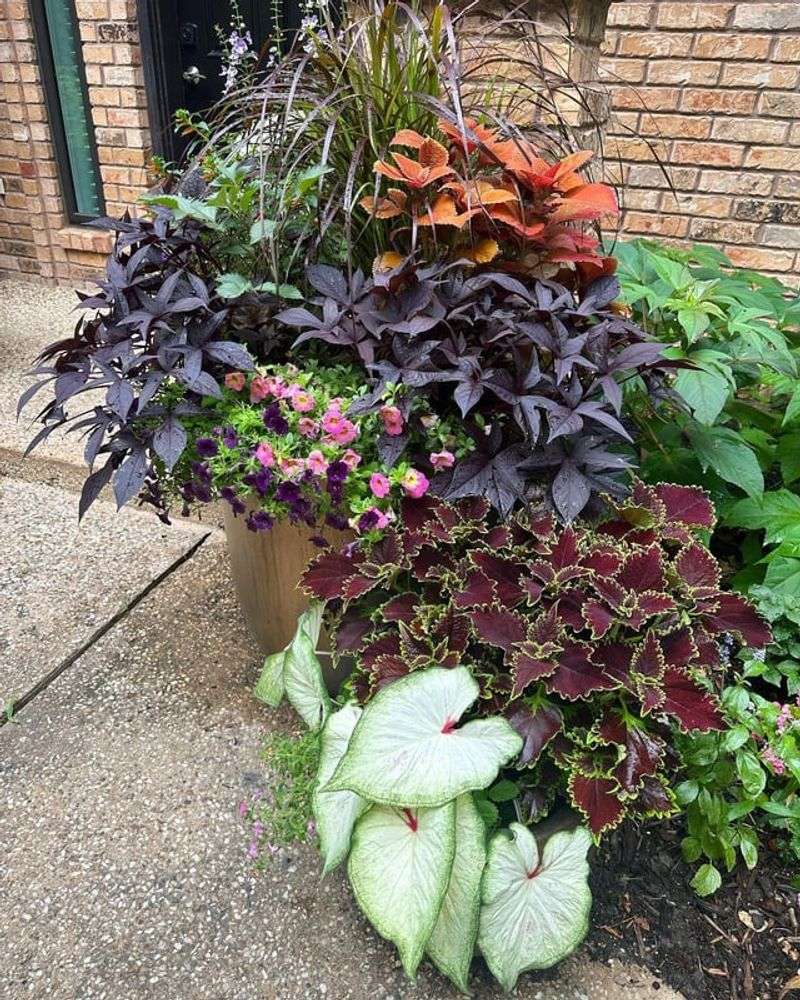
Not every Texas backyard has ideal planting conditions – rocky soil, tree roots, and concrete slabs can make traditional garden beds frustrating or impossible.
Container gardening sidesteps all of those obstacles by letting you place color and greenery exactly where you want it, regardless of what is underneath.
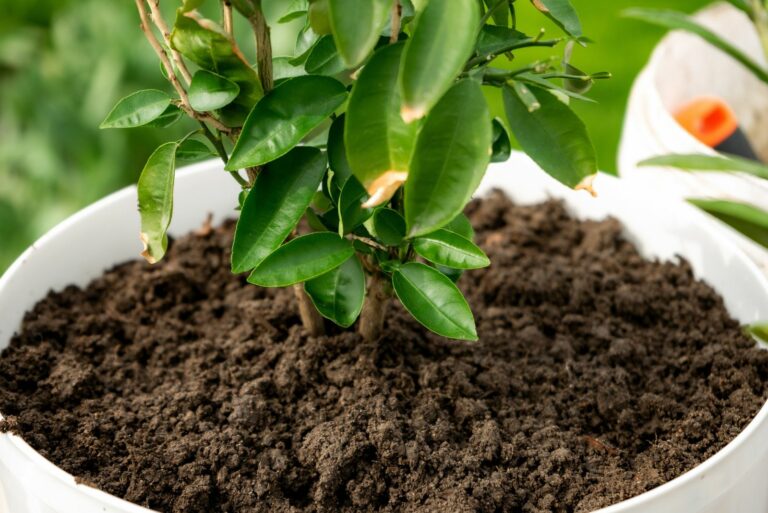
Pots, planters, and raised containers give you complete control over soil quality, drainage, and plant placement, which is a real advantage in a state where soil conditions vary wildly from region to region.
Succulents, ornamental grasses, Lantana, and dwarf citrus trees all perform exceptionally well in containers under Texas conditions.
Terracotta pots look beautiful but dry out quickly in summer heat, so glazed ceramic or lightweight resin containers tend to hold moisture better and require less frequent watering.
Grouping containers together in clusters creates a lush, layered look while also reducing water loss since grouped plants create a slightly more humid microclimate around each other.
One practical tip that makes container gardening truly low maintenance is using self-watering planters with built-in reservoirs.
These release moisture slowly to plant roots over several days, which means you can skip daily watering even during peak Texas summer heat.
Adding a slow-release granular fertilizer to your potting mix at the start of each season reduces the need for regular feeding throughout the year.
The best part about container gardens is flexibility – you can rearrange, swap out plants seasonally, and refresh the look of your patio or yard with minimal cost and almost no digging required.
6. Solar And LED Lights Highlight Features Without Extra Effort
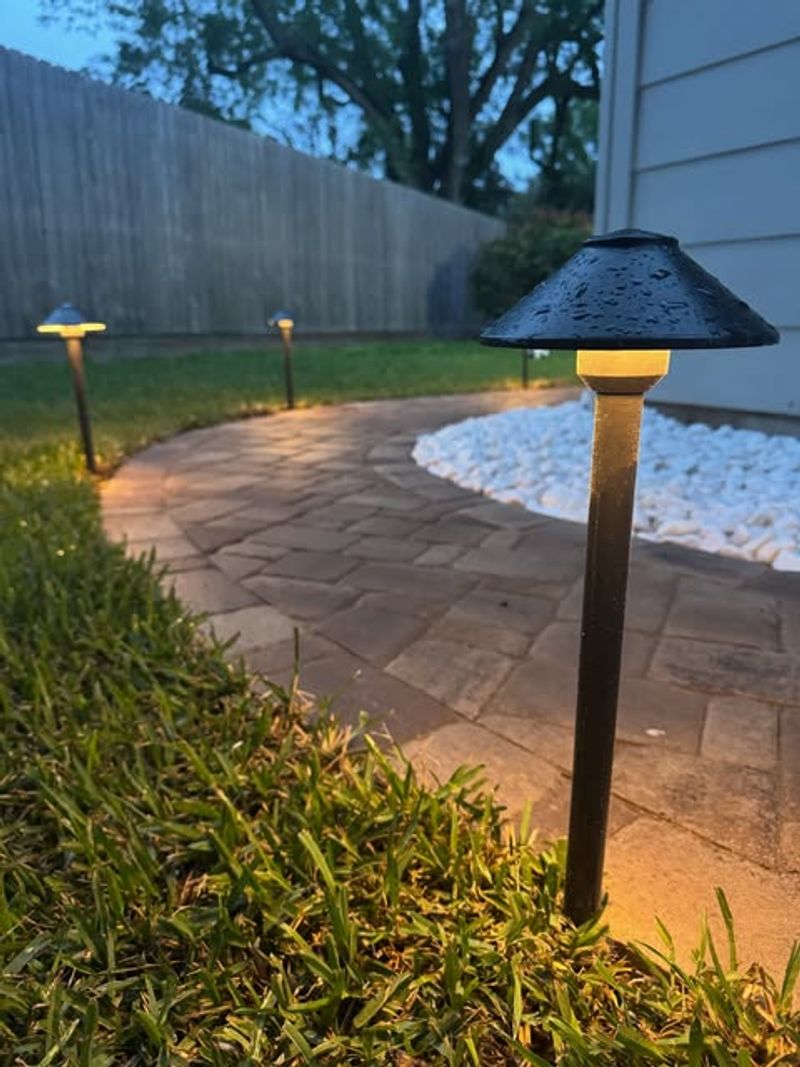
Once the sun finally sets on a hot Texas evening, the backyard becomes the most comfortable place on the property – but only if you have lighting that makes it feel inviting rather than dark and uninviting.
Solar and LED lighting options have improved dramatically in recent years, offering warm, attractive illumination without the cost or complexity of running electrical wiring across your yard.
That makes them a genuinely practical choice for homeowners who want ambiance without a big installation project.
Solar path lights along gravel walkways charge automatically during the day and switch on at dusk without any input from you.
LED string lights hung from a pergola or stretched between fence posts create a warm, festive atmosphere that transforms an ordinary seating area into something that feels almost magical on a cool Texas night.
Uplighting placed at the base of trees or large native shrubs adds dramatic depth to your yard and highlights the plants you worked hard to establish.
One thing to watch for is light quality – cheap solar lights often produce a cold, bluish glow that feels harsh rather than relaxing.
Look for lights rated at 2700K to 3000K color temperature, which produces the warm amber tones that make outdoor spaces feel welcoming.
LED fixtures last tens of thousands of hours and use a fraction of the energy of traditional bulbs, which means you replace them far less often.
With solar and LED lighting, your Texas backyard can look stunning after dark with absolutely zero effort once everything is in place.
7. Minimalist Hardscaping Adds Chic Style And Cuts Maintenance
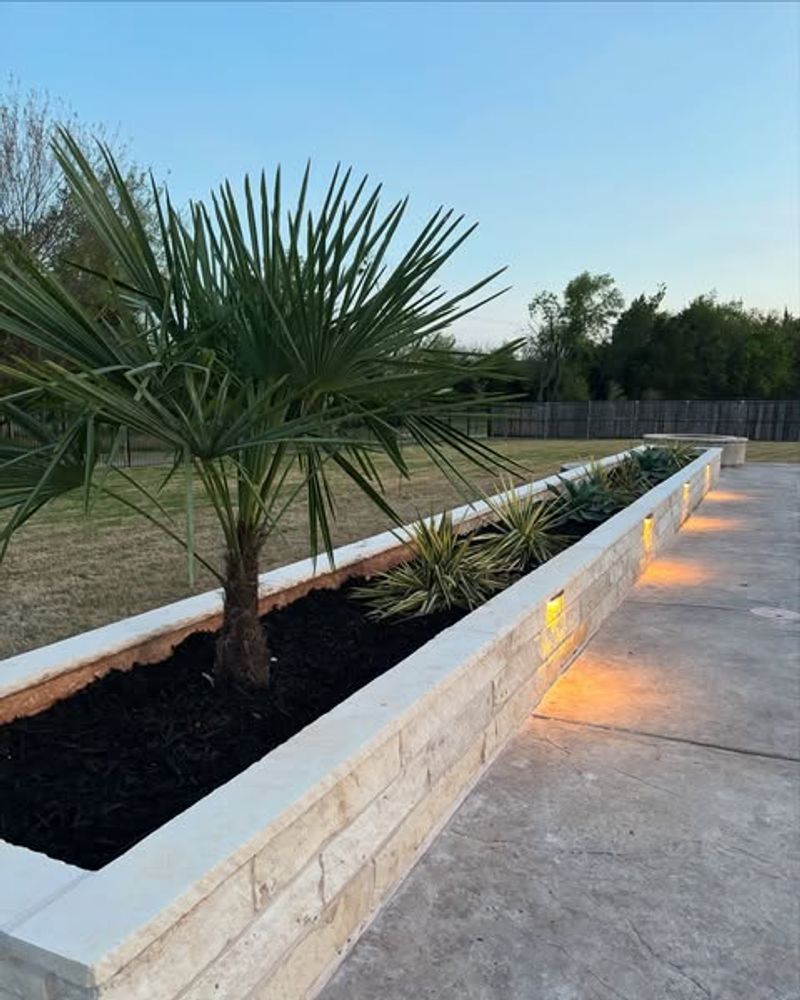
Grass is beautiful, but in Texas it demands serious resources – regular mowing, consistent watering during drought, fertilizing, aerating, and constant edging to keep it looking sharp.
Replacing a significant portion of your lawn with hardscaping is one of the most effective ways to slash backyard maintenance while simultaneously elevating the visual appeal of your outdoor space.
A well-designed patio, raised planter bed, or stone seating area can do far more for your yard’s style than a struggling patch of turf ever could.
Concrete pavers, flagstone, and natural limestone are all excellent hardscaping materials for Texas because they handle freeze-thaw cycles, intense UV exposure, and heavy rain without cracking or shifting.
Choosing neutral tones – soft grays, warm tans, and sandy beiges – keeps the aesthetic clean and timeless while complementing the natural Texas landscape.
A common design mistake is overcrowding hardscaped areas with too many decorative elements, which creates visual clutter and actually makes the space feel smaller and harder to maintain.
Minimalist hardscaping works best when it is designed with clear purpose – a defined dining area, a conversation zone around a simple fire pit, or a clean pathway connecting two parts of the yard.
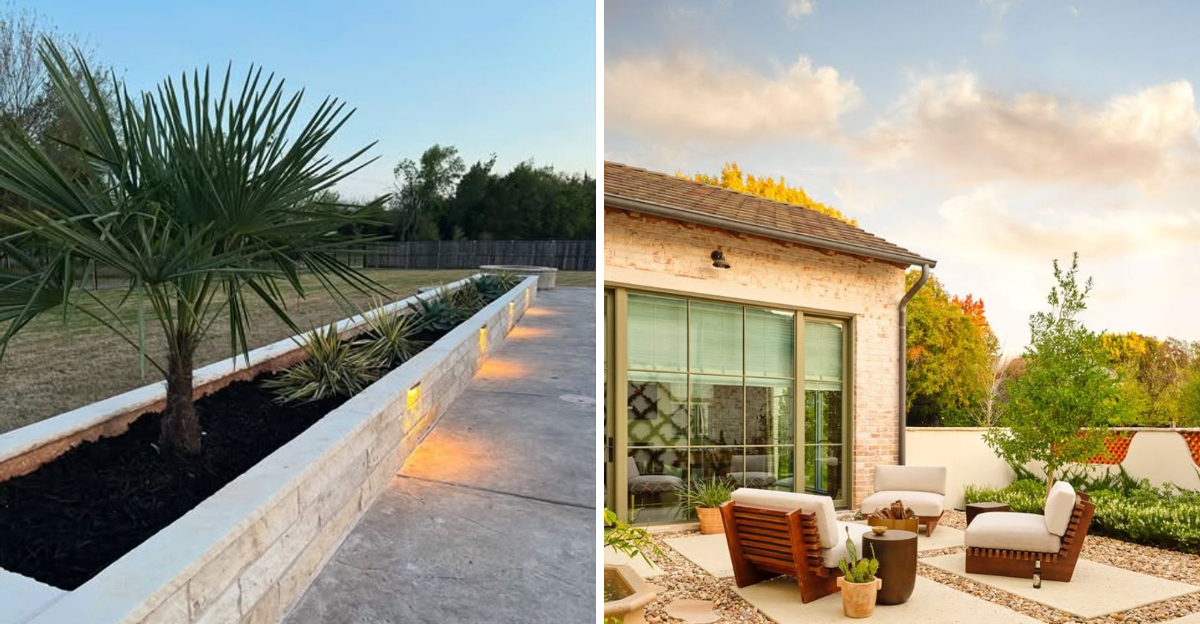
Raised stone planters filled with drought-tolerant native plants add organic warmth without introducing high-maintenance lawn areas.
Once installed, hardscaping requires little more than an occasional sweep, a rinse with a garden hose, and perhaps a yearly application of sealant to keep surfaces looking fresh.
The payoff is a yard that looks professionally designed and stays that way with almost no ongoing effort.