11 Low-Maintenance, Fast-Growing Houseplants Florida Residents Keep Buying
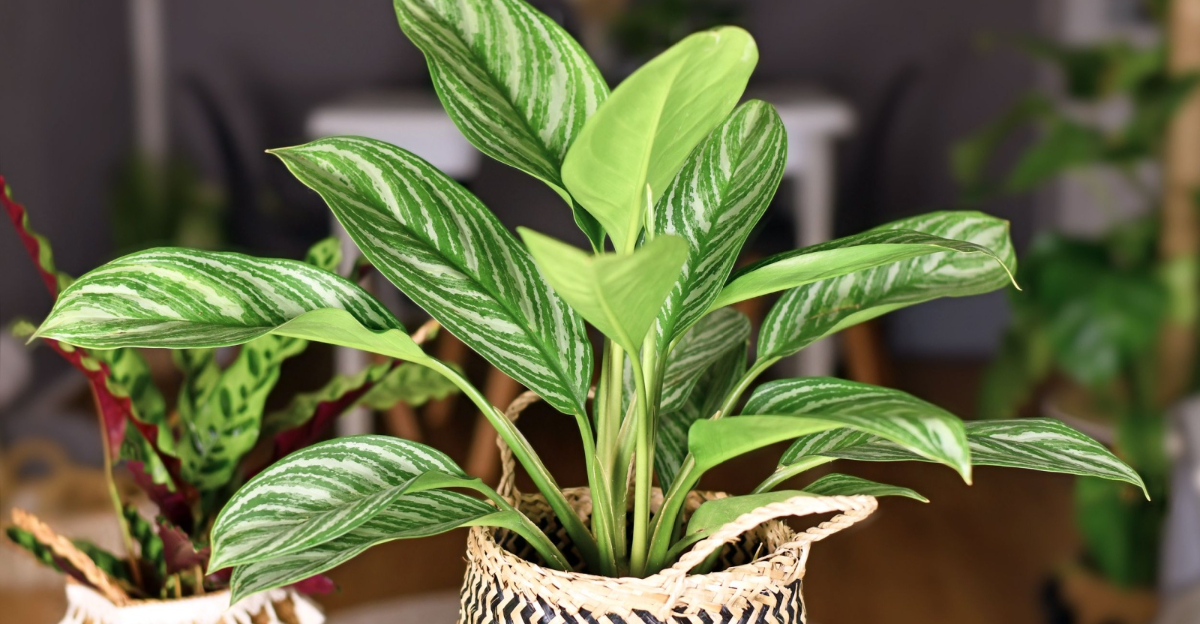
Florida homes are turning into lush, tropical sanctuaries, and the secret is simpler than you think. Busy schedules, blazing heat, and salty air have pushed plant lovers toward greenery that grows fast and asks for almost nothing in return.
Step into your living room as vibrant leaves unfurl, fresh oxygen fills the space, and guests start asking how everything looks so alive.
No green thumb, no complicated routines, no stress. Just resilient plants that thrive in Florida conditions while making every corner feel cooler, brighter, and happier.
Social feeds are packed with these unstoppable favorites, and garden centers cannot keep them stocked. People want beauty without effort and growth you can actually notice week after week.
Get ready to meet the houseplants everyone keeps bringing home, the ones that transform ordinary rooms into effortless indoor jungles fast.
1. Snake Plant Thrives On Neglect
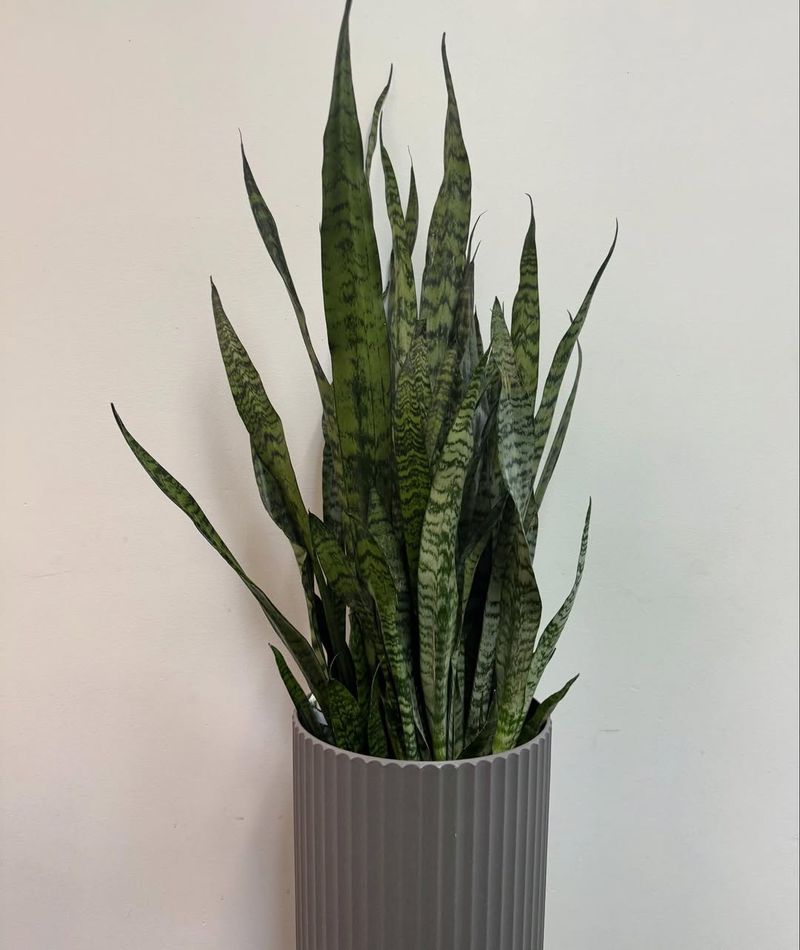
This plant has earned a reputation as one of the most indestructible houseplants in Florida homes. Snake plants’ thick, sword-like leaves store water efficiently, allowing them to survive weeks without attention.
Sansevieria varieties tolerate everything from bright indirect light to dimly lit corners, making them incredibly versatile for any room layout.
Growth happens steadily throughout the year in Florida’s warm indoor environments. New shoots emerge from the soil base, creating fuller displays over time.
The plant’s vertical growth pattern works beautifully in tight spaces where floor area comes at a premium.
Watering needs remain minimal, typically every two to three weeks during warmer months. Overwatering causes more problems than underwatering, so letting the soil dry completely between waterings keeps roots healthy.
Well-draining potting mix prevents moisture-related issues that occasionally plague other houseplants.
Snake plants are often associated with improving indoor atmosphere. They use a special form of photosynthesis that allows some nighttime oxygen release, though their real-world air-cleaning effect in homes is modest.
Many people still enjoy keeping them in bedrooms for their hardiness and low-maintenance nature.
2. ZZ Plant Survives Drought And Shade
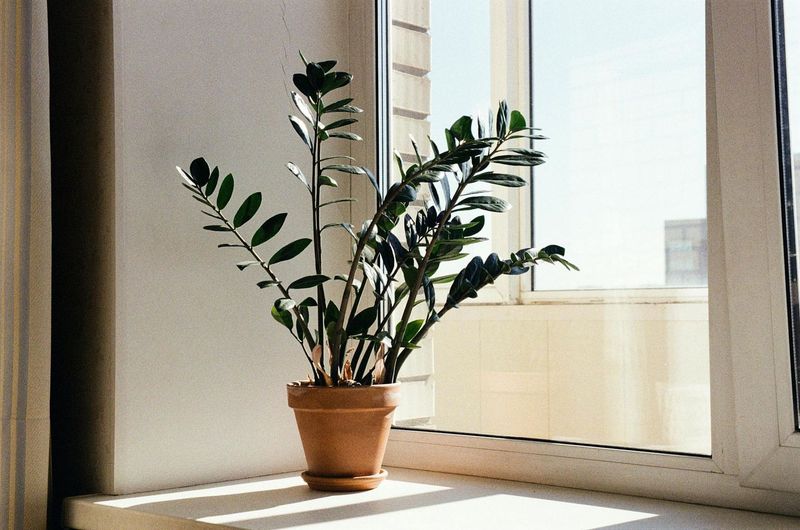
Zamioculcas zamiifolia, commonly called the ZZ plant, practically thrives on benign neglect. Its thick, potato-like rhizomes store substantial water reserves underground, creating a built-in drought survival system.
Shiny, waxy leaves reflect light beautifully while minimizing moisture loss through transpiration.
Florida residents love how this plant handles irregular care schedules without showing stress. Extended vacations or busy work weeks don’t phase it one bit.
The plant continues looking fresh and vibrant even when forgotten for extended periods.
Low light tolerance sets it apart from many tropical houseplants. While it appreciates bright indirect light, ZZ plants adapt remarkably well to offices, bathrooms, and other spaces with limited natural illumination.
Growth slows in darker conditions but never stops entirely.
New growth emerges as complete stems rather than individual leaves, creating dramatic visual impact. Each new shoot arrives fully formed, unfurling upward in an elegant arc.
This growth pattern means steady progress becomes noticeable once the plant establishes itself in your Florida home, typically within the first growing season after purchase.
3. Spider Plant Multiplies Fast And Cleans The Air
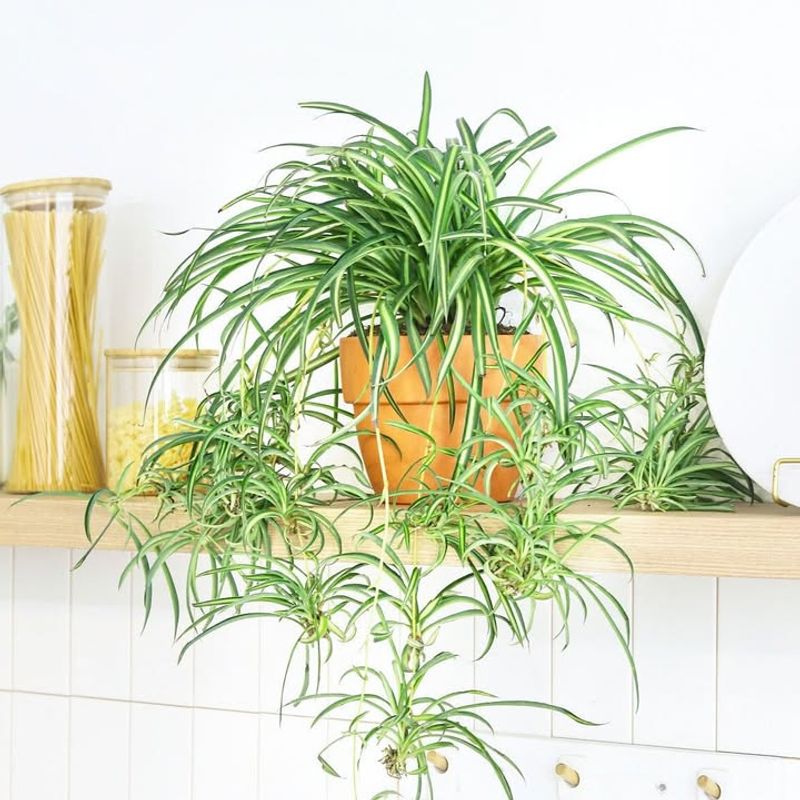
Few houseplants reproduce as enthusiastically as spider plants in Florida’s favorable indoor conditions. Long, arching leaves create graceful fountains of variegated foliage that brighten any space.
Within months of bringing one home, you’ll notice tiny plantlets dangling from long stems, ready to root and create new plants.
These baby spiderettes make sharing with friends incredibly easy. Simply snip them off and place in water or soil, and roots develop within days.
Many Florida plant enthusiasts started their entire indoor garden from a single spider plant gifted by a neighbor.
Spider plants are often linked with improving indoor air freshness, though their real-world air-cleaning impact in typical homes is limited. They remain popular for their resilience and easy propagation.
This makes them particularly valuable in newer homes where off-gassing from building materials can affect indoor air quality.
Care requirements remain wonderfully simple throughout the year. Moderate watering when the top inch of soil feels dry keeps them happy.
They tolerate brief dry spells without complaint. Bright indirect light encourages the most vigorous growth and plantlet production, though they adapt to various lighting conditions found in typical Florida homes.
4. Heartleaf Philodendron Climbs Fast
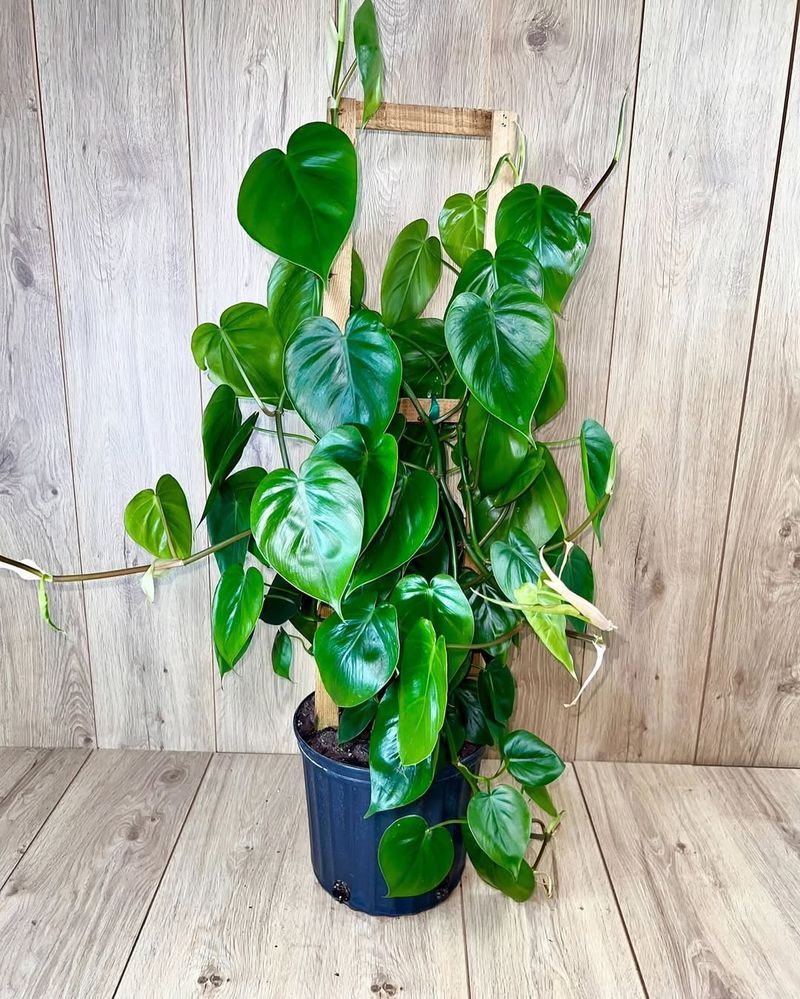
Once established, this fast-growing vine quickly fills spaces with lush, trailing greenery. Heart-shaped leaves emerge regularly along vining stems that can trail elegantly from shelves or climb supports with equal enthusiasm.
This adaptability makes it perfect for various decorating styles and spatial arrangements.
Vines can extend several feet within a single growing season under good conditions. Regular pinching encourages bushier growth if you prefer a fuller appearance rather than long trails.
Either way, the plant maintains its lush, tropical appearance with minimal intervention.
Humidity tolerance makes it especially well-suited for Florida environments. The plant actually appreciates the moisture in the air that sometimes challenges other houseplants.
Bathrooms and kitchens become ideal locations where steam from showers or cooking provides extra ambient humidity.
Watering needs stay consistent and straightforward year-round. Keep soil lightly moist but never soggy, checking weekly during warmer months.
The plant signals thirst by slightly curling its leaves, giving you a clear visual cue before any serious stress occurs. Bright indirect light produces the fastest growth, though it tolerates lower light levels better than many tropical plants popular with Florida residents.
5. Peace Lily Is A True Stunner
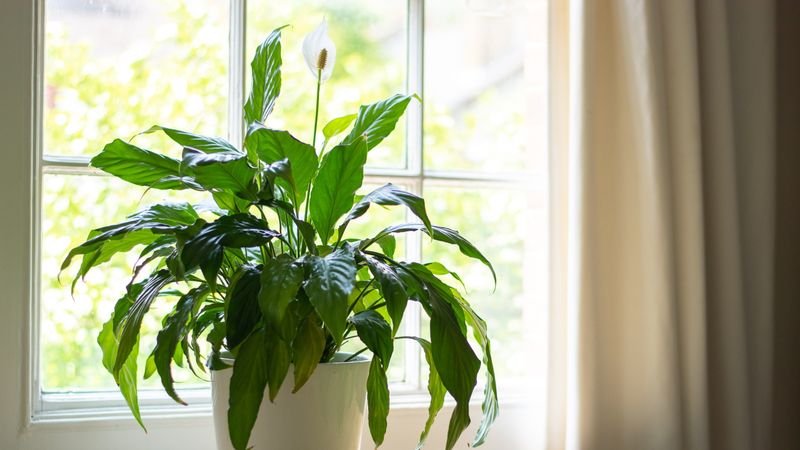
Peace lilies communicate their needs more clearly than almost any other houseplant. When thirsty, leaves droop noticeably, providing an unmistakable signal that watering time has arrived.
Within hours of watering, foliage perks back up completely, showing no lasting effects from the temporary stress.
This forgiving nature makes them ideal for beginners still learning plant care rhythms. You can actually see when the plant needs attention rather than guessing based on soil moisture or calendar schedules.
Many Florida residents appreciate this visual feedback system.
White spathes that resemble flowers can rebloom periodically indoors with good light and consistent care. These elegant blooms last for weeks, adding sophisticated beauty to any room.
The plant continues producing new blooms as long as it receives adequate light and consistent care.
Low light tolerance exceeds that of most flowering houseplants. Peace lilies bloom even in offices or north-facing rooms where many plants would struggle.
They prefer consistently moist soil rather than the dry-out periods other plants require, making them different from drought-tolerant varieties but no less easy to maintain once you understand their preferences in Florida’s indoor environment.
6. Monstera Grows Bold With Minimal Effort
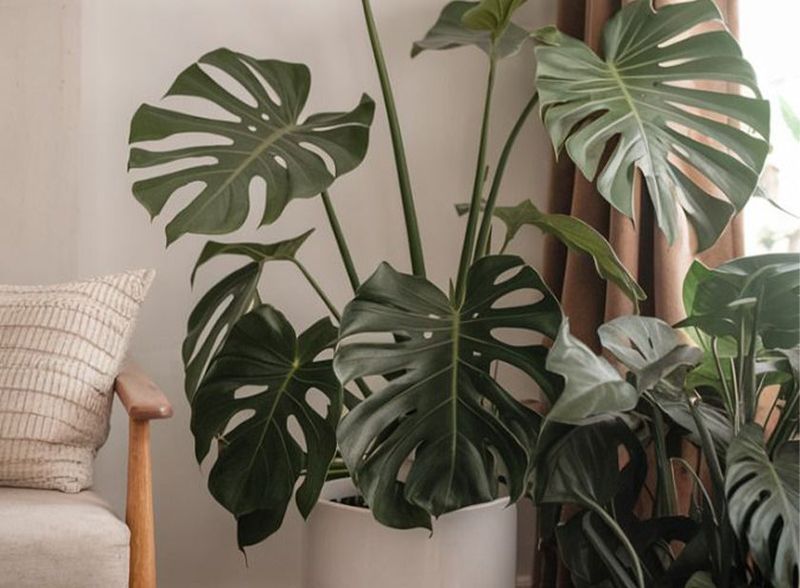
Bold split leaves and vigorous growth make the Monstera Deliciosa plant a dramatic focal point indoors. Young plants start with solid leaves, developing those characteristic holes and splits as they mature and receive adequate light.
This transformation fascinates plant owners who watch their monstera evolve over time.
Growth happens quickly in Florida’s warm indoor temperatures. New leaves unfurl regularly during active growing periods, each one larger than the last.
Providing a moss pole or trellis allows the plant to climb naturally, encouraging even larger leaf development.
Care requirements remain surprisingly simple despite the plant’s impressive appearance. Moderate watering when the top two inches of soil dry out prevents both overwatering and drought stress.
The plant tolerates occasional missed waterings better than constant moisture.
Bright indirect light produces the best growth and leaf fenestration. However, monsteras adapt to medium light conditions common in many Florida homes, though growth may slow slightly.
Wiping dust from those large leaves monthly keeps them photosynthesizing efficiently. The plant’s tropical nature means it appreciates Florida’s natural humidity, rarely requiring additional misting or humidity trays that some houseplants demand for optimal health and appearance.
7. Rubber Plant Shoots Up With Glossy Leaves
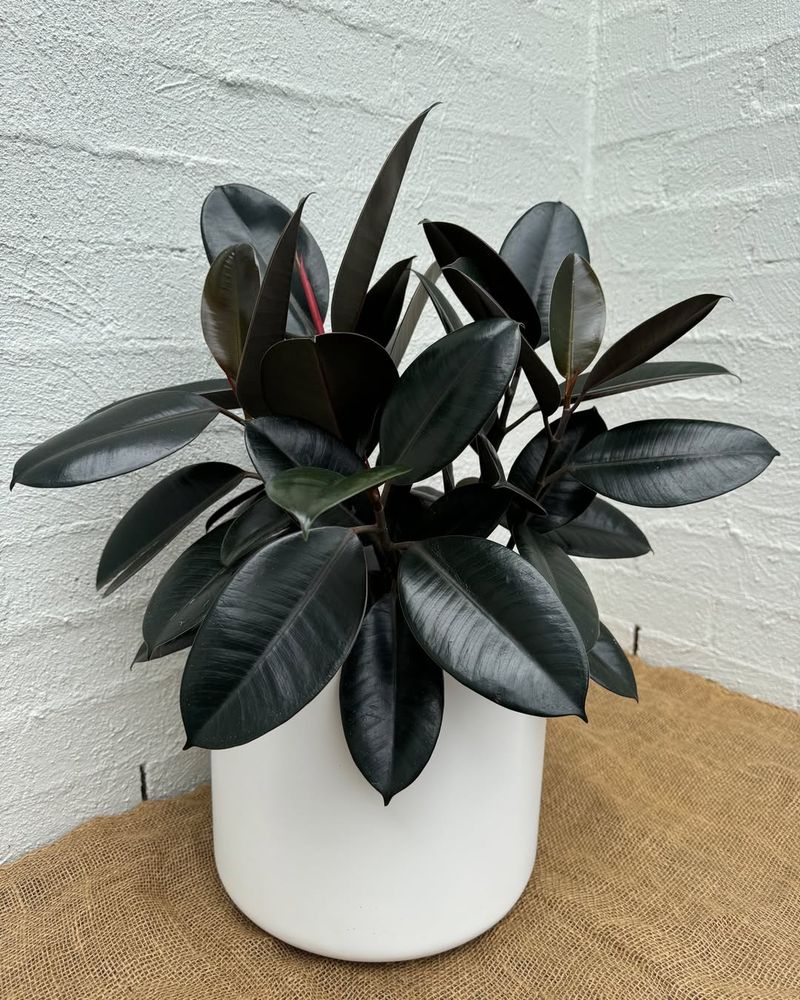
Rubber plants grow upward with impressive speed, adding several inches of height within months under favorable conditions. Their thick, glossy leaves catch light beautifully, creating living sculptures that anchor room designs.
Varieties range from deep burgundy to variegated patterns, offering options for different aesthetic preferences.
Young plants often arrive as single stems but develop into substantial floor plants within a couple years. Pruning controls height and encourages branching if you prefer a bushier shape.
The plant tolerates shaping well, bouncing back quickly from strategic cuts.
Watering needs remain moderate and predictable throughout the year. Allow the top inch of soil to dry between waterings, then water thoroughly until excess drains from the bottom.
Overwatering causes more issues than slight underwatering, so err on the side of caution.
Bright indirect light encourages the fastest growth and maintains deep leaf coloration. Rubber plants tolerate lower light but grow more slowly and may drop lower leaves over time.
Regular leaf cleaning maintains that signature glossy appearance. Many Florida homeowners position them near windows with sheer curtains, providing filtered light that prevents leaf burn while supporting vigorous growth throughout the year.
8. Aloe Vera Grows Tough With Little Water
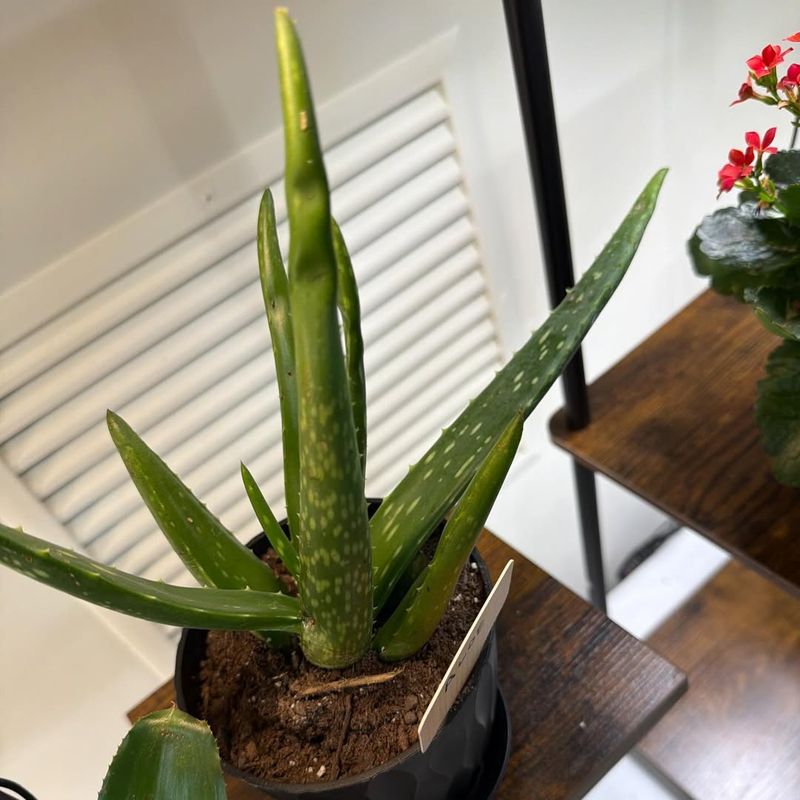
Thriving on minimal attention, this succulent stores water in thick leaves for long dry periods. Aloe vera’s nature makes it perfect for Florida residents who travel frequently or simply prefer low-maintenance greenery.
The plant actually prefers drying out completely between waterings rather than staying consistently moist.
Growth happens steadily, with new leaves emerging from the center rosette. Mature plants produce offsets called pups around their base, which can be separated and potted individually.
This natural multiplication means one plant becomes many over time without any special propagation techniques.
Bright light requirements make sunny windowsills ideal locations. Unlike many houseplants that need protection from direct sun, aloe vera can handle several hours of indoor direct sunlight once acclimated, though sudden intense exposure may cause leaf scorch.
This tolerance makes it perfect for south or west-facing windows common in Florida homes.
The gel inside leaves provides soothing relief for minor burns and skin irritations, adding practical value beyond decoration. Simply snap off a mature leaf and apply the clear gel directly to affected skin.
Well-draining soil and infrequent watering prevent root rot, the only real threat to these otherwise bulletproof plants in Florida’s indoor environments.
9. Dracaena Handles Low Light And Irregular Watering
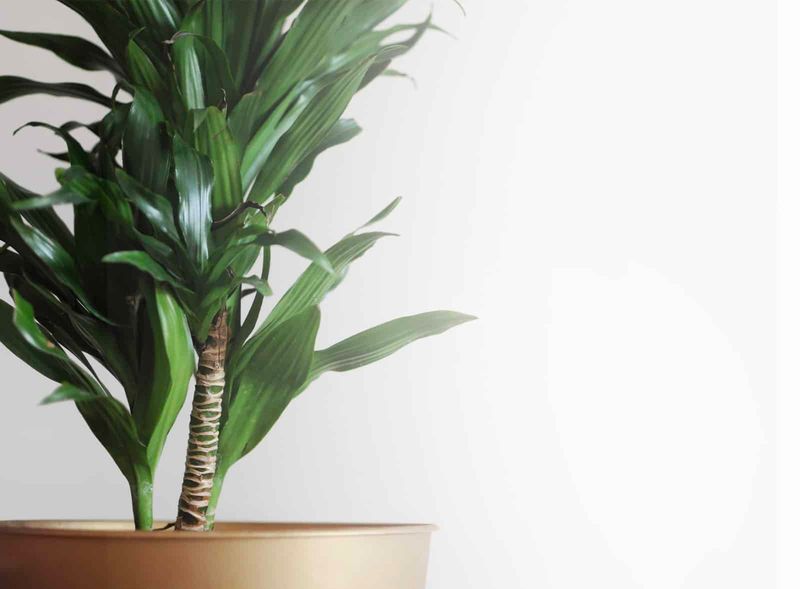
Dracaena varieties offer remarkable tolerance for less-than-ideal conditions. Their upright growth habit and striped or solid foliage patterns add architectural interest to corners and empty spaces.
Multiple species provide options ranging from compact tabletop sizes to dramatic floor specimens.
Low light adaptation makes them office favorites, but they work equally well in Florida homes with limited natural illumination. Growth slows in darker spots but never stops entirely.
The plant maintains its appearance even in challenging conditions where other houseplants would struggle.
Watering flexibility suits busy lifestyles perfectly. These plants tolerate both slight underwatering and occasional overwatering better than many alternatives.
Allowing soil to dry between waterings prevents most problems, but missing a watering or two won’t cause lasting damage.
Fluoride sensitivity means using filtered or distilled water prevents brown leaf tips that sometimes develop with tap water. Alternatively, letting tap water sit overnight helps chlorine evaporate, though it does not remove fluoride.
Filtered, distilled, or rainwater can help prevent tip browning. Dracaenas grow slowly but steadily in Florida’s warm indoor temperatures, eventually reaching impressive heights.
Pruning controls size and encourages branching, creating fuller plants that better fill their designated spaces. Their longevity means one plant can provide years of reliable greenery with minimal ongoing care requirements.
10. Chinese Evergreen Stays Hardy And Colorful
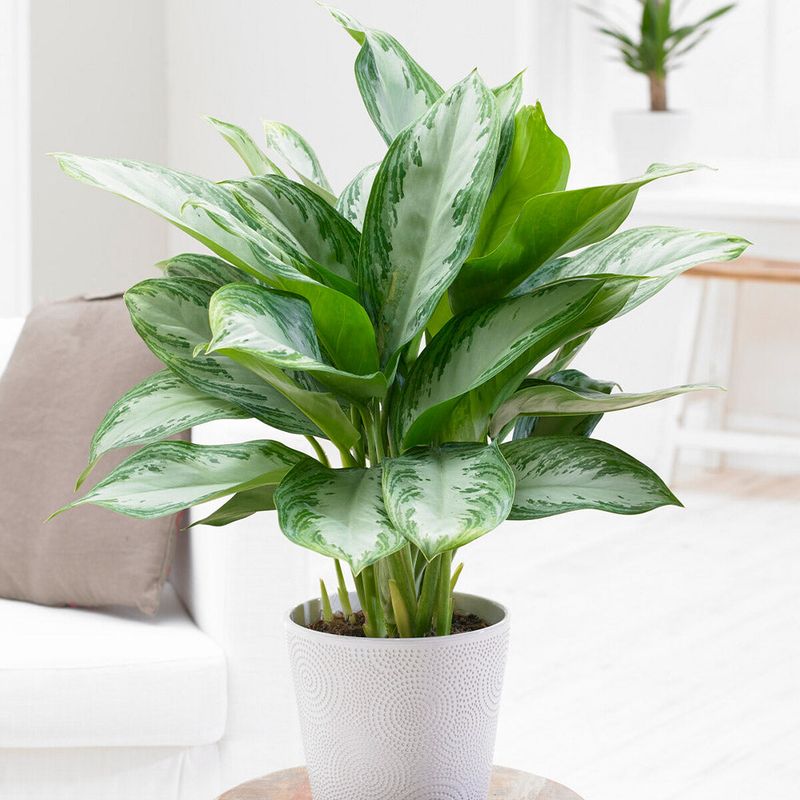
Chinese evergreens combine exceptional durability with stunning foliage patterns that rival flowering plants for visual interest. Leaves display intricate combinations of green, silver, pink, or red depending on variety.
This natural coloration remains vibrant year-round without requiring blooms to maintain appeal.
Shade tolerance ranks among the best of all houseplants. Chinese evergreens actually prefer low to medium light conditions, making them perfect for interior rooms without windows.
Direct sunlight can fade their colorful patterns, so filtered light works best in most Florida homes.
Growth happens gradually but consistently, with new leaves unfurling from the center of each stem cluster. Plants become fuller over time, eventually requiring division if they outgrow their containers.
This slow, steady growth means less frequent repotting compared to faster-growing alternatives.
Watering needs remain straightforward throughout the year. Keep soil lightly moist but never waterlogged, checking weekly during warmer months.
The plant tolerates brief dry periods without complaint. Warm temperatures that Florida homes naturally maintain suit these tropical natives perfectly.
They appreciate humidity but don’t require it, adapting well to average indoor conditions without additional moisture supplementation or special care beyond basic watering and occasional fertilization during active growth periods.