10 Low Maintenance Garden Ideas That Thrive In Texas
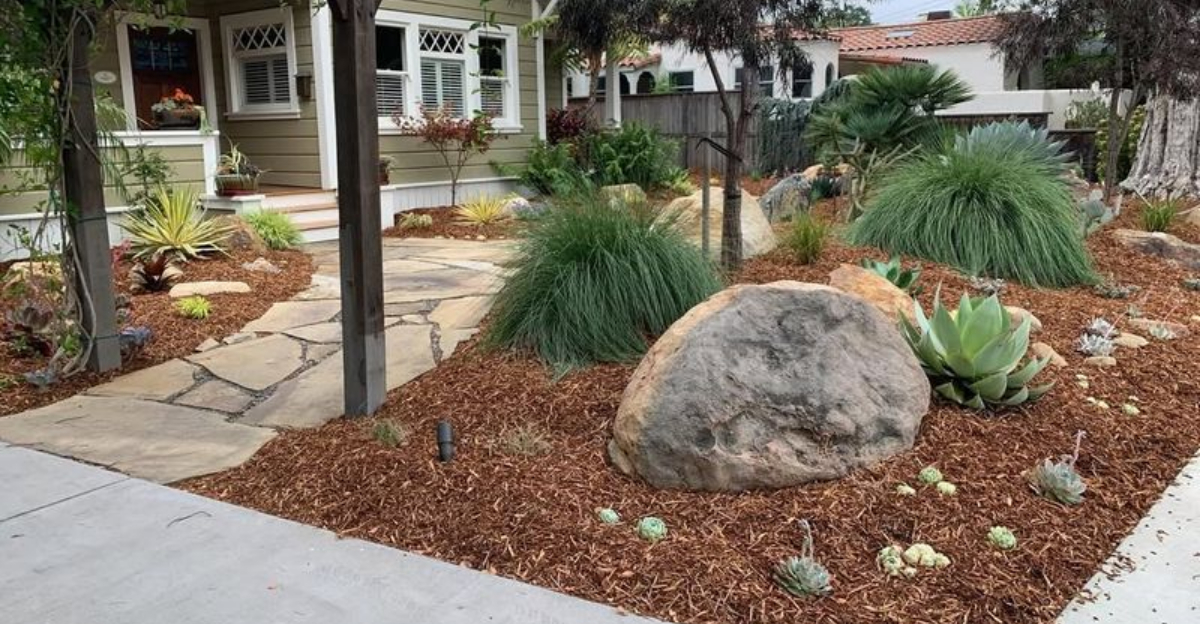
Texas gardens reward toughness, not babysitting.
With heat that bakes soil and summers that show no mercy, high-maintenance landscapes wear thin fast.
Smart design flips the script and turns survival into style.
Think plants that shrug off drought, layouts that cut chores down to size, and features that look sharp without constant attention.
A well-planned yard can handle long stretches without rain and still hold curb appeal steady.
Less watering, less trimming, fewer headaches.
These ideas suit busy schedules, rising water costs, and wide-open skies.
Trade endless upkeep for calm weekends and confident growth.
When the right choices take root, a Texas garden can thrive on autopilot, look intentional year-round, and prove that low effort does not mean low impact.
1. Native Wildflowers
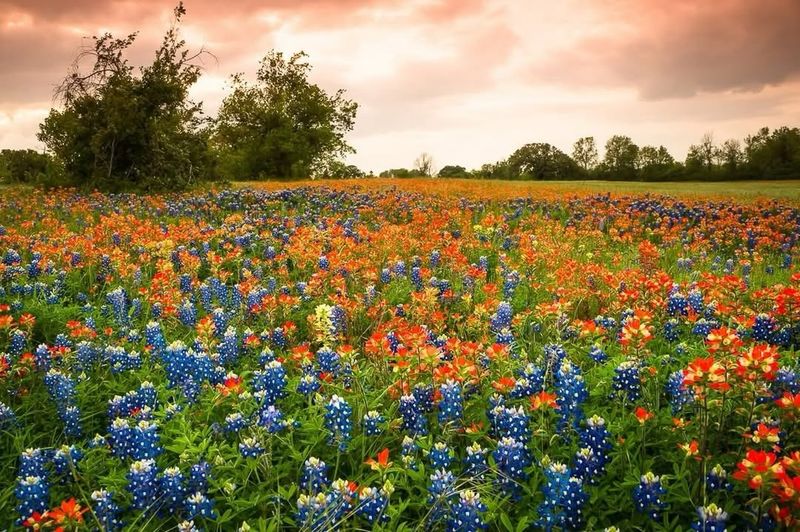
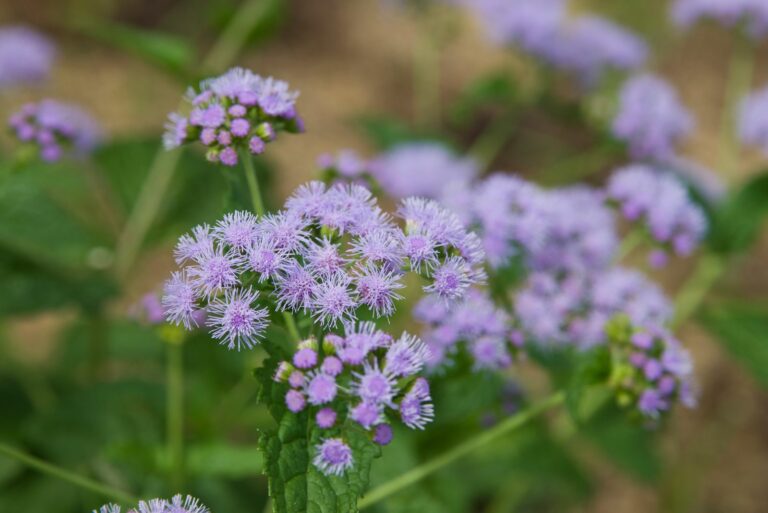
Picture a burst of color that returns year after year without replanting or fussing over fertilizer schedules.
Native Texas wildflowers bring exactly that kind of magic to your yard.
Bluebonnets, Indian paintbrush, and black-eyed Susans have adapted to Texas soil and climate over thousands of years, so they know how to survive without your constant attention.
These cheerful blooms need very little water once their roots take hold in the ground.
Most native wildflowers can handle the intense summer heat and bounce back after periods of drought.
They also attract butterflies, bees, and other helpful pollinators that keep your garden ecosystem healthy and balanced.
Planting wildflower seeds is incredibly simple and affordable.
Scatter them in fall or early spring, water them lightly until they sprout, and then watch nature take over.
Many varieties will reseed themselves each year, creating an ever-changing display of blooms without any extra work from you.
You can mix different species together for a meadow effect or plant them in defined beds for a more structured look.
Either way, native wildflowers provide beauty and habitat for wildlife while demanding almost nothing in return.
They truly embody the spirit of low maintenance Texas gardening at its finest.
2. Drought-Tolerant Succulents
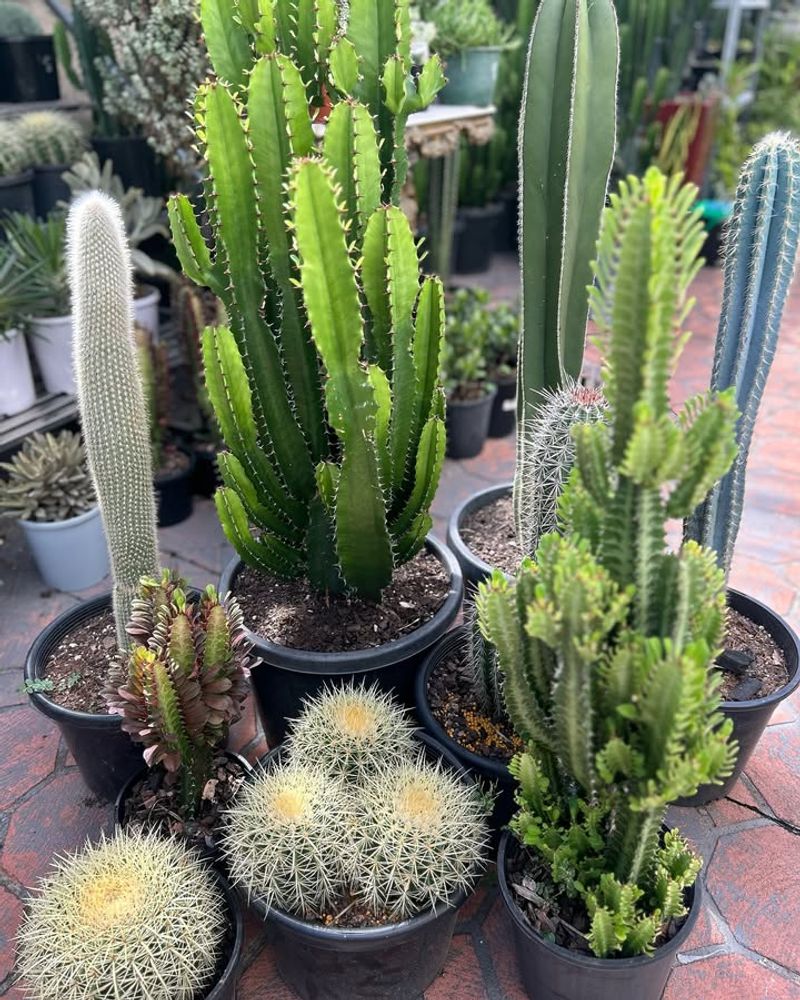
Succulents store water in their thick leaves and stems, which makes them champions at surviving long, dry Texas summers.
Agave, yucca, and prickly pear cactus are all excellent choices that add striking architectural interest to your landscape.
Their bold shapes and textures create visual drama without requiring daily watering or complicated care routines.
These plants thrive in full sun and actually prefer soil that drains quickly, which is great news if you have sandy or rocky ground.
Overwatering is one of the few ways you can harm succulents, so less attention actually helps them flourish.
Many varieties produce stunning flowers once a year, adding unexpected pops of color to their already impressive forms.
Succulents work beautifully in rock gardens, along pathways, or as focal points in flower beds.
They pair well with decorative gravel and boulders, creating a modern, desert-inspired aesthetic that feels right at home in Texas.
Most species are also deer-resistant, which means you will not wake up to find your garden nibbled down to stumps.
Once established, these tough plants can go weeks or even months without supplemental water.
They handle temperature extremes with ease and rarely suffer from pests or diseases.
For gardeners who want maximum impact with minimal effort, succulents are an unbeatable choice.
3. Ornamental Grasses
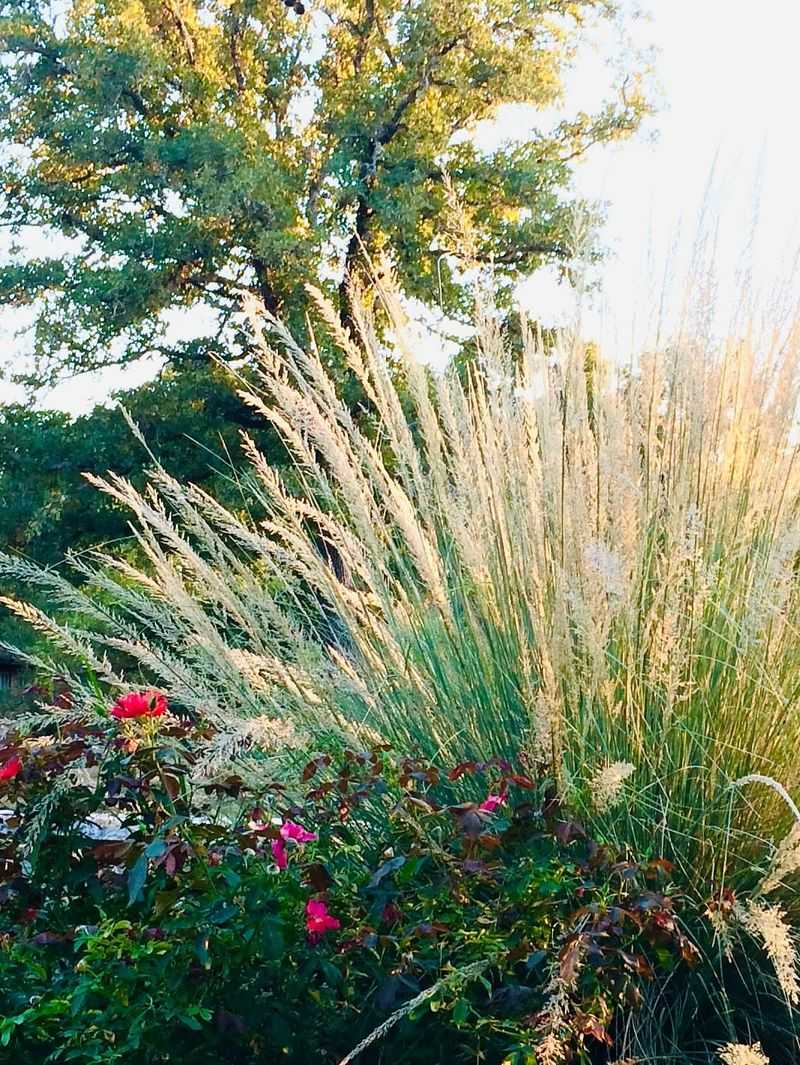
Movement and sound bring gardens to life in ways that static plants cannot match.
Ornamental grasses sway gracefully with every breeze, creating a sense of motion and tranquility in your outdoor space.
Mexican feather grass, muhly grass, and inland sea oats are all Texas-friendly varieties that require almost no maintenance once planted.
These grasses offer year-round interest with changing colors and textures through the seasons.
In fall, many varieties produce stunning plumes in shades of pink, purple, or gold that catch the light beautifully.
Even in winter, their dried seed heads and foliage provide structure and visual appeal when other plants have faded away.
Ornamental grasses need very little water after their first growing season and rarely require fertilization.
They tolerate poor soil conditions and adapt well to both sun and partial shade, depending on the variety.
Most types only need one annual trim in late winter to remove old growth and make room for fresh shoots.
These versatile plants work as borders, mass plantings, or accent features throughout your landscape.
They also provide shelter and nesting material for birds while their seeds offer food for wildlife.
If you want texture, movement, and easy care all rolled into one plant, ornamental grasses deliver on every front without demanding your constant attention.
4. Mulched Garden Beds
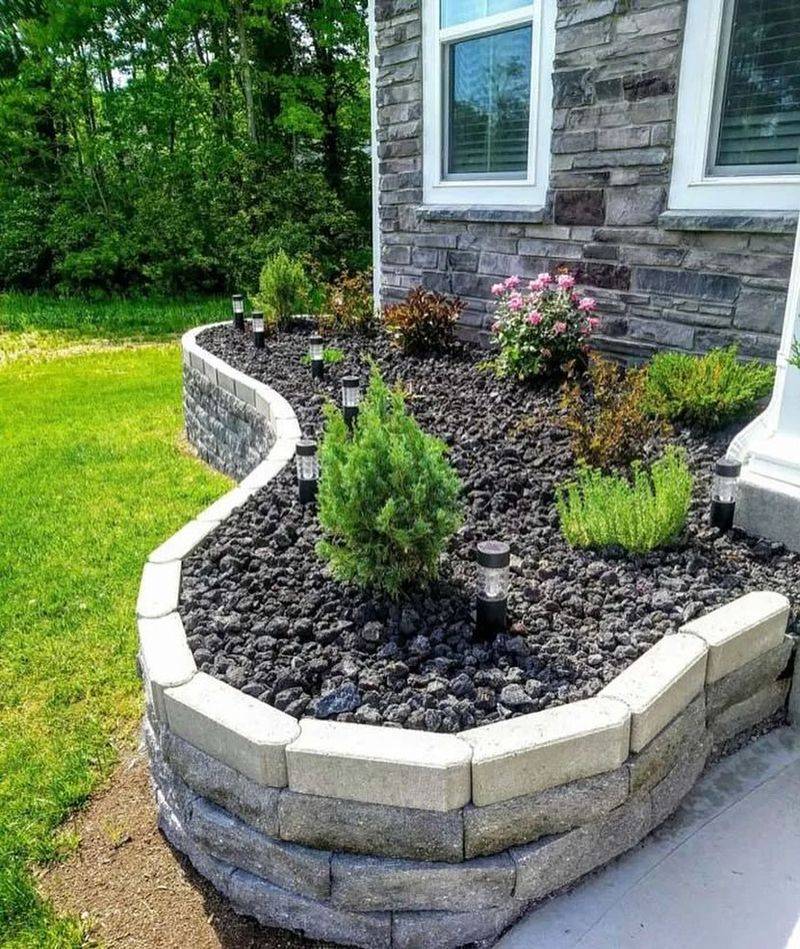
A thick blanket of mulch transforms garden beds from high-maintenance headaches into self-sufficient spaces.
Mulch acts as insulation for plant roots, keeping soil cooler in summer and warmer in winter.
This simple layer also locks in moisture, which means you can water less frequently while still keeping your plants happy and hydrated.
Weeds struggle to push through several inches of mulch, saving you countless hours of pulling and spraying unwanted plants.
As organic mulches like wood chips or shredded bark break down over time, they add valuable nutrients back into the soil.
This natural process improves soil structure and fertility without requiring chemical fertilizers or amendments from you.
Applying mulch is straightforward and inexpensive, especially if you can source it locally from tree trimming services or municipal programs.
Spread a layer three to four inches deep around your plants, keeping it pulled back slightly from stems to prevent rot.
Refresh the mulch once or twice a year as it decomposes, and your garden beds will stay neat and healthy.
Mulch also gives your landscape a polished, finished appearance that ties different garden areas together visually.
It reduces soil erosion during heavy rains and prevents mud from splashing onto plants and pathways.
For minimal effort and cost, mulch delivers enormous benefits that make your entire garden easier to maintain and more resilient against Texas weather extremes.
5. Perennial Herbs
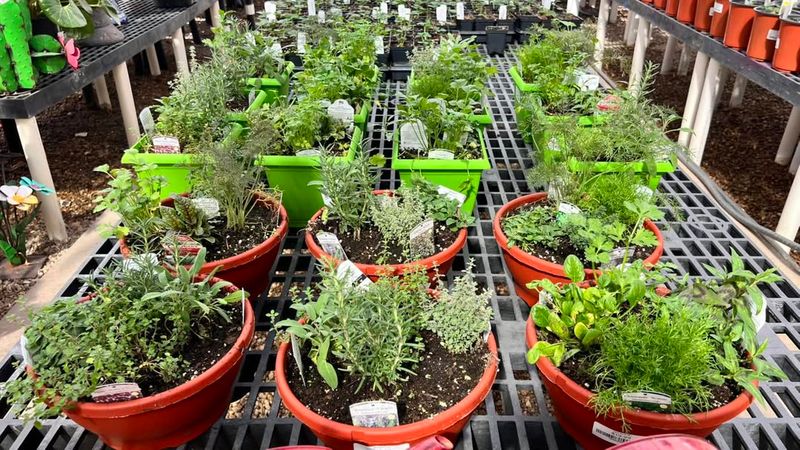
Imagine stepping outside to snip fresh herbs for dinner without ever replanting or worrying about frost damage.
Perennial herbs like rosemary, sage, oregano, and thyme return year after year in Texas gardens with almost no care required.
These Mediterranean natives actually prefer the hot, dry conditions that challenge so many other plants.
Herbs thrive in poor soil and often produce more flavorful leaves when not pampered with excessive water or fertilizer.
Their aromatic foliage naturally repels many common garden pests, reducing the need for chemical treatments.
Most varieties also produce lovely flowers that attract beneficial insects and add unexpected beauty to your herb beds.
Planting herbs near your kitchen door or outdoor cooking area makes them convenient to harvest and enjoy fresh.
They work equally well in containers, raised beds, or traditional garden plots, adapting to whatever space you have available.
Many herbs can even handle light foot traffic, making them useful as fragrant groundcovers along pathways.
Regular harvesting actually encourages bushier growth and more abundant foliage, so using your herbs helps them thrive.
In winter, most perennial herbs simply slow down rather than disappearing completely, providing greenery even during colder months.
For gardeners who want beauty, fragrance, and function all in one easy-care package, perennial herbs are an absolute must-have in any Texas landscape.
6. Native Shrubs
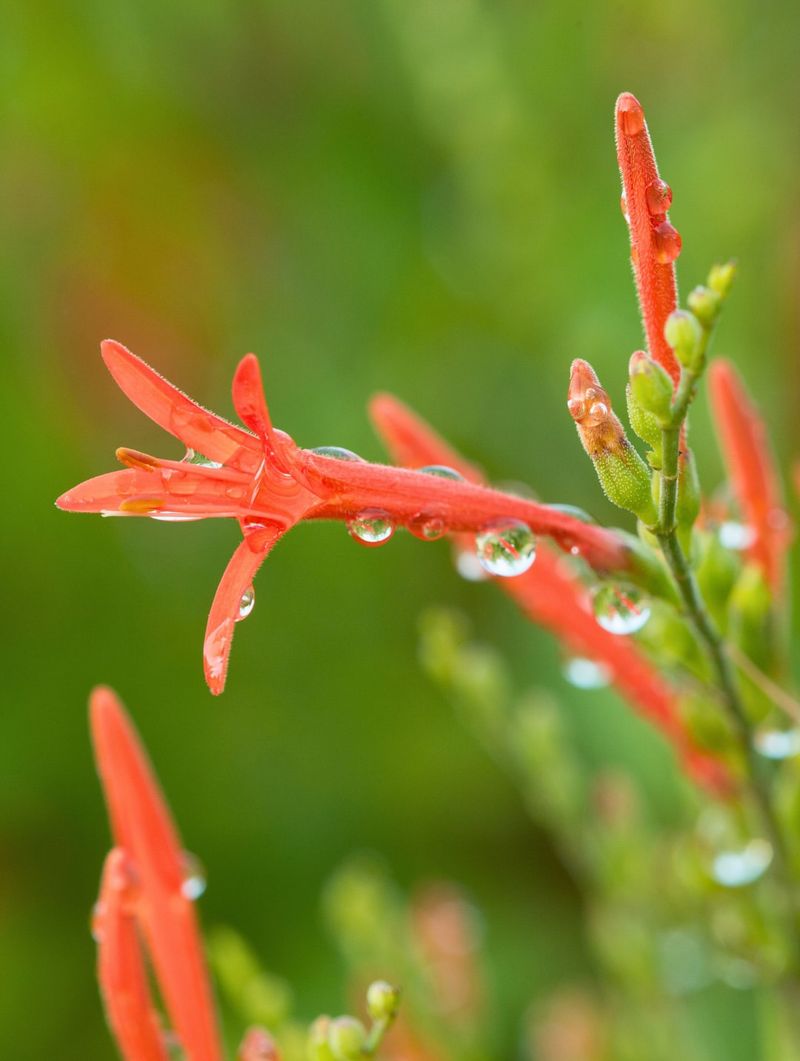
Shrubs form the backbone of any landscape, providing structure, privacy, and habitat for birds and butterflies.
Native Texas shrubs like cenizo, agarita, and flame acanthus have evolved to handle local conditions without constant pruning, watering, or pest control.
These tough plants establish quickly and grow reliably in challenging spots where other shrubs would struggle and fail.
Cenizo, also called Texas sage, bursts into clouds of purple flowers after summer rains, earning its nickname as the barometer bush.
Agarita produces fragrant yellow blooms in spring followed by tart red berries that wildlife adore.
Flame acanthus offers tubular red flowers that hummingbirds cannot resist, blooming from spring through fall with minimal effort from you.
Native shrubs require little to no supplemental watering once their roots are established in the ground.
They resist most diseases and pests naturally, eliminating the need for chemical sprays or treatments.
Many varieties are also deer-resistant, protecting your landscape investment from hungry browsers.
These shrubs work beautifully as foundation plantings, hedges, or specimen plants throughout your yard.
Their varied bloom times ensure something is always flowering, keeping your garden interesting across multiple seasons.
By choosing native shrubs, you create a resilient, beautiful landscape that practically maintains itself while supporting local ecosystems and wildlife populations naturally and effortlessly.
7. Rock Gardens
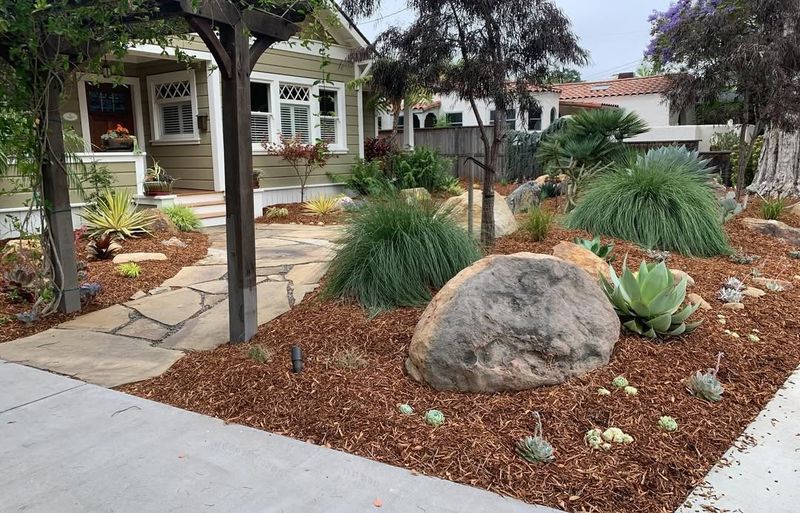
Rocks never need watering, never outgrow their space, and never complain about Texas heat.
Building a rock garden combines the permanent beauty of stone with carefully chosen drought-tolerant plants for a landscape that practically takes care of itself.
Large boulders create dramatic focal points while smaller stones fill in gaps and suppress weeds naturally.
Rock gardens work especially well on slopes or in areas with poor soil where traditional plantings struggle.
The stones help prevent erosion during heavy rains while creating microclimates that shelter plants from harsh afternoon sun.
Tuck small succulents, sedums, or native wildflowers between rocks for pops of color that complement the stone textures.
Creating a rock garden requires some initial effort to position stones and prepare the site, but maintenance afterward is minimal.
You will spend far less time weeding, watering, and replacing plants compared to traditional flower beds.
The stones also retain heat during the day and release it slowly at night, which benefits heat-loving plants and extends the growing season.
Rock gardens fit beautifully into modern, southwestern, or natural landscape styles depending on your stone choices and plant selections.
They provide excellent drainage, which many Texas plants prefer over constantly moist soil.
For gardeners who want a striking, permanent landscape feature that requires little ongoing attention, rock gardens offer the perfect solution that improves with age.
8. Ground Covers
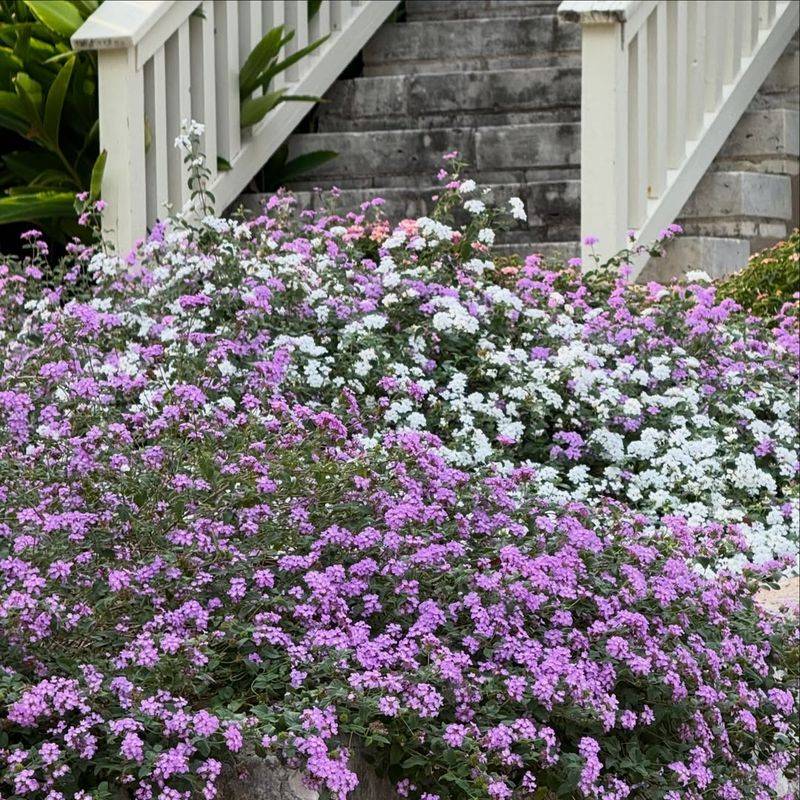
Traditional grass lawns demand constant mowing, watering, and fertilizing to stay green and healthy in Texas heat.
Ground covers offer a smart alternative that eliminates most of that work while still providing attractive, living carpets across your landscape.
Trailing lantana, frogfruit, and Asian jasmine are all excellent choices that spread quickly and require minimal maintenance once established.
These low-growing plants knit together to form dense mats that naturally suppress weeds and prevent soil erosion.
Many ground covers produce colorful flowers that attract butterflies and bees, adding life and movement to your yard.
Unlike grass, they rarely need mowing and can handle foot traffic in areas where you walk occasionally but not constantly.
Ground covers thrive in difficult spots where grass refuses to grow, such as deep shade, rocky slopes, or areas with tree roots.
They need far less water than traditional lawns once their roots are established, saving you time and money on irrigation.
Most varieties also tolerate drought conditions remarkably well, bouncing back quickly when rains finally return.
Planting ground covers is simple—space small plants according to their mature spread and water regularly until they fill in completely.
After that initial establishment period, you can step back and enjoy the results with only occasional trimming or tidying.
For large areas that need coverage without constant care, ground covers are an unbeatable solution that works with Texas conditions.
9. Container Gardens
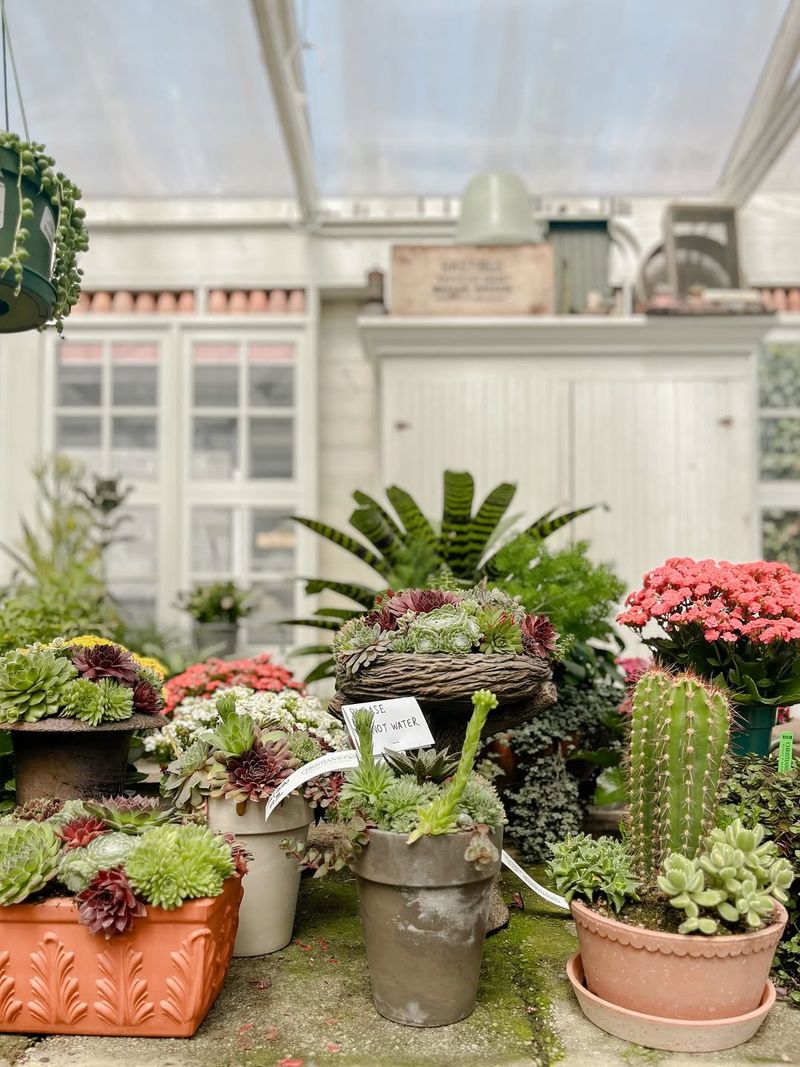
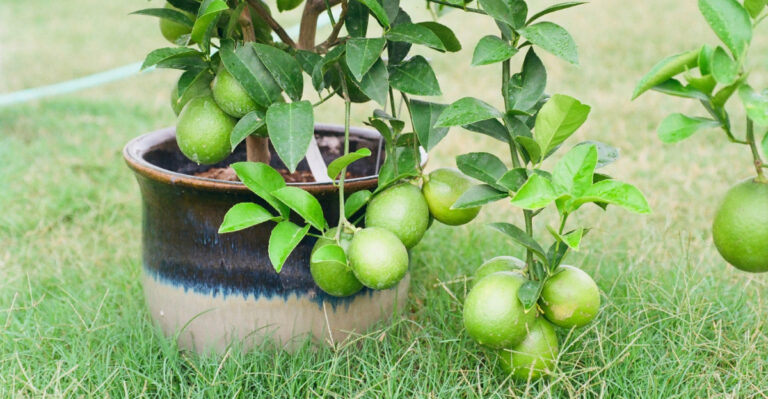
Not all gardens need to be planted directly in the ground to be beautiful and successful.
Container gardens give you complete control over soil quality, drainage, and plant placement, which makes growing conditions easier to manage.
You can move pots to follow the sun, escape extreme weather, or simply rearrange your garden design whenever the mood strikes.
Containers work perfectly for renters, people with limited yard space, or anyone who wants to garden near patios and entryways.
Choose drought-tolerant plants like succulents, herbs, or compact native flowers that will not demand constant watering in small pots.
Larger containers hold more soil and moisture, which means less frequent watering and happier plants during hot Texas summers.
Terracotta, ceramic, and resin pots all work well in Texas gardens, though lighter materials make moving containers easier as plants grow.
Add a layer of gravel or pot shards at the bottom to ensure excellent drainage, then fill with quality potting mix designed for containers.
Group pots together for visual impact and to create microclimates that help retain moisture around plants.
Container gardens allow you to experiment with different plants and arrangements without committing to permanent landscape changes.
They also keep aggressive spreaders contained and prevent invasive plants from taking over your entire yard.
With smart plant choices and proper-sized pots, container gardens deliver big beauty with surprisingly little maintenance required throughout the year.
10. Rain Gardens
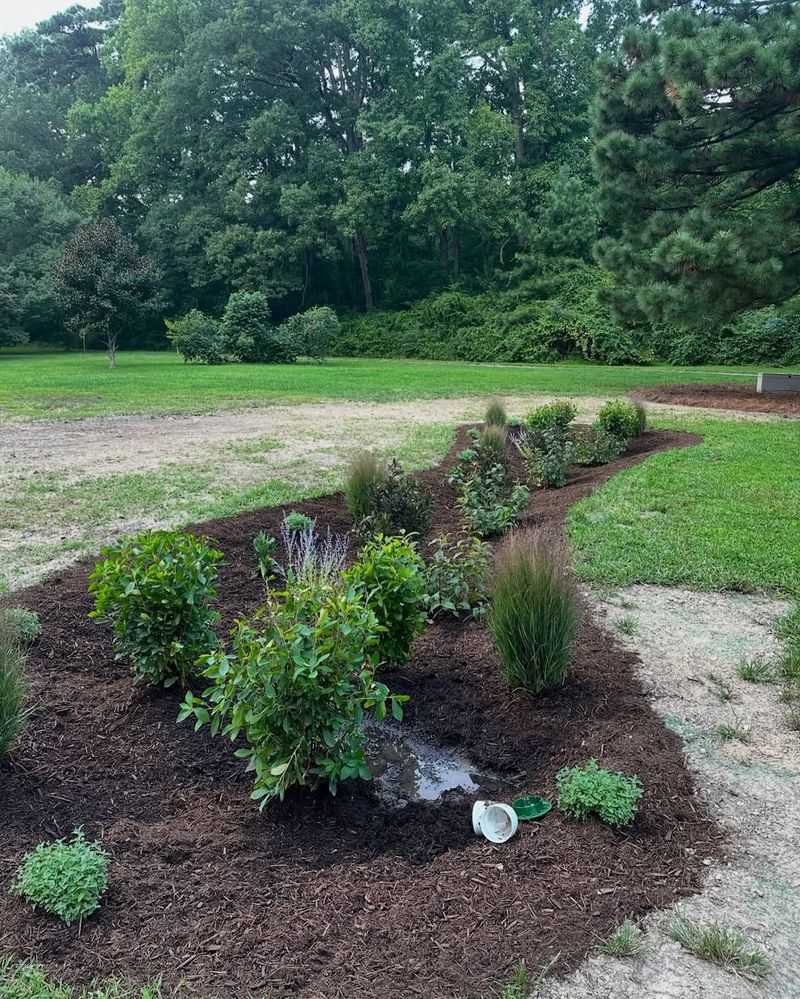
Texas rainfall arrives in dramatic bursts that can overwhelm drainage systems and create flooding problems in yards and streets.
Rain gardens capture and absorb that stormwater naturally, turning a potential problem into a beautiful garden feature.
These shallow depressions planted with native, moisture-tolerant species filter runoff while providing habitat for beneficial insects and wildlife.
Rain gardens work by temporarily holding water after storms, allowing it to soak slowly into the ground rather than rushing away.
This process recharges groundwater supplies and reduces erosion while removing pollutants from runoff before they reach streams and rivers.
Between rain events, the garden looks like any other attractive planting bed, not a muddy hole in your yard.
Choose native plants that can handle both wet and dry conditions, such as inland sea oats, cardinal flower, or blue flag iris.
These adaptable species thrive during rainy periods and survive droughts when rain stops for weeks or months.
Once established, rain gardens need almost no maintenance beyond occasional weeding and an annual trim to remove old growth.
Creating a rain garden involves selecting a low spot in your yard or digging a shallow basin where water naturally collects.
Size it according to your space and drainage needs, then plant densely to stabilize soil and maximize water absorption.
Rain gardens turn an environmental challenge into a low-maintenance landscape asset that benefits your property and the broader ecosystem simultaneously.