7 Low-Maintenance Native Plants For North Texas Homes
Living in North Texas means dealing with hot summers, unpredictable weather, and droughts, so why not choose plants that thrive with minimal care?
Low-maintenance native plants are a perfect solution for homeowners who want to enjoy a beautiful garden without constantly fussing over it.
These plants are naturally suited to the region’s climate, meaning they need less water, fertilizer, and attention than non-native varieties. Plus, they’re built to withstand everything from heatwaves to cold snaps.
Whether you’re looking for colorful blooms, hearty shrubs, or groundcovers, there’s a native plant that can fill every need in your garden. Native plants also attract pollinators like bees and butterflies, making your yard a lively, eco-friendly space.
With the right selection of low-maintenance plants, you can enjoy a beautiful, thriving garden that’s perfectly suited to North Texas, all while saving time, water, and effort. It’s the best of both worlds – easy care and lasting beauty.
1. Black-Eyed Susan (Rudbeckia Hirta)
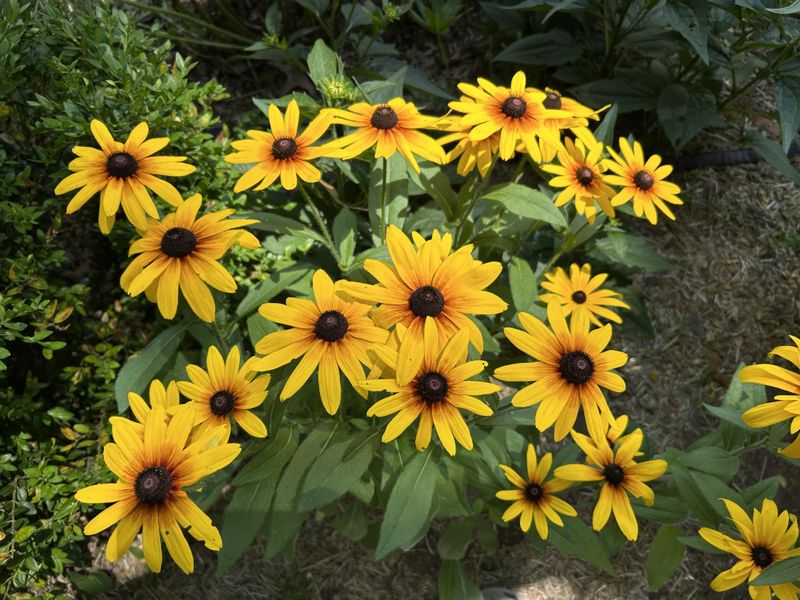
Few plants light up a North Texas yard quite like the Black-eyed Susan. With its bold yellow petals and dark, velvety centers, this cheerful wildflower is practically made for the Texas sun.
It blooms from early summer all the way through fall, giving your yard months of color without much effort on your part.
Black-eyed Susan is incredibly tough. It handles drought well, grows in a wide range of soil types, and does not need much fertilizer to thrive.
Once established, it mostly takes care of itself. You can plant it in full sun and mostly forget about it, which is great news for busy homeowners.
One of the best things about this plant is how much wildlife it attracts. Bees, butterflies, and even goldfinches love it.
The flowers draw pollinators all season, and the seed heads that form after blooming become a food source for birds heading into cooler months.
Black-eyed Susan also reseeds itself naturally, meaning you get more plants each year without buying new ones. It grows about one to three feet tall, making it a great fit for garden borders, wildflower patches, or mixed flower beds.
If you want a plant that delivers maximum visual impact with minimum care, this North Texas native is hard to beat. It is truly one of the most rewarding flowers you can add to your landscape.
2. Turk’s Cap (Malvaviscus Arboreus)
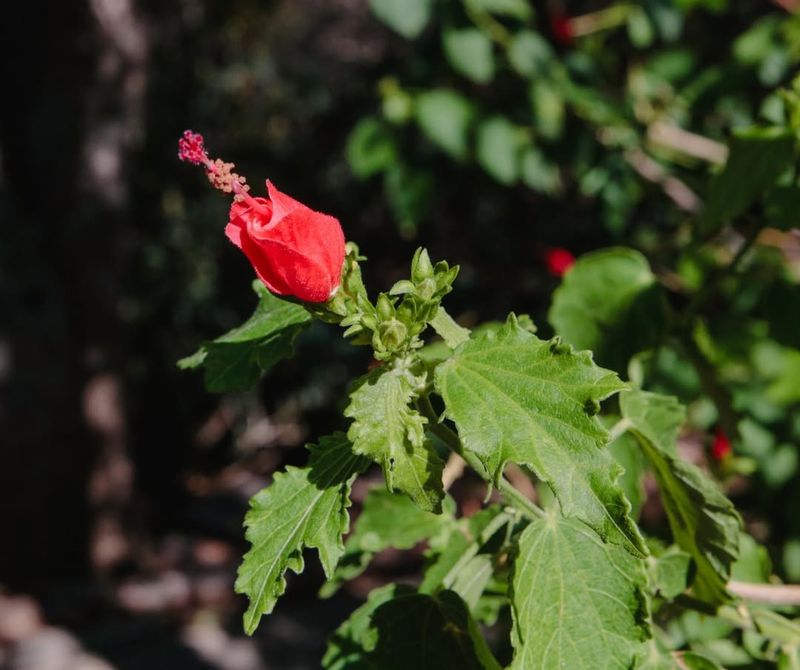
If you have a shady corner of your yard that seems impossible to fill, Turk’s Cap might just be your new best friend.
This native shrub thrives in part shade to full sun and produces striking red or pink flowers that look like little twisted hats, which is exactly how it got its name. It is one of the most adaptable plants you can grow in North Texas.
Hummingbirds absolutely love Turk’s Cap. The tubular flowers are perfectly shaped for their long beaks, and once a hummingbird finds your plant, it will keep coming back all season.
Butterflies also visit regularly, making this shrub a lively addition to any wildlife-friendly garden.
From a care standpoint, Turk’s Cap is about as easy as it gets. After the first growing season, it needs very little water.
It handles the brutal North Texas heat without missing a beat, and it bounces back quickly even after a tough summer. You rarely need to prune it unless you want to control its size.
This plant typically grows two to nine feet tall depending on the conditions, so it works well as a background shrub or a natural privacy screen. It also tends to spread over time, filling in gaps in your landscape with almost no help from you.
For gardeners in North Texas who want a low-effort, high-reward shrub that looks great and supports local wildlife, Turk’s Cap is a fantastic pick.
3. Purple Coneflower (Echinacea Purpurea)
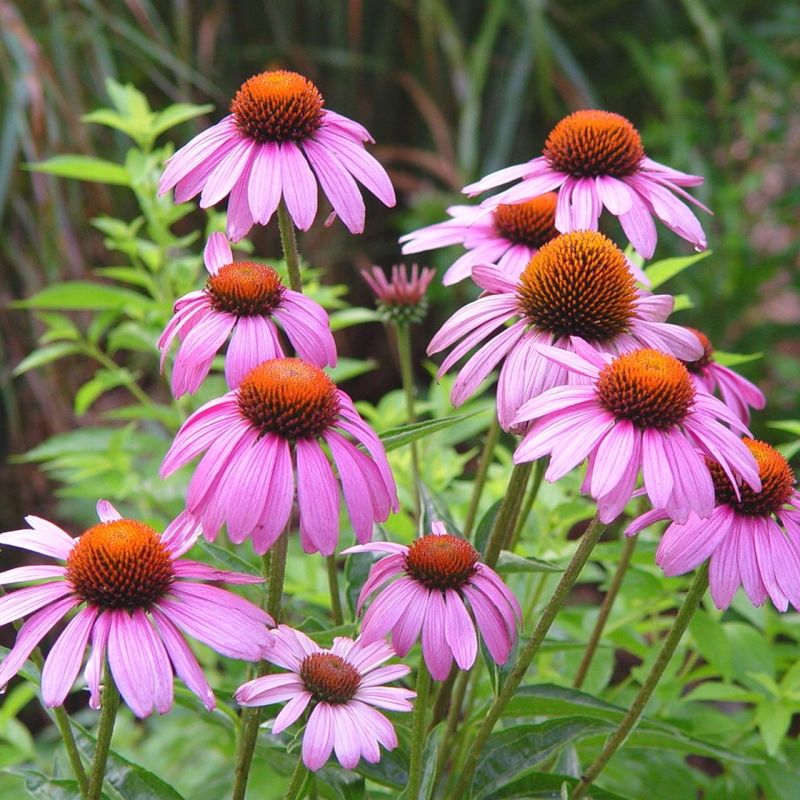
There is something almost magical about a field of Purple Coneflowers swaying in a warm Texas breeze. This native perennial has been a garden favorite for decades, and for good reason.
Its rosy-purple petals and spiky orange-brown centers create a bold, eye-catching display that lasts from late spring through much of summer.
Purple Coneflower is built for North Texas conditions. It prefers full sun and well-drained soil, which suits the region perfectly.
Once it settles in, it handles drought with ease and rarely needs extra watering. Pest and disease problems are uncommon with this plant, so you will not be spending time troubleshooting issues throughout the growing season.
Did you know that Echinacea has been used in herbal medicine for centuries? Native American tribes historically used the plant for a variety of purposes.
Beyond its history, it remains one of the most pollinator-friendly plants you can grow. Bees swarm it all summer, and goldfinches love to pick at the seed heads in late fall.
Purple Coneflower grows two to four feet tall and works beautifully in mixed garden beds, along walkways, or in naturalized areas. It also reseeds itself over time, slowly expanding into a fuller, more impressive clump year after year.
For North Texas homeowners who want a hardy, beautiful, and ecologically valuable perennial that practically grows itself, Purple Coneflower is an outstanding choice that never goes out of style.
4. Texas Sage (Leucophyllum Frutescens)
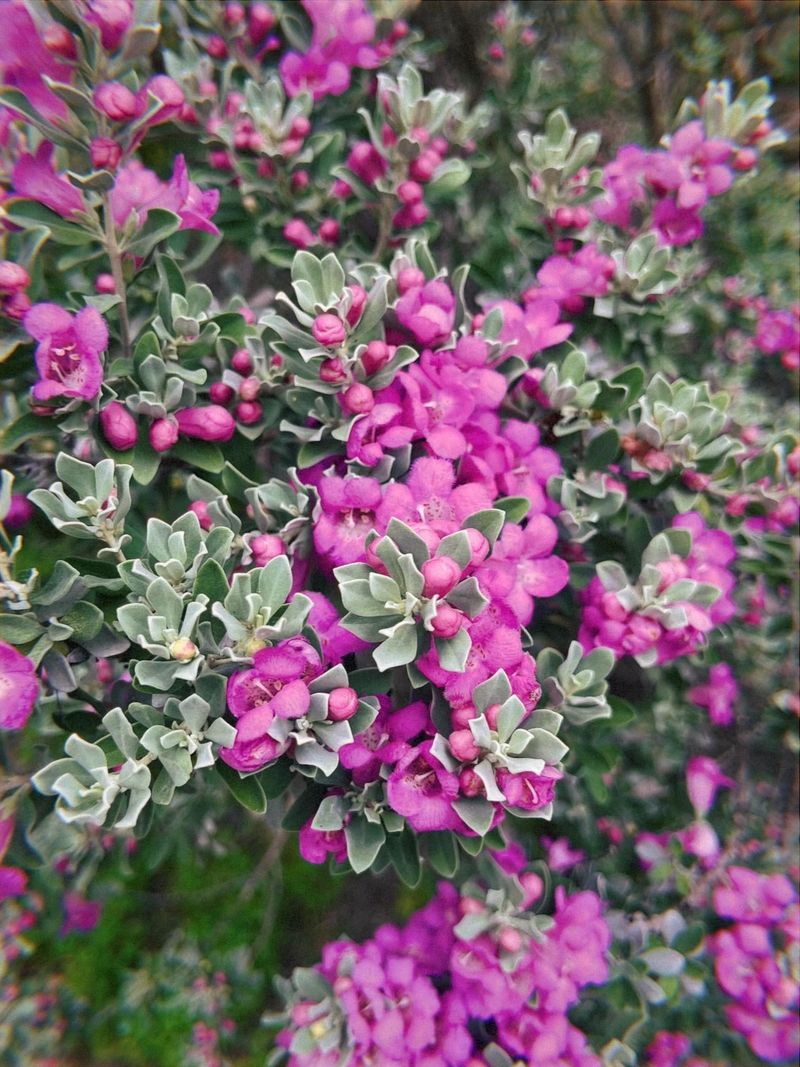
Walk through almost any neighborhood in North Texas and you are likely to spot Texas Sage growing along a fence or framing a front door. Also called Cenizo, this evergreen shrub is a regional icon.
Its soft, silvery leaves give it a distinctive look year-round, but the real showstopper is when it bursts into rich purple blooms, often triggered right after a rainstorm.
Texas Sage is one of the most drought-tolerant plants available for North Texas landscapes. Once it is established, it can go long stretches without any supplemental watering at all.
It actually prefers dry conditions and can suffer if overwatered, so less attention is genuinely better for this plant. That makes it a perfect fit for gardeners who want beauty without the fuss.
Pruning is rarely necessary, which saves a lot of time. Texas Sage naturally grows into a tidy, rounded shape that looks clean and polished.
It handles the region’s intense summer heat without showing any signs of stress, staying green and healthy even when other plants struggle.
This shrub typically reaches three to eight feet tall, making it useful as a hedge, a privacy screen, or a standalone accent plant. It pairs beautifully with other drought-tolerant plants like Black-eyed Susan or Autumn Sage for a low-water garden design.
If you want one plant that offers year-round structure, seasonal color, and nearly zero maintenance in North Texas, Texas Sage absolutely delivers on every front.
5. Autumn Sage (Salvia Greggii)
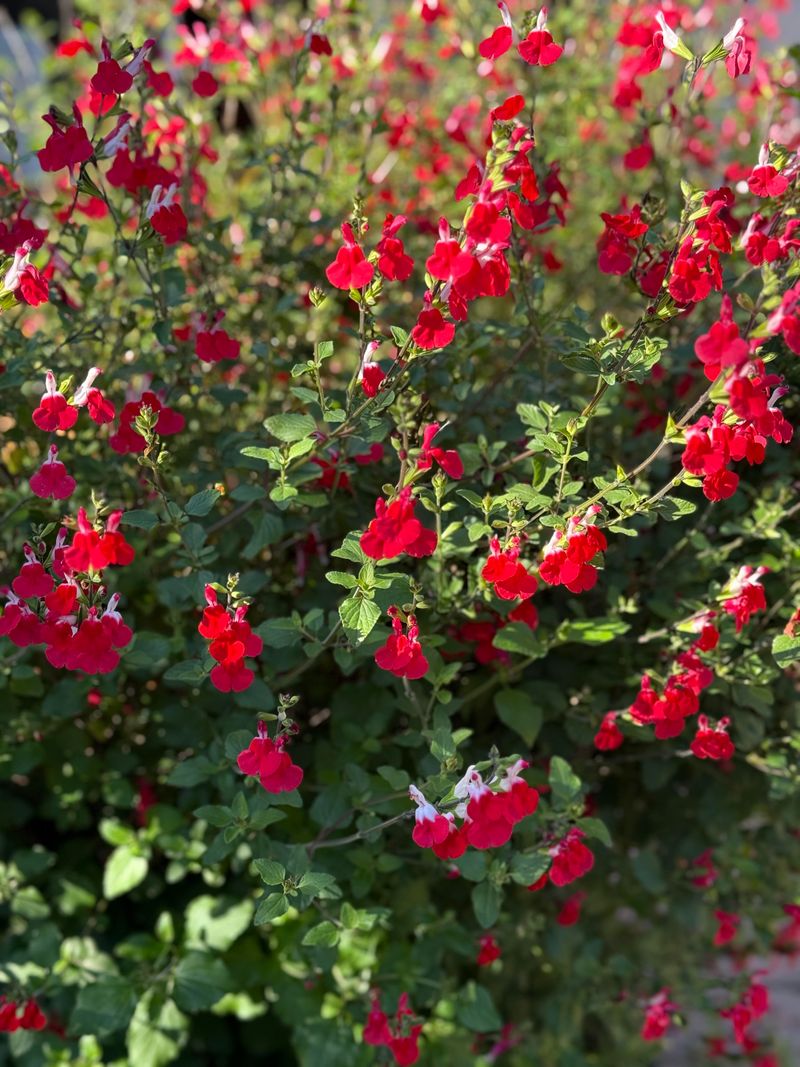
Autumn Sage is one of those plants that just keeps going. While many flowers fade as summer heat peaks, this tough native perennial kicks into full gear and keeps blooming from late spring through the first frost.
Red, pink, coral, and purple varieties are all available, so you can mix and match to suit your garden’s color scheme.
Native to the rocky hillsides of Texas and Mexico, Autumn Sage was practically born for hot, dry conditions.
It loves full sun and well-drained soil, and once it gets established, it needs very little water to stay healthy and flowering. North Texas summers do not slow it down one bit.
Hummingbirds are huge fans of Autumn Sage. The long, tubular flowers are perfectly designed for hummingbird feeding, and you will often see them hovering around the blooms from morning to evening.
Butterflies and bees also visit regularly, turning your yard into a lively wildlife habitat with almost no extra effort.
Autumn Sage grows one to three feet tall and wide, making it a great size for garden borders, rock gardens, or container planting. Light pruning after each bloom cycle encourages even more flowers.
It is a genuinely forgiving plant that bounces back from neglect, drought, and poor soil conditions without complaint.
For North Texas homeowners who want reliable color, wildlife activity, and easy care all in one compact plant, Autumn Sage is a year-round winner that earns its spot in any garden.
6. Indian Grass (Sorghastrum Nutans)
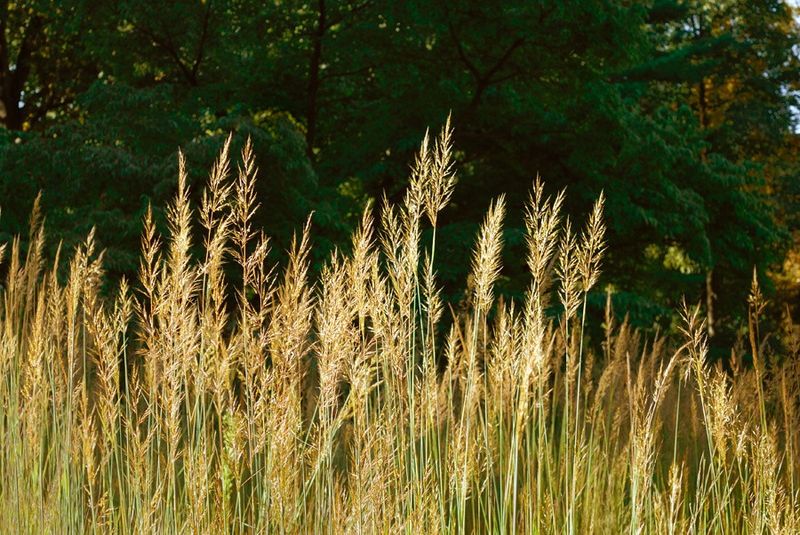
Not every great garden plant produces flowers. Indian Grass proves that texture, movement, and structure can be just as stunning.
This native ornamental grass grows tall golden plumes in late summer and fall, creating a warm, prairie-inspired look that feels right at home in North Texas. When the wind blows through it, the effect is almost hypnotic.
Indian Grass is incredibly tough. It handles drought, poor soils, heavy winds, and even occasional flooding without missing a beat.
The root system runs deep, which helps the plant find water during dry spells and also prevents soil erosion, making it a practical choice for slopes or open areas around your property.
From a maintenance standpoint, Indian Grass could not be easier. You simply cut it back to a few inches in late winter before new growth begins, and that is about all it needs.
No fertilizing, no regular watering once established, and no pest problems to worry about. It basically manages itself throughout the growing season.
This grass typically reaches three to five feet tall, adding dramatic height and movement to garden beds or naturalized areas. It also pairs well with wildflowers like Black-eyed Susan and Purple Coneflower for a stunning native plant combination.
Birds love the seed heads in fall and winter, adding another layer of wildlife value to your yard. For North Texas homeowners looking for a bold, low-effort plant that transforms a landscape, Indian Grass is an underrated gem worth planting.
7. Mealy Blue Sage (Salvia Farinacea)
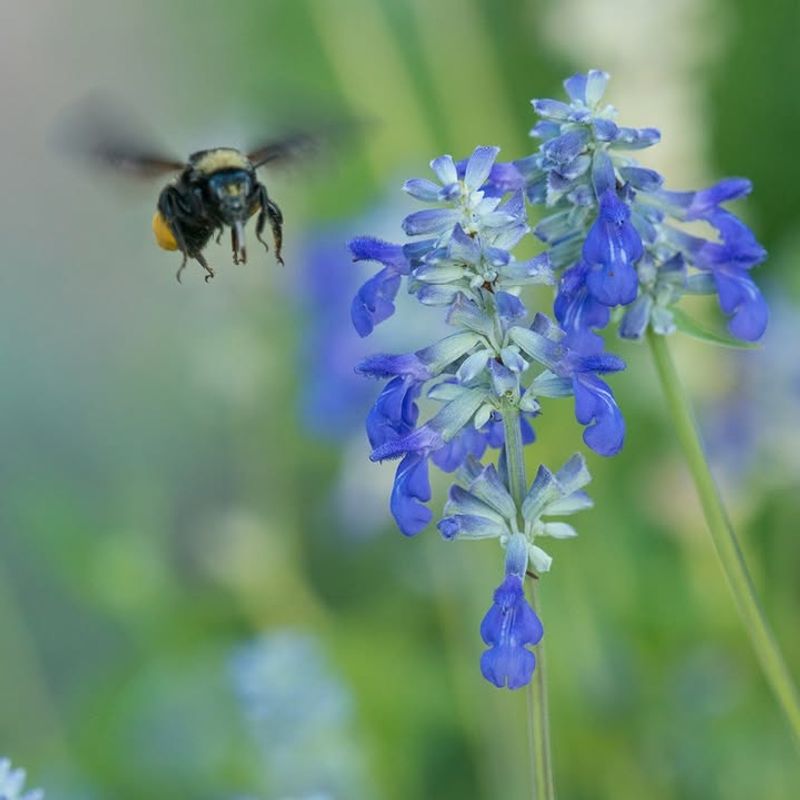
Mealy Blue Sage brings a cool, calming splash of blue and violet to the North Texas garden at a time when most plants are struggling to survive the heat.
The tall flower spikes shoot up from late spring and keep producing blooms well into fall, giving you one of the longest-lasting color shows of any native plant in the region.
The name might sound unusual, but it comes from the fine, powdery coating on the stems and calyxes that gives the plant a slightly frosted appearance up close. It is a charming detail that makes the plant interesting to look at even before the blooms open.
Full sun is where this plant performs best, and it handles the harsh Texas climate without much trouble at all.
Pollinators go crazy for Mealy Blue Sage. Bees, butterflies, and hummingbirds are all frequent visitors, and the plant can become a buzzing hotspot on warm afternoons.
Because it blooms for so long, it provides a consistent food source for pollinators throughout the growing season, which is a real benefit for local ecosystems in North Texas.
Mealy Blue Sage grows one to three feet tall and spreads into a tidy clump over time. It tolerates poor soils and dry conditions extremely well, and it reseeds itself, so you will likely see new plants popping up nearby each year.
Minimal watering, no serious pest issues, and months of beautiful blooms make this native plant one of the smartest additions you can make to any North Texas landscape.