8 Low Maintenance Perennial Grasses That Thrive In Arizona Year After Year
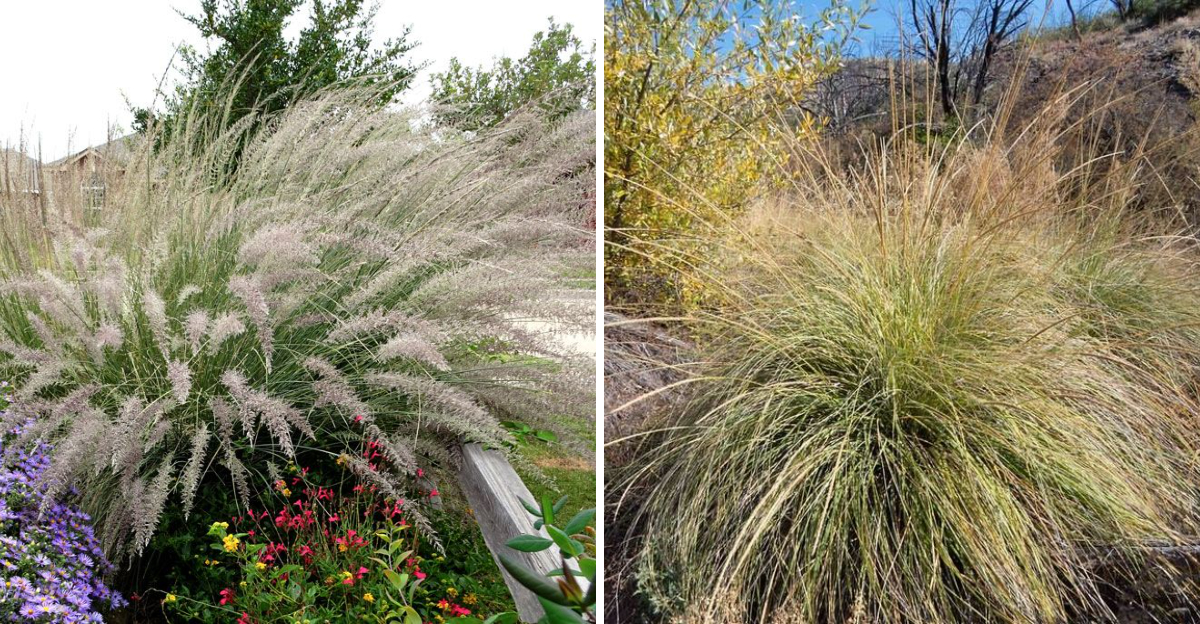
Arizona yards do not need constant replanting to keep looking good. Some of the most reliable plants are the ones that stay useful without asking for much once they are established.
Perennial grasses fit that role especially well. They handle heat, move well in the wind, and bring texture that keeps a yard from looking flat or overly harsh.
In a climate where many plants struggle to stay attractive for long, that kind of steady performance stands out. These grasses are not just filler either.
The right ones can soften gravel, frame other plants, and keep the yard looking alive through long dry stretches.
That is a big reason they work so well in Arizona landscapes that need to look good without becoming high maintenance.
A yard can feel more natural, more balanced, and easier to manage at the same time, and grasses often help do that better than people expect.
1. Deer Grass Handles Extreme Heat And Drought With Minimal Care
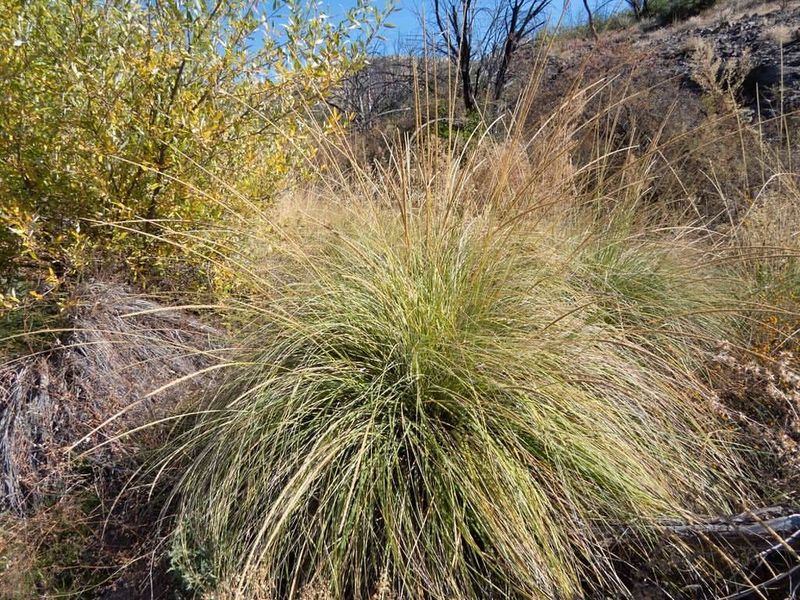
Deer grass is built for punishment. In the middle of an Arizona summer, when temperatures push past 110 degrees and rainfall disappears for weeks, this grass keeps its shape and stays rooted without complaint.
Native to the Sonoran Desert and surrounding regions, it knows this land better than almost any ornamental plant you could bring in from somewhere else.
Clumps grow three to four feet tall and just as wide, creating a bold, sculptural presence in the yard. Tall, slender seed stalks shoot up in late summer, swaying in the dry desert breeze and adding real movement to a landscape that might otherwise feel static.
Homeowners in Tucson and Phoenix have used it as a border plant, a focal point, and even a low screen along fences.
Watering needs are very low after the roots get established in the ground. Rainfall alone carries it through most of the year in lower desert elevations.
Trimming is optional but cutting it back in late winter keeps the clump looking tidy and encourages fresh new growth in spring. Deer grass pairs well with desert shrubs and succulents, and it handles rocky or sandy soil without any amendments.
No fertilizer is needed, and pests rarely bother it. For Arizona gardeners who want a bold grass that practically takes care of itself, this one earns its spot every single time.
2. Pink Muhly Grass Thrives In Arizona Heat With Low Water Needs
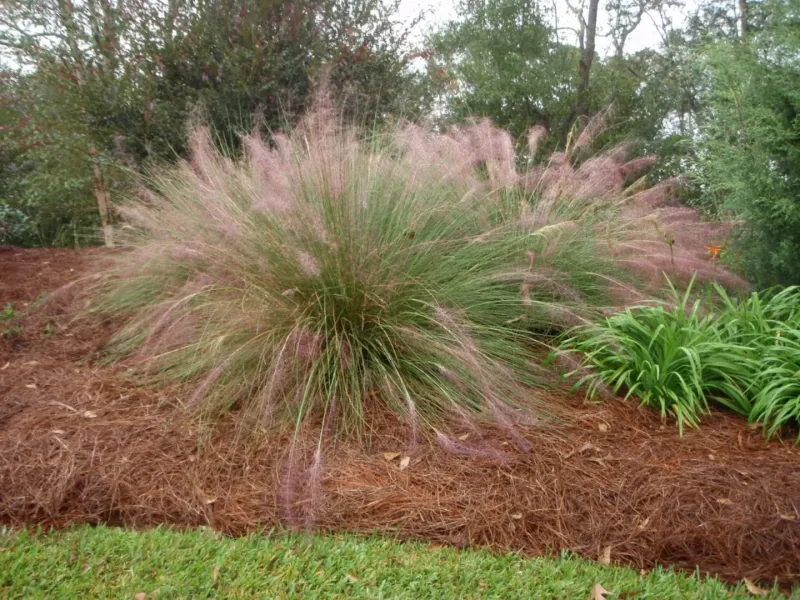
Few plants stop people in their tracks the way pink muhly does in full bloom.
From late September into November, the clumps explode into soft, airy clouds of rosy pink that look almost unreal against the dry Arizona sky.
Neighbors will ask what it is. People walking past your yard will slow down to look.
Beyond the spectacular fall show, pink muhly is genuinely easy to grow in Arizona. Hot, dry conditions suit it perfectly, and it handles reflected heat from driveways and walls without skipping a beat.
Soil quality barely matters here. Sandy, rocky, or compacted ground all work fine, which is great news for anyone dealing with typical Arizona caliche soil.
Water requirements are low once roots are settled. Deep watering every couple of weeks during the hottest months keeps clumps looking healthy, but this grass can go longer stretches without irrigation than most people expect.
Plant it in full sun for the best bloom performance. Partial shade produces green growth but far fewer plumes, so a sunny spot is worth prioritizing.
Clumps reach two to three feet tall and wide. Cutting them back by about one third in late winter refreshes the plant before spring.
No serious pest or disease problems have been reported for this grass in Arizona conditions. It is a reliable performer from Flagstaff foothills down through the Valley.
3. Bush Muhly Stays Strong In Harsh Desert Conditions Year After Year
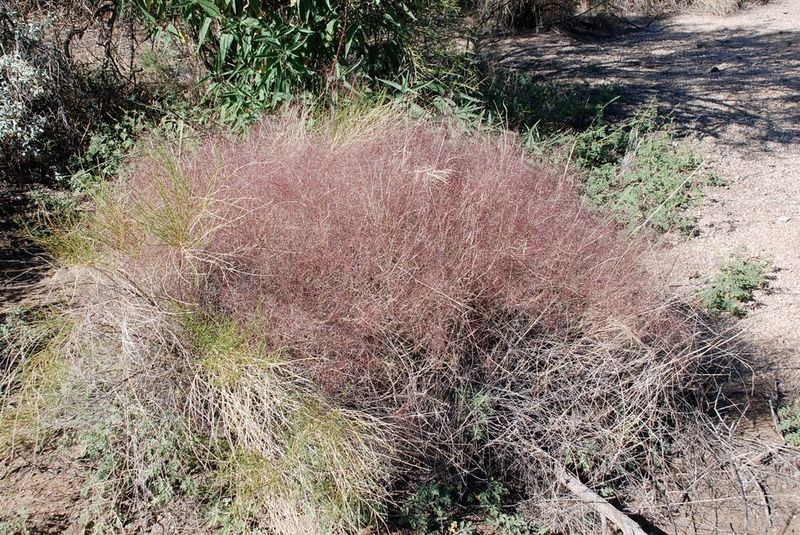
Out in the open desert, bush muhly survives conditions that would flatten most landscape plants.
It grows wild across Arizona’s rocky hillsides and bajadas, threading through shrubs and boulders with wiry, arching stems that hold up even in punishing wind.
This is not a pampered garden grass. It earned its reputation in the harshest terrain the state has to offer.
In a home landscape, bush muhly brings a loose, wild texture that pairs naturally with desert shrubs like brittlebush and globe mallow. Clumps stay relatively compact, usually under three feet, with fine stems that catch light beautifully in the afternoon.
Pinkish-purple seed heads appear in late summer and fall, adding subtle color without being showy about it.
Water needs are about as low as it gets. Bush muhly survives entirely on natural rainfall across much of Arizona, though an occasional deep drink during dry summer stretches keeps it looking its best.
Soil drainage is the one thing to get right. Standing water or consistently wet soil causes problems, so avoid low spots in the yard where water pools after monsoon rains.
Full sun is ideal, though it tolerates light shade without losing its form. No pruning schedule is required, but cutting back old stems in late winter promotes fresh growth.
Deer tend to leave it alone, which is a bonus for gardeners in areas where deer pressure is a real problem.
4. Blue Grama Grass Performs Reliably In Dry Low Water Landscapes
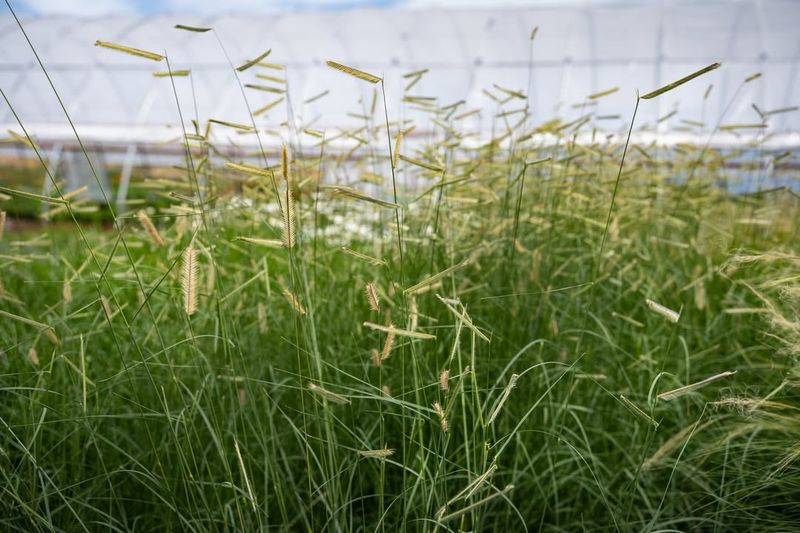
Blue grama has one of the most distinctive seed heads in the grass world.
Those curved, comb-like spikes that appear in summer look like tiny eyelashes perched on slender stems, and they hold their shape for months, giving the plant year-round visual interest without any effort on your part.
It is the kind of detail that makes a landscape feel intentional rather than generic.
Native to the grasslands and high desert regions of the Southwest, blue grama is well suited to Arizona’s climate from the low desert up through higher elevation areas around Prescott and Flagstaff.
It tolerates cold better than many warm-season grasses, bouncing back in spring even after hard freezes without missing a step.
In lower desert zones, it stays semi-evergreen through mild winters.
Water use is impressively low. Established plants get by on minimal supplemental irrigation, relying mostly on monsoon moisture and winter rains.
In dry years, an occasional deep watering extends its good looks through the hottest months. Soil does not need to be rich.
Blue grama actually prefers lean, well-drained ground over amended garden soil. Clumps stay small, usually under eighteen inches, making it a good choice for tighter spaces or as a ground layer beneath desert trees.
Wildlife, including birds and small mammals, use the seed heads as a food source, adding ecological value beyond just looks.
5. Sideoats Grama Adapts Easily To Heat And Poor Soil
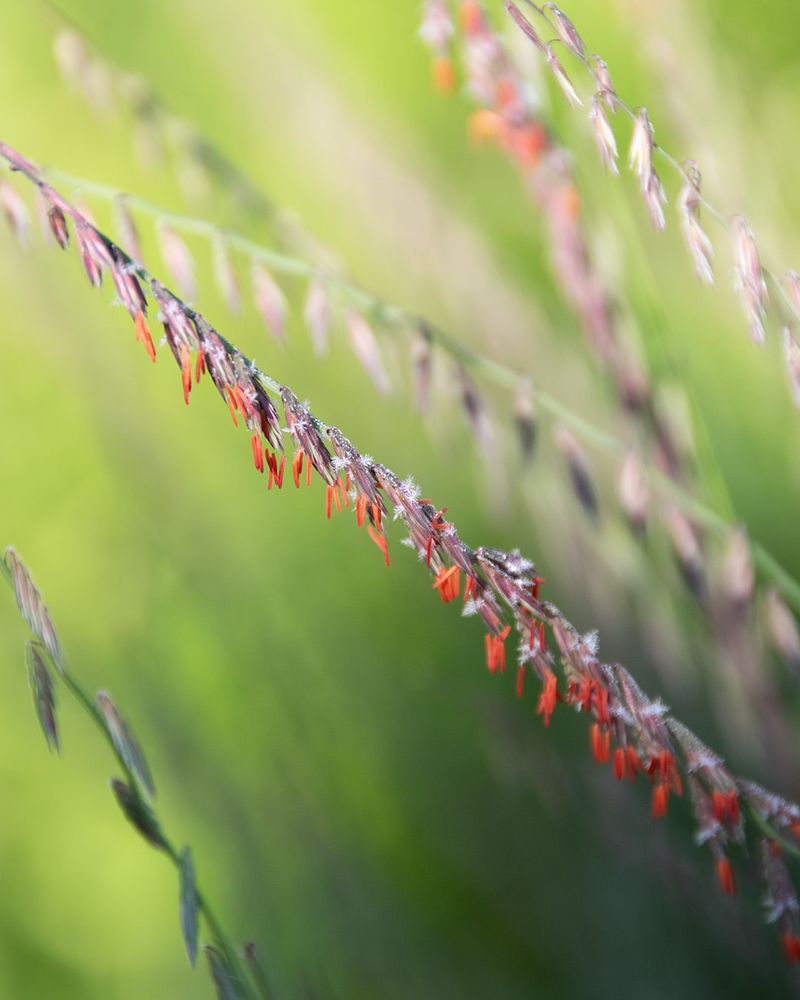
Sideoats grama is Arizona’s state grass, and it earned that title honestly. Across the state’s grasslands, roadsides, and open slopes, it holds soil, feeds wildlife, and persists through drought and heat with zero help from anyone.
Bringing it into a home landscape is one of the easier decisions an Arizona gardener can make.
What sets this grass apart visually is the way its seed clusters hang from one side of each stem, like tiny oat spikelets lined up in a neat row. In summer and fall, those seed heads turn orange and red, creating warm color that complements the surrounding desert palette.
Butterflies and grassland birds are drawn to it, so expect some wildlife activity around established clumps.
Poor soil is not a problem for sideoats grama. Caliche, clay, sand, or rocky ground all support it without amendments or fertilizer.
In fact, overly rich soil tends to produce weak, floppy growth rather than the upright, tidy form that makes this grass look so good in a landscape. Full sun is ideal.
Clumps grow one to two feet tall and spread slowly over time, eventually filling in gaps between other desert plants.
Supplemental water during the driest stretches of summer helps maintain active growth, but long dry periods do not cause lasting harm.
Cutting the clumps back in late winter before new growth begins keeps them looking fresh and prevents old stems from overwhelming the plant.
6. Lindheimer’s Muhly Grows Well In Hot Dry Climates With Little Care
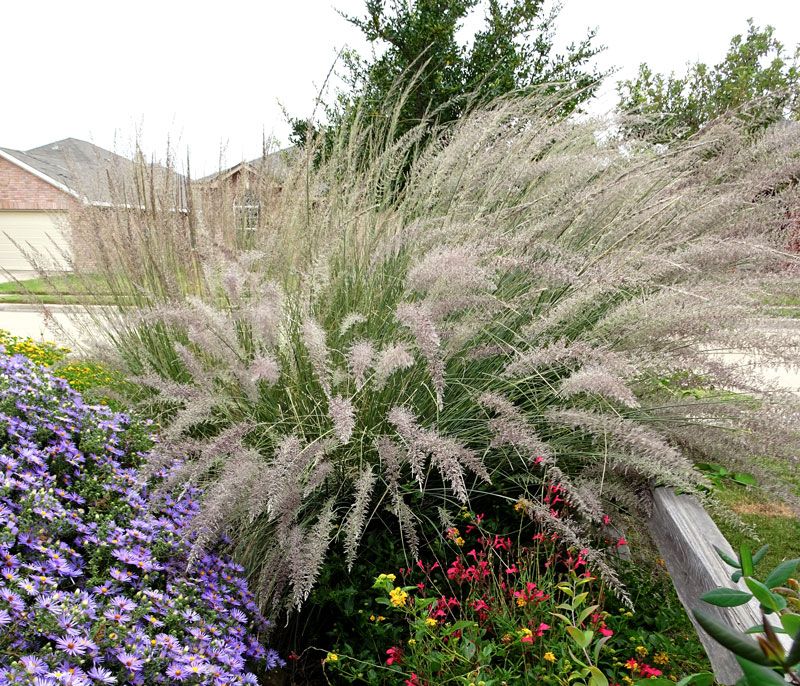
Lindheimer’s muhly is the kind of grass that looks like it belongs in a design magazine but requires almost nothing to maintain.
Tall, blue-green clumps reach four to five feet in height by fall, topped with soft, silvery-white plumes that catch the breeze and glow in low afternoon light.
In a Phoenix or Tucson yard, it creates a striking vertical element without demanding constant attention.
Heat tolerance is one of its standout qualities. Summer in Arizona does not slow this grass down.
It actually grows most actively during the hottest months, pushing out new foliage and preparing for its fall bloom cycle. Planting in full sun brings out the best performance, though it handles a bit of afternoon shade in the lower desert without losing much vigor.
Soil flexibility is real with this plant. Well-drained ground is the main requirement, whether that means sandy desert soil or amended garden beds.
Avoid areas that stay wet after rain. Watering every one to two weeks during summer is enough to keep clumps looking full and healthy.
Rainfall alone carries it through the cooler months. Cutting it back by one third in late winter prevents clumps from getting woody and encourages fresh, vigorous growth each spring.
No serious insect problems have been observed on this grass in Arizona landscapes, and deer typically pass it by. Gardeners looking for height and movement in a dry garden will find Lindheimer’s muhly delivers consistently.
7. Alkali Sacaton Handles Tough Soil And High Heat Without Trouble
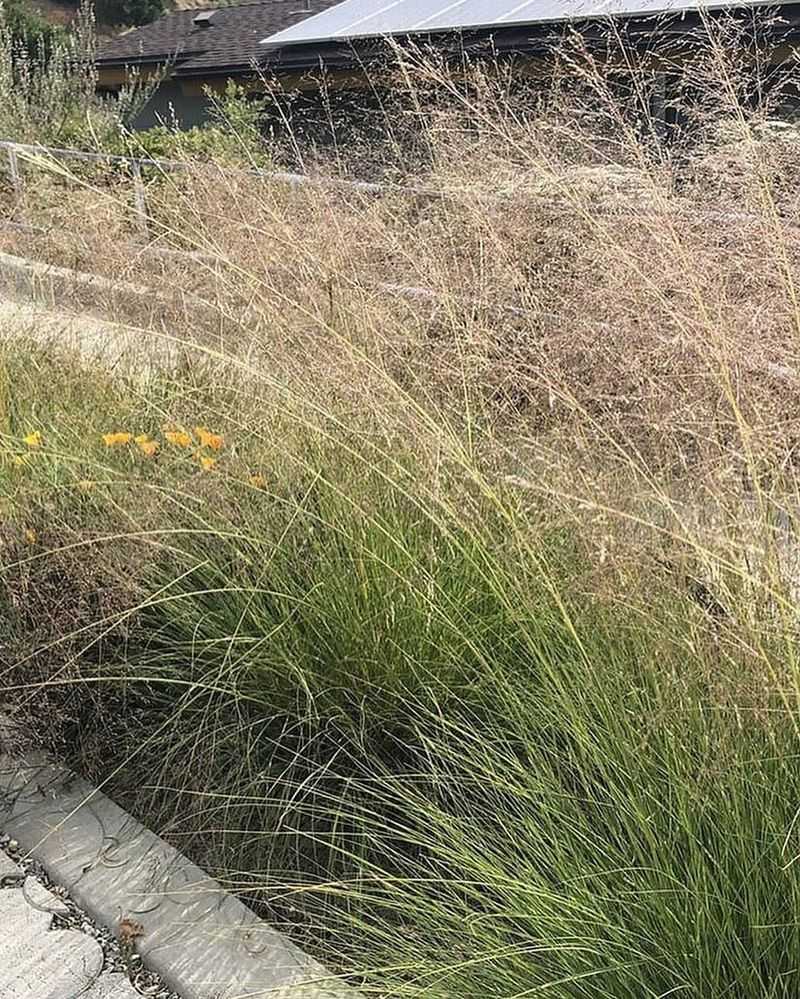
Alkali sacaton is the grass that grows where others refuse. Alkaline soil, heavy clay, caliche hardpan, seasonally flooded low spots, it handles all of these without losing its composure.
In Arizona, where soil conditions can be genuinely difficult, that kind of flexibility is worth a lot to any gardener working with a challenging site.
Clumps are large and architectural, reaching three to four feet tall with an open, airy seed panicle that floats above the foliage in summer. Seeds are tiny but numerous, and the cloud-like panicles move constantly in even a light breeze.
That motion brings life to a landscape that might otherwise feel heavy or static, especially in spots where nothing else wants to grow.
Water needs are minimal once roots have settled in. Alkali sacaton naturally grows along dry washes and basin floors in Arizona, so it is accustomed to long dry periods interrupted by occasional flooding.
In a home landscape, deep but infrequent watering suits it well. Avoid overhead irrigation if possible, since air circulation through the clump keeps it healthiest.
Full sun produces the strongest growth and best seed production. Partial shade is tolerated but reduces the plant’s overall density.
Cutting back old growth in late winter before spring warmth arrives keeps the clump from looking ragged.
Wildlife value is solid, with seeds eaten by birds and the dense clumps providing cover for small animals year-round in Arizona gardens.
8. Big Muhly Maintains Strong Growth In Full Sun And Dry Conditions
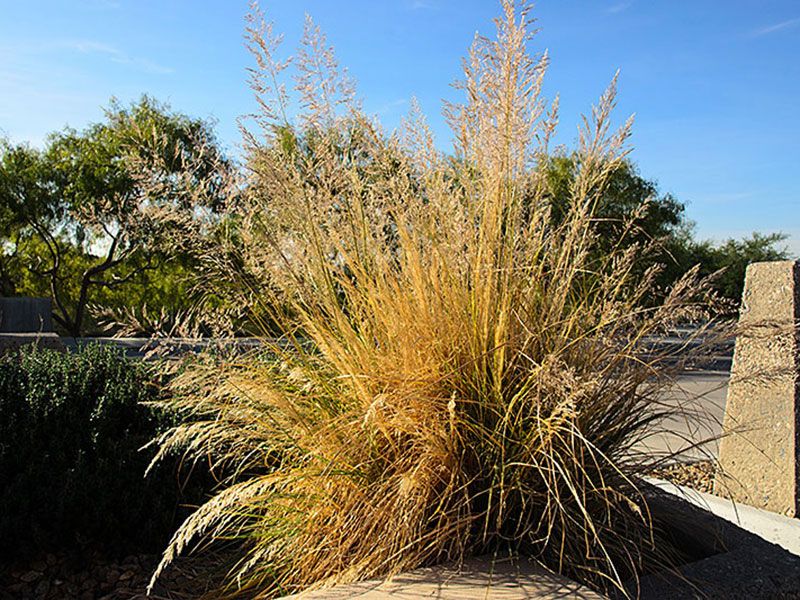
Big muhly lives up to its name. Clumps push three to five feet tall and spread nearly as wide, creating a bold, full presence that anchors a landscape with real authority.
In Arizona gardens where scale matters, this grass fills space in a way that smaller ornamental grasses simply cannot match.
Reddish-purple seed plumes emerge in late summer and early fall, right when many other plants in the yard are looking tired and sun-worn.
That timing is genuinely useful because it extends color and visual interest into the season when Arizona temperatures finally start to ease.
Against pale desert soils and rock mulch, the plumes stand out dramatically without looking out of place.
Full sun is where big muhly performs best. Afternoon shade in the low desert is acceptable, but a spot with at least six hours of direct sun produces the most vigorous clumps and the most abundant seed heads.
Soil type is flexible, from sandy washes to rocky slopes to compacted caliche. Drainage matters more than soil richness, so avoid wet or poorly draining areas.
Supplemental irrigation every couple of weeks during the hottest part of the year keeps growth strong. During cooler months, rainfall handles moisture needs on its own across most Arizona elevations.
Cutting clumps back in late winter before new shoots emerge keeps the base clean and encourages the dense, lush regrowth that makes big muhly so impressive through the rest of the year.