11 Low-Maintenance Perennials That Thrive On Neglect In North Florida
In North Florida, not every garden gets constant care, and not every plant needs it. Some perennials perform best with a little space, a little sun, and very little attention.
While delicate plants struggle and fade, these quiet survivors keep growing, blooming, and returning year after year without fuss. Heat, dry spells, missed watering, and poor soil rarely slow them down.
They settle in, adapt, and hold their ground through changing seasons. Landscapes that once demanded time and effort now lean on tougher choices that stay strong with minimal care. Hidden among common garden options are perennials built for resilience, steady color, and long life even under neglect.
The right selections can keep a North Florida garden alive, reliable, and effortlessly beautiful without constant work or worry.
1. Muhly Grass Thrives With Almost No Care
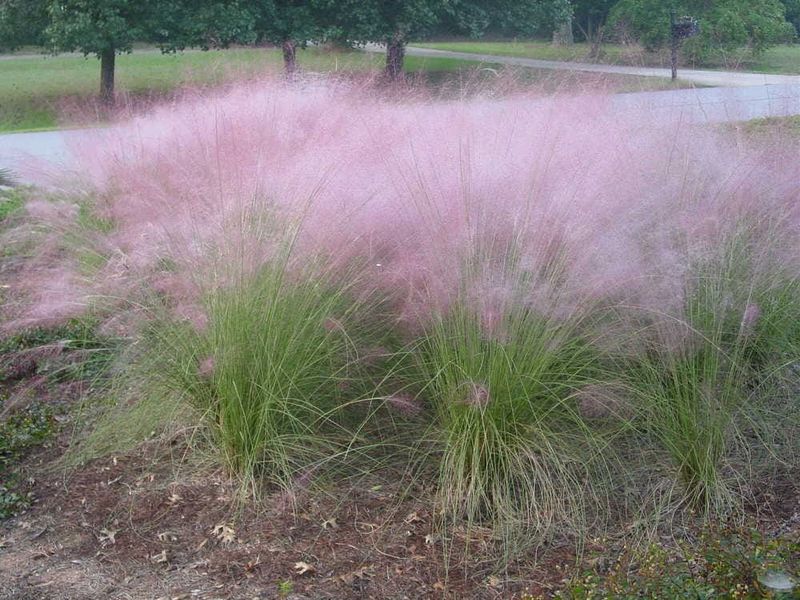
October mornings reveal one of the most stunning transformations in North Florida gardens when muhly grass erupts into clouds of pink that seem to float above the ground. This native ornamental grass asks for almost nothing yet delivers dramatic seasonal displays that stop people in their tracks.
Once established, it survives on rainfall alone, pushing deep roots into sandy soil that other plants struggle with.
Cold winter temperatures that worry gardeners about tender perennials leave muhly grass completely unbothered. The foliage goes dormant during brief freezes but bounces back quickly as temperatures rise.
Summer heat that scorches lawns and stresses thirsty plants barely registers with this tough survivor. It grows naturally in Florida’s wild spaces, proving its ability to handle neglect.
Sandy soil that drains too fast for most garden plants suits muhly grass perfectly. It needs no amendments, no fertilizer applications, and no soil improvements to thrive.
The grass clumps expand slowly over years, rarely becoming invasive and only occasionally needing division after many years. Watering beyond establishment feels like wasted effort since the plant prefers dry conditions.
Seasonal regrowth happens without any gardener intervention. Old foliage can be cut back in late winter if desired, but even that step remains optional.
The plant simply returns each spring, grows through summer, and blooms spectacularly in fall, repeating this cycle year after year with zero maintenance required.
2. Coontie Stays Strong Through Heat And Cold
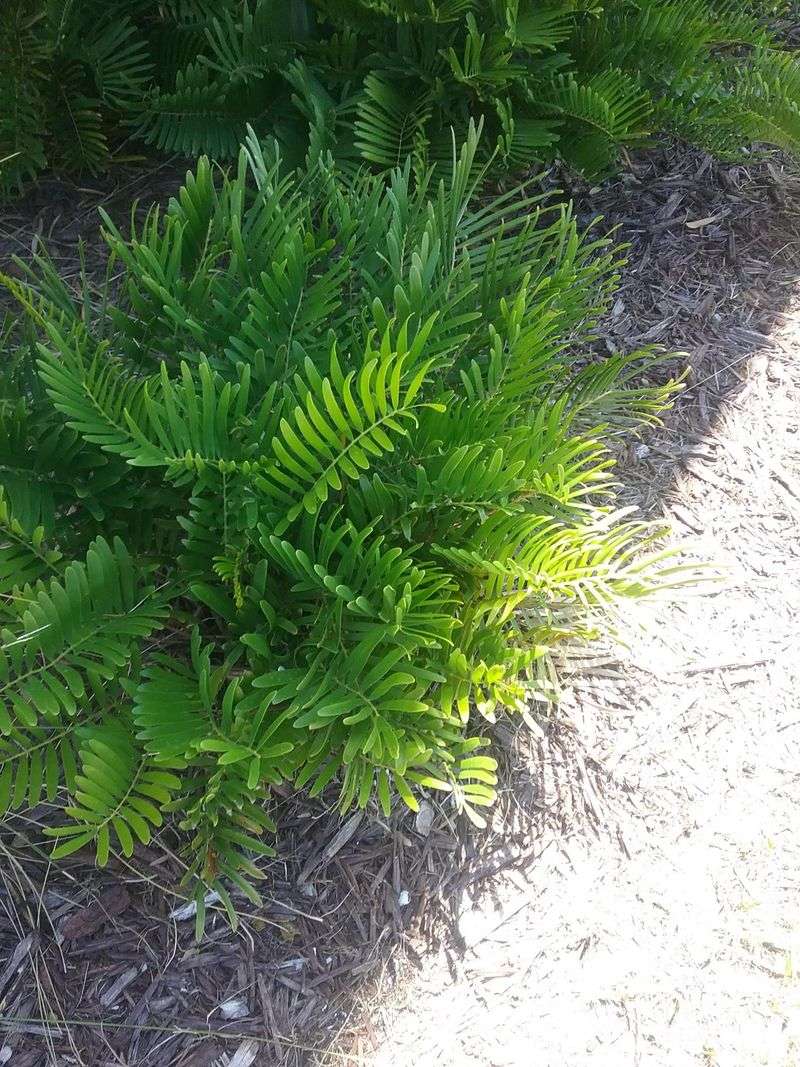
Shaded corners under oak trees often become lifeless zones where grass refuses to grow and most plants slowly fade away. Coontie thrives in exactly these forgotten spaces, spreading dark green fronds that look tropical yet handle cold snaps with ease.
This ancient cycad predates flowering plants and carries survival strategies developed over millions of years. Underground stems store energy and moisture, allowing the plant to outlast droughts that would eliminate less adapted species.
North Florida’s unpredictable temperature swings from summer heat to winter cold pose no threat to established coontie plants. They grow naturally throughout the state, including areas that experience occasional hard freezes.
The tough fronds may show some damage during extreme cold events, but the underground stem remains protected and sends up fresh growth as soon as warmth returns.
Drought tolerance becomes especially valuable during dry springs when rain disappears for weeks. Coontie simply slows its growth and waits, drawing on stored resources until moisture returns.
This patience eliminates any need for supplemental watering once the plant establishes itself. Sandy soil with poor fertility that starves other plants provides everything coontie needs.
Long-term maintenance barely exists with this perennial. No pruning schedule, no fertilizer applications, rarely needs pest treatment, though occasional scale insects may appear, and no disease concerns interrupt its steady presence.
It simply grows, year after year, filling shaded spaces with reliable greenery that never demands attention or care.
3. Blanket Flower Blooms Through Heat And Drought
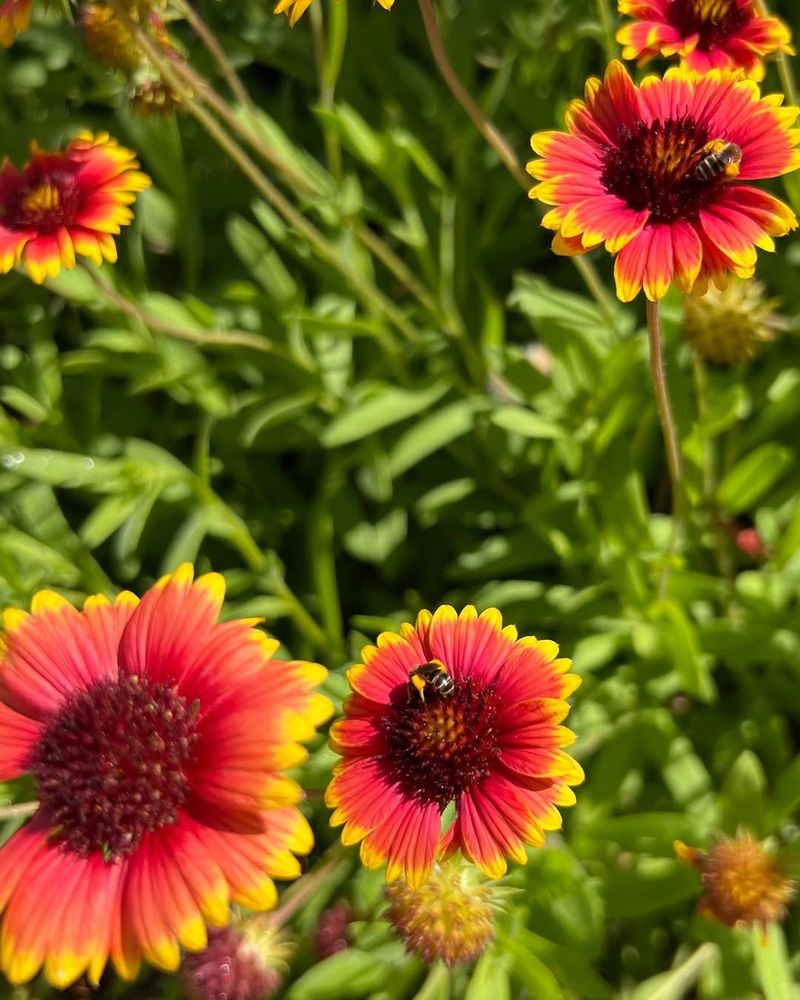
Bright red and yellow blooms keep appearing through the hottest months when most flowers give up and wait for cooler weather. Blanket flower handles North Florida summers like they’re nothing, opening fresh blooms daily even when temperatures climb into the upper nineties and rain becomes a distant memory.
This cheerful perennial evolved in harsh conditions across the American Southwest, so Florida’s challenges feel mild by comparison.
Sandy soil that drains within hours of watering suits blanket flower perfectly. Rich, amended beds actually cause more problems than they solve, encouraging weak growth that flops over.
The plant prefers lean, fast-draining ground where its deep taproot can search for moisture and nutrients. Fertilizer applications remain unnecessary and often counterproductive.
Low water needs mean established plants survive on whatever rain falls naturally. During extended dry periods, they may slow blooming slightly but never look distressed or require emergency watering.
This drought tolerance makes them ideal for areas far from hose connections or for gardeners who travel frequently and can’t maintain watering schedules.
Blooming can extend from late spring through fall, and light deadheading may encourage more flowers. Spent flowers can be left in place to form seeds that attract birds, or removed if a tidier appearance is preferred.
Either way, new blooms keep emerging. The plant reseeds occasionally but never becomes invasive, and volunteer seedlings are easily removed if they appear in unwanted locations.
4. Coreopsis Returns Year After Year With Ease
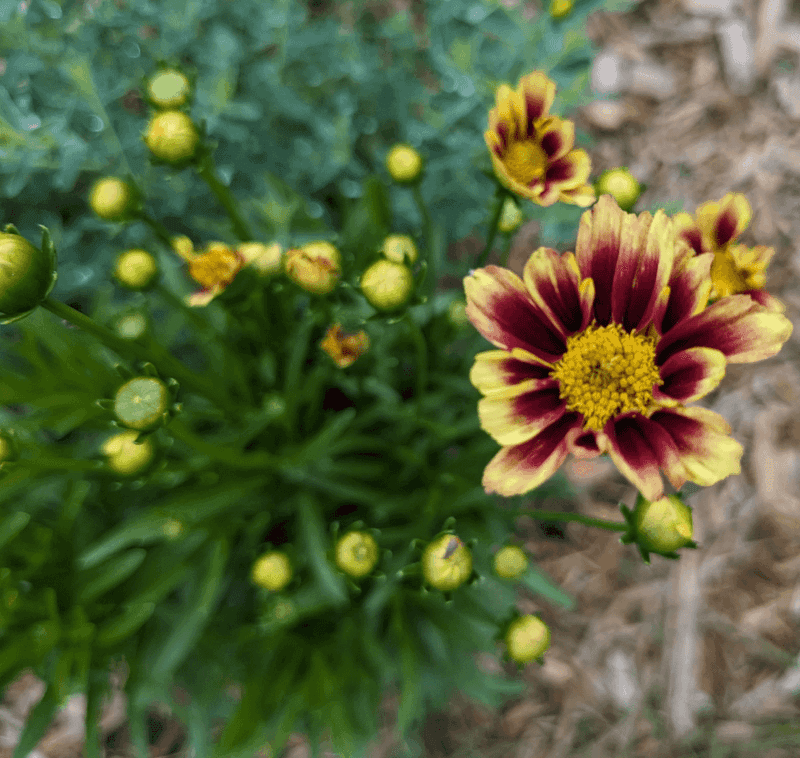
Roadsides across North Florida explode with golden yellow each spring when wild coreopsis blankets open spaces with cheerful blooms. This same easy nature translates perfectly to home gardens, where the plant returns reliably without any effort from gardeners.
Several native species thrive in the region, all sharing remarkable adaptability to various conditions and an almost complete lack of maintenance needs.
Reseeding behavior helps coreopsis fill in gaps and spread gradually through garden beds without becoming problematic. The plants drop seeds that germinate where conditions suit them, creating natural-looking drifts that appear intentional.
Unwanted seedlings pull easily from sandy soil if they pop up in paths or other inappropriate spots. This gentle self-sowing eliminates any need for replanting or filling bare patches.
Drought tolerance develops quickly once roots establish, usually within the first growing season. After that point, supplemental water becomes unnecessary even during dry springs.
The plants simply bloom enthusiastically when rain falls and coast through dry periods without complaint. This resilience makes them perfect for low-maintenance landscapes designed to function with minimal intervention.
Minimal care requirements mean coreopsis can be planted and essentially forgotten. rarely needs fertilizer, regular watering, or pest management once established, and no disease treatments interrupt their steady performance. They bloom in spring, set seed through summer, go dormant in winter, and return each year like clockwork.
This reliability combined with bright color makes them invaluable for gardens designed around native plants and sustainable practices.
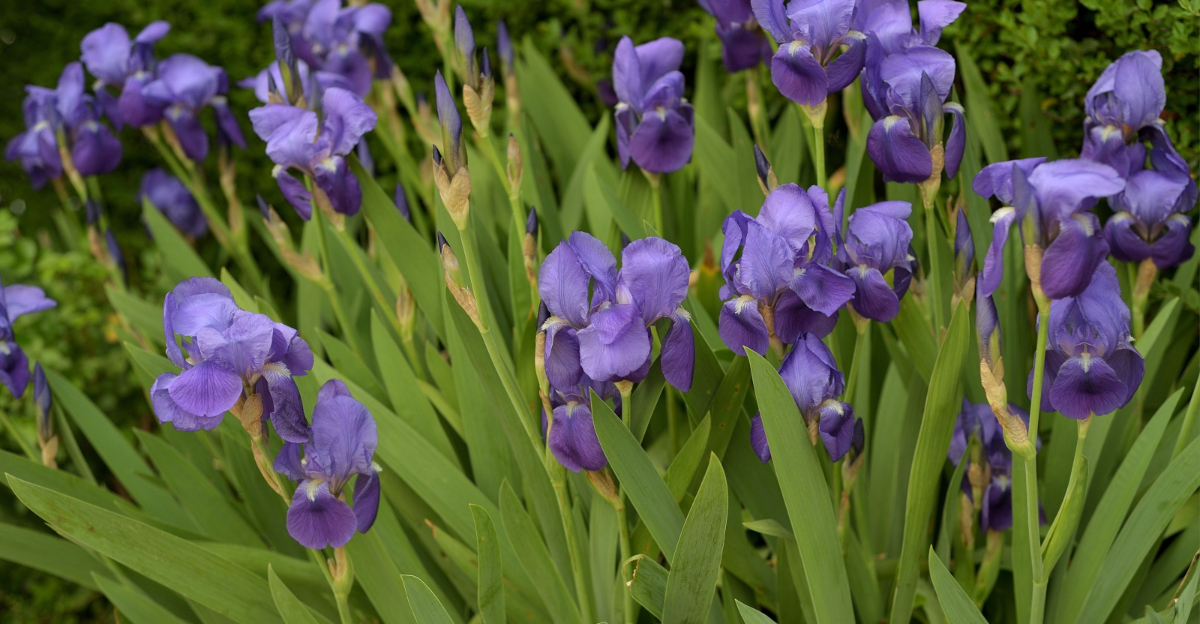
5. Blue Flag Iris Handles Wet And Dry With Ease
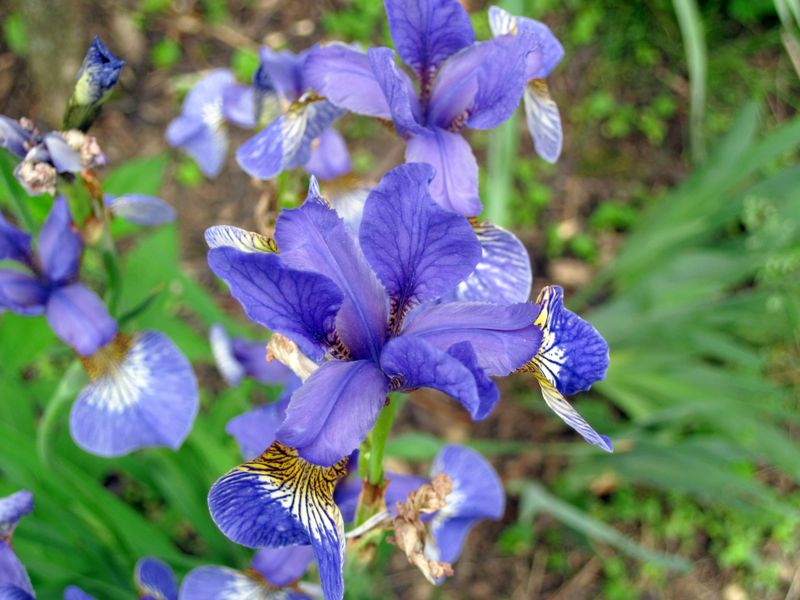
Garden edges that stay soggy after rain yet bake dry during summer droughts frustrate gardeners trying to find plants that handle both extremes. Blue flag iris solves this problem completely, thriving in areas with inconsistent moisture that would stress or eliminate less adaptable species.
This native iris grows naturally in Florida wetlands and along pond margins, but it prefers moist soil and handles short dry periods better than many wetland plants.
Varying moisture levels that would rot some plants and parch others barely affect blue flag iris. The thick rhizomes store water and nutrients, allowing the plant to adjust quickly as soil conditions change from wet to dry and back again.
During rainy seasons, it grows vigorously and blooms heavily. During dry periods, growth may slow and foliage may decline until moisture returns.
Cold resilience matters in North Florida, where winter temperatures occasionally drop into the twenties. Blue flag iris handles these cold snaps without damage, going dormant naturally and returning each spring with fresh sword-shaped leaves.
The plant evolved in regions that experience cold winters, so North Florida’s relatively mild temperatures pose no threat.
Easy establishment happens when rhizomes are planted in spring or fall. They settle in quickly, requiring only occasional watering during the first few months.
After that, the plants fend for themselves regardless of weather conditions. The striking blue-purple flowers appear in spring, adding color to areas that might otherwise look dull.
No fertilizer, no pest control, and no special soil preparation are needed for success.
6. Native Salvia Blooms With Little Effort
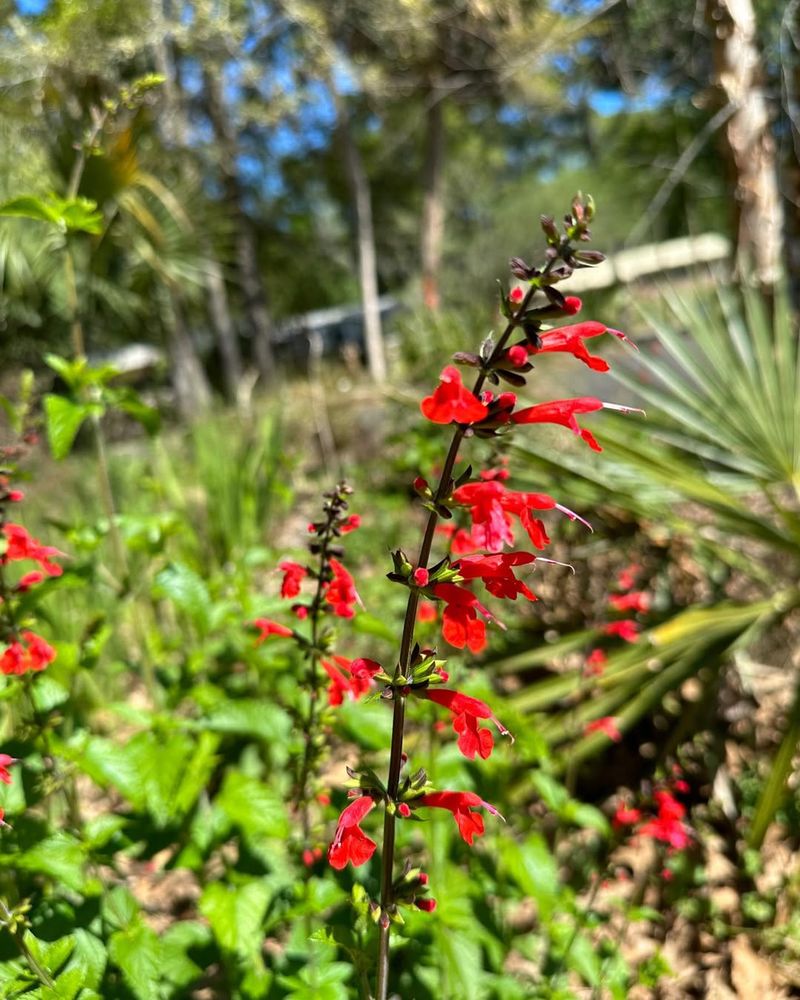
Hummingbirds and butterflies visit gardens that offer reliable nectar sources, and native salvia provides exactly that without requiring gardeners to lift a finger. Several species grow naturally in North Florida, all sharing exceptional heat tolerance and drought resistance that make them perfect for low-maintenance landscapes.
The tubular flowers bloom for months, attracting pollinators throughout warm weather while asking nothing in return.
Heat tolerance becomes especially important during July and August when afternoon temperatures regularly exceed ninety-five degrees. Many flowering perennials shut down completely during these brutal months, but native salvia continues blooming and attracting wildlife.
The plants evolved in hot climates and actually prefer full sun exposure that would scorch less adapted species.
Drought tolerance greatly reduces watering needs once plants establish themselves. Deep roots search for moisture far below the surface, allowing the foliage to remain green and healthy even when rain disappears for weeks.
This self-sufficiency makes native salvia ideal for areas far from water sources or for gardeners who want beautiful landscapes without irrigation systems.
Pollinator value adds ecological benefits to the practical advantages of low maintenance. Native bees, butterflies, and hummingbirds all visit the flowers regularly, supporting local wildlife populations while creating movement and interest in the garden.
This natural activity happens automatically, requiring no effort from gardeners beyond the initial planting. The plants bloom, the pollinators visit, and the cycle continues year after year without intervention or care beyond occasional trimming if desired.
7. Frogfruit Spreads Fast With Almost No Care
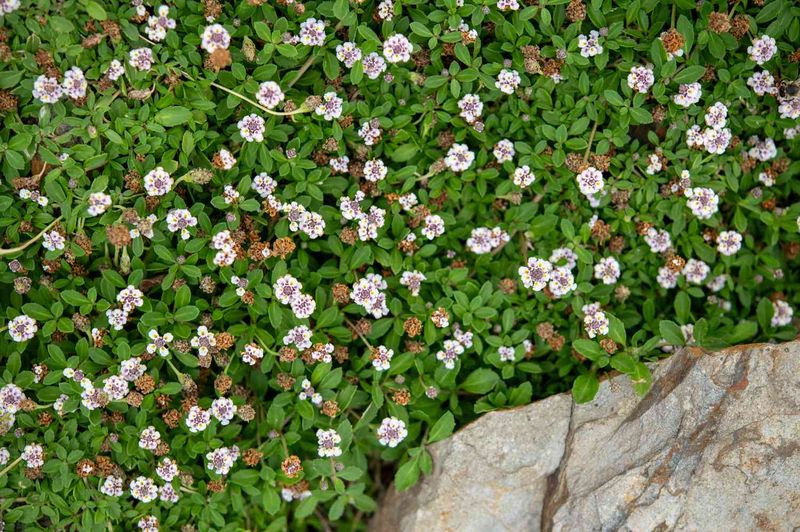
Bare ground under trees where grass refuses to grow becomes a maintenance headache that demands constant attention or simply looks neglected. Frogfruit solves this problem by spreading quickly into a dense mat that covers soil, suppresses weeds, and produces tiny flowers that attract butterflies.
This native groundcover grows naturally throughout Florida, proving its ability to thrive in local conditions without help.
Groundcover behavior means frogfruit fills spaces horizontally rather than growing tall, creating a living carpet that stays low and requires no mowing. The stems root wherever they touch soil, allowing the plant to spread steadily and fill gaps between other perennials or around tree roots.
This growth habit makes it perfect for areas that need coverage but can’t support traditional grass.
Drought tolerance develops quickly as the spreading surface-root system establish themselves across a wide area. Once the mat forms, it shades the soil beneath, reducing moisture loss and creating a self-sustaining system.
Watering becomes unnecessary except during extreme droughts, and even then, the plant simply goes dormant temporarily rather than perishing. When rain returns, new growth appears within days.
Low watering needs combine with resilience in poor soil to create a truly carefree groundcover option. Frogfruit grows in pure sand, heavy clay, and everything in between.
It needs no fertilizer, no pest control, and no disease management. The only maintenance involves trimming edges if the plant spreads beyond desired boundaries, and even this task remains optional in informal garden settings where natural spreading creates a relaxed, naturalistic appearance.
8. Sunshine Mimosa Tough Low Growing Survivor
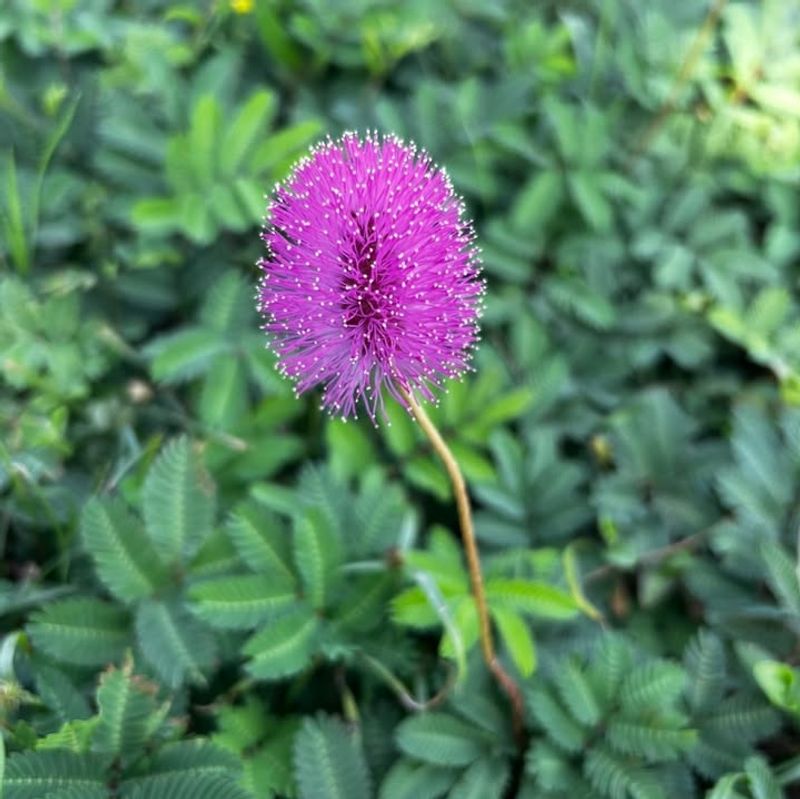
Delicate-looking foliage that resembles tiny fern fronds might suggest a fragile plant that needs constant attention, but sunshine mimosa proves appearances can be deceiving. This low-growing perennial handles abuse that would eliminate most garden plants, bouncing back from drought, heat, foot traffic, and poor soil without missing a beat.
The fernlike leaves fold up when touched or during stress, then reopen when conditions improve, demonstrating the plant’s remarkable adaptability.
Drought tolerance reaches impressive levels once sunshine mimosa establishes itself in the garden. The plant can go weeks without water during dry periods, appearing stressed but typically recovering when moisture returns.
When rain finally arrives, it greens up within hours and resumes normal growth. This resilience eliminates any need for supplemental irrigation after the first few months.
Soil adaptability means sunshine mimosa grows successfully in sandy, rocky, or clay soils without amendments or improvements. It actually prefers lean conditions where other plants struggle, making it perfect for areas with poor native soil.
Fertilizer applications are unnecessary and may encourage excessive growth that flops over.
Recovery after stress happens quickly and completely. Plants that look half-gone after extended drought or cold snaps send up fresh growth as soon as favorable conditions return.
This toughness makes sunshine mimosa ideal for areas that receive irregular care or no care at all. The small pink powder-puff flowers appear sporadically through warm months, adding unexpected charm to a plant that already earns its place through sheer survival ability.
9. Black Eyed Susan Blooms Through Tough Conditions
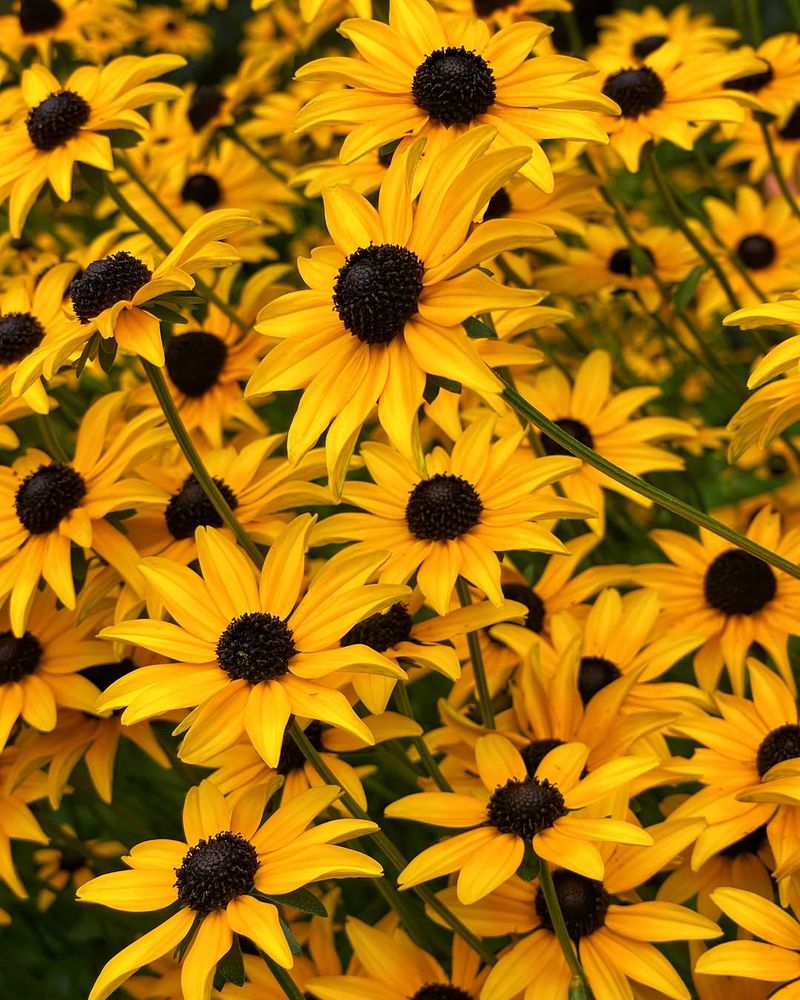
Golden yellow petals surrounding dark chocolate centers create one of the most recognizable flowers in American gardens, and black-eyed Susan earns its popularity through reliable performance in challenging conditions. North Florida gardens that bake in summer sun and occasionally freeze in winter suit this adaptable perennial perfectly.
The bright blooms appear through the hottest months, providing cheerful color when many other plants look tired and stressed.
Cold tolerance allows black-eyed Susan to handle North Florida’s occasional winter freezes without damage. The plant goes dormant naturally as temperatures drop, then returns each spring with vigorous new growth.
This cold hardiness combined with heat resistance creates a perennial that truly performs reliably through seasonal changes in the region.
Heat resistance becomes crucial during summer months when afternoon temperatures regularly exceed ninety degrees. Black-eyed Susan continues blooming enthusiastically through these hot periods, opening fresh flowers daily even when other perennials shut down.
The plants evolved in open prairies where summer heat and drought are normal, so Florida’s conditions feel manageable by comparison.
Low fertility needs mean black-eyed Susan grows successfully in poor sandy soil without amendments or fertilizer. Rich soil actually encourages weak, floppy growth that requires staking.
Lean conditions produce sturdy plants that stand upright and bloom heavily. Easy growth from seed or transplants makes establishment simple, and once planted, the perennials return reliably each year.
No special care, no regular maintenance, and no fussing required—just dependable blooms and tough, carefree performance season after season.
10. Goldenrod Grows Strong In Poor Soil
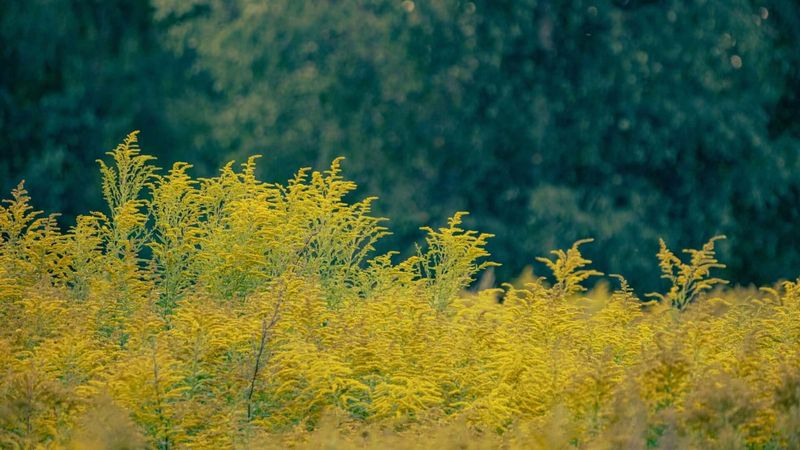
Late summer brings a transformation to wild spaces across North Florida when goldenrod bursts into bloom, painting roadsides and fields with brilliant yellow plumes. This same tough resilience translates perfectly to home gardens, where the plant thrives in conditions that challenge less adapted species.
Despite its reputation for causing allergies—which is actually false, as ragweed blooms at the same time and is the real culprit—goldenrod remains underused in landscapes that could benefit from its carefree nature.
Poor soil that starves other perennials suits goldenrod perfectly. The plant grows naturally in sandy, rocky, and nutrient-poor ground throughout its native range.
No soil amendments, no fertilizer applications, and no special preparation are needed. Simply plant it and walk away.
The deep roots search for whatever nutrients exist, and the plant flourishes where others would struggle.
Drought tolerance develops quickly as roots establish themselves during the first growing season. After that, supplemental watering is rarely needed once established.
The plant survives extended dry periods without wilting or showing stress, then blooms enthusiastically when rain returns. This resilience makes goldenrod ideal for low-maintenance landscapes designed to function without irrigation.
Pollinator support adds ecological value to goldenrod’s practical benefits. Late-season butterflies, native bees, and other beneficial insects visit the flowers in large numbers, gathering nectar and pollen when few other sources remain available.
This wildlife activity happens automatically, creating a living garden that supports local ecosystems while requiring almost no maintenance from gardeners.
11. Society Garlic Tough Blooming And Carefree
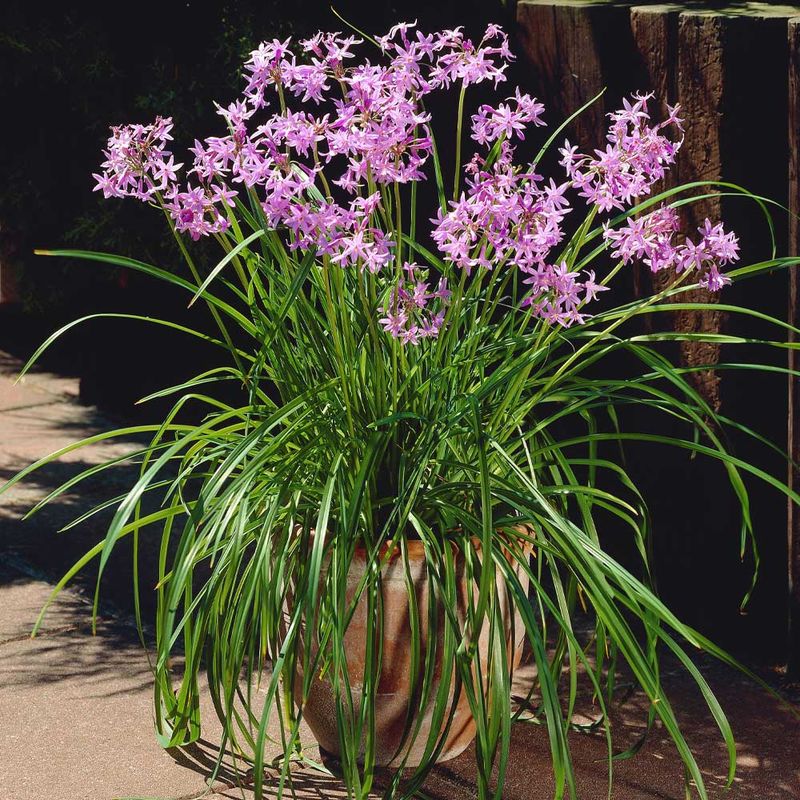
Grasslike foliage that releases a mild garlic scent when brushed might seem like an odd choice for ornamental gardens, but society garlic proves its worth through months of lavender-pink blooms and very tough and resilient nature. This South African native grows well across much of North Florida gardens, thriving in conditions that range from ideal to neglectful without showing any difference in performance.
The clumps expand slowly over years, never becoming invasive but steadily filling assigned spaces with reliable color.
Heat tolerance reaches impressive levels with society garlic, which continues blooming through the hottest summer months without pause. Full sun exposure that would scorch tender perennials barely registers with this tough plant.
The flowers keep appearing on tall stalks above the foliage, creating waves of color that last from spring through fall.
Drought resistance eliminates watering concerns once plants establish themselves. Society garlic survives on whatever rain falls naturally, asking for nothing more.
During extended dry periods, the foliage may look slightly less vibrant, but the plants never appear distressed or in danger. When moisture returns, they green up quickly and resume normal growth.
Pest resistance adds another layer of convenience to an already carefree plant. The garlic scent in the foliage deters many insects and browsing animals, eliminating pest problems that plague other perennials.
No spraying, no treatments, and no damage to worry about. Minimal care requirements mean society garlic can be planted in spring, watered occasionally through the first summer, then completely ignored thereafter while still providing years of reliable blooms and attractive foliage.