10 Low-Maintenance Perennials That Thrive On Neglect In South Florida
South Florida yards can look lush one week and worn out the next. Heat builds fast, rain can vanish for days, and many plants simply give up under the pressure.
Yet some perennials seem to laugh at all of it. They handle blazing sun, sandy soil, and long dry stretches without constant care, extra water, or perfect timing.
That kind of toughness changes how a garden feels. Less stress, fewer chores, and more color that sticks around through the toughest months.
In a place where high maintenance plants often disappoint, choosing resilient perennials makes all the difference. The right picks settle in, bounce back after rough weather, and keep the yard alive with minimal effort.
South Florida does not reward fussiness, but it does reward smart plant choices that know how to handle the climate on their own.
1. Blanket Flower Thrives In Heat And Poor Soil
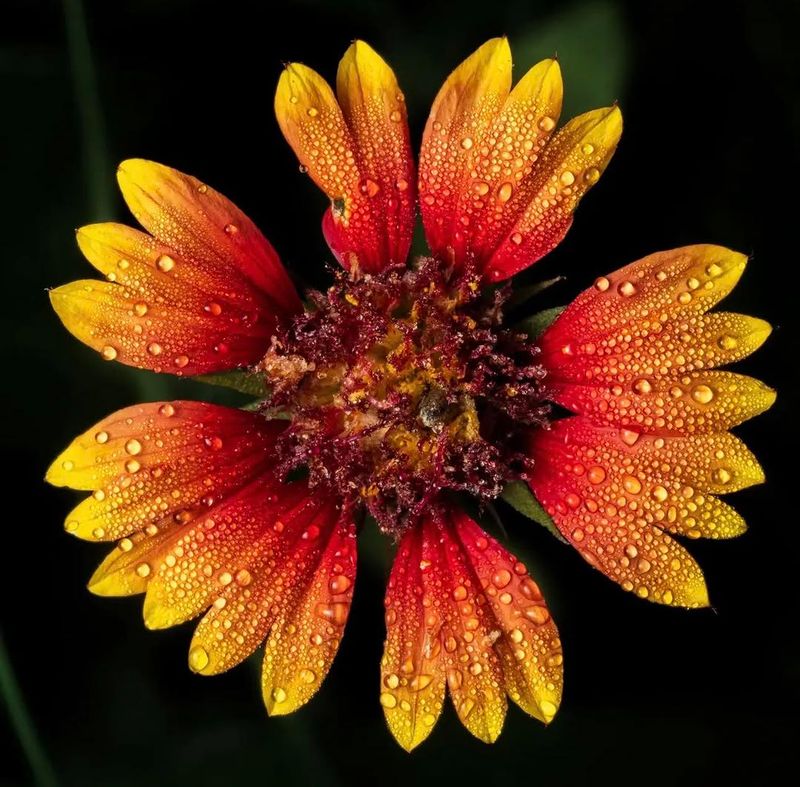
Walk along any sunny, sandy stretch of Florida’s coastline or roadside, and you will likely spot the bold, fiery blooms of Gaillardia pulchella nodding in the breeze. This native wildflower has been painting Florida landscapes long before anyone thought to plant it on purpose.
The red, orange, and yellow petals look almost hand-painted, and they keep coming back from late spring all the way through fall without any encouragement.
What makes blanket flower such a reliable choice for South Florida gardens is its complete comfort in poor, sandy soil. It does not need rich compost or regular fertilizing to perform well.
In fact, overly rich soil tends to make the plants floppy and short-lived. Lean soil, full sun, and occasional rain are genuinely all it needs.
Drought tolerance is another reason Florida-Friendly Landscaping programs frequently recommend this plant. Once established, it handles dry spells with ease.
It also reseeds itself modestly, meaning new plants tend to appear nearby the following season without any effort on your part. Spacing plants about 12 inches apart gives them room to spread naturally.
Deadheading spent blooms can extend flowering, but skipping that step entirely still results in a colorful, rewarding display.
2. Golden Creeper Spreads Fast With Almost No Care
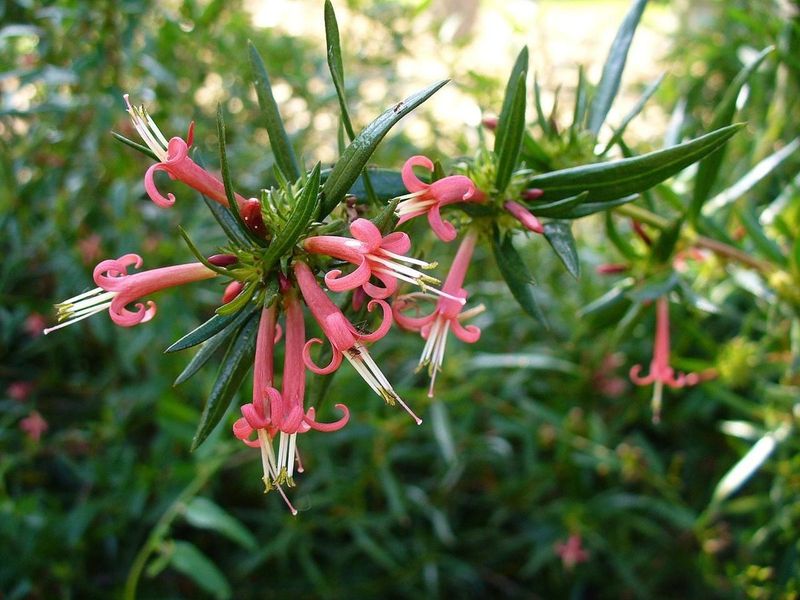
Not many plants can claim the title of true South Florida coastal native, but Ernodea littoralis earns it honestly. Golden creeper is a low-growing, sprawling shrub that hugs the ground and spreads outward steadily, filling in bare sandy spots that most other plants would refuse to touch.
It is often overlooked at nurseries, which is a shame, because few groundcovers perform this reliably in tough coastal conditions.
Salt spray, sandy soil, and intense sun do not slow this plant down at all. Coastal homeowners dealing with salt-heavy air near the ocean will find golden creeper handles those conditions without complaint.
It stays low, rarely exceeding a foot in height, and its spreading habit makes it genuinely useful for stabilizing sandy areas and reducing erosion along slopes or open ground.
The small berries it produces are a real bonus, attracting birds and other wildlife throughout the year. University of Florida IFAS Extension recognizes its value in Florida-Friendly Landscaping as a low-maintenance native option.
It is not considered invasive and spreads at a manageable pace. Watering needs drop significantly once it is established, and it rarely requires pruning.
For a no-fuss groundcover that gives back to local wildlife, golden creeper is hard to beat.
3. Pentas Keeps Color Going In Full Sun
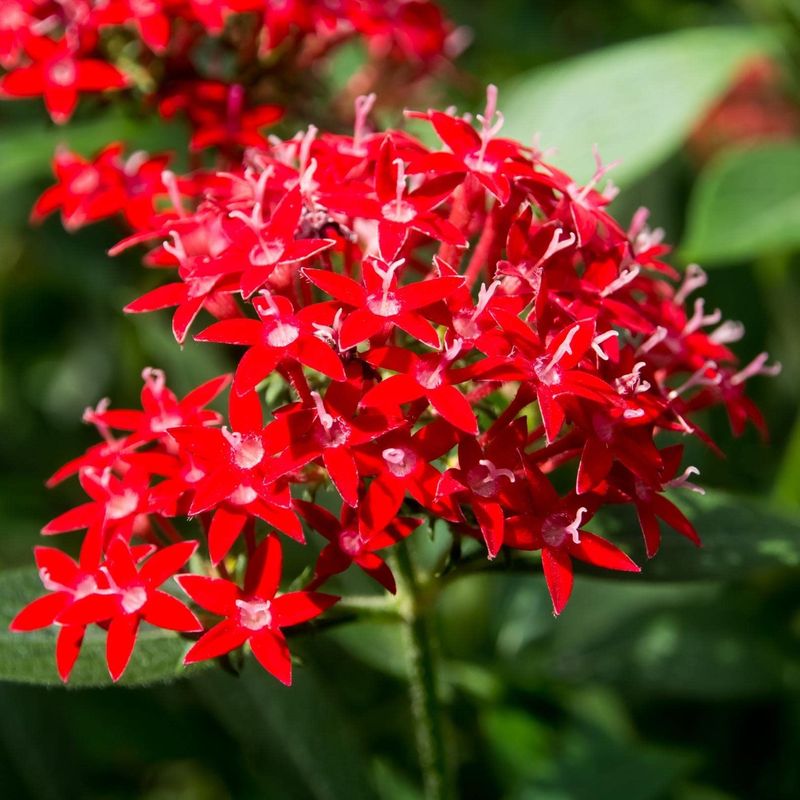
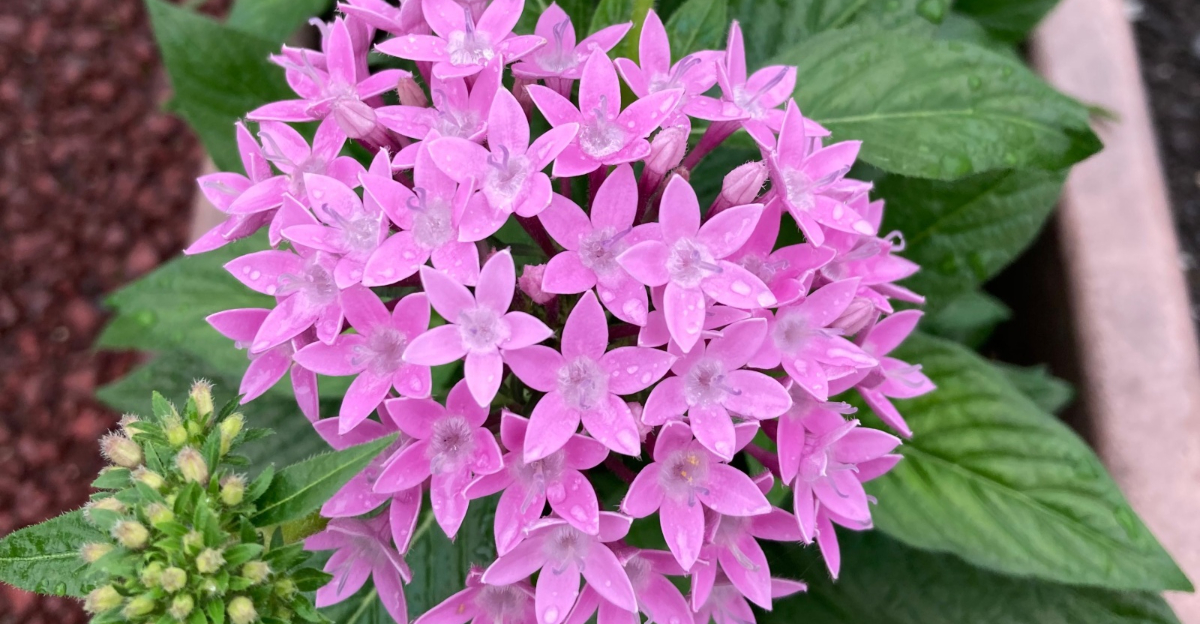
Few plants in South Florida earn their spot in the garden quite as consistently as pentas. Butterflies absolutely love it, and on a warm afternoon you might count a dozen different species hovering over a single planting.
That alone is reason enough to grow it, but the near-constant bloom cycle from spring through fall makes it even more appealing for anyone who wants a colorful yard without a complicated maintenance routine.
Pentas lanceolata handles South Florida’s intense summer heat better than most flowering plants. Where other annuals fizzle out by July, pentas just keeps going.
It comes in red, pink, white, and lavender, so there is flexibility in how you use it, whether as a border plant, a container specimen, or a mass planting beneath a sunny window. Full sun brings out the best bloom production, though it tolerates partial shade reasonably well.
Watering needs are moderate once established, and the plant responds well to occasional light trimming to encourage fresh growth and more flowers. It is not fussy about soil as long as drainage is decent, which is rarely a problem in South Florida’s sandy conditions.
For pollinator gardens especially, pentas is one of the most reliable and rewarding choices available to local gardeners.
4. Society Garlic Handles Drought With Ease
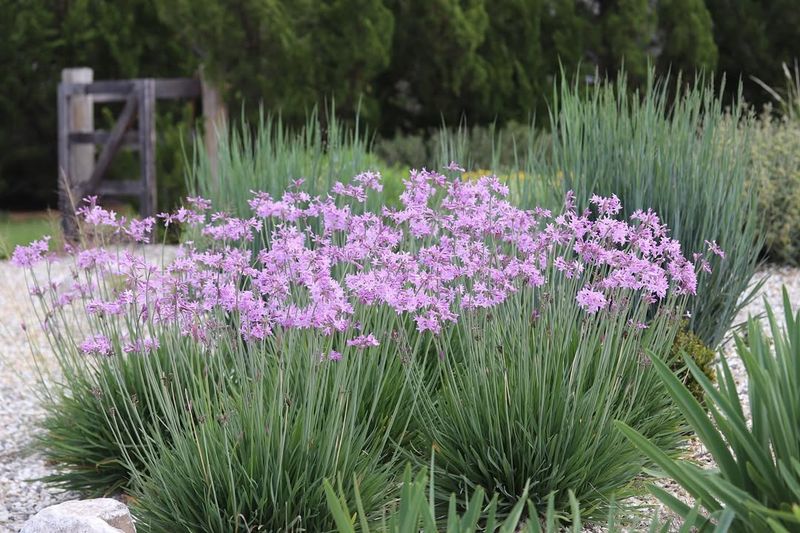
There is something refreshingly honest about a plant that tells you upfront it smells like garlic and still manages to look elegant doing it. Society garlic has that rare combination of toughness and quiet beauty that makes it a favorite among South Florida gardeners who want reliable color without constant watering.
The soft purple flower clusters rise above grassy, blue-green foliage and bloom almost continuously throughout the warm months.
Tulbaghia violacea originates from South Africa, which explains a lot about its attitude toward drought and heat. It is accustomed to dry summers and warm winters, making South Florida’s climate feel like home.
Once established in a garden bed or border, it can go weeks without supplemental irrigation and still look presentable. Sandy, well-drained soil suits it perfectly, and it has no interest in heavy clay or waterlogged ground.
Pest resistance is another practical advantage. The mild garlic scent that comes from the foliage when brushed or crushed appears to deter deer and many common garden pests.
It grows in clumps that slowly expand over time, making division every few years a simple way to multiply your planting. Low borders, rock gardens, and sunny foundation plantings are all excellent spots for this unfussy, long-blooming perennial in South Florida landscapes.
5. Coreopsis Blooms Freely In Sandy Soil
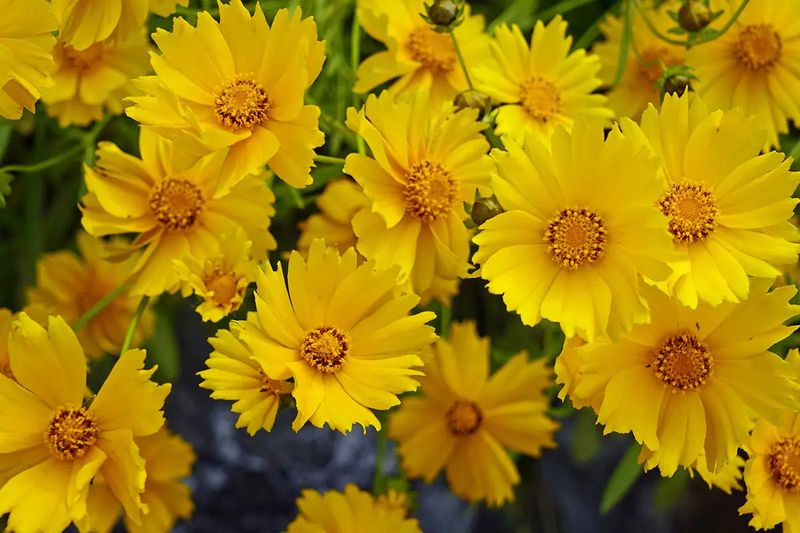
Florida actually named Coreopsis its official state wildflower, and once you see a field of these cheerful yellow blooms swaying in a warm breeze, it is easy to understand why. Coreopsis leavenworthii, the Florida tickseed, is a native species that has been brightening roadsides, meadows, and home gardens across the state for generations.
It asks for very little and gives back an enormous amount of color.
Sandy soil is where this plant truly shines. It does not need amended beds or rich organic matter to bloom freely.
Full sun is the main requirement, and South Florida has plenty of that to offer. During the warm season, clusters of small, bright yellow flowers appear on slender stems, creating a wildflower effect that feels natural and effortless rather than manicured.
One of the most appreciated traits of Florida tickseed is its reseeding habit. Plants scatter seeds at the end of the bloom cycle, and new seedlings emerge the following season with no help from the gardener.
Over time, a small planting can expand into a generous drift of color. It is also a valuable nectar source for native bees and butterflies.
Mowing or cutting back after the main bloom helps keep plants tidy while encouraging fresh growth and another round of flowers.
6. Salvia Powers Through Heat And Humidity
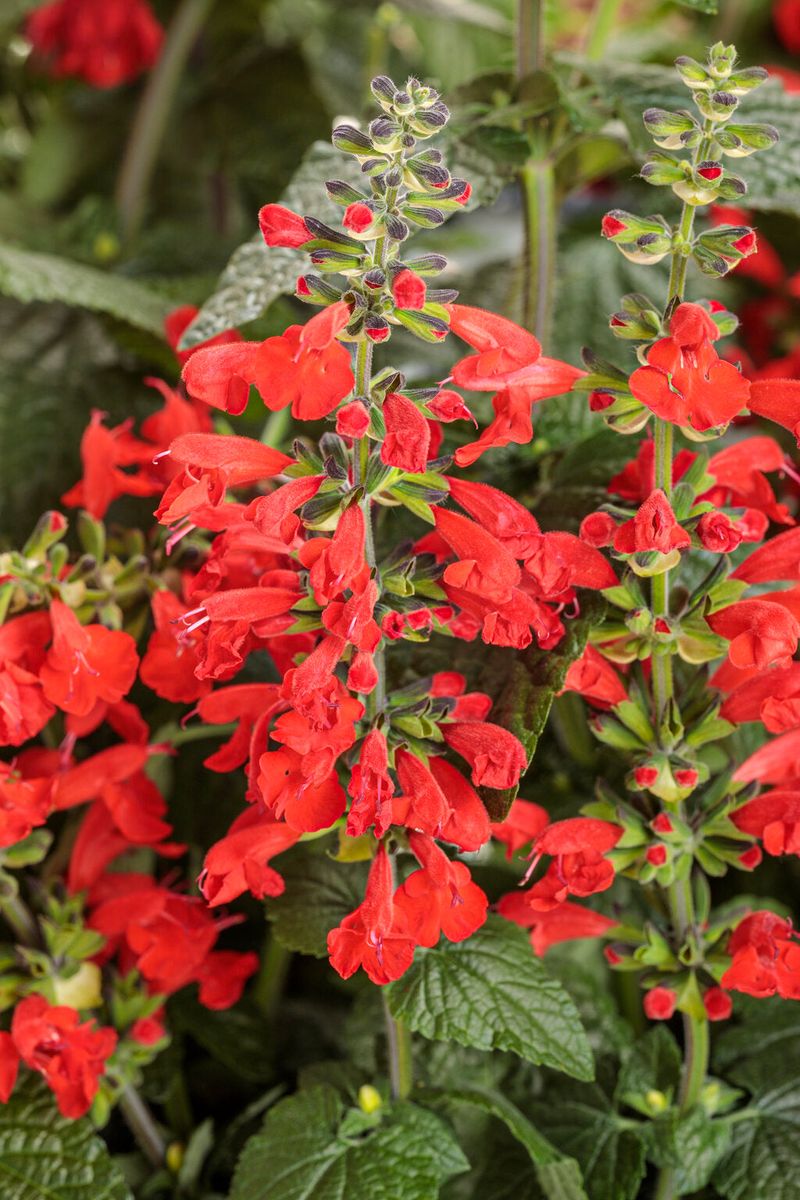
When summer humidity in South Florida reaches the kind of levels that make even experienced gardeners want to stay indoors, salvia is out in the garden doing just fine. Heat-tolerant salvia species like Salvia coccinea, commonly called tropical sage, are genuinely suited to Florida conditions and bloom reliably through the hottest and most humid months of the year.
That kind of resilience is hard to find in a flowering perennial.
Hummingbirds and butterflies are drawn to salvia blooms with impressive consistency, making it a go-to plant for anyone building a pollinator-friendly garden. Red-flowered varieties of Salvia coccinea tend to be especially attractive to hummingbirds, while white and pink forms draw a wide range of butterflies and native bees.
Planting a mix of colors creates a lively, wildlife-rich corner of the garden with minimal effort.
Salvia farinacea and Salvia splendens also perform well in South Florida, offering blue and scarlet blooms respectively through long growing seasons. All three species prefer full sun and well-drained soil, which aligns naturally with the sandy conditions common across the region.
Occasional deadheading encourages continued flowering, but plants will keep blooming even if you skip it. Light trimming after heavy bloom periods helps maintain a compact, attractive shape throughout the season.
7. Beach Sunflower Covers Ground Fast In Tough Conditions
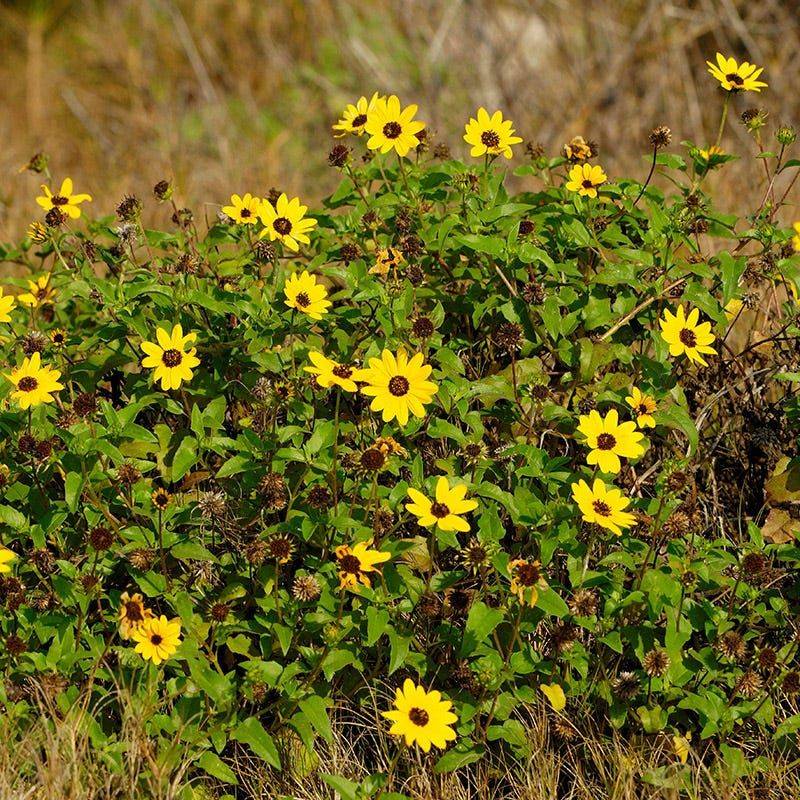
Sandy, salty, dry, and scorching hot, those are the exact conditions that beach sunflower was built for. Helianthus debilis is a Florida native that grows along dunes, roadsides, and open coastal areas, producing cheerful yellow flowers with dark centers almost year-round.
It spreads quickly and enthusiastically, making it one of the most effective groundcover options for large, sunny areas that need coverage without constant care.
The spreading habit is worth understanding before you plant it. Beach sunflower can reach four to six feet wide from a single plant, sending out stems that root where they touch the ground.
That behavior makes it excellent for erosion control along slopes, sandy banks, or open areas near the coast. Salt spray tolerance is strong, which is a significant advantage for properties near the ocean or bay where many plants simply struggle to survive.
Butterflies are frequent visitors to the blooms, adding wildlife value to its already impressive list of practical benefits. Water needs drop considerably once plants are established, and they handle periods of drought without much visible stress.
Cutting plants back occasionally keeps them from becoming too sprawling, but they do not require it to stay healthy. For covering ground fast in a tough Florida environment, beach sunflower is one of the most reliable native options available.
8. Firebush Grows Fast And Blooms Without Fuss
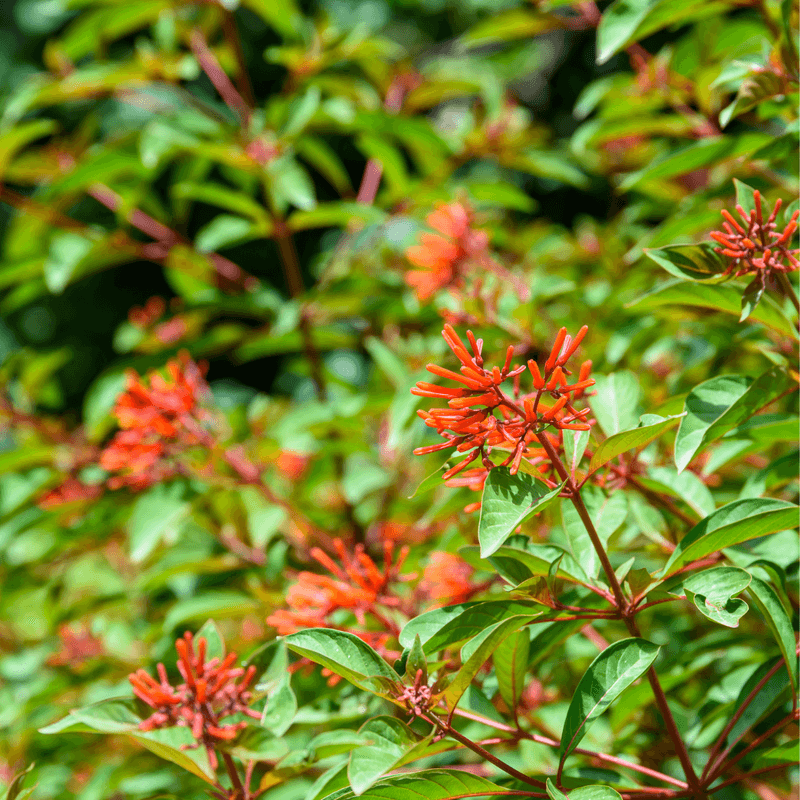
Hummingbirds find firebush almost impossible to resist, and once you have a mature plant in your yard, you will likely see them hovering around it on a regular basis. Hamelia patens is a Florida native shrub-like perennial that grows quickly, blooms prolifically, and handles South Florida’s heat and humidity without any visible distress.
The tubular orange-red flowers appear in clusters throughout the warm season, and the show rarely stops until temperatures drop in winter.
Growth rate is one of the things that makes firebush so satisfying to plant. It can reach six to ten feet tall under good conditions, though regular trimming keeps it at a more manageable size for smaller garden spaces.
Full sun brings out the strongest bloom production, but it tolerates partial shade reasonably well without losing much of its flowering energy. Sandy, well-drained soil suits it naturally.
Beyond hummingbirds, firebush also attracts butterflies and produces small dark berries that birds enjoy. University of Florida IFAS Extension lists it as a recommended Florida-Friendly plant for its native status and low maintenance requirements.
Established plants handle drought periods well and rarely need supplemental fertilizing to stay vigorous. Pruning a couple of times per year keeps the shape tidy, but even without regular trimming, firebush remains an attractive and productive presence in the landscape.
9. Blue Porterweed Keeps Pollinators Coming All Season
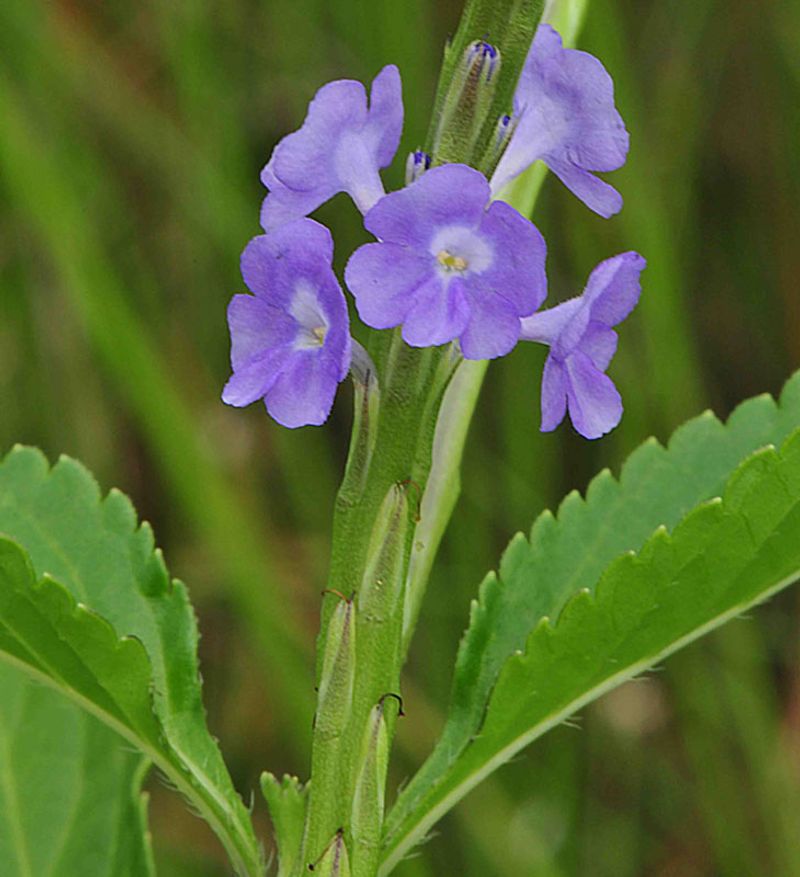
Spend a few minutes near blue porterweed on a warm South Florida afternoon, and the steady stream of butterflies tells you everything you need to know about its value. This plant earns its place in the garden quickly, not just for its color, but for how consistently it supports pollinators when many other flowers fade in the heat.
Stachytarpheta species thrive in the exact conditions that challenge most flowering plants across South Florida. Heat, humidity, sandy soil, and uneven rainfall do not slow it down.
Once established, it keeps pushing out slender spikes lined with small blue to violet flowers that open in succession, giving the plant a long, reliable bloom period.
Full sun brings the best performance, though it tolerates light shade without much drop in flowering. Soil quality is not a major concern as long as drainage is decent, which makes it a natural fit for typical South Florida yards.
Watering needs decrease significantly after establishment, and the plant continues to look lively even through short dry stretches.
Growth can be fast, especially during the warm season, but that is easy to manage with occasional trimming. Cutting it back lightly helps keep a fuller shape and encourages fresh flowering spikes.
Even without regular pruning, it remains a tough, forgiving addition to the landscape.
For gardeners who want constant movement, color, and wildlife activity without extra work, blue porterweed delivers exactly that in South Florida conditions.
10. Perennial Peanut Forms A Tough, Flowering Groundcover
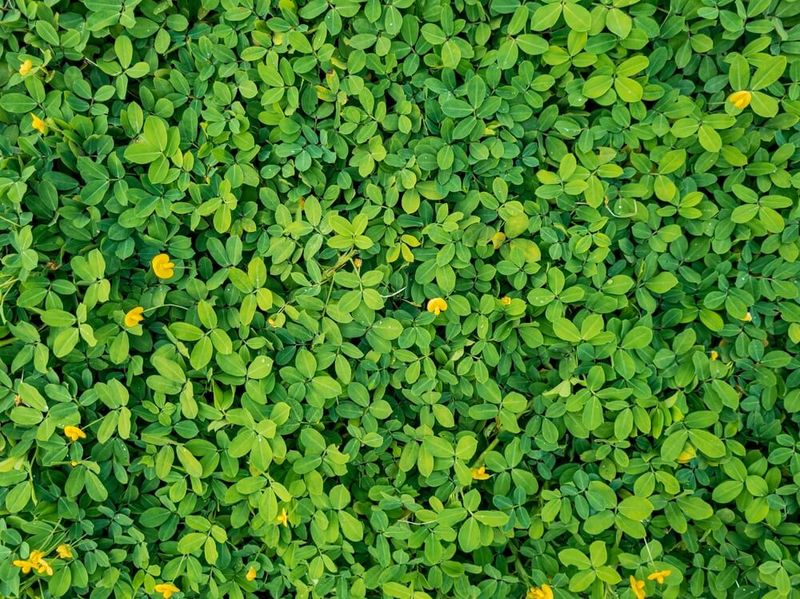
Replacing a struggling lawn with something that actually thrives in South Florida’s heat and sandy soil sounds like a fantasy, but perennial peanut makes it a realistic option. Arachis glabrata forms a dense, low mat of fine-textured foliage that stays green through dry spells and produces small, cheerful yellow flowers throughout the warm season.
It looks polished and intentional without requiring the maintenance that traditional turf demands.
One of the most practical benefits of perennial peanut is its nitrogen-fixing ability. Like other legumes, it hosts bacteria in its root system that convert atmospheric nitrogen into a form plants can use, naturally enriching the soil over time.
That means less fertilizer input and healthier soil biology without any extra effort. It is a quiet but meaningful benefit that compounds over the years as the groundcover matures.
Mowing needs are minimal compared to grass lawns. Most gardeners mow perennial peanut just a few times per year, which saves time, fuel, and equipment wear significantly.
It handles drought well once established, tolerates full sun with ease, and spreads steadily through underground rhizomes to fill in open areas. University of Florida IFAS Extension recommends it as a turf alternative for Florida landscapes, particularly in areas where growing traditional grass has proven difficult or resource-intensive.