8 Low-Water Flowers Perfect For Texas Front Yards
In Texas, a beautiful front yard does not have to mean sky high water bills or constant upkeep. With long stretches of heat and frequent dry spells, it makes sense to choose flowers that can handle tough conditions without begging for daily attention.
The right low water blooms can still deliver bold color, soft texture, and serious curb appeal.
Many of these flowers are built for sunny days and warm soil. Once they settle in, they thrive with minimal watering and bounce back quickly after dry periods.
That means less time dragging hoses across the yard and more time enjoying a front porch that actually feels inviting.
Choosing drought tolerant flowers is not just practical. It also creates a landscape that feels natural and perfectly suited to the Texas climate.
With smart plant choices, your front yard can stay vibrant and welcoming, even when the temperatures climb and the rain decides to take a break.
1. Texas Lantana (Lantana Urticoides)
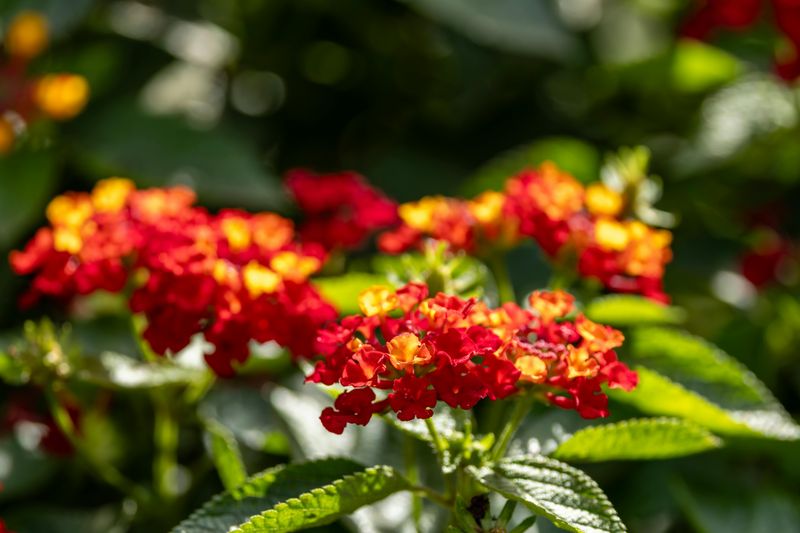
Few plants wear the Texas heat like a badge of honor quite the way Texas Lantana does. Native to the Lone Star State, this tough little shrub has been brightening front yards and roadsides across Texas for centuries.
Its clusters of tiny orange, red, and yellow flowers pop against the summer heat like confetti that never fades.
Lantana urticoides blooms from spring all the way through fall, which means your front yard stays colorful for months without much effort from you. It loves full sun and actually performs better the hotter it gets.
If you have a spot in your yard that bakes all afternoon, this plant will thrive right there while others struggle.
Watering needs are minimal once it gets established. You might water it weekly during its first season, but after that, rainfall alone is usually enough to keep it going. Gardeners across Texas love it because it practically takes care of itself.
Butterflies absolutely flock to Lantana blooms. If you enjoy watching pollinators visit your yard, planting this native beauty will turn your front yard into a butterfly hangout.
It pairs beautifully with other native Texas plants and works well along borders, in garden beds, or cascading over rock walls. For a low-effort, high-reward flower, Texas Lantana is hard to beat.
2. Blackfoot Daisy (Melampodium Leucanthum)
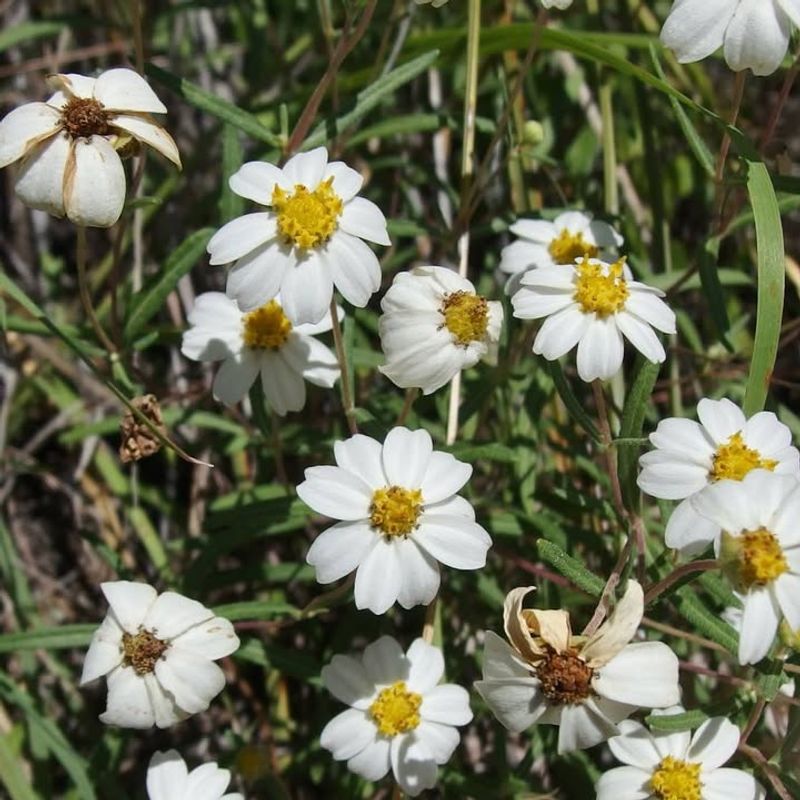
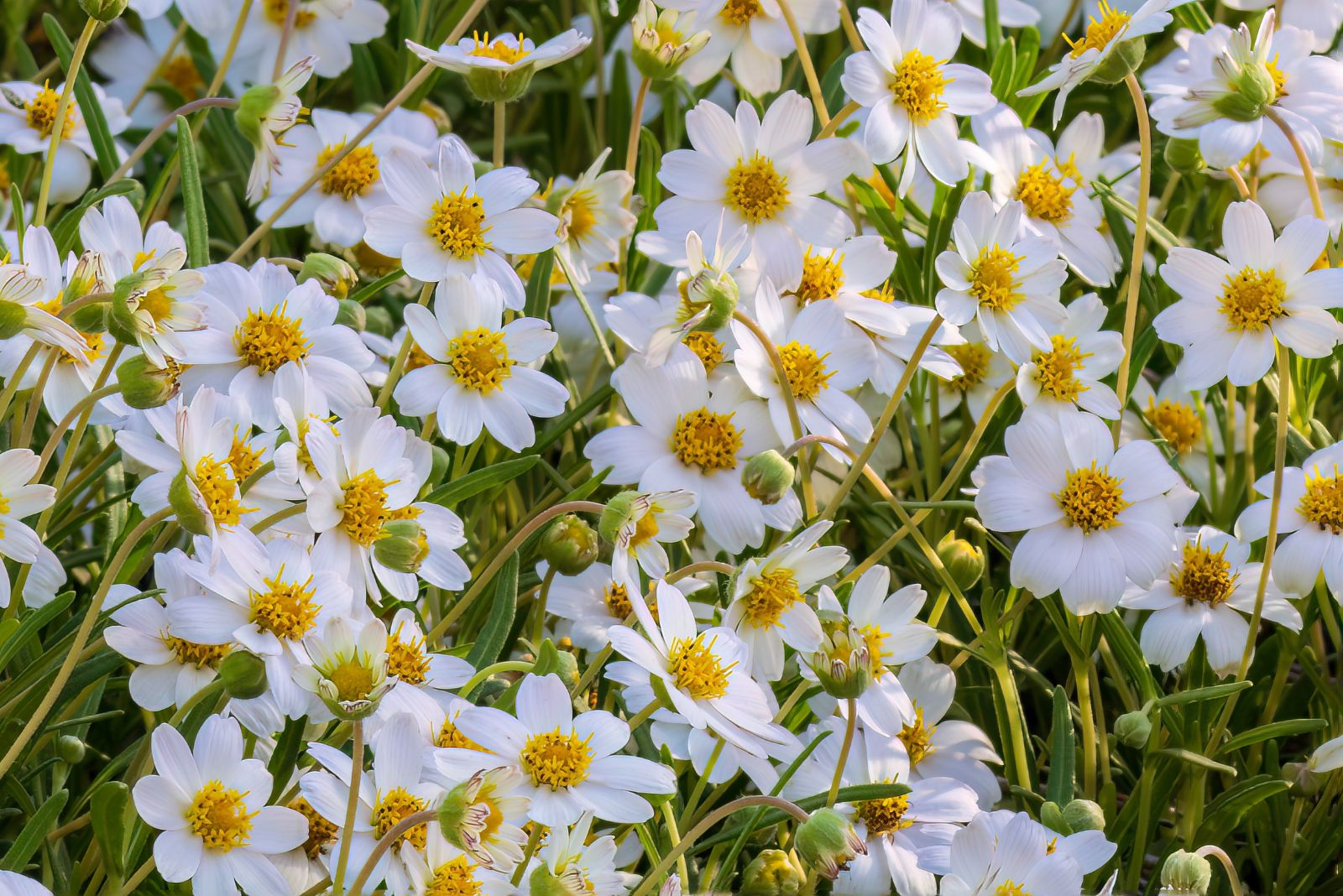
Cheerful, compact, and nearly indestructible, the Blackfoot Daisy is one of Central and West Texas’s most beloved wildflowers. Its bright white petals and sunny yellow centers look like something you would find on a greeting card, but this little plant is anything but delicate.
It grows naturally in rocky, limestone-rich soils and actually prefers conditions that would stress out most other flowers.
One of the best things about Blackfoot Daisy is that it blooms almost nonstop through the heat of summer. While other plants in your Texas front yard might pause blooming during the hottest weeks, this daisy keeps right on going.
It thrives in full sun and handles dry spells with ease, making it a fantastic choice for water-conscious gardeners.
Maintenance is refreshingly low. You do not need to fertilize it heavily or fuss over it much at all.
In fact, rich soil and too much water can actually cause it to get leggy and bloom less. Lean, well-drained soil is exactly what it wants.
Did you know the name comes from the tiny black base at the bottom of each flower? That small dark spot gives it its charming nickname.
Plant it along walkways, in rock gardens, or along the front edge of a garden bed. In Texas landscapes, it adds a wildflower feel that looks effortlessly natural and beautiful.
3. Autumn Sage (Salvia Greggii)
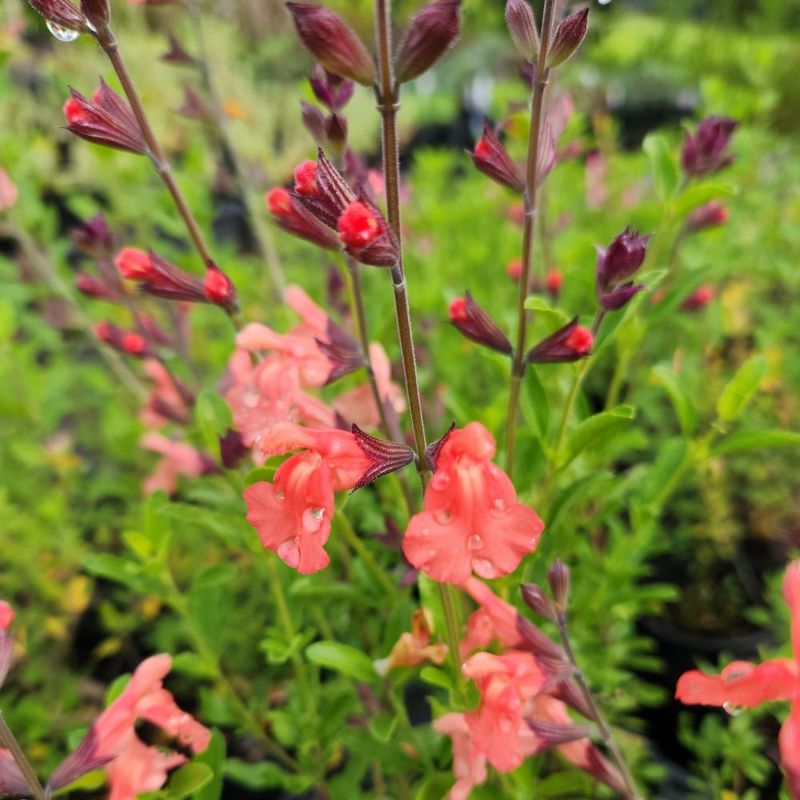
Walk past a blooming Autumn Sage on a warm Texas afternoon and you might just spot a hummingbird darting between its bright red flowers.
Salvia greggii is native to Central and Southwest Texas, and it has earned a well-deserved reputation as one of the most reliable flowering shrubs in the state.
Hummingbirds cannot resist its tubular blooms, and neither can most gardeners once they see it in action.
What makes Autumn Sage so special is its incredibly long bloom season. It starts flowering in spring and often keeps going until the first frost arrives.
Even during the driest stretches of a Texas summer, this plant holds its own. It handles drought beautifully, pulling through dry spells without dropping its blooms or losing its shape.
Colors range from classic red to pink, coral, and even white, depending on the variety you choose. That gives you plenty of options to match your home’s exterior or coordinate with other plants in your front yard.
It grows into a tidy, rounded shrub that looks great without much pruning. Planting Autumn Sage in well-drained soil and a sunny spot will set it up for long-term success. Once established, it needs very little supplemental watering.
For Texas gardeners who want a plant that works hard, blooms long, and brings wildlife to the yard, Autumn Sage is a standout choice worth every bit of space you give it.
4. Mealy Blue Sage (Salvia Farinacea)
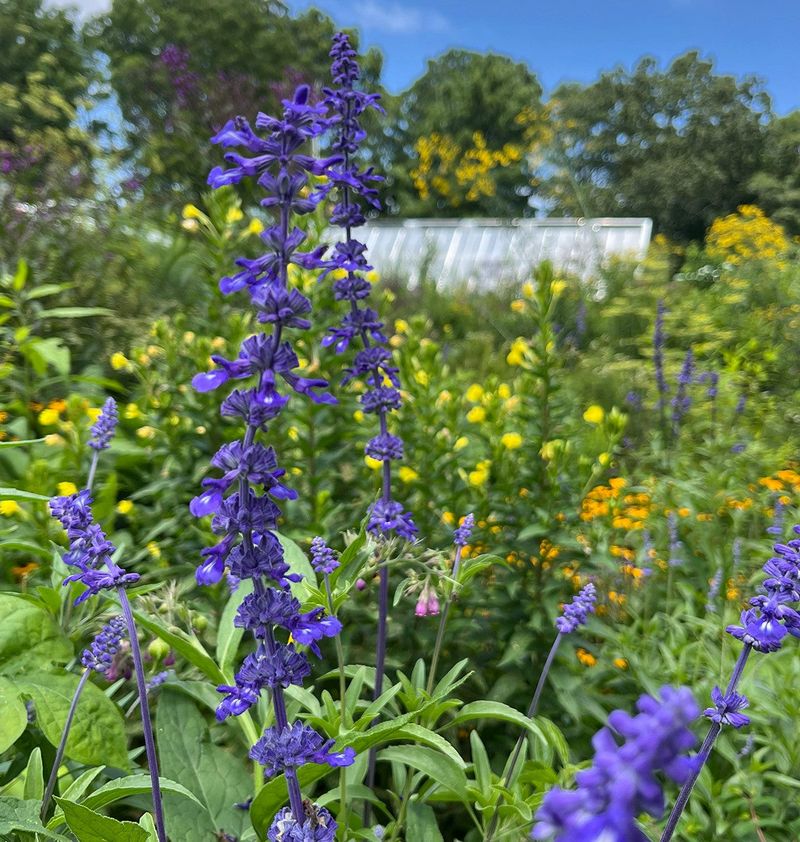
There is something almost magical about the deep blue flower spikes of Mealy Blue Sage rising up above a summer garden. In a sea of reds, yellows, and pinks, that rich blue color stands out in the most beautiful way.
Native to Texas, Salvia farinacea is a tough and dependable perennial that earns its place in front yards all across the state.
Unlike some plants that struggle when both heat and humidity hit at the same time, Mealy Blue Sage handles the combination with impressive ease.
That is great news for gardeners in Houston and East Texas, where humid summers can be just as challenging as the dry heat felt in West Texas. This plant adapts well to a range of Texas conditions and keeps blooming through it all.
It works as a reliable perennial in many parts of Texas, meaning it comes back year after year without needing to be replanted.
Pair it with yellow or orange blooms for a striking color contrast that makes your front yard pop. It also looks stunning planted in masses along a walkway or driveway border.
Pollinators love it too. Bees and butterflies visit the flower spikes regularly, adding life and movement to your landscape.
Mealy Blue Sage does best in full sun with well-drained soil and needs only occasional watering once it settles in. For gardeners who want bold color with minimal fuss, this native Texas beauty delivers every single season.
5. Indian Blanket (Gaillardia Pulchella)
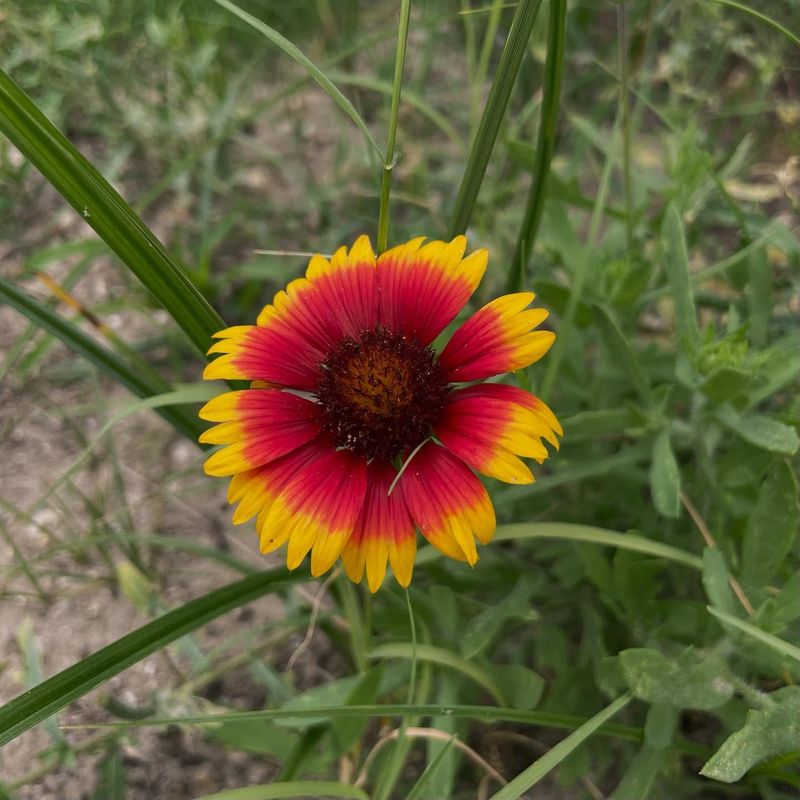
Bold, bright, and wildly cheerful, Indian Blanket is the kind of flower that stops people in their tracks.
Those vivid red and yellow petals look like something painted by hand, which is probably why Gaillardia pulchella was named the official state wildflower of Oklahoma and is deeply beloved across Texas too.
You can spot it growing along Texas roadsides and open fields statewide, thriving in conditions where most flowers would simply give up.
Drought tolerance is one of its greatest strengths. Indian Blanket actually prefers poor, sandy, or rocky soils and does not need much in the way of nutrients or water to produce its stunning blooms.
Rich soil and heavy watering can sometimes do more harm than good by encouraging leafy growth over flowers. Less really is more with this plant.
It blooms from late spring through summer and self-seeds readily, meaning it can naturalize in your front yard and come back on its own year after year. That makes it a fantastic low-maintenance option for Texas homeowners who want color without constant replanting.
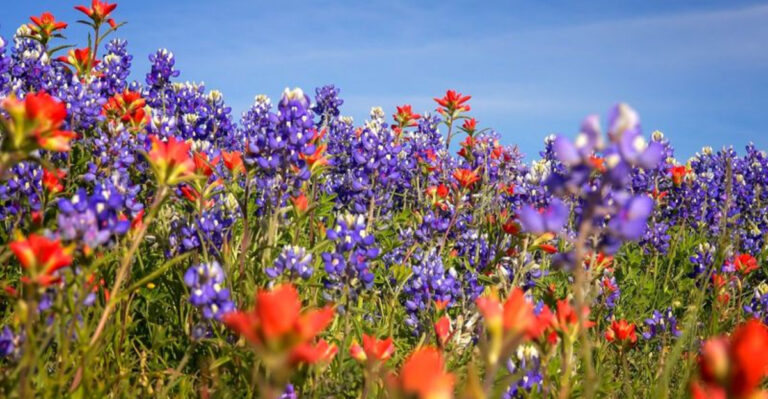
Scatter seeds in a sunny, open area of your front yard and let nature do the rest. Indian Blanket looks especially stunning planted in informal drifts or mixed with other native Texas wildflowers like Blackfoot Daisy.
It brings a wild, free-spirited energy to any landscape and requires almost nothing from you once it gets going. Truly one of Texas’s most effortless showstoppers.
6. Rock Rose (Pavonia Lasiopetala)
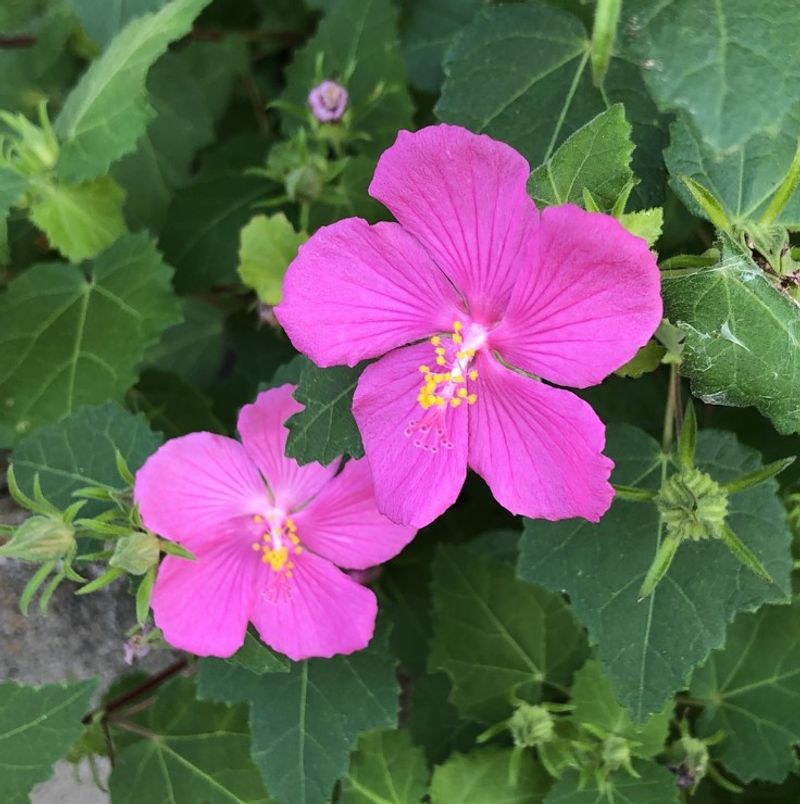
Not every corner of a Texas front yard gets blazing sun all day, and that is exactly where Rock Rose shines. Native to Central and South Texas, Pavonia lasiopetala is one of the few drought-tolerant flowering shrubs that actually tolerates part shade.
That makes it incredibly useful for filling in spots under trees or along the shadier side of a house where other plants struggle to bloom.
Its flowers are soft pink and shaped like tiny hibiscus blossoms, which makes sense since Rock Rose is actually a member of the hibiscus family.
Each flower only lasts a single day, but the plant produces so many blooms continuously throughout its long season that you would never notice. From late spring through fall, there is almost always something flowering on this shrub.
Rock Rose grows into a loose, airy shrub that reaches about three to four feet tall and wide. It fits naturally into informal garden designs and works beautifully as a backdrop for smaller plants.
Pruning it back in late winter encourages fresh, vigorous growth each spring. Water needs are low once it establishes itself in your Texas yard. It handles summer heat without complaint and bounces back quickly after dry spells.
Butterflies and bees visit the blooms regularly, adding pollinator activity to your landscape. For gardeners in Central or South Texas who need a reliable, pretty, and low-water plant for a tricky spot, Rock Rose is a genuinely smart solution.
7. Purple Coneflower (Echinacea Purpurea)
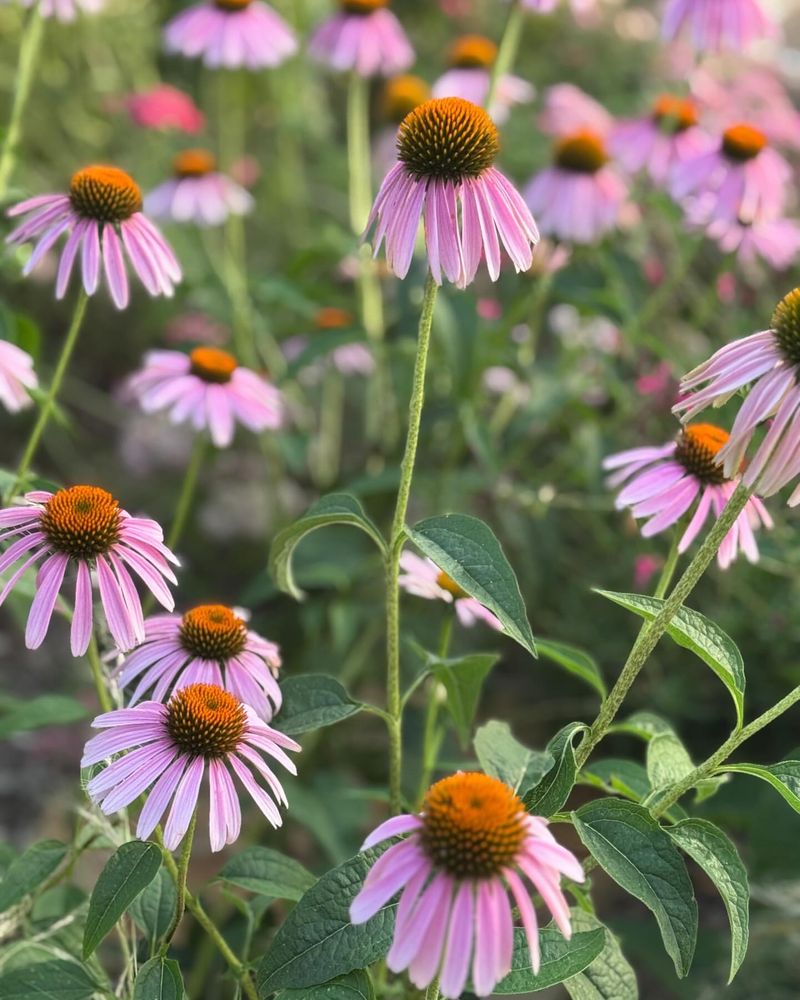
Purple Coneflower has a kind of quiet confidence about it. Standing tall on sturdy stems with its lavender petals fanning out around a spiky orange-brown center cone, Echinacea purpurea looks bold without being flashy.
It performs best in East and Central Texas, where the soil tends to hold a bit more moisture and the growing conditions suit it well.
Once established, it handles heat and drought with solid resilience. The first season might require more regular watering while the roots settle in, but after that, it becomes much more self-sufficient.
That investment of time early on pays off with years of reliable blooms and a strong, healthy plant that fills out beautifully in your front yard.
Pollinators absolutely love Purple Coneflower. Bees, butterflies, and even goldfinches visit the plants regularly, drawn in by the nectar-rich blooms and the seed heads that form after flowering.
Leaving those seed heads standing through fall and winter adds visual interest to your yard and provides food for birds during cooler months.
It grows well in mixed garden beds alongside other Texas-friendly perennials and looks especially stunning planted in groups of three or more. Full sun to light shade works well for this plant.
For Texas gardeners focused on creating pollinator-friendly landscapes, Purple Coneflower is a natural anchor plant that delivers beauty, wildlife value, and low-maintenance reliability all in one sturdy, long-lived package worth returning to every season.
8. Zexmenia (Wedelia Acapulcensis Var. Hispida)
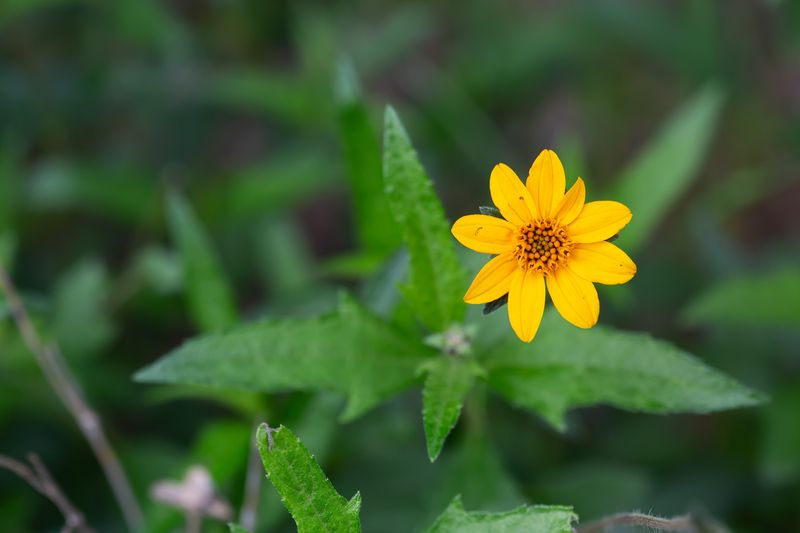
Say the name out loud: Zex-MEN-ee-ah. It is a fun word for a genuinely fantastic plant. Native to South and Central Texas, Zexmenia is one of those under-the-radar native shrubs that deserves far more attention than it usually gets.
Its bright yellow, daisy-like flowers bloom prolifically from spring through fall, bringing cheerful color to Texas front yards with almost no effort required from the gardener.
Extreme heat is not a problem for this plant. While other flowers slow down or stop blooming during the hottest weeks of a Texas summer, Zexmenia keeps right on producing flowers.
It thrives in full sun and rocky or sandy soils, which makes it a natural fit for the challenging growing conditions found across much of South and Central Texas.
Water needs are genuinely very low. Once established, Zexmenia rarely needs supplemental irrigation beyond what rain provides naturally.
That makes it an excellent choice for water-conscious homeowners looking to reduce their outdoor water use without sacrificing a colorful, attractive front yard.
It grows into a low, spreading mound about two to three feet tall and wide, which works nicely along borders, slopes, or rocky garden areas. Butterflies and bees visit the blooms regularly.
Cutting it back lightly in late winter encourages fresh new growth each spring. For anyone in South or Central Texas searching for a tough, cheerful, and water-smart flowering plant, Zexmenia is a hidden gem that delivers season after season without demanding much in return.