8 Lucky Bamboo Care Tips Texas Indoor Plant Owners Should Know
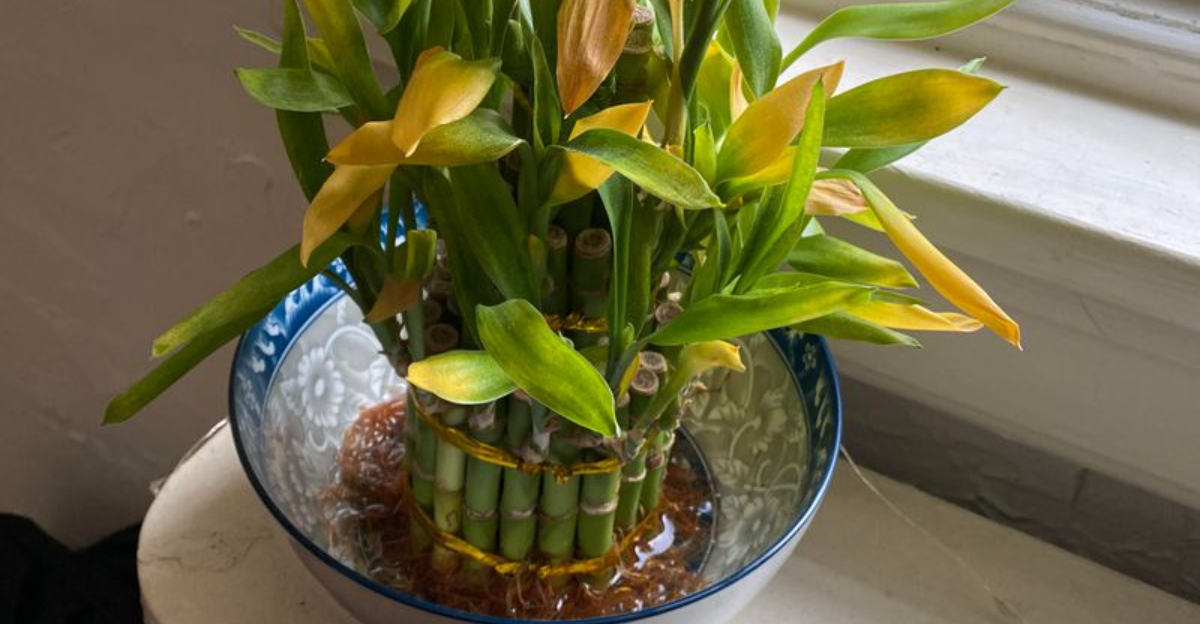
Lucky bamboo may look simple, yet keeping it thriving indoors in Texas requires more than a passing glance.
Humidity, water quality, light, and temperature all play a part, and small mistakes can stunt growth or yellow leaves before owners know it.
Placement matters: too much sun scorches, too little dims its vibrancy.
Regular water changes, occasional pruning, and proper support keep stems strong and flowing, while attention to nutrients ensures steady growth.
Even a plant that seems hardy responds to its environment, and Texas homes—with dry winters, hot summers, and air conditioning—present unique challenges.
A little care transforms lucky bamboo from a decorative accent into a lasting symbol of balance and prosperity.
1. Use Filtered Or Distilled Water
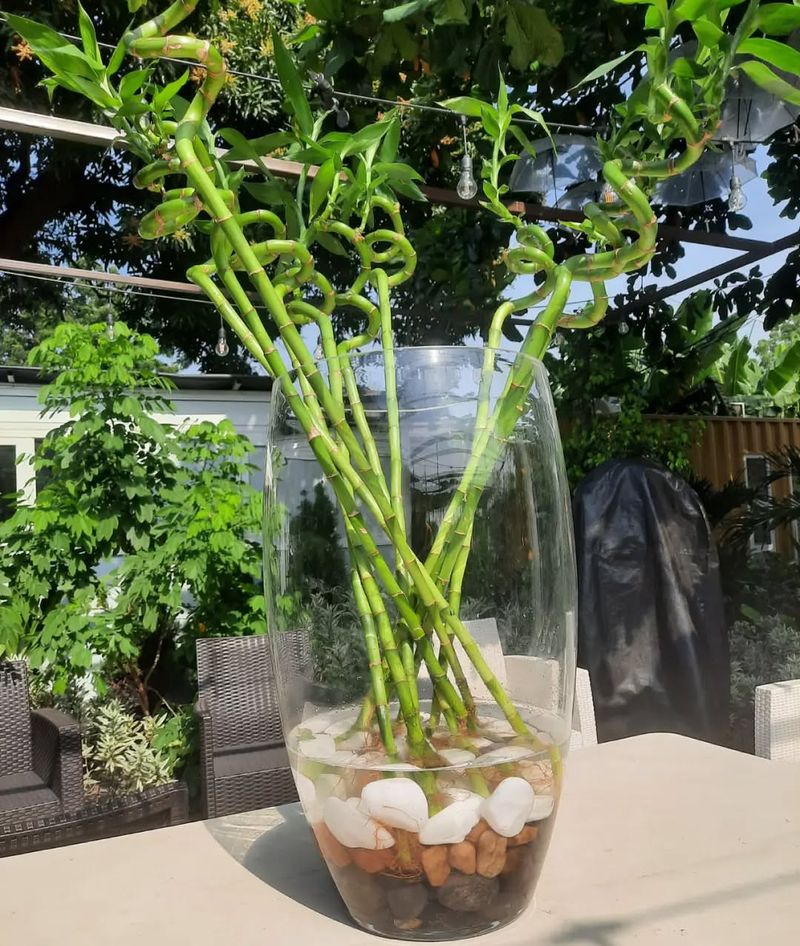
Tap water in many Texas cities contains high levels of chlorine and fluoride that can harm your lucky bamboo over time.
Brown leaf tips often signal that your plant is reacting poorly to chemicals found in municipal water supplies.
Switching to filtered or distilled water makes a noticeable difference in plant health within just a few weeks.
You can also fill a container with tap water and allow it to sit uncovered overnight, which helps chlorine evaporate before you use it.
Room temperature water works best because cold water can shock the roots and slow growth.
Change the water completely every seven to ten days to prevent bacteria buildup and keep the environment fresh.
If you grow your lucky bamboo in soil instead of water, use filtered water for irrigation to avoid chemical accumulation in the potting mix.
Some Texas regions have particularly hard water with high mineral content, which leaves white deposits on stalks and containers.
Cleaning these deposits regularly with a soft cloth keeps your plant looking its best.
Water quality directly affects root health, so investing in a simple water filter or buying distilled water pays off with stronger, greener growth.
Your lucky bamboo will reward your attention with vibrant leaves and steady upward growth throughout the year.
2. Provide Bright Indirect Sunlight
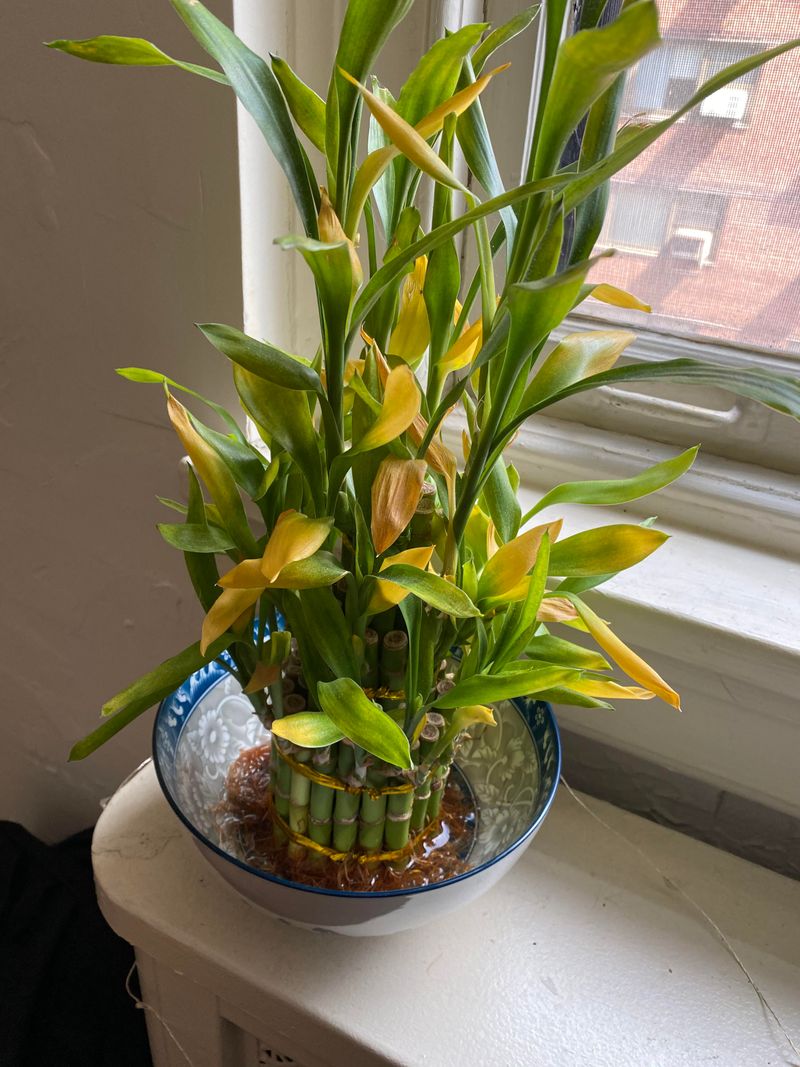
Lucky bamboo thrives in bright spaces but direct Texas sunlight can scorch its delicate leaves quickly.
Position your plant near a window with sheer curtains or in a spot that receives filtered light throughout the day.
East-facing windows work particularly well because they offer gentle morning sun without the intense afternoon heat.
Too much direct exposure causes yellowing leaves and faded green coloring that weakens the entire plant.
On the other hand, keeping lucky bamboo in a dark corner or room with no natural light leads to slow growth and pale stalks.
Finding the right balance means observing how your plant responds over a few weeks and adjusting its location accordingly.
Texas homes often have large windows that flood rooms with sunshine, so placing your bamboo three to five feet away from the window usually provides ideal conditions.
Rotating your plant every few days ensures all sides receive equal light exposure and promotes even growth.
During summer months when Texas sun is especially strong, you might need to move your bamboo slightly farther from windows or add a light curtain.
Artificial lighting can supplement natural light if your home lacks bright spots, using fluorescent or LED grow lights positioned about twelve inches above the plant.
Proper lighting keeps your lucky bamboo vibrant and supports healthy photosynthesis for steady growth.
3. Maintain Stable Room Temperature
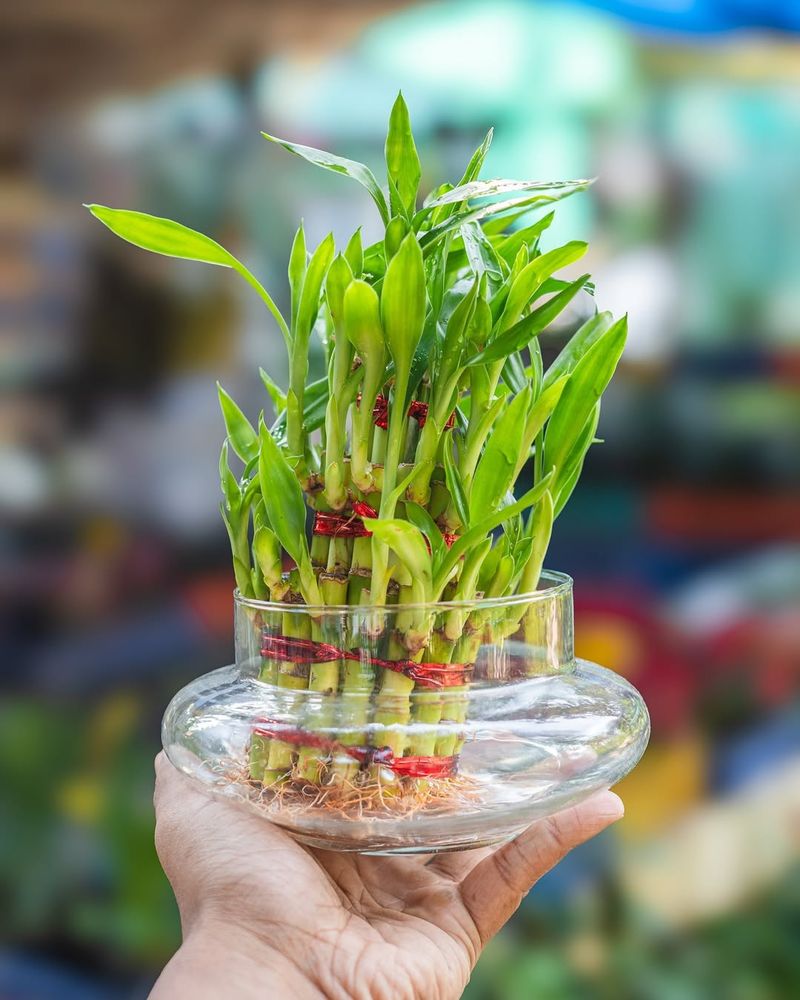
Temperature fluctuations common in Texas homes can stress lucky bamboo and slow its growth considerably.
This tropical plant prefers consistent temperatures between 65 and 90 degrees Fahrenheit, which matches most indoor comfort zones.
Avoid placing your bamboo near air conditioning vents that blow cold air directly onto the leaves.
Similarly, keep it away from heating vents during winter months when many Texas homes run heaters intermittently.
Sudden temperature drops or spikes cause leaves to yellow and can weaken the plant’s overall structure.
Drafty windows and exterior doors create cold spots during winter that can damage your bamboo overnight.
Texas summers bring extreme heat, so make sure your plant stays in air-conditioned spaces rather than enclosed porches or garages where temperatures soar.
Ceiling fans help circulate air and maintain even temperatures throughout the room, which benefits your lucky bamboo.
If you notice leaf discoloration after moving your plant, temperature shock might be the culprit.
Give your bamboo time to adjust to new locations by monitoring it closely for a week or two.
Consistent warmth encourages robust root development and keeps stalks firm and green year-round.
Creating a stable environment means your lucky bamboo can focus energy on growth rather than adapting to constant changes.
4. Keep Humidity Levels Moderate
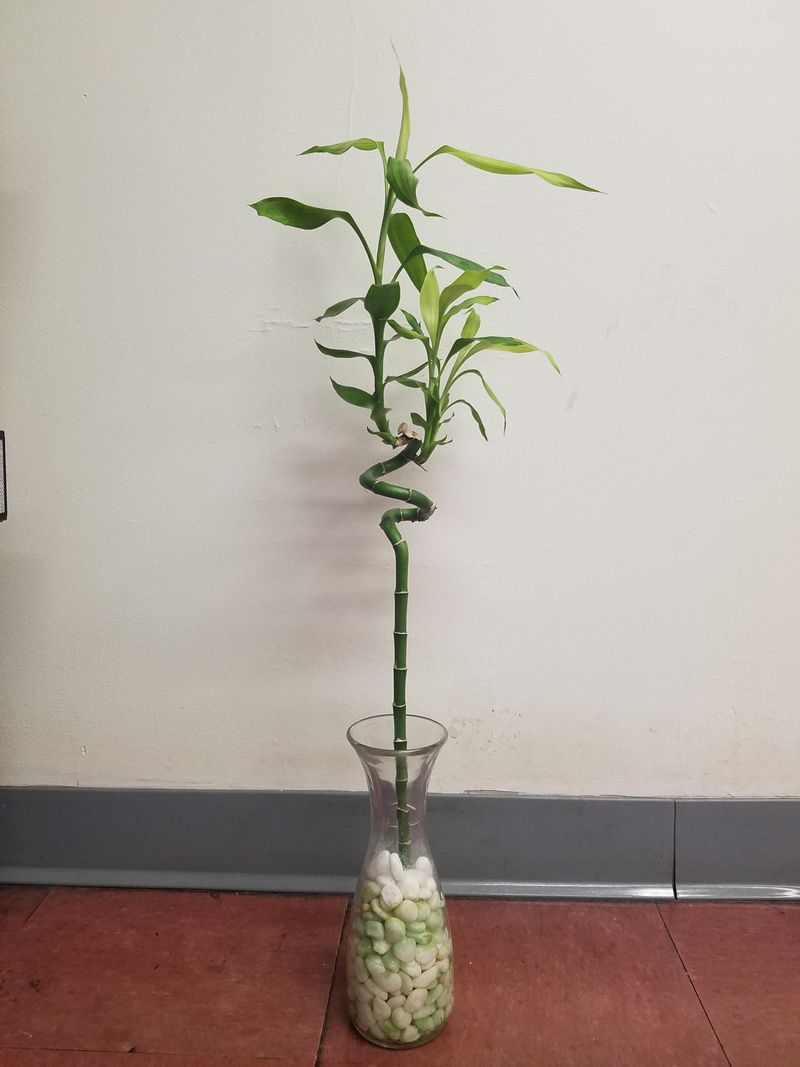
Texas humidity varies dramatically depending on the region and season, which affects lucky bamboo health.
Coastal areas like Houston naturally provide more moisture in the air, while inland cities such as Dallas and Austin can be quite dry.
Lucky bamboo appreciates moderate humidity levels between 40 and 60 percent, similar to what humans find comfortable.
Dry air causes leaf tips to turn brown and crispy, especially during winter when indoor heating reduces moisture.
Misting your bamboo leaves lightly every few days with filtered water helps increase humidity around the plant.
Grouping several plants together creates a microclimate with higher moisture levels that benefits all of them.
Placing your lucky bamboo in bathrooms or kitchens where steam from showers and cooking naturally raises humidity works wonderfully.
Small humidifiers positioned near your plant provide consistent moisture without overdoing it.
Avoid placing bamboo directly next to humidifiers, as too much moisture encourages mold and bacterial growth.
Pebble trays filled with water underneath your plant container offer another simple humidity solution.
As water evaporates from the tray, it creates a humid zone around the bamboo without making the roots too wet.
Monitoring humidity with an inexpensive hygrometer helps you maintain optimal conditions year-round for healthier, more vibrant growth.
5. Fertilize Sparingly And Carefully
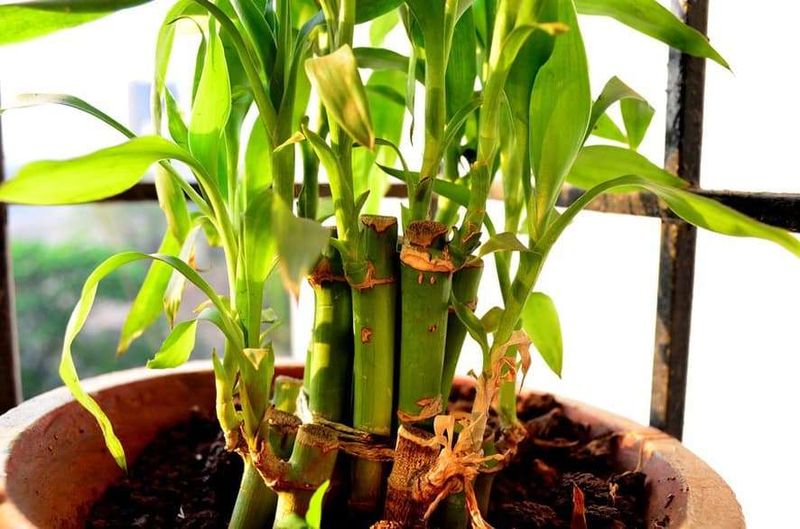
Many Texas plant owners make the mistake of over-fertilizing lucky bamboo, thinking more nutrients equal faster growth.
Actually, this plant needs very little fertilizer compared to other houseplants and can suffer from nutrient overload.
Yellowing leaves and weak stalks often result from too much fertilizer rather than too little.
Use a diluted liquid fertilizer specifically designed for aquatic plants or lucky bamboo, applied once every two to three months.
Mix the fertilizer at one-tenth the strength recommended on the bottle to avoid burning the roots.
If your bamboo grows in water, add just a drop or two of fertilizer to the container during water changes.
Soil-grown lucky bamboo needs slightly more nutrients, but still far less than flowering plants or vegetables.
Signs of fertilizer burn include brown leaf edges, stunted growth, and algae blooms in water containers.
Flushing the container with fresh filtered water helps remove excess nutrients if you accidentally over-fertilize.
During winter months when growth naturally slows, skip fertilizing altogether and resume in spring.
Texas tap water sometimes contains enough minerals that your bamboo needs almost no additional fertilizer.
Observing your plant’s growth rate and color helps you determine the right feeding schedule for your specific conditions and water source.
6. Trim Yellow Or Brown Leaves Promptly
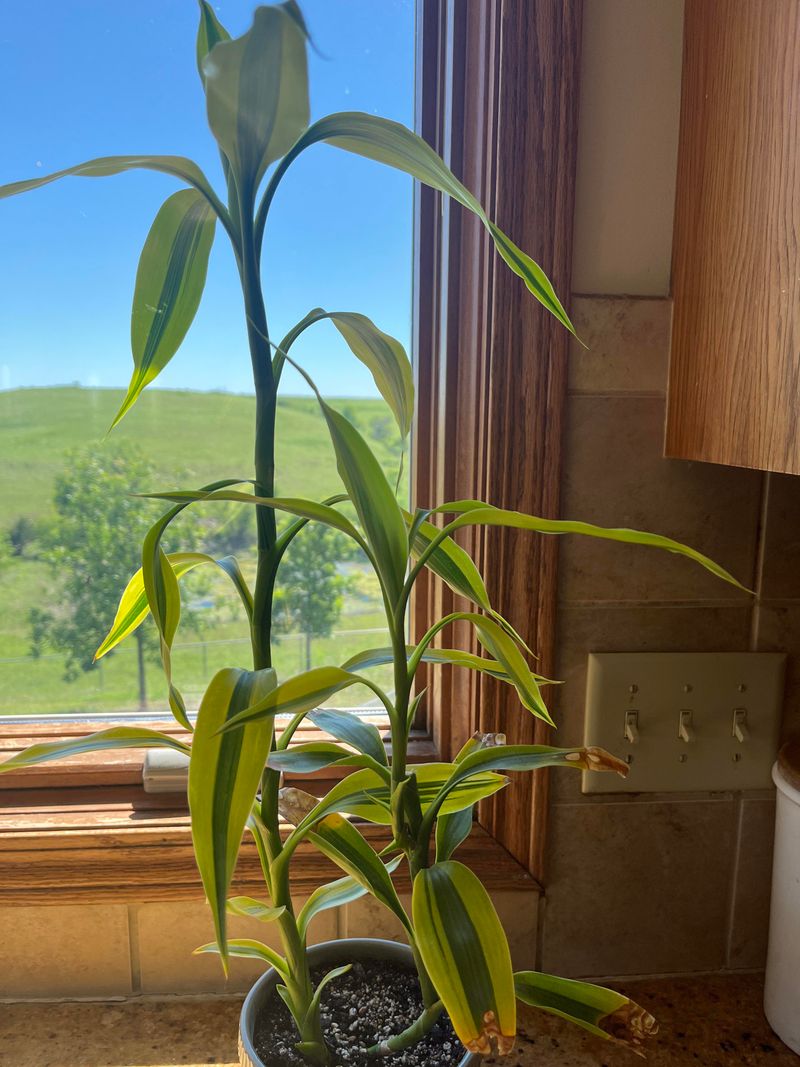
Damaged leaves happen occasionally even with perfect care, and removing them quickly keeps your lucky bamboo looking fresh.
Yellow or brown leaves cannot recover their green color, so trimming them allows the plant to redirect energy toward healthy growth.
Use clean, sharp scissors or pruning shears sterilized with rubbing alcohol to prevent spreading bacteria or fungi.
Cut discolored leaves as close to the main stalk as possible without damaging the stem itself.
If entire stalks turn yellow or soft, remove them completely from the arrangement to prevent problems from spreading.
Regular grooming sessions every few weeks help you spot issues early before they become serious problems.
Inspect the base of your bamboo for any mushy or dark areas that indicate root rot or bacterial infection.
Trimming also helps maintain the decorative appearance that makes lucky bamboo such an attractive indoor plant.
Some Texas plant owners shape their bamboo by trimming side shoots and encouraging vertical growth for a cleaner look.
Always clean your cutting tools between plants to avoid accidentally transferring pests or diseases.
After trimming, monitor your bamboo closely for a few days to ensure it responds well and continues growing strongly.
Proper pruning techniques keep your lucky bamboo tidy and promote the vibrant green appearance that makes this plant so beloved.
7. Watch For Algae Growth In Water
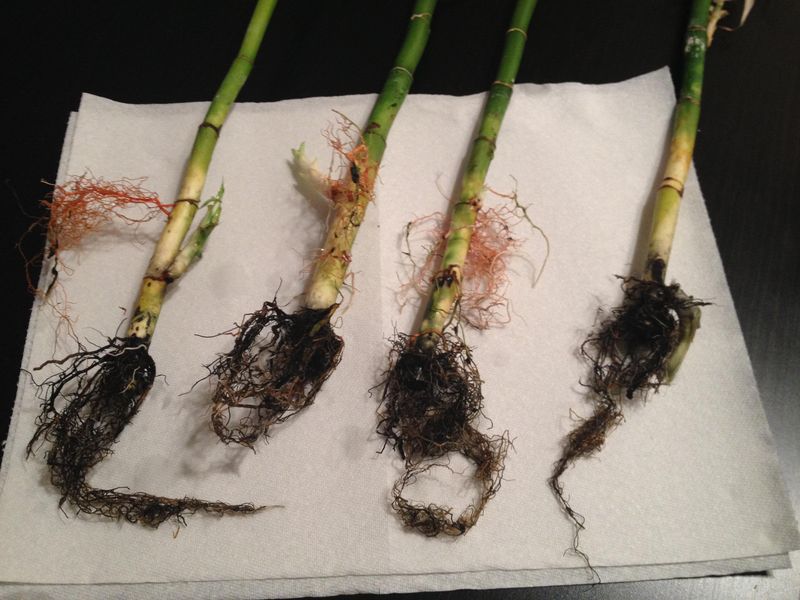
Green algae commonly develops in lucky bamboo containers, especially when placed in bright light near Texas windows.
While algae does not directly harm the plant, it competes for nutrients and makes the water cloudy and unattractive.
Algae thrives in standing water with light exposure, which describes the typical lucky bamboo setup perfectly.
Changing water regularly every week to ten days prevents algae from establishing itself in the container.
Using opaque or colored vases instead of clear glass reduces light penetration and naturally discourages algae growth.
If algae appears, empty the container completely and scrub it thoroughly with warm water and a soft brush.
Rinse the bamboo roots gently under running filtered water to remove any algae clinging to them.
Some Texas plant owners add a small piece of activated charcoal to the water, which helps keep it cleaner longer.
Reducing light exposure slightly by moving the plant a few inches away from the window can also control algae.
Avoid using chemical algae treatments designed for aquariums, as these can harm your bamboo’s delicate roots.
Natural methods work best for maintaining clean, clear water that showcases your plant’s attractive stalks and roots.
Staying ahead of algae with preventive measures saves time and keeps your lucky bamboo display looking beautiful and professional year-round.
8. Ensure Proper Root Submersion Depth
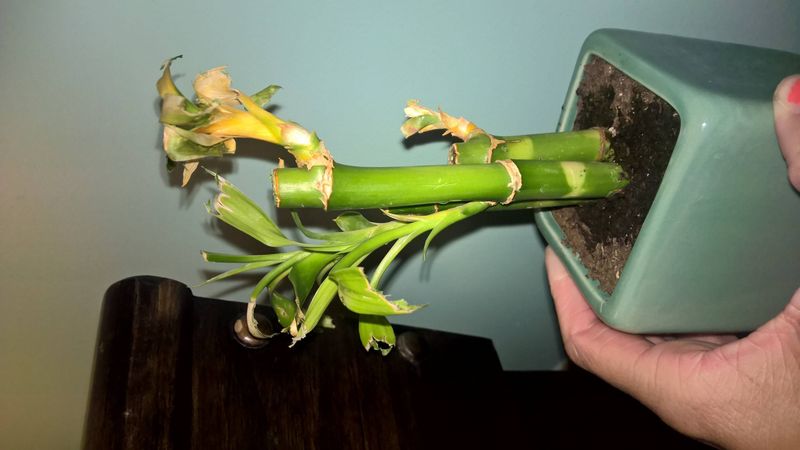
Root depth in water containers significantly impacts lucky bamboo health and stability.
Roots should remain submerged in two to three inches of water at all times, never allowing them to dry out completely.
Too much water covering the stalks themselves can cause rot and bacterial problems that weaken the entire plant.
The waterline should stay below the point where the green stalk begins, covering only the roots and the bottom woody portion.
Texas heat causes water to evaporate faster than in cooler climates, so check levels every few days during summer.
Adding water as needed between complete water changes maintains the proper depth without disturbing the plant unnecessarily.
Containers with narrow openings help slow evaporation and maintain more consistent water levels throughout the week.
If roots grow very long, you can trim them back to about four inches using clean scissors without harming the plant.
Excessive root growth sometimes indicates your bamboo needs more nutrients or is outgrowing its current container.
Transferring to a larger vase gives roots more room to spread while maintaining proper water depth.
Stones or marbles at the container bottom help anchor stalks upright and keep roots at the ideal submersion level.
Proper water depth ensures roots receive adequate oxygen and moisture while preventing common problems that plague Texas indoor plant owners.