Make The Most Of Empty Spring Garden Space In Oregon With These 9 Follow-Up Crops

There is something wildly satisfying about clearing out a spring crop in Oregon and realizing the bed is not finished yet. It is just getting started again.
One patch opens up after peas or lettuce come out, the weather starts warming, and suddenly you have room for a whole second act. Love that for a vegetable garden.
Oregon’s planting season can feel a little sneaky like that, giving gardeners another chance just when it seems like one chapter is ending.
Instead of letting that fresh, open space sit there looking lonely, you can tuck in crops that are ready to take off in summer.
It is a smart way to keep the garden busy, the harvest basket fuller, and your growing season working a little harder for you. Honestly, an empty bed in late spring is less of a problem and more of an invitation.
1. Basil Brings Fresh Flavor To Open Garden Space
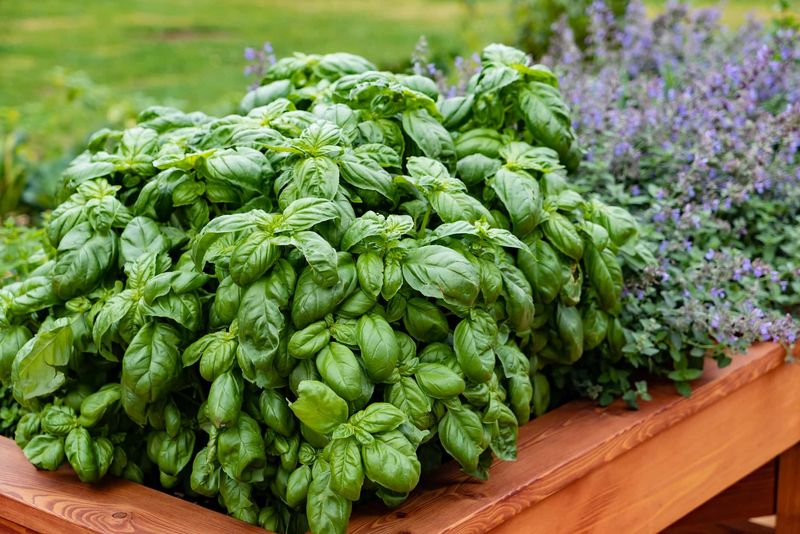
Few things smell as good as a patch of fresh basil warming in the summer sun, and that empty row left behind by your spring lettuce is a great spot to plant it.
Basil loves heat, and in Oregon, the warming soil of late spring is exactly what this herb needs to take off.
It grows quickly once nighttime temperatures stay consistently above 50 degrees Fahrenheit, making it a reliable follow-up planting after cool-season crops finish up.
In the Willamette Valley, basil tends to do well from late May through early June transplants. Along the Oregon coast or at higher elevations, it helps to start transplants indoors and wait a little longer before moving them outside.
Basil does not appreciate cold snaps, so watching the forecast before planting is a smart habit for Oregon gardeners.
Plant basil in full sun and give it well-drained soil. Pinching off flower buds as they appear keeps the leaves coming and the flavor strong.
Basil also pairs nicely with tomatoes in the garden, so if you are planning a summer tomato bed, tucking basil nearby makes good use of that open space while adding real kitchen value all season long.
2. Cilantro Fills Gaps With Fast Fresh Growth
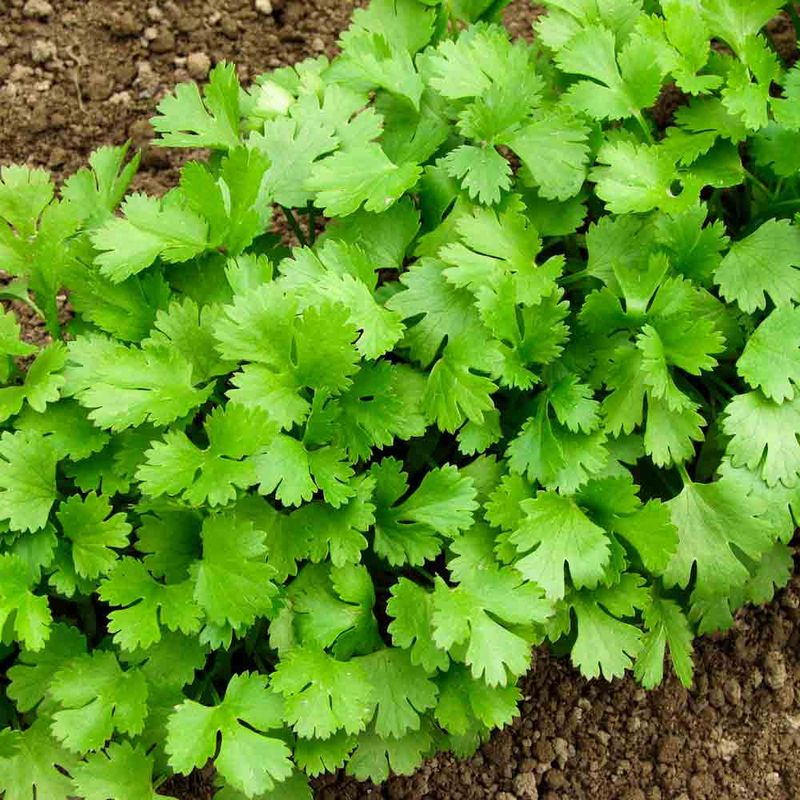
Empty patches between other plants can feel like wasted space, but cilantro has a way of filling those gaps quickly and without much fuss.
This fast-growing herb can go from seed to harvest in as little as three to four weeks, which makes it one of the most efficient follow-up crops for Oregon gardeners looking to keep beds productive.
It works especially well tucked into spaces left behind by early spring radishes, spinach, or overwintered greens.
Cilantro actually prefers slightly cooler conditions than many warm-season crops, which gives it an edge in Oregon gardens during late spring and early summer. In western Oregon, it can be direct sown as soon as spring beds open up.
In cooler coastal or higher-elevation gardens, it may thrive well into summer without bolting as quickly as it would in hotter climates.
Sow seeds directly into the soil rather than transplanting, since cilantro does not like having its roots disturbed. Succession planting every two to three weeks stretches the harvest window considerably.
Your Oregon Garden Changes Every Week. Your Plan Should Too.
Gardening in Oregon changes quickly throughout the season. Every Friday you’ll receive a simple weekly plan showing exactly what to plant, prune, fertilize, harvest, and protect so you never miss the right timing.
Once plants bolt and go to seed, you can collect the coriander seeds for cooking or let a few fall to encourage a second round of growth later in the season.
3. Corn Steps In As Spring Crops Finish
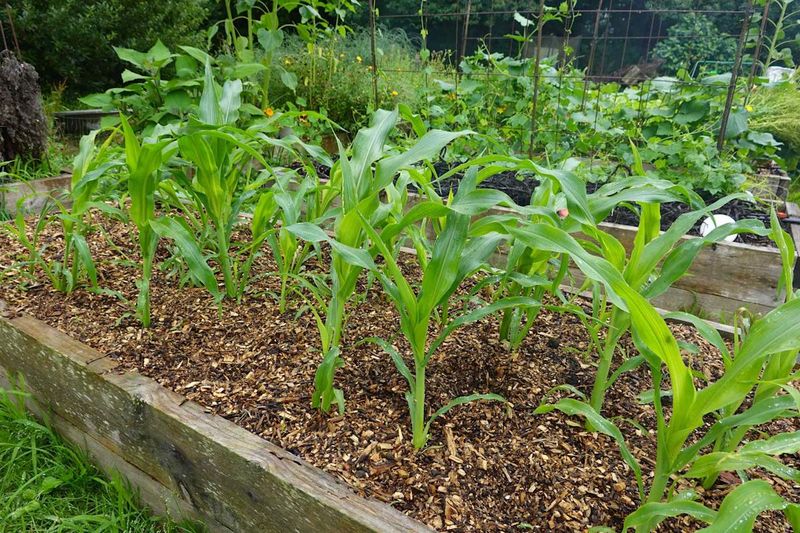
Pulling out the last of your spring peas and finding a long, sunny row sitting empty is practically an invitation to plant corn.
Sweet corn needs space, warmth, and a good stretch of summer ahead of it, and in much of Oregon, that window opens up right around the time spring crops are wrapping up.
Willamette Valley gardeners can generally direct sow corn from mid-May through early June and still expect a solid harvest before fall arrives.
Corn is pollinated by wind, so planting in short blocks of at least three or four rows rather than a single long line improves pollination and ear development. If you have a larger raised bed or in-ground space that just opened up, corn can make excellent use of it.
Keep in mind that corn is a heavy feeder, so working compost into the soil before planting helps replace nutrients that spring crops may have drawn down.
Gardeners in Central Oregon or coastal areas should look for shorter-season corn varieties that can mature within 65 to 75 days. These selections are bred to handle cooler summers and still deliver sweet, flavorful ears.
With the right variety and a sunny spot, corn can be a genuinely satisfying follow-up crop in Oregon home gardens.
4. Dill Adds Feathery Growth And Fresh Flavor
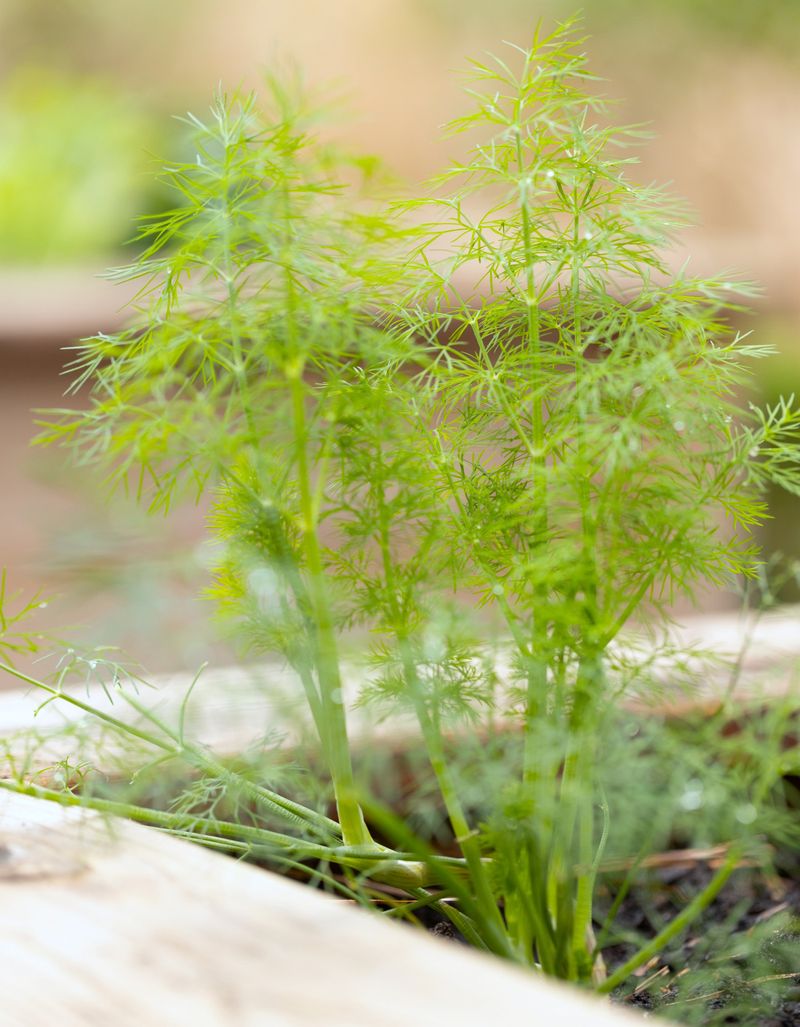
There is something quietly satisfying about watching dill shoot up in a spot where your spring kale used to be.
This tall, feathery herb grows quickly from seed and does not need much attention once it gets going, making it a low-effort follow-up crop for Oregon gardeners who want to keep beds working through summer.
Dill can reach two to four feet tall, so it fits well at the back of a bed where it will not shade out shorter plants.
In Oregon, dill can be direct sown from late spring through midsummer with good results. It handles a range of conditions reasonably well, though it bolts faster in intense heat.
Western Oregon gardeners may find that dill grows well through June and into July before flowering, while coastal and higher-elevation gardens can sometimes push dill further into the season without it rushing to seed.
Once dill flowers, the seeds can be collected for pickling, which is a nice bonus for anyone preserving cucumbers or other garden vegetables.
Leaving a few plants to go to seed also attracts beneficial insects, including parasitic wasps and hoverflies that help keep garden pest populations in check.
For Oregon gardeners who pickle, pairing a dill planting with a cucumber follow-up crop nearby makes a lot of practical sense.
5. Eggplant Takes Over Once The Soil Warms Up

Warm soil is the secret to eggplant success, and by the time Oregon’s spring crops are done, the ground in many parts of the state is finally reaching the temperatures this heat-loving vegetable needs.
Eggplant wants soil that is consistently above 60 degrees Fahrenheit at planting time, and in the Willamette Valley, that often lines up well with late May or early June transplanting.
Starting seeds indoors about eight to ten weeks before your intended outdoor planting date gives transplants a strong head start.
Eggplant is not the fastest-maturing vegetable, so timing matters in Oregon. Gardeners in the southern part of the state or in warmer inland valleys generally have an easier time getting eggplant to full harvest before the season cools.
In coastal Oregon or at higher elevations, choosing compact or early-maturing varieties improves the odds of a good yield within the available growing window.
Once transplanted, eggplant benefits from consistent watering and a layer of mulch to hold soil warmth and moisture. Black plastic mulch can be especially useful in Oregon’s cooler microclimates, helping the soil retain heat on cloudy days.
With a little patience and the right setup, eggplant can turn a warm, open summer bed into a productive source of glossy, flavorful fruit worth the wait.
6. Melons Make The Most Of Open Sunny Space
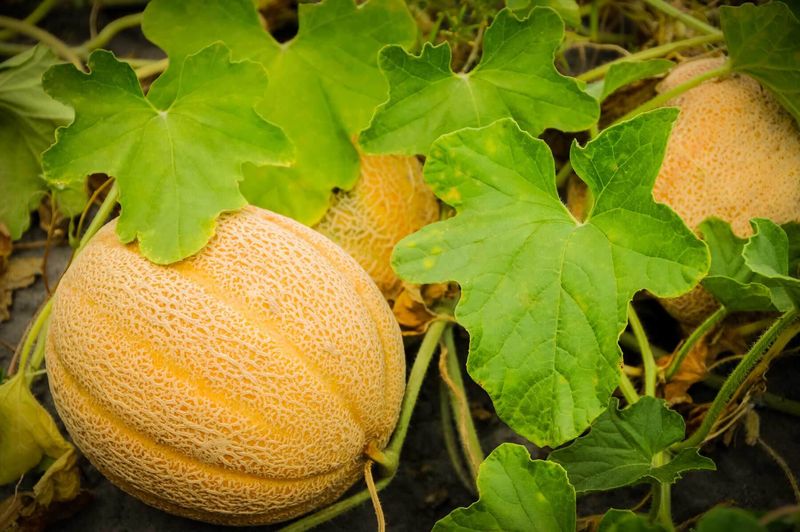
A long, open sunny bed that just gave up its spring crop is exactly the kind of space melons are looking for.
These sprawling vines need room to run and plenty of heat to ripen their fruit, and in the right Oregon location, they can deliver a genuinely sweet harvest.
The Willamette Valley and southern Oregon valleys tend to offer the warmest, longest summers in the state, which gives melons the best shot at reaching full ripeness before cooler fall weather moves in.
Melons should be started indoors about three to four weeks before transplanting, or direct sown once soil temperatures reach at least 65 degrees Fahrenheit.
In Oregon, that usually means late May to early June for most western areas.
Gardeners in cooler coastal zones or at higher elevations may find melons challenging, but compact or short-season varieties bred for northern climates can still produce in those conditions with some extra warmth from row covers or black mulch.
Good drainage and full sun are non-negotiable for melons. They do not handle soggy soil well, and consistent moisture during fruit development helps prevent cracking and poor flavor.
Raised beds warm up faster than in-ground plots, making them a smart choice for Oregon melon growers trying to squeeze the most out of a shorter warm season.
7. Summer Squash Fills Empty Beds In A Hurry
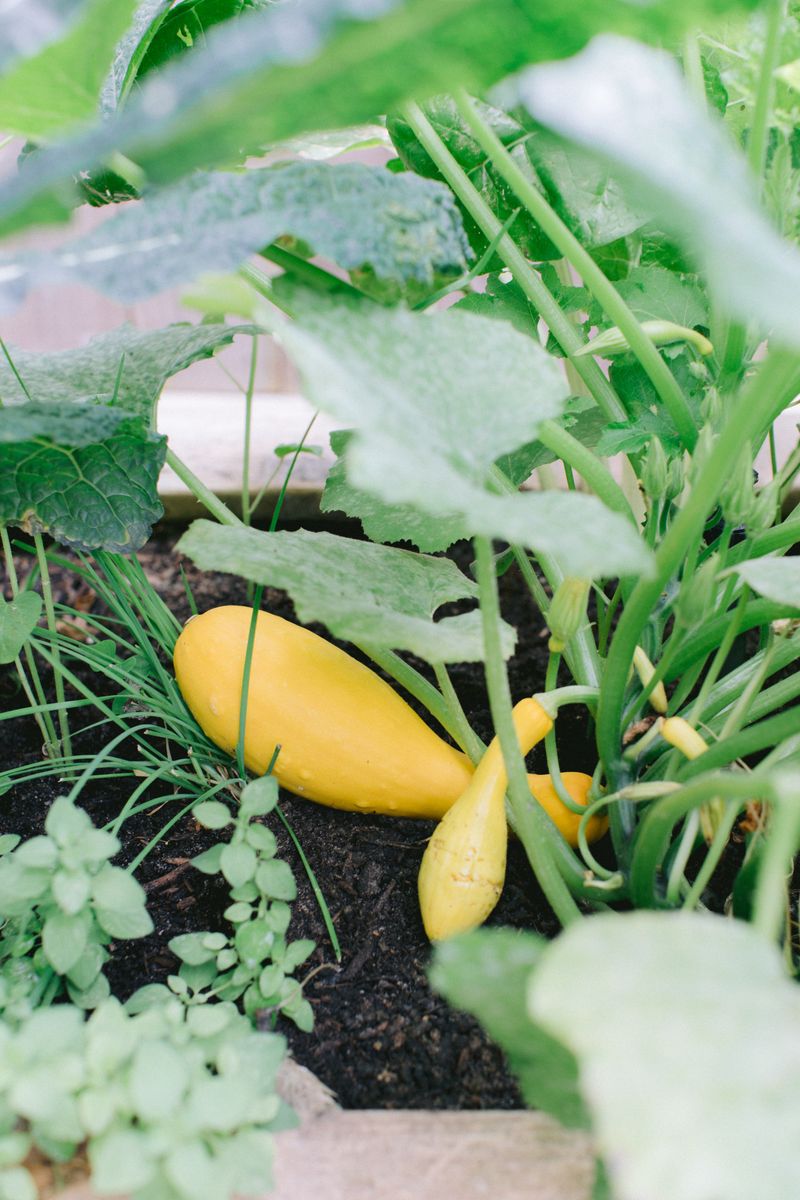
If you want results fast, summer squash is hard to beat as a follow-up crop.
Once the soil is warm and spring beds have been cleared, summer squash can go from transplant to first harvest in as little as 50 days, making it one of the most rewarding options for Oregon gardeners who do not want empty space sitting around for long.
It takes up a fair amount of room as it grows, so it works best in beds where spring crops like peas or overwintered brassicas have left behind a generous open patch.
In Oregon, summer squash can be transplanted or direct sown from late May through early July in most regions.
The plant grows vigorously once soil temperatures settle above 60 degrees Fahrenheit, and it handles Oregon’s summer warmth well across most of the state.
Western Oregon gardeners will likely see the most consistent production, but even gardeners in slightly cooler areas can get solid harvests with well-placed beds and good sun exposure.
One thing to keep in mind is that summer squash is highly productive, sometimes more than a household expects. Planting one or two plants rather than an entire row is often enough for most families.
Harvesting fruits when they are small keeps the plant producing steadily and prevents the oversized, seedy squash that tends to pile up on kitchen counters by late July.
8. Tomatoes Turn Spring Openings Into Summer Harvests
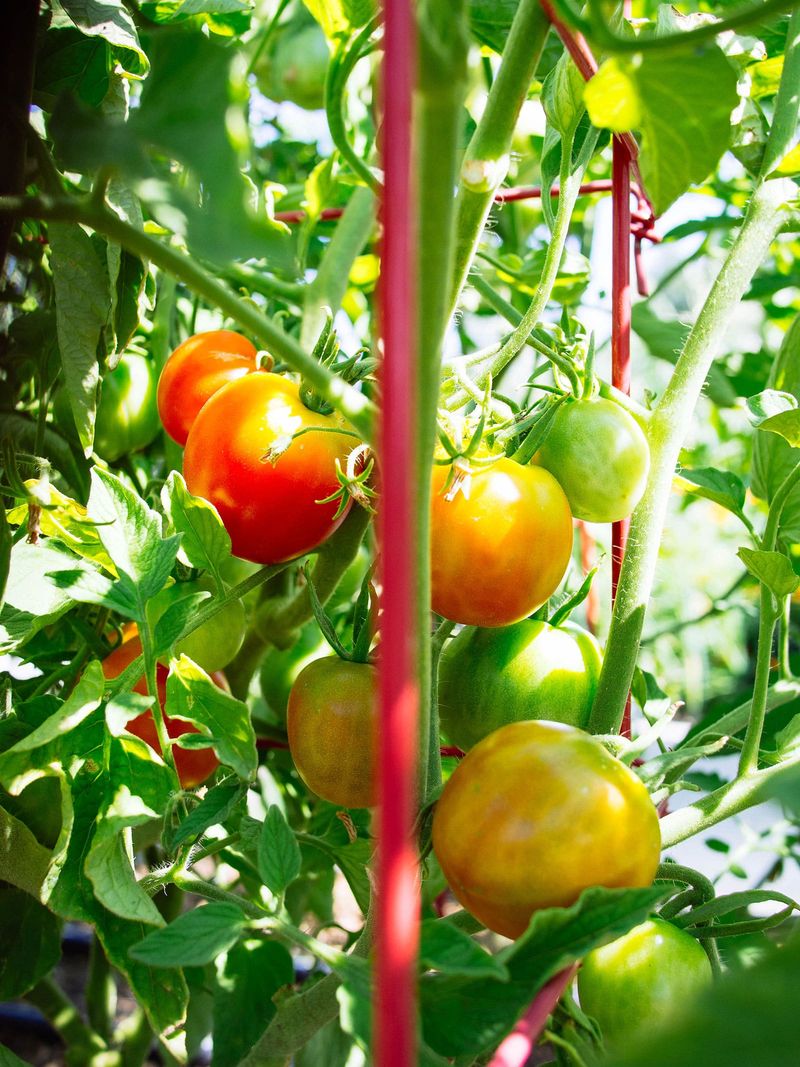
Clearing out a bed of spent spring greens and replacing them with tomato transplants is one of the most satisfying moves an Oregon gardener can make.
Tomatoes are the crown jewel of the summer garden, and the open, nutrient-rich soil left behind by spring crops gives them a solid foundation to grow from.
In the Willamette Valley, transplanting tomatoes in late May to early June typically lines up well with warming temperatures and longer days.
Oregon’s climate can be a bit tricky for tomatoes, especially in areas that see lingering cool and cloudy spring weather. Waiting until nighttime temperatures are reliably above 50 degrees Fahrenheit before transplanting helps avoid setbacks.
Choosing varieties bred for the Pacific Northwest, such as those that set fruit at cooler temperatures, improves success rates across different Oregon growing zones, including coastal and higher-elevation gardens where summers are shorter.
Tomatoes need full sun, at least six to eight hours daily, and consistent watering to develop well.
Mulching around the base of plants helps retain moisture and keeps soil temperatures stable during Oregon’s occasional summer dry spells.
Staking or caging plants early prevents sprawling and makes the most of limited garden space. With good timing and variety selection, an Oregon gardener can turn a bare spring bed into a tomato harvest that lasts well into September.
9. Zucchini Grows Fast In Freshly Opened Beds
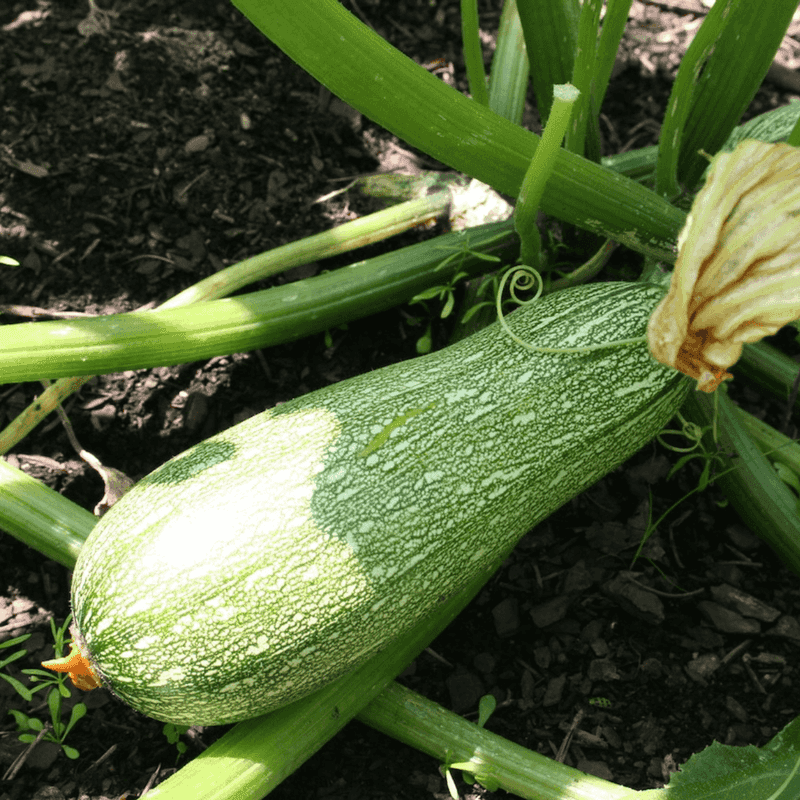
Freshly cleared spring beds have a way of looking like a blank canvas, and zucchini is one of the most enthusiastic crops you can paint them with.
Known for its rapid growth and generous output, zucchini can take over an open bed in just a few weeks and start producing fruit faster than almost any other warm-season vegetable.
In Oregon, it can be direct sown or transplanted once soil temperatures reach around 60 degrees Fahrenheit, which in many western Oregon locations means late May or early June.
Zucchini does not need a lot of space to get started, but it does spread out as it matures, so giving each plant two to three feet of room pays off. One or two plants are usually enough to keep a household well supplied through summer.
Oregon gardeners in coastal or higher-elevation areas may want to use row covers early on to help retain soil warmth and encourage faster establishment before removing them once plants begin to flower.
Consistent harvesting is key to keeping zucchini plants productive. Fruits left on the plant too long signal the plant to slow down production, so checking plants every couple of days during peak season keeps things moving.
Zucchini is also a good neighbor in the garden, with large leaves that shade the soil and help reduce moisture loss during Oregon’s drier summer months.