Make Your Begonias Flower Nonstop In Florida With These 8 Easy Tips
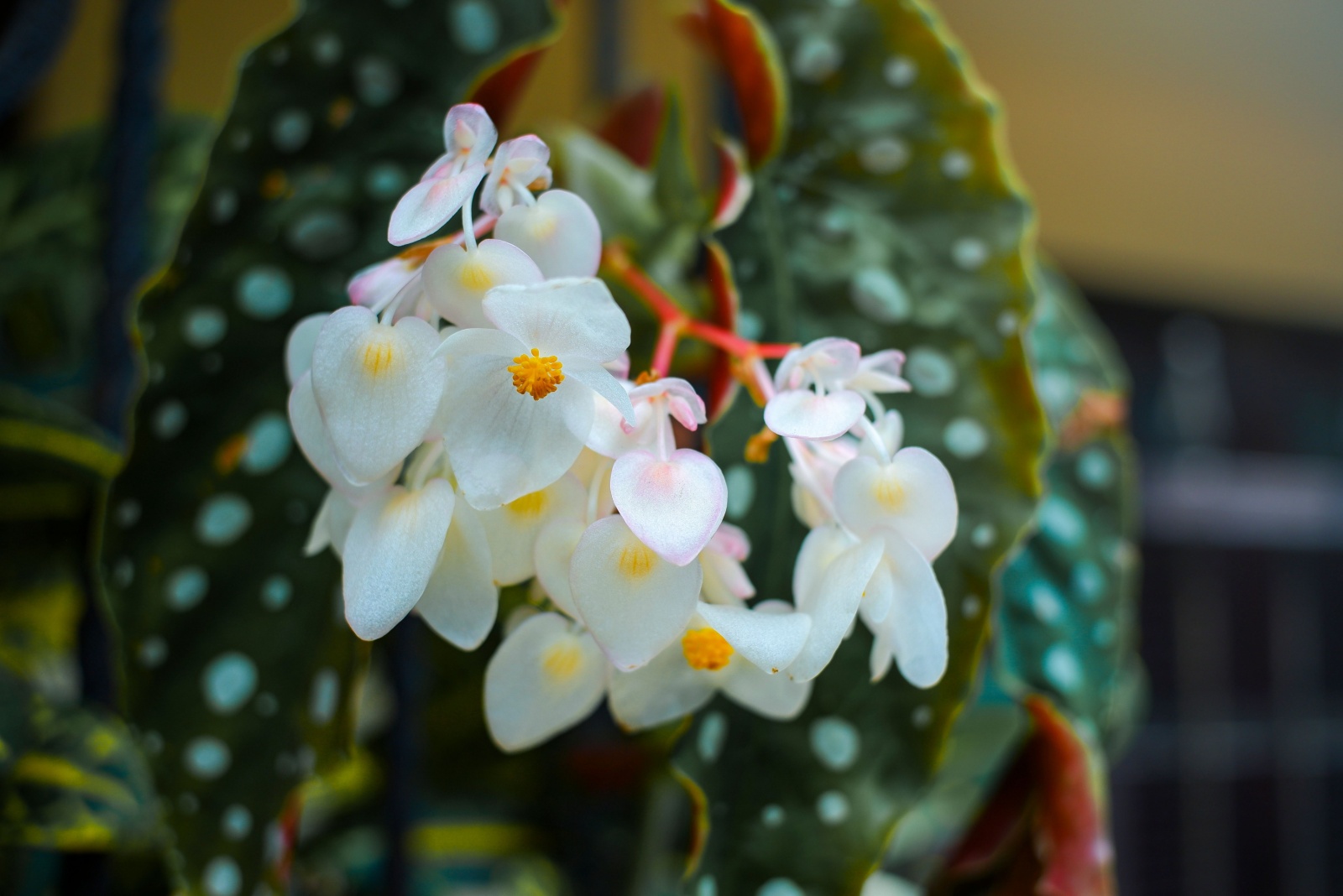
Begonias do not bloom by chance. In Florida, when conditions feel right, they respond with steady color, soft petals, and a presence that can carry through much of the growing season.
Yet many plants pause, fade, or produce fewer flowers than expected, leaving gardeners wondering what changed. The difference often lies in small details, light, moisture, feeding, and simple care habits that shape how the plant performs day after day.
When these needs stay balanced, begonias rarely stop showing color. Instead of brief bursts followed by long quiet periods, the plant settles into a steady rhythm of growth and bloom.
With the right approach, even an average begonia can shift from occasional flowering to near constant display.
In Florida’s warm climate, a few practical adjustments can encourage stronger buds, longer flowering cycles, and healthier plants that keep producing color far beyond the usual expectation.
1. Give Begonias The Bright Light They Love
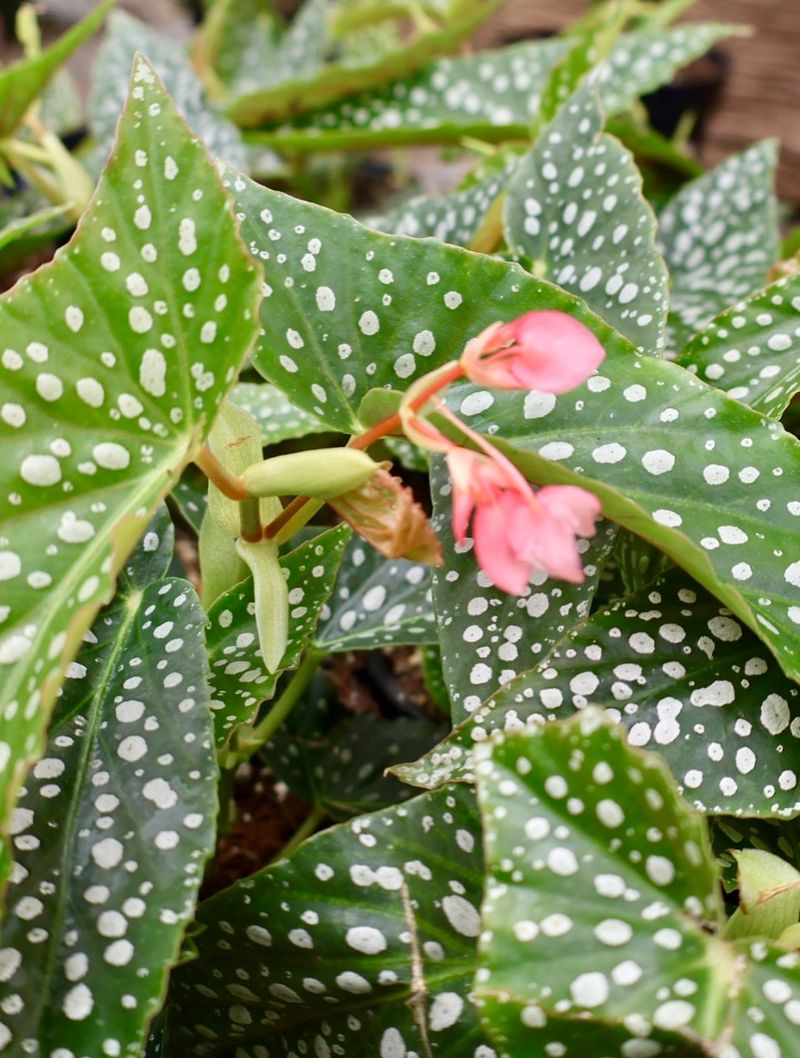
Begonias flower most reliably in Florida when they receive bright light with protection from harsh sun. Most varieties perform best in filtered sunlight or bright indirect light for around six hours a day.
In Florida’s intense climate, too little light leads to weak, leggy growth and fewer blooms, while strong afternoon sun can quickly scorch leaves and slow flowering.
Indoors, an east-facing window is ideal because gentle morning sun is far less stressful than hot afternoon exposure. Outdoors, begonias thrive under tree canopies, covered patios, or bright shaded areas where light is soft but consistent.
If a plant sits in a dim spot and refuses to bloom, simply moving it to brighter conditions often improves flowering within a few weeks.
Watch how your begonia responds. Healthy plants stay compact, produce steady buds, and keep leaves rich in color.
Pale foliage and stretched stems signal insufficient light, while dry, crispy edges usually mean too much direct sun. Rotate potted begonias regularly so all sides receive equal light, encouraging balanced growth and even flowering.
In Florida, bright filtered light or gentle morning sun is ideal for keeping begonias blooming continuously through the long growing season.
2. Keep Roots Happy With Airy Fast Draining Soil
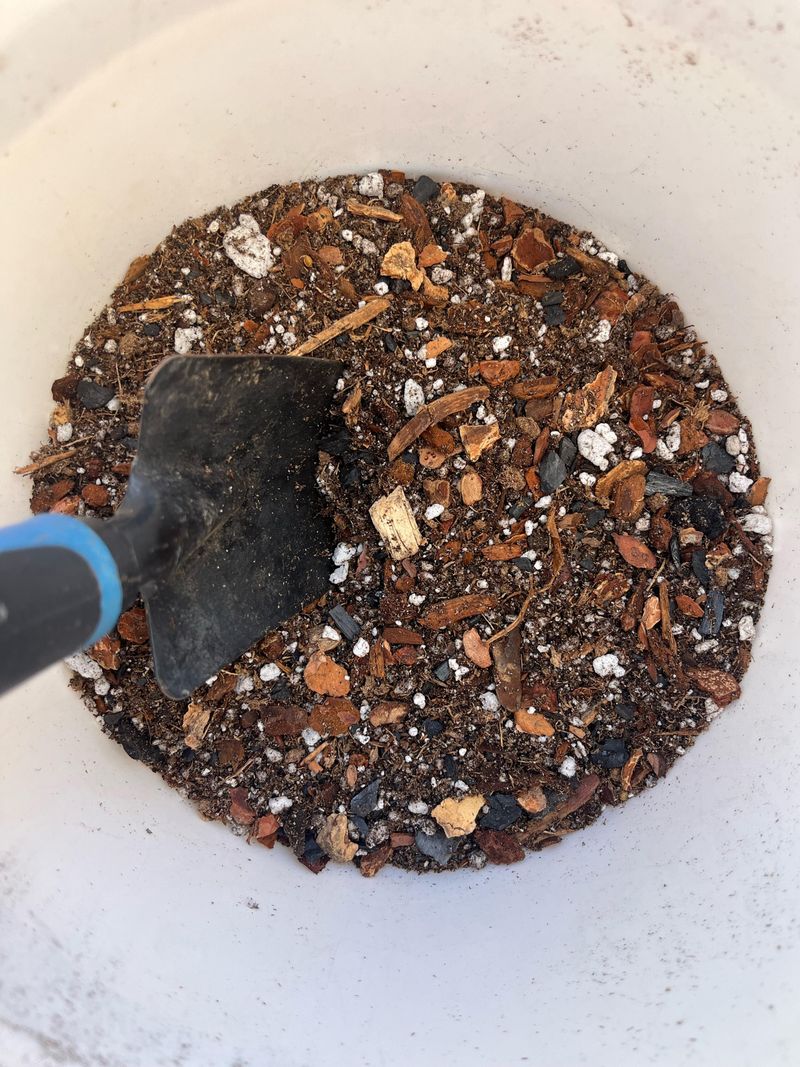
Strong roots are the foundation of nonstop begonia blooms, especially in Florida’s warm, humid climate. These plants need soil that drains quickly yet holds light, even moisture.
Dense, heavy mixes trap water, suffocate roots, and quickly lead to rot, which stops flowering. Healthy begonias rely on airy soil with plenty of oxygen around the roots to absorb nutrients and keep buds forming steadily.
Create a Florida-friendly mix by blending quality potting soil with perlite and a small amount of coarse sand This produces the loose, fast-draining texture begonias prefer in humid conditions. A small amount of compost adds gentle nutrition without making the soil heavy.
Many growers also use African violet mix, which offers similar drainage and works well for begonias in containers.
After watering, test the soil by squeezing a small handful. It should crumble easily rather than stick together like mud.
Water should move through the pot quickly, never pooling on the surface. In healthy conditions, begonia roots stay firm and pale, not dark or soft.
Refresh the soil each spring to maintain airflow and drainage, which are especially important in Florida where moisture lingers longer. Always use containers with several drainage holes so excess water can escape freely.
When roots stay healthy and oxygenated, begonias can channel their energy into steady growth and continuous flowering throughout the long Florida growing season.
3. Water Smart For Steady Bloom Power
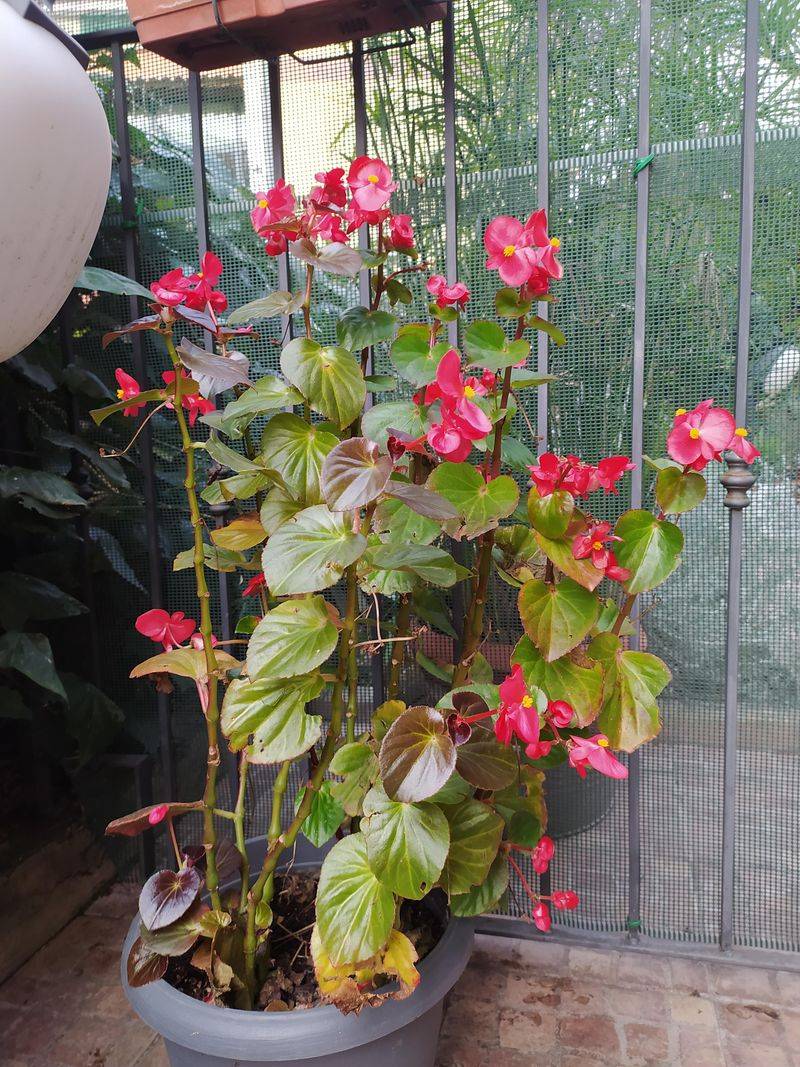
In Florida’s heat, watering consistency is what separates occasional blooms from nonstop color in begonias. These plants perform best when soil stays evenly moist but never soggy or completely dry.
Rapid swings between dry and wet stress the plant, often causing buds to drop before they open. Steady moisture allows begonias to keep producing flowers without interruption.
Check soil moisture by feeling about an inch below the surface before watering. When that top layer feels slightly dry, water thoroughly until excess drains from the bottom.
Always empty saucers shortly after watering so roots are never left sitting in water, which is especially important in Florida’s humid conditions. During hot, breezy weather, begonias may need water every two to three days, while cooler or rainy periods require less frequent watering.
Water at the base of the plant rather than over the leaves. In Florida’s humidity, wet foliage encourages fungal problems that weaken plants and reduce flowering.
Morning watering works best because it allows any moisture on leaves or soil surface to dry during the day.
Begonias quickly signal imbalance. Dry plants show wilting leaves and crisp flower edges, while overly wet roots lead to yellowing leaves and soft stems.
Keeping moisture steady helps roots stay healthy and able to feed developing buds. In Florida’s long growing season, consistent watering creates the stable conditions begonias need to keep blooming continuously rather than pausing under stress.
4. Feed Lightly To Fuel Constant Flowers
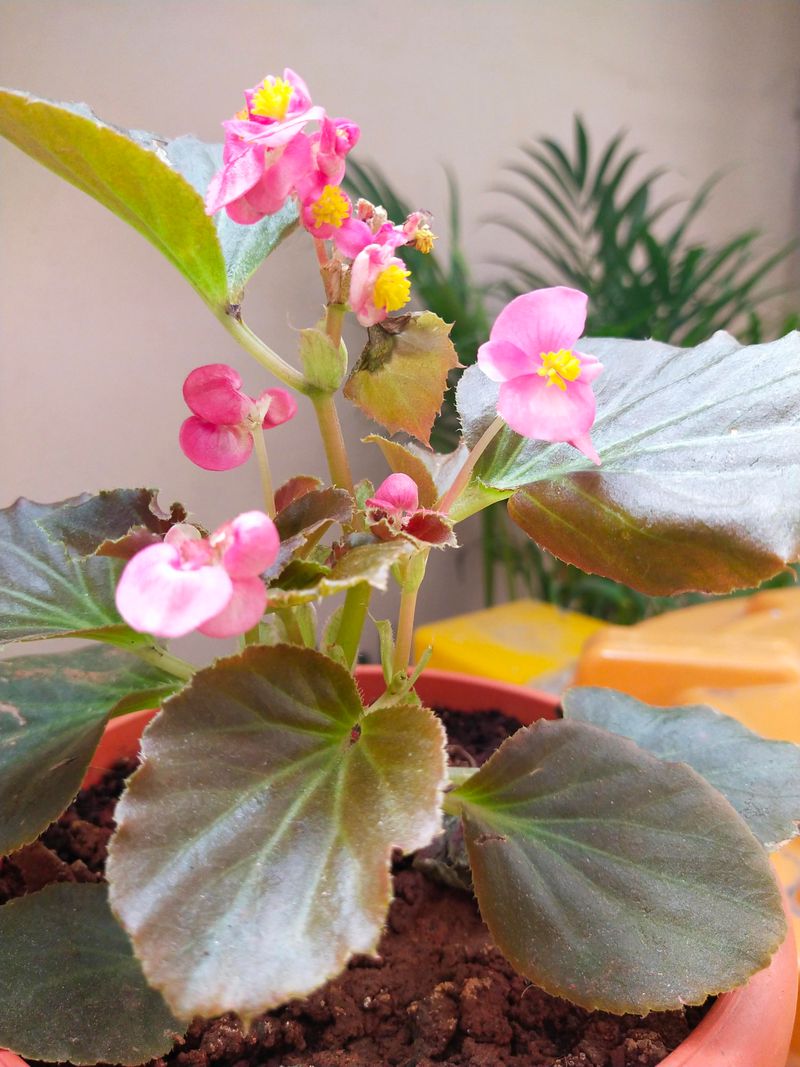
Flowering nonstop requires energy, and begonias need regular feeding to maintain their bloom production without exhausting themselves. However, these plants prefer gentle nutrition rather than heavy doses of fertilizer.
Too much feeding produces lush foliage at the expense of flowers, while too little leaves plants unable to form buds consistently.
Use a balanced liquid fertilizer diluted to half strength every two weeks during active growth from spring through fall. Look for formulas with equal nitrogen, phosphorus, and potassium numbers like 10-10-10 or 20-20-20.
The phosphorus component especially supports bud formation and flower development. Avoid high-nitrogen fertilizers meant for leafy plants, as these push foliage growth instead of blooms.
Apply fertilizer to moist soil rather than dry to prevent root burn. Water your begonia first, then add diluted fertilizer solution an hour later.
This ensures nutrients spread evenly through the root zone without concentrating in spots that could damage tender roots.
Reduce feeding in cooler months, especially in North and Central Florida, when begonias naturally slow their growth and flowering. Resume feeding when new growth appears in spring.
Watch for signs of overfertilizing like brown leaf tips or white crusty buildup on soil, which indicate you should reduce feeding frequency. Light regular nutrition keeps begonias blooming steadily without the boom-and-bust cycle that comes from irregular feeding.
5. Snip Spent Blooms To Trigger New Buds
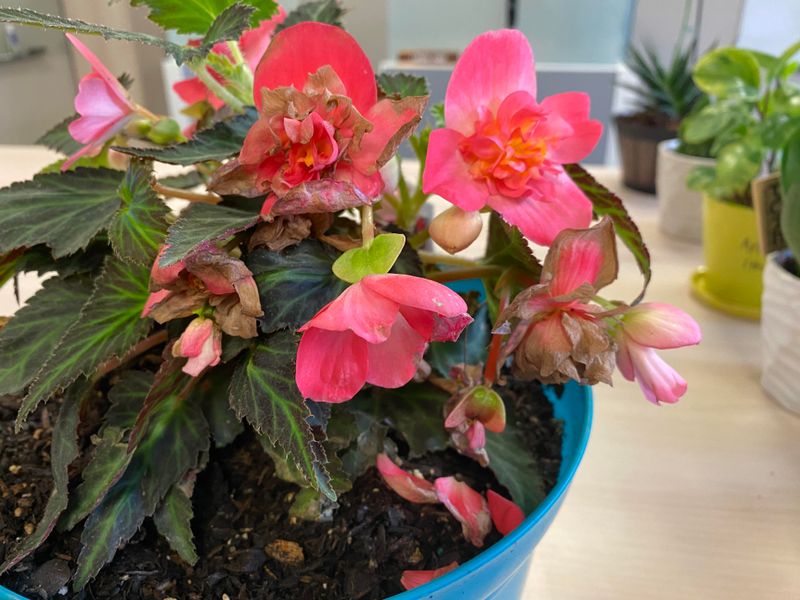
Removing faded blooms does more than keep begonias looking neat. In Florida’s long growing season, deadheading encourages plants to keep producing flowers instead of slowing down.
Once a flower begins forming seeds, the plant shifts energy away from blooming. Removing spent blooms early redirects that energy into forming fresh buds, helping begonias maintain steady color for much longer.
Pinch off faded flowers just below where the bloom meets the stem using clean fingers or small scissors. Check plants every few days, especially during warm weather when flowers fade faster, and remove any blooms with browning petals or drooping heads.
Regular grooming keeps plants tidy and encourages continuous bud development.
Some begonias naturally drop old blooms, but most produce heavier flowering when deadheaded regularly. Tuberous types in particular respond with fuller clusters when faded blooms are removed promptly.
Instead of investing energy into seed production, the plant continues pushing out new flowers.
Pair deadheading with light cleanup of yellowing leaves or damaged stems. In Florida’s humidity, this improves airflow and helps reduce fungal problems while keeping the plant focused on flowering.
Begonias that receive consistent grooming often bloom far more heavily and steadily because they remain in active growth rather than slowing down during the season.
6. Keep Temperatures Warm And Stable
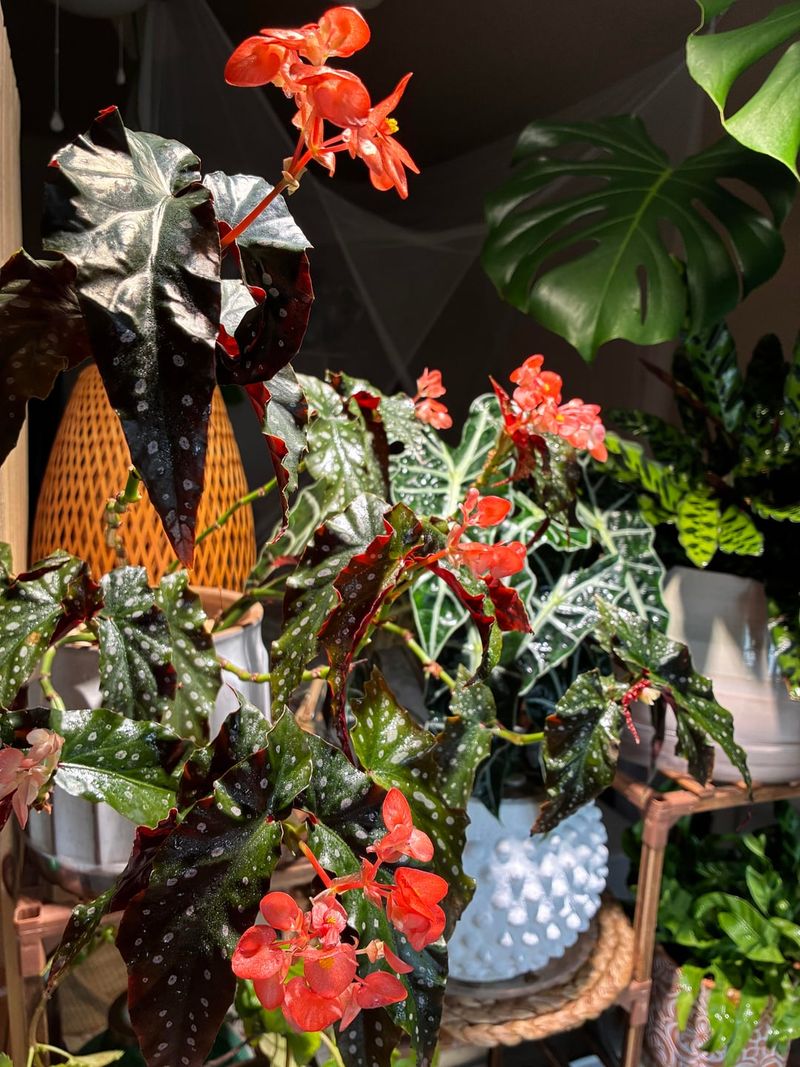
In Florida, steady warmth helps begonias maintain continuous flowering throughout the long growing season. These plants bloom most reliably when temperatures remain consistently warm rather than swinging between cool and hot.
Sudden drops or sharp fluctuations can stress begonias, causing buds to fall and slowing new flower production until conditions stabilize.
Even in Florida, temperature shifts can happen. Cold air from strong indoor cooling, drafty windows, or breezy winter nights can interrupt blooming.
Keep begonias away from direct airflow from vents, frequently opened doors, or spots that cool quickly after sunset. Outdoors, place them where temperatures remain more stable, such as sheltered patios, under tree canopies, or near walls that radiate gentle warmth.
Begonias prefer warm nights and may slow flowering if temperatures remain below about 60°F for extended periods. During occasional cold snaps in North and Central Florida, moving container plants to protected areas or covering them lightly can prevent stress that interrupts blooming.
Indoor begonias often bloom more consistently because temperatures stay stable. In cooler homes, placing plants in naturally warmer spaces can help maintain steady growth.
In Florida’s climate, stable warmth keeps metabolism active, allowing begonias to continue producing buds and flowers steadily rather than pausing due to environmental stress.
7. Boost Humidity For Better Bud Formation
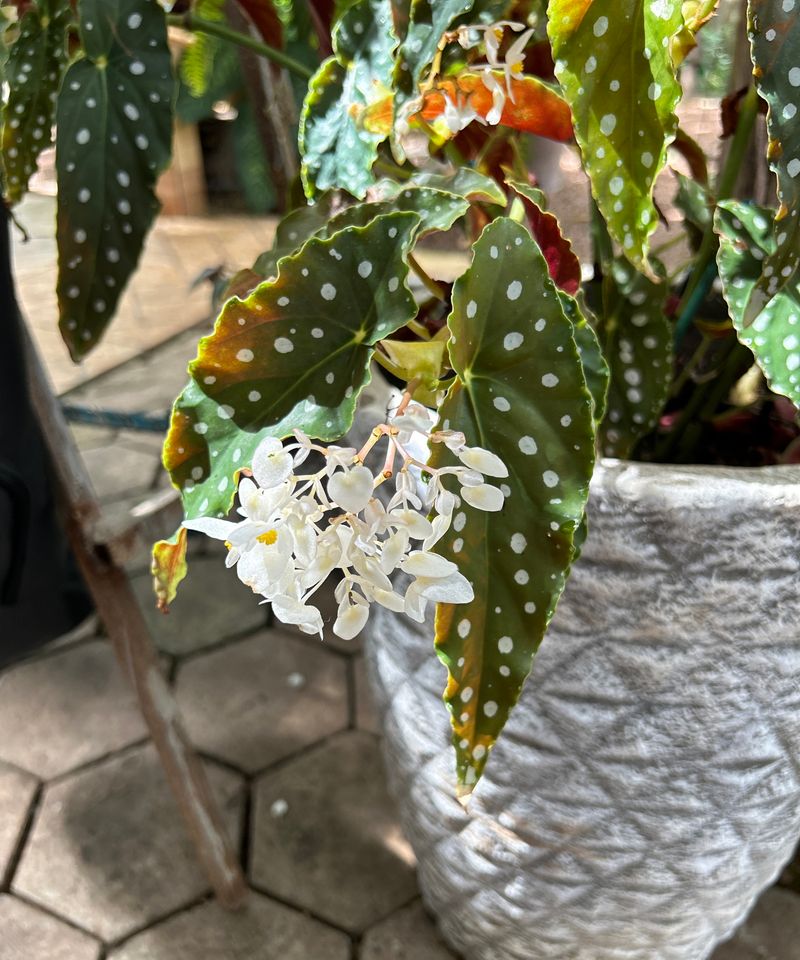
Humidity plays a major role in how well begonias form and open their buds. These plants naturally prefer moisture-rich air, and while outdoor conditions in Florida are often humid, indoor environments with strong air conditioning can become much drier than begonias like.
When humidity drops too low, buds may dry before opening, and flowers often appear smaller or fade faster than expected.
Begonias tend to bloom best when humidity stays moderate and steady. Indoors, air conditioning can lower humidity enough to slow bud development, even in Florida’s warm climate.
A simple hygrometer placed near your plants can help you monitor conditions and spot when the air becomes too dry.
To gently raise humidity, place pots on shallow trays filled with pebbles and water so evaporation surrounds the plant without soaking the roots. Grouping plants together also creates a slightly more humid microclimate as they release moisture naturally.
For very dry indoor spaces, a small humidifier can help maintain consistent conditions.
Avoid misting begonia leaves directly, especially in Florida, where lingering moisture can encourage fungal issues. Instead, focus on improving surrounding air humidity.
When humidity remains stable, buds develop more fully, flowers open properly, and blooms last longer, helping begonias maintain steady flowering throughout the growing season.
8. Prune Lightly For Fresh Flowering Growth
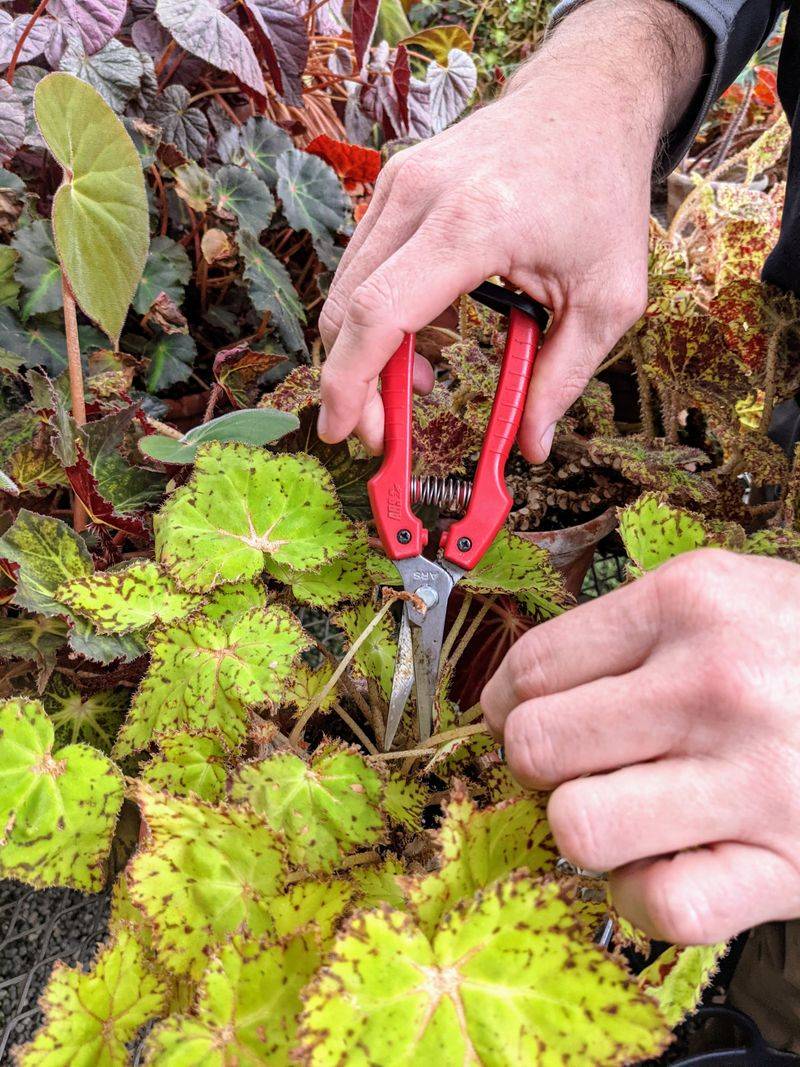
Light, strategic pruning helps begonias stay compact and encourages more flowering stems instead of tall, stretched growth with fewer blooms. In Florida’s long growing season, this simple habit keeps plants full, balanced, and producing steady color.
Begonias respond well to gentle pruning by branching naturally, creating more spots where flower clusters can form.
The best time for a shaping trim is late winter to very early spring, just before strong new growth begins. Cut long stems back by about one-third, making each cut just above a leaf node where new branches will form.
This encourages lower, bushier growth and increases the number of flowering points. Avoid removing too much at once, since heavy pruning can temporarily slow blooming.
During the growing season, pinch back any stems that become too long or start to lean. Removing the top inch or two encourages side shoots, and each new branch can produce its own blooms.
This regular pinching keeps plants dense and covered in flowers rather than sparse with blooms only at the tips.
Remove damaged, weak, or unhealthy stems promptly, cutting back to healthy growth. In Florida’s humid conditions, this also improves airflow and helps reduce disease pressure.
When pruning stays light and consistent, begonias direct their energy into fresh growth and continuous bud formation, resulting in fuller plants and longer-lasting flowering throughout the season.