Make Your Florida Home Look More Expensive With These 12 Tropical Plants
Florida homes already come with sunshine, palm trees, and blue skies, yet many front yards still look flat, empty, or forgotten. You might drive past certain houses and instantly think they look more expensive, more polished, and more inviting.
Most of the time, it is not the size of the home that creates that feeling. It is the landscaping.
The right plants can completely change how your property is perceived from the street. They add color, movement, texture, and that resort style atmosphere Florida is famous for.
Even small changes around an entryway or driveway can create a noticeable upgrade without expensive renovations or major construction.
If you want neighbors slowing down for a second look and visitors walking up to your door already impressed, your plant choices matter more than you may realize.
A few smart additions can turn an ordinary yard into something that feels intentional, styled, and surprisingly high end.
1. Firebush (Hamelia patens)
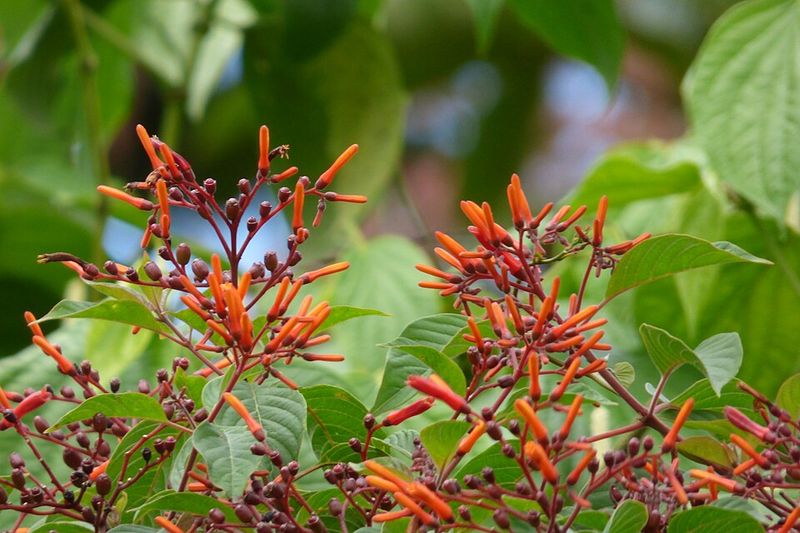
That vibrant burst of orange and red blooms near your front entrance changes everything about how visitors see your home. Firebush delivers exactly that kind of instant visual impact with clusters of tubular flowers that seem to glow in Florida sunshine.
Landscape designers love using this native Florida plant because it screams intentional design while requiring almost no babysitting. The flowers attract hummingbirds and butterflies throughout the warm months, adding movement and life to your landscape.
In South Florida, blooms appear nearly year round, while Central and North Florida homeowners enjoy flowering from spring through fall.
This shrub handles Florida heat and humidity like a champion, rarely wilting during brutal summer months and returning quickly after winter dieback in colder regions. Most designers place Firebush as a colorful foundation plant or use it to anchor corners where homes need a punch of warm color.
The plant grows quickly to about four to eight feet tall, filling in bare spots faster than most tropicals.
Your neighbors will notice the constant parade of pollinators visiting those bright blooms. That kind of natural activity makes any property feel alive and thoughtfully landscaped rather than static and ordinary.
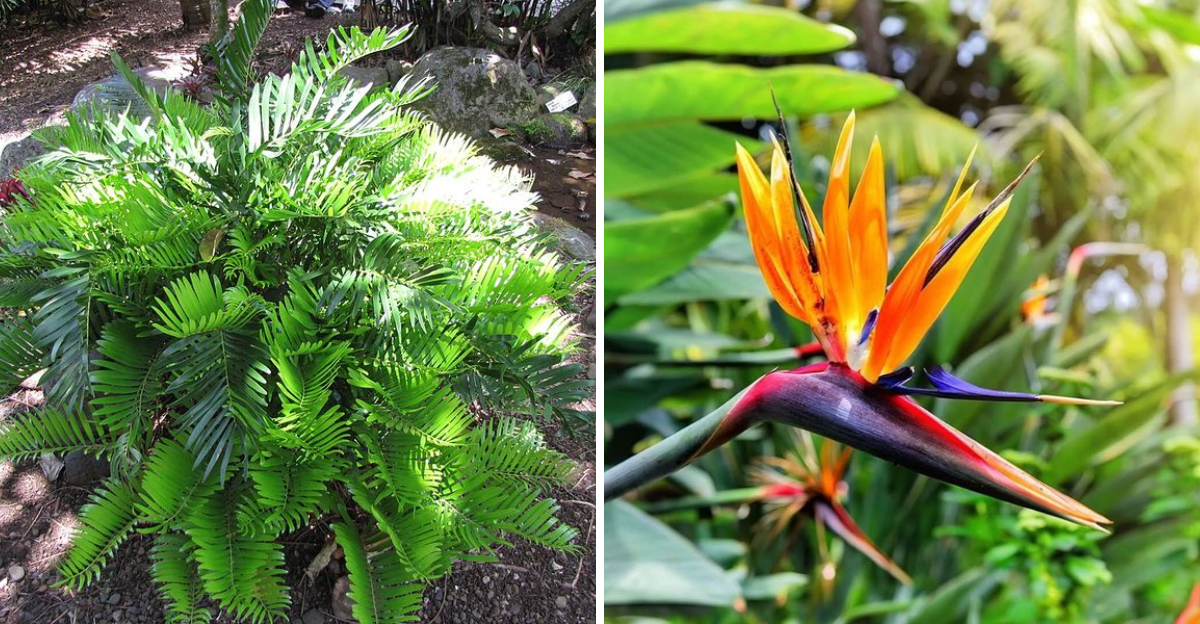
2. Coontie (Zamia integrifolia)
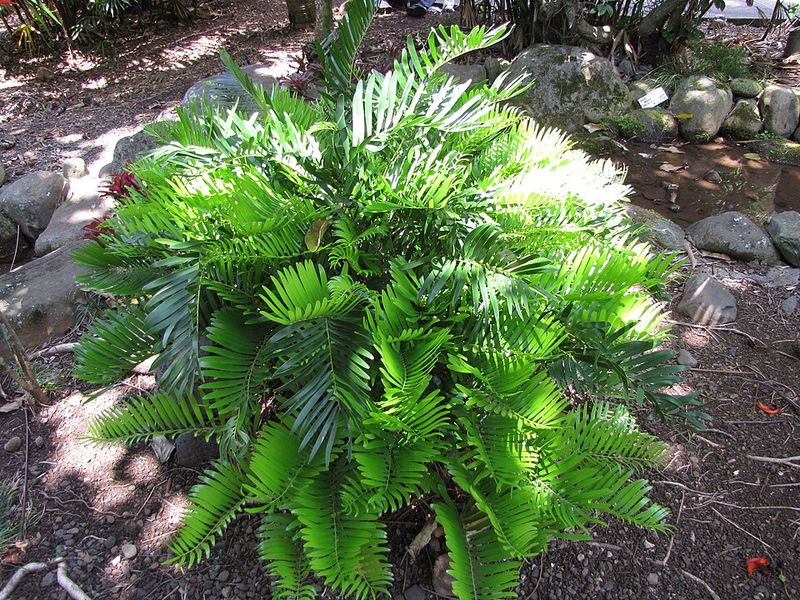
Low maintenance luxury starts with plants that look expensive but never demand constant attention. Coontie brings that sophisticated fern-like texture to Florida landscapes without any of the fussiness that makes homeowners regret their plant choices.
This Florida native cycad creates elegant ground level interest with glossy green fronds that stay beautiful in both sun and shade. Designers use Coontie extensively in upscale landscapes because it provides that polished resort feel while tolerating drought, salt spray, and neglect.
The plant works beautifully as an edging along walkways or clustered beneath palms and larger shrubs.
Throughout all Florida regions, from Pensacola to Key West, Coontie performs consistently without complaint. The slow steady growth means you never worry about it overtaking other plants or requiring constant pruning.
Many high-end developments use Coontie as their go-to foundation plant because it signals quality landscaping instantly.
Your landscape will look professionally designed with these prehistoric beauties anchoring planting beds. The texture contrast they provide against broader-leafed tropicals creates visual depth that makes properties photograph beautifully and feel more valuable to anyone walking past your home.
3. Simpson’s Stopper (Myrcianthes fragrans)
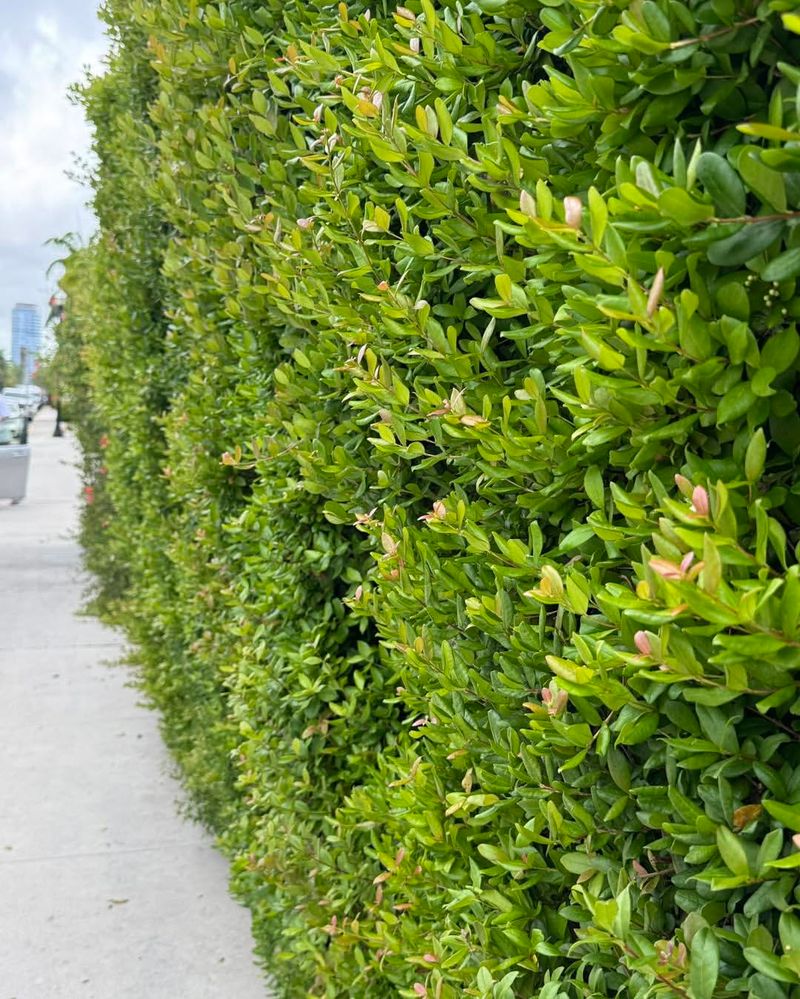
Imagine a hedge so naturally elegant it looks like someone hand-selected each leaf for perfection. Simpson’s Stopper delivers that refined appearance with small glossy leaves and a dense branching habit that screams professional landscape design.
This Florida native shrub brings old Florida charm to modern properties, with tiny fragrant white flowers appearing throughout warmer months. The dark green foliage provides a perfect backdrop for showcasing brightly colored accent plants while maintaining its own quiet sophistication.
Landscape architects frequently specify Simpson’s Stopper for upscale residential projects because it responds beautifully to shaping and maintains a tidy appearance naturally.
Central and South Florida homeowners find this plant particularly reliable, while North Florida gardeners should plant it only in sheltered microclimates where hard freezes are rare. The plant tolerates both full sun and partial shade, making it incredibly versatile for different landscape situations.
Your property instantly gains that timeless Florida estate quality when Simpson’s Stopper frames your home. The plant never looks wild or unkempt, maintaining a naturally refined character that elevates everything around it.
4. Silver Buttonwood (Conocarpus erectus var. sericeus)
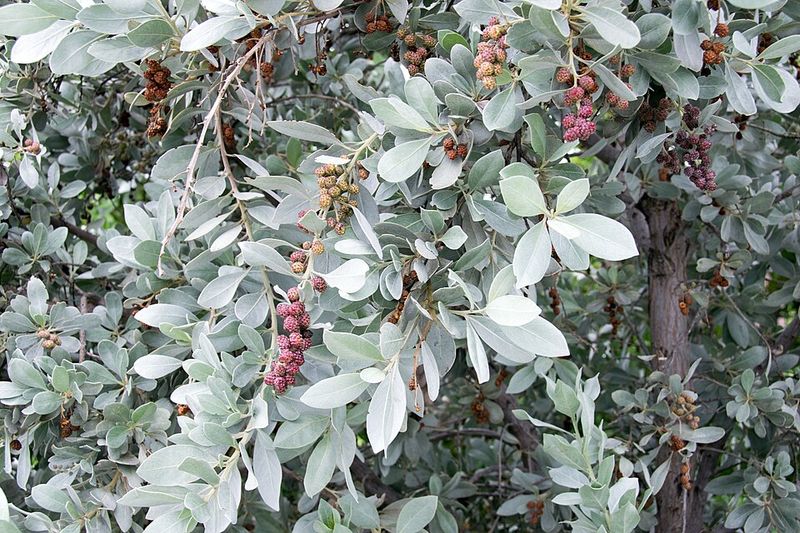
Silvery foliage catches light in ways that green plants simply cannot match, creating visual interest that draws eyes from across the street. Silver Buttonwood brings that shimmering quality to Florida landscapes with leaves that shift from sage green to brilliant silver depending on sun angle and breeze.
High-end coastal properties throughout Florida rely heavily on this native tree because it handles salt spray, wind, and poor soil without missing a beat. The naturally compact growth habit means less pruning work while still providing that sculpted appearance homeowners love.
Designers often use Silver Buttonwood as a standalone specimen tree in front yards or group several together for dramatic impact along property lines.
This adaptable native performs best in coastal and South Florida landscapes, where cold damage is rarely an issue. The silvery color provides stunning contrast against darker green tropical plants, creating layered depth that makes landscapes feel professionally planned.
Many upscale neighborhoods feature Silver Buttonwood prominently because it signals quality and intentional design.
Your home will stand out in the best possible way when this elegant tree catches afternoon sunlight. That subtle shimmer creates movement and interest without shouting for attention, exactly the kind of refined detail that makes properties look more expensive.
5. Areca Palm (Dypsis lutescens)
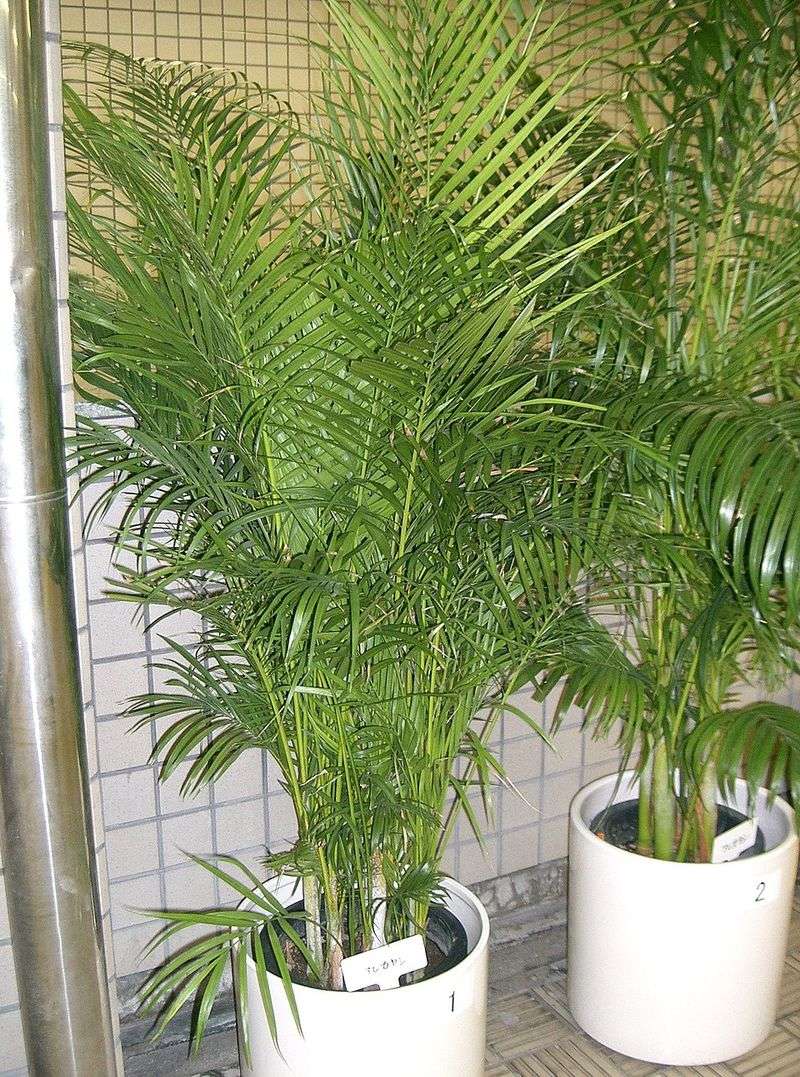
Nothing says tropical luxury quite like graceful palms swaying gently near your home, and Areca Palm delivers that resort vibe better than almost any other option. Multiple slender trunks rise from the base, each crowned with feathery green fronds that create natural privacy screens while looking absolutely gorgeous.
Landscape designers call this the gold standard for Florida privacy plantings because it grows relatively quickly and fills in densely without looking heavy or dark. The bright green color stays vibrant even in partial shade, making Areca Palm incredibly versatile for different exposure situations.
South and Central Florida homeowners find this palm particularly reliable, while North Florida gardeners typically reserve it for protected locations or container plantings.
Most upscale properties use Areca Palms along property boundaries, flanking pool areas, or creating living walls that block unwanted views. The clumping growth habit means you get that lush tropical look without waiting decades for maturity.
This palm handles Florida humidity extremely well and is less prone to fungal issues than many tropical plants.
Your outdoor spaces instantly feel more private and resort-like when Areca Palms define your boundaries. That combination of beauty and function makes this plant worth every penny for homeowners serious about upgrading their landscape.
6. Foxtail Palm (Wodyetia bifurcata)
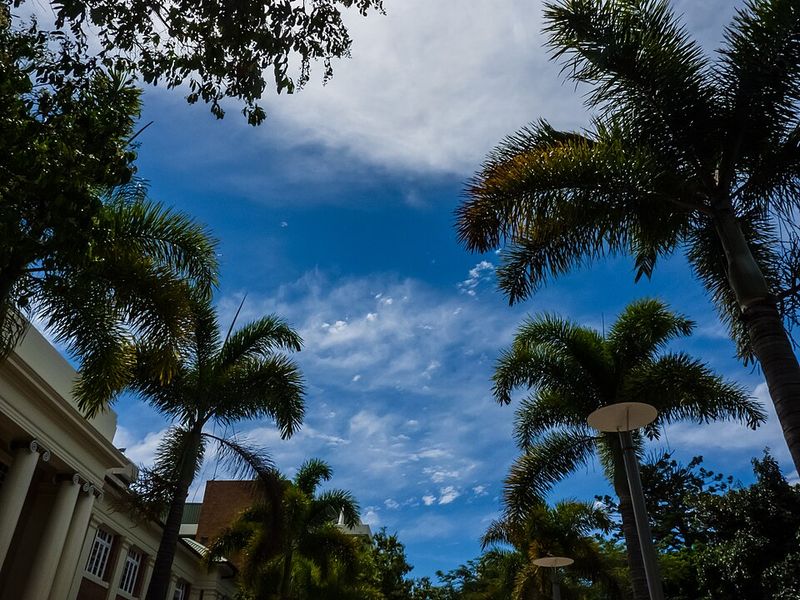
Picture a palm so perfectly proportioned it looks like nature designed it specifically for residential landscapes. Foxtail Palm brings exactly that kind of balanced beauty with a smooth gray trunk topped by plume-like fronds that resemble a fox’s bushy tail.
This Australian native has become a landscape designer favorite throughout Florida because it grows relatively fast, stays naturally neat, and tolerates a wide range of conditions. The self-cleaning habit means old fronds drop cleanly without leaving ugly scars or requiring constant maintenance.
Central and South Florida properties showcase Foxtail Palms as dramatic focal points in front yards, while North Florida gardeners typically keep them in protected microclimates.
Most designers place a single Foxtail Palm as a statement piece near entryways or use pairs to frame driveways and walkways. The symmetrical crown and tidy appearance signal intentional design rather than random planting.
This palm handles Florida heat beautifully and looks fresh even during the most brutal summer months.
Your property value perception jumps noticeably when a specimen this beautiful anchors your landscape. Neighbors and potential buyers immediately recognize quality when they see a healthy Foxtail Palm perfectly positioned to showcase your home.
7. Bird of Paradise (Strelitzia reginae)
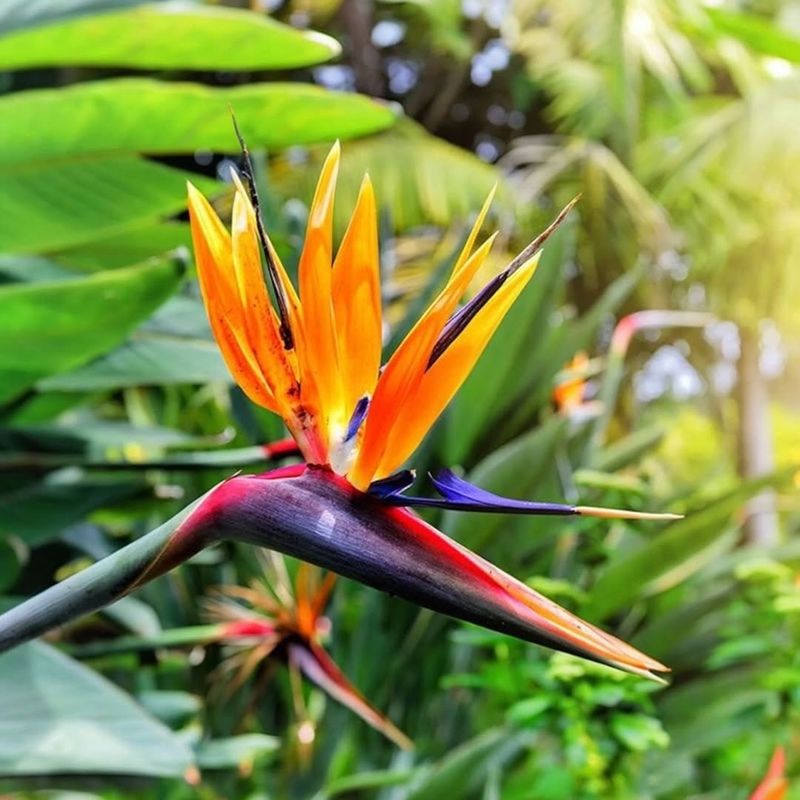
Bold architectural leaves rising from ground level create instant drama that makes properties feel more designed and intentional. Bird of Paradise brings that striking vertical element with paddle-shaped leaves that look sculptural even before the exotic orange and blue flowers appear.
Designers love using this South African native because it provides tropical impact without sprawling or requiring excessive space. The flowers look so unusual and beautiful that visitors often stop to examine them closely, creating conversation-worthy moments in your landscape.
South Florida homeowners enjoy extended blooming seasons with peak flowering in late winter and spring, while Central Florida sees the strongest bloom cycles during warmer months. North Florida gardeners typically grow Bird of Paradise in containers they can protect during occasional freezes.
Most upscale landscapes feature Bird of Paradise as accent plants near entryways, beside pools, or in large decorative containers flanking outdoor living spaces. The plant tolerates Florida heat well but appreciates some afternoon shade in the hottest inland locations.
That combination of bold foliage and exotic flowers creates layers of interest that make properties photograph beautifully.
Your landscape immediately looks more tropical and expensive when these plants add their distinctive character. That wow factor translates directly into increased curb appeal and property value perception.
8. Ti Plant (Cordyline fruticosa)
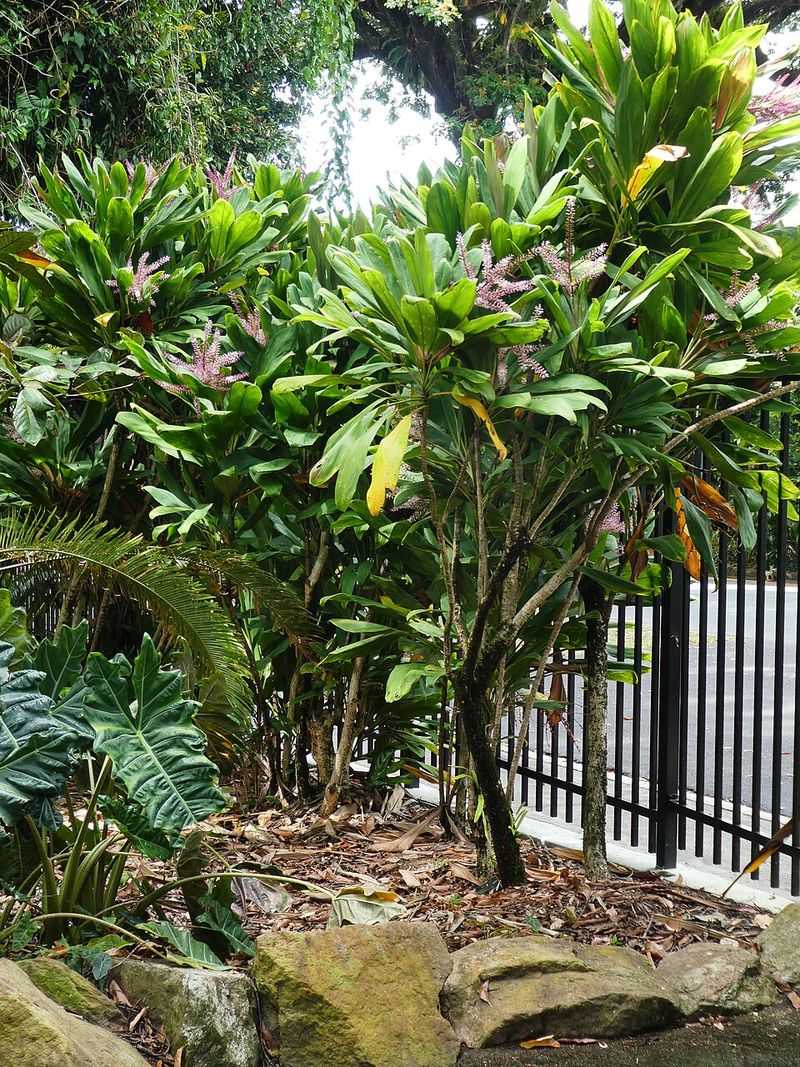
Color explodes from this tropical beauty in shades ranging from deep burgundy to bright pink, instantly transforming ordinary green landscapes into something special.
Ti Plant delivers that punch of bold color with sword-shaped leaves that create vertical interest and tropical flair.
Landscape professionals use Ti Plant extensively in South Florida designs where it thrives in heat and humidity without complaint. The incredible variety of leaf colors means you can match almost any home exterior or design scheme.
Central Florida gardeners enjoy success with Ti Plant in protected locations, while North Florida homeowners typically treat it as a seasonal container plant or protect it carefully during winter.
Most designers place Ti Plant in clusters for maximum color impact, use it as a border along walkways, or feature it in large decorative pots near entryways. The plant performs beautifully in partial shade, making it perfect for brightening areas beneath trees or beside homes where other colorful options struggle.
Florida humidity actually benefits Ti Plant, keeping foliage vibrant and healthy looking.
Your property gains that resort landscape quality when Ti Plant adds its dramatic color. The bold statement these plants make tells everyone your landscape was designed with intention and style rather than planted randomly.
9. Croton (Codiaeum variegatum)
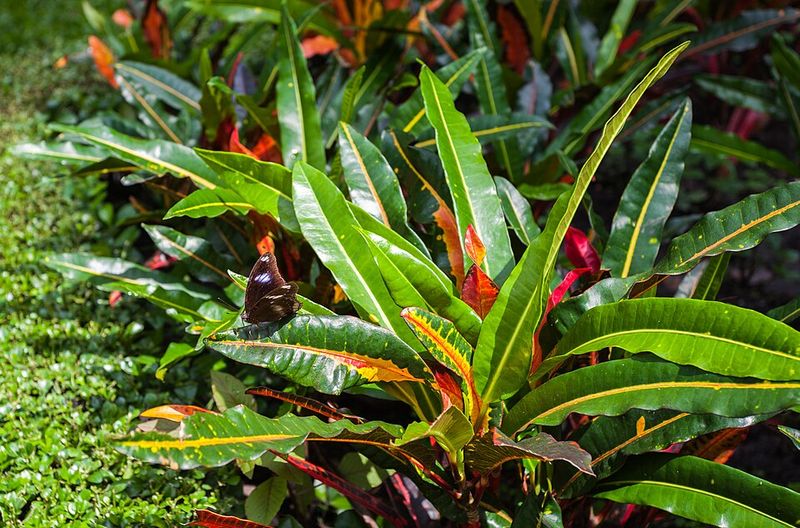
Few plants deliver the sheer color intensity that Croton brings to Florida landscapes, with leaves splashed in yellow, orange, red, and green all on the same plant.
This tropical showstopper creates focal points that draw eyes and make properties look vibrant and professionally maintained.
South Florida landscapes feature Croton everywhere because it thrives in heat, tolerates humidity, and provides non-stop color without flowers. Hundreds of varieties exist, giving designers endless options for matching specific color schemes or creating bold contrasts.
Central Florida homeowners succeed with Croton in warmer microclimates and protected spots, while North Florida gardeners typically enjoy them in containers or as warm-season annuals.
Most upscale properties use Croton as foundation plantings, border accents, or mass plantings where maximum color impact matters. The plant performs best in bright light where leaf colors intensify dramatically.
Florida sunshine brings out the most brilliant hues, making Croton look especially stunning in front yard locations where everyone can appreciate the display.
Your home instantly looks more expensive when Croton adds its kaleidoscope of color. That bold tropical statement signals quality landscaping and careful plant selection rather than generic builder-grade plantings that do nothing for property value.
10. Blue Porterweed (Stachytarpheta jamaicensis)
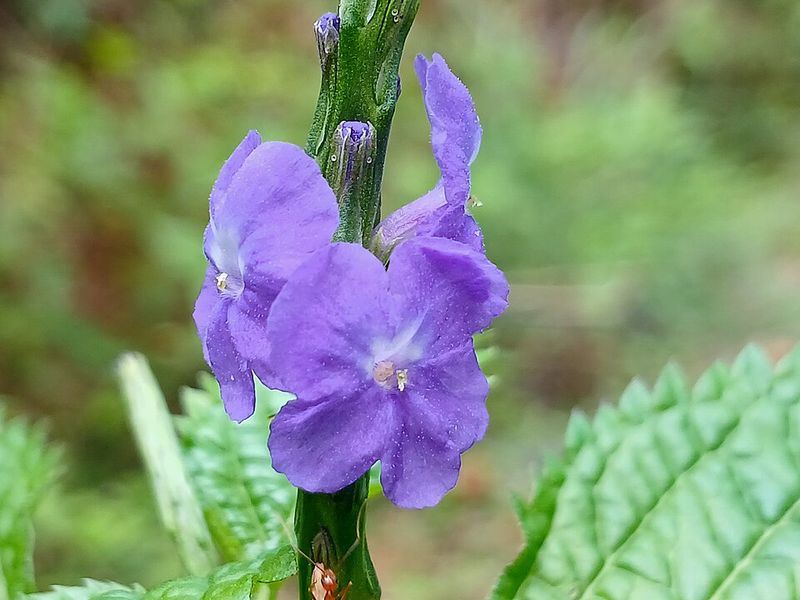
Delicate blue flowers dancing above green foliage create movement and color that makes landscapes feel alive and carefully tended. Blue Porterweed brings that gentle beauty with slender spikes of true blue blooms that attract butterflies constantly throughout the growing season.
This tough Florida native performs beautifully in heat and humidity while requiring very little maintenance once established, especially when true native varieties are selected.
Designers appreciate how Blue Porterweed fills in quickly, blooms reliably, and provides that cottage garden charm that makes properties feel welcoming and thoughtfully designed.
South and Central Florida homeowners enjoy extended flowering seasons, while North Florida gardeners see peak blooms during warmer months.
Most landscape plans incorporate Blue Porterweed as a low border plant, mixed into perennial beds, or massed along fence lines where its blue flowers create ribbons of color. The plant handles full sun beautifully and actually flowers more prolifically in bright light.
Butterfly activity around Blue Porterweed makes any property feel more connected to nature and professionally landscaped.
Your landscape gains that polished natural look when Blue Porterweed adds its delicate flowers. The combination of reliable performance and beautiful blooms makes this plant a smart choice for homeowners wanting low-maintenance luxury.
11. Dwarf Yaupon Holly (Ilex vomitoria ‘Nana’)
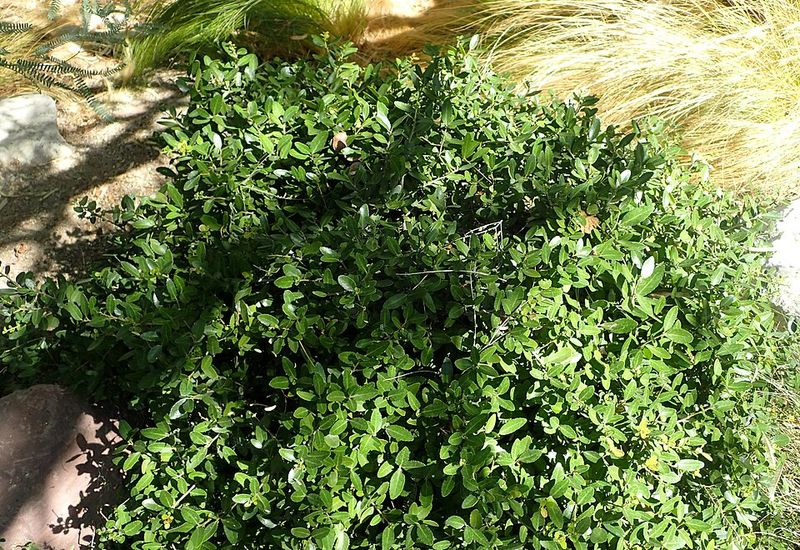
Tight compact growth and tiny evergreen leaves create the perfect foundation for formal landscape designs that scream quality and attention to detail. Dwarf Yaupon Holly brings that refined character with naturally dense branching that maintains a neat appearance without constant shearing.
This Florida native shrub works beautifully throughout the entire state, from Pensacola to Miami, handling both cold winters and hot summers without complaint.
Landscape architects specify Dwarf Yaupon Holly for upscale projects because it provides that manicured look homeowners love while tolerating drought, salt, and neglect.
The small leaves and fine texture create elegant contrast against bolder tropical foliage.
Most designers use Dwarf Yaupon Holly as edging along walkways, low hedges defining planting beds, or foundation plantings where a neat appearance matters. The plant performs equally well in sun or partial shade, making it incredibly versatile for different landscape situations.
Florida humidity and heat never faze this tough native.
Your property looks professionally maintained when Dwarf Yaupon Holly provides that crisp green structure. The plant signals quality landscaping instantly, exactly the kind of detail that makes homes look more expensive and carefully designed.
12. Gumbo Limbo (Bursera simaruba)
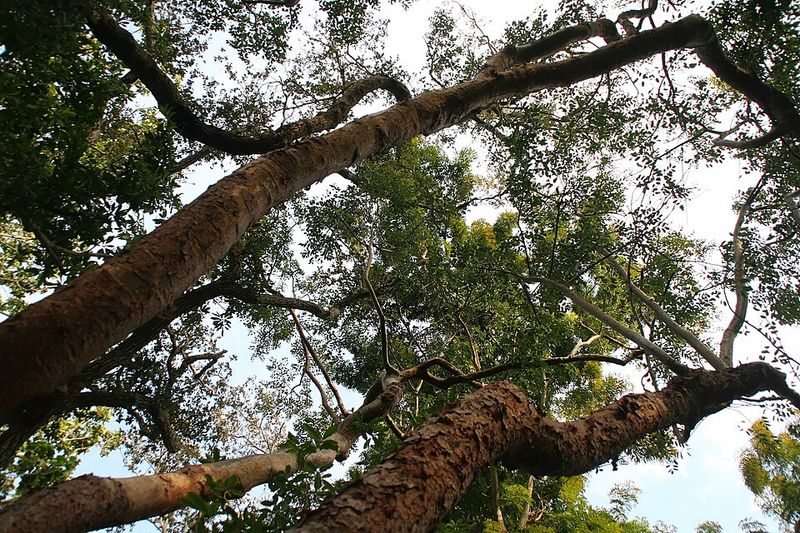
That distinctive copper-colored bark catches attention from blocks away, making properties memorable and visually striking in ways ordinary green trees never achieve.
Gumbo Limbo brings unique character to Florida landscapes with peeling reddish bark and a naturally sculptural branching pattern that looks artistic without any human intervention.
This Florida native tree handles coastal conditions, poor soil, and drought like an absolute champion while providing that Old Florida charm upscale properties crave. Landscape designers love Gumbo Limbo because it grows relatively quickly, requires almost no care, and creates instant visual interest with its striking trunk.
Central and South Florida homeowners find this tree particularly reliable, while frost protection is essential in Central Florida and it is not recommended for most North Florida landscapes.
Most high-end properties feature Gumbo Limbo as a specimen tree in front yards where its distinctive bark becomes a conversation piece. The tree tolerates Florida heat and humidity perfectly, never looking stressed even during brutal summer months.
That combination of unique appearance and bulletproof performance makes Gumbo Limbo worth considering for any serious landscape upgrade.
Your home gains instant character and distinction when this beautiful native tree adds its artistic presence. Properties with mature Gumbo Limbo trees always command attention and appreciation.