Many Oregon Gardeners Regret Planting These Trendy Perennials

Garden trends can be hard to resist. A plant starts showing up everywhere, garden centers put it front and center, and suddenly it feels like every Oregon garden needs one.
With beautiful photos and promises of easy care, trendy perennials can look like the perfect addition to a landscape.
But once the excitement fades and the plants settle into real garden conditions, some homeowners start to notice a few problems.
Certain trendy perennials don’t handle Oregon’s wet winters, clay soil, or changing seasons as well as expected. Others spread too aggressively or require far more maintenance than the label suggests.
It’s a frustrating realization many gardeners share after a season or two. What looked like the next must-have plant can quickly turn into a garden headache.
That’s why many Oregon gardeners now warn others to think twice before planting some of these popular perennials.
1. Bamboo

Few plants have caused as much gardening heartbreak across Oregon as bamboo. It looks exotic and elegant in photos, but once it gets comfortable in your yard, it spreads fast and wide.
Running bamboo varieties send underground stems called rhizomes shooting out in every direction, sometimes traveling ten feet or more in a single season.
Oregon gardeners have shared stories of bamboo popping up through lawns, under fences, and even inside raised beds. By the time you notice it spreading, removing it becomes a serious project.
You may need to dig several feet deep and wide to get all the roots out.
Clumping bamboo is a slightly better option, but it still grows large and can be hard to manage over time. If you love the look of bamboo, consider growing it in a large container instead.
That way, you get the beauty without giving it freedom to roam your entire Oregon yard. Always research the specific variety before buying, and talk to local nursery staff about containment strategies before planting anything in the ground.
2. Mint
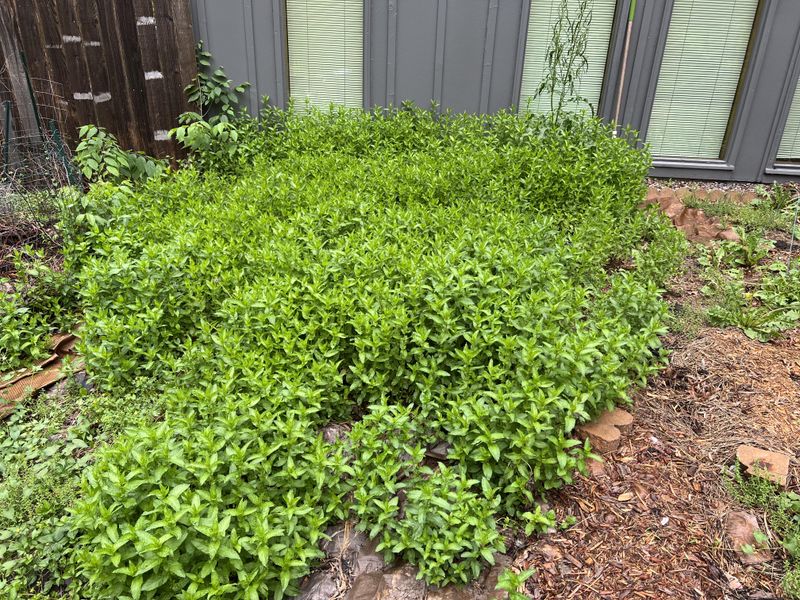
Walk through any farmers market in Oregon and you will smell mint long before you see it. It is one of the most beloved herbs around, used in cooking, teas, and cocktails.
But plant it directly in the ground and you may spend the next several years trying to get rid of it.
Mint spreads through underground runners that move quickly and quietly beneath the soil. Before long, it pops up in flower beds, between pavers, and in spots you never intended.
Some Oregon gardeners have found mint growing several feet away from where they originally planted it, and removing it completely can feel nearly impossible.
The good news is that you do not have to give up on mint entirely. Planting it in a buried container or a pot above ground keeps it contained and manageable.
Use a large plastic pot, bury it in the soil up to its rim, and the roots will stay put. You still get fresh mint whenever you need it, without the headache of chasing runners across your Oregon garden beds every spring and summer.
3. Lamb’s Ear
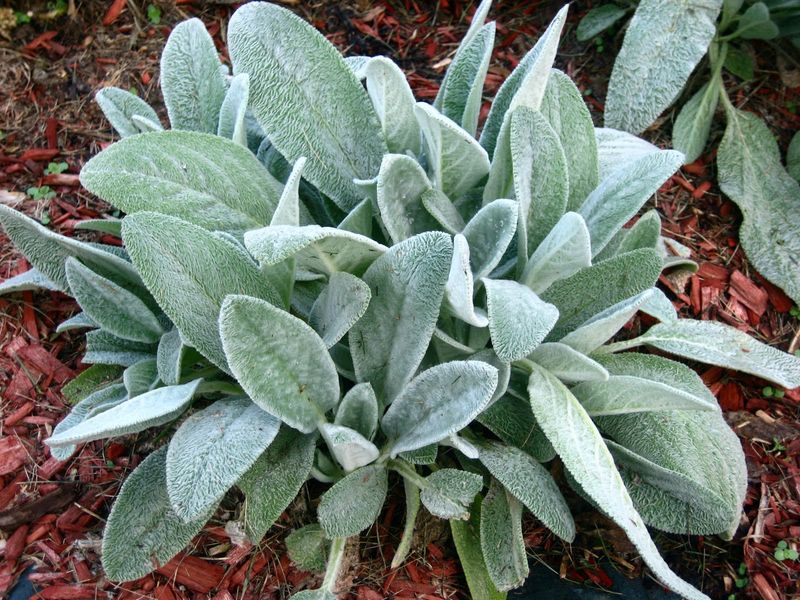
Touching lamb’s ear for the first time feels almost magical. The leaves are incredibly soft, thick, and silver-gray, and children especially love running their fingers over them.
Oregon gardeners often grab a few plants at the nursery without thinking twice, drawn in by that velvety texture and low-maintenance reputation.
The problem shows up fast. Lamb’s ear spreads aggressively, sending out side shoots that root wherever they touch the ground.
It quickly invades neighboring plants and can take over a border in just one or two growing seasons. Worse, during Oregon’s famously wet winters and cool, damp springs, the fuzzy leaves trap moisture and turn mushy and brown.
That moldy, matted look requires a lot of cleanup, and if you skip it, the whole bed can look neglected and messy. Dividing the plants regularly helps slow the spread, but it never fully stops.
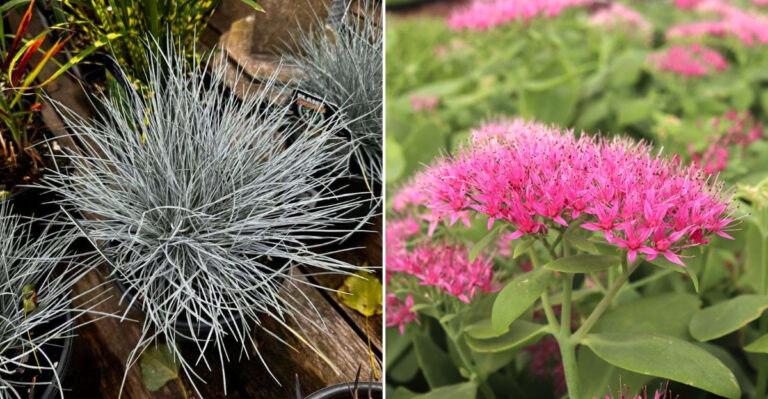
If you want silver foliage in your Oregon garden without the fuss, consider artemisia or blue oat grass instead. Both offer similar visual appeal with far less aggressive growth and much easier seasonal maintenance throughout the year.
4. Purple Loosestrife
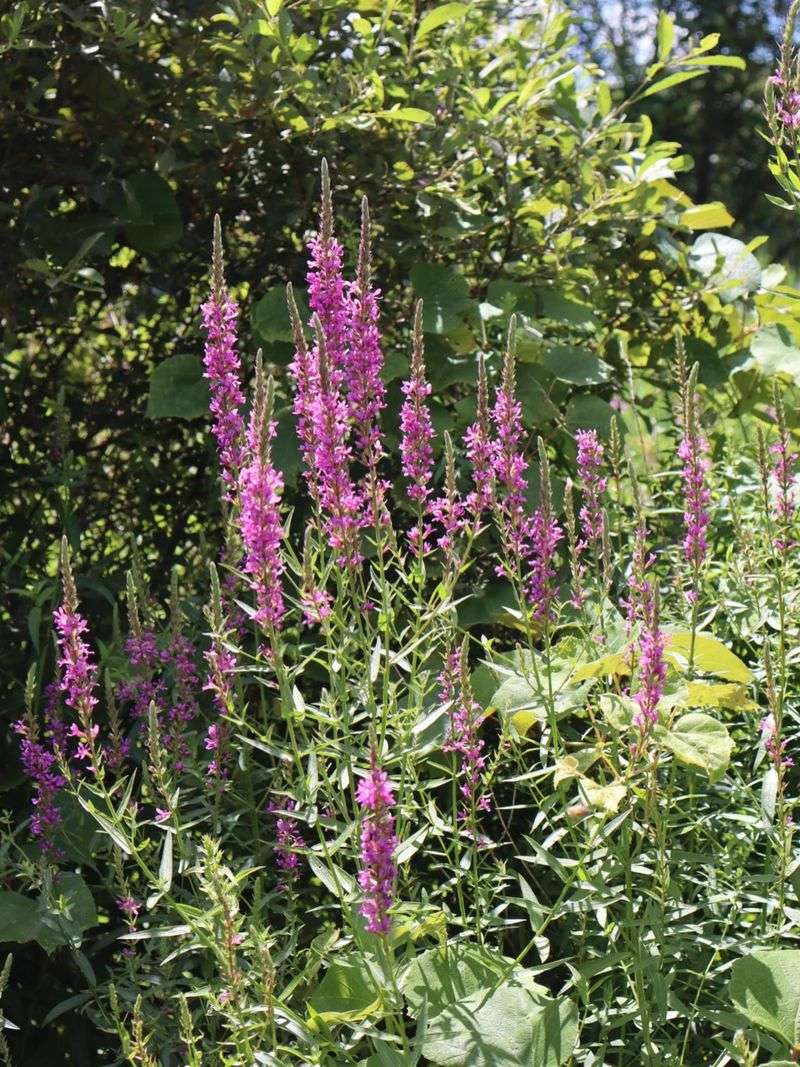
At first glance, purple loosestrife looks like a dream plant. It grows tall, blooms in stunning shades of magenta-purple, and attracts pollinators.
For years, Oregon gardeners planted it along ponds, streams, and wet garden borders without knowing the damage it could cause.
Purple loosestrife is actually listed as a noxious weed in Oregon and many other states. It spreads both by seed and underground roots, and one mature plant can release millions of seeds in a single season.
Once it escapes into natural wetlands, it crowds out native plants that local wildlife depend on for food and shelter.
Oregon’s Department of Agriculture actively works to control purple loosestrife in wild areas, and planting it in home gardens is strongly discouraged. Some counties in Oregon have specific regulations around it.
If you already have it in your yard, removing it before it goes to seed is the most responsible move you can make.
For a similar look without the environmental impact, consider native Oregon plants like swamp milkweed or blue vervain, which support pollinators and fit naturally into the local ecosystem.
5. Evening Primrose

Evening primrose has a romantic quality about it. The bright yellow flowers open in the early evening, releasing a light fragrance that drifts through warm Oregon summer nights.
It sounds like a lovely addition to any garden, and many people plant it for exactly that reason.
What the plant tag often does not mention is how freely evening primrose self-seeds. One plant becomes five, then twenty, then suddenly it is popping up in every crack and corner of your Oregon garden.
The taproot goes deep, making individual plants tricky to pull out completely, and any root left behind will regrow.
Evening primrose also tends to flop over as it gets taller, smothering smaller plants nearby. Deadheading the flowers before they go to seed helps manage the spread, but you have to stay on top of it every single year.
Miss one season and you will be pulling seedlings for years to come. If you love yellow blooms in your Oregon garden, coreopsis or black-eyed Susan offer similar cheerful color with far more predictable and manageable growth habits throughout the growing season.
6. Bee Balm
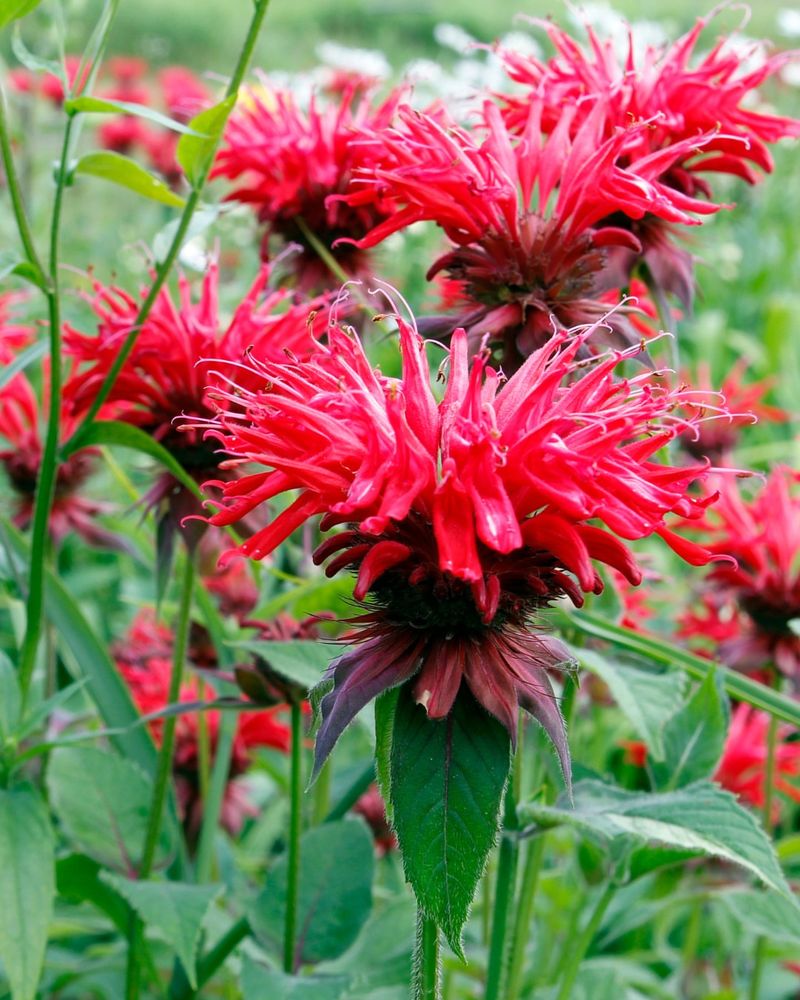
Bee balm is genuinely beautiful. The spiky, colorful flowers in shades of red, pink, and purple draw hummingbirds, bees, and butterflies like a magnet.
Oregon gardeners love planting it for exactly that reason, and in its first year, it behaves perfectly and looks stunning.
By year two or three, the story often changes. Bee balm spreads through underground rhizomes and can double or triple in size quickly.
The center of the clump tends to look woody and bare while the outer edges keep pushing outward. Without regular dividing, it becomes a tangled mess that crowds out everything around it.
Powdery mildew is another headache with bee balm, especially in Oregon where cool, moist conditions are common. The leaves develop a white, chalky coating that looks unsightly and weakens the plant over time.
Choosing mildew-resistant varieties like ‘Jacob Cline’ or ‘Raspberry Wine’ helps, but does not fully solve the spreading problem. Dividing bee balm every two to three years keeps it looking healthier and more controlled.
If you stay committed to that maintenance schedule, it can still be a rewarding and wildlife-friendly addition to your Oregon garden.
7. Russian Sage
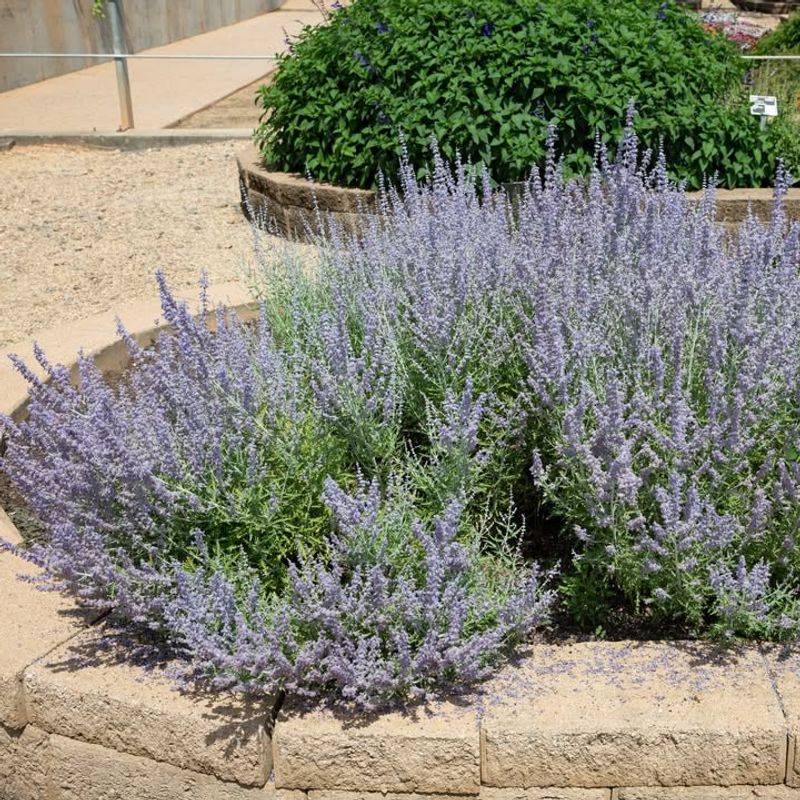
Russian sage looks absolutely stunning in garden design magazines. Those tall, airy wands of lavender-blue flowers swaying over silver stems look effortlessly elegant.
It is drought-tolerant, deer-resistant, and pollinators love it, so Oregon gardeners often assume it is a foolproof choice.
The challenge with Russian sage is its structure. In Oregon’s climate, where winters are wet and summers can be mild, Russian sage tends to get floppy and sprawling.
The stems lean outward and flop over neighboring plants, sometimes smothering them entirely. Cutting it back hard in spring helps, but timing that cut correctly takes some practice and experience.
Russian sage also spreads by self-seeding more than most gardeners expect. Seedlings pop up around the parent plant and can be surprisingly vigorous.
The woody base gets larger each year and becomes difficult to move or divide without significant effort. If your Oregon garden has a hot, dry spot with excellent drainage, Russian sage can thrive with less flopping.
But in shadier or wetter areas, it often disappoints. Staking or using neighboring plants for support can help manage its sprawling habit and keep your garden looking tidy through the season.
8. Obedient Plant

The name sounds so reassuring. Obedient plant, also called false dragonhead, suggests a well-behaved garden resident that stays where you put it.
Oregon gardeners who have grown it for a season or two will tell you the name is one of gardening’s great jokes.
Obedient plant spreads aggressively through underground stolons, popping up far from its original location. It can easily take over a large section of a garden bed within just a few years.
Pulling it out is frustrating because even small pieces of root left in the soil will sprout new plants the following spring.
That said, the flowers are genuinely lovely. Tall spikes of tubular pink or white blooms appear in late summer, when many other perennials are winding down.
The flowers are also uniquely interactive, you can move individual blooms along the stem and they stay in position, which is where the common name comes from.
If you want to grow obedient plant in your Oregon garden, plant it in a buried container or a spot with physical barriers.
That way you can enjoy the late-season blooms without spending every weekend chasing it through your other plantings.
9. Jerusalem Artichoke
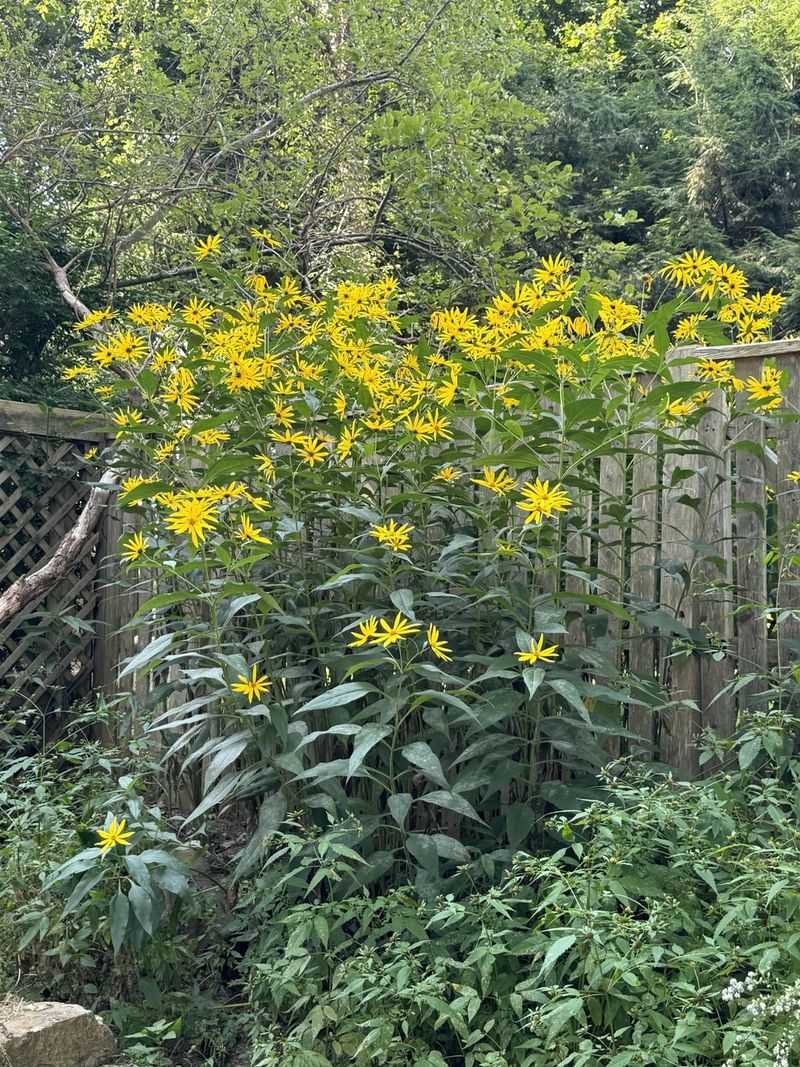
Jerusalem artichoke is one of those plants that sounds like a great idea on paper. It produces edible tubers, grows tall with cheerful sunflower-like blooms, and thrives in Oregon’s climate without much fuss.
Homesteaders and food gardeners often add it with high hopes and genuine enthusiasm.
Then comes the reality check. Jerusalem artichoke spreads relentlessly through underground tubers, and you only need to miss one small piece during harvest for it to come back full force the next year.
Oregon gardeners who have grown it describe spending years trying to remove it from beds where they no longer want it.
The tubers themselves, while edible and nutritious, are famous for causing intense digestive discomfort in many people. This is such a well-known issue that the plant has earned the nickname ‘fartichoke’ among gardeners.
If you still want to grow Jerusalem artichoke in Oregon, dedicate a contained raised bed with solid barriers on all sides to keep it from spreading. Harvest every single tuber at the end of the season, leaving none behind.
With that level of commitment, you can enjoy the harvest without turning your entire garden into a Jerusalem artichoke colony.
10. Bishop’s Weed

Bishop’s weed, also sold as variegated goutweed, looks deceptively tame at the nursery. The green and white patterned leaves are bright and fresh-looking, and it is often marketed as a great ground cover for difficult shady spots.
Oregon gardeners pick it up thinking they have found an easy solution for a problem area.
What happens next is almost always the same story. Bishop’s weed spreads through underground rhizomes at a shocking pace, moving into flower beds, lawns, and even cracks in pavement.
It is extremely difficult to remove once established because any tiny fragment of root left in the soil will regrow. Some Oregon gardeners have resorted to removing all the soil in an area and starting completely fresh just to get rid of it.
Even the all-green form, which is less commonly sold, behaves just as aggressively. No amount of mulching or pulling seems to stop it for long.
If you need a ground cover for a shady spot in your Oregon garden, consider native alternatives like wild ginger or sword fern instead.
Both are well-suited to Oregon’s climate, spread at a manageable pace, and support local wildlife without taking over your entire yard.