Maryland Orchid Owners Should Stop Turning Their Plants Once A Flower Spike Appears
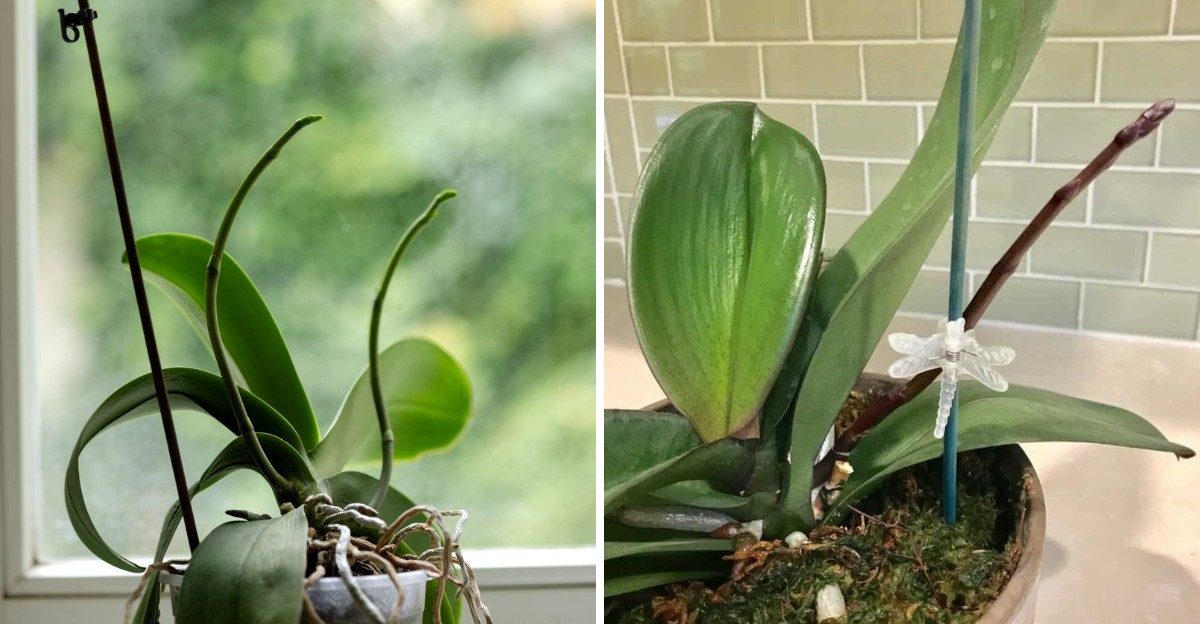
A flower stem on my windowsill once grew into a lazy corkscrew in about six weeks. I did that. All I did was give the pot a friendly quarter turn every few days.
The plant was not sick or confused. It was just following the light, which it does with stubborn loyalty. Every turn sent it chasing a new direction.
Not going to lie, I thought I was being a thoughtful plant parent. Turning pots is classic advice for houseplants that lean. For most leafy plants in Maryland homes, it still works well.
This one is different, though, and the timing matters more than the habit. The window between a tiny green nub and a full arch of blooms is when the plant makes its big decisions. What happens when you let it face one way and leave it alone?
That Twisted Orchid Flower Spike Is Telling You Something
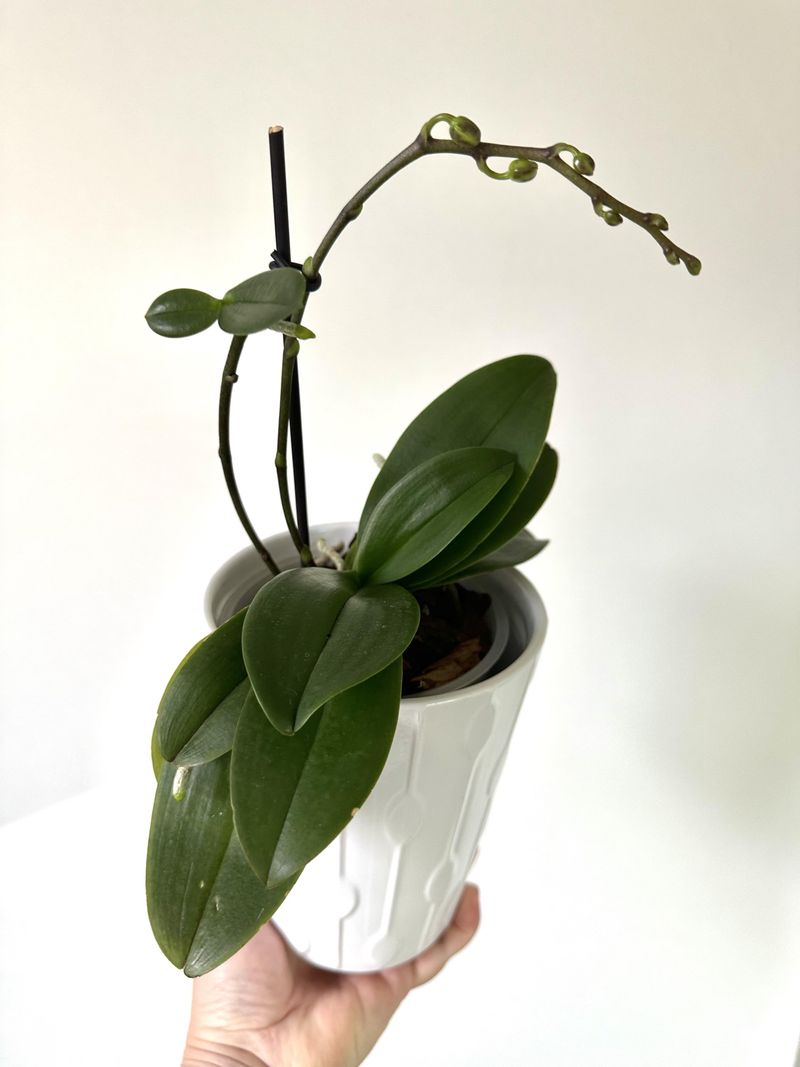
Take a close look at a crooked orchid spike and you will often see a story written in the stem. Each bend marks a moment when the light moved and the plant tried to catch up.
Moth orchids, known as Phalaenopsis, are the type most commonly kept in Maryland homes. Their flower spikes are flexible while young, so they respond quickly to where the brightest light is coming from. Turn the pot, and the tip starts curving back toward the window within days.
One turn might not matter much. A habit of weekly turning, though, can leave you with a stem that zigzags, loops, or flops sideways. Buds may end up facing every direction like a crowd that cannot agree where the stage is.
I used to blame the plant for being fussy. Funny thing is, the orchid was behaving perfectly normally. It was simply doing what plants have done for millions of years, which is grow toward the sun.
So that twist is not a sign of disease or poor health. It is mostly a sign of good intentions on our part. Once you see it that way, the fix becomes surprisingly simple and costs nothing at all.
Leave The Orchid Pot Facing One Way Once The Spike Shows Up
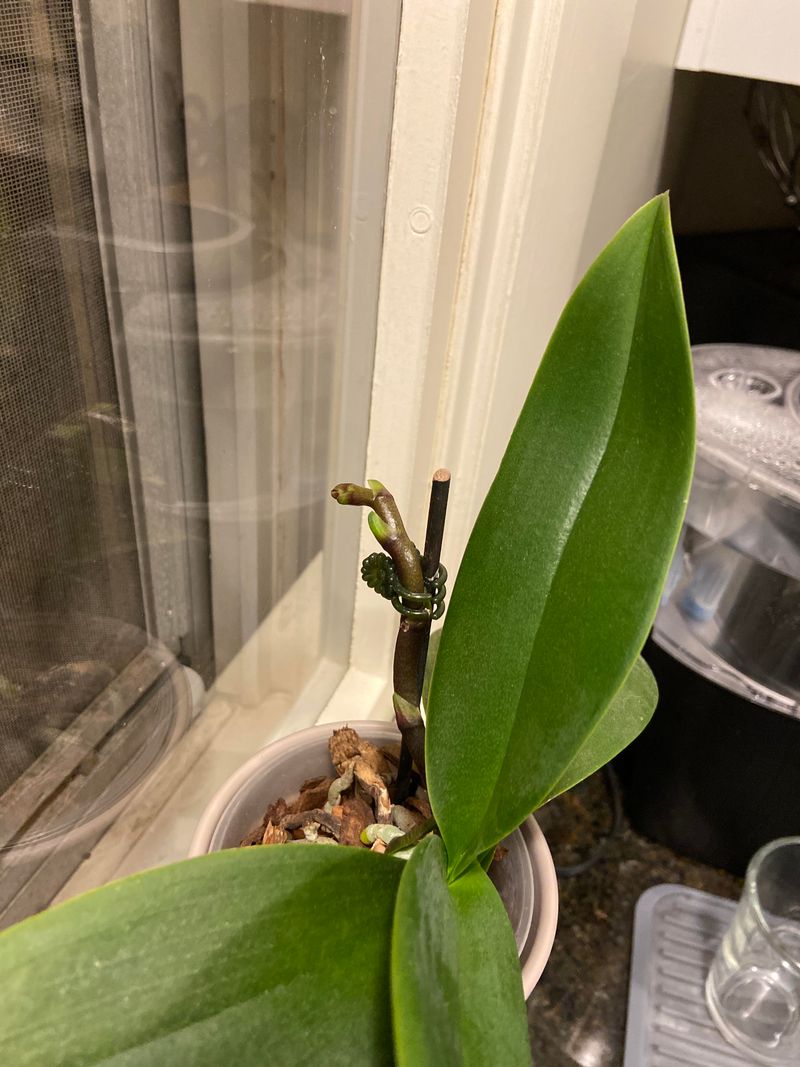
Here is the whole rule in one breath. When a new flower spike appears, pick a spot, point the plant, and stop rotating it until the blooms open.
Spikes usually look different from roots. A root tip tends to be round and silvery green, while a spike often has a pointed, mitten-shaped tip. Once you are sure it is a spike, mark the side of the pot facing the window with a bit of tape or a marker dot.
That small mark becomes your best friend. Every time you water, set the pot back down with the mark in the same position. Many growers take the plant to the sink, so this trick keeps you honest.
I learned to treat the spike stage like a quiet season. The plant is investing a lot of energy, and steady light helps it grow in one smooth direction.
Bonus tip: choose the window-facing side carefully, because the spike will curve toward the light and the blooms will face that same direction. That way you can plan how the display will look from the room.
Orchid Buds Lock Into Position Before They Open
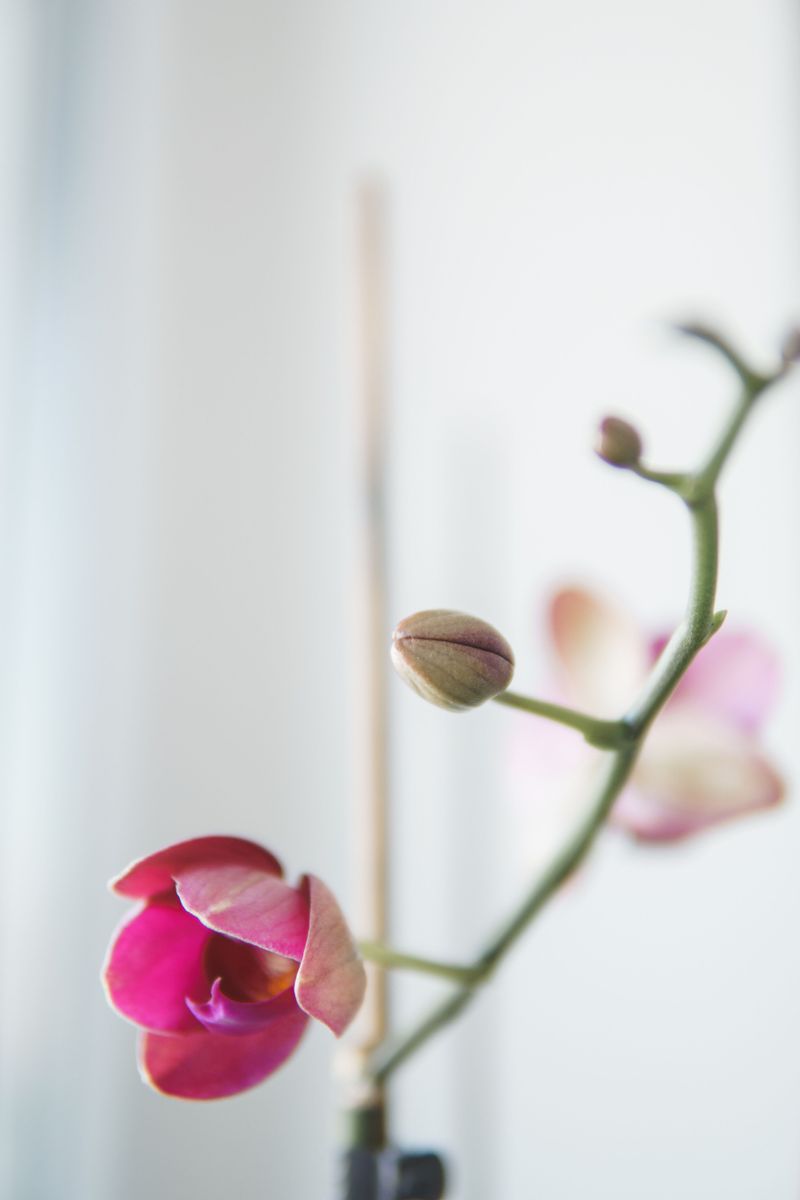
Few things in the plant world are as satisfying as a row of fat orchid buds all lined up neatly. That tidy look depends heavily on the bud stage.
As buds swell, each one positions itself in relation to the light. Many moth orchid flowers even rotate on their tiny stalks so the lip ends up at the bottom, a process botanists call resupination. Light and gravity both help guide that turn.
Moving the pot during this stage can leave some flowers facing sideways or backward. You may also get a spike where half the blooms look one way and half look another. It still blooms, but the show loses that classic waterfall shape.
Bud blast is a separate worry. Buds can shrivel and drop from sudden temperature swings, drafts, or dry air, so a big move from one room to another is risky too.
Fair warning, the bud stage tests patience more than any other. The buds seem to sit there forever. Keep the pot still, keep the light steady, and let them open on their own schedule. The reward is a spray of blooms that actually faces you.
Plant Hormones Explain Why Spikes Bend Toward The Window
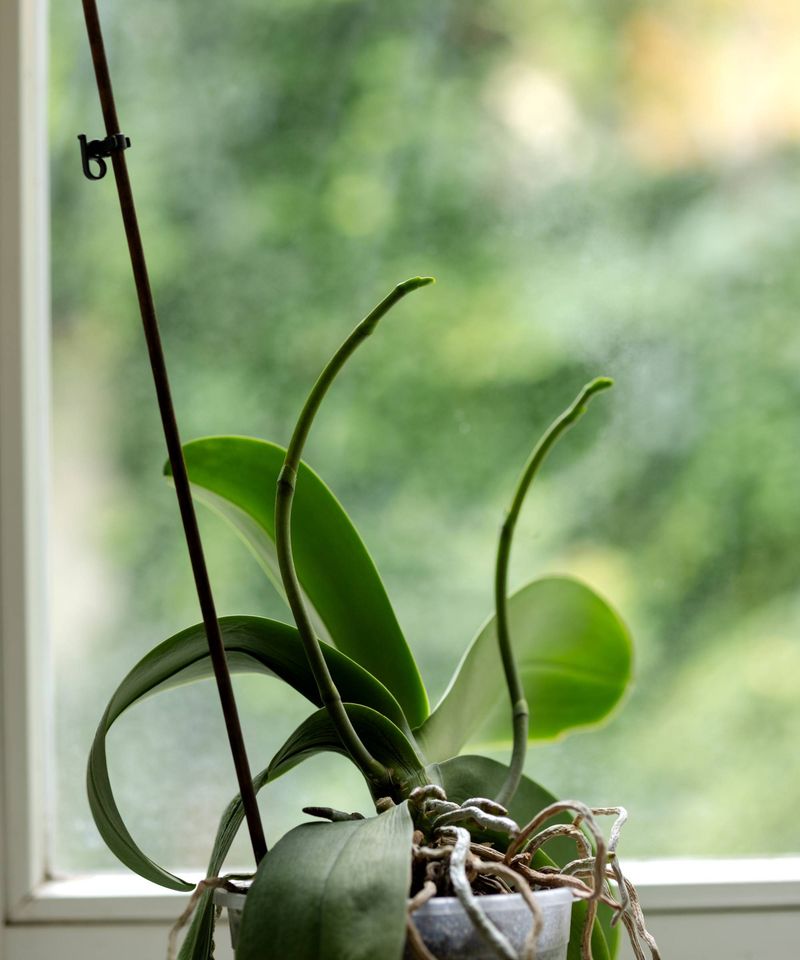
Science class finally pays off in the plant room. The bending you see is called phototropism, and it is driven by a growth hormone named auxin.
When light hits one side of a growing stem, auxin tends to gather on the shadier side. Cells there stretch more than cells on the bright side. The uneven stretching bends the stem toward the light, like a slow and graceful lean.
Growth happens mostly near the tip of the spike. That is why the lower part of the stem stays put while the newer section keeps adjusting. Turn the plant, and only the growing tip changes course, leaving the older bends behind like footprints.
Did you know? Charles Darwin and his son Francis studied this light response in grass seedlings back in 1880. They found the tip of the shoot was the part sensing light.
I find that oddly comforting. The orchid is not being difficult. It is running an ancient program that helps wild plants climb toward sun in shady forests. Our job is to stop changing the signal while the program is running, and then the stem can stay straight and smooth.
A Thin Orchid Stake And Soft Clips Shape A Graceful Arch
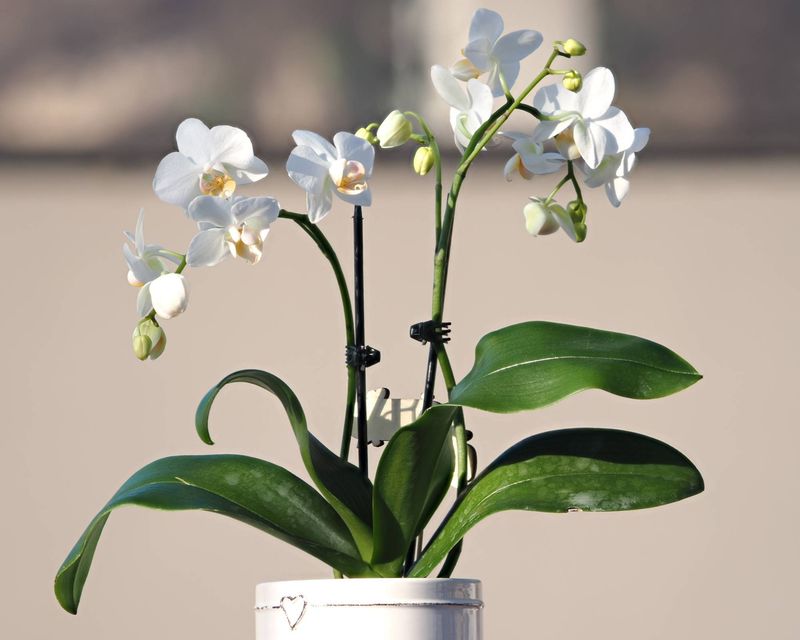
Staking is the quiet partner to the no-turning rule. Together they give you that polished, store-bought arch.
Many growers wait until the spike is around 4 to 6 inches long. At that point, gently push a thin bamboo or metal stake into the potting mix near the base of the spike. Go slowly, and angle around any thick roots you can see through a clear pot.
Attach the spike with an orchid clip or a soft twist tie a few inches above the base. Add another clip as the spike grows taller. Keep each clip loose enough that the stem is not squeezed.
Stop adding clips just below where the buds begin. Letting the top section drape freely creates the elegant curve people love. Clipping too high can pin buds in awkward spots.
I’m a sucker for the butterfly-shaped clips, though plain ones work just as well. One gentle caution: young spikes snap easily, especially in cool morning temperatures. Make small adjustments over several days instead of forcing the stem into place all at once. Patience here prevents that heartbreaking crack sound nobody wants to hear.
Bright Indirect Window Light Keeps Maryland Orchids Blooming
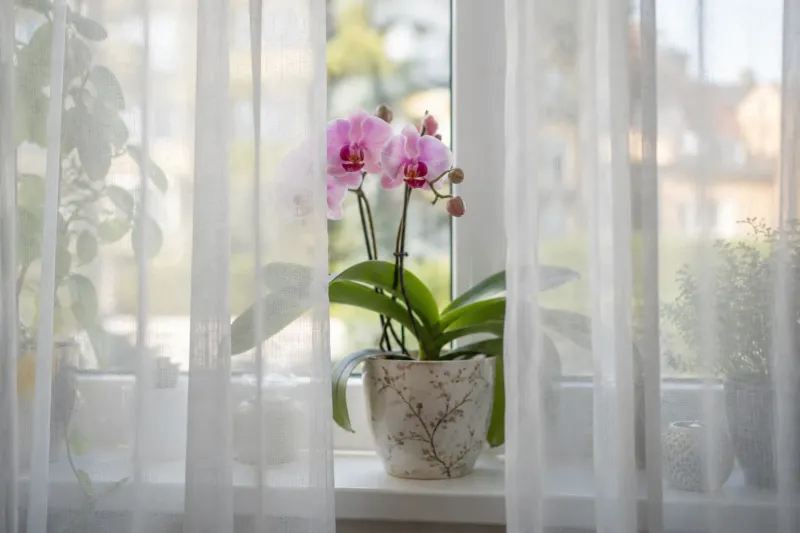
Choosing the right spot matters even more once you commit to leaving the plant in place. You want a location that stays good for weeks or months.
Moth orchids like bright, indirect light. An east window often works well because the morning sun is gentle. A south or west window can work too, especially with a sheer curtain to soften strong afternoon rays that may scorch leaves.
Maryland winters bring short days and low sun angles, so a spot that felt too bright in July may be perfect in January. Watch the leaves for clues. Medium green is happy, very dark green suggests too little light, and yellowish or reddish tinges may mean too much.
Keep the plant away from heat vents and drafty doors. Sudden blasts of hot or cold air can stress buds.
Grow lights are another solid choice if your windows are limited. Just keep the light on one side or overhead in a steady position. The same rule applies indoors under LEDs: a light source that moves will pull the spike along with it.
Turning Your Orchid Is Fine Again After The Flowers Open
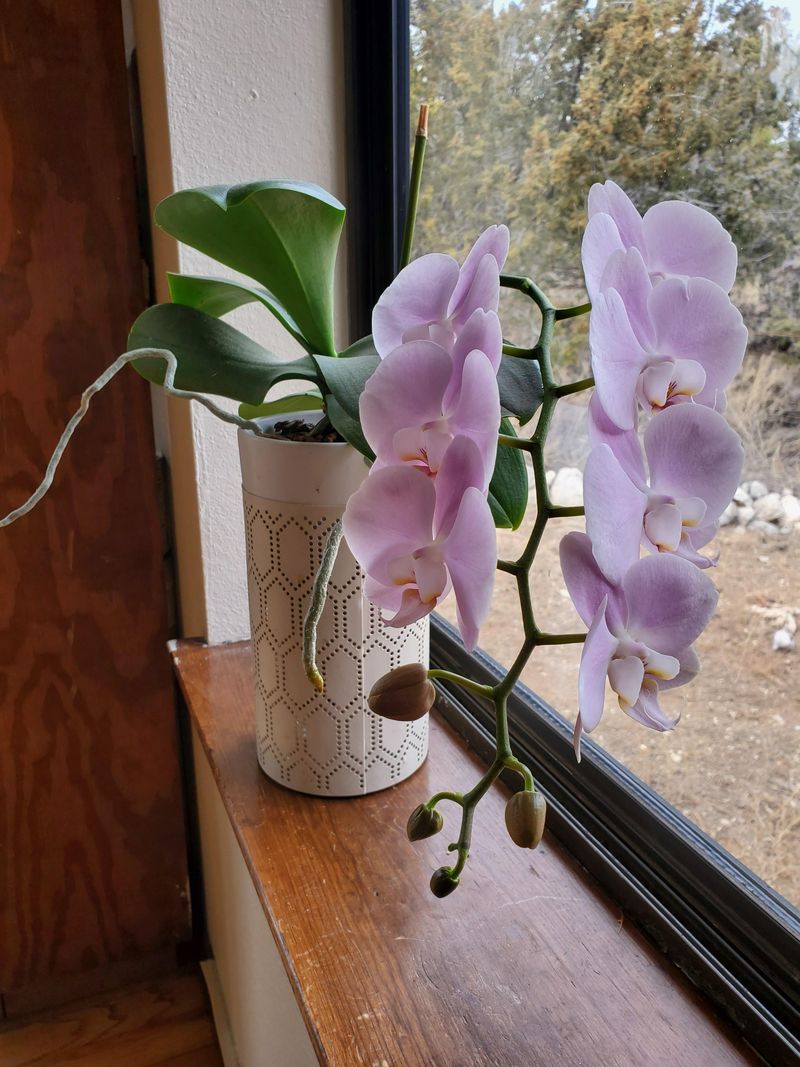
Freedom returns, eventually. After every flower on the spike has opened and firmed up, the stem is mostly set in its shape.
At that point you can move the pot to a coffee table, turn it for guests, or show it off at dinner. Open flowers do not reposition themselves the way buds do. A well-grown moth orchid bloom can last for weeks, sometimes a couple of months, in the right conditions.
Leaf growth is another reason to rotate between bloom cycles. If the leaves start leaning hard toward the glass, an occasional turn while no spike is present can help the plant stay balanced.
The exception is any new spike that pops out while you are enjoying the current one. Some vigorous plants send up a second spike, so check before spinning the pot.
Don’t laugh, but I keep a sticky note on my plant shelf that says spike or no spike. It reminds me which rule applies that month. Simple systems like that make it easy to enjoy the flowers without accidentally undoing all your careful work from the weeks before.
Cool Fall Nights Help Spark Your Next Orchid Flower Spike
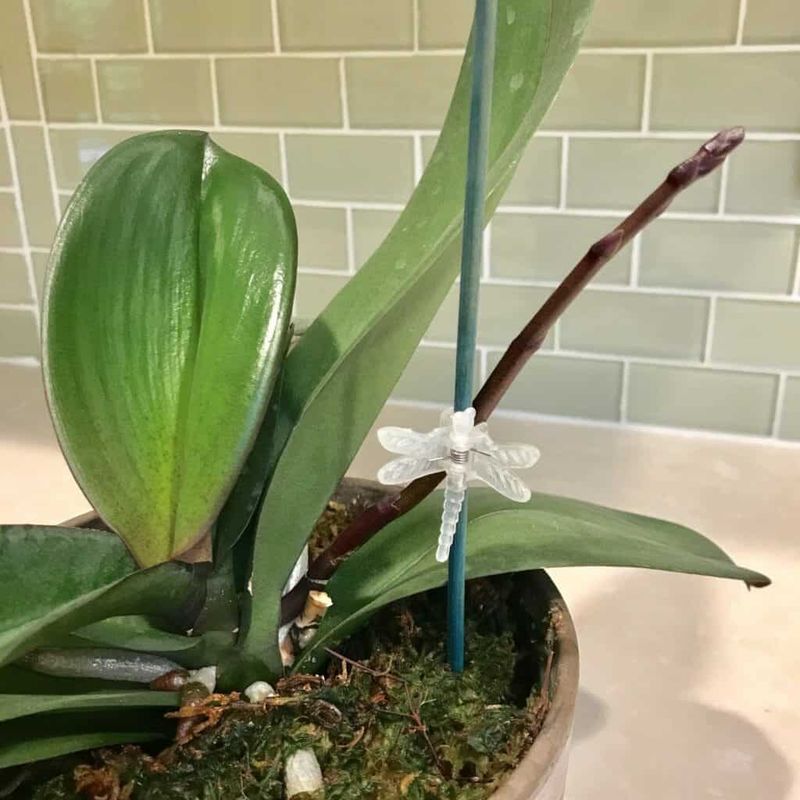
Planning ahead for next year starts with a little chill. Many moth orchids form new spikes after several weeks of cooler nights, often in the upper 50s to low 60s Fahrenheit.
Fall in Maryland makes this fairly easy. A room that cools off at night or a spot near, but not touching, a window can provide the drop. Daytime temperatures in the 70s paired with cooler nights mimic the natural signal these plants respond to.
Keep up steady care in the meantime. Water when the mix is nearly dry, let excess water drain freely, and avoid letting water pool in the crown of the leaves. A diluted orchid fertilizer during active growth gives the plant fuel for future blooms.
Repotting is best saved for after flowering ends, when bark breaks down or roots crowd the pot.
I’ll say this much: watching for that first pointed spike tip each fall has become one of my favorite small joys. When you spot it, grab your tape, mark the window side, and set the pot down. The plant handles the rest, and your only job is to leave it facing the light.