The Orange-Berried Vine In Maryland Fall Wreaths Spreads Its Seeds Wherever It’s Tossed
A single female vine of this plant can make hundreds of fruits a year. Most of those seeds can sprout the very next spring.
I’m a sucker for fall color on the front door, so this one stung. The bright orange berries tucked into so many Maryland wreaths come from a vine that has been tied to tree decline in forests across the East.
Here’s what gets me. Birds love those berries, and a wreath tossed on a brush pile or compost heap can turn into a fresh patch of trouble by summer. The decoration outlasts the holiday in the worst way.
Truth is, most of us bought or picked these vines without a second thought. So what exactly is hanging on your door, and where should it go when the season ends?
Those Cheery Orange Berries on Your Wreath Have a Hidden Backstory
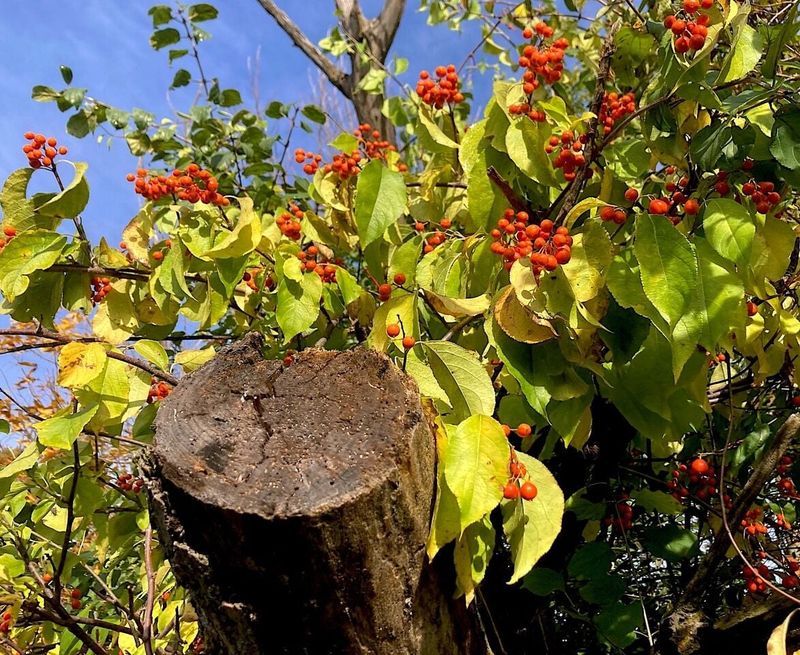
Most folks pick up those twisty vines at a farm stand or snip them from a roadside without a second glance. I did the same thing for years. The orange-berried vine in many fall wreaths is Oriental bittersweet, known to botanists as Celastrus orbiculatus.
The plant hails from East Asia. It arrived in the United States around 1879 as an ornamental, sold for its handsome fall fruit. Nobody back then guessed how far it would wander.
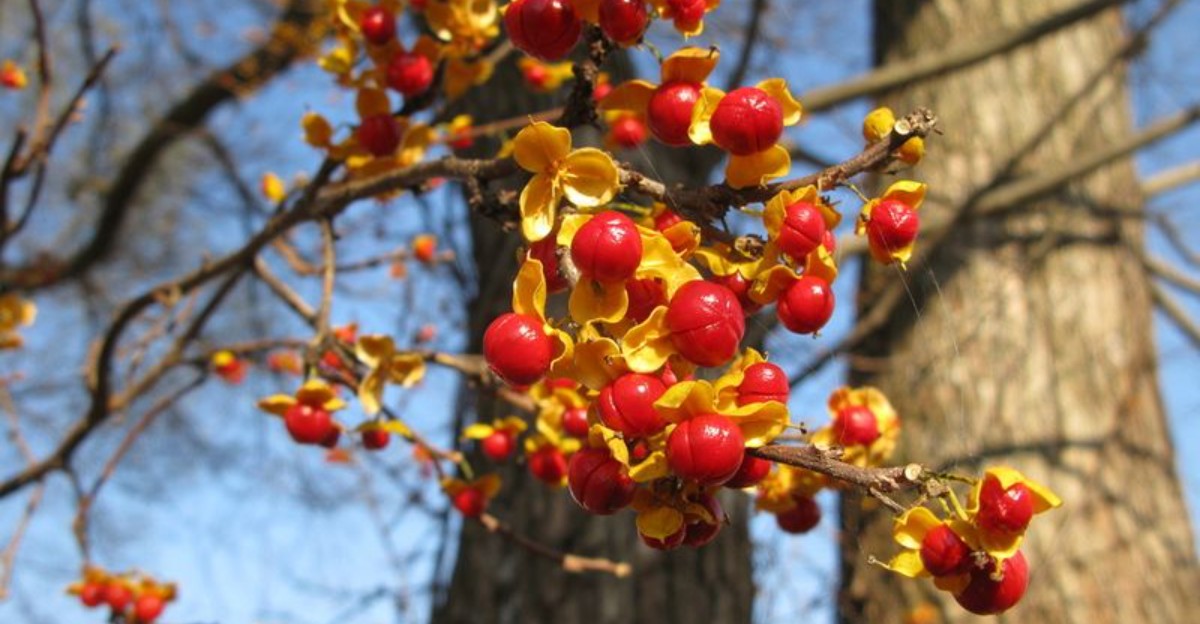
You can spot it by its rounded, glossy leaves and its fruit. Each berry starts as a little yellow, globe-shaped capsule. In fall, the capsule splits open and reveals a bright red-orange seed coating called an aril.
That two-tone look is exactly why crafters adore it. The berries also hang on through winter, so wreaths stay colorful well past Thanksgiving. Sadly, that staying power is also part of the problem.
Maryland’s invasive species experts treat this vine as an aggressive invader in woods, fields, and backyards. Knowing what it is matters, because every berry carries seeds that can sprout. Once you recognize it, you will start noticing it climbing fence lines and tree trunks almost everywhere you drive.
Bag That Bittersweet Wreath Instead of Tossing It in the Woods
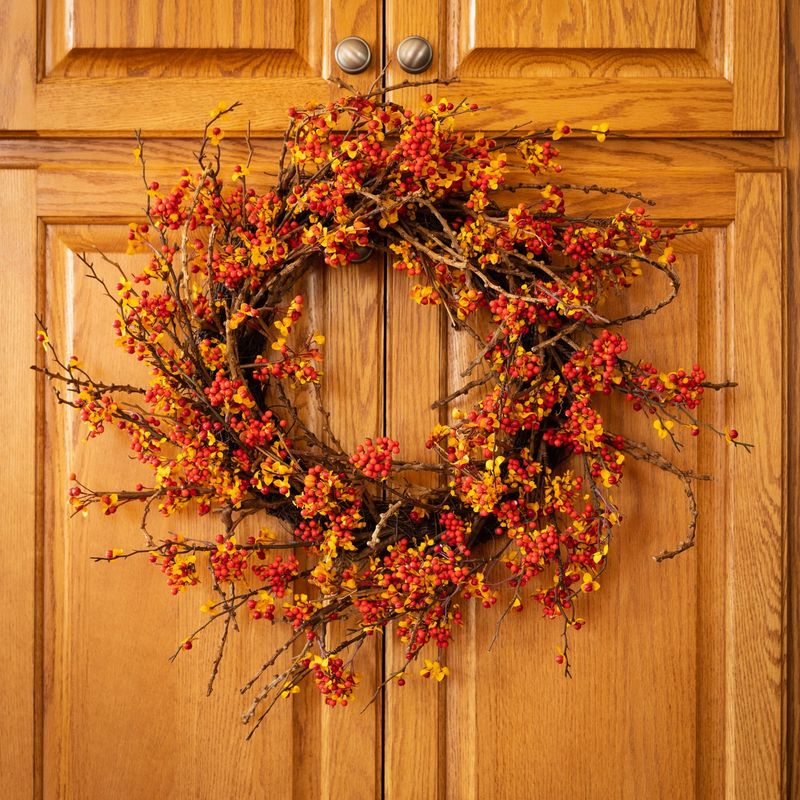
Trust me on this one. When your wreath starts looking tired, skip the compost bin and the back-of-the-yard brush pile. Those spots give the seeds a comfy place to sprout next spring.
Experts recommend sealing bittersweet vines with berries in thick black plastic bags. Leave the bag in direct sunlight for several weeks. The heat inside, called solarization, helps make the seeds unable to sprout.
After that, send the bag out with your regular trash so it heads to a landfill. The Maryland Department of Agriculture offers guidance on disposing of invasive plants, so check their tips if you have a big pile.
A few quick habits help a lot:
Do not shake the wreath outdoors, since loose berries scatter. Pick up any fallen berries from porches, steps, and mulch beds. Wrap the wreath in a bag before carrying it through the yard.
I know it feels a little silly to treat a craft project like hazardous waste. Still, one careless toss into a wooded lot can start a tangle that takes years to clear. A few minutes with a trash bag now saves you, and your neighbors, a lot of hard work later.
Hungry Songbirds Carry Bittersweet Seeds Far From Home
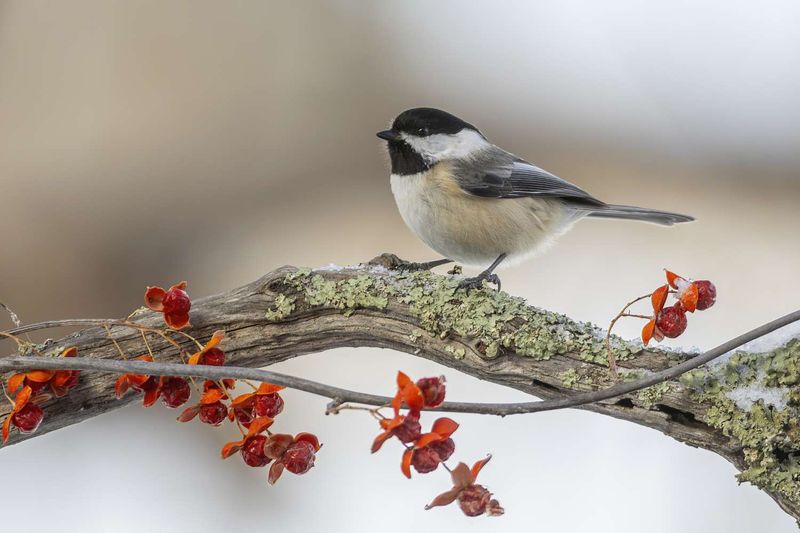
Robins, starlings, and other fruit-loving birds treat bittersweet like a snack bar. They gulp the berries, fly off, and drop the seeds somewhere new. That simple routine moves the vine across whole counties.
Small mammals help too. They nibble the fruit and leave seeds along trails, fence rows, and forest edges. Sunny edges are where young vines often take off fastest.
Not going to lie, this part surprised me. Seeds can land far from the parent plant, so a vine in one yard can start new plants a long way off. Your wreath on a porch can become part of that chain if birds find it.
Here is a smart move. Hang wreaths away from bird feeders, or skip berry-laden vines entirely. If you notice birds picking at your door decor, that is a clear sign seeds are on the move.
Watch the spots below perches, too. Fence posts, power lines, and tree branches often have young bittersweet sprouting underneath. Birds rest there and leave seeds behind. Checking those areas each spring helps you catch seedlings while they are small and easy to pull by hand.
Twisting Bittersweet Vines Can Strangle a Healthy Tree Trunk
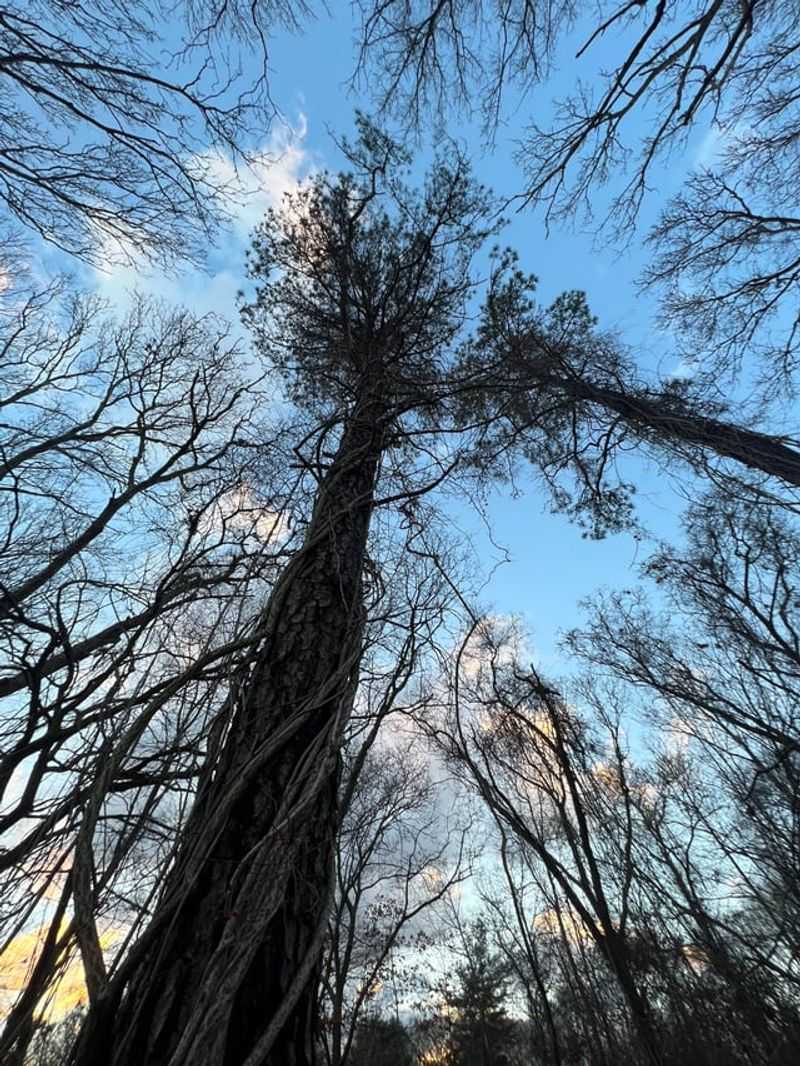
Walk any Maryland woodland edge in late fall and you might see trunks wrapped like candy canes. Those spirals are bittersweet at work. The vine twists tightly around a tree as both grow.
Over time, that grip girdles the trunk. It squeezes the channels that carry water and nutrients, and the tree can slowly decline. You may see deep grooves or swollen bark where the vine digs in.
The vine also climbs into the canopy and spreads thick leaves over the top. That shade blocks sunlight from the tree and from plants growing below. Native shrubs and wildflowers often struggle underneath.
Weight adds another risk. Mature vines get heavy, and ice or wind storms can snap limbs or tip whole trees. Anyone with large trees near a house or driveway should take that seriously.
I learned the hard way to look up, not just around. A vine that seems harmless at knee height can be massive overhead. If you spot thick bittersweet stems climbing your trees, cut them near the ground and let the upper vine wither. Call a certified arborist for tall or storm-damaged trees.
Cutting Bittersweet Stems Alone Just Sparks More Sprouts
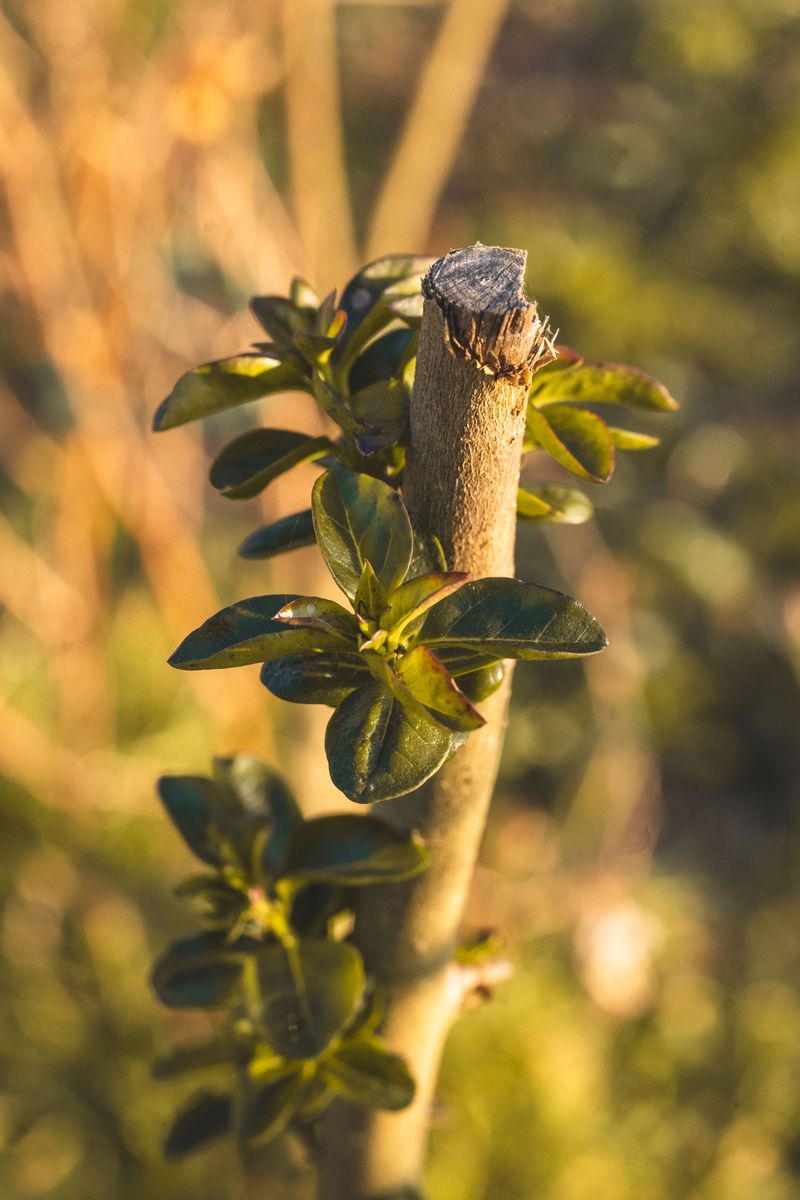
Guilty as charged. My first attempt was just hacking the vine off and walking away proud. By summer, a crowd of fresh shoots had popped up from the stump and roots.
Bittersweet bounces back because its root system spreads underground. Even small root pieces can send up new shoots. Cutting alone rarely solves the problem.
For young plants, hand-pulling works well. Grab the stem low and pull slowly so you get as much root as possible. Moist soil after a rain makes this much easier.
Bigger vines usually need more. Many extension services suggest cutting the vine near the ground, then treating the fresh stump with a systemic herbicide. That approach moves into the roots and reduces resprouting.
Always read and follow the label, and wear gloves and eye protection. For large or hard-to-reach infestations, a licensed professional is a wise choice.
Plan to check back. Even with good work, new sprouts often appear for a season or two. Pull them while they are tiny. Patience pays off, and each round weakens the vine a bit more until the patch finally loosens its grip.
Native American Bittersweet Is Losing Ground to Its Asian Cousin
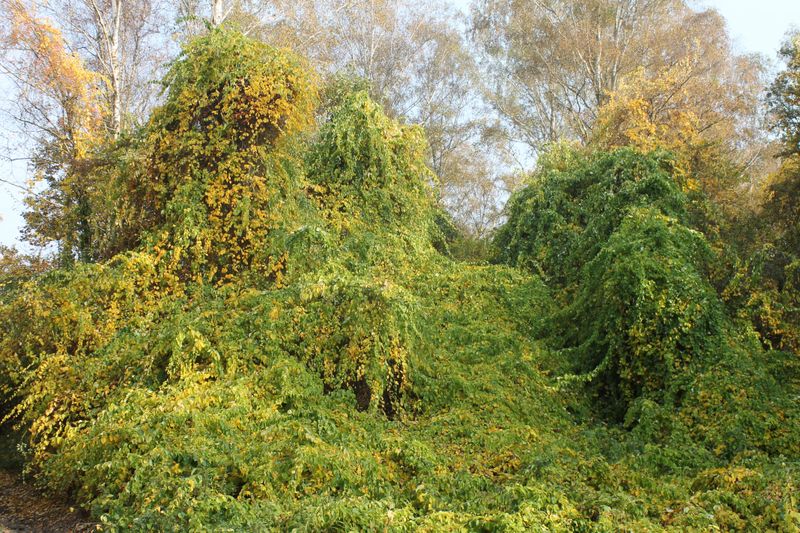
Here’s a twist few people expect. The eastern United States has its own native bittersweet, Celastrus scandens. It looks a lot like the invader, which makes things tricky.
The two species can cross-pollinate. That hybridizing threatens the genetic makeup of the native plant. On top of that, the aggressive Asian vine often crowds American bittersweet out of the places where it once grew.
Telling them apart takes a careful eye. Native American bittersweet usually holds its fruit in clusters at the tips of branches. Oriental bittersweet tends to bear fruit in small bunches along the stem where the leaves join. Leaf shape varies, so fruit placement is the more reliable clue.
Fair warning, hybrids blur those lines even more. If you are unsure, snap a clear photo of the fruit and leaves. Your local extension office or a native plant society can help confirm the identity.
I find this part a bit sad. A plant that belongs here is quietly losing ground. Learning the difference means you can protect the native vine when you find it, and remove the impostor with confidence.
Spring Is Prime Time to Hunt Bittersweet Seedlings in Your Yard
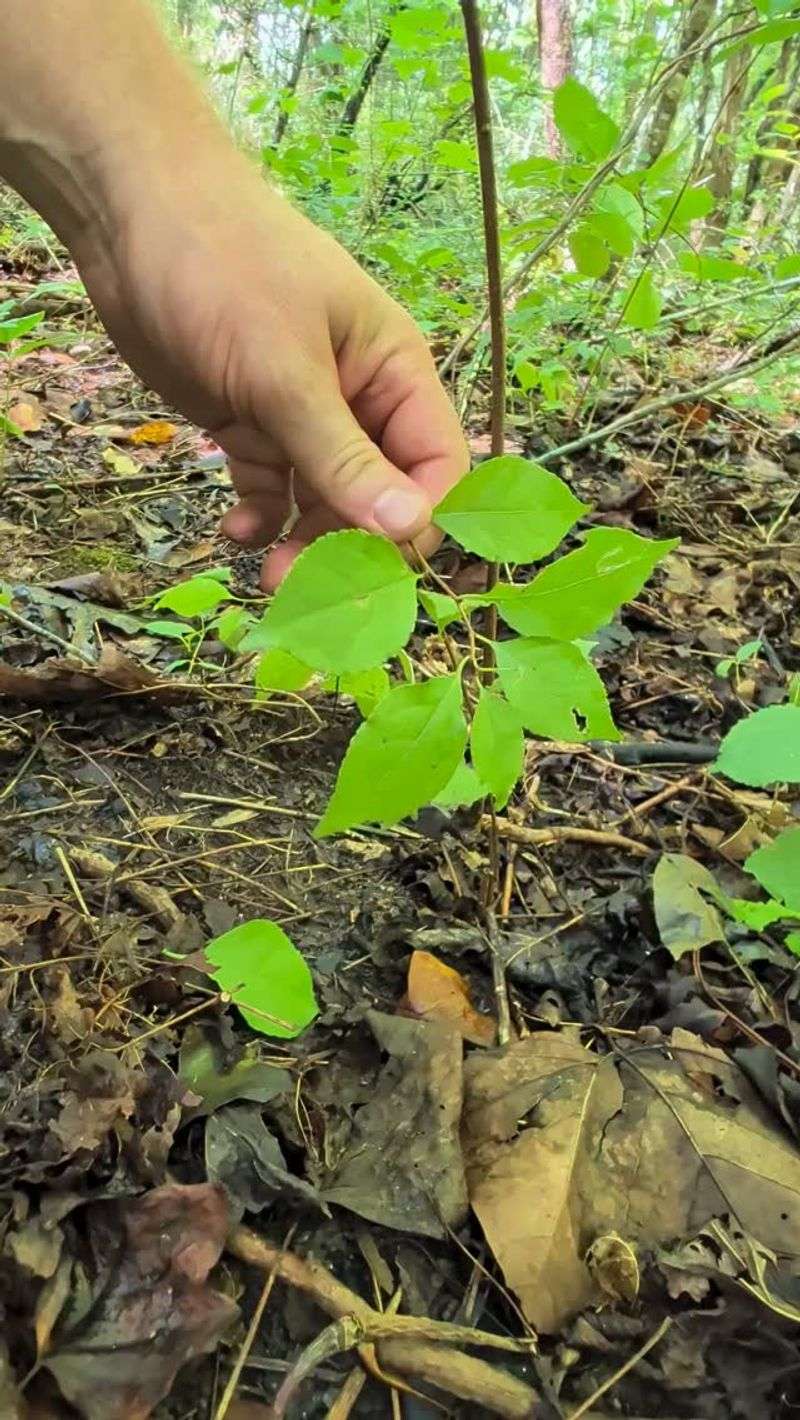
Every spring, I take a slow walk around the yard looking for small rounded leaves popping up where they don’t belong. Seeds from last fall’s berries often sprout that very next spring. That makes it the easiest season to catch them.
Young bittersweet seedlings pull up with little fuss. Their roots are shallow at first, so a firm tug usually does the job. Waiting a year or two lets the roots grow deep and stubborn.
Focus your search on these hot spots:
Under trees, fences, and shrubs where birds perch. Near the spot where last year’s wreath hung. Around compost bins, brush piles, and woodland edges.
Dispose of pulled seedlings in the trash rather than the compost. Root bits can resprout if they find soil.
Across most of Maryland, a mild spring brings fresh growth in April and May, with the Eastern Shore and central counties often a touch ahead of the western mountains. Adjust your timing to your own area. A short weekly check through late spring keeps the job small and almost relaxing.
Holly Berries and Inkberry Make Gorgeous Wreaths Without the Worry
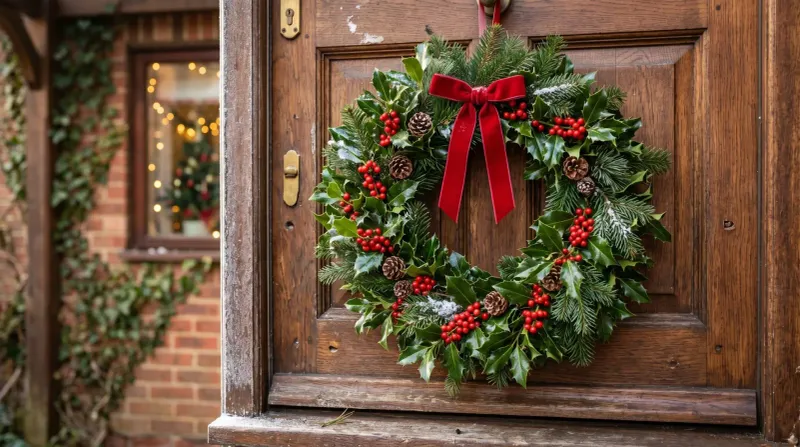
Swapping out bittersweet doesn’t mean giving up on color. Native plants can make a wreath just as cheerful, and they won’t start a backyard invasion.
Red holly berries are a classic pick. Winterberry, a native deciduous holly, shines in late fall with bright red fruit on bare stems. Inkberry offers glossy leaves and dark berries for a richer look.
Trumpet honeysuckle, a native vine, is another option some gardeners suggest for garden use. Dried native grasses, seed heads, and pine cones add texture too.
Don’t laugh, but I now love my winterberry wreath more than the old bittersweet one. The red pops against a dark door, and I feel good about where the stems came from.
Better yet, plant some of these natives yourself. Winterberry and inkberry grow well across much of the state and feed birds in winter. Remember that winterberry needs a male plant nearby for female shrubs to set fruit.
Shop wisely, too. Ask vendors what’s in their wreaths and pass on any with bittersweet. Your choice sends a clear message, and it keeps those orange seeds out of the woods for good.