Massachusetts Shrubs To Prune This August And Ones You Should Leave Alone
Poorly timed cuts this week can reduce blooms you haven’t even seen yet. Massachusetts heat quietly tricks you into swinging blades at everything blooming.
Timing, not blind enthusiasm, separates a thriving border from a barren, forgotten patch. Some shrubs forgive careless pruning while others hold bitter grudges until next spring.
Your instincts might be pointing you toward exactly the wrong branch. Buds already forming deep underground don’t care how thick this Massachusetts heat feels.
Careless snips now silence flowers that haven’t even opened yet. Careful choices, though, push your garden toward a fuller comeback.
Confidence with sharp shears means knowing exactly which stems actually deserve mercy. Every shrub signals something if you know how to read it.
Nothing about this pruning decision should ever feel like a coin flip. Waiting a week could save an entire season of color. Grab your shears, because what happens next determines everything blooming later.
Butterfly Bush Benefits From Removing Spent Blooms
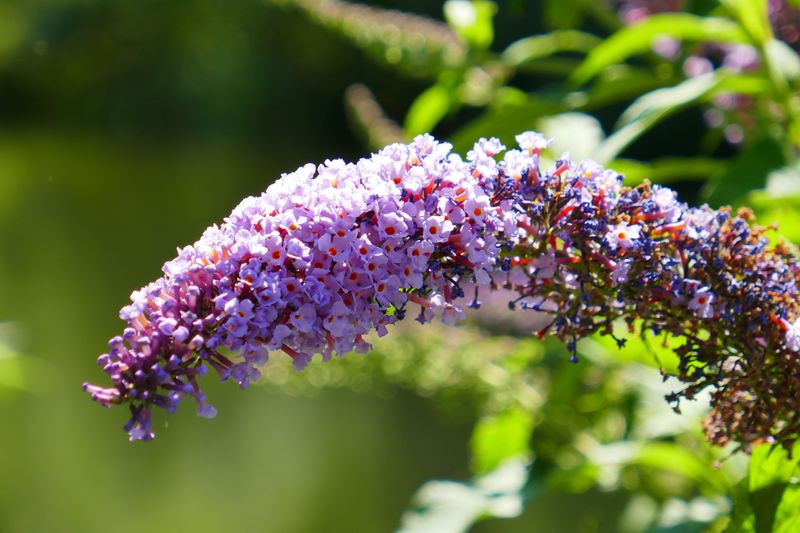
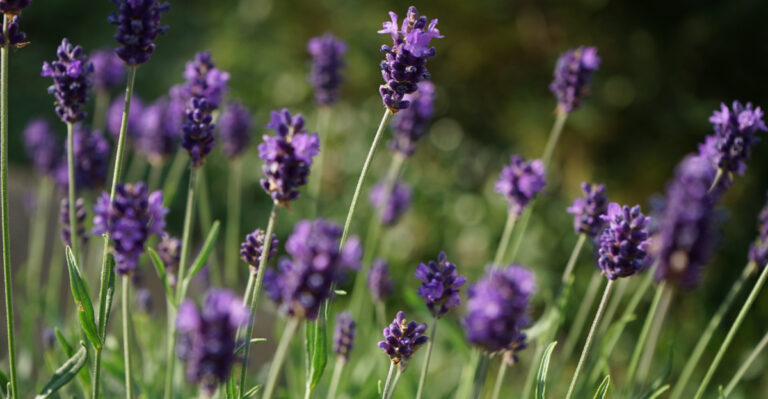
That purple burst of color in your yard is begging for attention right now. Butterfly bush, or Buddleia, is one of the few shrubs that actually rewards you for pruning in August.
Trimming spent flower spikes encourages fresh blooms before frost arrives. You are basically tricking the plant into thinking it has more work to do.
Grab a clean pair of bypass pruners and snip just below the faded flower spike. Cut back to the next set of healthy leaves so the plant redirects its energy fast.
This shrub blooms on new growth, which is the key detail that makes August pruning safe here. You are not cutting away future flowers because those have not formed yet.
Pollinators will thank you too. Fresh spikes attract more butterflies and bees than tired, brown ones ever could.
Beyond that first trim, you can also do light shaping this month. Remove any crossing or awkward branches to keep the form tidy without stressing the plant.
One caution worth knowing: butterfly bush is considered invasive in some parts of New England. Check your local guidelines before planting a new one, but if you already have it, manage it well.
Pruning Massachusetts shrubs this August starts with the easy wins, and butterfly bush is exactly that. A little snipping now means weeks more of color before the season closes out for good.
Summersweet Responds Well To Light Shaping
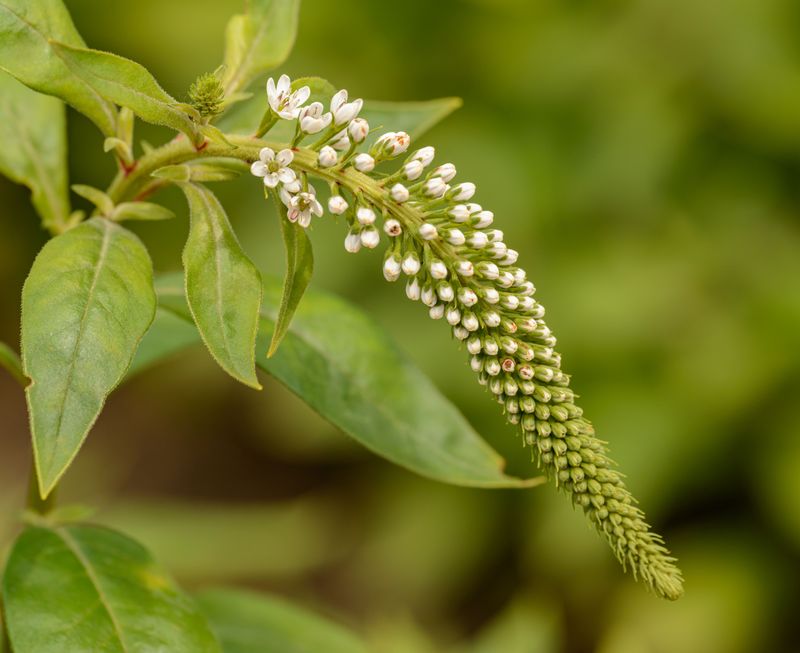
Few shrubs smell as incredible as Summersweet on a warm August afternoon. That sweet, spicy fragrance drifting through a shaded corner of your yard is almost reason enough to grow it.
Clethra alnifolia, its botanical name, is native to the Northeast and thrives in moist, partly shaded spots. It is a tough, reliable plant that does not ask for much.
August is a fine time for light shaping on Summersweet because it blooms in midsummer on new wood. Once the main flower show starts winding down, you can tidy up the edges without risking next year’s display.
Your Massachusetts Garden Changes Every Week. Your Plan Should Too.
Gardening in Massachusetts changes quickly throughout the season. Every Friday you’ll receive a simple weekly plan showing exactly what to plant, prune, fertilize, harvest, and protect so you never miss the right timing.
Focus on removing any damaged stems first. Then step back and look at the overall shape before making any additional cuts.
Avoid heavy pruning right now because this shrub spreads by suckers, and cutting too aggressively can stress the root system. A gentle touch goes a long way with Clethra.
If your plant has gotten leggy over the years, wait until late winter or early spring for a harder rejuvenation cut. That timing gives it the best recovery window.
Summersweet is also a pollinator magnet, so try to finish any trimming before the last flower spikes fade completely. Give the bees their final feast before you clean things up.
This underrated native shrub deserves a spot in every Massachusetts yard, and a little late-summer care keeps it looking sharp for seasons ahead.
Spirea Tolerates Trimming After Blooming
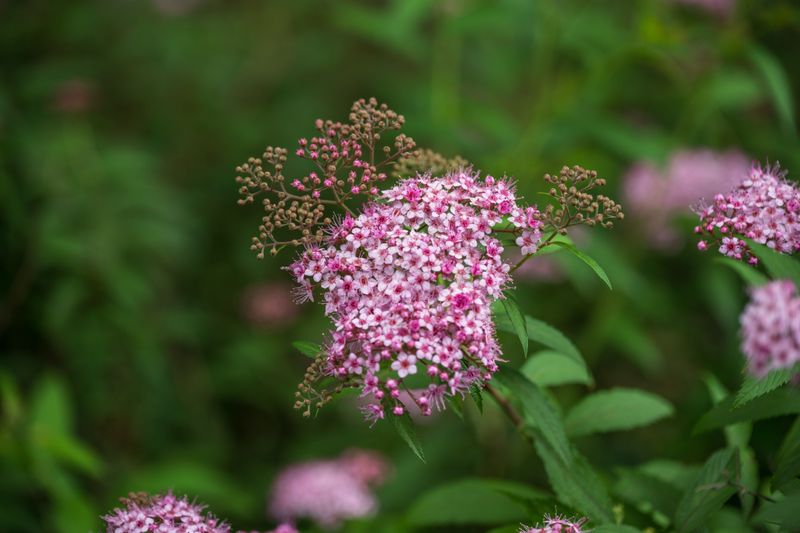
Spirea is one of those hardworking shrubs that seems to take everything in stride. It blooms reliably, looks tidy with minimal effort, and bounces back fast after a trim.
Most varieties in Massachusetts finish their main bloom cycle by midsummer. Once those pink or white flower clusters have faded, August is your window to clean things up.
A post-bloom trim on Spirea encourages a flush of fresh foliage and sometimes even a light second bloom in fall. Cut back the spent flower heads and remove about one-third of the overall growth.
Use sharp shears and make clean cuts just above a set of healthy leaves. Ragged cuts invite disease and slow the plant’s recovery time significantly.
If your Spirea has grown into a wild, tangled mass, this is also a good moment to remove the oldest, woodiest stems at the base. That kind of selective thinning opens the plant up to better airflow.
Avoid cutting everything back to the ground in August though. That level of pruning is better saved for late winter when the shrub is fully dormant and less vulnerable.
Spirea is forgiving, but it still appreciates being treated with some care. Think of this trim as a mid-season refresh rather than a dramatic overhaul.
With just a bit of attention now, your Spirea will look full and healthy through fall and be ready to bloom fully again next spring.
Rose Of Sharon Handles Shape Control
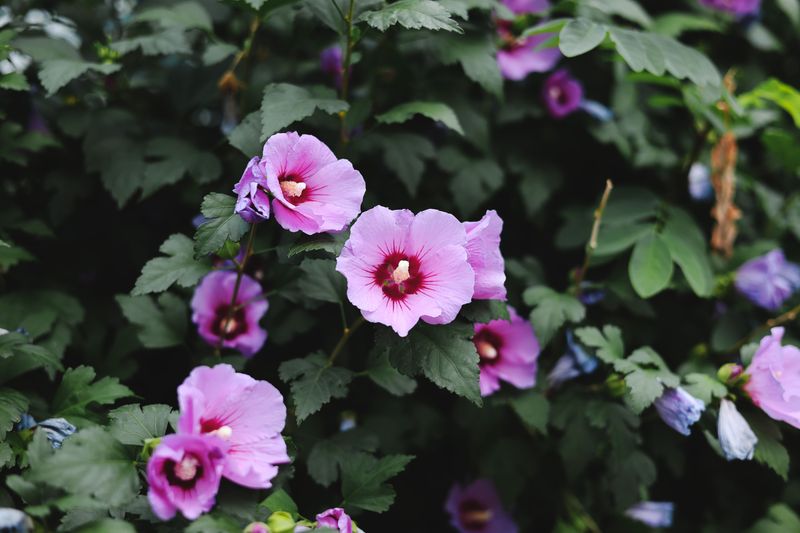
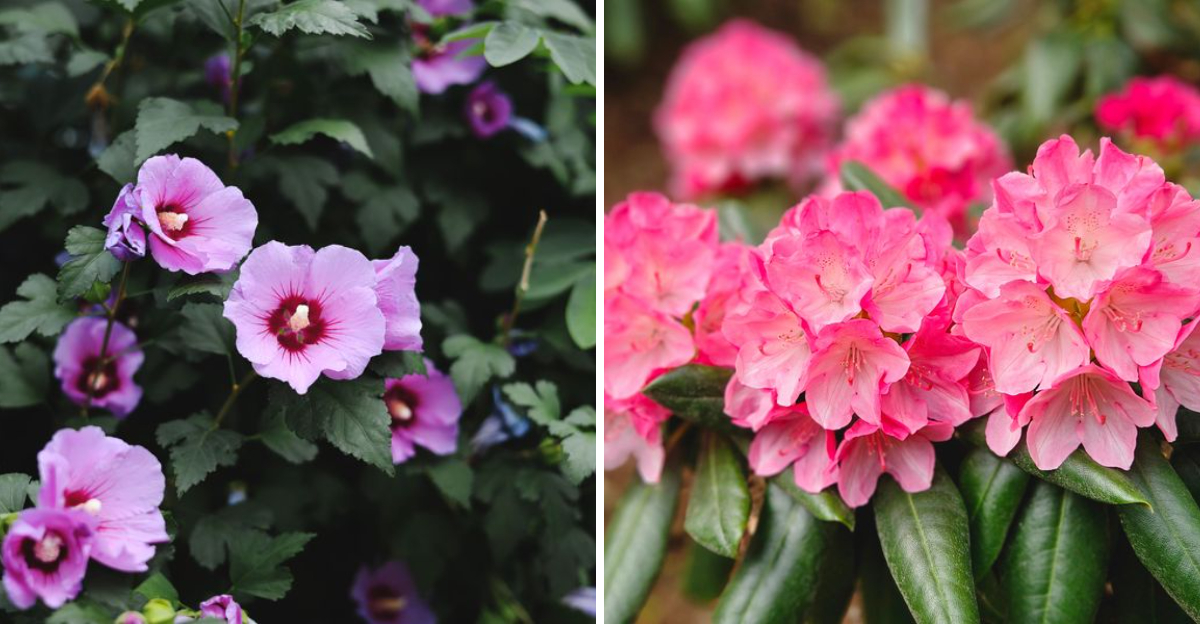
Rose of Sharon is a late-summer showstopper that earns its keep in New England yards every single year. Its hollyhock-like flowers bloom in shades of white, pink, purple, and blue well into September.
August is actually a reasonable time to do some shape control on this shrub. Because it blooms on new wood produced in spring, the flower buds for this season are already open and doing their job.
Trimming back any awkward, outward-reaching branches now helps keep the plant’s upright form intact. Rose of Sharon naturally wants to grow tall and narrow, so guiding that habit works in your favor.
Be careful not to remove too many flowering branches while blooms are still active. Focus instead on the non-flowering stems and any crossing growth that clutters the center.
One thing to watch with this shrub is its seed production. It self-seeds aggressively, and Massachusetts gardens can quickly get overrun if you let the seed pods mature and drop.
Removing spent flowers before seeds set is one of the most useful things you can do in August. It keeps the plant tidy and prevents unwanted seedlings from taking over nearby beds.
For a harder pruning to reduce overall size, late winter is the better season. That timing avoids any risk of cutting off active blooms or stressing the plant during peak heat.
Rose of Sharon rewards attentive gardeners with years of gorgeous late-season color, and a little August shaping keeps it exactly where you want it.
Hydrangeas Already Set Next Year’s Buds
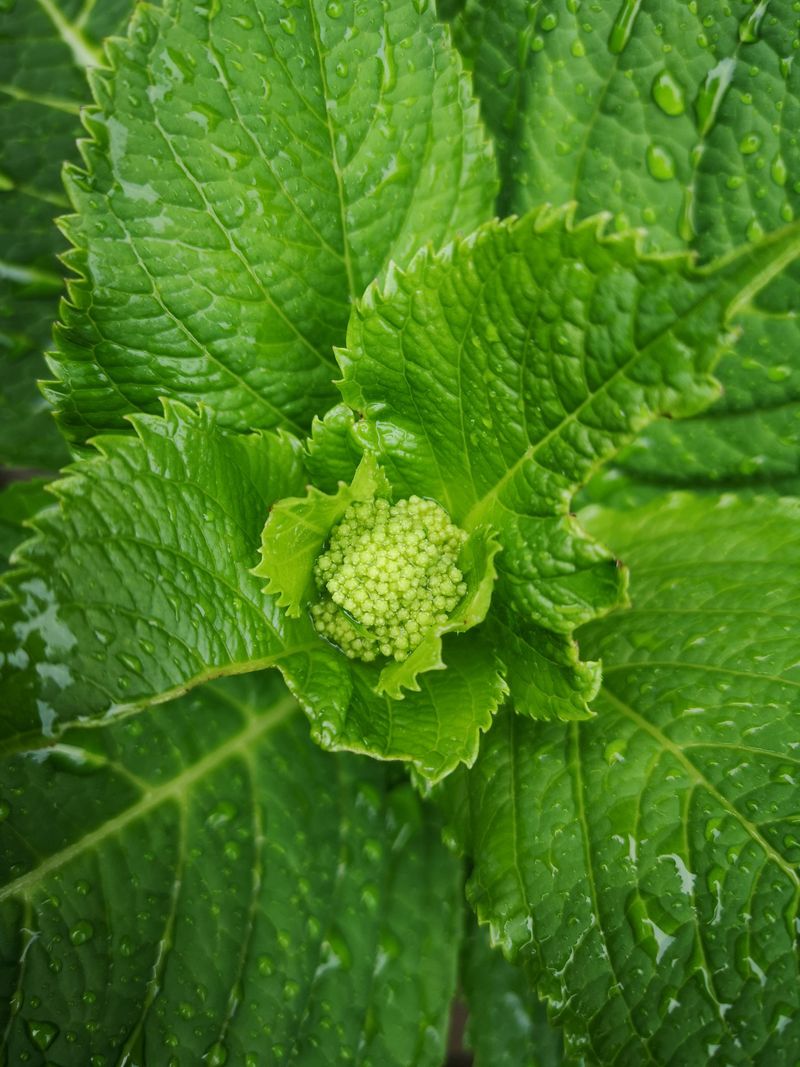
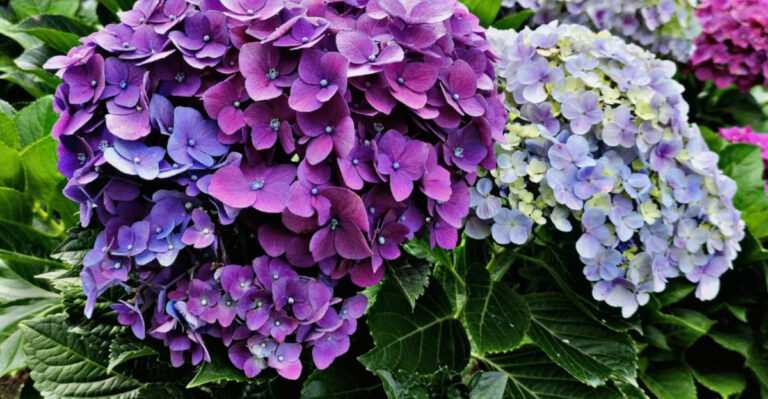
Avoid pruning hydrangeas this month. If you have a bigleaf or oakleaf hydrangea in your yard, August is the worst possible time to trim it.
These popular shrubs set their flower buds for next year almost immediately after this season’s blooms fade. Cutting now can significantly reduce next spring’s blooms before they even form.
Bigleaf hydrangeas, known as Hydrangea macrophylla, are the classic blue and pink mopheads you see everywhere in New England neighborhoods. They bloom on old wood, which is last year’s growth.
Oakleaf hydrangeas follow the same pattern and should be treated with equal caution this time of year. Both types need their stems to overwinter intact for the best bloom next June.
If your hydrangea looks a little ragged right now, resist the urge to tidy it up. A few faded blooms are a small price to pay for a spectacular show next season.
The only safe pruning you can do in August is removing any stems that are clearly lifeless or broken. Healthy green stems, even ones with spent flowers, should stay put.
Smooth hydrangeas and panicle hydrangeas are different because they bloom on new wood. Those types can handle late-winter pruning without any flower loss.
Knowing your hydrangea variety before picking up any tool is the single most important step a Massachusetts gardener can take this month. Your future self will be grateful you waited.
Lilacs Need Precise Post-Bloom Pruning Timing
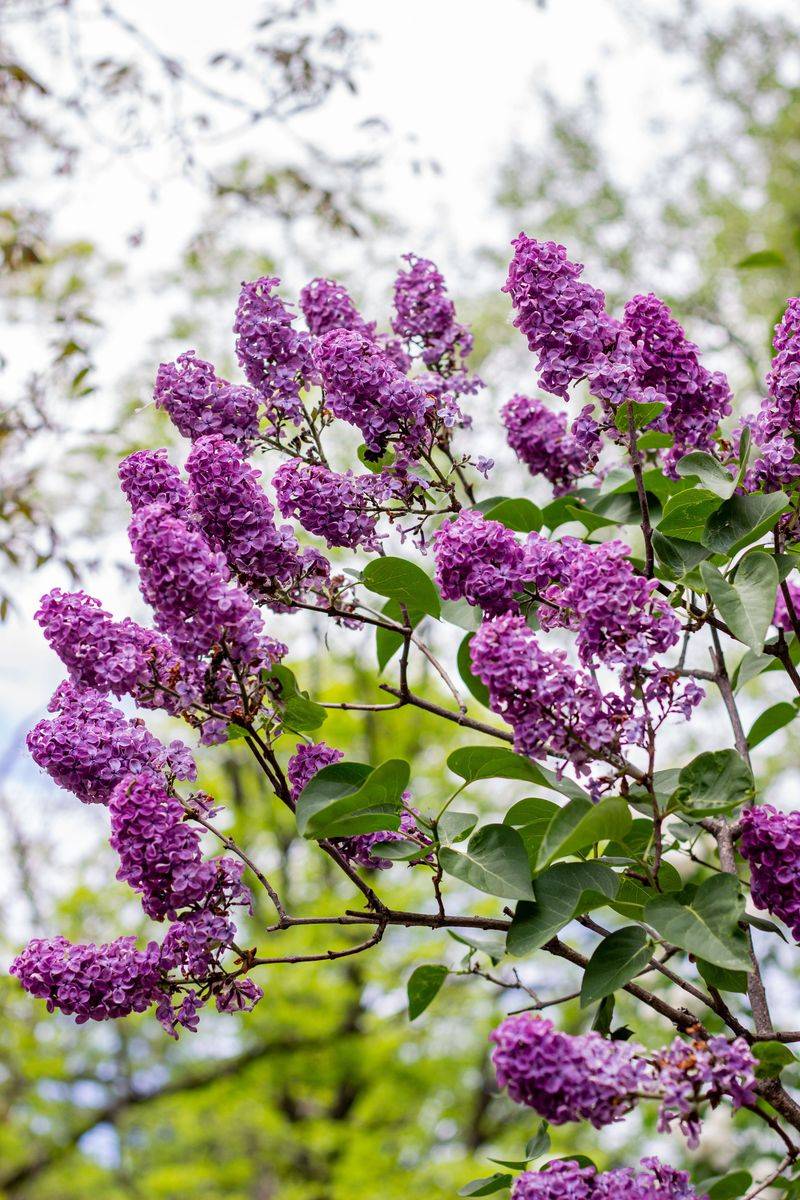
Lilacs are widely loved shrubs in New England gardens, filling May with that unforgettable fragrance. But they are also one of the most commonly mistreated shrubs when it comes to pruning timing.
Cutting a lilac in August is a fast way to significantly reduce next spring’s blooms. These shrubs set their buds for next year’s blooms almost immediately after flowering ends in late spring.
By August, those buds are already fully formed and quietly waiting through summer. Any pruning now removes exactly what you have been waiting all year to enjoy.
The right window for lilac pruning is within a few weeks after flowering ends, typically late May or early June in Massachusetts. That short period lets you shape the plant without sacrificing future blooms.
If you missed that window this year, the next best option is to wait until late winter, just before new growth starts. That timing minimizes flower loss while still giving you control over the shape.
Older lilacs sometimes need rejuvenation pruning to remove thick, woody canes that no longer produce flowers. That kind of heavy work is best done in late winter over two or three seasons.
Never remove more than one-third of the shrub in a single year. Aggressive cuts stress the plant and can delay flowering by two or more seasons.
Patience with lilacs always pays off in the end. Leave them alone this August, and next May that cloud of purple blooms will make the wait completely worth it.
Forsythia Forms Buds Too Early To Cut Now
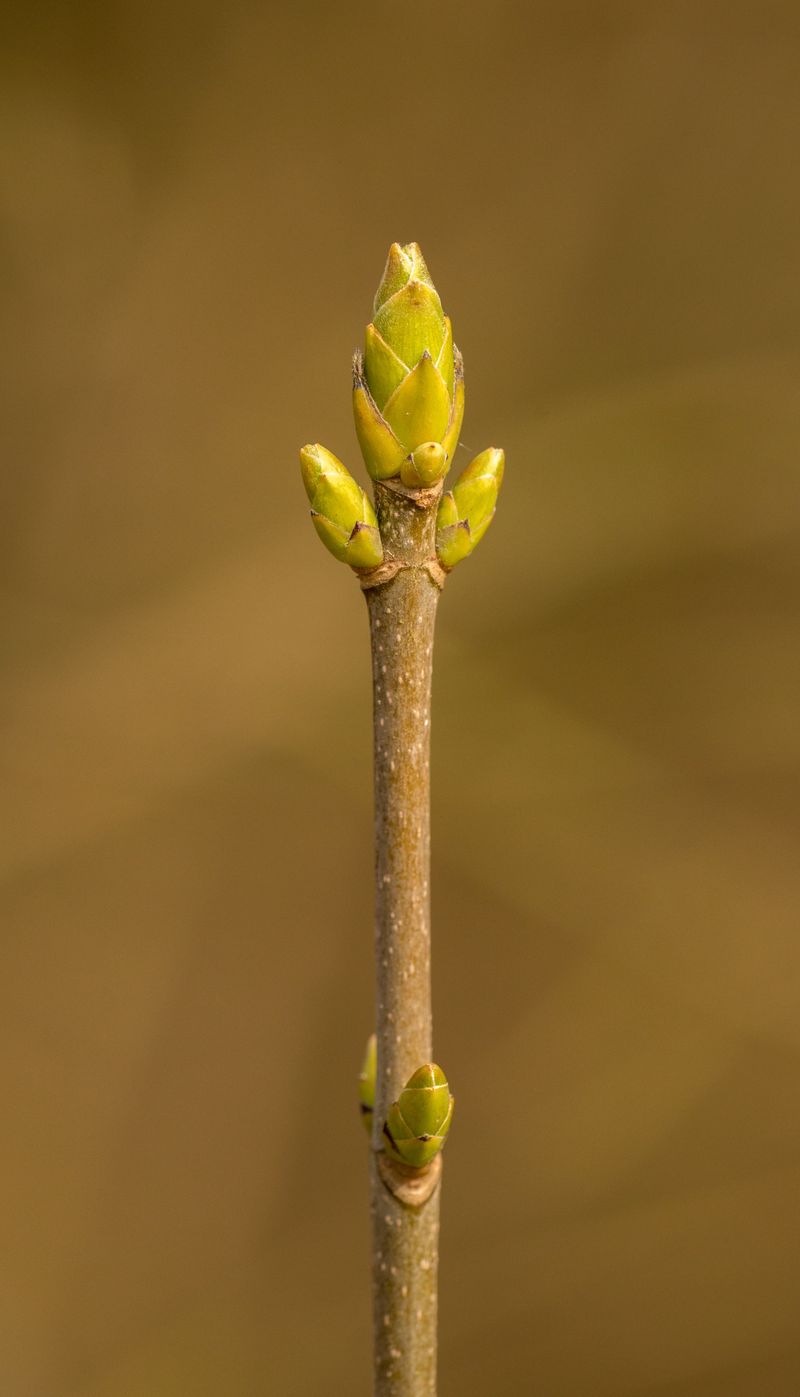
Forsythia is the first sign of spring in most Massachusetts neighborhoods, those cheerful yellow branches bursting into bloom before anything else wakes up. That early show comes at a price though.
By August, forsythia has already started forming the buds that will produce next spring’s flowers. Pruning now strips those buds away before they ever get a chance to open.
Many gardeners make the mistake of trimming forsythia in late summer because the plant looks overgrown and shaggy. The timing feels logical, but the effect on next year’s blooms is real and significant.
Forsythia blooms on old wood, meaning it flowers on stems that grew the previous season. Any branch you remove in August is a branch that would have been covered in yellow blooms by March.
The correct pruning window for forsythia is right after it finishes flowering in spring, typically April in most parts of the state. That gives the plant the entire growing season to produce new flowering wood.
If your forsythia has gotten completely out of control, you can do a hard rejuvenation cut in late winter. Accept that you will lose one season of blooms, but the plant will come back stronger.
Light thinning of lifeless or crossing stems in late winter is also acceptable. Just keep those shears away from any healthy, living branches until after the yellow flowers have come and gone.
Forsythia rewards patience more than almost any other shrub in the landscape, so give it the time it needs to do its golden thing.
Rhododendrons Risk Losing Spring Blooms
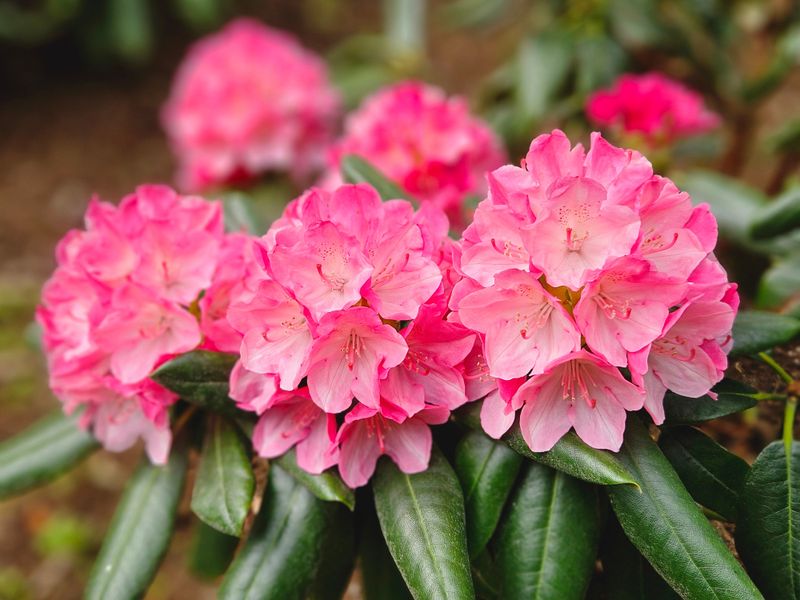
Rhododendrons are among the most popular shade shrubs in New England, and they take their bloom cycle very seriously. Touch them at the wrong time, and you will regret it come May.
By August, rhododendrons have already set the fat, round buds that will open into those gorgeous spring flower clusters. Those buds are sitting right at the tips of the branches, easy to spot if you look closely.
Pruning in August removes those buds directly. You will not know you have done the damage until spring arrives and the plant sits there green and silent with nothing to show.
The best time to prune a rhododendron is right after it finishes blooming in late spring. That window, usually May or early June in Massachusetts, gives the plant time to set new buds over summer.
Removing spent flower trusses after bloom is also helpful and safe. Snapping off the old flower cluster just below the base encourages stronger bud development for the following season.
If your rhododendron has grown too large or leggy, a rejuvenation pruning in late winter is possible. Cut back to just above a node or visible bud break, and the plant will push new growth in spring.
Avoid pruning any rhododendron in August, September, or October. The later in fall you cut, the more vulnerable the new growth becomes to winter freeze damage.
Rhododendrons are long-lived and loyal shrubs when treated with respect. Leave them alone this August and they will reward you with an unforgettable spring display.