Why Northern Cardinals Sing At Dawn In Your Massachusetts Garden
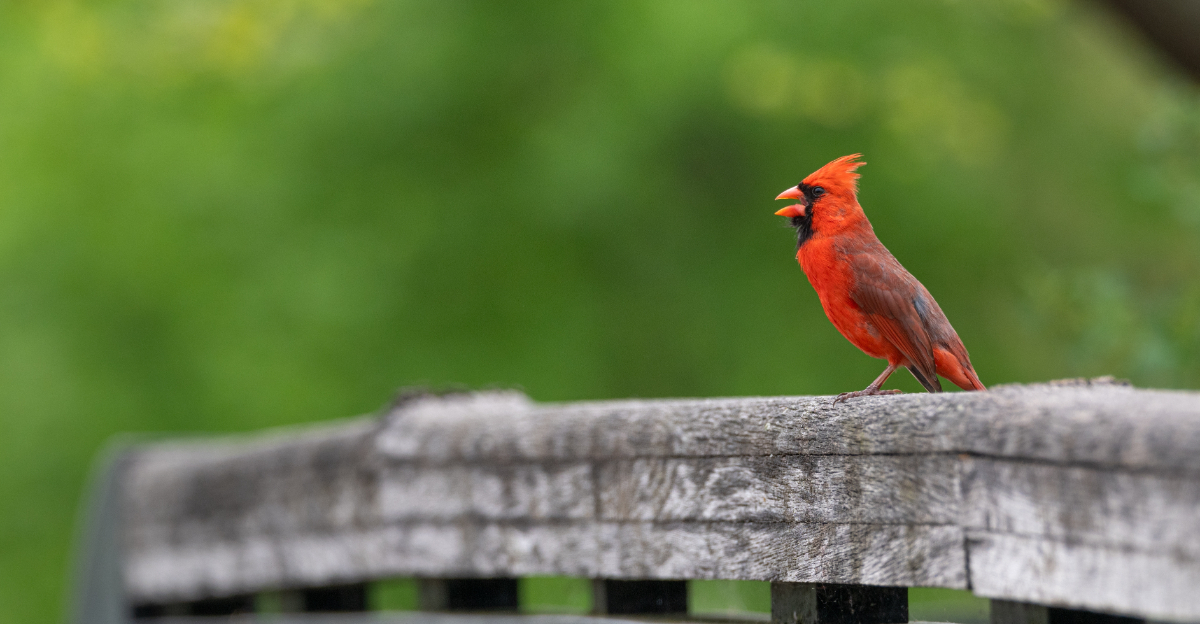
Dawn hasn’t fully broken over your Massachusetts yard, yet a cardinal is already working the fence line like it owns the place. That crisp whistle isn’t background noise. Something else is going on.
Early morning does something strange to sound. It travels further, cuts sharper, and lands on ears you’d never guess were listening.
Stick around past that first note, and you’ll catch a pattern most people miss entirely. There’s a reason cardinals pick this exact hour, and it has nothing to do with beauty.
The Purpose Behind The Dawn Chorus
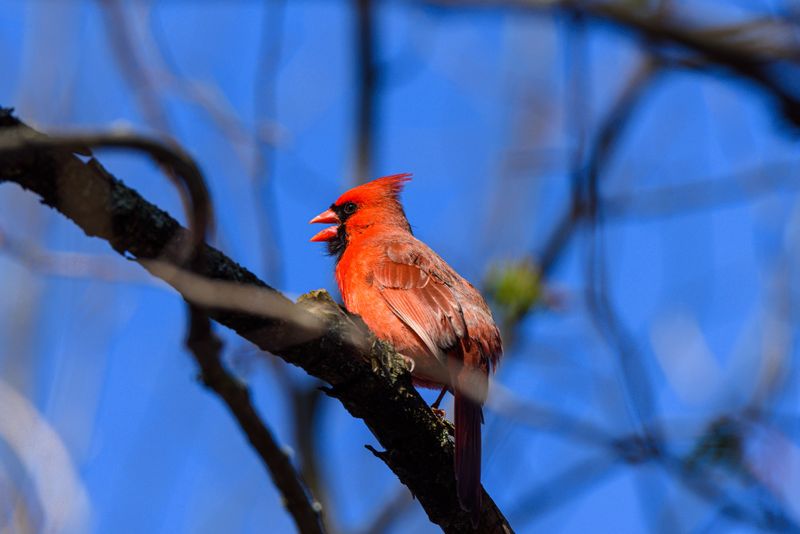
Before the sun fully clears the tree line, your garden fills with sound. That burst of whistling you hear at first light has a name: the dawn chorus.
Cardinals join this daily concert for deeply biological reasons. Light levels at dawn are too low for foraging, so singing costs them almost nothing in terms of energy spent hunting food.
Sound travels farther in the cool, still morning air. A cardinal’s song can carry noticeably farther at dawn than it does at noon, making early morning the smartest broadcast window available.
The dawn chorus is also a daily check-in for the bird community. Each singer announces its presence, health, and readiness to defend its patch of ground.
Northern cardinals sing at dawn in your Massachusetts garden partly because competing males are also singing. Matching a rival’s output signals strength and confidence to nearby females.
Male birds with the most complex dawn songs tend to attract mates faster. Singing early and often is essentially a living resume for a cardinal looking to start a family.
Backyard feeders give cardinals a reliable food source, which reduces morning stress. A well-fed bird sings longer and more consistently than one scrambling for breakfast.
Pay attention tomorrow morning when you step outside before coffee. You might just realize your garden has been hosting a world-class performance all along.
Territorial Singing And Nest Defense
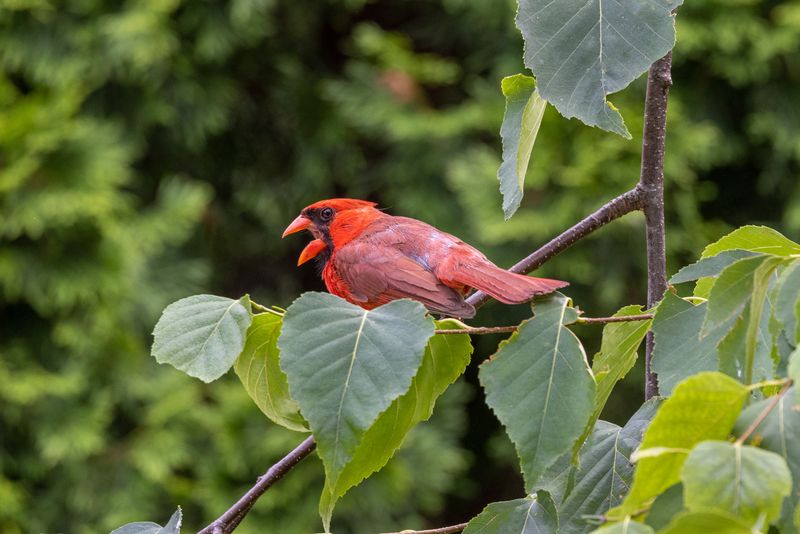
A cardinal’s song is not just beautiful. It is a boundary marker, invisible but unmistakably clear to every other cardinal in earshot.
Male cardinals claim territories in early spring, sometimes as large as several acres. Once claimed, that space gets defended fiercely through song, posture, and occasional chasing.
Dawn singing is the loudest daily declaration of ownership a male cardinal can make. Think of it like posting a “No Trespassing” sign that refreshes itself every single morning.
When a rival male hears that song, he has a choice: back off or escalate. Most rivals back off once they recognize a confident, consistent singer holding the territory.
Females also sing to defend nest sites, which is unusual among North American songbirds. A nesting female cardinal will belt out sharp phrases to warn intruders away from her eggs.
Northern cardinals singing at dawn in your Massachusetts garden are often responding to neighbors they cannot even see. Sound maps their world more reliably than sight in low morning light.
Your Massachusetts Garden Changes Every Week. Your Plan Should Too.
Gardening in Massachusetts changes quickly throughout the season. Every Friday you’ll receive a simple weekly plan showing exactly what to plant, prune, fertilize, harvest, and protect so you never miss the right timing.
Interestingly, cardinals sometimes fight their own reflections in windows. They mistake the reflection for a rival and spend exhausting amounts of time challenging it.
If you notice a cardinal repeatedly attacking your window at sunrise, placing decals or screens outside the glass breaks up the reflection. That small fix saves the bird real energy it needs for actual rivals.
Male And Female Cardinal Songs Compared
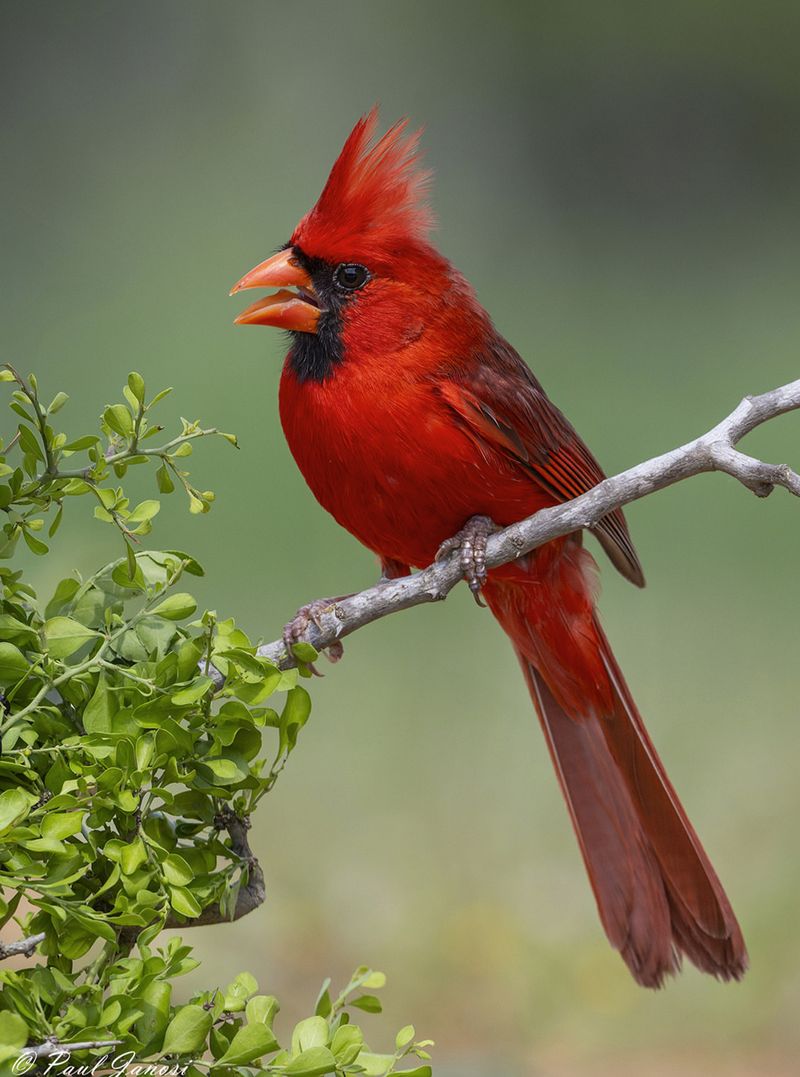
Most people picture the flashy red male when they think of a singing cardinal. Fewer realize that the quieter female beside him is often just as musically talented.
Male cardinals produce loud, clear whistles that carry across entire neighborhoods. Their songs typically include repeated phrases like “cheer-cheer-cheer” or “birdy-birdy-birdy” delivered with full-throated confidence.
Female cardinals sing too, which sets them apart from many other songbird species. Their songs tend to be softer and more complex, often sung while sitting quietly on the nest.
One fascinating behavior involves females singing to communicate with their mates during incubation. The male hears her call and brings food directly to the nest, no guesswork needed.
Both sexes learn their songs partly through imitation and partly through instinct. Young cardinals raised near experienced singers develop richer, more varied repertoires over their first year.
Regional dialects exist among cardinal populations, meaning birds in your Massachusetts garden may sing slightly differently than cardinals in Virginia. Local song traditions pass down through generations of backyard birds.
Males sing most intensely in late winter and early spring when competition for mates peaks. By midsummer, singing frequency drops noticeably as nesting duties take over daily life.
Listening closely to your backyard pair can reveal who is who even without seeing them. Her softer, longer phrases and his bold repeating whistles are signatures worth learning to recognize.
Cardinals Are Year-Round Massachusetts Residents
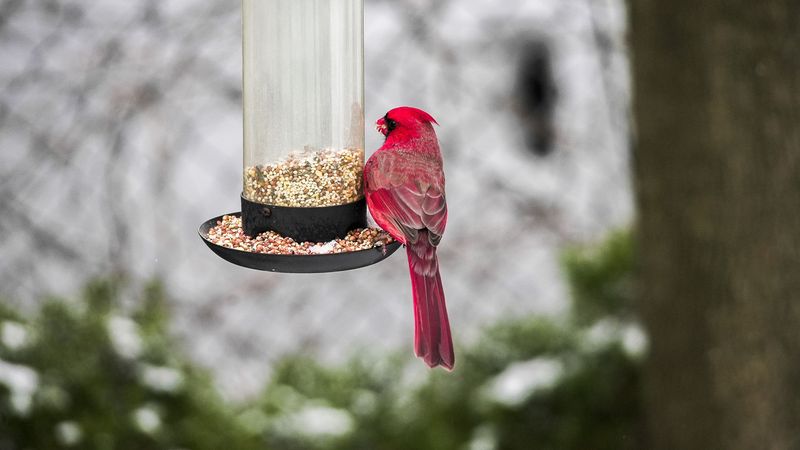
Unlike many colorful birds that disappear south when temperatures drop, cardinals stay put through every harsh New England winter. That loyalty to your garden is part of what makes them so beloved.
Northern cardinals expanded their range northward throughout the 20th century. Backyard feeders, suburban planting, and milder urban microclimates all helped them establish permanent populations across the Northeast.
Because they don’t migrate, cardinals sing year-round rather than saving their voices for spring alone. You can hear them belting out songs on clear January mornings when snow covers the ground.
Winter singing serves a slightly different purpose than spring breeding songs. Cardinals use cold-season calls to maintain pair bonds and claim reliable food sources before competitors arrive.
Mated pairs sometimes stay loosely together through winter, roosting near each other in dense shrubs. Come spring, their bond strengthens quickly and nesting begins earlier than many neighboring species.
Providing food through winter directly supports your resident cardinals’ survival and singing activity. Sunflower seeds, safflower, and cracked corn at a well-placed feeder make a real difference in harsh months.
Northern cardinals singing at dawn in your Massachusetts garden during February are already rehearsing for breeding season. Their voices grow stronger and more frequent as daylight hours gradually increase each week.
Watching a cardinal at your feeder during a snowstorm feels almost cinematic. That pop of red against white is one of New England’s most satisfying winter rewards.
Garden Features That Attract Cardinals
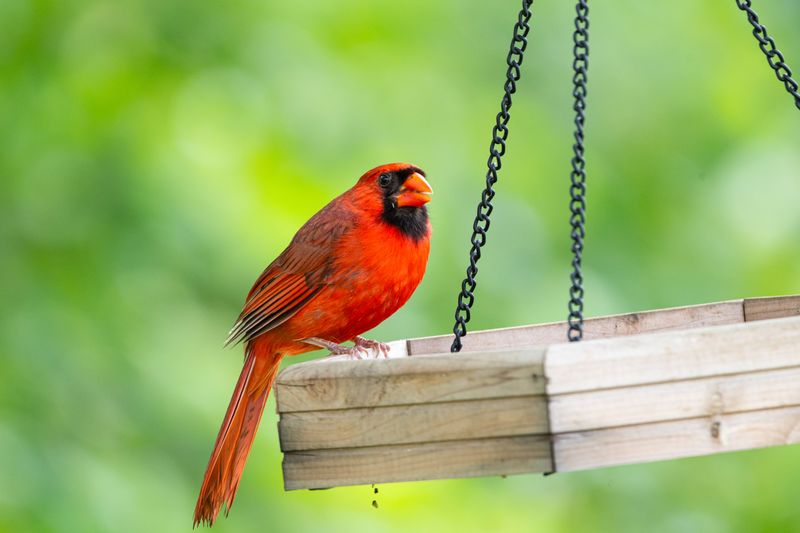
Cardinals don’t show up randomly. Your garden either has what they need or it doesn’t, and they decide fast.
Dense shrubs and thickets are the top priority for nesting cardinals. Plants like viburnums, hollies, and native rose varieties offer the cover and structure cardinals prefer for building their cup-shaped nests.
Food supply ranks just as high as shelter when cardinals choose a territory. Sunflower seeds, particularly black oil sunflower, are a clear favorite and draw them to feeders reliably through all seasons.
Safflower seeds are another excellent option worth adding to your feeding station. Cardinals love them while squirrels and many other birds tend to ignore safflower, keeping your feeder stocked longer.
Fresh water is often the overlooked secret weapon in a cardinal-friendly yard. A heated birdbath in winter and a clean, shallow basin in summer can make your garden irresistible to resident pairs.
Cardinals are ground feeders by nature and feel most comfortable at low platform feeders or scattered seed on flat surfaces. Tube feeders with tiny perches often frustrate their larger body size.
Native berry-producing plants like dogwood, serviceberry, and elderberry extend your garden’s appeal through late summer and fall. These natural food sources supplement feeder offerings and attract more consistent visits.
Once you earn a cardinal pair’s trust, they often return to the same garden year after year. Building that loyalty starts with planting smart and feeding consistently from day one.
Recognizing A Cardinal’s Different Calls
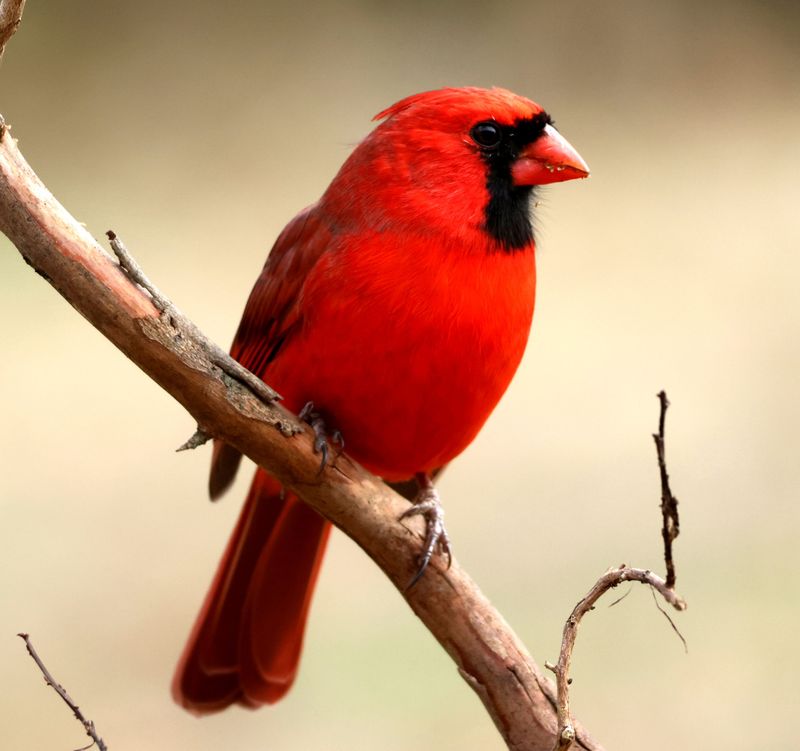
Cardinals are not one-trick birds. They have a whole vocabulary of sounds, and once you start noticing the differences, your mornings get a lot more interesting.
The classic whistled song is what most people recognize first. Phrases like “whoit-whoit-whoit” or “pretty-pretty-pretty” ring out clearly and are easy to identify once you have heard them a few times.
Beyond the song, cardinals use a sharp metallic “chip” call constantly throughout the day. That quick, crisp note serves as a contact call between mates and a mild alarm when something feels slightly off.
When real danger approaches, like a hawk passing overhead, the chip call speeds up and grows sharper. A rapid string of chip notes is a reliable signal that your garden has a predator nearby.
Females give a softer, more liquid version of the chip call that sounds slightly different from the male’s crisper note. Learning to tell them apart takes practice but becomes second nature over a single season.
Cardinals also produce a thin, high-pitched “seet” alarm call in response to aerial threats. This sound is intentionally hard to locate, which protects the caller from being spotted by a hunting hawk.
Young cardinals fresh out of the nest make begging calls that sound almost insect-like. Hearing those soft, buzzy notes near your shrubs usually means a family group is moving through your yard.
Northern cardinals singing at dawn in your Massachusetts garden are just the opening act of a full daily soundtrack worth tuning into every single day.