What Ohio Gardeners Should Know About White Clover Before Pulling It Out
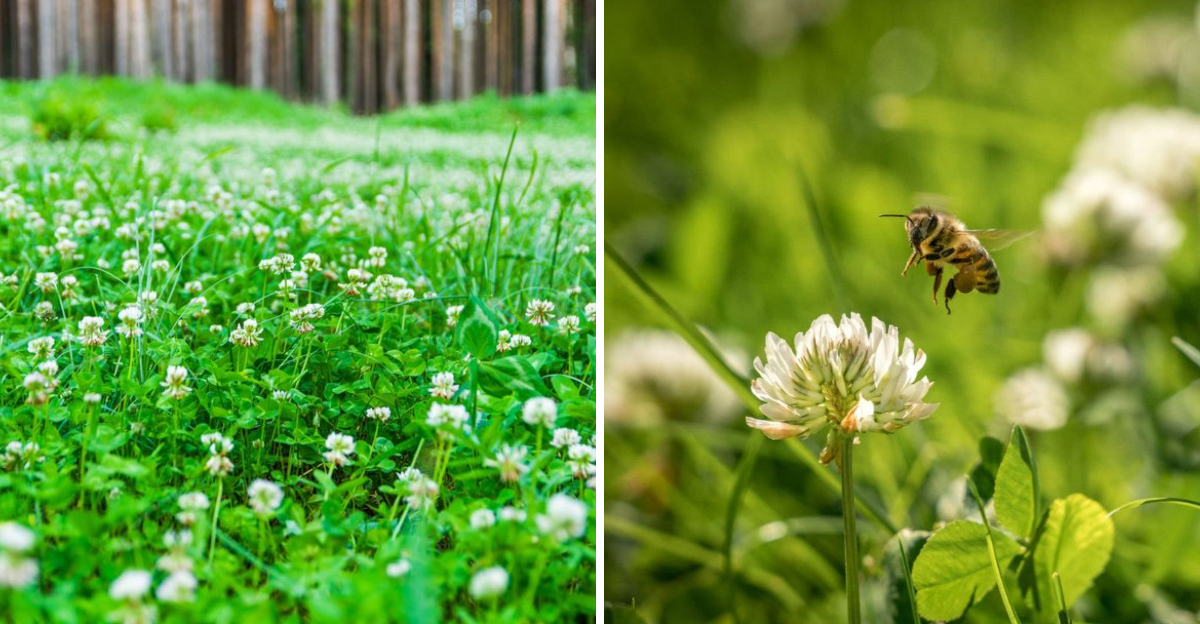
You have probably yanked white clover out of your lawn without a second thought. Most Ohio gardeners do.
And honestly, that instinct makes sense. It spreads fast, it looks messy, and nobody wants a patchy lawn.
But clover has a reputation problem, not a performance problem.
Before you pull it, you need to know what it actually does to your soil, your lawn, and your local ecosystem, because Ohio’s growing conditions change the calculus on this plant more than most people realize.
This is not a piece telling you to love clover or hate it. It is a practical breakdown of what Ohio gardeners are dealing with, what the plant does, and what you lose or gain when you remove it.
Make the call with the full picture in front of you.
1. Remember White Clover Is Not Native To Ohio
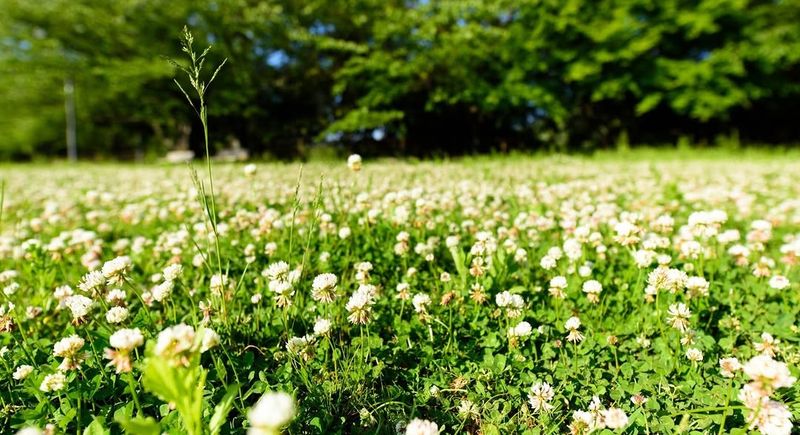
Most Ohio gardeners have seen white clover so often that it feels like it belongs here. Spotted in lawns, along roadsides, and creeping through gardens across the state, it can seem as natural as the bluegrass growing beside it.
But white clover, known by its scientific name Trifolium repens, is not native to Ohio or North America. It was brought over from Europe and has naturalized so thoroughly that it now feels like part of the landscape.
That naturalization does not mean the plant carries the same ecological value as Ohio’s true native plants.
The Ohio Department of Natural Resources and university extension resources remind gardeners that native plants have co-evolved with local insects, birds, and soil organisms over thousands of years.
A naturalized plant like white clover is not the same as a regulated invasive plant in Ohio, but it can still spread aggressively in lawns, beds, and borders.
For Ohio gardeners who want to support local biodiversity, knowing this distinction matters. If your goal is to create a habitat garden or support native bees and insects with the plants they evolved alongside, white clover is not the right centerpiece.
Mixing in true Ohio native plants like wild bergamot, purple coneflower, mountain mint, or other locally appropriate native flowers gives local wildlife more of what they need.
Keeping white clover in check, rather than letting it crowd out native plantings, is a reasonable and ecologically thoughtful approach.
2. Know That Non Native Does Not Always Mean Useless
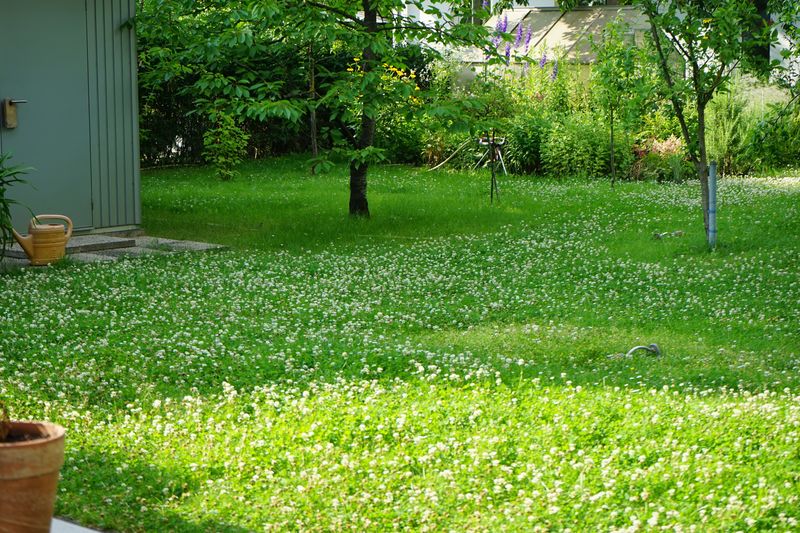
Plenty of plants growing in Ohio yards arrived from somewhere else, and not all of them cause problems. White clover falls into that nuanced middle ground.
It has been growing in North American lawns and pastures for centuries, and over that time, it has shown some genuinely useful qualities worth understanding before you pull every stem out of the ground.
As a legume, white clover works with soil bacteria called rhizobia to fix atmospheric nitrogen and make it available in the soil.0
Ohio State University Extension notes that legumes like clover can contribute nitrogen to surrounding plants, which is one reason older lawn seed mixes often included clover on purpose.
Your Ohio Garden Changes Every Week. Your Plan Should Too.
Gardening in Ohio changes quickly throughout the season. Every Friday you’ll receive a simple weekly plan showing exactly what to plant, prune, fertilize, harvest, and protect so you never miss the right timing.
In a mixed lawn, a reasonable amount of clover may help reduce how much supplemental fertilizer the grass actually needs.
White clover may stay green through some dry spells and can help a mixed lawn look fuller when cool-season turf slows down, although drought response depends on soil, mowing height, and rainfall.
The flowers attract honeybees, bumblebees, and other pollinators that visit Ohio gardens.
None of these benefits make white clover a perfect lawn plant, and they do not cancel out the problems it can cause in formal turf or garden beds. Thinking beyond a simple good or bad label gives you more useful options when deciding how to manage it.
3. Stop Treating Every Clover Patch Like A Lawn Emergency
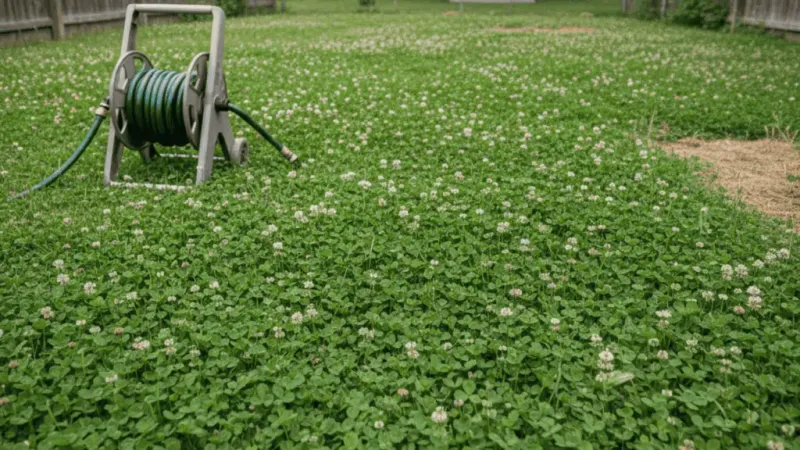
Seeing a few clover plants spread across a lawn section can trigger the urge to act fast. But before grabbing a tool or product, it helps to look at what the clover is actually telling you about that part of your lawn.
Clover tends to show up where turf is thin, stressed, or struggling to compete. Low soil nitrogen, compacted soil, poor drainage, or mowing too short can all create the kind of weak turf that clover moves into easily.
Ohio State University Extension turfgrass guidance points out that a healthy, dense lawn is one of the best defenses against weeds of any kind.
If clover is spreading through a section of your yard, the more useful question is not just how to remove it, but why the grass is not filling that space on its own.
Checking your mowing height is a good starting point. Cool-season grasses in Ohio, including tall fescue, generally perform better when mowed at three to four inches rather than cut short.
Soil testing through Ohio State Extension or a local lab can reveal whether low nitrogen or pH issues are weakening your turf.
Aerating compacted areas and overseeding thin spots in early fall, which is the ideal time for Ohio lawns, gives grass a real chance to crowd clover out naturally.
A small clover patch in an otherwise healthy lawn rarely needs emergency treatment.
4. Let White Clover Feed The Soil Before You Judge It
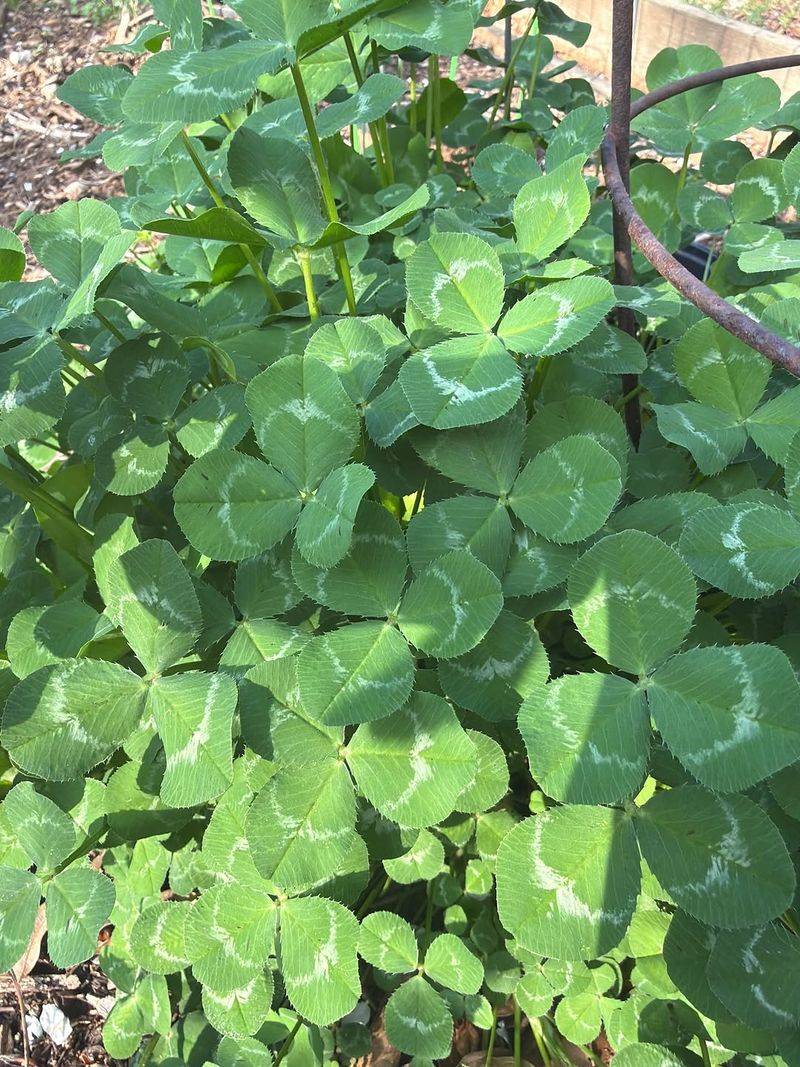
Legumes have a quiet superpower that most people walk right past without noticing. White clover, like other members of the legume family, forms a partnership with naturally occurring soil bacteria called rhizobia.
These bacteria attach to the plant’s roots and convert nitrogen from the air into a form that plants in the surrounding soil can actually use. For a mixed lawn, that means clover is essentially doing some of the fertilizing work on its own.
Ohio State University Extension has long recognized this nitrogen-fixing ability in legumes, and it is part of why white clover was a standard ingredient in lawn seed mixes for decades before the push toward pure grass lawns became popular.
If you are comfortable with a lawn that looks a little more relaxed and less like a golf course, keeping some clover in the mix could mean you need slightly less nitrogen fertilizer over time.
That is a practical benefit worth considering, especially for homeowners trying to reduce inputs.
The nitrogen benefit matters much less, though, once clover moves into vegetable gardens or ornamental beds. There, it competes directly with plants you actually want to grow.
Roots tangle, moisture gets shared, and clover’s creeping stems can spread under mulch before you notice. Soil feeding is a real benefit in the right context, but context is everything.
A lawn and a raised vegetable bed are two very different situations, and managing clover differently in each one makes good sense.
5. Expect Bees When White Clover Starts Blooming
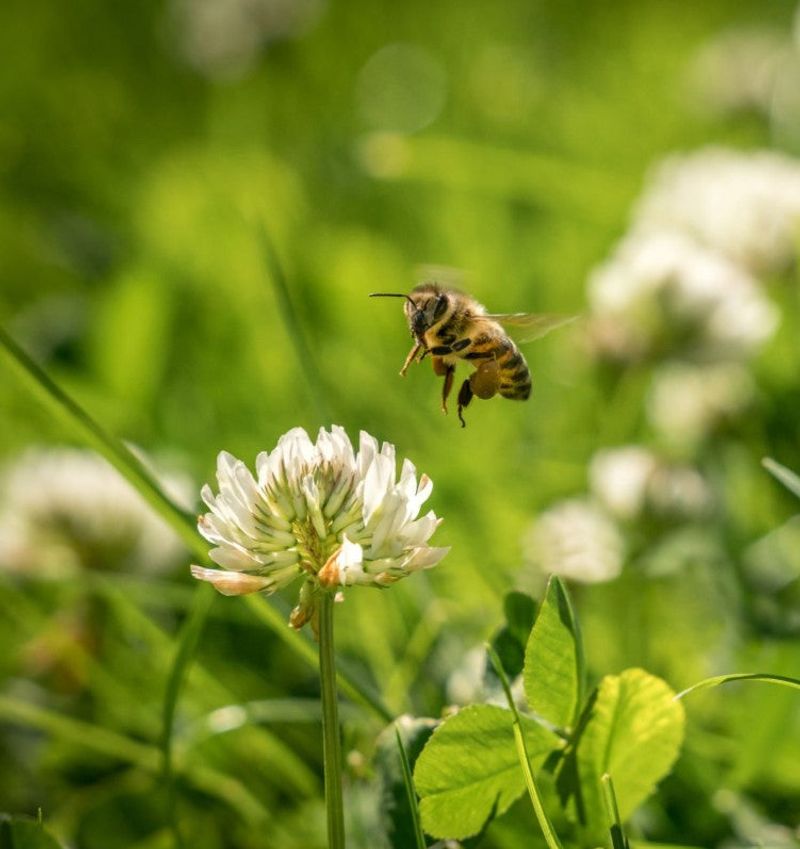
Once white clover starts flowering, it becomes a reliable stop for pollinators. Honeybees, bumblebees, and a variety of native bees visit clover blooms regularly, collecting both nectar and pollen.
The Ohio State Bee Lab and Ohio State University Extension both recognize clover as a food source for bees, which matters in a state where pollinator habitat has been shrinking alongside agricultural and suburban development.
For gardeners who want more pollinator activity in the yard, a patch of blooming clover can be genuinely helpful.
Vegetable gardeners may appreciate having more pollinator activity nearby, especially around crops that depend on insect visits, such as cucumbers and squash.
Letting some clover bloom in a lower-traffic corner of the lawn costs very little and can support bee populations that help the rest of the garden.
The practical concern comes up for families with young children, pets, or anyone who spends time walking barefoot across the lawn.
Bees foraging on clover flowers are focused on the blooms and rarely sting unless stepped on or startled, but that risk is real in active outdoor spaces.
The goal is not to fear the bees but to plan around where clover blooms. Knowing that flowering clover brings bee traffic lets you make smarter choices about where in the yard you manage clover more closely and where you leave it alone.
6. Mow Before Flowers If Bee Traffic Is A Problem
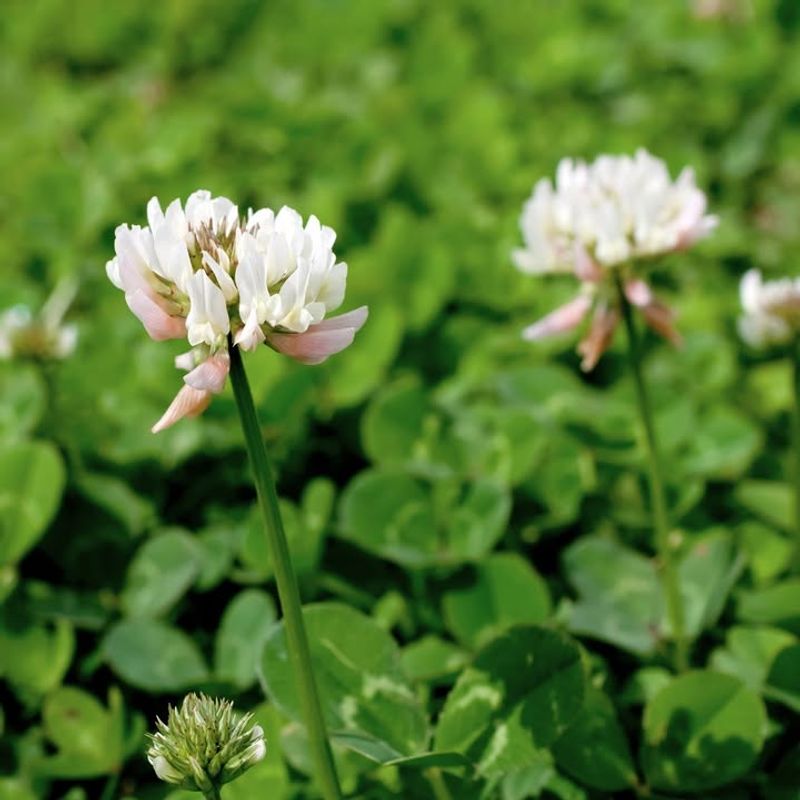
Mowing before clover flowers open is one of the simplest and most effective ways to reduce bee activity in areas where you need more control. No blooms means far fewer bees landing in that spot.
Ohio State University Extension notes that flowering lawn weeds such as clover and dandelion attract bees, and recommends mowing flowers off before pesticide treatment and avoiding pesticide applications while plants are flowering.
The same logic applies here: removing the flowers removes the draw.
Keeping clover mowed before it reaches the flowering stage takes some attention, especially during the warmer months when clover can push up blooms quickly after a mowing.
Setting a regular mowing schedule and not letting the lawn go too long between cuts helps keep flowers from opening near patios, play areas, and paths where foot traffic is heavy.
Gardeners who actually want pollinator support can use a split approach. Mow clover areas near the patio, play set, or back door more frequently to keep flowers down.
Leave a section in a lower-traffic part of the yard, maybe along a fence line or near a garden border, where clover can bloom freely and bees can forage without much human interference.
That kind of zone-based thinking lets you get some of the pollinator benefit without putting bee traffic right where kids and pets spend most of their time.
A little planning goes a long way.
7. Pull It From Beds Before It Starts Taking Over
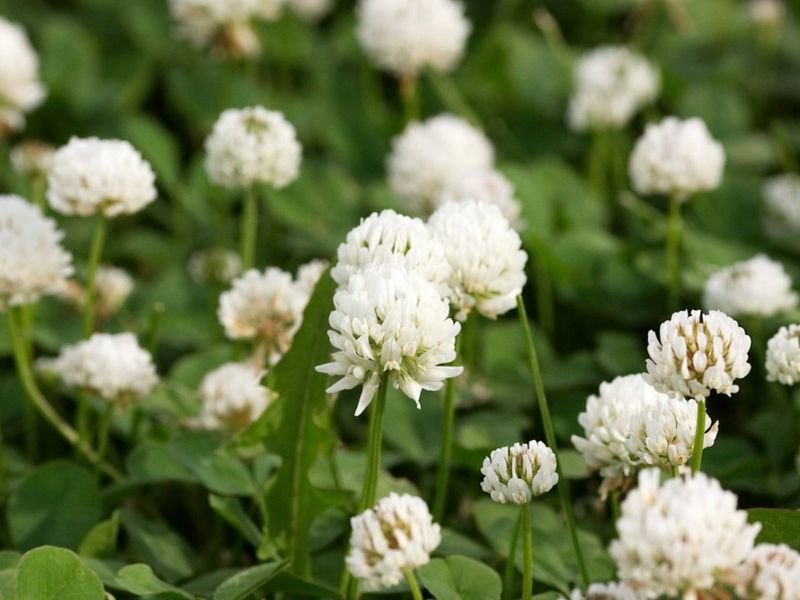
A garden bed is a very different situation from a lawn. In a lawn, some clover mixed with grass may be tolerable or even useful.
In a flower bed, vegetable garden, or ornamental border, white clover becomes a competitor. Its creeping stems, called stolons, spread along the soil surface and root down at intervals as they go.
Once those rooted sections establish, the plant becomes much harder to remove cleanly.
Hand-pulling works best when the soil is moist, such as after rain or a good watering session.
Loosening the soil with a hand fork or cultivator before pulling gives you a better chance of getting the rooted sections out rather than snapping stems and leaving roots behind.
Work slowly along the edges of beds where lawn meets garden, since that border is usually where clover first moves in from the turf.
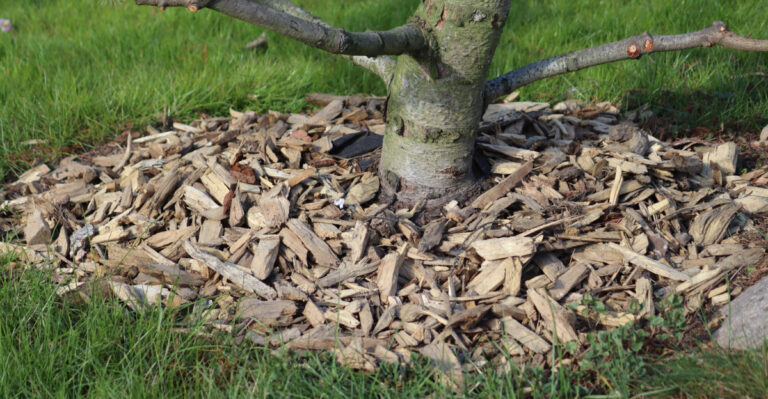
After removing clover from a bed, covering the bare soil with two to three inches of mulch helps slow regrowth. A solid mulch layer helps block light, reduce open soil, and make it harder for new seedlings to get established.
Check bed edges regularly through the growing season, especially in spring and early summer when clover is most actively spreading.
Catching creeping stems early, before they root deeply into the bed soil, saves a lot of effort compared to dealing with a well-established patch later in the season.
8. Decide Patch By Patch Instead Of Declaring War
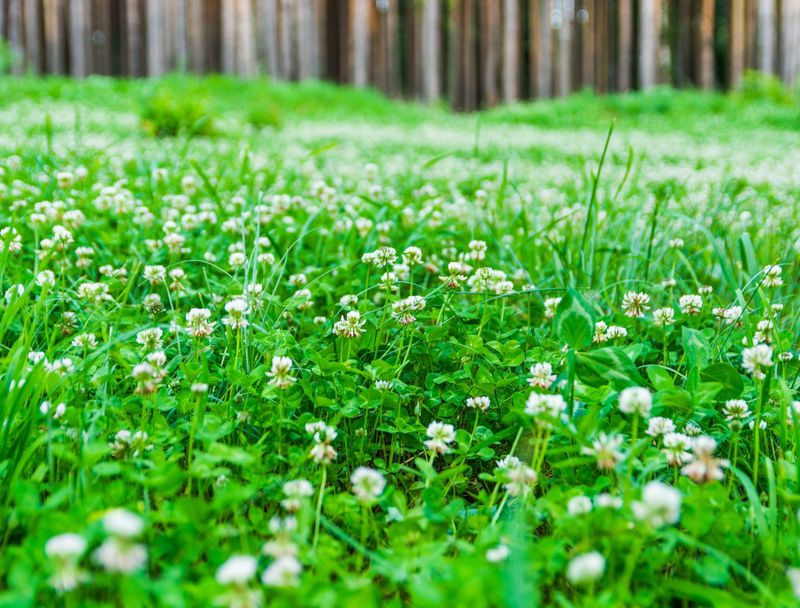
Not every clover patch in your yard calls for the same response. The most practical approach is to look at each area separately and ask what that space is actually used for.
A corner of the lawn near the back fence that rarely sees foot traffic is a very different situation from the strip of grass between the patio and the vegetable garden.
Making the same call for every clover patch often means either doing too much work or letting clover spread somewhere it genuinely causes a problem.
Low-use lawn areas where clover is mixed with grass may not need any action at all, especially if the turf is thin and the clover is holding the ground while you work on improving soil and grass density.
In those spots, pulling clover without fixing the underlying lawn conditions just leaves bare soil that something else will fill.
Formal turf areas, play spaces, walkway edges, and garden bed borders deserve more active management.
The smartest approach Ohio gardeners can take is observation before action. Walk the yard, note where clover is growing and how much space it is taking, consider how that area is used, and then decide.
Clover in the right place can be left alone or even appreciated. Clover in the wrong place gets pulled, mulched, or managed before it roots in deeper.
That patch-by-patch thinking turns a frustrating lawn problem into a manageable, reasonable part of caring for an Ohio yard.