9 Methods Helping Texas Gardeners Grow Standout Roses This Year
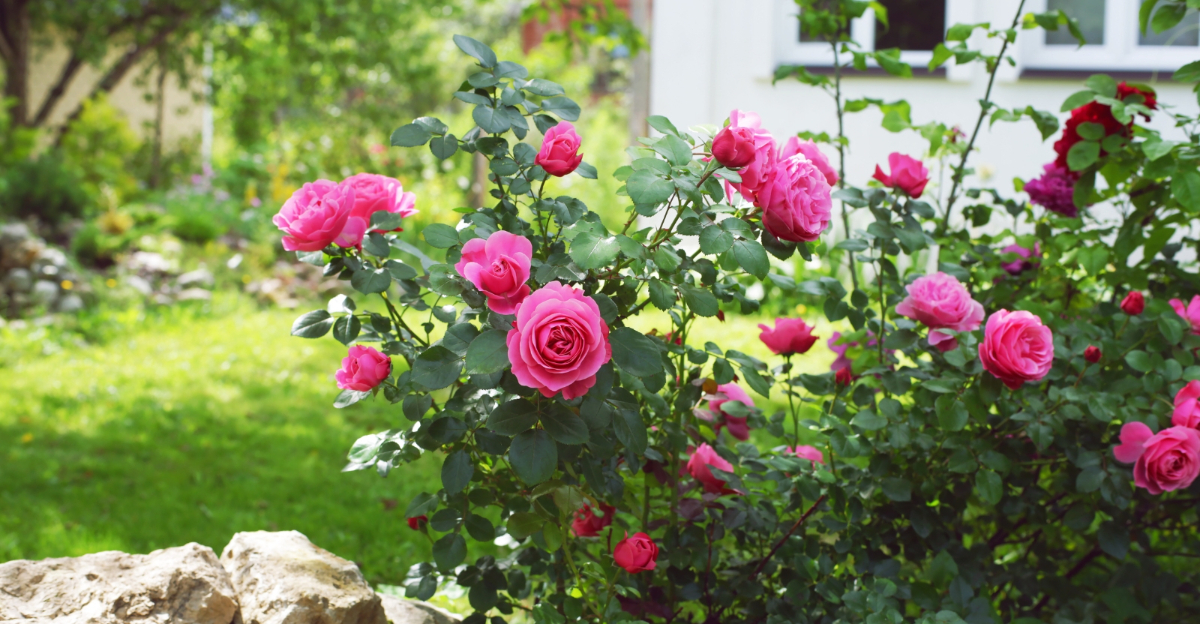
Texas gardeners are seeing a noticeable shift in how their roses perform this year. What once felt hit or miss is starting to look far more reliable across the state.
The change isn’t coming from luck or perfect weather. It’s coming from smarter choices made earlier in the season.
Heat, soil, and timing still matter in Texas, but gardeners are learning how to work with them instead of against them.
Small adjustments are leading to fuller plants, stronger stems, and more consistent flowering.
Some of these methods sound simple, yet they solve problems that quietly hold roses back every year. Others focus on avoiding common habits that stress roses without gardeners realizing it.
When the right approach comes together, roses respond fast in Texas conditions.
This year is proving that standout roses aren’t about effort alone, but about using the right methods at the right time.
1. Early-Season Soil Conditioning
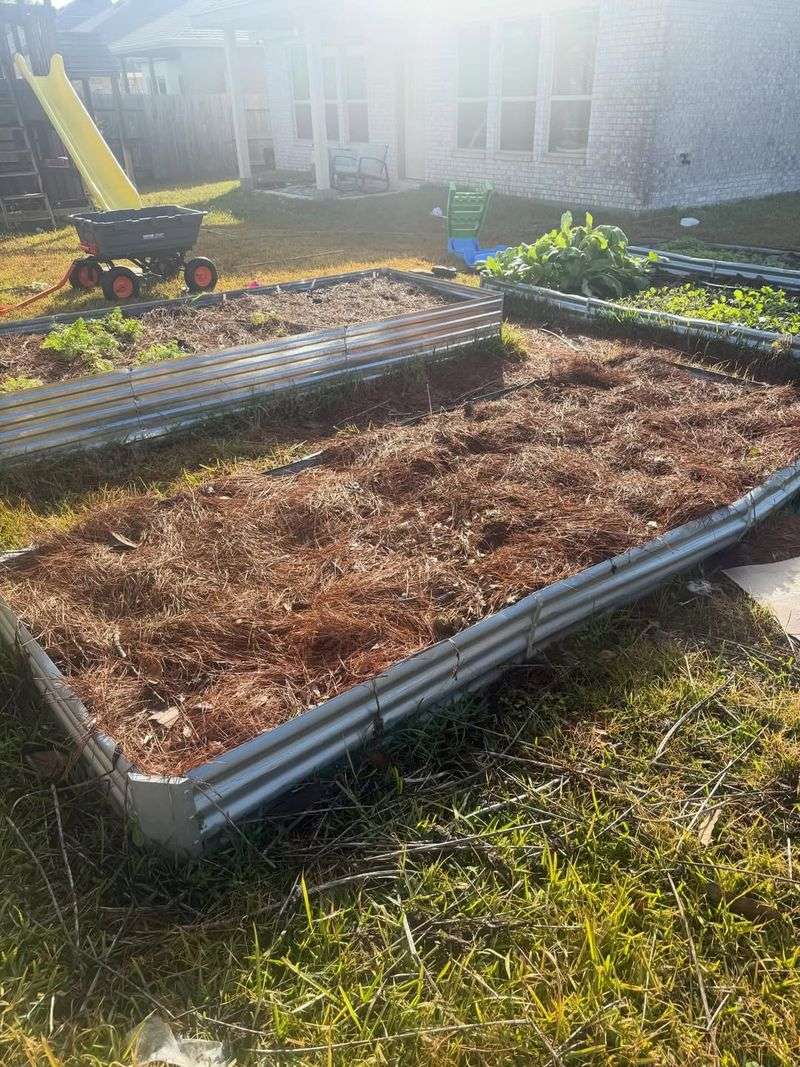
Getting your rose beds ready before planting season arrives makes all the difference in how well your bushes perform throughout the year. Texas soil can be heavy clay in some areas, sandy in others, or even rocky depending on where you live.
Amending the ground properly gives roots the best possible environment to establish themselves.
Organic matter like compost works wonders for improving soil structure across the state. Mix in several inches of well-aged compost to help clay drain better and sandy soil hold nutrients longer.
This step creates a foundation that supports healthy growth all season.
Testing your soil pH helps you understand what adjustments might be needed for optimal rose health. Most roses prefer slightly acidic conditions, around 6.0 to 6.5 on the pH scale.
Adding sulfur lowers pH if your soil tests too alkaline, which is common in many Texas regions.
Working amendments into the soil several weeks before planting gives everything time to settle and blend together naturally. This preparation period allows beneficial microorganisms to begin breaking down organic materials.
Your roses will have an easier time establishing strong root systems in conditioned soil.
Proper drainage is absolutely essential for rose success in Texas gardens. Roses hate sitting in waterlogged soil, which can lead to root problems quickly.
If your planting area has drainage issues, consider building raised beds to give roots the air circulation they need for vigorous growth.
2. Heat-Aware Planting Placement
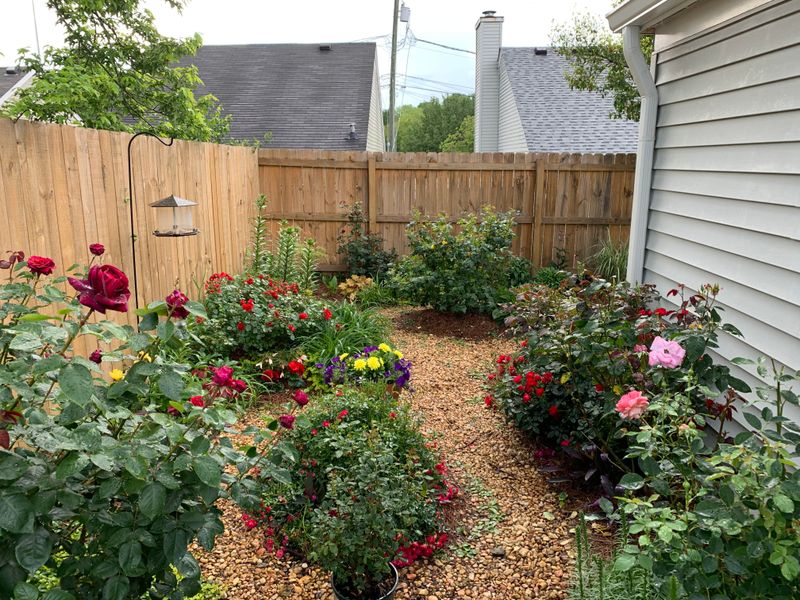
Choosing the right spot for your roses can mean the difference between struggling plants and spectacular bloomers throughout the Texas growing season. Morning sun combined with afternoon shade creates ideal conditions for many rose varieties in our climate.
This arrangement gives bushes the light they need without subjecting them to the most brutal heat of the day.
Eastern exposures work particularly well for roses across most of Texas because they receive gentler morning rays. The cooler morning sun energizes plants without overwhelming them.
As temperatures climb in the afternoon, natural shade from buildings or trees provides welcome relief.
Southern and western exposures can be challenging during summer months when the sun beats down relentlessly. Roses planted in these locations may struggle with heat stress even with excellent care.
If these are your only options, plan to provide extra shade protection during the hottest weeks.
Air circulation around your planting site matters more than many gardeners realize. Good airflow helps keep foliage dry and reduces disease pressure in humid Texas conditions.
Avoid tucking roses into tight corners where air becomes stagnant.
Consider how your landscape changes throughout the year when selecting planting locations. Trees that provide perfect dappled shade in summer might create too much darkness in winter when roses still need light.
Deciduous trees often offer the best of both worlds for year-round rose cultivation in Texas gardens.
3. Consistent Deep Watering Cycles
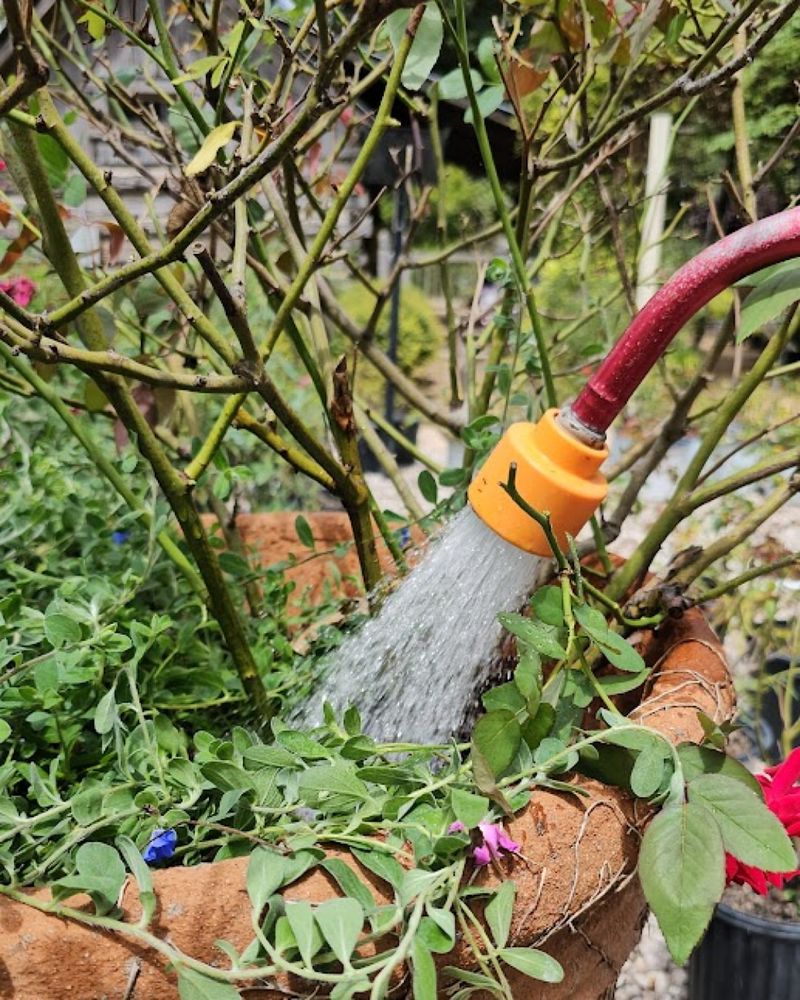
Establishing a reliable watering routine keeps roses hydrated without encouraging shallow root systems that struggle during dry spells. Deep watering encourages roots to grow downward where soil stays cooler and moisture lasts longer.
This approach builds stronger plants that can better handle Texas summer conditions.
Soaker hoses deliver water directly to the root zone without wetting foliage, which helps prevent disease problems in humid areas. Drip irrigation systems work similarly and can be automated for convenience.
Both methods conserve water while ensuring roses get consistent moisture.
Watering frequency depends on your specific Texas location, soil type, and current weather conditions. Sandy soils drain quickly and may need water every few days during hot weather.
Clay soils hold moisture longer, so roses planted in them might only need weekly deep soaking.
Early morning watering gives roses all day to absorb moisture before temperatures peak. This timing also allows any water that touches leaves to evaporate quickly, reducing disease risk.
Evening watering can leave foliage damp overnight, creating conditions that favor fungal problems.
Checking soil moisture before watering prevents both overwatering and underwatering problems. Stick your finger several inches into the soil near the root zone.
If it feels dry at that depth, your roses are ready for a thorough watering session that penetrates deep into the ground.
4. Mulch Layers That Hold Moisture
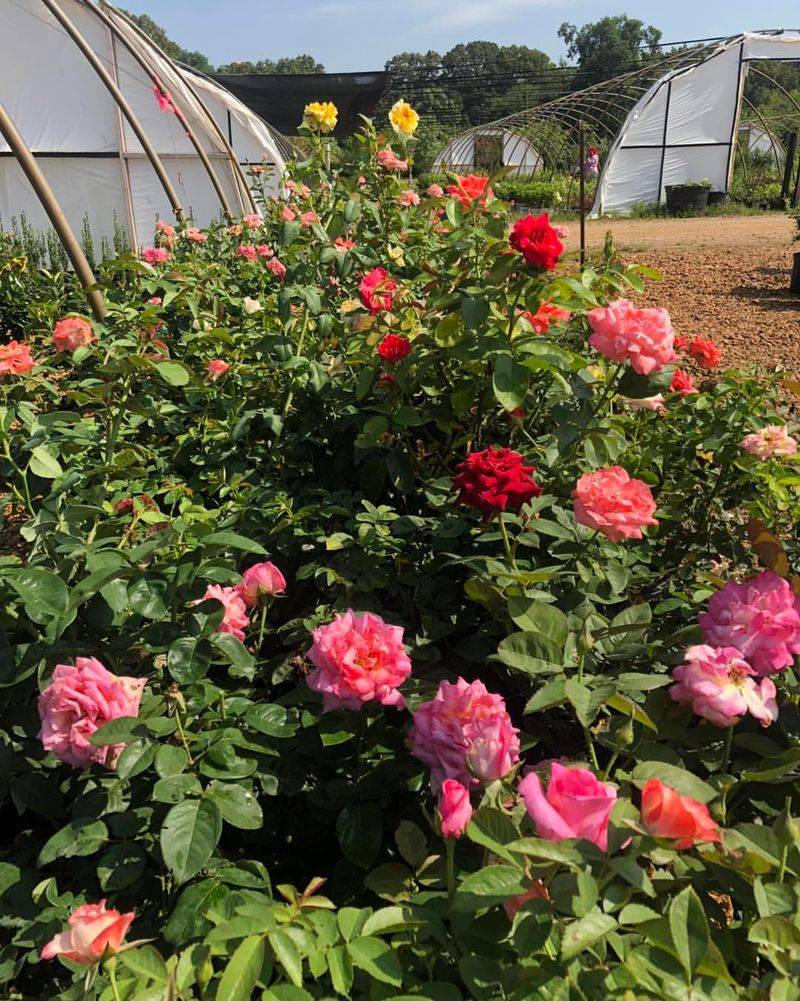
Spreading a thick blanket of mulch around your rose bushes helps soil retain precious moisture during the long, hot Texas growing season. Organic mulches like shredded bark, wood chips, or pine needles work beautifully for this purpose.
They break down slowly over time, adding nutrients back into the soil as an extra bonus.
A three to four-inch layer of mulch provides optimal benefits without smothering plant roots. This depth insulates soil from temperature extremes that can stress roses.
Keep mulch pulled back a few inches from the base of each bush to prevent moisture from accumulating against canes.
Mulch dramatically reduces water evaporation from soil surfaces, which is especially valuable in Texas where summer temperatures soar. Less evaporation means you can water less frequently while still keeping roots adequately hydrated.
This conservation benefit helps both your plants and your water bill.
Weed suppression is another major advantage of maintaining good mulch coverage around roses. Fewer weeds mean less competition for water and nutrients.
Pulling the occasional weed that does pop through mulch is much easier than battling them in bare soil.
Refreshing your mulch layer annually keeps it effective as the bottom layers decompose and settle. Spring is an ideal time to add new mulch in most Texas regions.
Choose materials that complement your garden’s appearance while providing the practical benefits your roses need to flourish.
5. Airflow-Focused Spacing
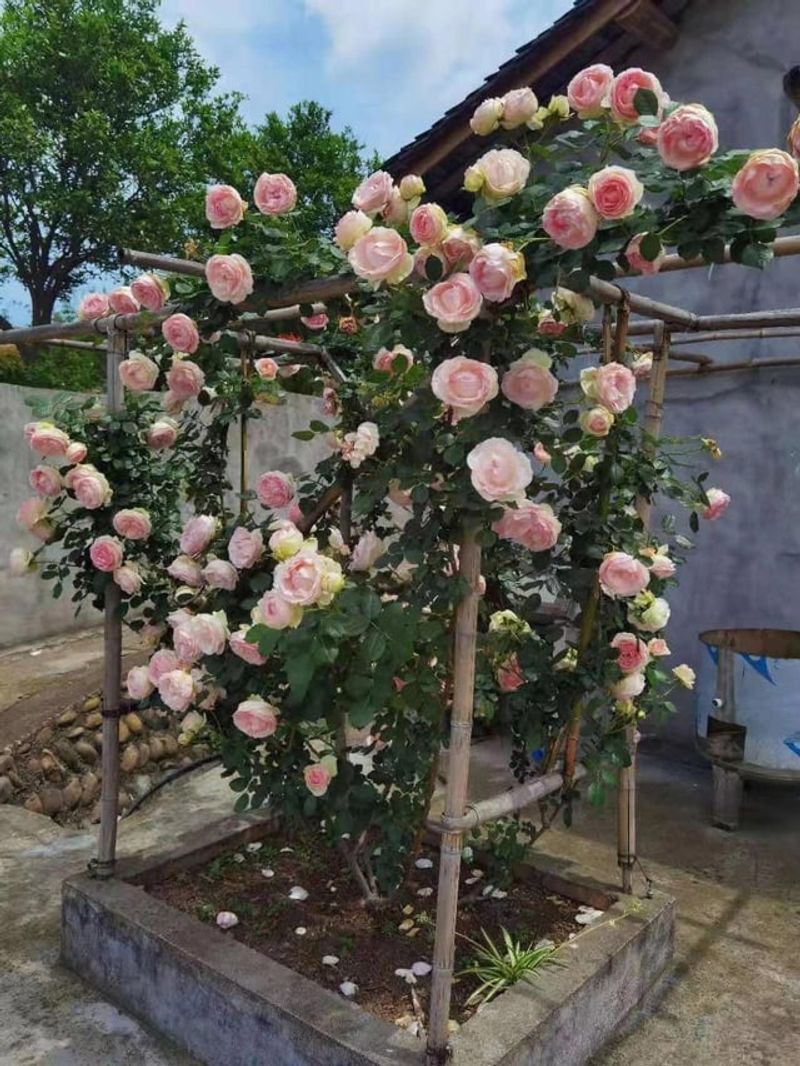
Giving each rose bush adequate room to breathe prevents a host of problems that plague crowded plantings throughout Texas. Proper spacing allows air to move freely between plants, which keeps foliage drier and less prone to fungal issues.
This simple practice makes a huge difference in overall plant health.
Most rose varieties need at least three feet of space between bushes for good air circulation. Larger shrub roses or climbers may require even more room to reach their full potential.
Resist the temptation to pack plants closely together for an instant full look.
Crowded roses compete with each other for sunlight, water, and nutrients in the soil. This competition weakens all the plants involved, making them more susceptible to stress and disease.
Properly spaced bushes develop stronger canes and produce more abundant blooms.
Good spacing also makes garden maintenance much easier for Texas gardeners. You can walk around each bush to prune, deadhead, and inspect for problems without struggling through tangled growth.
Access to all sides of each plant improves your ability to provide excellent care.
When planning your rose bed layout, consider the mature size of each variety rather than how they look as small transplants. Research the expected height and width of each cultivar before deciding on final spacing.
This forward thinking prevents overcrowding problems as your roses grow and mature over subsequent seasons in your Texas garden.
6. Balanced Feeding Through Active Growth
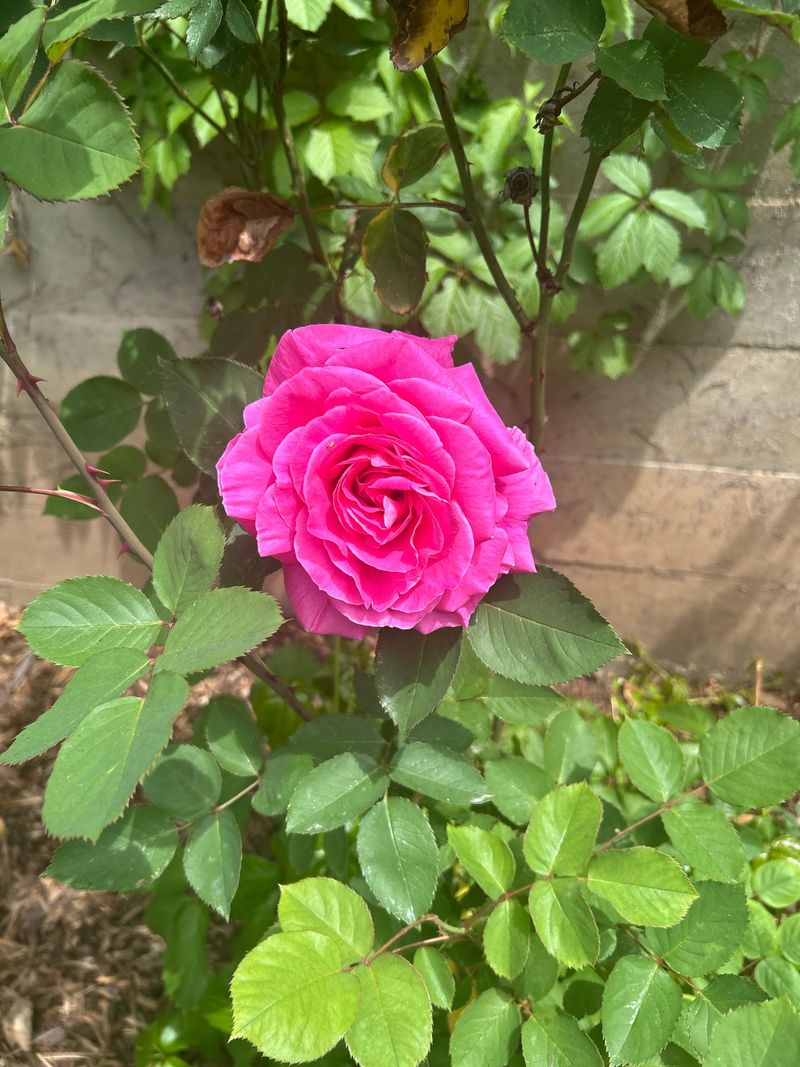
Providing roses with appropriate nutrition throughout their growing season supports vigorous growth and abundant flowering across Texas. Balanced fertilizers contain nitrogen for foliage, phosphorus for blooms, and potassium for overall plant health.
Look for formulas specifically designed for roses or flowering shrubs.
Starting your feeding program in early spring when new growth emerges gives roses the energy they need for the season ahead. Apply fertilizer according to package directions, being careful not to overdo it.
Too much fertilizer can burn roots and cause more harm than good.
Organic fertilizers like compost tea, fish emulsion, or alfalfa meal release nutrients slowly and improve soil health over time. These options work wonderfully for Texas gardeners who prefer natural approaches.
They feed beneficial soil organisms while nourishing your roses.
Repeat applications every four to six weeks during the active growing season keep nutrients available as roses continue blooming. Stop fertilizing about six weeks before your area’s first expected frost date.
This timing allows roses to slow their growth naturally and prepare for dormancy.
Slow-release granular fertilizers offer convenience for busy gardeners throughout Texas. These products break down gradually, providing steady nutrition over several weeks or months.
Scratch granules into the soil surface around the root zone and water thoroughly to activate them for optimal results.
7. Selective Pruning For Strong Canes
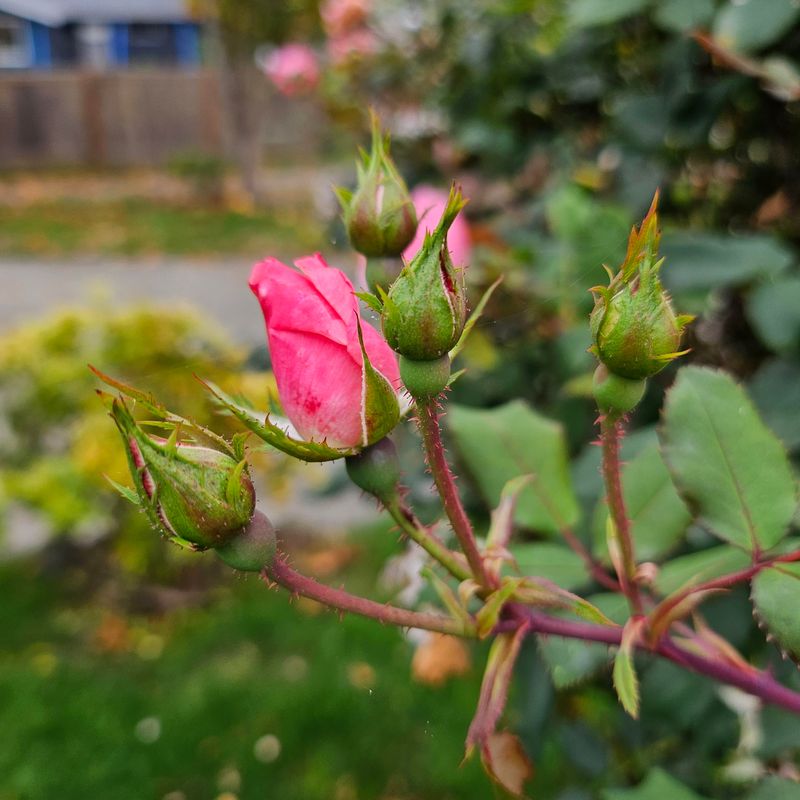
Removing the right canes at the right time strengthens rose bushes and improves their overall appearance throughout the Texas growing season. Sharp, clean pruning tools make precise cuts that heal quickly without damaging healthy tissue.
Bypass pruners work best for most rose pruning tasks.
Late winter or early spring, just as buds begin to swell, is the ideal time for major pruning in most Texas regions. This timing gives roses a fresh start for the new growing season.
Remove any canes that look damaged, diseased, or particularly thin and weak.
Cutting canes at a forty-five degree angle just above an outward-facing bud encourages new growth to develop in the right direction. This technique helps create an open, vase-shaped bush with good air circulation.
Make cuts about a quarter inch above the bud to avoid leaving stubs.
Crossing canes that rub against each other should be removed to prevent wounds that invite disease. Choose the weaker or more poorly positioned cane and cut it back to its point of origin.
This selective removal keeps the bush structure clean and healthy.
Throughout the growing season in Texas, remove spent blooms regularly to encourage more flowering. Cut back to the first set of five leaflets to promote strong new growth.
Light shaping and deadheading keep roses looking tidy while supporting continuous bloom production all season long.
8. Sun Management During Extreme Heat

Protecting roses from the most intense heat of Texas summers helps them continue blooming when temperatures climb into the triple digits. Temporary shade cloth provides relief during the hottest weeks without permanently reducing light levels.
This flexible approach lets you respond to weather conditions as they develop.
Thirty to forty percent shade cloth filters harsh rays while still allowing plenty of light to reach your roses. Support the cloth on stakes or a simple frame positioned on the south or west side of plants.
This arrangement blocks the most intense afternoon sun while leaving morning light unobstructed.
Strategic placement of taller plants or garden structures can create natural shade for roses during peak heat hours. Perennials, ornamental grasses, or even annual sunflowers planted nearby cast beneficial shadows.
This approach integrates shade into your overall Texas garden design.
Light-colored mulch reflects some heat away from soil surfaces, helping keep root zones cooler during extreme weather. Organic mulches naturally lighten as they age and dry.
Fresh mulch applications in late spring prepare roses for the challenging months ahead.
Misting rose foliage during the hottest part of the day provides immediate cooling relief through evaporation. Use a fine spray and apply water lightly to avoid soaking leaves.
This quick intervention can help stressed plants recover and continue growing through difficult Texas summer conditions.
9. Ongoing Monitoring For Stress Signals
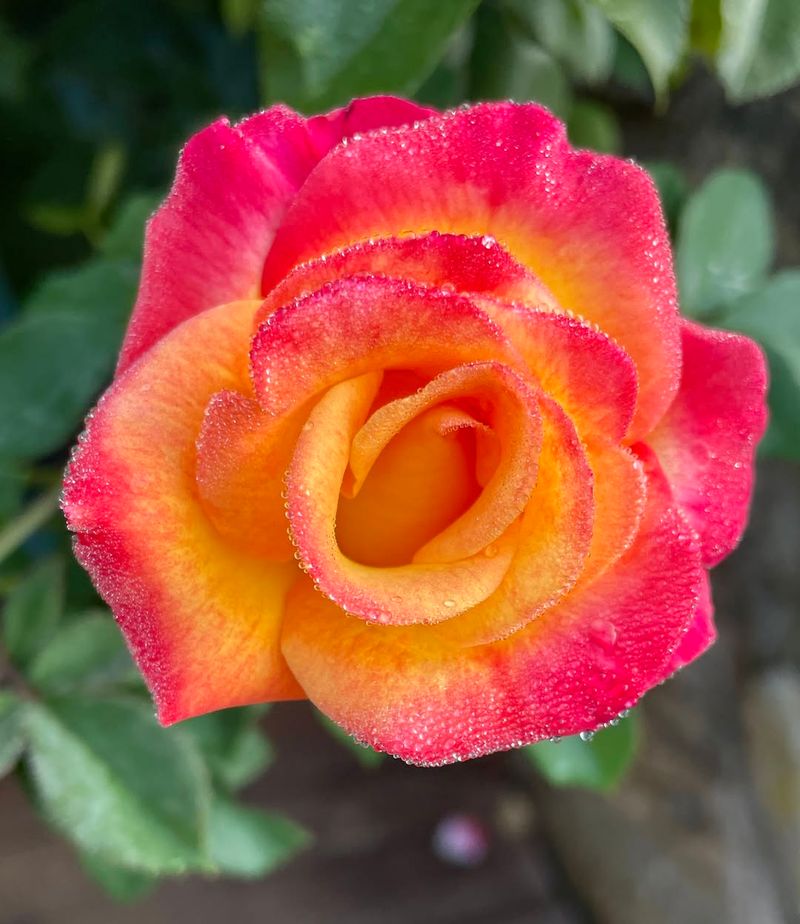
Regular observation helps Texas gardeners catch problems early before they become serious threats to rose health. Walking through your garden every few days allows you to notice subtle changes in plant appearance.
Early detection makes treatment easier and more effective.
Wilting leaves during the heat of the day might indicate water stress, especially if foliage doesn’t perk up by evening. Check soil moisture and adjust your watering schedule if needed.
Consistent wilting despite adequate water could signal root problems that need attention.
Yellowing leaves can result from various issues including nutrient deficiencies, overwatering, or pest damage. Look at the pattern of yellowing to help diagnose the cause.
Lower leaves turning yellow is often normal, but widespread yellowing across the plant suggests a problem.
Spots, discoloration, or unusual growth on foliage may indicate disease or pest activity in your Texas rose garden. Inspect both the tops and undersides of leaves for insects or their eggs.
Early intervention with appropriate treatments prevents minor issues from spreading.
Reduced flowering or smaller blooms than usual can signal that roses need more nutrients or are struggling with environmental stress. Evaluate your fertilizing schedule and growing conditions.
Sometimes plants just need a little extra care to bounce back and return to their normal beautiful performance throughout the season.