Michigan Gardeners Use This Native Grass To Hold Slopes And Fill Bare Ground
Bare slopes and patchy ground are some of the most persistent problems in a Michigan yard. Grass gives up in shade. Mulch slides after every significant rain. Erosion keeps making progress and the ground keeps losing.
Michigan gardeners who have been fighting these spots for years are increasingly finding the same answer.
It is not a groundcover many people have heard of. It looks very much like a soft lawn grass, spreads through underground rhizomes, holds soil together from below, and handles the dry, shaded conditions under trees that defeat most other options.
It is a native plant. It has been growing in Michigan woodlands for a very long time. It requires almost nothing once it establishes, and it gets better looking every season as the colonies fill in.
So, if you have a problem slope or a stubborn bare patch, this is the answer. What you learn here might change how you look at the hardest spots in your yard.
Meet Pennsylvania Sedge First
Not every plant that looks like grass actually is.
Pennsylvania sedge belongs to the sedge family rather than the true grass family, and the distinction matters for understanding why it performs so well in situations where lawn grasses consistently fail.
It grows naturally across Michigan woodlands under oaks, maples, and other deciduous trees, which tells you most of what you need to know about the conditions it prefers and handles well.
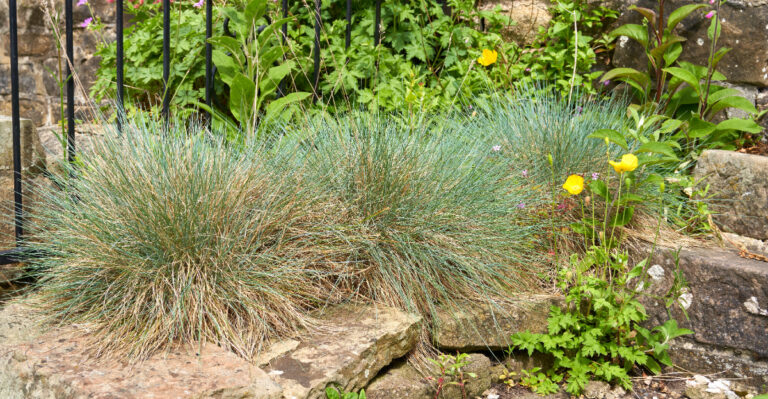
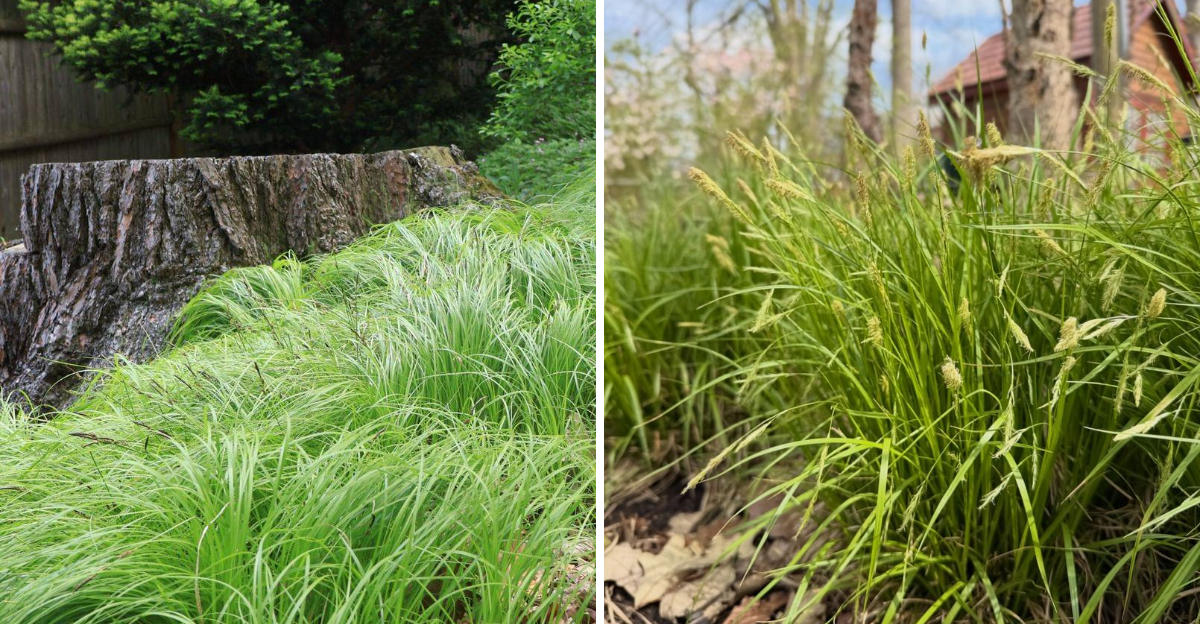
The plant stays low, usually reaching six to ten inches. The blades are slender and slightly arching, giving it a relaxed, flowing look that softens hard edges in a landscape.
In spring, tiny inconspicuous flowers appear followed by small seedheads that add subtle texture without looking messy.
The overall impression, especially when it fills in, is of a fine-bladed turf that nobody has gotten around to mowing recently, which is part of its appeal in informal and naturalistic settings.
It thrives in USDA hardiness zones 3 through 8, which covers all of Michigan comfortably, and stays evergreen through mild winters while greening up quickly after cold snaps.
That adaptability to Michigan’s variable weather is not incidental. The plant developed it over centuries of growing in conditions that are genuinely difficult for imported ornamentals.
Starting with healthy plugs or small divisions from a reputable native plant nursery gives the best foundation for long-term coverage.
Plugs planted on a twelve-inch grid in the target area establish more consistently than seed-grown plants and fill in at a predictable pace that makes planning easier from the start.
Pennsylvania sedge is not a dramatic plant. It does not flower impressively or change color spectacularly in fall.
What it does is show up reliably in the spots other plants cannot handle and improve steadily over time. That is a more useful quality than drama in a groundcover.
Its Rhizomes Help Knit Loose Soil
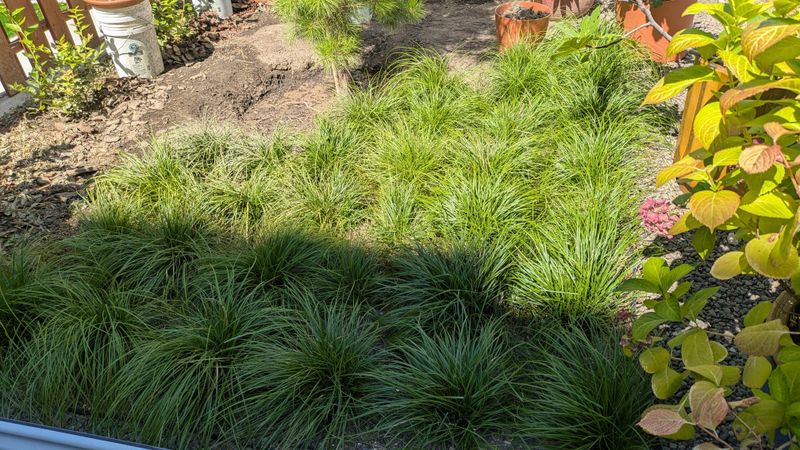
Loose soil on a slope is an invitation for erosion.
Rain hits, gravity assists, and the cycle produces bare patches, ruts, and runoff problems that compound over seasons.
Your Michigan Garden Changes Every Week. Your Plan Should Too.
Gardening in Michigan changes quickly throughout the season. Every Friday you’ll receive a simple weekly plan showing exactly what to plant, prune, fertilize, harvest, and protect so you never miss the right timing.
Pennsylvania sedge addresses this from underground, where it does its most consequential work and where most of its best qualities are invisible to anyone looking at the surface.
The plant spreads through rhizomes, horizontal underground stems that creep outward from the parent plant.
As each rhizome extends, it sends up new shoots and pushes roots downward into the soil, creating an interwoven mat below the surface that physically binds loose soil particles together.
The network builds over time into a structure that resists the movement that erosion depends on.
This spreading habit is slow and steady rather than aggressive. Pennsylvania sedge does not escape into neighboring properties or overwhelm other plants in the bed.
It moves at a manageable pace, filling gaps while staying easy to control if needed. The rhizome network works especially well in the sandy and loamy soils common across Michigan’s Lower Peninsula.
Clay-heavy soils slow the process somewhat, but the plant still establishes over time with patient planting.
Planting multiple plugs spaced about a foot apart accelerates the timeline significantly. Within two to three growing seasons, rhizomes from neighboring plants link up and create a unified soil-holding mat that handles slope challenges.
The investment in the first season pays consistent dividends for many seasons after.
The rhizome mat developing underground is doing work that no surface mulch or erosion fabric can replicate over the long term.
Both of those solutions require maintenance and replacement. The sedge mat, once established, maintains and expands itself. That is a different category of solution for a slope problem.
Dry Shade Slopes Suit It Well
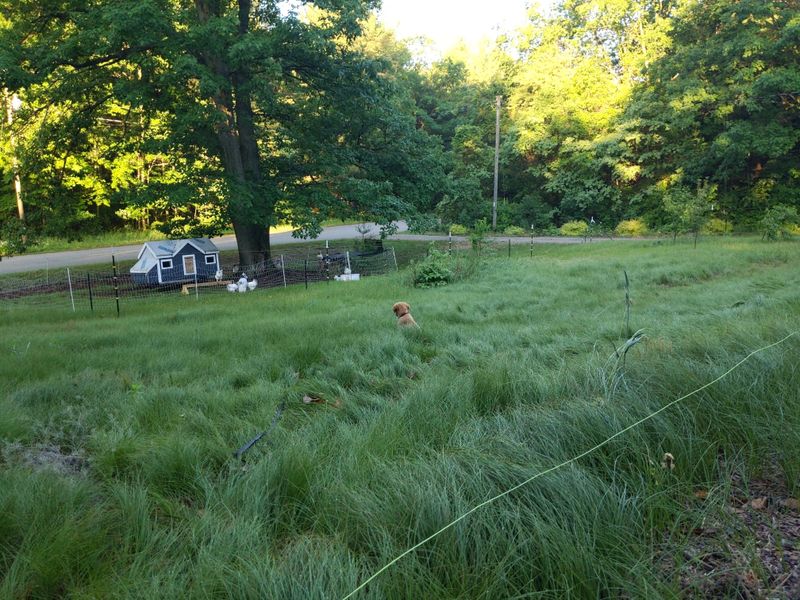
Shaded slopes under trees are among the hardest spots to plant in a Michigan yard.
Tree roots compete aggressively for water, overhead canopy intercepts rainfall before it reaches the ground,. The combined effect creates dry, low-light conditions that leave most plants in a slow, visible decline.
Lawn grass rarely survives. Hostas need more moisture than these spots typically offer. Some native ferns give up in truly dry shade.
Pennsylvania sedge evolved in exactly these conditions. It grows naturally under oak woodland canopy where dry, acidic, and shaded soil is the standard, not an exception.
That evolutionary background means it does not just tolerate the challenging spots Michigan gardeners dread. It performs in them in a way that shows up as healthy growth rather than merely not failing.
On slopes specifically, the combination of low water needs and rhizome spreading means the plant keeps working during Michigan’s dry summer stretches when supplemental watering is impractical on a hillside.
Slopes facing north or east, which stay shadier and cooler, are particularly good matches.
South-facing slopes with more direct sun exposure may need occasional watering in the first season while roots develop. After that establishment year, most plantings handle dry conditions with minimal intervention.
Partial shade works just as well as deep shade for Pennsylvania sedge, which gives it flexibility across different yard conditions.
A slope that transitions from full shade under a dense canopy to partial shade at the edges is a single planting project rather than two separate problem areas requiring different solutions. That flexibility reduces planning complexity significantly.
The worst case scenario for Pennsylvania sedge on a dry shade slope is that it establishes somewhat slowly.
The worst case scenario for most other plants in that same spot is that they gradually decline and leave you with bare soil and a slope problem that is back where it started.
The comparison makes the choice fairly clear.
Low Blades Cover Bare Ground Neatly
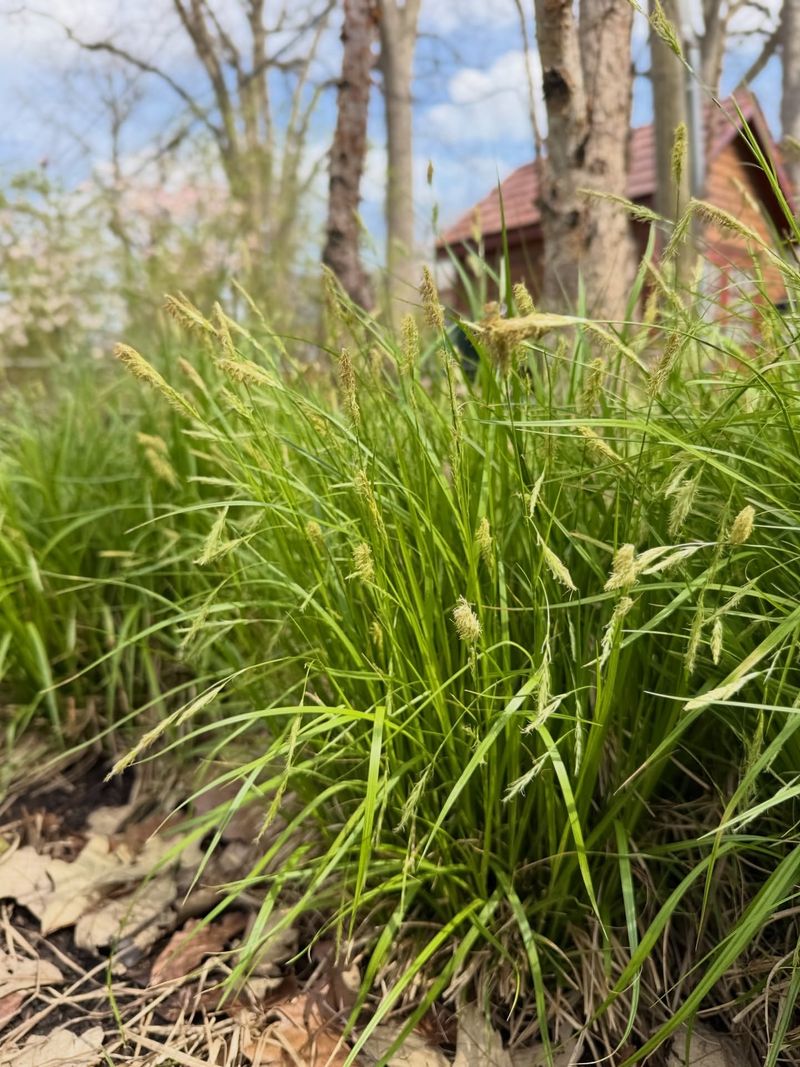
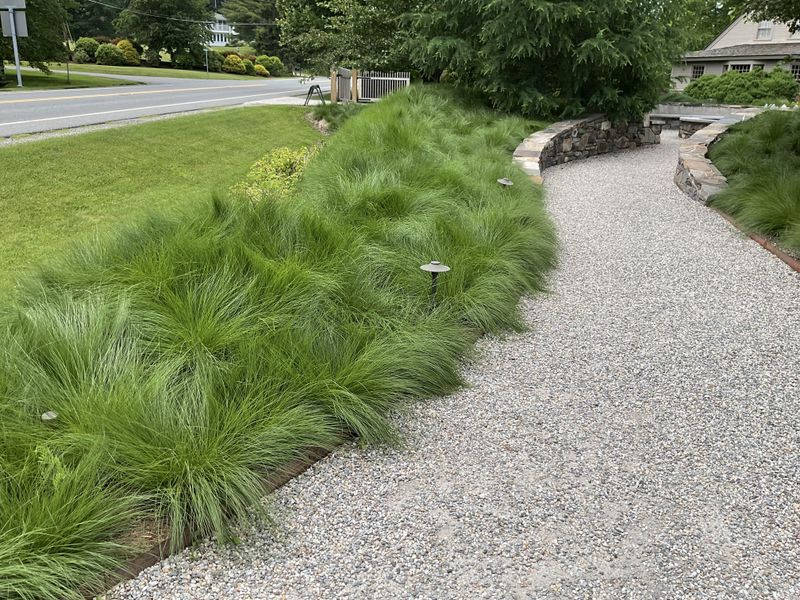
Walk past a mature patch of Pennsylvania sedge and the first impression is surprisingly close to a well-kept lawn that nobody has mowed recently.
The blades are fine and soft, arching gently at the tips, and the overall texture is uniform enough when the plant fills in that the look reads as intentional rather than naturalistic in a loose way.
For homeowners who want bare ground covered but also want the yard to look cared for, that combination is genuinely useful.
Most groundcovers look obviously shrubby, leafy, or distinctly non-grass-like, which can feel out of place in a residential yard where the surrounding landscape is relatively maintained.
Pennsylvania sedge bridges that gap in a way that few other native plants manage. It looks like it belongs in a yard setting while delivering the ecological and functional benefits of a native woodland plant.
At six to ten inches, it stays low enough to avoid looking overgrown while covering soil thoroughly enough to block light from reaching the bare patches between established plants.
That height creates a soft, layered look that works along pathways, under trees, and at the base of slopes.
Unlike some groundcovers that leave visible gaps for years, Pennsylvania sedge fills in with consistent density once the rhizome network connects between neighboring plants.
Planting plugs on a twelve-inch grid gives the best balance between quick coverage and reasonable cost.
By year three, most plantings have closed in enough that the ground beneath is barely visible, producing the clean, finished look that homeowners are aiming for without the weekly mowing commitment.
Just a few seasons of quiet spreading and filling in, and suddenly the yard looks like it always had a plan for that difficult hill. Pennsylvania sedge is patient about making that case.
Soft Colonies Make Slopes Look Finished
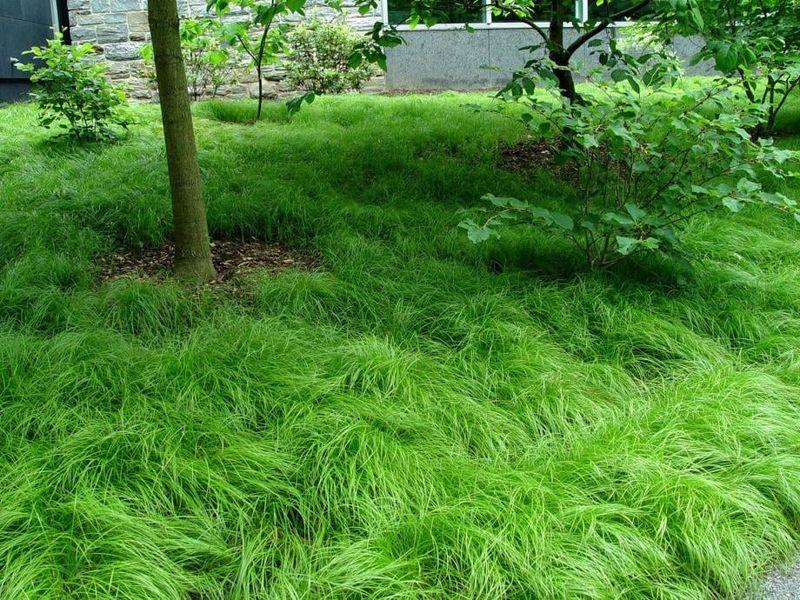
A single plant on a slope looks lonely. A handful scattered at irregular intervals looks like an experiment that nobody followed through on.
But when Pennsylvania sedge spreads into connected colonies across a hillside, the whole character of the slope changes.
It starts to look like a landscape decision rather than a coverage problem, even though the plant is doing most of the design work on its own through the natural spread of its rhizomes.
This colony-forming quality is one of the most visually rewarding things about using Pennsylvania sedge for slope coverage.
Because the rhizomes spread outward from each parent plant, neighboring colonies eventually meet and merge into a continuous, flowing carpet.
The unified coverage softens the hard angle of a slope and gives it a finished quality that bare soil, struggling grass, or isolated specimen plants cannot achieve.
Visitors often assume the look was planned by someone with professional training.
The seasonal performance adds to the effect. Pennsylvania sedge greens up early in spring, giving slopes a fresh look while surrounding deciduous plants are still emerging from dormancy.
In summer, the soft blades move in the breeze and add quiet motion to the hillside. Even into late fall and early Michigan winter, the plant holds color longer than most perennials, extending the period when the slope looks presentable rather than bare and brown.
Spacing plugs about a foot apart and using a staggered grid pattern rather than straight rows creates a more organic look as colonies fill in.
The stagger mimics natural spreading patterns more closely than a rigid grid, which makes the finished planting feel less planted and more like something that developed naturally in the landscape over time.
The slope that was a source of frustration becomes the part of the yard that gets the most comments.
That shift happens gradually over a few seasons and then fairly suddenly, as the last gaps close and the colony becomes continuous.
Pennsylvania sedge takes its time making the case, but the case it eventually makes is a strong one.
Dense Coverage Crowds Out Weed Openings
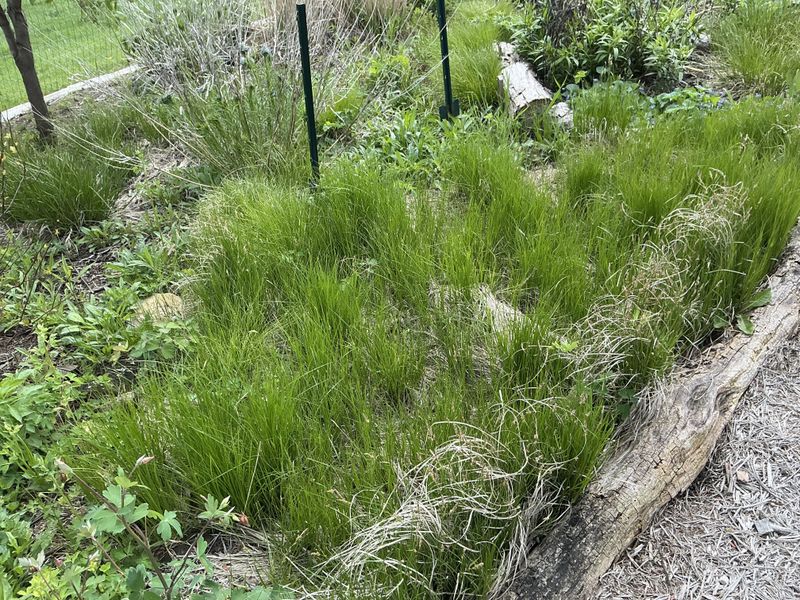
Weeds are consistent about one thing: they move into open soil fast.
Any bare patch in a yard is an opportunity, especially after rain loosens the surface or small gaps open between established plants.
Covering open soil is one of the most practical approaches to reducing weed pressure without herbicides, and it is an area where Pennsylvania sedge delivers measurable, season-by-season improvement.
An established sedge mat forms a low canopy of blades that shades the soil surface beneath it. Weed seeds need light to germinate.
When sunlight cannot reach bare ground, most seeds that land there simply do not sprout. The reduction in weed activity in areas where the sedge has filled in fully is noticeable and genuine, not a minor improvement but a real shift in how much time maintenance requires.
The suppression effect builds over time. In the first season, gaps between plugs allow some weed establishment and hand-pulling is necessary.
By the second and third seasons, as rhizomes connect and the canopy closes, weed pressure drops significantly.
Gardeners who use Pennsylvania sedge on formerly weedy slopes describe the transition as one of the more satisfying outcomes in native planting.
Keeping up with weeding during the first establishment season is the single most important maintenance investment in a new sedge planting.
Weeds that establish in year one compete with plugs that are still developing root systems, and removal then is significantly easier than it would be a season later.
Light mulching between new plugs during that first year reduces the weeding load while the plants get established.
The first season asks the most of the gardener. Every subsequent season asks less.
By year three, the sedge is largely handling weed competition on its own, and the maintenance time for a slope that used to require regular attention drops to something closer to occasional oversight.
That trajectory is worth the early effort.
Leaf Mulch Helps It Spread Better
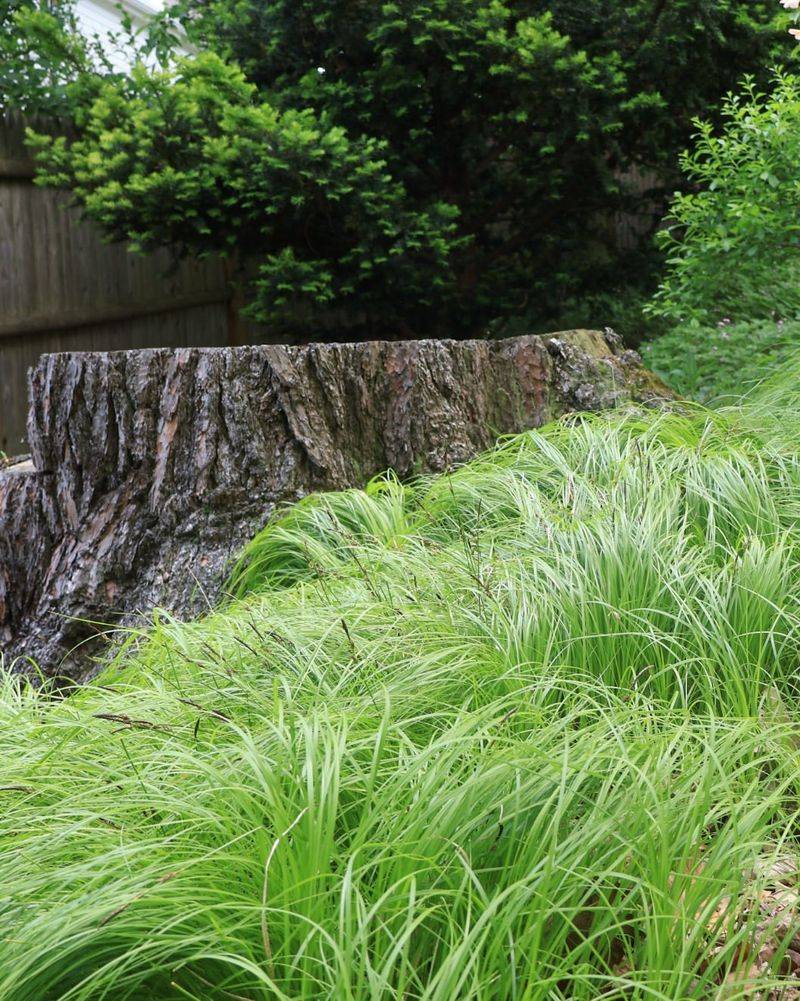
Pennsylvania sedge comes from the forest floor, and the forest floor is never bare.
It is always covered in decomposing leaves, broken twigs, and organic matter that feeds the soil and holds moisture between rain events.
Giving this plant a version of that environment in a garden setting produces noticeably better results than treating it like a conventional ornamental and managing the bed the way most garden guides recommend.
Leaving fallen leaves in place around a sedge planting is one of the most useful and least effortful things a Michigan gardener can do for this plant.
Oak leaves are particularly beneficial because Pennsylvania sedge naturally grows under oaks and is adapted to the slightly acidic soil conditions that decomposing oak litter creates over time.
A thin layer of shredded leaves, roughly one to two inches deep, holds moisture, moderates soil temperature, and slowly feeds the soil as it breaks down, supporting faster rhizome spread and healthier overall growth.
The practice also reduces the need for purchased mulch, cuts down on yard waste, and actively benefits the native ecosystem in the planting area.
Many Michigan gardeners have moved away from blowing every leaf off their property as an understanding of native plant ecology has spread.
Pennsylvania sedge is one of the clearest examples of a plant that performs better when the natural leaf layer is maintained rather than removed.
The key is keeping the layer thin enough that it does not smother emerging blades.
A light shredding with a mulching mower before leaving leaves in place helps them break down faster and settle more evenly across the planting.
Over several seasons, this practice builds the kind of rich, loose woodland soil that supports a thriving sedge colony with very little additional input from the gardener.
Leaving the leaves where they fall and running a mulching mower over them once is the full extent of the effort required.
The soil improves, the sedge spreads faster, and the yard generates less waste. That is a set of outcomes worth having from an afternoon of not raking, which is a category of garden task many people are naturally inclined to embrace.