Michigan Plants That Come Back Even Stronger After Harsh Winters
Michigan winters can be rough on a garden, but some plants seem to come through the cold with even more energy once spring arrives.
While many gardeners worry about snow, ice, and freezing temperatures, certain plants are built to handle it all and return looking fuller, stronger, and more impressive than before.
These reliable growers do not just survive tough winters. They often benefit from the seasonal rest and burst back with fresh growth as soon as the weather warms.
That makes them especially valuable in a state where winter can test even the hardiest landscape. From bold perennials to rugged shrubs, these plants bring confidence to Michigan gardens and prove that beauty and toughness can go together.
If you want a yard that bounces back with strength every spring, these are the kinds of plants worth knowing about.
1. Butterfly Weed (Asclepias tuberosa)
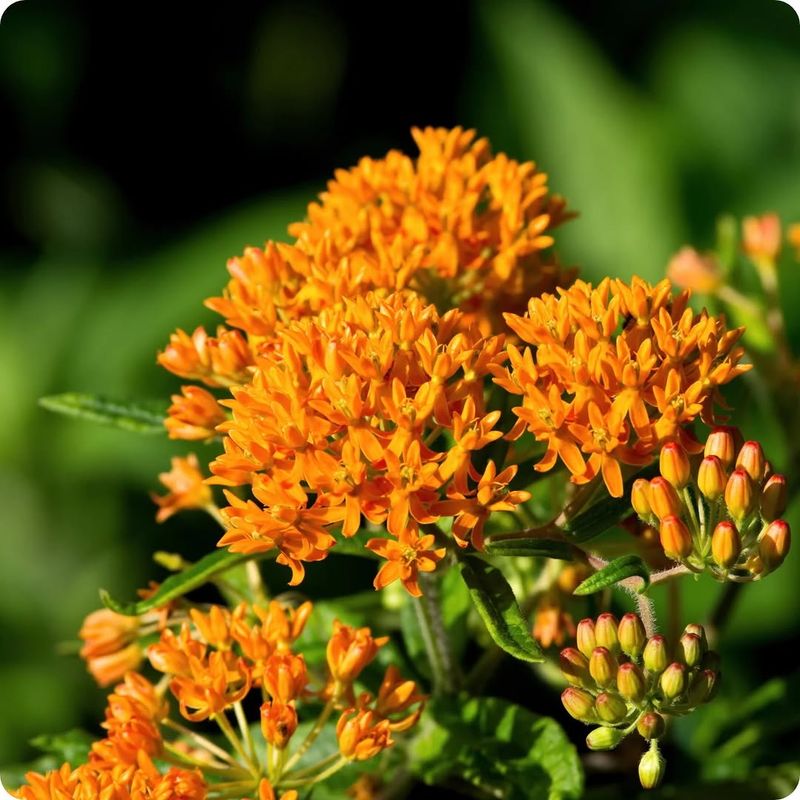
Few plants pull off bright orange as boldly as butterfly weed does in a Michigan summer garden. Its flowers practically glow in full sun, attracting monarch butterflies and bees from what feels like miles away.
This native perennial earns its spot in any yard, not just for its looks but for its incredible toughness.
One thing Michigan gardeners quickly learn is that butterfly weed is slow to wake up in spring. It is one of the last perennials to push through the soil, so mark its spot and be patient.
Once it appears, growth picks up quickly and the plant fills out beautifully by early summer.
Butterfly weed thrives in dry to average soil and absolutely loves full sun locations across Michigan. Its deep taproot is the real secret to its strength, reaching far below the frost line and storing energy through even the coldest winters.
That same taproot means you should plant it where you want it to stay, since moving an established plant is tricky.
Skip the rich, amended garden soil with this one. Butterfly weed actually performs better in leaner conditions, and overwatering or heavy clay soil can cause problems.
Plant it in a sunny, well-drained spot, step back, and watch it reward you with stunning blooms year after year in your Michigan garden.
2. Wild Geranium (Geranium maculatum)
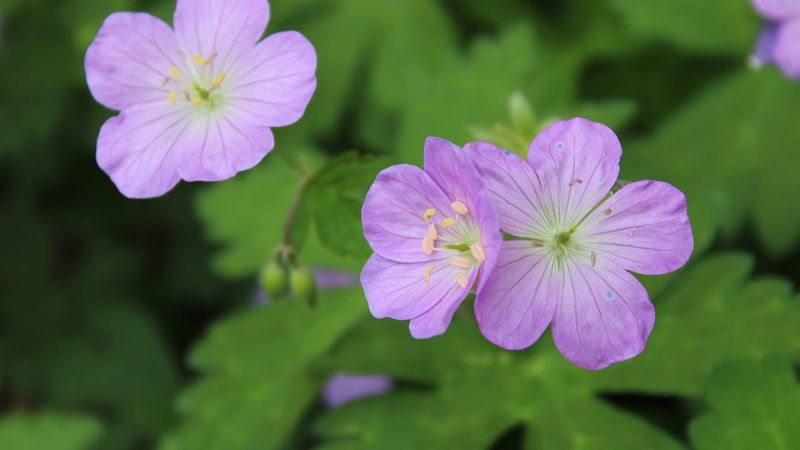
Walk through almost any Michigan woodland in May and you will spot wild geranium putting on a quiet but beautiful show.
Soft pink to lavender flowers rise above deeply lobed leaves, creating a natural, cottage-style look that feels completely at home in shaded and partly shaded garden spots. It is one of spring’s most reliable performers.
What surprises many gardeners is how tough this plant actually is beneath its soft appearance. Wild geranium is a long-lived native perennial that handles Michigan’s cold winters without any fuss.
It goes dormant in late summer, which can look a little rough, but come next spring it returns with fresh, healthy growth right on schedule.
Growing wild geranium in your Michigan garden is straightforward. It prefers moist, well-drained soil enriched with organic matter, similar to the woodland floor where it naturally grows.
Your Michigan Garden Changes Every Week. Your Plan Should Too.
Gardening in Michigan changes quickly throughout the season. Every Friday you’ll receive a simple weekly plan showing exactly what to plant, prune, fertilize, harvest, and protect so you never miss the right timing.
Part shade is ideal, though it can handle more sun if the soil stays reasonably moist throughout the growing season.
Pairing wild geranium with hostas, ferns, or native trilliums creates a layered woodland planting that looks intentional and polished. It spreads gradually over time, filling gaps in a garden bed without becoming aggressive or taking over.
For Michigan gardeners who want low-maintenance, season-after-season beauty in shaded spots, wild geranium is hard to beat.
3. Little Bluestem (Schizachyrium scoparium)
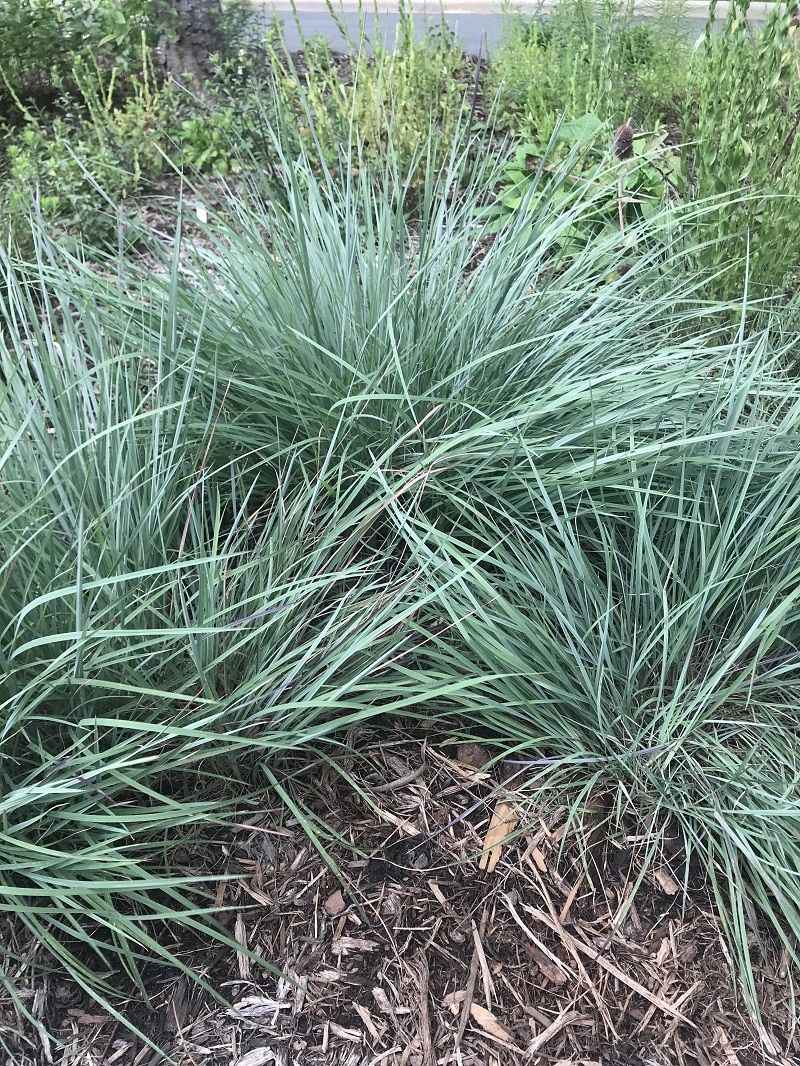
Summer brings blue-green, and fall brings copper and bronze. Little bluestem is one of those plants that looks completely different across the seasons, and honestly it gets better as the year goes on.
Michigan gardeners who grow it often say the fall color is their favorite feature, glowing warm and rich even after the first hard frosts hit.
This native grass is one of the most cold-hardy options available for Michigan landscapes. It handles USDA zones 3 through 9 with ease, meaning even the coldest corners of the Upper Peninsula are well within its comfort zone.
Once established, little bluestem also shrugs off drought, poor soil, and strong winds without missing a beat.
Full sun and well-drained soil are all little bluestem really needs to thrive. It actually performs better in lean, dry conditions than in rich, heavily amended garden beds.
Overly fertile soil can cause the stems to flop, so resist the urge to fertilize and just let this tough grass do its thing naturally.
In a Michigan garden, little bluestem works beautifully along borders, in naturalistic meadow plantings, or mixed with native wildflowers like black-eyed Susans and butterfly weed.
Cut it back in late winter or very early spring before new growth begins, and it will return thicker and stronger every single year. Few plants offer this much visual interest with so little effort.
4. Prairie Dropseed (Sporobolus heterolepis)
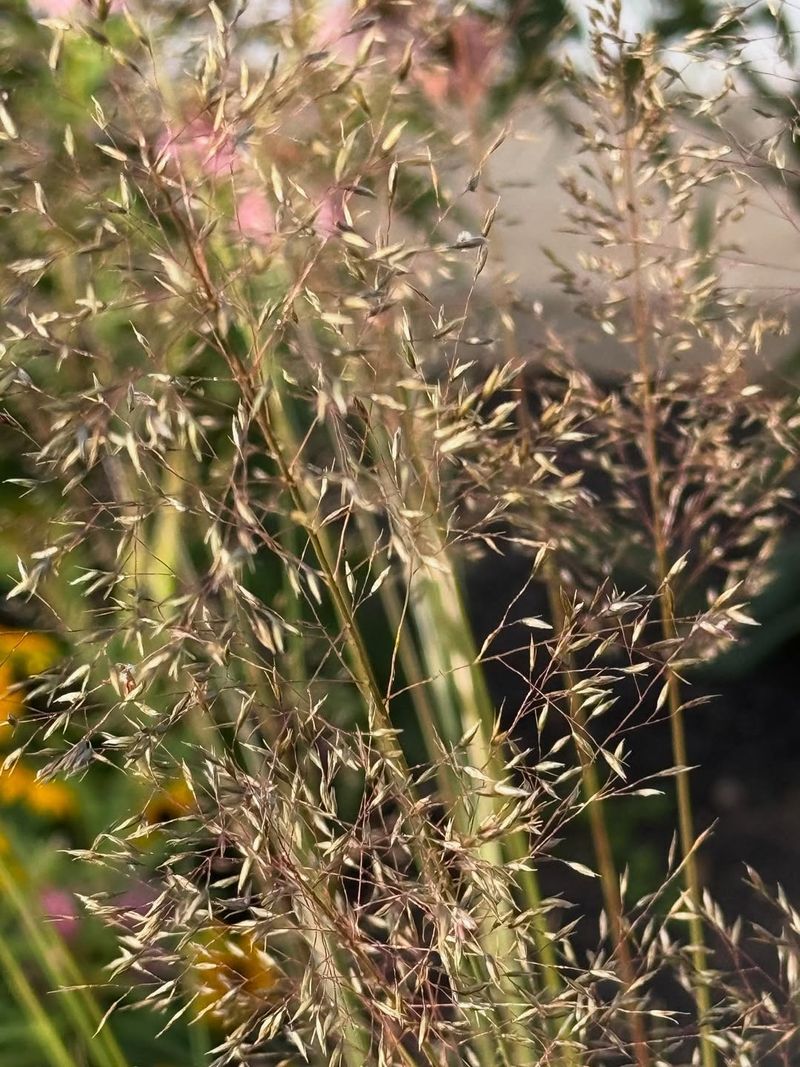
Prairie dropseed has a reputation among Michigan native plant gardeners as one of the most refined and elegant grasses you can grow.
Its fine-textured, arching blades form a perfect fountain shape that stays tidy and attractive from spring all the way through winter. Even after snowfall, the dried clumps hold their graceful form beautifully.
Beyond its good looks, prairie dropseed is incredibly well-suited to Michigan’s climate. It is fully cold-hardy and comes back reliably each spring, even after the harshest winters the Great Lakes region can dish out.
Established clumps actually get more attractive with age, filling out slowly and becoming denser and more impressive each passing year.
Late summer brings a bonus feature that many gardeners do not expect. Prairie dropseed produces airy flower panicles that carry a surprisingly sweet, almost coriander-like fragrance.
It is subtle but delightful, and it adds another sensory layer to any Michigan garden bed or border planting where it grows.
Plant prairie dropseed in full sun with well-drained to dry soil for best results. It is a great choice for slopes, rock gardens, or any spot in your Michigan yard where drainage is naturally good.
Pair it with coneflowers, wild bergamot, or black-eyed Susans for a naturalistic prairie look that requires very little maintenance season after season.
5. Switchgrass (Panicum virgatum)
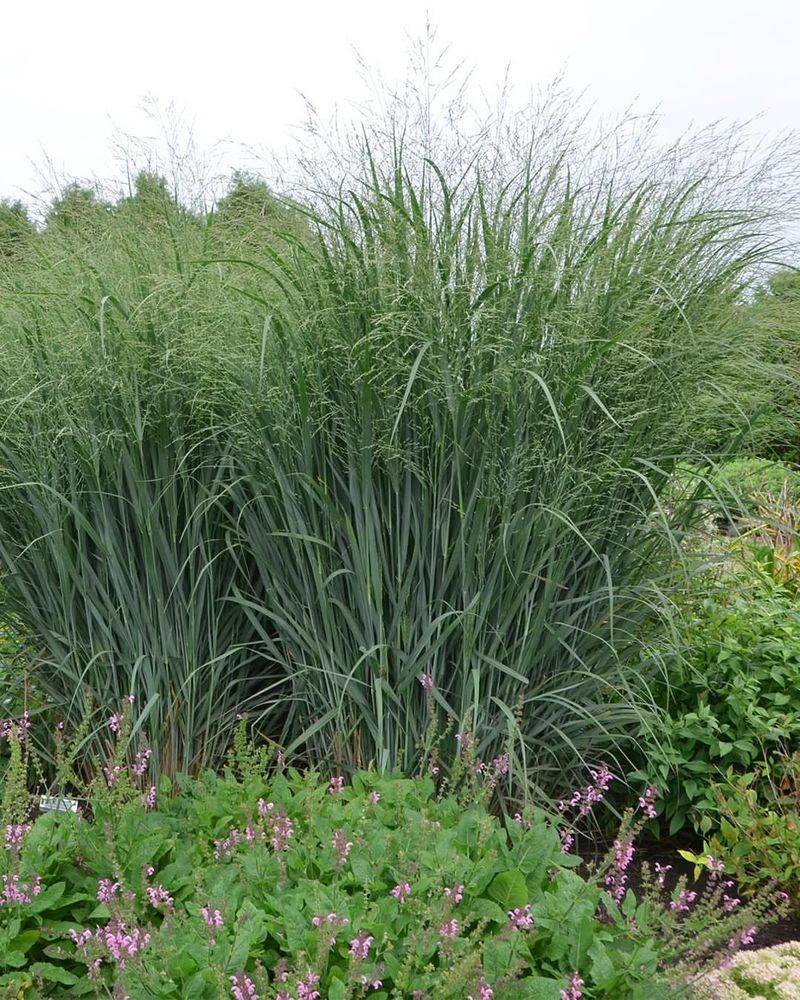
Switchgrass brings bold height and movement to a Michigan garden in a way that few other plants can match. Growing anywhere from three to six feet tall depending on the variety, it creates a dramatic vertical presence in borders, rain gardens, and naturalistic plantings.
The airy seed heads that develop in late summer catch the light in a way that feels almost magical.
Michigan winters are genuinely no challenge for switchgrass. This tough native grass is cold-hardy well into zone 3, and it comes back strong every spring without any coddling or special care.
The standing stems and seed heads also provide important winter habitat and food for birds, which is a bonus that wildlife-friendly gardeners in Michigan will really appreciate.
One of switchgrass’s best qualities is its flexibility. It handles full sun and part shade, tolerates wet or dry soil, and adapts to clay-heavy Michigan garden conditions better than most ornamental grasses.
That adaptability makes it especially useful in spots where other plants struggle to establish and perform consistently year after year.
Named cultivars like Shenandoah and Northwind are popular in Michigan gardens because they offer improved form and stunning red or blue-toned foliage. Cut the clumps back to about four to six inches in late winter before new growth starts pushing up.
Within weeks, fresh green blades will emerge and the plant will rebuild its full, impressive height all over again.
6. Wild Bergamot (Monarda fistulosa)
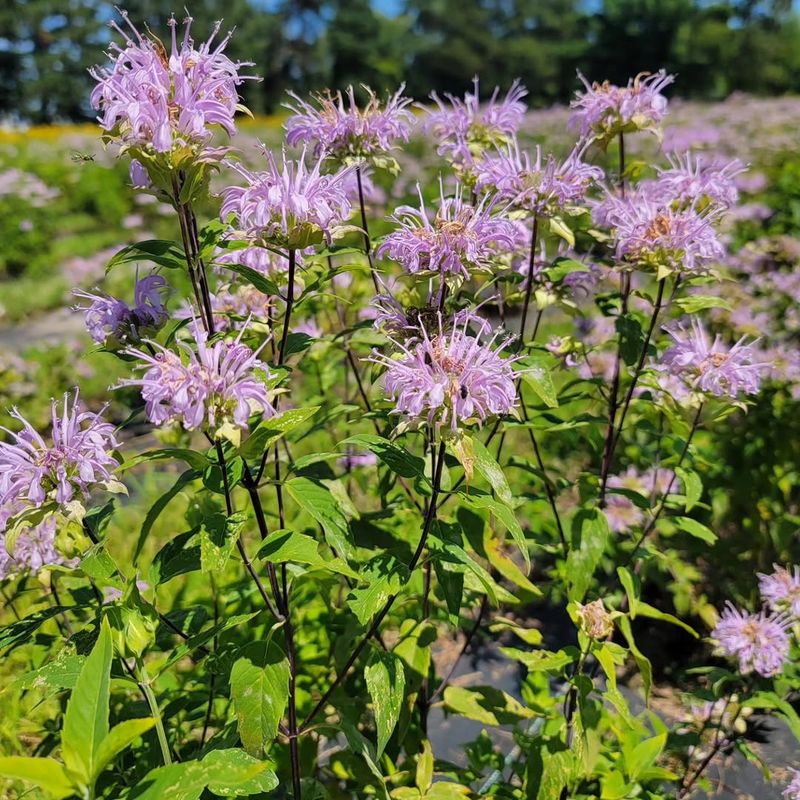
Bees go absolutely wild for wild bergamot, and honestly, watching a patch of it in full bloom on a warm Michigan summer afternoon is one of gardening’s genuine pleasures.
The shaggy lavender flowers hum with activity from bumblebees, native bees, and hummingbirds from midsummer through late August. It brings a whole ecosystem to life right in your backyard.
Wild bergamot is native across Michigan, which means it already knows exactly how to handle what the state throws at it. Cold winters, late spring frosts, dry summer stretches, and poor soil quality are all things this perennial takes in stride.
It spreads gradually through rhizomes and self-seeding, slowly building a fuller, more impressive colony with each passing year.
Unlike its showier cousin bee balm, wild bergamot is significantly more tolerant of dry conditions and is less prone to powdery mildew.
That makes it a better long-term choice for Michigan gardeners who want a reliable, low-maintenance native perennial that does not require constant attention or irrigation to look its best through the season.
Full sun to light shade works well for wild bergamot, and average to dry soil suits it perfectly. Plant it in a naturalistic border alongside switchgrass, little bluestem, or black-eyed Susans for a cohesive Michigan prairie look.
The dried seed heads also hold up well in winter, adding texture to the garden even when everything else has gone quiet for the season.
7. Black-Eyed Susan (Rudbeckia hirta)
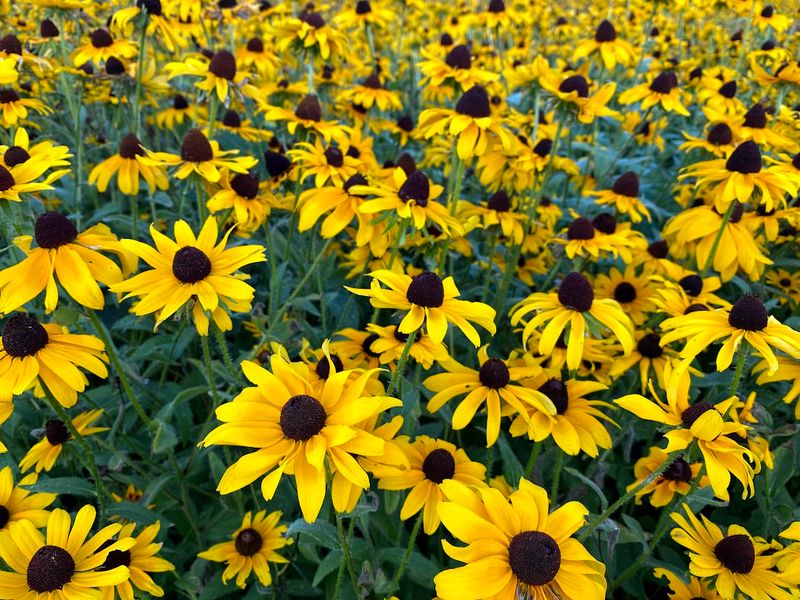
Bright yellow petals surrounding a rich, dark brown center make black-eyed Susan one of the most instantly recognizable wildflowers growing across Michigan.
It shows up in roadside meadows, natural areas, and home gardens alike, bringing cheerful summer color that feels both wild and welcoming at the same time. Few native plants are as universally loved by Michigan gardeners.
After a hard Michigan winter, black-eyed Susan comes back with impressive energy. It spreads through both self-seeding and root division, which means established patches tend to grow fuller and more floriferous with each passing season.
Even in spots where winters are especially brutal, this plant finds a way to return and put on a strong show by midsummer.
Growing black-eyed Susan is about as straightforward as gardening gets. It thrives in full sun with average to dry, well-drained soil and actually resents being overwatered or planted in overly rich, heavy conditions.
Michigan’s variable soil types across the Lower and Upper Peninsulas are generally well within its comfort range, making it a reliable choice statewide.
Plant black-eyed Susan alongside switchgrass, wild bergamot, or prairie dropseed for a layered naturalistic border that blooms from early summer into fall.
Goldfinches and other seed-eating birds love the dried seed heads through winter, so consider leaving the stems standing until early spring. It adds wildlife value and visual interest long after the flowers are finished for the year.
8. Smooth Blue Aster (Symphyotrichum laeve)
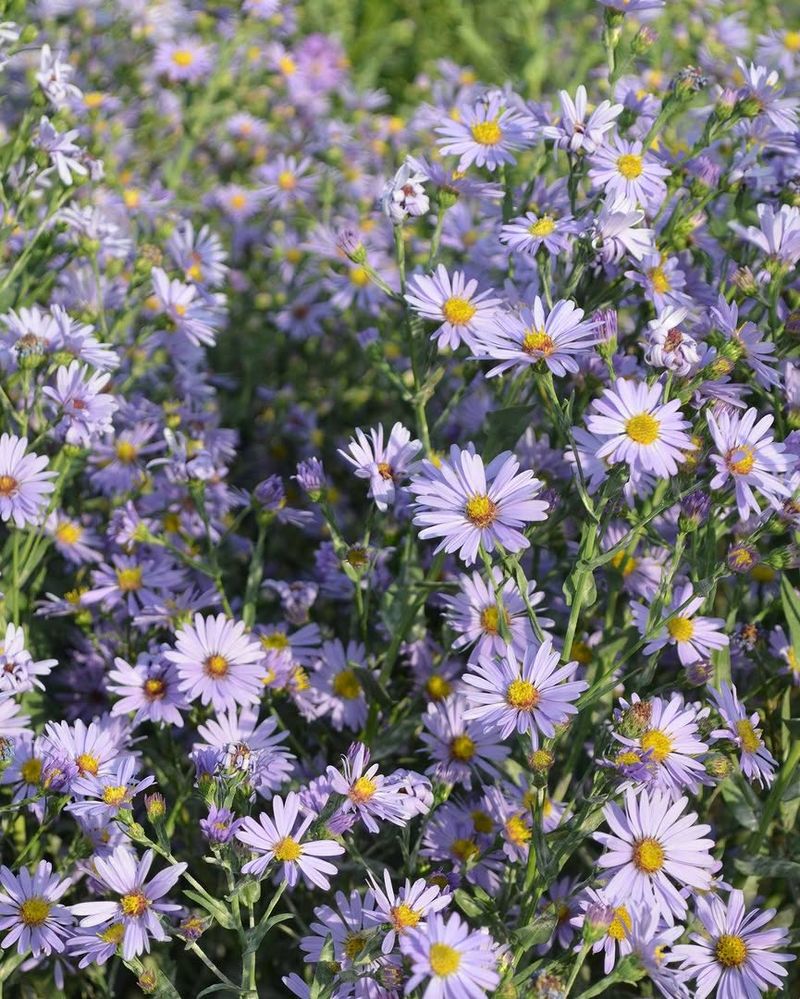
When most of the garden is winding down in September and October, smooth blue aster is just hitting its stride.
Clouds of soft lavender-blue flowers cover the upright stems right when pollinators need late-season nectar most, making this Michigan native one of the most ecologically valuable plants you can add to any yard or naturalistic planting.
Cold weather does not slow this plant down one bit. Smooth blue aster is fully hardy across Michigan and returns each spring with strong, upright growth that rarely needs staking or support.
The stems have a slightly bluish or waxy coating that gives the plant its name and adds a subtle elegance to its appearance even before the flowers open in fall.
One of the best things about growing smooth blue aster in a Michigan garden is how adaptable it is to different site conditions. It handles full sun to part shade and tolerates a range of soil types from dry to moderately moist.
That flexibility makes it easy to work into existing garden beds without needing to dramatically change the soil or site conditions first.
Combine smooth blue aster with little bluestem grass for a stunning fall combination that looks intentional and polished. The warm copper tones of the grass complement the cool lavender-blue flowers beautifully.
Leaving the seed heads standing through winter also provides food for migrating and overwintering birds, adding another layer of value to this already impressive Michigan native perennial.
9. Wild Columbine (Aquilegia canadensis)
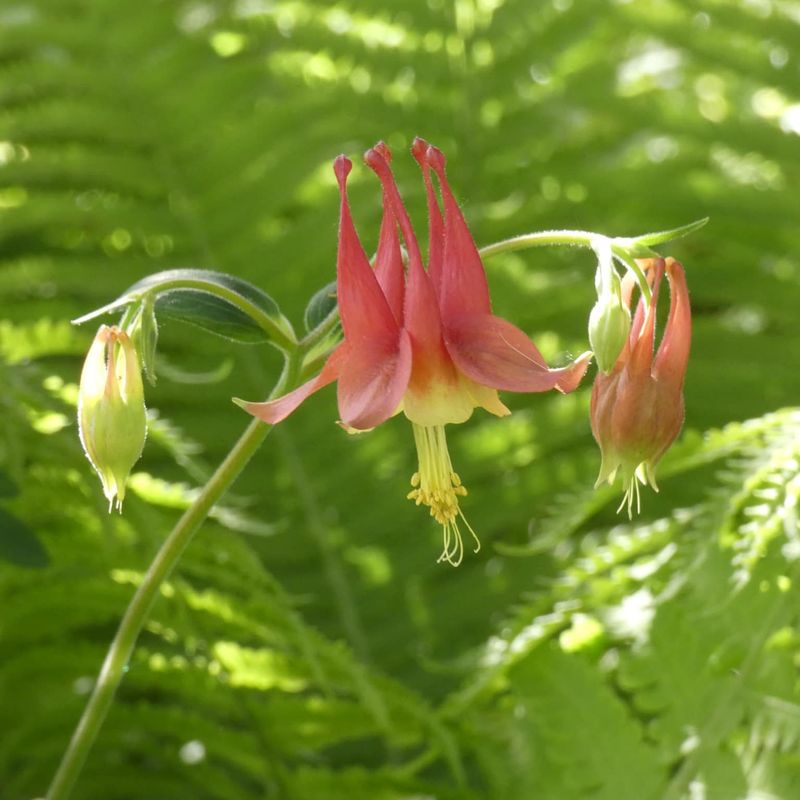
There is something genuinely magical about wild columbine in early spring. The nodding red and yellow flowers hang like little lanterns above delicate, fernlike foliage, swaying gently in the breeze at woodland edges and rocky garden spots across Michigan.
Ruby-throated hummingbirds are especially drawn to the tubular flowers, making this plant a favorite for gardeners who love attracting wildlife.
Wild columbine looks fragile, but that impression is completely misleading. This Michigan native handles cold winters with ease and reliably returns each spring from well-established root systems that anchor it below the frost line.
It also self-seeds generously, meaning a single plant often becomes a small colony over several seasons without any extra effort on your part.
Part shade to full sun both work for wild columbine, though it performs best with some protection from harsh afternoon sun in warmer Michigan summers. Rocky, lean, or average soil suits it well, and it actually prefers slightly dry conditions over consistently wet ones.
That makes it a strong candidate for slopes, rock gardens, or woodland edges where drainage is naturally good.
Spring is wild columbine’s moment to shine, typically blooming from April through June across most of Michigan. After blooming, the foliage stays attractive through summer before fading back.
Pair it with wild geranium and ferns for a layered spring woodland planting that looks effortlessly natural and provides early-season color when the rest of the garden is just waking up.
10. Foxglove Beardtongue (Penstemon digitalis)
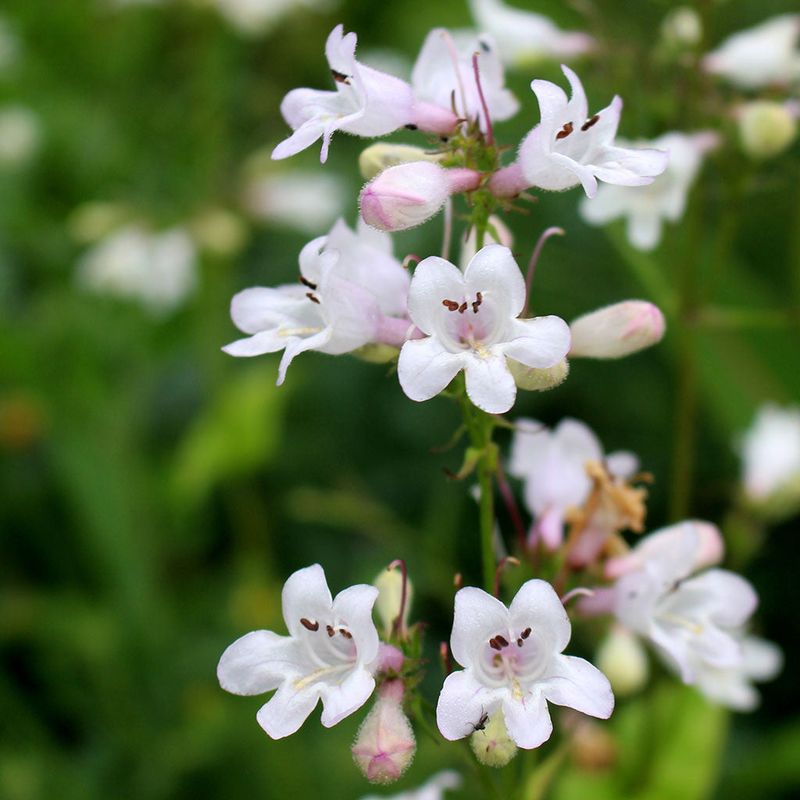
Foxglove beardtongue earns its place in any Michigan garden by being one of the most adaptable and easy-going native perennials available.
Tall spikes of white, tubular flowers rise elegantly above glossy green foliage in late spring and early summer, creating a refined vertical accent that works equally well in formal borders and naturalistic plantings.
Bumblebees absolutely love it. Michigan winters are genuinely no obstacle for this plant. Foxglove beardtongue is cold-hardy through zone 3 and returns each spring looking fresh and vigorous, even after extended periods of deep freezing.
The semi-evergreen basal foliage often stays green through much of winter, adding a subtle but welcome touch of color to the dormant garden landscape.
Growing foxglove beardtongue successfully comes down to one key factor: drainage. It performs well in full sun to part shade but really needs soil that drains reliably and does not stay soggy through wet Michigan springs.
Once established in the right spot, it is remarkably drought-tolerant and requires very little supplemental watering even during dry summer stretches.
One underrated quality of foxglove beardtongue is how well it combines with other Michigan natives in a mixed planting. Pair it with wild geranium, smooth blue aster, or little bluestem for a layered border that offers something interesting from spring through fall.
It self-seeds modestly, gradually expanding its presence without becoming a nuisance, and it truly gets better and more floriferous with each passing year.