Minnesota Ponds Are Hiding A Secret Race Against The Coming Cold
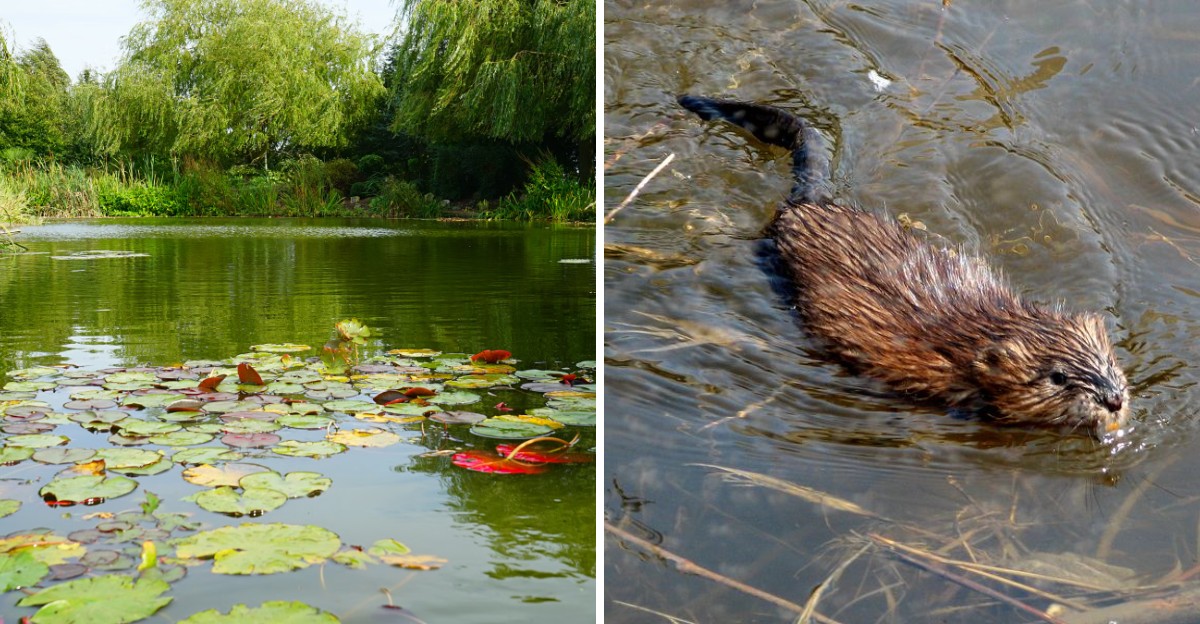
Cold water hides a construction crew working against the clock. You won’t spot them, but you’ll see their handiwork everywhere. Fresh stumps and stripped branches greet you along the bank.
Minnesota shorelines turn into job sites once temperatures start falling. Ripples that break the wind’s rhythm tell you something is moving. Dusk and dawn become shift changes you can almost hear.
Clipped stems show you exactly where last night’s crew worked.Frost creeps closer, and you can feel the pressure tighten. Ice locks the surface soon, ending the build season.
Their lodge has to hold before that moment arrives. Nobody supervises this crew, yet you’d swear an engineer did. Underneath the calm surface, muscle and instinct race the calendar.
Few realize Minnesota hosts some of the busiest muskrat colonies. Speed matters now, because daylight keeps shrinking on you fast. Stay with this, because what they’re building next will surprise you.
Cattail Harvest Hits Full Speed
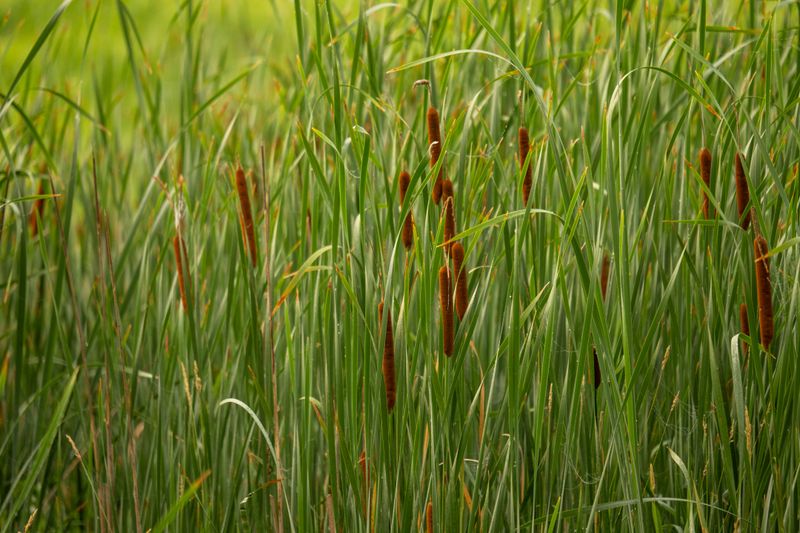
Paddle near a cattail stand in September and you may catch a soft snipping sound just under the surface. That quiet clipping is a muskrat at work, and it is running on a tight schedule.
Muskrats feed on the starchy roots and tender lower stalks of cattails, bulrush, and arrowhead. Through summer they nibble casually, but cooler nights flip a switch. By the middle of September the cutting turns into a serious harvest.
A single animal can clip a large number of stalks in a week, hauling bundles through shallow water toward one chosen spot.
The stems pull double duty as both groceries and building supplies. Little goes to waste, since leftover pieces become bedding or wall packing.
Minnesota gives them a narrow window to pull this off. Once hard frost flattens the marsh plants, that green material loses much of its value. So the animals push hard while stalks stand upright and juicy.
You can spot the evidence without getting your boots wet. Look for floating mats of cut vegetation, muddy channels worn through duckweed, and neat gaps chewed into the reed edge.
Those clues usually point toward a lodge taking shape nearby. Trace the trails with your eyes and the pond starts reading like a map of small construction crews.
Here is a fun bit of history. Some trappers and wildlife observers use September cattail damage as a rough sign of pond activity, since heavy cutting can indicate a crowded, healthy population.
Domed Lodges Rising From The Shallows
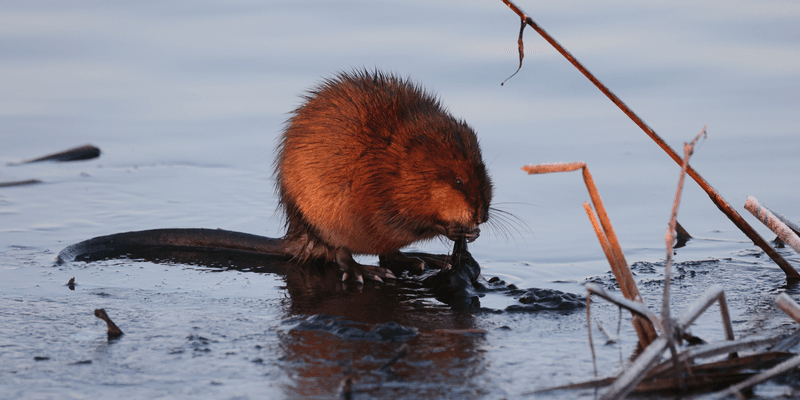
Picture a haystack that decided to become a house. That lumpy brown dome poking above the shallows is a muskrat lodge, and it grew there in a matter of weeks.
Construction starts with a mound of cut vegetation piled in water roughly one to three feet deep. Mud and soft plant matter get worked into the outside like natural cement. As the pile settles, the builders chew a hollow chamber right up inside the middle.
The finished room sits above the waterline, dry and surprisingly cozy. Walls a foot thick or more trap body heat, so the inside can stay far warmer than the frozen marsh outside. Several animals often share the space, huddling together for extra warmth.
Your Minnesota Garden Changes Every Week. Your Plan Should Too.
Gardening in Minnesota changes quickly throughout the season. Every Friday you’ll receive a simple weekly plan showing exactly what to plant, prune, fertilize, harvest, and protect so you never miss the right timing.
Timing matters more than looks. A lodge finished in October has time to freeze solid into a tough, weatherproof shell that discourages curious visitors from digging in.
Not one lodge is quite like another. Some ponds hold a single large dome, while others sprout half a dozen smaller ones scattered across the shallows.
Landowners sometimes mistake these mounds for beaver work. The giveaway is size and material, since beaver lodges lean on branches and logs while muskrat lodges are mainly soft marsh plants.
If you find one on your property this fall, admire it from a distance. Poking a hole in the roof in September undoes weeks of effort and forces the residents to start over with fewer warm days left.
Push-Ups, The Tiny Rest Stops On The Ice
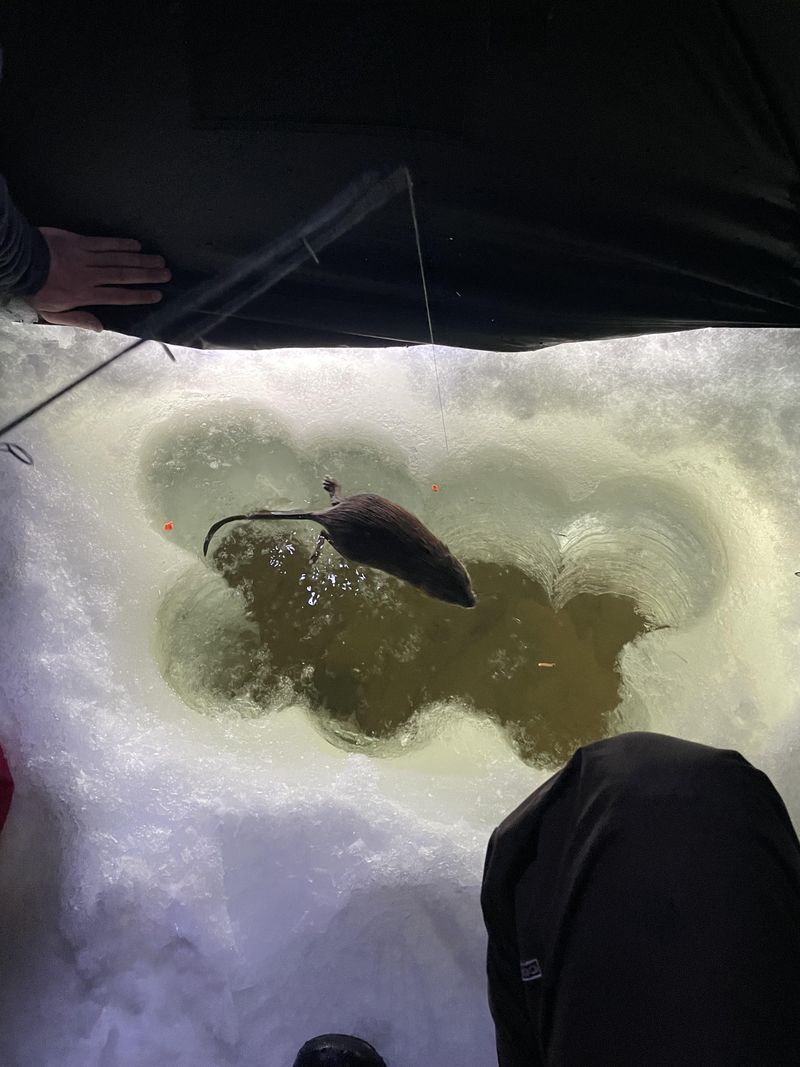
Long before the first skaters arrive, muskrats plan for life beneath a lid of ice. Their solution is a clever little structure trappers call a push-up.
Once a thin sheet forms, a muskrat gnaws an opening from below and shoves wet plant material up through the hole. The soggy pile freezes into a small igloo, maybe the size of a bushel basket.
Inside sits a pocket of air and a bit of open water. A swimming muskrat can surface there, catch a breath, chew a snack, and slip back down without ever crossing open ice.
Think of them as highway rest areas spread across the pond. Since these animals can hold their breath for several minutes at a time, push-ups stretch their range far beyond the lodge door.
Groundwork for the system begins in September, when muskrats stockpile the loose vegetation they will need later. Ponds picked clean of plants leave them short on supplies once the cold arrives.
Push-ups also make winter wildlife watching easy. Cross a frozen marsh and you might count a dozen frosty bumps, each one marking a busy underwater neighborhood.
Foxes, mink, and coyotes know the trick too, which is why the animals keep several scattered options rather than relying on one.
Give them a wide berth if you walk the ice. A caved-in push-up can turn into a soft spot underfoot, and repairing it costs the residents energy they would rather spend staying warm.
Underwater Doorways That Stay Hidden
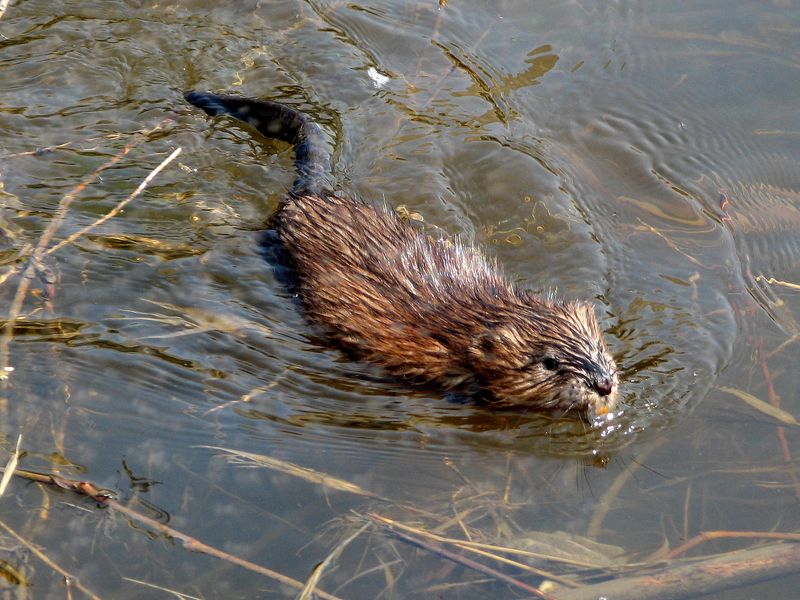
Here is the design detail that makes a muskrat lodge feel like a secret fort. You cannot walk into one, because the doors sit underwater.
Tunnels enter the mound below the surface, sometimes two or three of them, then angle upward into the dry chamber. A predator standing on top finds walls of packed mud and frozen stems instead of an easy way in.
Depth of those entrances is a September decision with winter consequences. Place them too shallow and ice can seal the doorway shut, so muskrats read the pond and dig deeper when they can.
Bank burrows follow the same logic on ponds with steep shorelines. The opening hides under the waterline while the sleeping room sits tucked into dry soil above it.
Landowners occasionally notice those burrows when a shoreline feels spongy underfoot. Tunnels running through a pond dam deserve attention, since flowing water can widen them over time.
Simple fixes help more than confrontation. Rock riprap along a dam face, gentler bank slopes, and a strip of tough native plants make digging far less appealing.
Curious fact for the record books. Muskrat lips close behind their front teeth, letting them chew roots and stems underwater without swallowing half the pond.
That adaptation supports several of these winter survival behaviors. Hidden doors, sealed lips, and warm rooms add up to an animal built for the exact winter Minnesota delivers.
The Autumn Shuffle Of Young Muskrats
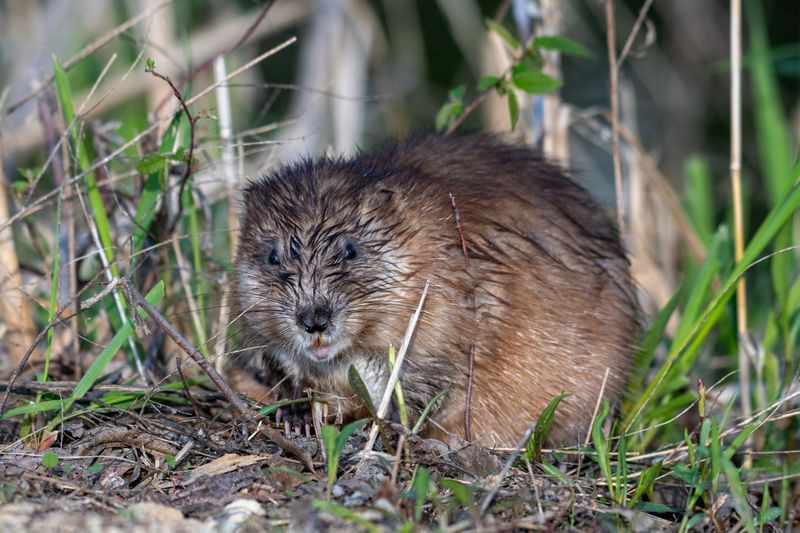
September ponds get crowded, and muskrat families are a big reason why. A pair can raise multiple litters in a season, so late summer leaves the marsh packed with young adults.
Space and food run tight fast. Older animals defend the best cattail beds, and the youngsters get nudged toward the edges of the pond.
What follows is an especially active travel period in Minnesota wetlands. Young muskrats strike out overland at night, crossing ditches, culverts, roads, and even lawns in search of open territory.
Drivers along marshy highways notice them more in autumn for exactly this reason. Country ponds, stormwater basins, and backyard water features suddenly host a newcomer nobody invited.
Dispersing muskrats face real predation risk, since owls, foxes, and coyotes all pay attention to movement on open ground. Those that find water with thick plant growth settle in and start building right away.
Arriving in October rather than September puts a young muskrat behind schedule. Fewer warm days mean a thinner lodge, so late arrivals often lean on bank burrows instead.
Homeowners can make a pond less tempting without any drama. Keeping shoreline plants trimmed in a few sections, skipping dumped garden scraps, and leaving a little open bank tends to encourage travelers to continue on.
Watching one paddle across at sunset is worth the trouble, though. That small brown wedge cutting a V through the water is a muskrat searching for shelter before winter sets in.
What Pond Owners Can Watch For This Month
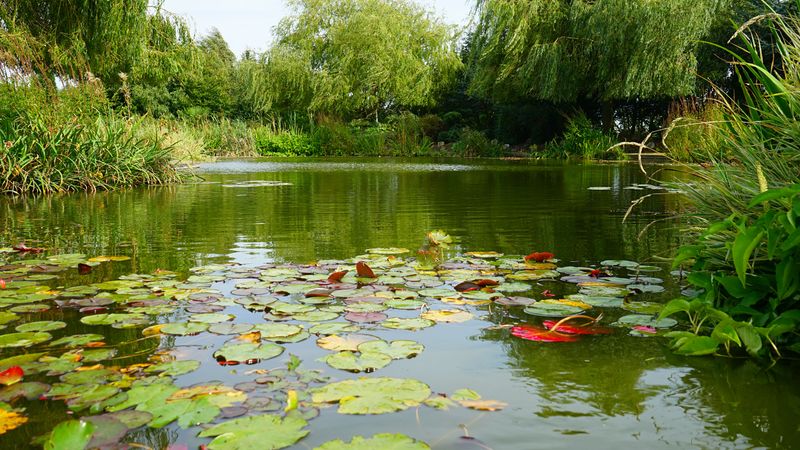
Owning a pond in Minnesota means September doubles as inspection season. A slow lap around the shoreline now saves headaches once the ground hardens.
Start by reading the water line. Slick mud slides, chewed reed stubs, and small floating piles of green stems all point toward active builders in the shallows.
Next, walk the dam or berm with careful steps. Soft spots, small sinkholes, or trickles of seepage can mean tunnels are running through soil you would rather keep solid.
Rock along the water line does wonders. A band of riprap set roughly a foot below and above the normal level makes burrowing awkward enough that animals look elsewhere.
Steep banks help too. Slopes cut at a gentler angle give diggers less vertical soil to work with, which matters on ponds holding fish or irrigation water.
Plant management is a balancing act. Cattails feed muskrats, yet those same stands filter runoff and shelter frogs, ducks, and dragonflies, so thinning a portion beats clearing the whole edge.
Minnesota DNR regulations cover trapping seasons and permits; check current guidelines directly with the DNR before taking action. Checking before acting keeps you on the right side of the law.
For plenty of folks, coexisting works fine. A muskrat lodge steaming faintly on a January morning is a reminder that your pond stayed alive under the ice, hosting a neighbor who beat the cold by finishing the job on time.